Things to do
14-
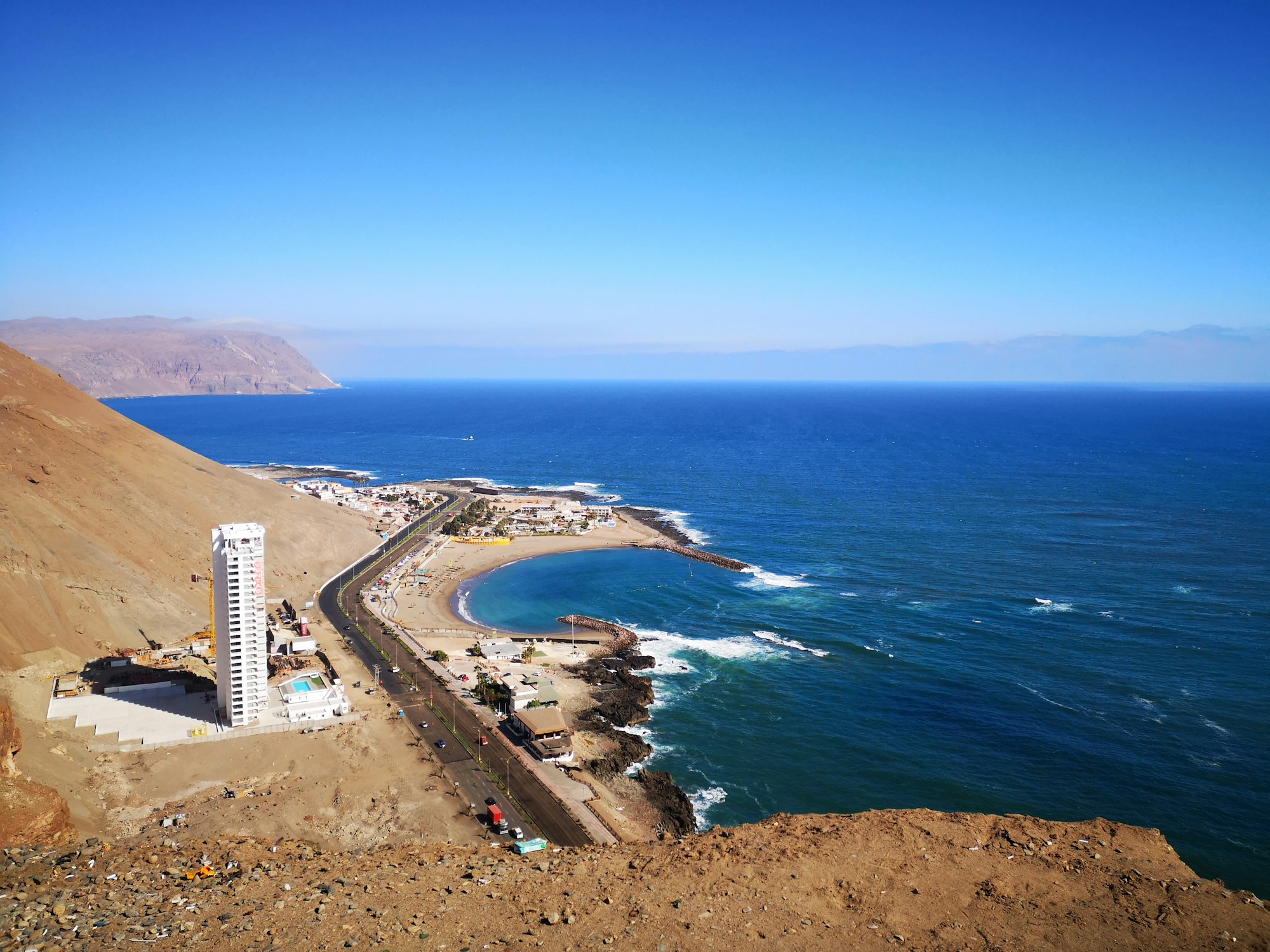
Morro de Arica
From the summit you look directly down on the port, with the city centre behind it and the Pacific stretching out in front. You are standing on the city's best-known landmark, a headland protected as a national historic monument.
View more → -
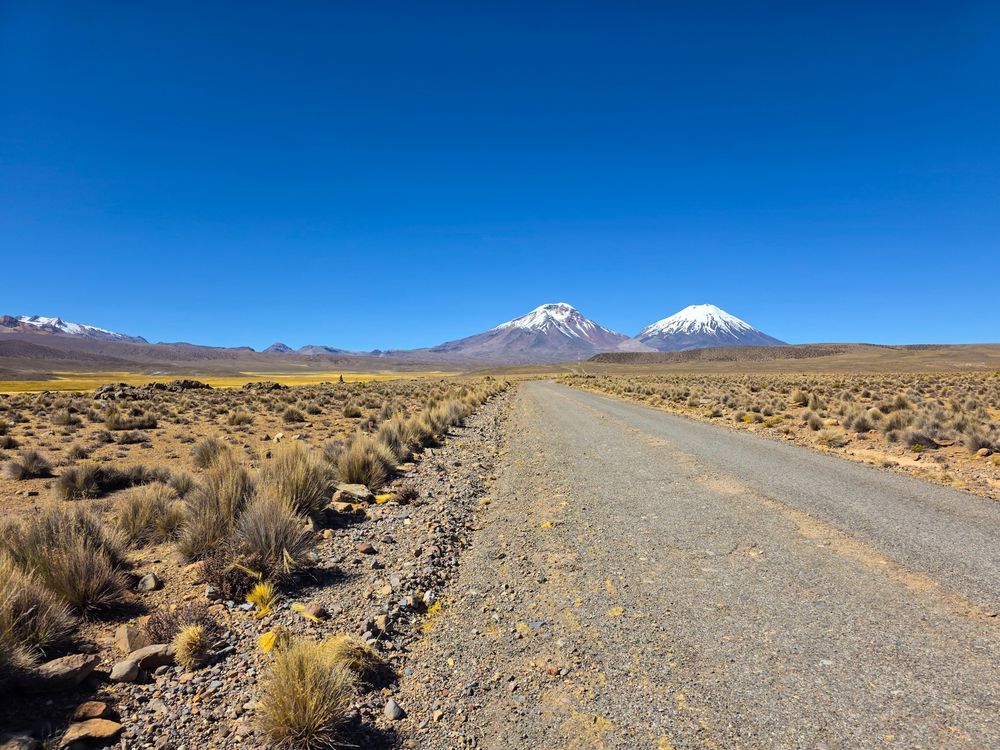
Parque nacional Lauca
A high altiplano park on the Bolivian border, most of it above 4,000 metres, with vicuña herds, bofedal wetlands and the twin cones of the Payachata over everything. Ruta 11 is paved the whole way from Arica, and the climb is steep enough that guided days carry oxygen for passengers.
-
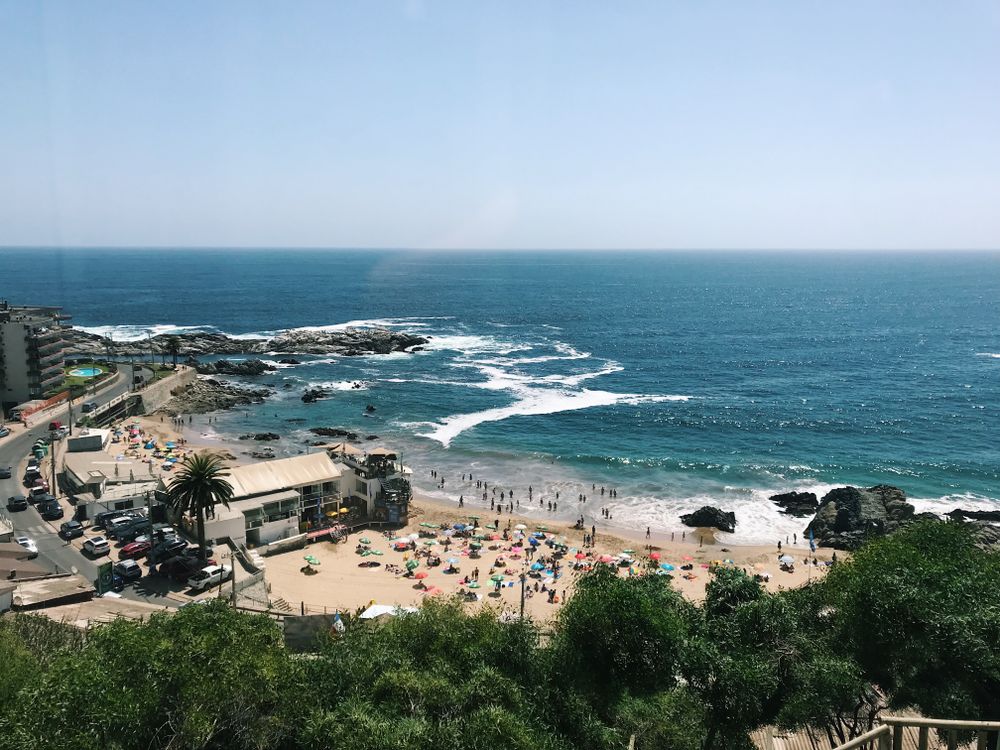
Playa El Laucho
A small beach of white sand south of the centre, beside Playa del Alacrán, where the swell runs very gently and the water is mild enough for a proper swim. The beach has bathrooms, showers, changing rooms and a lifeguard service. Food stalls stand close by.
-
Antigua Aduana
The old customs house in downtown Arica, a building prefabricated in France, on the same block as the cathedral. It now runs as the Casa de la Cultura, the city's cultural centre, with exhibitions in its rooms, so both buildings fit into one short visit to the block.
-
Catedral de San Marcos
A cast iron church designed in the workshop of Gustave Eiffel, shipped from France in pieces and bolted together on the plaza in 1876 after a tsunami flattened the old town. The whole structure is metal down to the Gothic tracery, and the doors open through the day around services.
-
Cuevas de Anzota
A run of sea caves and undercut cliffs south of the port, worked for guano in the nineteenth century and now linked by a boardwalk and stair circuit along the shore. The walk takes about two hours with the sea breaking below it, and the gate closes in the late afternoon.
-
Geoglifos de Alto Ramírez
Human figures, camelids, snakes and lizards etched into the hillsides of the Azapa valley around Pampas Alto Ramírez, among hills held sacred in the region. The figures nearer the city have been vandalised. Wear closed shoes and carry sun protection, a hat and water for the valley heat.
-
Hotel Arica
A low hotel of the 1960s on the cliff above La Lisera, with bungalows set through gardens and a pool cut into the rock over the water. It is the long standing address in the city for anyone wanting the beach at the door, and the walk into the centre takes about twenty minutes.
-
Humedal del río Lluta
A wetland of lagoons at the mouth of the Lluta river, home to gulls and the Peruvian thick-knee, a bird found nowhere else in Chile. It lies 9 km north of the city on a paved road, at the bridge over the river. There are no services, so bring binoculars, water and food, and come at dawn, when the birds are most active.
-
Iglesia de Parinacota
A whitewashed adobe church of 1789 in a hamlet at 4,400 metres, its interior covered in colonial wall paintings of the Passion and a walking table kept behind a rope. A villager holds the key and opens the door for arrivals, and the surrounding houses are lived in only part of the year.
-
Lago Chungará
One of the highest lakes on earth at about 4,520 metres, spread under the Parinacota volcano with giant coots and flamingos on its shallows. A CONAF post and a short shore path sit at the roadside, and walking is slow at that altitude, so most visits are brief and stay near the water.
-
Museo Arqueológico San Miguel de Azapa
The University of Tarapacá collection in an old olive press in the Azapa valley, holding Chinchorro mummies prepared some two thousand years before the first Egyptian ones. The Chinchorro sites were listed by UNESCO in 2021, and colectivo taxis run out to the museum from central Arica through the day.
-
Museo de Sitio Colón 10
A site museum in central Arica, built around a find of Chinchorro mummies and given over to the culture that made them. It is a short stop on a walk round the centre, and a second look at the Chinchorro after the larger collection out in the Azapa valley.
-
Playa Chinchorro
The long beach along the city's northern shore, wide and flat with a gentle shelf. Swim in the marked sections, where lifeguards work in summer, and keep clear of the southern end, where the surf schools set up and rip currents can run strong. The sand stays usable through the winter months.