Ninety seconds on Anakena
On an island walled by sea cliffs, Anakena is the bay where you can swim, with moai standing on the dune behind your towel.
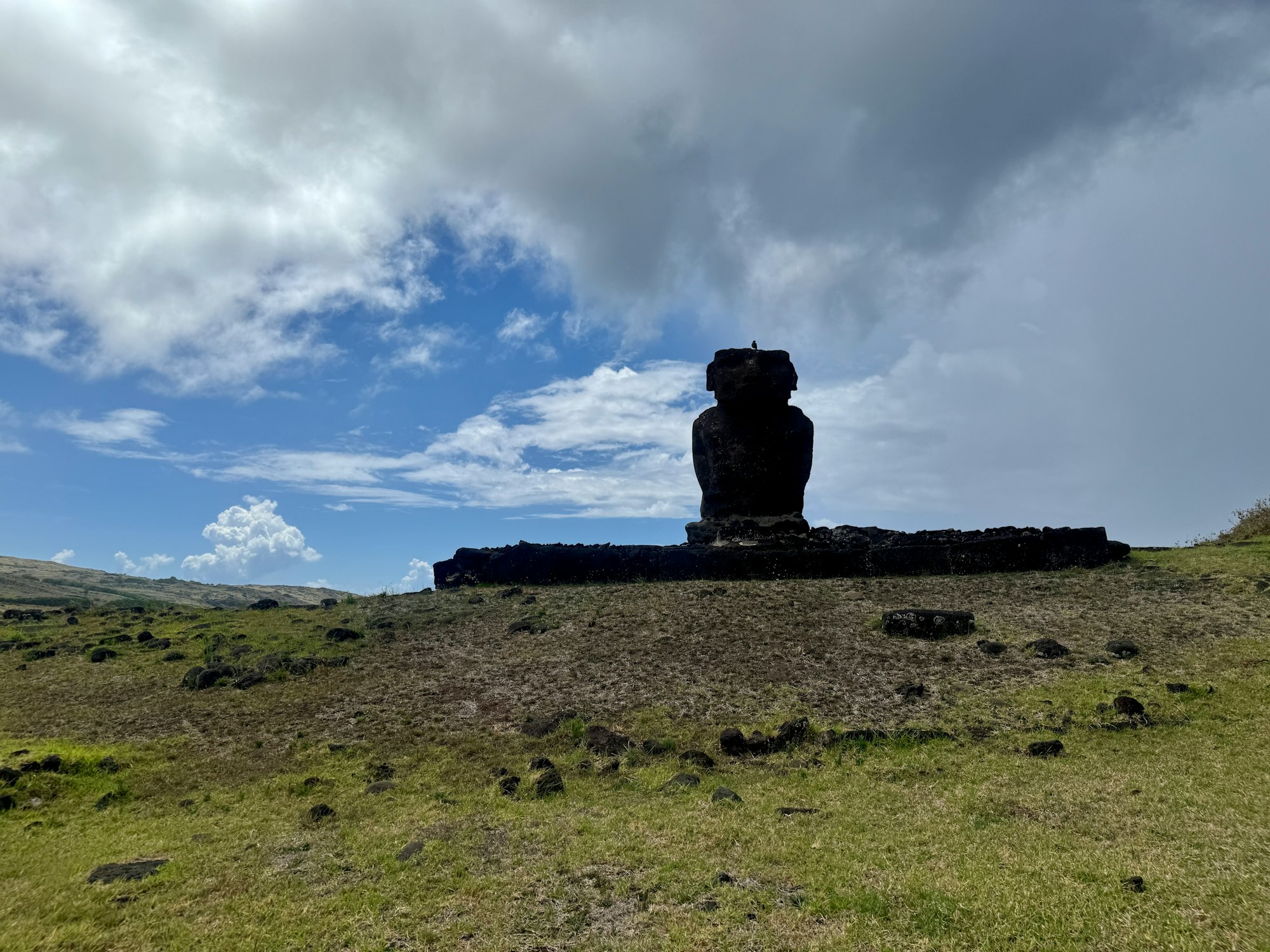
Ahu Nau Nau is a ceremonial platform about 60 metres long, and seven moai stand on it in unusually good condition. Four of them still wear the topknots called pukao. The platform was built on a sand dune, not on the rock that carries most platforms on the island.
The statues were toppled and then lay under the sand for centuries, which kept them out of the wind and rain. That is why the designs carved on their backs still show. Most moai on the island have lost that detail to the weather.
Look along the platform facades as well. One stone block here carries a symbol of the Rongo Rongo script, the island's carved tablet writing. A second platform, Ahu Ature Huki, carries a single moai.
Oral tradition says Hotu Matuʻa, the first chief (ariki), landed here, in the bay the Rapa Nui call Haŋa Rau. His arrival is marked on this beach every 7 July.
The sand is pale and fine, unlike the black rock along the rest of the coast. The water stays close to 20 °C all year, warm enough for a long swim.
Arriving at the car park, you walk in along the entrance path and reach the beach first, with Ahu Nau Nau behind it across loose sand. Toilets, showers, changing rooms, picnic tables and food stalls are all at the beach. No other moai site in the park has a choice of places to eat.
Start with the platform. Stay off it and do not touch or climb the moai; look from a short distance, then walk round behind the row to see the carved backs.
Then swim or sit out under the palms. The bay is usually calm and clear, but there are no lifeguards, so stay within your depth if you are not a strong swimmer.
The park requires a guide accredited by Ma'u Henua for its visitation sites, and the rule at Anakena can differ from the rest of the park, so check the official guide page before you go. That page lists the 99 authorised guides. If you are touring other sites with one, book Anakena into the same guided day, because your guide needs to be with you at the entrance.
Nothing is sold on the road out, so fill your water bottles in Hanga Roa before you leave. The ground around the platform is sand all the way, and trainers fill up fast, so wear shoes that cope with deep sand.
Rinse off in the showers before you use the changing rooms; the park asks you to keep sand out of the toilets. Phone signal is patchy here, and you may not be able to call a taxi from the beach.
Explore the rest of Rapa Nui
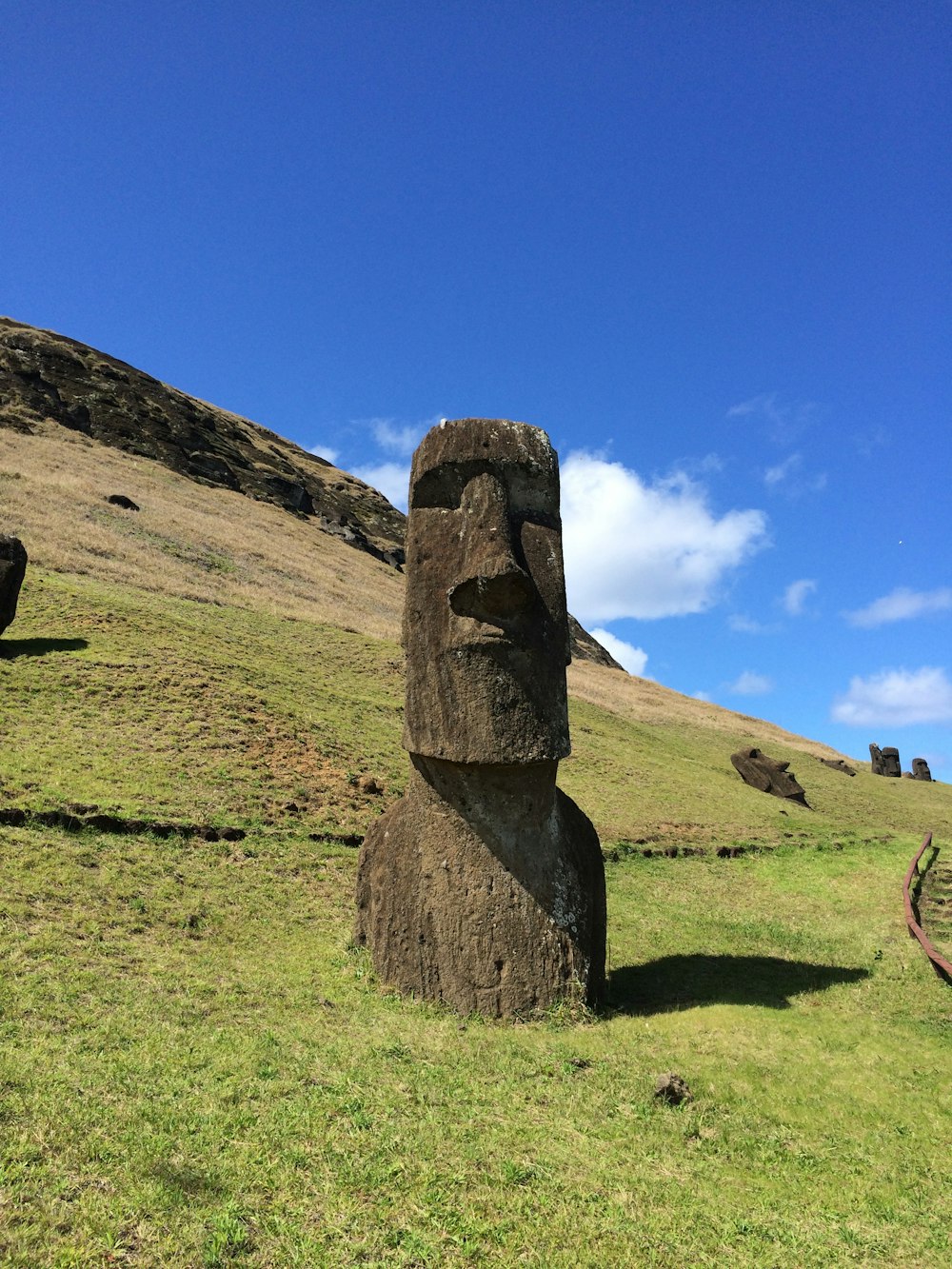
Hanga Roa is the island's only town and the base for every visit, with moai on platforms around the coast and on the slopes of the Rano…
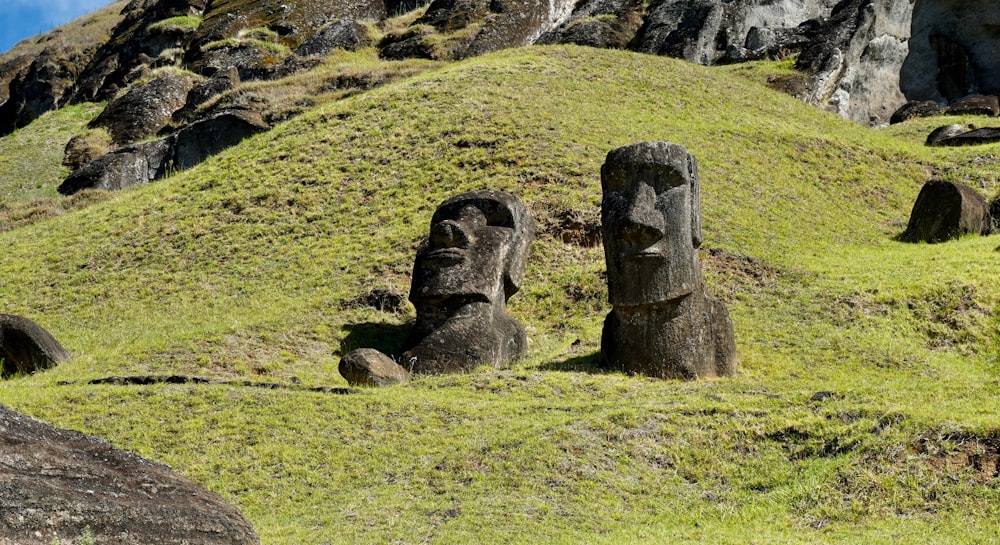
Almost every moai on the island was cut from the volcanic tuff of this crater's slopes, and many remain on the hillside, upright, half…
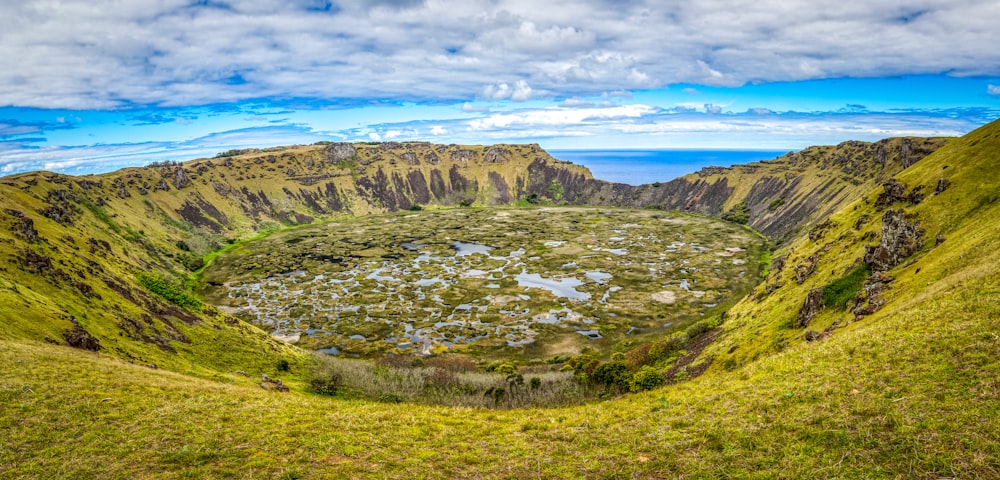
A wide volcanic crater holds a freshwater lake under floating mats of totora reed, and on the seaward side the ocean has cut into the rim.…