Ninety seconds on El Tatio
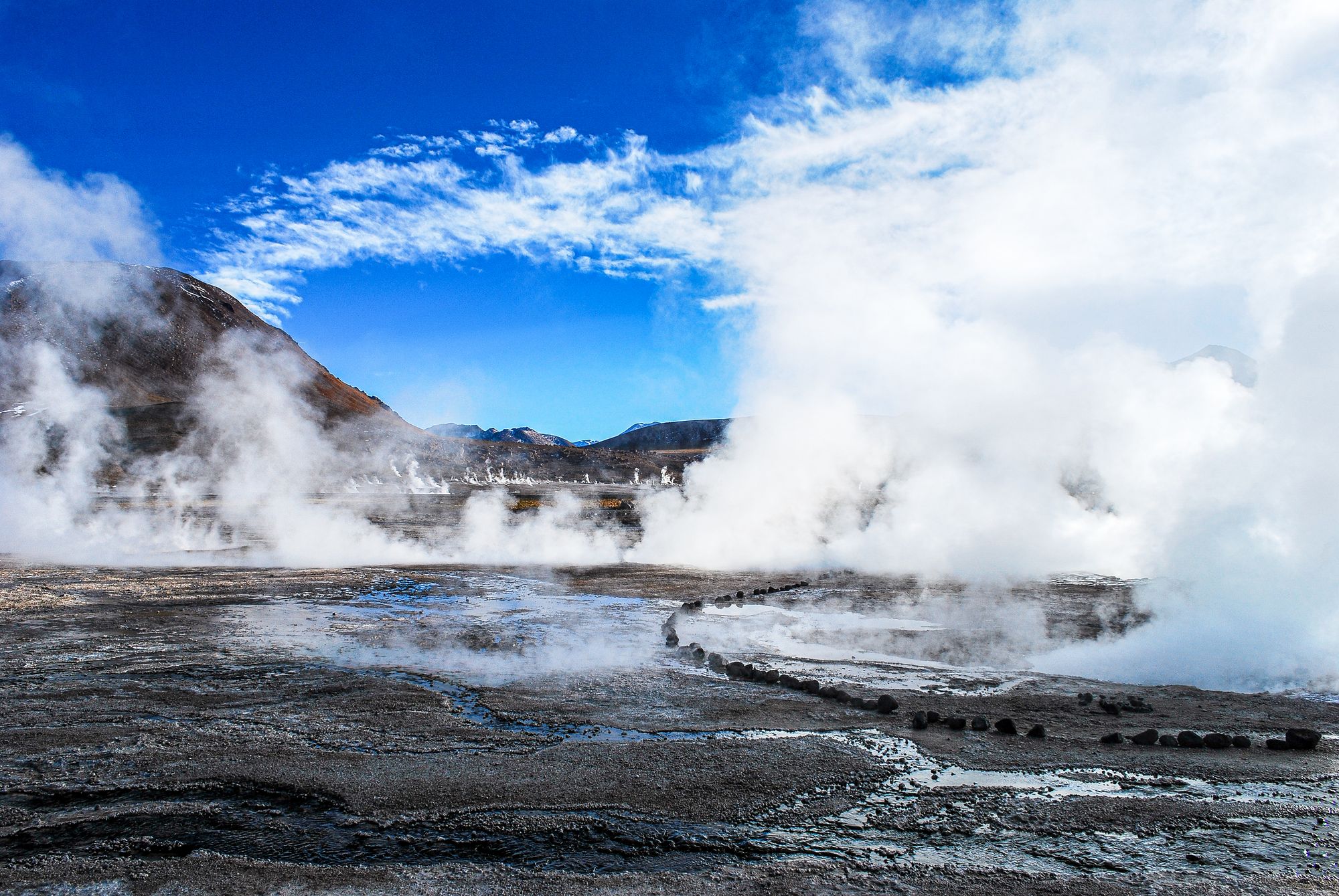
Every sunrise, the Southern Hemisphere's largest geyser field sends its steam up tallest into the freezing air, and you can stand on the paths among the columns while it does.
El Tatio holds about 80 geysers, which makes it the third-largest geyser field in the world. It sits in a high basin ringed by volcanoes that top 5,000 metres.
What you watch for is the cycle. Many geysers here pulse the same way: pressure builds, the water bursts out with force, then it fades to a plume of steam over a few minutes. At this altitude the water boils at about 86 °C, still hot enough to scald.
The hour matters because of the cold. In the freezing air before sunrise the steam columns stand at their tallest, and in the first hours of light the jets can reach 10 metres. When the sun clears the Andes, the low light can make the steam glow with colour.
The name is Kunza for the grandfather who weeps. The Atacameño communities of Toconce and Caspana manage the park under a concession.
El Tatio's only toilets are at the entrance, where independent visitors buy their entry; tours usually collect it in advance. Bring a card and some cash for the gate. Use the toilets before you walk out, because relieving yourself anywhere else is banned.
From the parking area, marked paths lead out among the vents. The northern field has the biggest and most active fumaroles and the southern field has the most geysers, so walk both. Stay inside the marked lines and touch neither the water nor the fumaroles: the ground around the vents is a thin crust over boiling water.
Pick one geyser and wait through a full eruption before you move on. On the way down, tours often stop at a lagoon with flamingos and run through the Putana Valley, and drivers can pause at the village of Machuca.
A tour is the usual way up and suits most first-timers, because someone else drives the dark road at altitude. A typical trip runs about six hours, with hotel pick-up from about 4:30 am, a bilingual guide, breakfast and usually the entry fee, which the operator collects in advance.
Choose an operator registered with Sernatur, the national tourism service. Every tour arrives for sunrise, so the paths are crowded at dawn in high season. In a hire car you can arrive a little later, when it is quieter but the steam is lower.
Dress for temperatures around 0 °C and well below on a winter dawn: a hat, gloves, warm layers and shoes with grip. Bring sunscreen and plenty of water, and leave the drone at home unless you hold an authorisation.
Altitude sickness, known locally as puna, is what catches first-timers out. Spend time at gradually higher elevations before you go, skip alcohol the night before, and carry a bottle of coca-leaf water from the craft fairs in San Pedro.
Explore the rest of San Pedro de Atacama
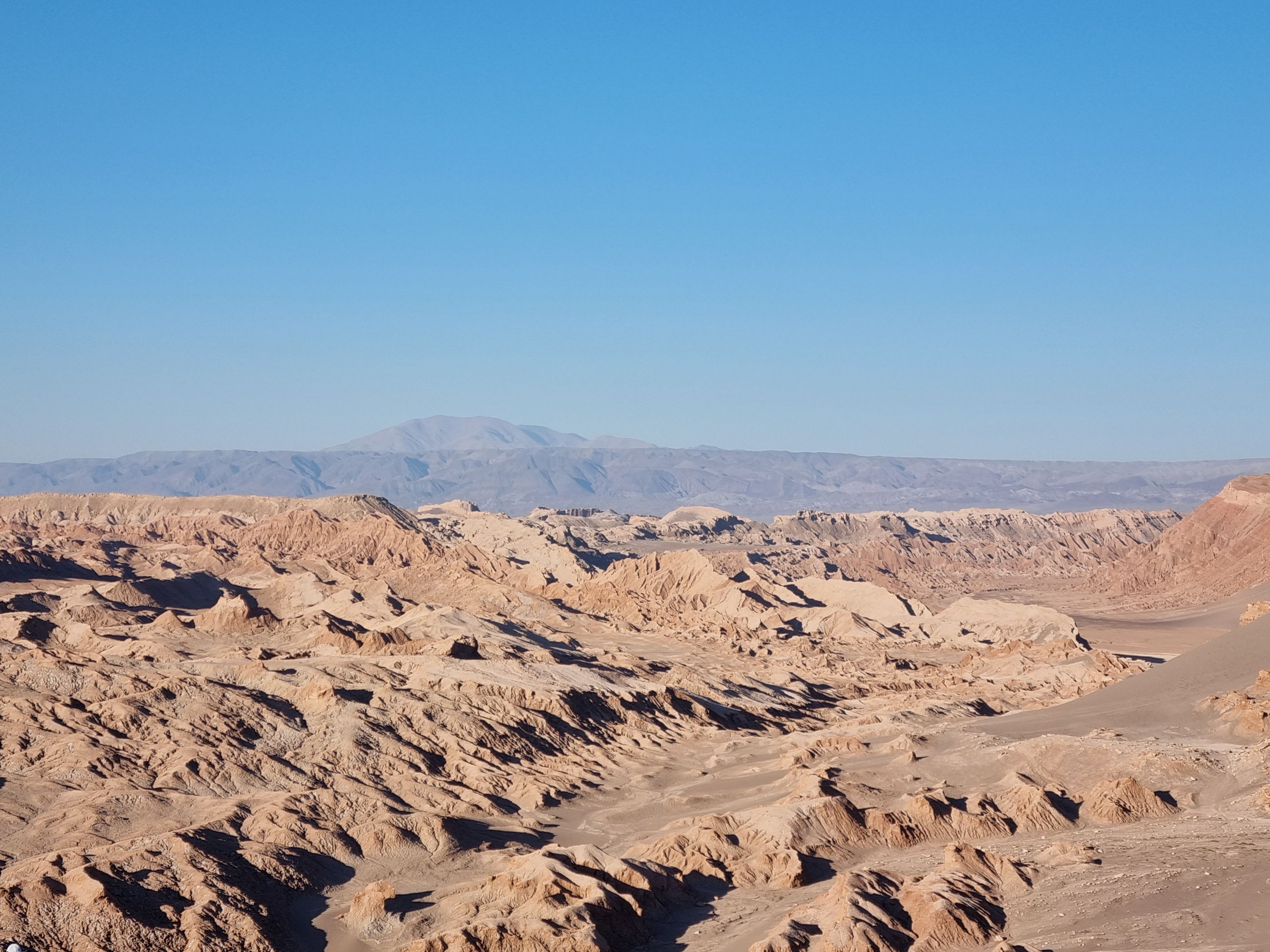
An adobe oasis at 2,400 metres at the northern end of the Salar de Atacama, and the base for almost everything a visitor reaches in the…
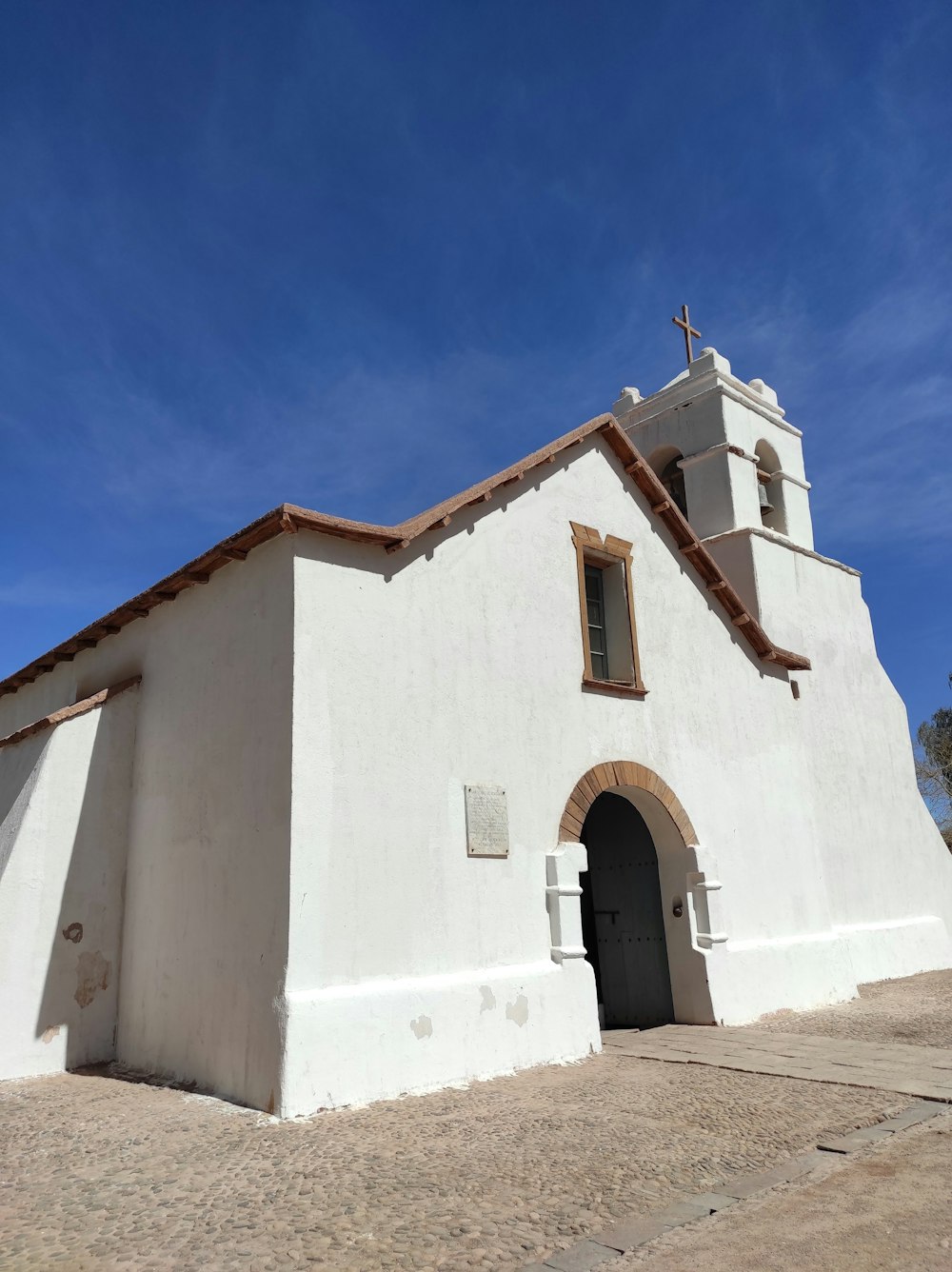
A whitewashed adobe church on the plaza, its roof built from cactus wood lashed with leather thongs and its present shape dating from the…
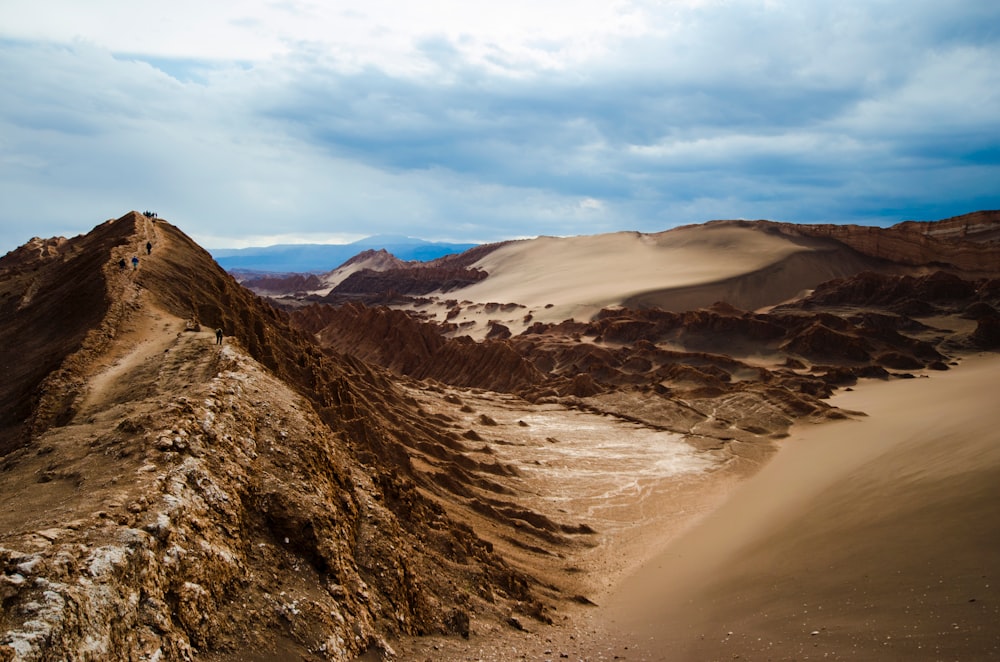
An ancient salt lake bed, lifted and folded by the earth and carved by wind and water into ridges, dunes and salt flats, west of San Pedro…