If Alexander's road across Egypt interests you, stand inside the only temple in the Western Desert known to have been built in his name. It marks the start of the old caravan route to Siwa.
Temple, Bahariya Oasis. Meridian Dispatch.
By car, about 5 km west of town. The oasis sights are spread out along the highway, so a vehicle is needed, but an ordinary one will do. Only the White Desert tracks call for four-wheel drive.
The ministry lists the Bahariya archaeological area, rather than this temple alone, as open from 8:00 to 16:00. In Ramadan it opens at 9:00 and shuts at the same time. Admission stops an hour before that.
Yes. It is a day ticket bought in Bawiti before driving out, and it is also valid on the same date at the other antiquities nearby.
It suits travellers interested in Alexander or in ruins, less so those hoping for decorated walls. The main building has been stabilised, with mortar filling the cracks between its blocks.
The cooler part of the year, when the light also picks out the remaining details of the building better. Summer is fiercely hot, winter is around 10 °C, and it almost never rains.
A guide who knows the Western Desert is useful, as there is no visitor centre on site to explain the remains. Ask the guards about photography on arrival.
The temple proper is small: two sandstone rooms dedicated to Amun at the north end of a walled enclosure. They face south, as does the stone gate in the outer wall.
Carved scenes once showed Alexander before the gods, and his name was cut beside them. Wind-blown sand has since scoured the stone, so the name can no longer be read and many of the figures are gone.
To the right of the doorway, look for the lower halves of two figures facing each other. One is probably Alexander, dressed as a pharaoh and making an offering.
An altar of red granite stood in front, bearing his name, and is now in Cairo.
The shrine is surrounded by the remains of at least 45 mudbrick houses and stores, where the priests and staff lived and worked. A separate building on the east side may have been the office.
Start at the Bawiti museum, where the day ticket is sold, then do the sites in a loop by car. A workable order is Qarat Qasr Salim on the northern edge of town, the ruins at Ain el-Muftella 3 km west, and this temple last.
Walk up to the main building, which restorers have stabilised. Go through the larger room, then step into the second, smaller chamber, which has low bare walls.
Outside, walk among the old living quarters, where broken pots lie all over the ground. Finish by looking out over the palms and grass before the drive back.
Tell your driver or tour operator that you want this stop, and agree the order of sites before you leave town. Carry water and cover from the sun.
Leave the potsherds where they lie. The Valley of the Golden Mummies is a working excavation that visitors cannot enter, so look for some of its finds at the Bawiti museum instead.
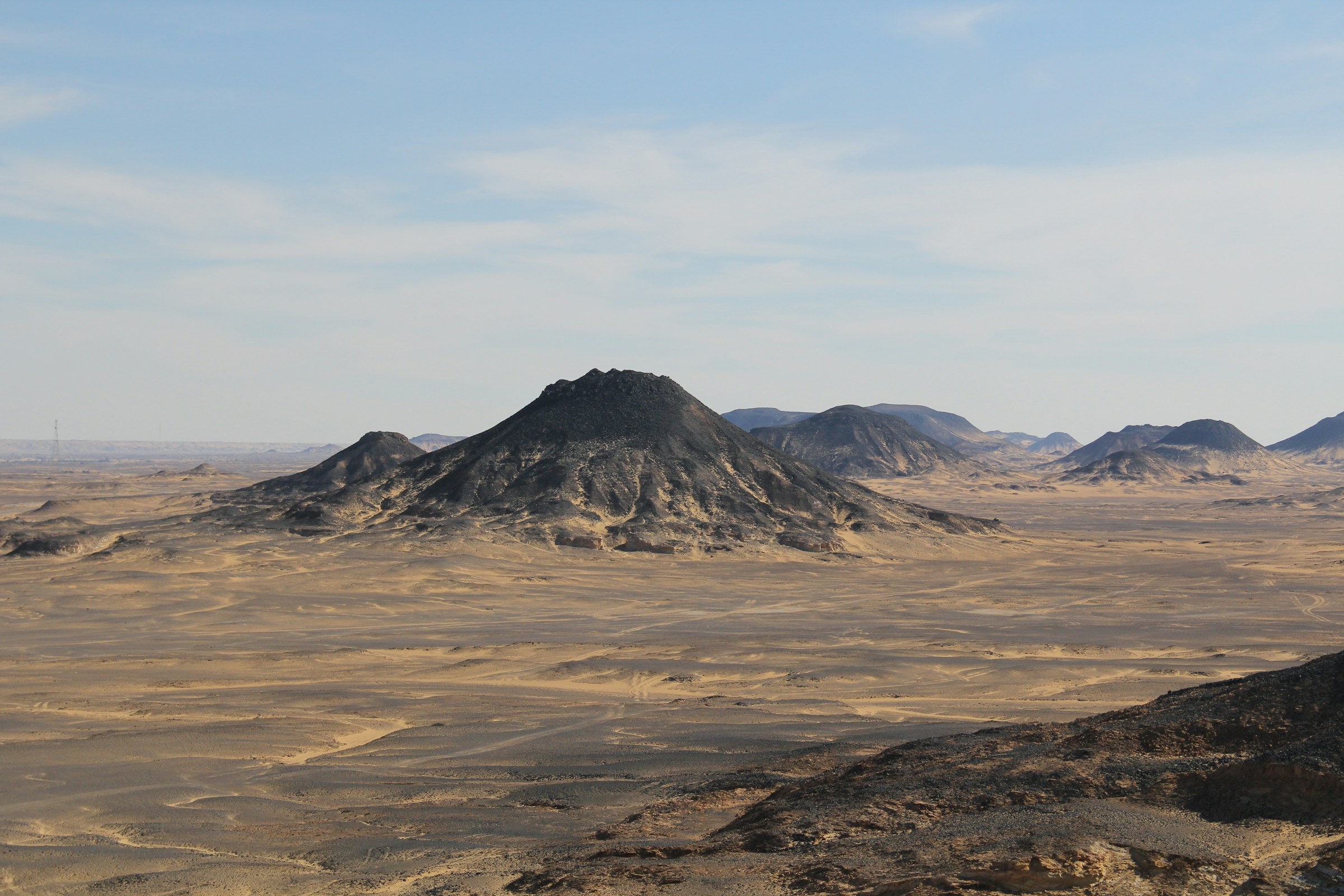
After a night in Bawiti and a morning in its painted tombs, you ride south by 4x4 past black-capped hills and camp among the chalk towers of the White Desert.
Read the Bahariya Oasis guideExplore the rest of Bahariya Oasis
A belt of palm groves, hot springs and villages sunk in a desert depression about 370 km south-west of Cairo, the closest of the Western…
On the eastern edge of Bawiti, a short walk north of the museum, a mound holds two painted tombs from the reign of Ahmose II. One belonged…
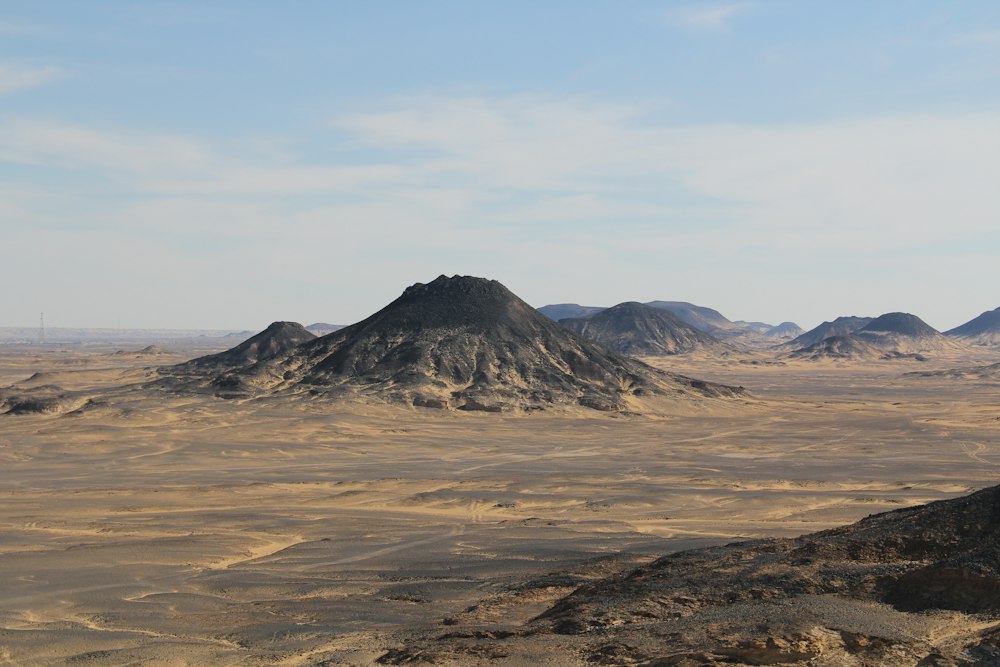
Dark-capped hills stand apart on orange sand here, and broken black stone spills down their sides. Most 4x4 trips from Bahariya stop for…
A low ridge beside the Bahariya road glitters where its rock is shot through with crystal, and a natural arch stands a short walk away.…




Save Temple of Alexander the Great to your Egypt trip in the Meridian Dispatch app and build the day around it, with the best of Bahariya Oasis pinned on one map.
Download on the App StoreLast updated