
Walk through the largest and best-preserved Roman site in Egypt's Eastern Desert, a walled quarry camp in the Red Sea Mountains whose rooms still stand to roof height.
Archaeological Site, Hurghada. Meridian Dispatch.
By road, in about an hour and a half, first south and then inland towards Qena. The final stretch is a desert track in poor condition, and Hurghada agencies run day trips to the site by 4x4.
In the mountains of Egypt's Eastern Desert, about midway between the Red Sea and Qena, in the present-day Red Sea Governorate. The site lies far from any town or village.
Yes. Rome's Pantheon took the single-piece shafts for its entrance porch from this quarry, cut from its granodiorite and carried across the desert and the sea to Italy.
Yes. The two Roman quarries lie about 50 km apart, and day trips by 4x4 often combine them. Mons Porphyrites is the quarry where purple porphyry was cut.
The walls of the fortified camp, the workers' cells, a small temple and the quarry faces with their abandoned column shafts. The largest column left on the site measures 18 metres.
Plenty of water, a hat, sun protection and good shoes for the rough ground. The site has no shade and no water point, so everything for the day has to come in the vehicle.
Mons Claudianus supplied Rome with granodiorite, a grey stone flecked with black. Quarrying ran for two centuries, from the 1st century AD to the middle of the 3rd, and the monolithic columns of the Pantheon's portico came from here.
The stonecutters took out whole column shafts in one piece, which explains the size of the blocks left behind. One shaft broke during extraction and never left the desert; its cracked length remains in the quarry.
The settlement had three parts: a garrison, the quarry itself, and the civilian and workers' quarters. Soldiers, workers and administrators lived here year-round, drawing water from wells and cisterns, and damaged washbasins and bathtubs survive among the rooms.
From Hurghada, the route runs south and then inland on the Safaga to Qena road. About 40 km along that road, a track turns off and runs some 25 km north-west to the site.
On site, begin inside the fortified camp. Walk the line of its walls, then the workers' cells and the small temple.
From the camp, cross through the reddish ruins of the houses and workshops around the enclosure. Then climb to the quarry faces on the mountainside and finish among the abandoned blocks scattered across the slope.
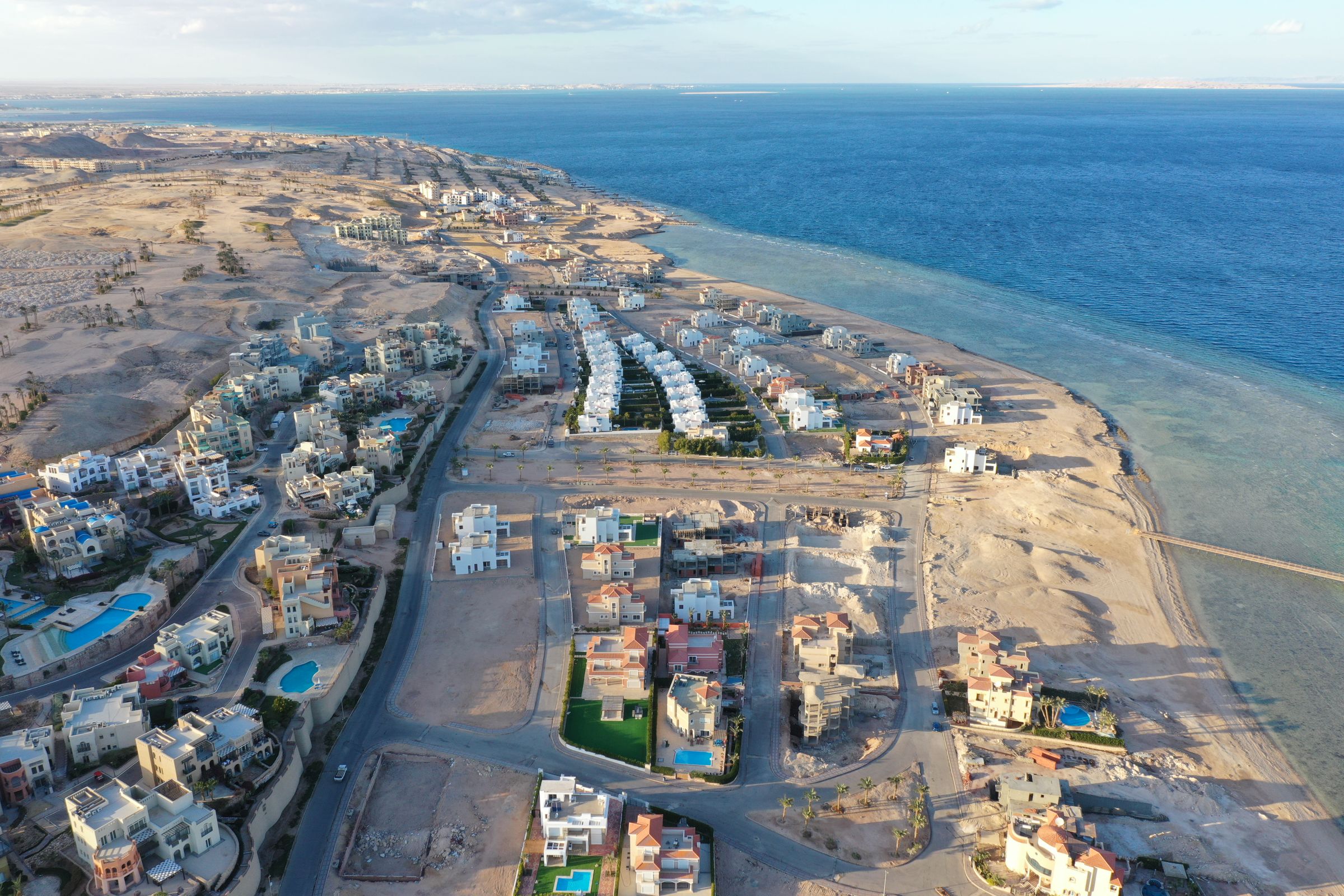
Hurghada, Egypt: a fishing harbour grown into the main resort city of Egypt's Red Sea coast. Abu Tig Marina and Baron Palace Sahl Hasheesh.
Read the Hurghada guideExplore the rest of Hurghada
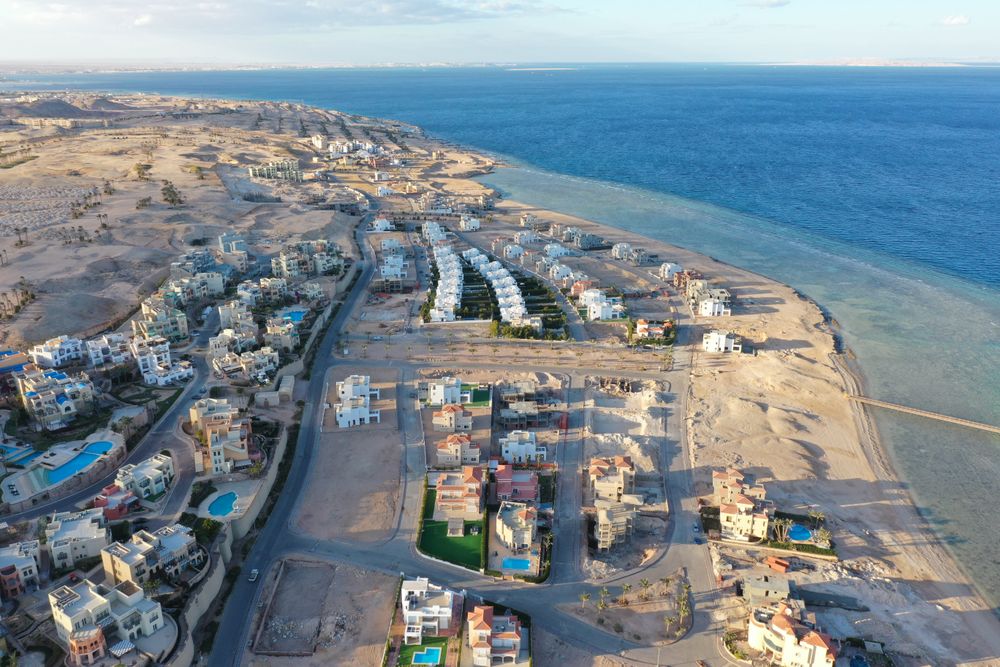
A fishing harbour grown into the main resort city of Egypt's Red Sea coast, stretched along the shore with the reef-ringed Giftun Islands…
Finished in 2008, the boulevard wraps a basin of about two hundred yacht berths in Sakkala with a pedestrian, palm-lined promenade of…
Two low desert islands lie off Hurghada inside a protected marine park: Giftun Kebir, the larger, nearer the coast, and little Giftun…
Projecting into the shipping channel at the mouth of the Gulf of Suez, north-west of Shadwan Island, this triangular reef has sunk at least…
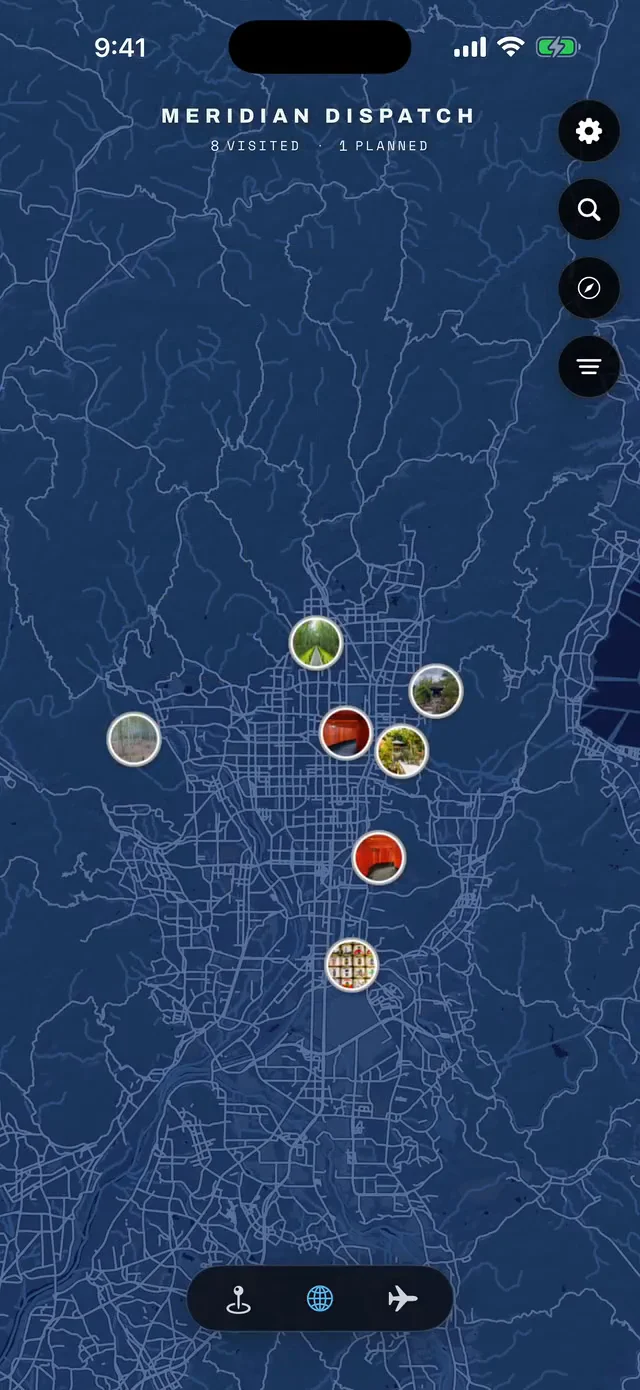
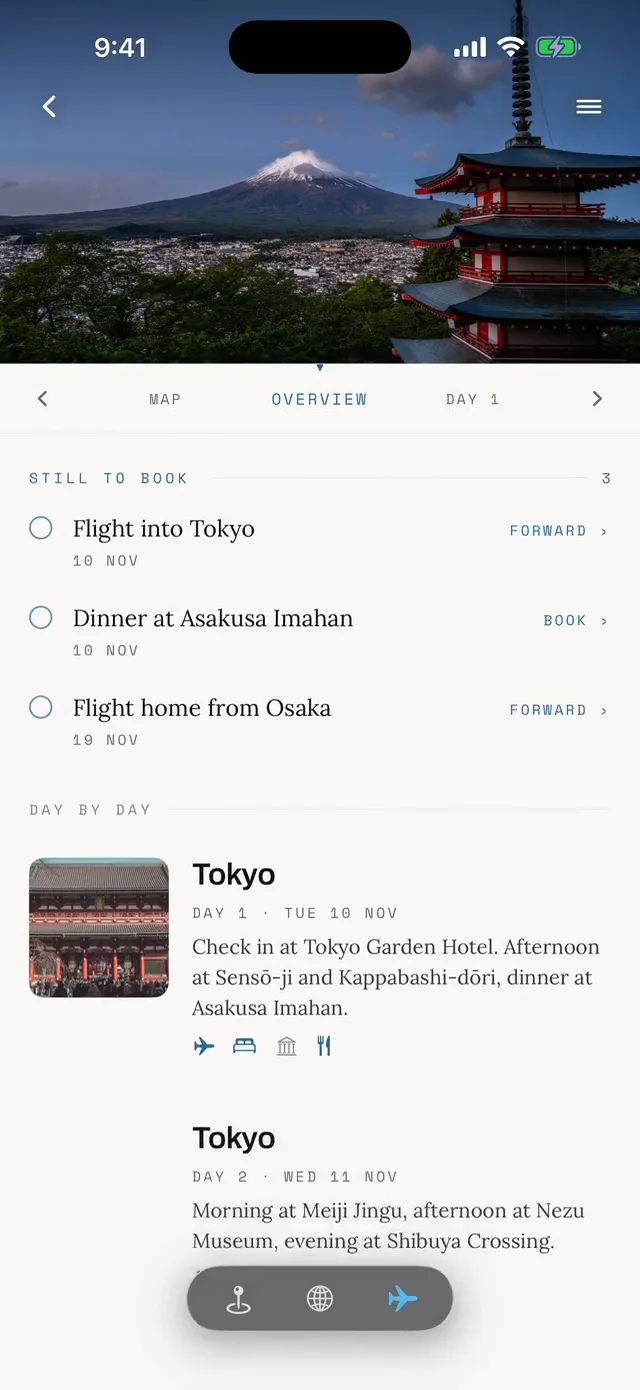

Save Mons Claudianus to your Egypt trip in the Meridian Dispatch app and build the day around it, with the best of Hurghada pinned on one map.
Download on the App StoreLast updated