Giftun Islands
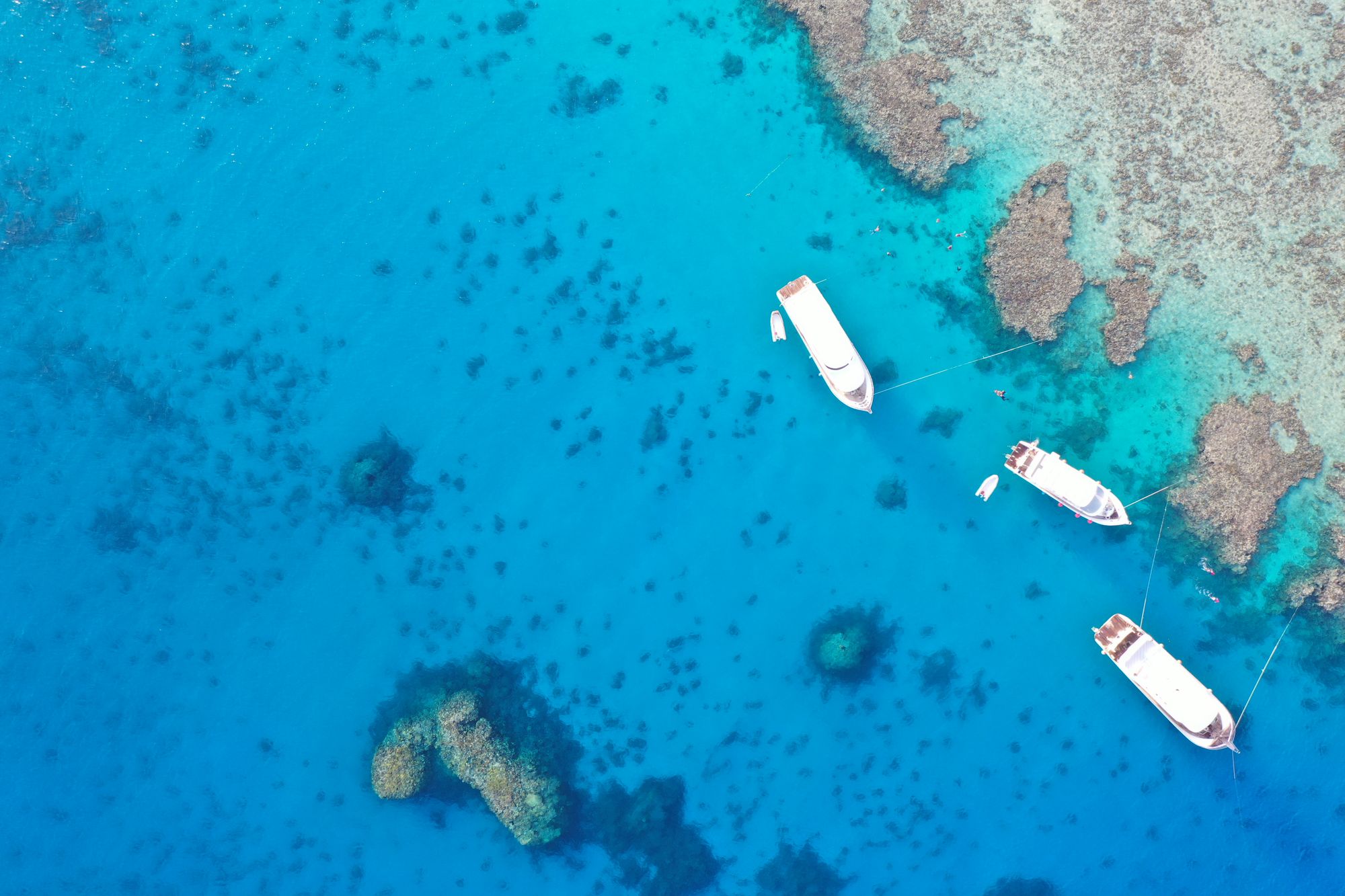
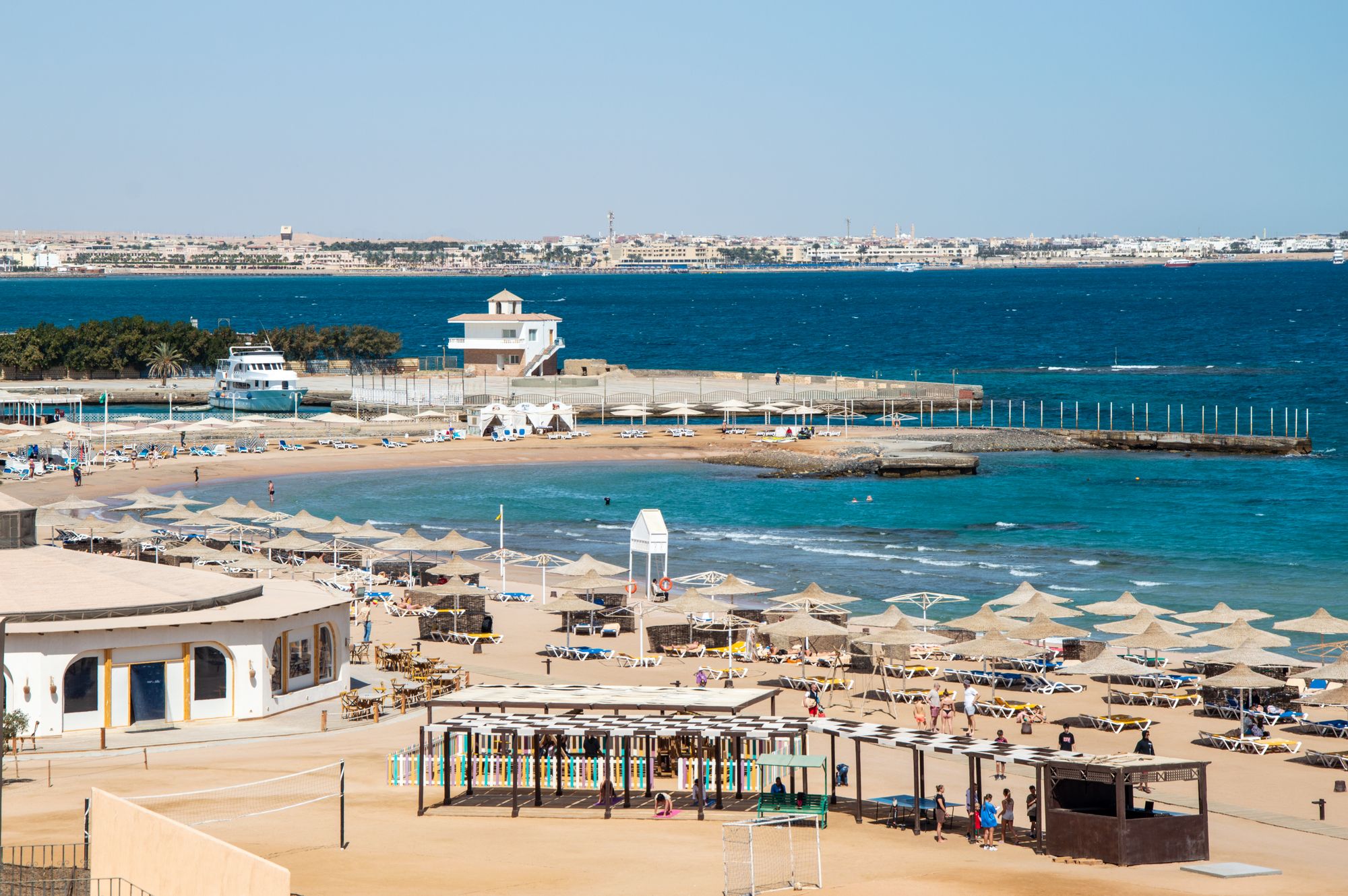
Take a day boat out of Hurghada to soft pale sand and clear water, with snorkelling stops on protected reefs that see less damage than the reefs along the shore.
Read the guide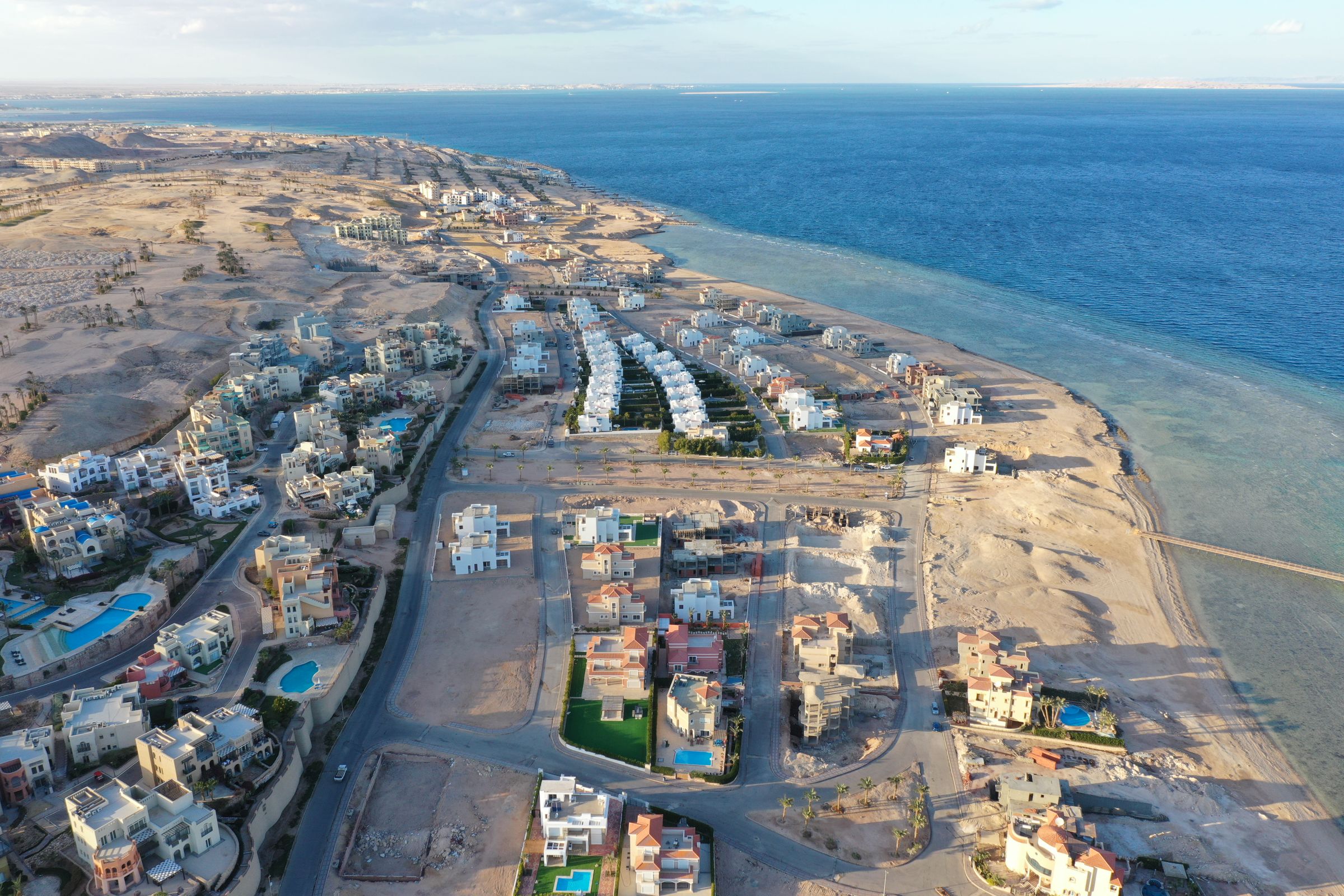
Base yourself on the Hurghada coast and the Giftun reefs are a 45-minute boat ride from the marina, with the Roman quarries of the Eastern Desert a day trip inland by road.
Town guide, Egypt. Meridian Dispatch.
Ninety seconds on Hurghada
Allow four days or more. A Giftun Islands boat trip runs from the morning into the late afternoon. The Roman quarry at Mons Claudianus is about an hour and a half each way by road, the last 25 km on a rough desert track, so it fills a day as well.
The resort coast between El Mamsha and Sahl Hasheesh suits a beach stay, with the sea at the door. A room in Sakkala or El Dahar, in the city itself, puts Hurghada Marina and the market streets round El Dahar Mosque within a short walk or taxi ride. The hotels picked on this page all stand on the resort bays.
By road: Cairo lies 455 km away along the Hurghada to Sokhna to Cairo road. Coaches from the Go Bus and Upper Egypt Bus stations in El Dahar take five and a half to seven hours, with a compulsory rest stop about halfway. Overnight departures leave late in the evening and reach Cairo early the next morning.
October to April; the hottest months run from June to September. Divers on the Abu Nuhas wrecks favour March to May and September to November. A windy day makes the crossing to Giftun choppy, so the forecast is worth checking before booking a boat.
Yes, in small notes. Taxis rarely accept cards, and small cash covers tips and extras on a boat day. The Giftun park fee is often included in the boat ticket, so ask the operator whether it is. A visa bought on arrival is paid in cash at approved airport kiosks.
Hurghada International, HRG, which lies inland about 5 km southwest of El Dahar. The drive to Hurghada Marina takes about 20 minutes and to the resort coast around half an hour; El Gouna is about 40 minutes north, and Soma Bay and Safaga about 45 minutes south.
Stay in Hurghada for the island boats, the wrecks and a city with a bazaar. If you want turtles grazing the seagrass of a quiet bay, stay in Marsa Alam.
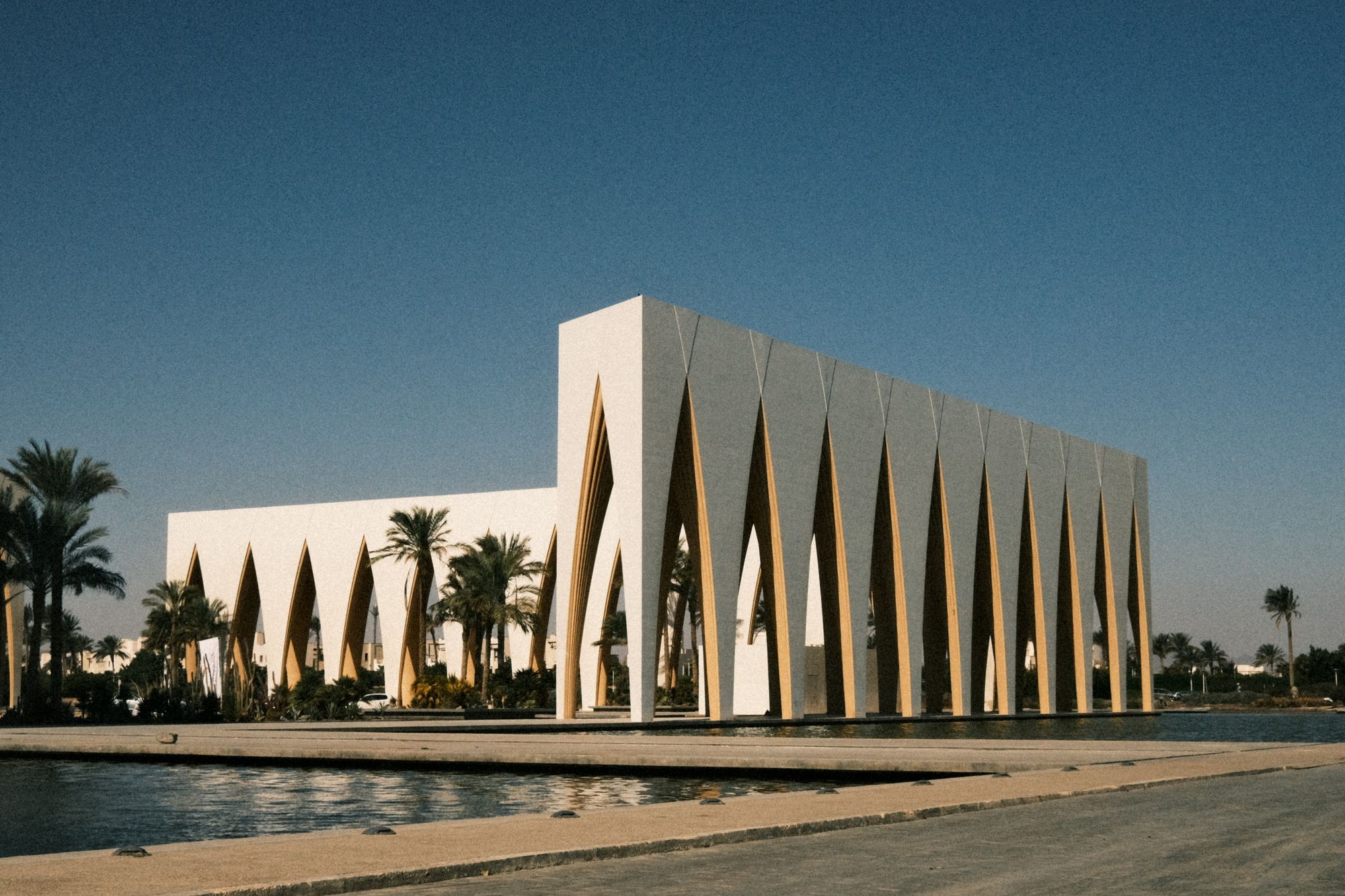
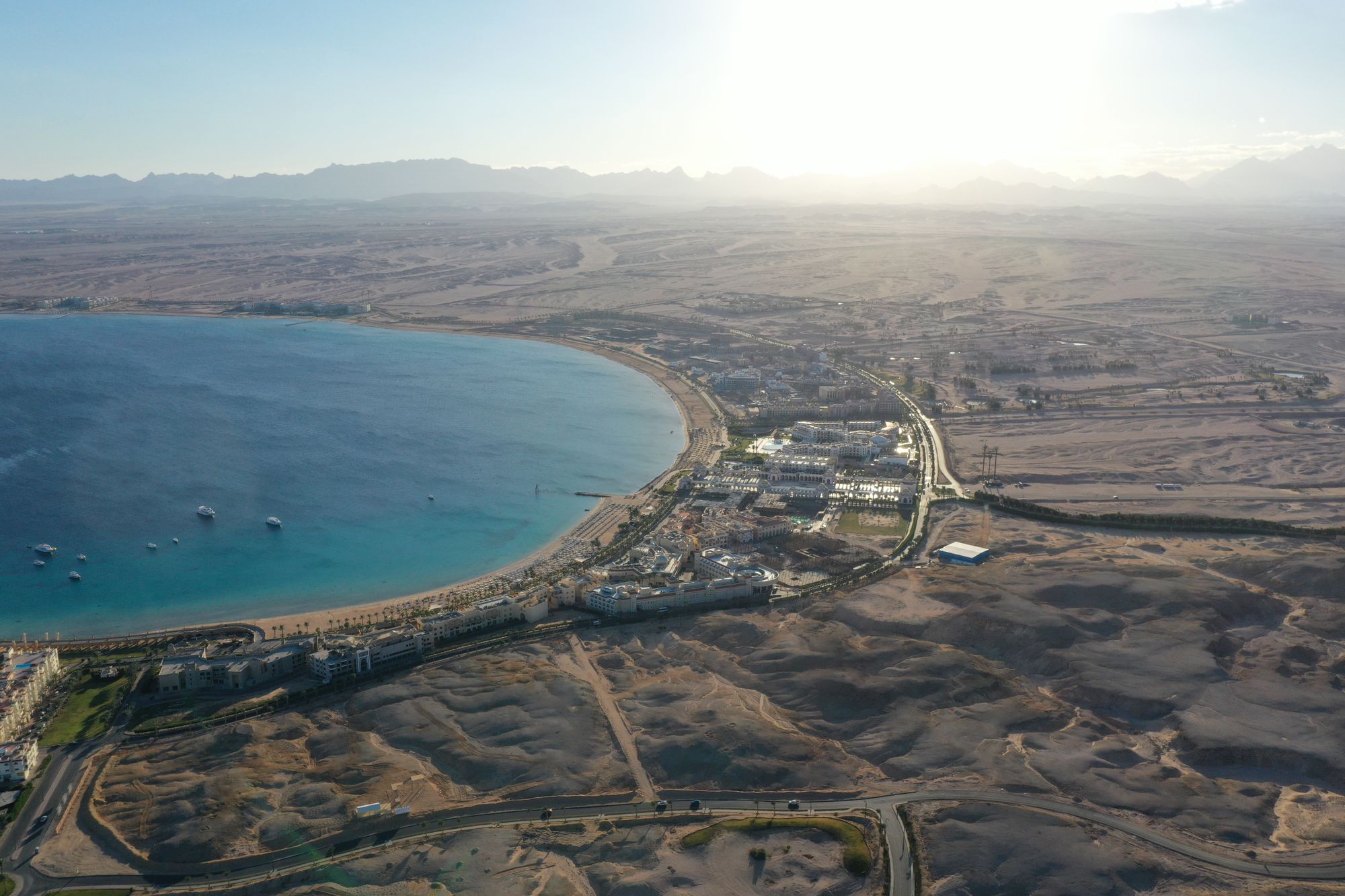
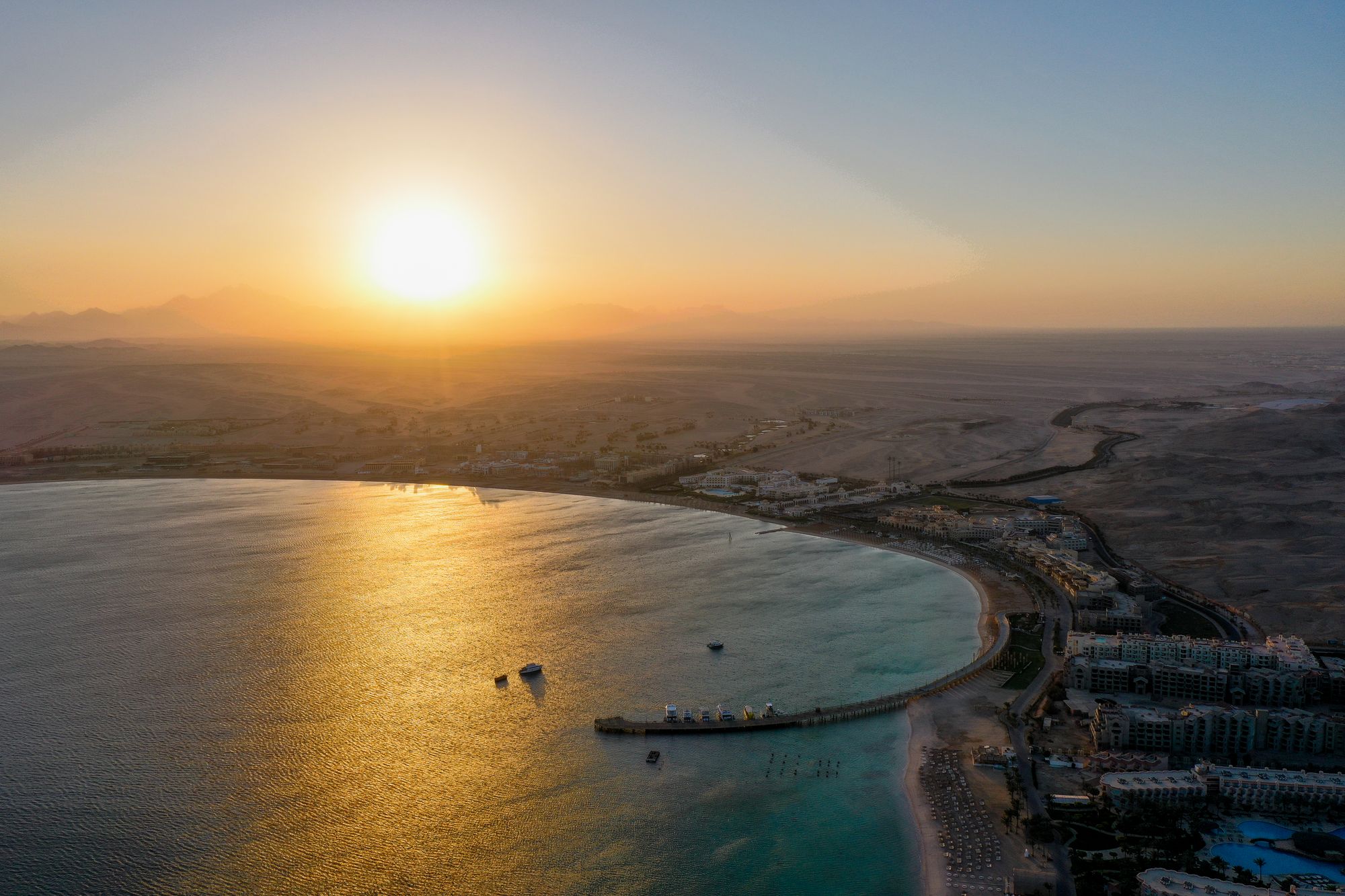
Hurghada is a working city on the Red Sea, with resort bays strung along the coast to the north and south of it. Day boats leave its marina for the reefs and islands offshore, and behind the coast the Eastern Desert climbs to the Red Sea Mountains.
the Pantheon in Rome
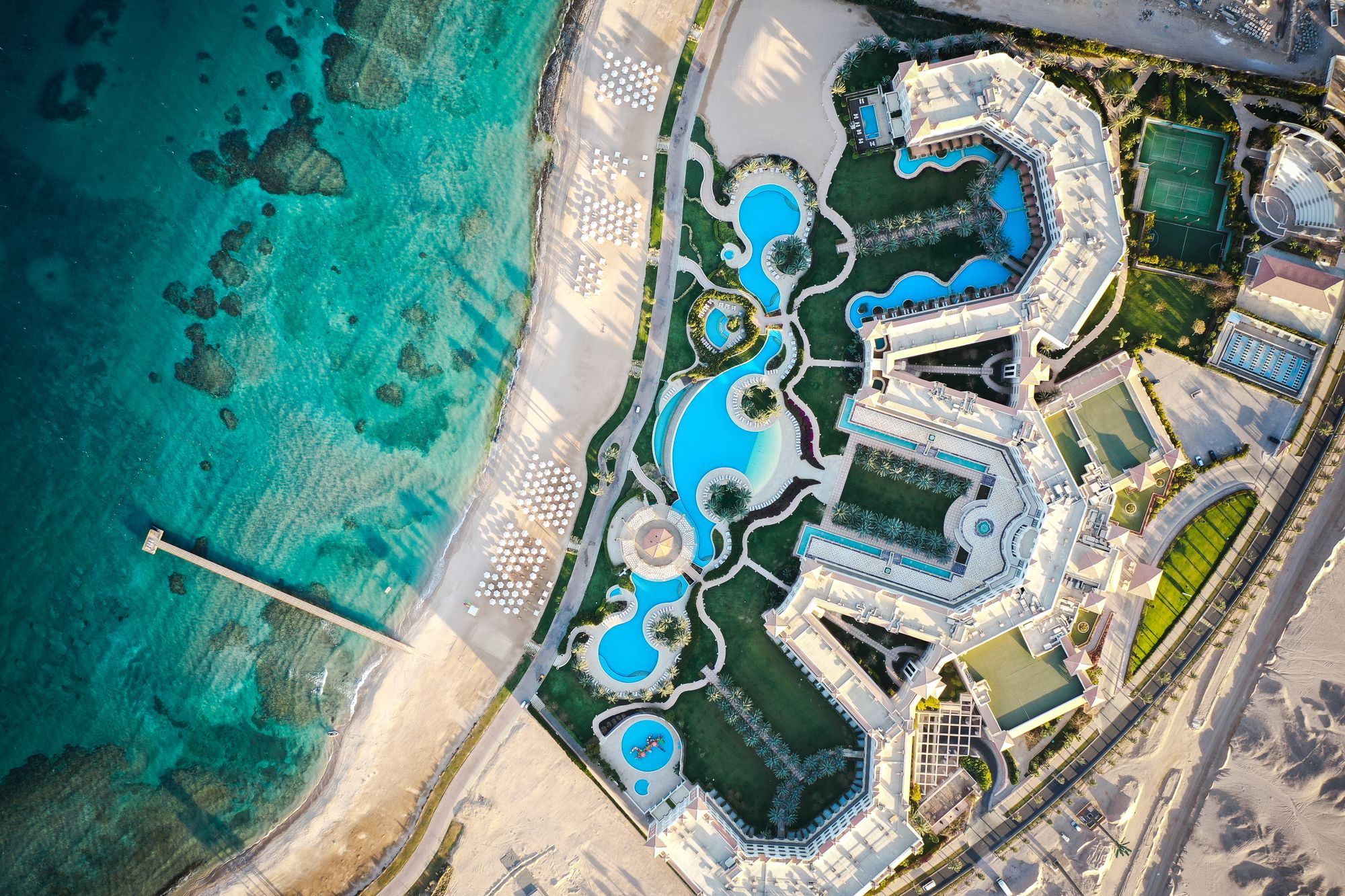
Every hotel on this list stands on a resort bay outside the city, so pick the bay first. El Gouna, to the north, has lagoons, marinas and a small downtown. Sahl Hasheesh and Soma Bay lie to the south, Soma Bay furthest out, on a gated peninsula with wind for kitesurfing.
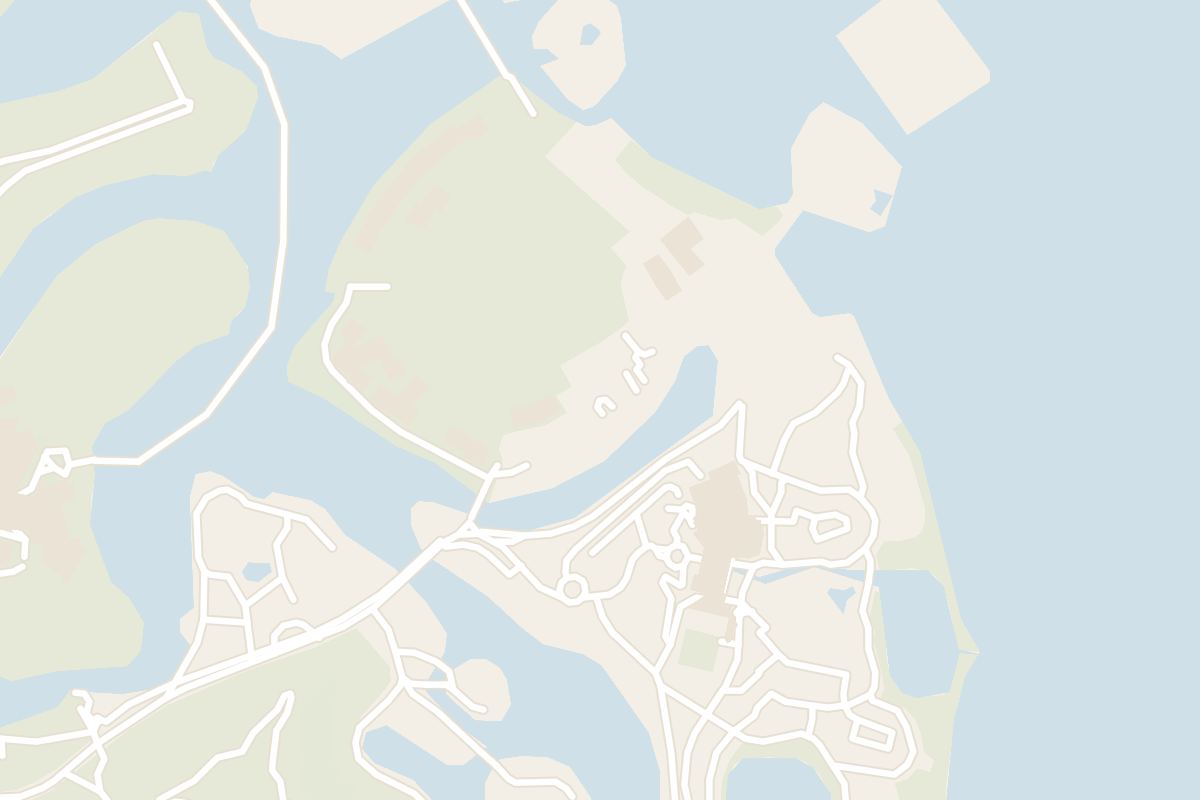 El Gouna, north of the city
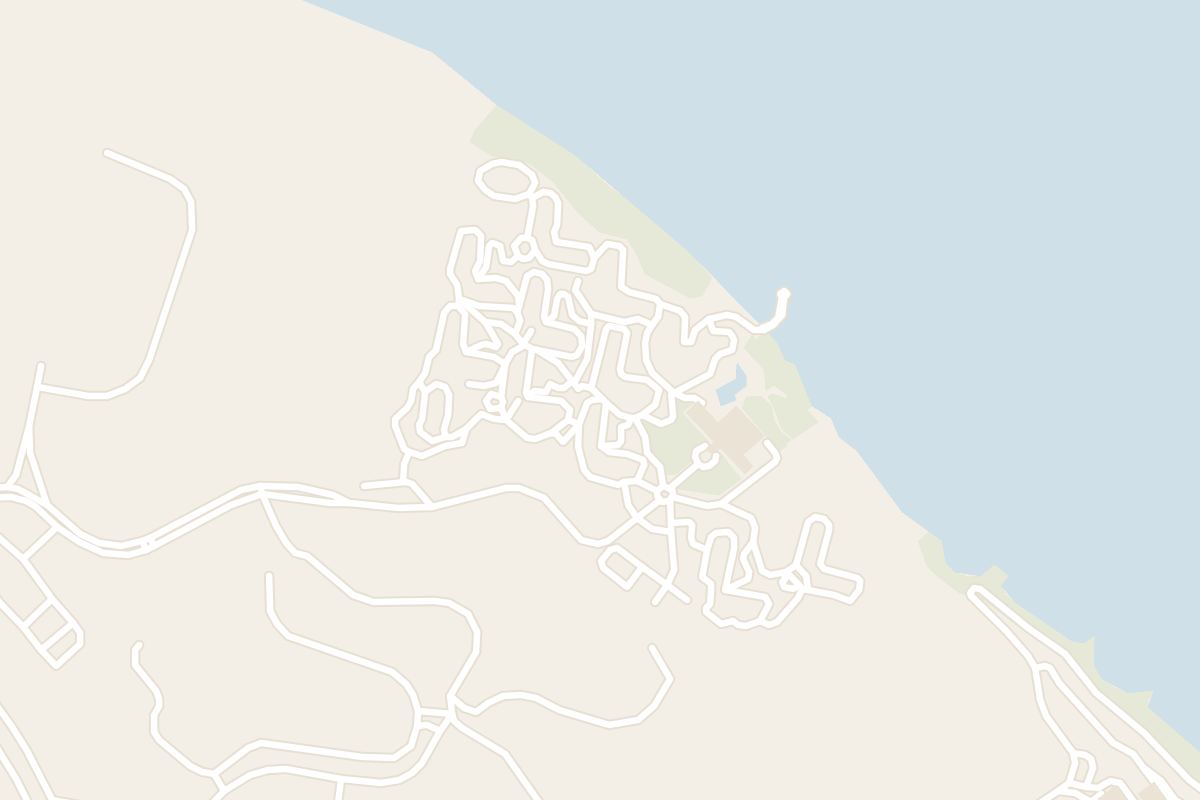 Sahl Hasheesh, south of the city
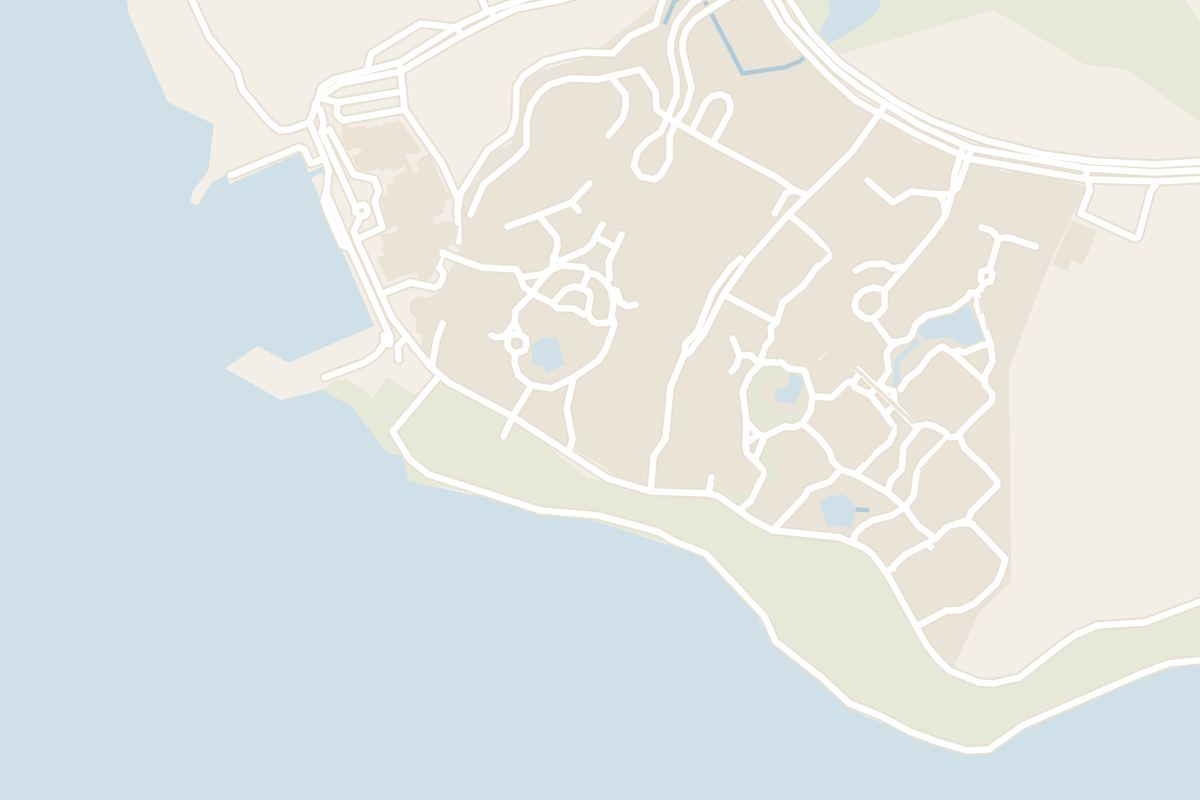 Soma Bay, furthest south
Each list runs from the hotel nearest Hurghada Marina.
Grouped by what each place is for, from the reefs off the marina to the quarries and monasteries in the desert.
The marina, El Dahar and the mosque are a short taxi ride apart in the city. Everything else is a boat day, a drive along the coast or a 4x4 day into the desert.
Take a day boat out of Hurghada to soft pale sand and clear water, with snorkelling stops on protected reefs that see less damage than the reefs along the shore.
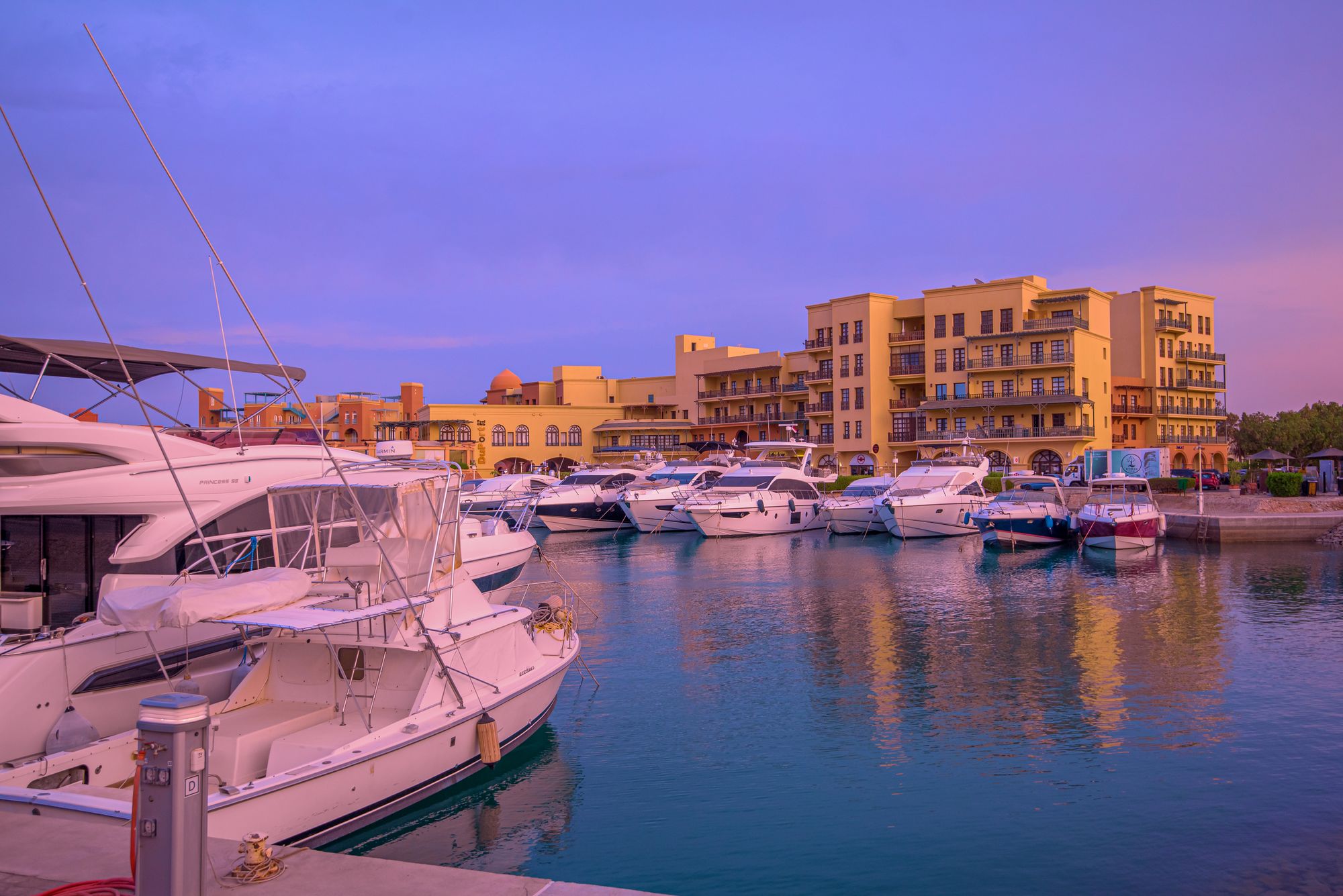
Read the guideMany of Hurghada's boat trips to the reefs and islands leave from these docks, so a walk along the waterfront here shows you where your day at sea begins, with yachts on one side and cafés on the other.
Read the guideShipwrecks you can swim through, close together on one reef: a nineteenth-century steamer reduced to its bare iron frame, and a freighter with its cargo of Italian floor tiles still in the holds, a long day's boat ride from Hurghada.
Read the guideWalk through the largest and best-preserved Roman site in Egypt's Eastern Desert, a walled quarry camp in the Red Sea Mountains whose rooms still stand to roof height.
Read the guideA white sandbar on Giftun Kebir, where the water stays shallow and turquoise near the shore, with bars, sunbeds and swings set up for photos. A beach-day package lands at one named beach, so check that yours is Orange Bay.
A managed beach club on Giftun Kebir, with a buffet lunch, sunbeds, beach sports and activities for children. Its boats leave the mainland in the morning and come back at sunset.
A protected bay north of Soma Bay where the reef starts a short swim from the sand, so you snorkel with no boat. Two house reefs run along the shore, with coral gardens and giant clams.
A sheltered bay of resorts south of the city, with little beyond the hotels. A gently sloping reef runs along it, and most hotels reach it straight from the beach or a jetty.
The district where Hurghada itself shops, its bazaar lanes round El Dahar Mosque. The long-distance coach stations are here too, so you pass through before any trip to the Nile valley.
The white marble mosque with two tall minarets at the end of the marina promenade. Ask at the door whether visitors can go in outside prayer times, and come with shoulders and legs covered.
The Red Sea coast's antiquities museum, in the south of the city near the airport. Its pieces run from Pharaonic to Islamic, with a gallery on the monuments of the coast and its desert.
An aquarium in the Magawish district south of the centre, with a tunnel where rays and reef sharks pass overhead. A dive inside the shark tank is booked separately.
Large sand sculptures in the open air on the Safaga road, from pharaohs and gods to film characters. The paths are soft sand, so wear walking shoes, and go between October and April, outside the summer heat.
A private resort town north of Hurghada, spread over islands and lagoons, its low domed buildings modelled on rural Egyptian houses. Eat out in the evening downtown, on Tamr Henna Square.
El Gouna's harbour quarter: tall sand-coloured walls and narrow passages round two yacht basins. Come in the evening for dinner on the quays.
A planned resort bay south of the city, with a residential quarter built to look like an old town. Offshore, a partly sunken city built as an artificial reef draws fish, and you can snorkel over it.
A gated peninsula south of Hurghada, reached by one private road. Steady winds make it a base for kitesurfing, windsurfing and sailing, and its resorts share an 18-hole golf course.
A working port south of Hurghada, where ferries leave for Duba in Saudi Arabia and dive boats work the reefs offshore. Its hotels line the shore away from the docks.
The quarries of Gebel Dokhan in the Red Sea Mountains west of Hurghada, where purple porphyry was cut. Agencies in Hurghada run it as a 4x4 day trip with a driver, often paired with Mons Claudianus.
A walled monastery in an oasis below the Galala plateau, about four hours north of Hurghada each way by the coast road. Its church keeps medieval wall paintings, cleaned of centuries of soot.
A monastery in the Red Sea Mountains, reached by a paved road off the coast road south of Zafarana, a full day out from Hurghada. You go down into the church cut into the hermit's cave, and Saint Anthony's lies near enough to pair in one long day.
Day boats to the Giftun beaches, with snorkel stops on protected reefs on the way out.
Take a day boat out of Hurghada to soft pale sand and clear water, with snorkelling stops on protected reefs that see less damage than the reefs along the shore.
Read the guideA white sandbar on Giftun Kebir, where the water stays shallow and turquoise near the shore, with bars, sunbeds and swings set up for photos. A beach-day package lands at one named beach, so check that yours is Orange Bay.
A managed beach club on Giftun Kebir, with a buffet lunch, sunbeds, beach sports and activities for children. Its boats leave the mainland in the morning and come back at sunset.
A protected bay north of Soma Bay where the reef starts a short swim from the sand, so you snorkel with no boat. Two house reefs run along the shore, with coral gardens and giant clams.
A sheltered bay of resorts south of the city, with little beyond the hotels. A gently sloping reef runs along it, and most hotels reach it straight from the beach or a jetty.
A planned resort bay south of the city, with a residential quarter built to look like an old town. Offshore, a partly sunken city built as an artificial reef draws fish, and you can snorkel over it.
Four wrecks on one reef at Abu Nuhas, two dives in a long day at sea.
Take a day boat out of Hurghada to soft pale sand and clear water, with snorkelling stops on protected reefs that see less damage than the reefs along the shore.
Read the guideShipwrecks you can swim through, close together on one reef: a nineteenth-century steamer reduced to its bare iron frame, and a freighter with its cargo of Italian floor tiles still in the holds, a long day's boat ride from Hurghada.
Read the guideA working port south of Hurghada, where ferries leave for Duba in Saudi Arabia and dive boats work the reefs offshore. Its hotels line the shore away from the docks.
Roman quarry camps in the Red Sea Mountains, and two monasteries about four hours north by road.
Walk through the largest and best-preserved Roman site in Egypt's Eastern Desert, a walled quarry camp in the Red Sea Mountains whose rooms still stand to roof height.
Read the guideThe quarries of Gebel Dokhan in the Red Sea Mountains west of Hurghada, where purple porphyry was cut. Agencies in Hurghada run it as a 4x4 day trip with a driver, often paired with Mons Claudianus.
A walled monastery in an oasis below the Galala plateau, about four hours north of Hurghada each way by the coast road. Its church keeps medieval wall paintings, cleaned of centuries of soot.
A monastery in the Red Sea Mountains, reached by a paved road off the coast road south of Zafarana, a full day out from Hurghada. You go down into the church cut into the hermit's cave, and Saint Anthony's lies near enough to pair in one long day.
The marina promenade, the fish market, the mosque and the bazaar lanes of El Dahar.
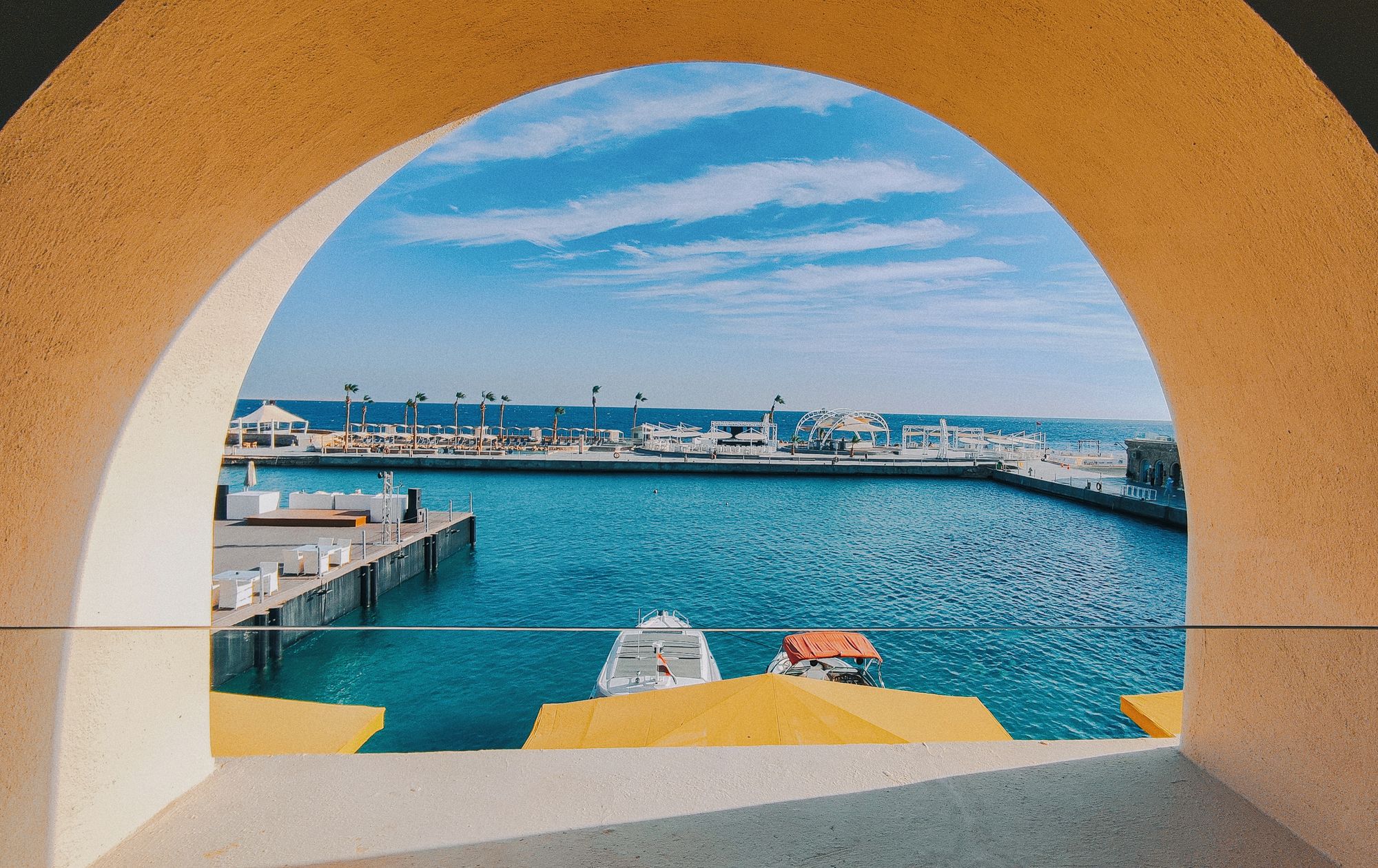
Many of Hurghada's boat trips to the reefs and islands leave from these docks, so a walk along the waterfront here shows you where your day at sea begins, with yachts on one side and cafés on the other.
Read the guideThe district where Hurghada itself shops, its bazaar lanes round El Dahar Mosque. The long-distance coach stations are here too, so you pass through before any trip to the Nile valley.
The white marble mosque with two tall minarets at the end of the marina promenade. Ask at the door whether visitors can go in outside prayer times, and come with shoulders and legs covered.
The Red Sea coast's antiquities museum, in the south of the city near the airport. Its pieces run from Pharaonic to Islamic, with a gallery on the monuments of the coast and its desert.
An aquarium in the Magawish district south of the centre, with a tunnel where rays and reef sharks pass overhead. A dive inside the shark tank is booked separately.
Large sand sculptures in the open air on the Safaga road, from pharaohs and gods to film characters. The paths are soft sand, so wear walking shoes, and go between October and April, outside the summer heat.
El Gouna's lagoons to the north, and the bays of Sahl Hasheesh, Makadi and Soma Bay to the south.
A sheltered bay of resorts south of the city, with little beyond the hotels. A gently sloping reef runs along it, and most hotels reach it straight from the beach or a jetty.
A private resort town north of Hurghada, spread over islands and lagoons, its low domed buildings modelled on rural Egyptian houses. Eat out in the evening downtown, on Tamr Henna Square.
El Gouna's harbour quarter: tall sand-coloured walls and narrow passages round two yacht basins. Come in the evening for dinner on the quays.
A planned resort bay south of the city, with a residential quarter built to look like an old town. Offshore, a partly sunken city built as an artificial reef draws fish, and you can snorkel over it.
A gated peninsula south of Hurghada, reached by one private road. Steady winds make it a base for kitesurfing, windsurfing and sailing, and its resorts share an 18-hole golf course.
A working port south of Hurghada, where ferries leave for Duba in Saudi Arabia and dive boats work the reefs offshore. Its hotels line the shore away from the docks.
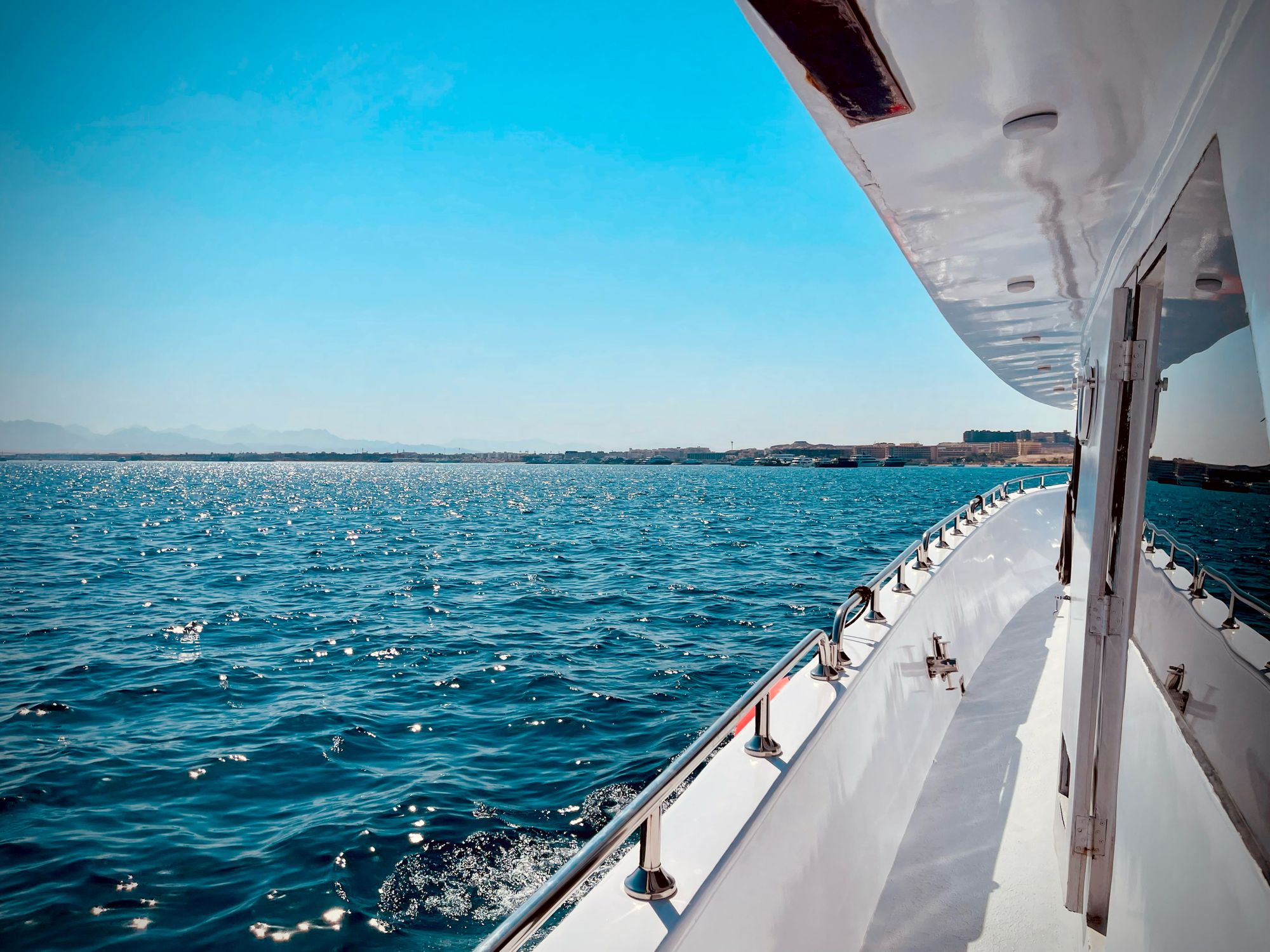
Most Giftun day boats leave Hurghada Marina in the morning, and the operator usually collects you from your hotel. The boat stops at one or two reefs on the way to a beach on the Giftun Islands, and the crew hands out masks and fins with a short briefing.
Keep your fins up off the coral, and do not touch or feed anything, since the islands are a protectorate. Away from the loungers there is little shade, so take a hat and water even in winter.
Back on shore in the late afternoon, walk the palm-lined promenade to its far end, where El Mina Mosque stands beside the city's fish market and the boatyard.
For dinner, stay on the marina, where cafés and fish restaurants face the yachts and the whole waterfront is lit after dark, or take a taxi to the bazaar lanes of El Dahar.
Keep a spare day for the wrecks, since dive centres run Shaab Abu Nuhas only when the sea allows. The desert day goes to Mons Claudianus.
Hurghada International lies inland, southwest of the city, nearer the centre than any of the resort bays. El Gouna lies north of it and Soma Bay furthest south, so a hotel there is a longer ride.
Agree one fare for the whole car before you get in, not a price per person, and do not rely on the meter. Ask for Hurghada Marina, or name your hotel and its bay.
Both work in Hurghada, whatever a driver at the kerb tells you. Request the car once you are through arrivals, and meet it at the pickup point the app shows.
Resorts in El Gouna, Sahl Hasheesh and Soma Bay can send a driver to meet your flight. Send your flight number when you book. For a night flight, heavy bags or children, it saves agreeing a fare at the kerb.


Hatshepsut's temple at Deir el-Bahari rises in three terraces that you climb by ramps.

Ancient Thebes, the capital of Egypt at the height of its power, lies under and around this provincial town.

Walk down into the burial tombs of Egypt's New Kingdom pharaohs, cut into a dry valley on Luxor's West Bank.

Egypt's southern frontier town sits where the Nile breaks through a belt of granite, scattering islands and boulders across the river.
Last updated