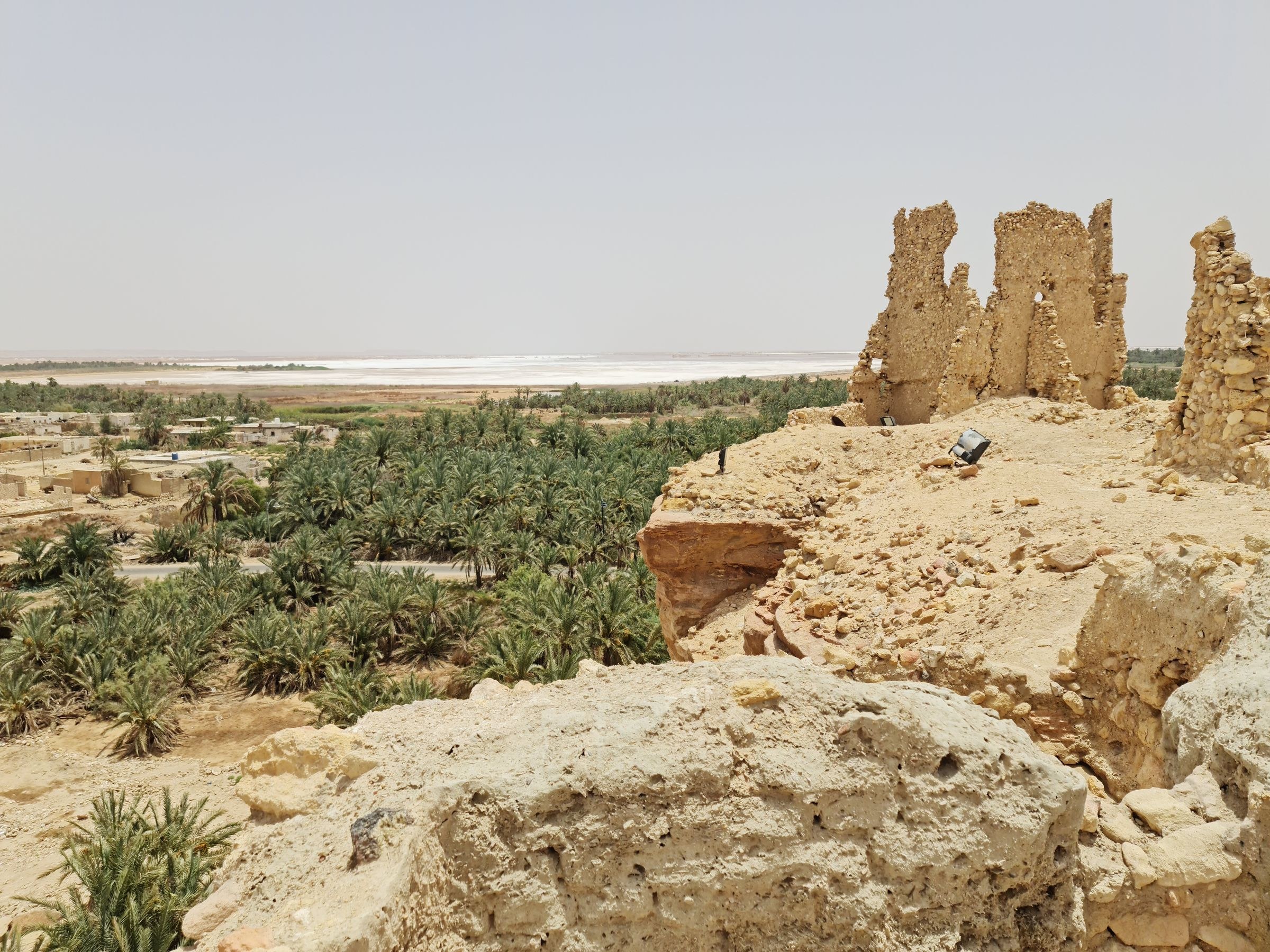
From the highest point of this limestone hill you look out over all of Siwa. Cut into its slopes are four decorated tombs you can enter, and one mixes Egyptian gods with a figure in Greek dress.
Archaeological Site, Siwa Oasis. Meridian Dispatch.
As of November 2026, the tombs open daily at 09:00, with last entry at 17:00 in both summer and winter. During Ramadan the last entry is at 16:00.
It is ticketed, with a reduced rate for students. Tickets are sold online on the official monuments booking site. Egyptians over 60 and Egyptians with special needs enter free, as do the youngest children.
The months outside summer bring more moderate temperatures. Siwa can pass 40 °C as early as March when the Khamsin wind blows. The town is less busy in summer, which suits visitors who like heat.
Yes, with a mobile phone, as of November 2026, and there is no extra charge for it. Other cameras are not permitted in any of the tombs.
No, the hill is not steep. The way up is narrow but clear and easy to follow, and the tombs are reached by a staircase partway up.
The official site of Gebel al-Mawta is egymonuments.com.
egymonuments.com →Gebel al-Mawta means Mountain of the Dead, and the hill is one large cemetery about 50 m high. Rows of burial chambers sit side by side on its terraces, cut into the sides and into the ground. Most are plain, and some have long corridors running into the rock.
The tomb of Si-Amun is the finest. He was a wealthy local man, perhaps a merchant or caravan leader, and the paintings show him young on one wall and older on the other.
Look for his mummy pulled along on a wheeled cart, his judgement before Osiris, ruler of the dead, and the sky goddess Nut beside a sycamore tree. Then look up: the ceiling has stars, six sun boats, and winged vultures and falcons. The gaps in the scenes are niches cut later for family burials.
The other three have less to see. The lintel over the burial chamber of Mesu-Isis carries 21 cobras, each with a sun disc. The priest Padhout's chamber was painted quickly in red, straight onto bare rock, and the Tomb of the Crocodile is named for a yellow crocodile, probably the god Sobek.
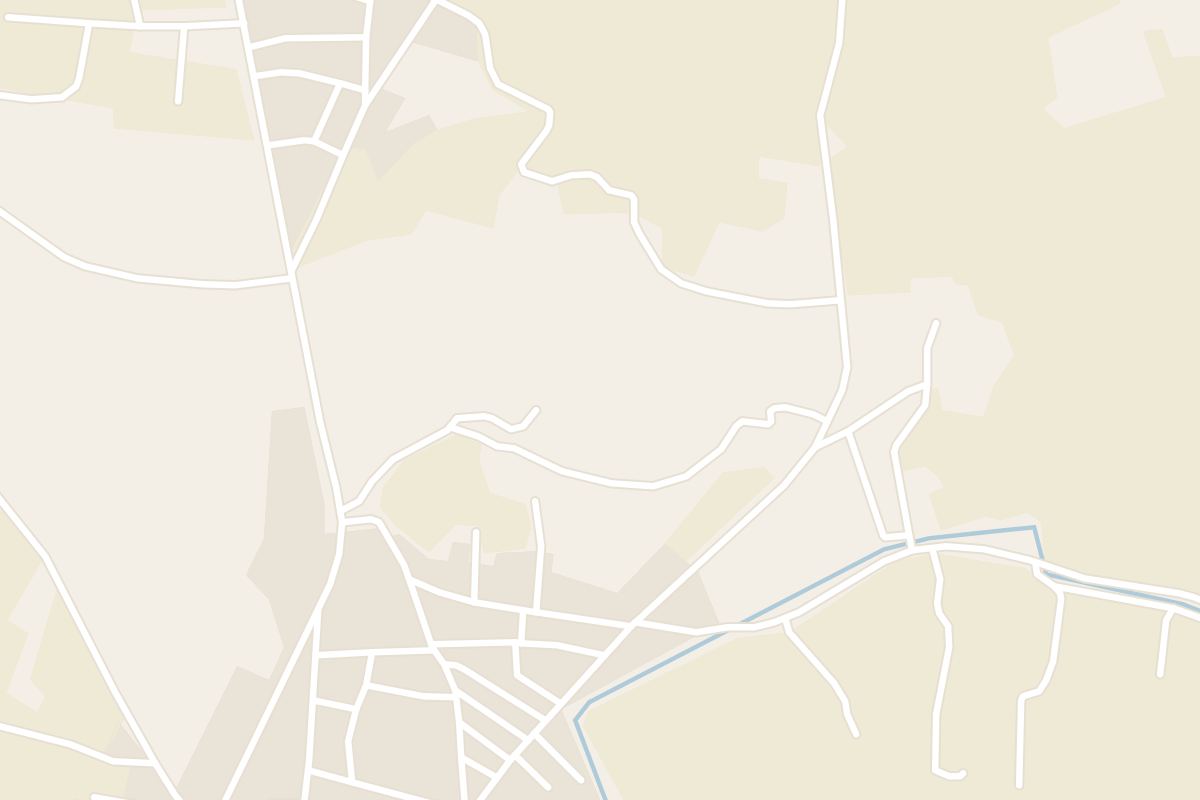
One kilometre of asphalt road leads north out of Siwa town, towards Marsa Matruh, to the turning. Go east there and stop at the ticket house. You can walk, cycle or take a tuk-tuk.
From there a staircase leads up to the middle terrace. At the top, walk clockwise round the hill to the northeast side, where the painted tombs are.
Begin with Si-Amun, which has its own steps. Mesu-Isis is about 20 m further east. Padhout is beyond it, and then the Tomb of the Crocodile, where only the front room is decorated.
Finish at the eastern end for a view across to the oracle temple at Aghurmi. You can also climb to the summit.
The temples of Aghurmi and Umm Ubeida combine easily with this visit. Carry sunglasses and a headscarf in spring, when blowing sand can set in without warning and last six to twelve hours.
The mud-brick ruin behind the ticket house, to the north, is the old Prince Farouk Hotel, which took twelve guests.
You swim two ways in Siwa, floating in turquoise salt pools and bathing in freshwater springs among the palms, and the dunes of the Great Sand Sea start close enough for an afternoon drive.
Read the Siwa Oasis guideExplore the rest of Siwa Oasis
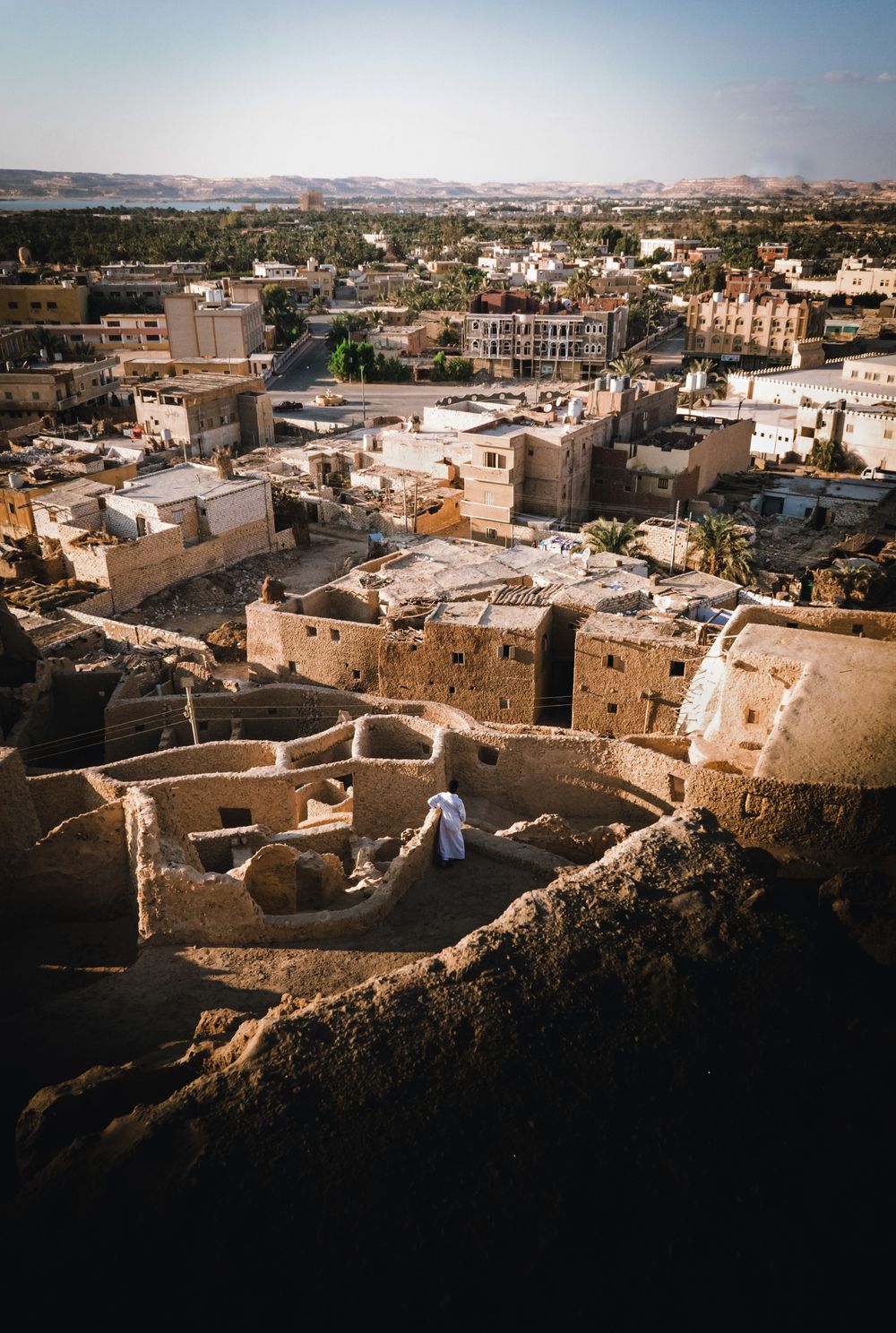
A thirteenth-century hill town of kershef, a mud of salt and clay, rises in a melted heap above the market square. Rain in 1926 dissolved…
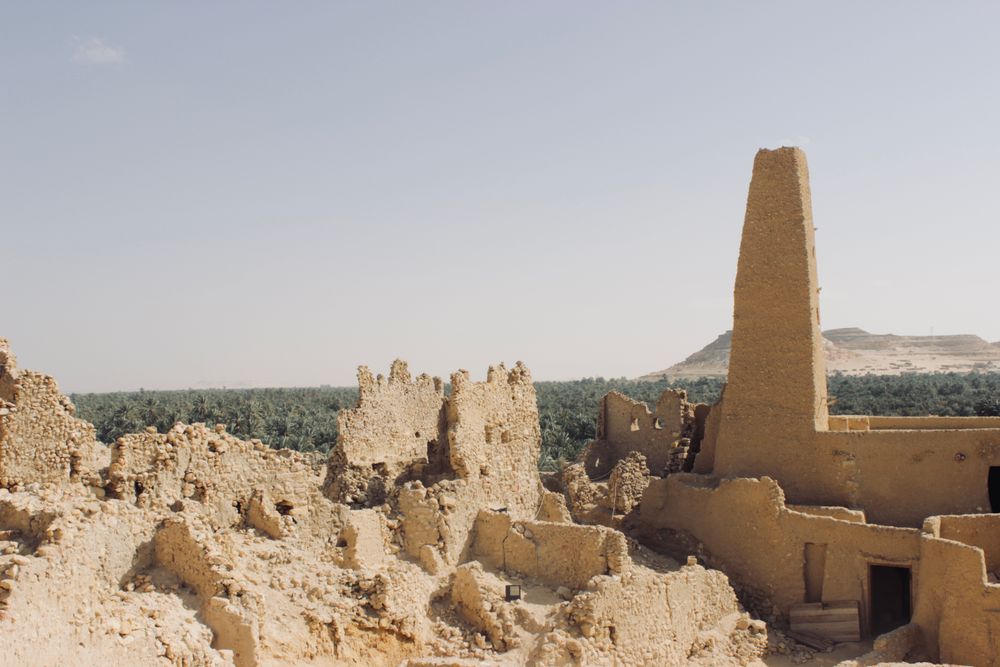
On a rock outcrop in the ruined mud village of Aghurmi, about four kilometres east of town, stand the walls of the temple where Alexander…
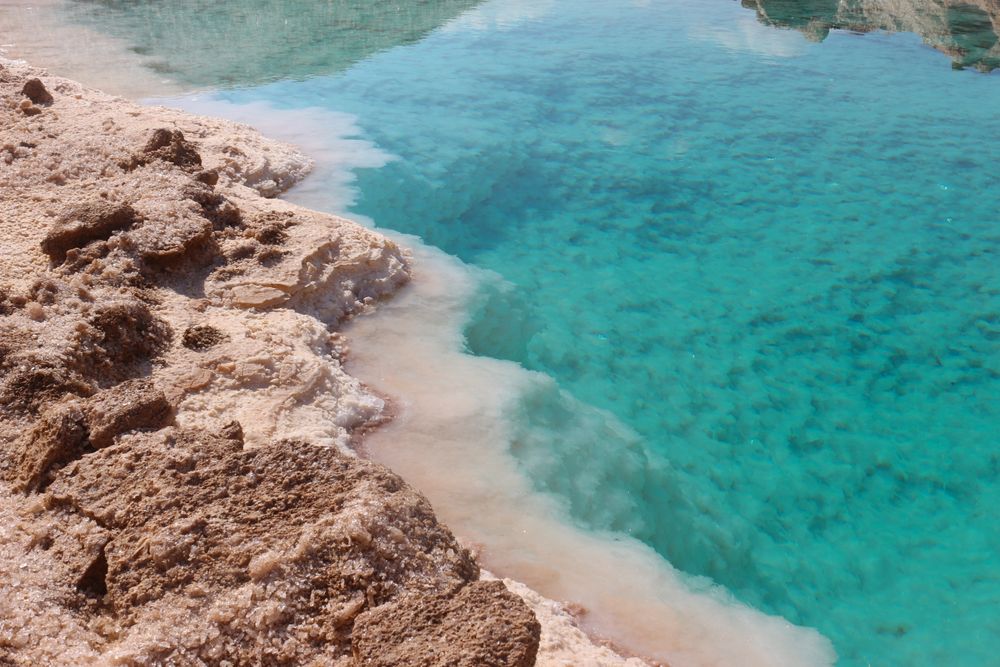
About twelve kilometres east of town, salt mining has left a chain of pools filled by groundwater, turquoise against banks of white crust.…
A circular stone pool fed by a warm natural spring, at about 29°C, lies among palm gardens some 900 metres south of the Umm Ubayd temple.…
Six kilometres west of town, this palm-covered spit was once an island in the salt lake before silt joined it to the shore. A small…
Bungalows on an island in Siwa's salt lake, about 13 km from the town centre and reached by a causeway across the water. Accommodation runs…
Forty rooms built from kershef, the local mix of salt rock and clay, at the foot of the White Mountain on the shore of Siwa's salt lake,…
An ecolodge built in the traditional Siwan way below the Red Mountain, on the shore of the salt lake outside Siwa town. Most rooms have no…




Save Gebel al-Mawta to your Egypt trip in the Meridian Dispatch app and build the day around it, with the best of Siwa Oasis pinned on one map.
Download on the App StoreLast updated