Ninety seconds on Musée d'Orsay
A railway station holds the largest Impressionist and post-Impressionist collection in the world. You see Monet, Renoir and Van Gogh under the glass roof where trains once pulled in.
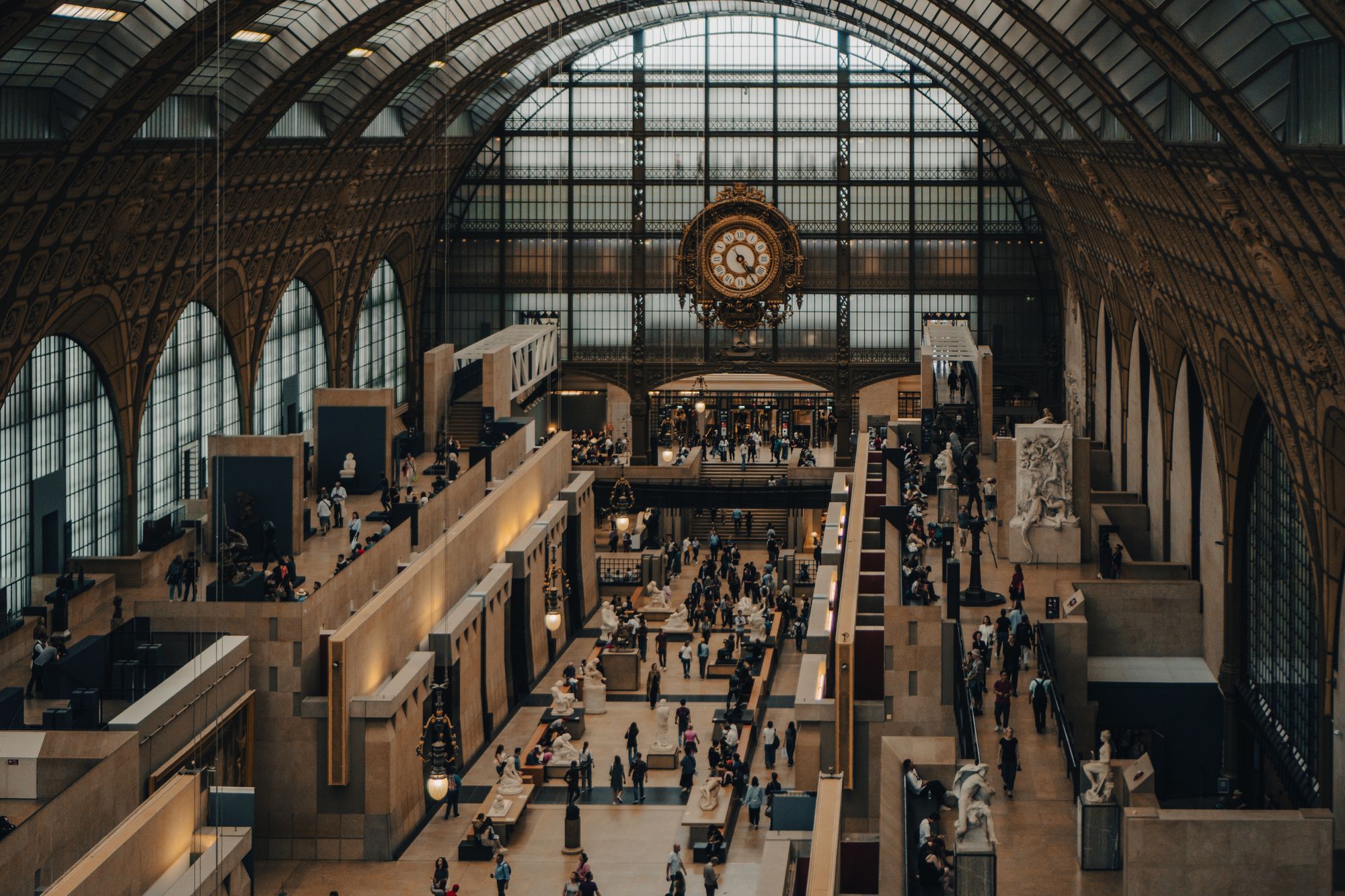
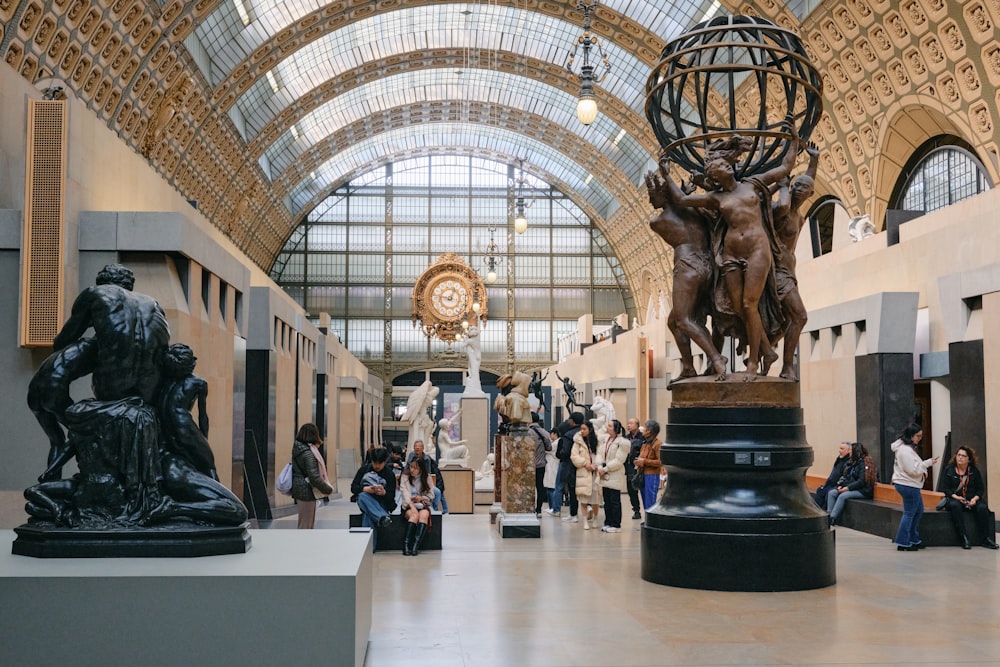
The building is the first thing you see. The Gare d'Orsay was built as a Beaux-Arts railway station for the 1900 World's Fair, and its old train shed is now the grand hall. Large sculptures by Rodin and Carpeaux stand down its length.
The paintings hang in the station's former hotel, and most of the collection is French art from the Second Empire to the First World War. Look for Manet's Olympia and Le Déjeuner sur l'herbe, Renoir's Bal du Moulin de la Galette and Monet's Poppy Field. Van Gogh's Starry Night Over the Rhône and his Bedroom in Arles hang here too.
Monet's own Luncheon on the Grass was damaged, and he salvaged two large pieces from it, which you see side by side. On the sculpture side, find the polar bear by François Pompon, the museum's unofficial mascot.
From the window behind the great station clock, you look over the Seine toward the Louvre and Sacré-Cœur.
It pays to book a timed slot online, because you then enter within half an hour of the time printed on it. Walk-ins join the regular queue, which moves slowly at busy times. After the security check, scan your ticket and leave coats and larger bags at the cloakroom.
Pick up a map at the entrance, then cross the ground floor to the back of the museum. Take the escalator straight to the fifth level, where the Impressionist and post-Impressionist rooms and the clock window are.
Work back down afterwards through the lower floors to the sculpture in the grand hall. Lifts and ramps link every level, and the cloakroom lends wheelchairs and folding seats if you leave an ID.
You can see the museum well on your own. The audioguide, rented at the front desk in several languages, helps you move from one Impressionist painting to the next. At peak periods a booked guided group is often the quickest way past the security check.
Avoid Tuesdays and Sundays, when the crowds peak. Carry a day bag only, because big bags and suitcases are not allowed in. Flash and tripods are not allowed in the galleries, so check the photography notice as you enter.
If Monet's huge Water Lilies are what you came for, they are not here. They hang in the Musée de l'Orangerie in the Tuileries, across the river, so plan them as a second stop.
Explore the rest of Paris
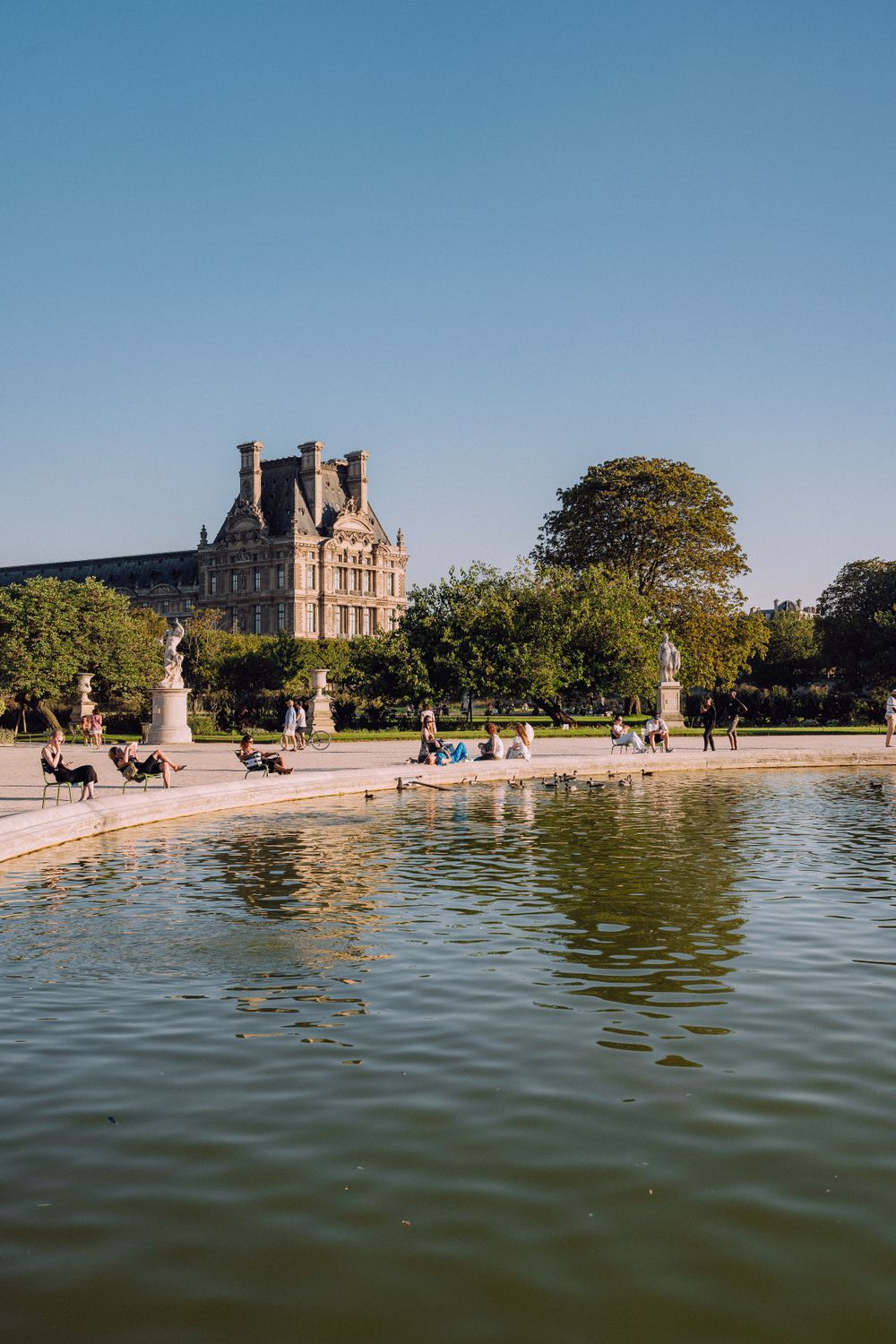
Le Nôtre's garden of 1664 between the Louvre and the Concorde, the axis the whole city is laid out on. The green chairs around the ponds…
Built as a Tuileries greenhouse, it was adapted to display Monet's eight Water Lilies murals in two oval rooms lit from above, with the…
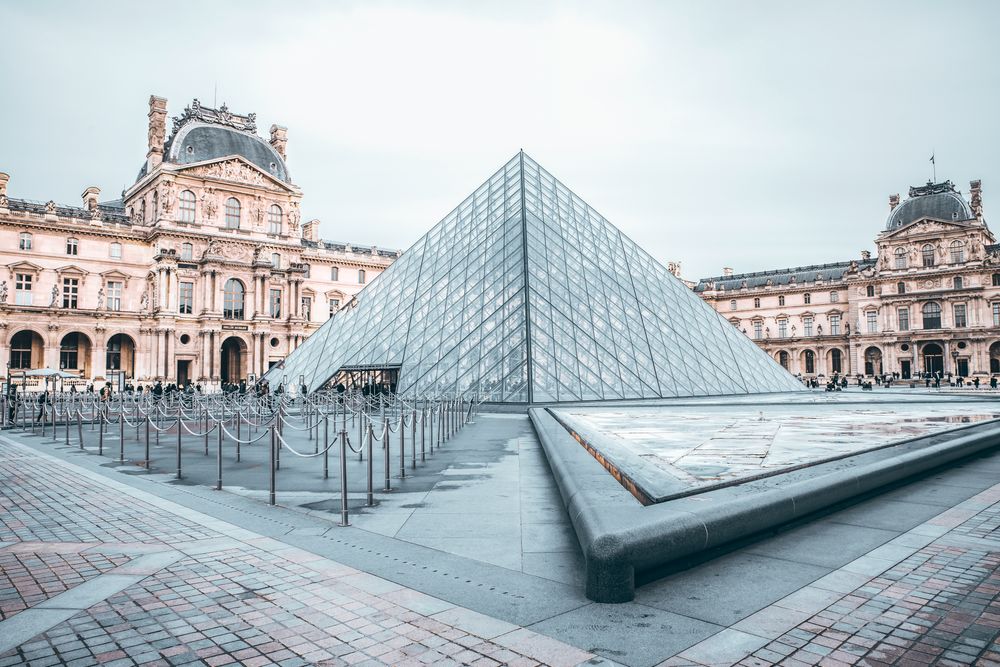
The former royal palace holds roughly 35,000 works on display, including the Mona Lisa, the Venus de Milo and the Winged Victory of…