 Submit a photo
Ninety seconds on Tuileries Garden
Paris's oldest public garden lies at 113 rue de Rivoli in the 1st arrondissement, running between the Louvre and Place de la Concorde. Its central path, the Grande Allée, points straight along the axis of the Champs-Élysées.
Metro line 1 stops at Tuileries station, on the rue de Rivoli side of the garden. Concorde station, on lines 1, 8 and 12, serves the western end by the Orangerie, a few minutes' walk from the gates.
Hours follow the season. Gates open at 7 am from April to October, closing at 9 pm in spring and autumn (April, May, September, October) and at 11 pm in June, July and August. Between November and March the hours are 7:30 am to 7:30 pm, and staff start clearing the paths half an hour before closing.
Yes. Entry costs nothing at any time of year, and the green chairs around the pools are free to use. Only the Musée de l'Orangerie needs a ticket: it sits at the Concorde end and takes timed entries booked online.
Yes, in the warmer months. Louvre museum staff run garden walks at 2:30 pm on Saturdays, Sundays and public holidays, from spring into autumn, and the season dates are set each year. The central path is also simple to follow without a guide.
The main path links two pools: a circular basin at the Louvre end and the octagonal Grand Bassin near Concorde, where small sailing boats drift across. Sculpture is the other draw, with close to twenty pieces by Maillol and further works by Rodin and Giacometti.
This is the oldest public garden in Paris, and from a green chair you pull up to its octagonal pond, you look straight up the Champs-Élysées.
The main path, the Grande Allée, runs in a straight line from the Louvre to Place de la Concorde and lines up with the Champs-Élysées. From the Louvre end you see the avenue continue west beyond the gates. Le Nôtre laid the garden out in three large sections in 1664.
There are two pools on the main path: a round one near the Louvre and an octagonal one near Concorde. On the octagonal Grand Bassin, a fleet of small sailing boats crosses the water, the picture the garden is known by. Around both, the green metal chairs are yours to drag into the sun, while the old cast-iron benches sit back in the groves and on the terraces.
Give the statues as much time as the basins. Nearly twenty of them are by Maillol, and works by Rodin and Giacometti stand among them.
At the Concorde end stand two matching buildings, put up as an indoor ball court and an orangery. The Orangerie now holds Monet's Water Lilies, eight panels in two oval rooms lit by daylight.
A walk down the Grande Allée is the whole visit. Come in at either end and follow the central path from the round pool by the Louvre to the larger pool near Concorde, where the sailboats are. On the way you pass the statues and several smaller ornamental fountains set off the main line.
There is no set route, so stop wherever a seat is free and cut into the groves and terraces on either side, where the old benches stand.
The Musée de l'Orangerie at the west end needs its own timed entry, so book a slot online before you go.
Pack a sandwich, because the garden has wide open lawns to eat on, and in summer bring a hat and sunscreen as well. In spring the flowerbeds are laid out in geometric patterns of daffodils, hyacinths and tulips, at their best on a late spring morning. Seats by the water go first come, first served, so if they are all taken, walk on to the other pool.
Pont Alexandre III is a 15-minute walk from Place de la Concorde, so it makes a natural next stop after the western end.
The Musée d'Orsay stands on the Left Bank, directly across from the garden, so pair the walk with its Impressionist rooms.
Explore the rest of Paris
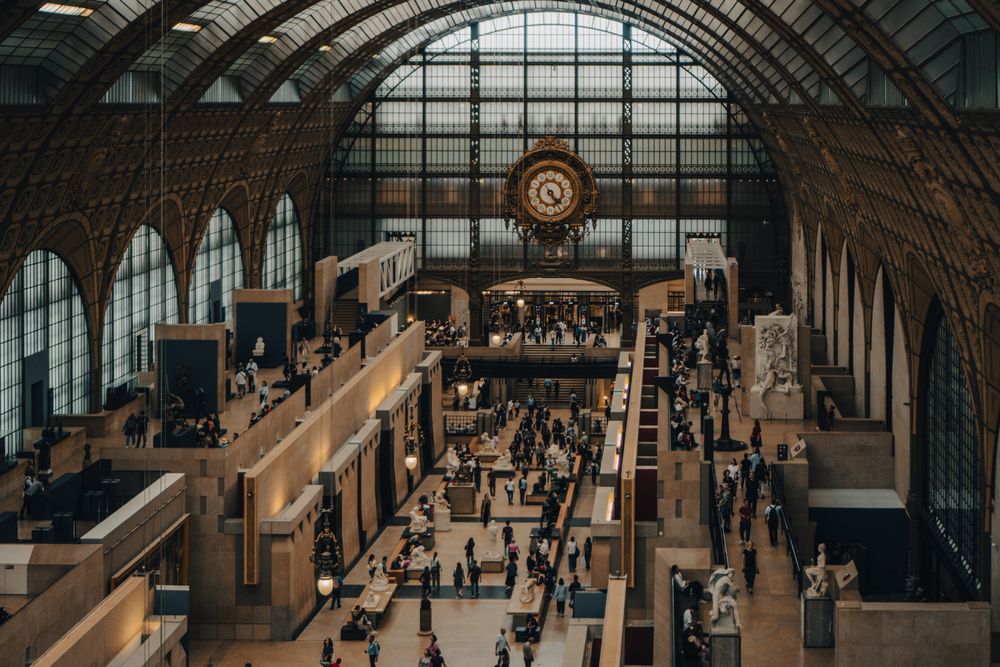
Housed in the 1900 Gare d'Orsay railway station, it holds the world's largest collection of Impressionist and Post-Impressionist painting,…
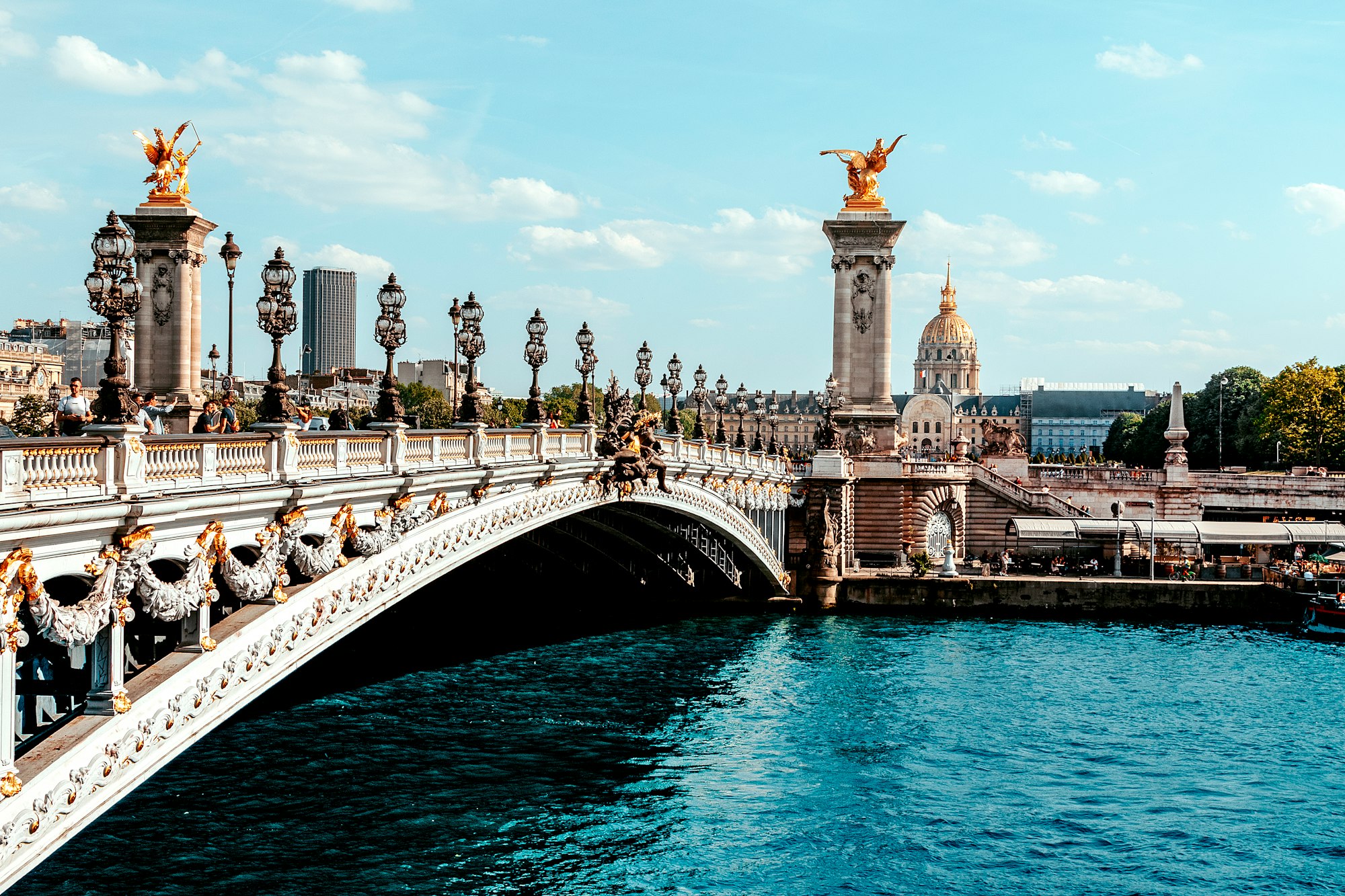
The most ornate bridge on the Seine, built for the 1900 exposition with gilded statues at each end, linking the Grand Palais to the…
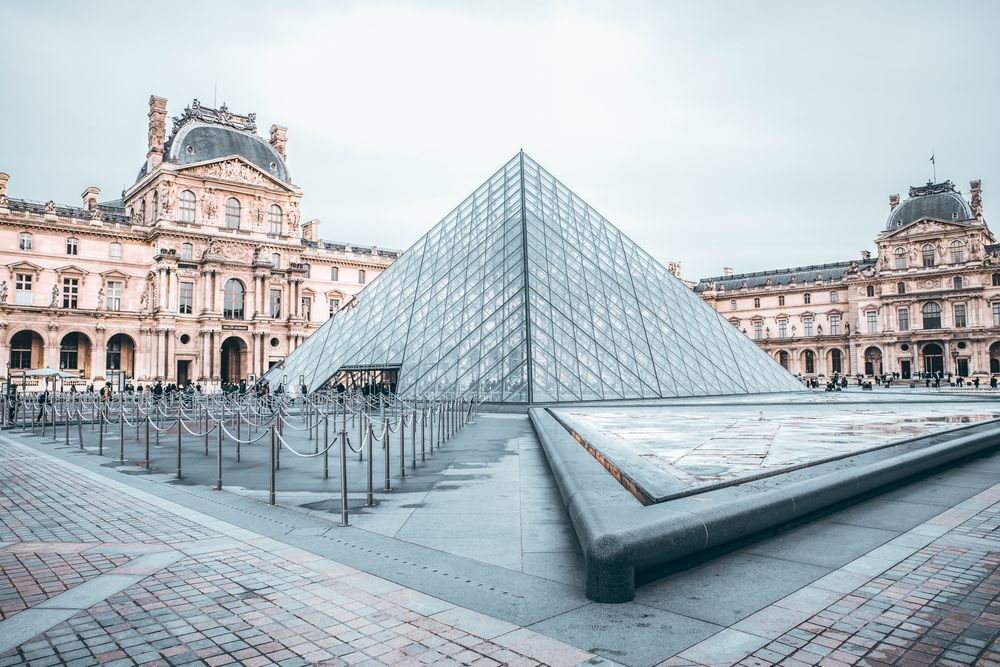
The former royal palace holds roughly 35,000 works on display, including the Mona Lisa, the Venus de Milo and the Winged Victory of…
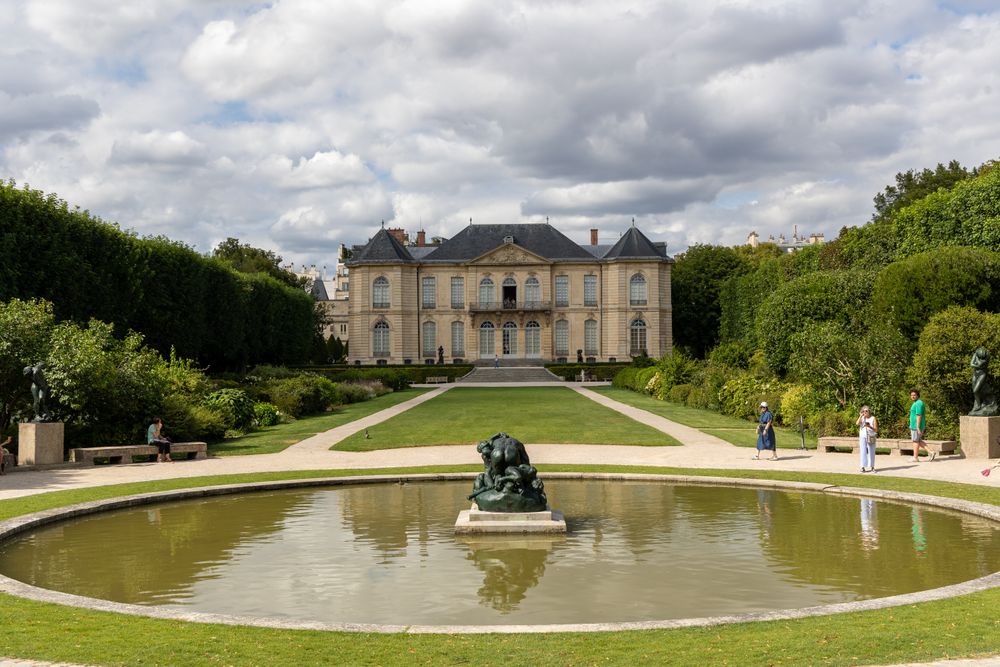
The Musée Rodin fills the Hôtel Biron, an 18th-century mansion in the 7th arrondissement, with nearly 300 works, The Kiss among them. The…
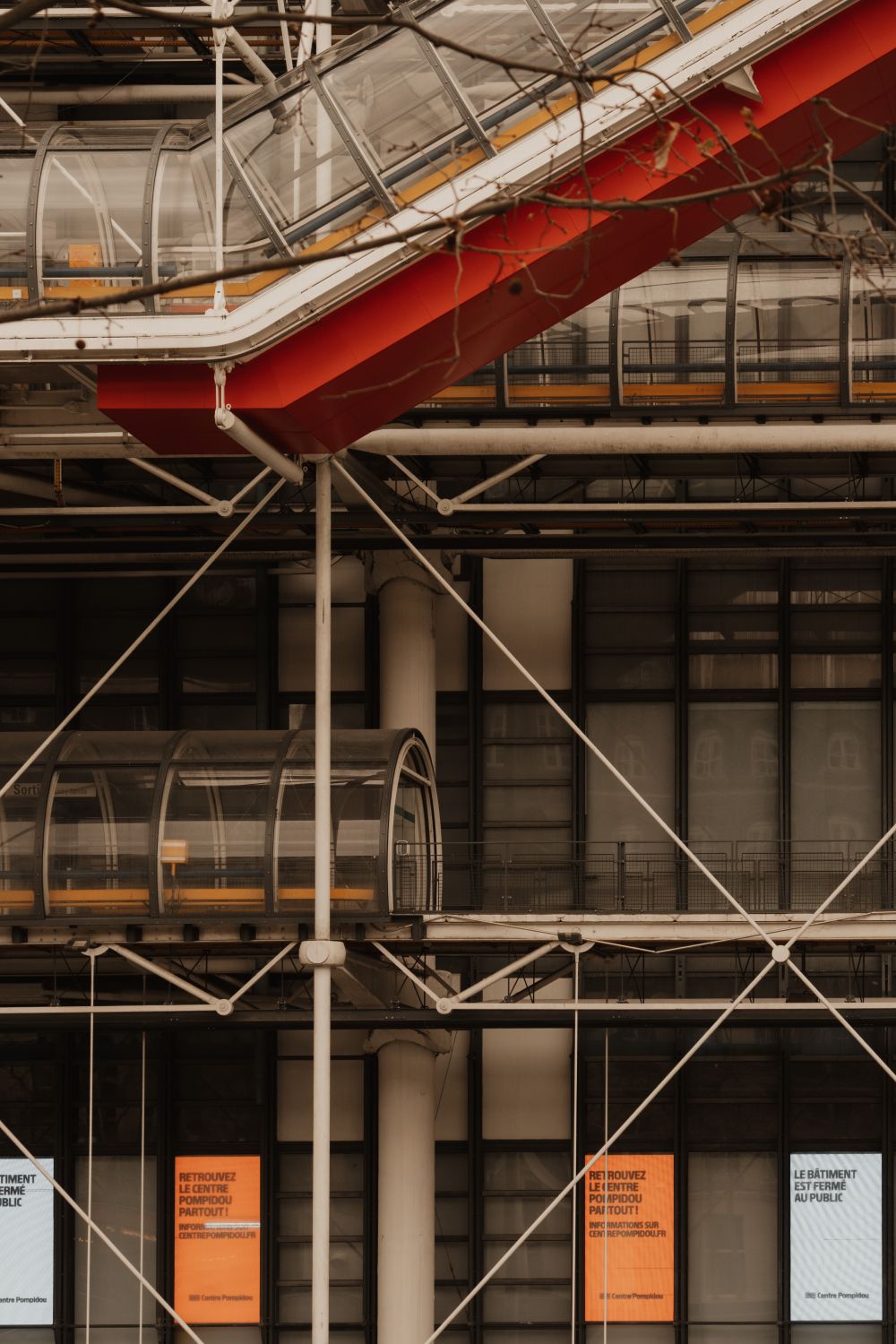
Piano and Rogers's inside-out building of 1977 holding Europe's largest modern art collection. It closed for a five-year renovation in…
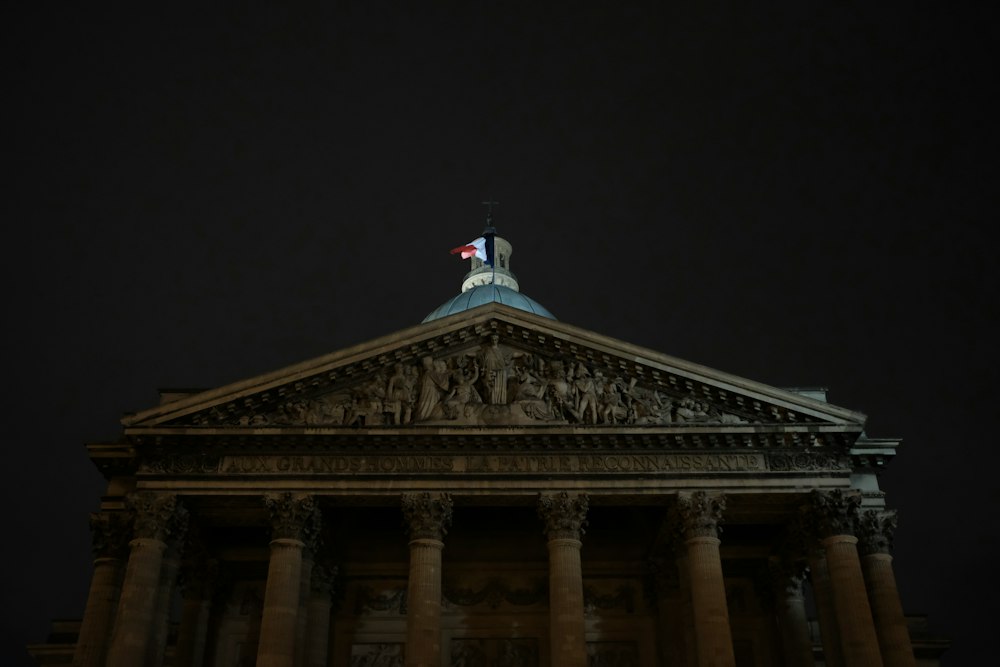
The old student quarter of the Left Bank, climbing from the Seine past the Sorbonne to the Panthéon, with a museum, a Gothic church and a…
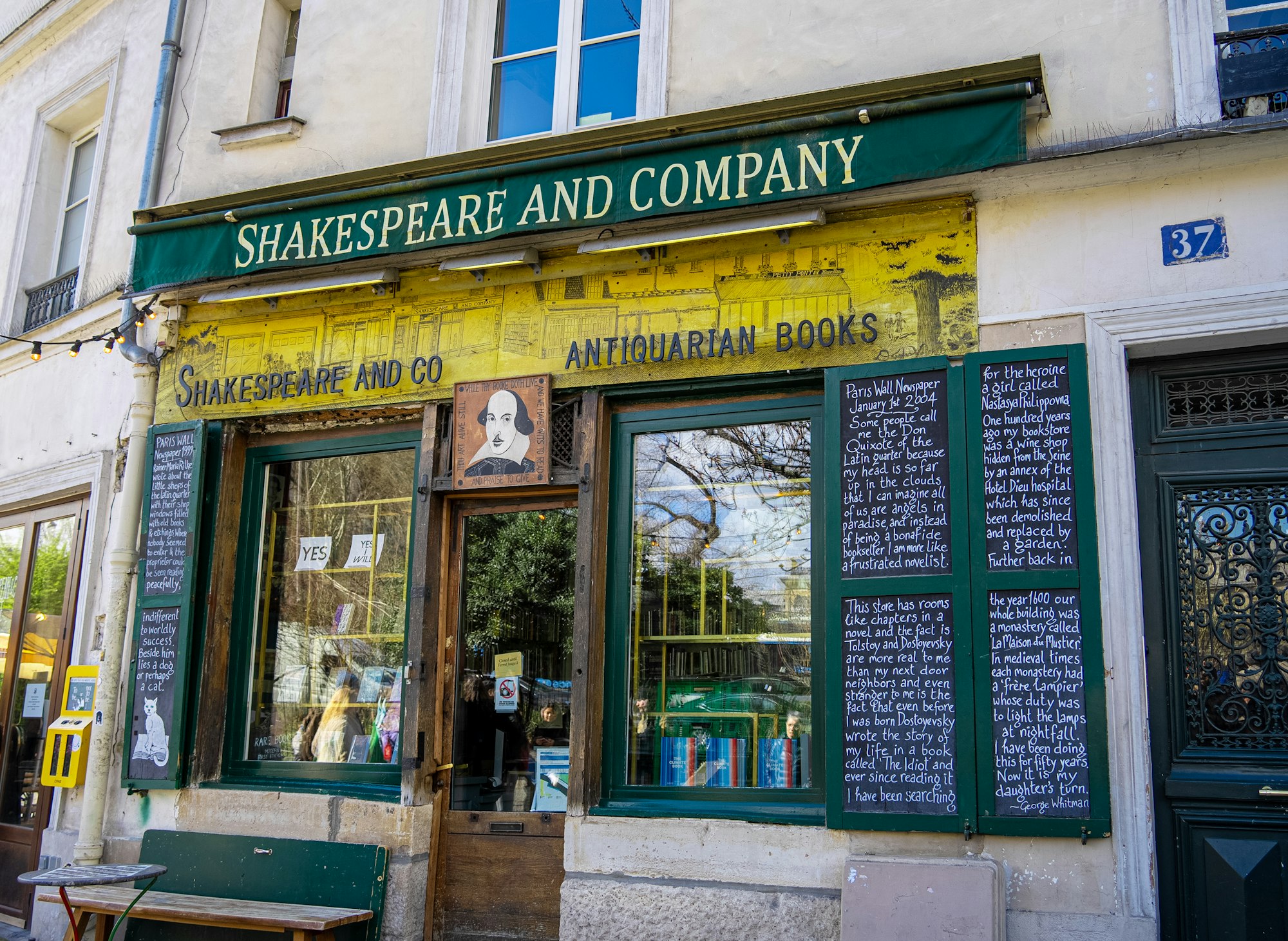
The English-language bookshop at 37 rue de la Bûcherie, named for Sylvia Beach's original shop of 1919, with reading rooms up a creaky…
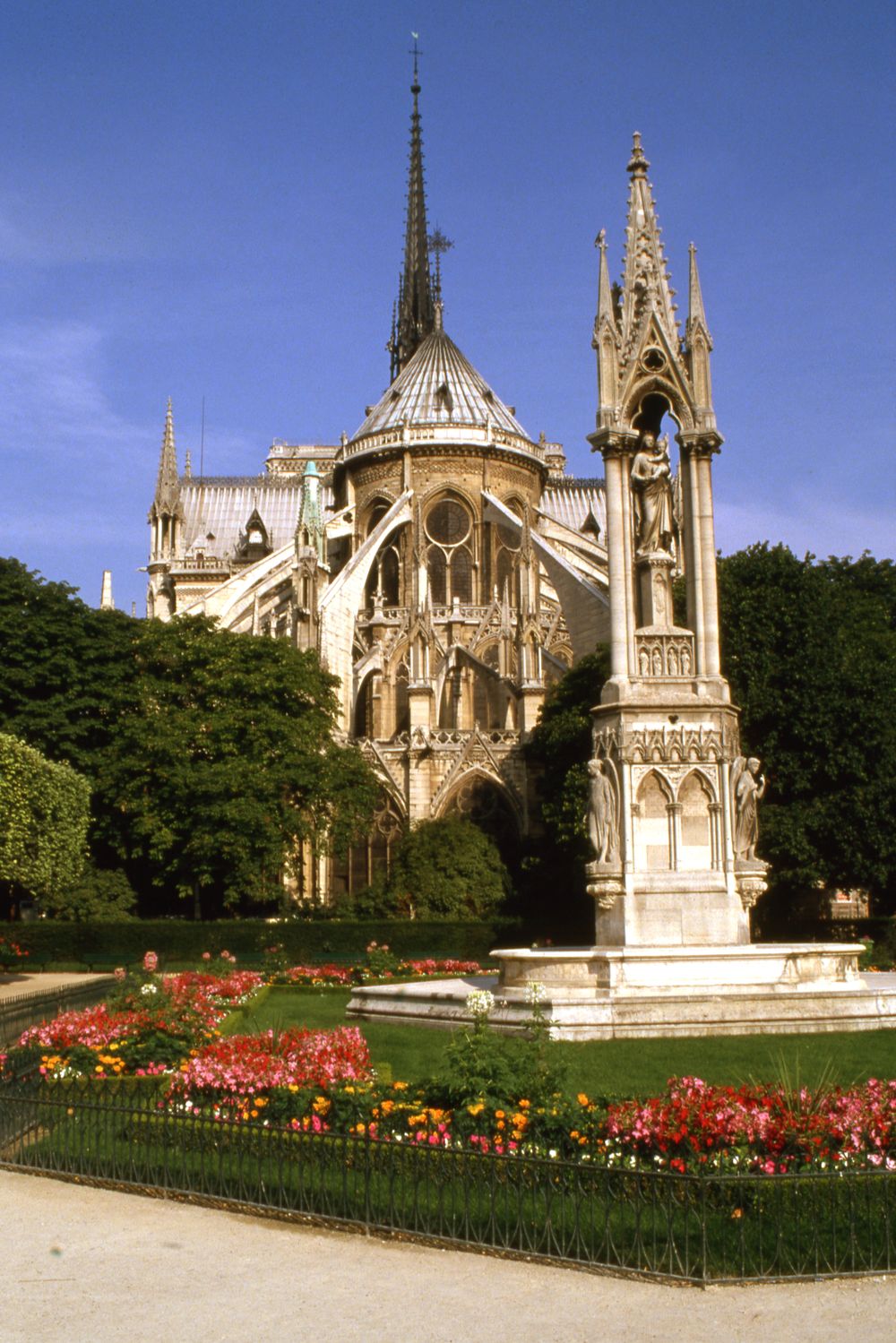
A Gothic cathedral on the Île de la Cité, known for its rose windows and flying buttresses. It reopened in December 2024 after the 2019…
The official pages this guide was checked against.
Last updated