Ninety seconds on Parc des Buttes-Chaumont
One park in Paris has real cliffs, a lake and a temple high on a rocky island, so take a slope of lawn above the water and picnic there.
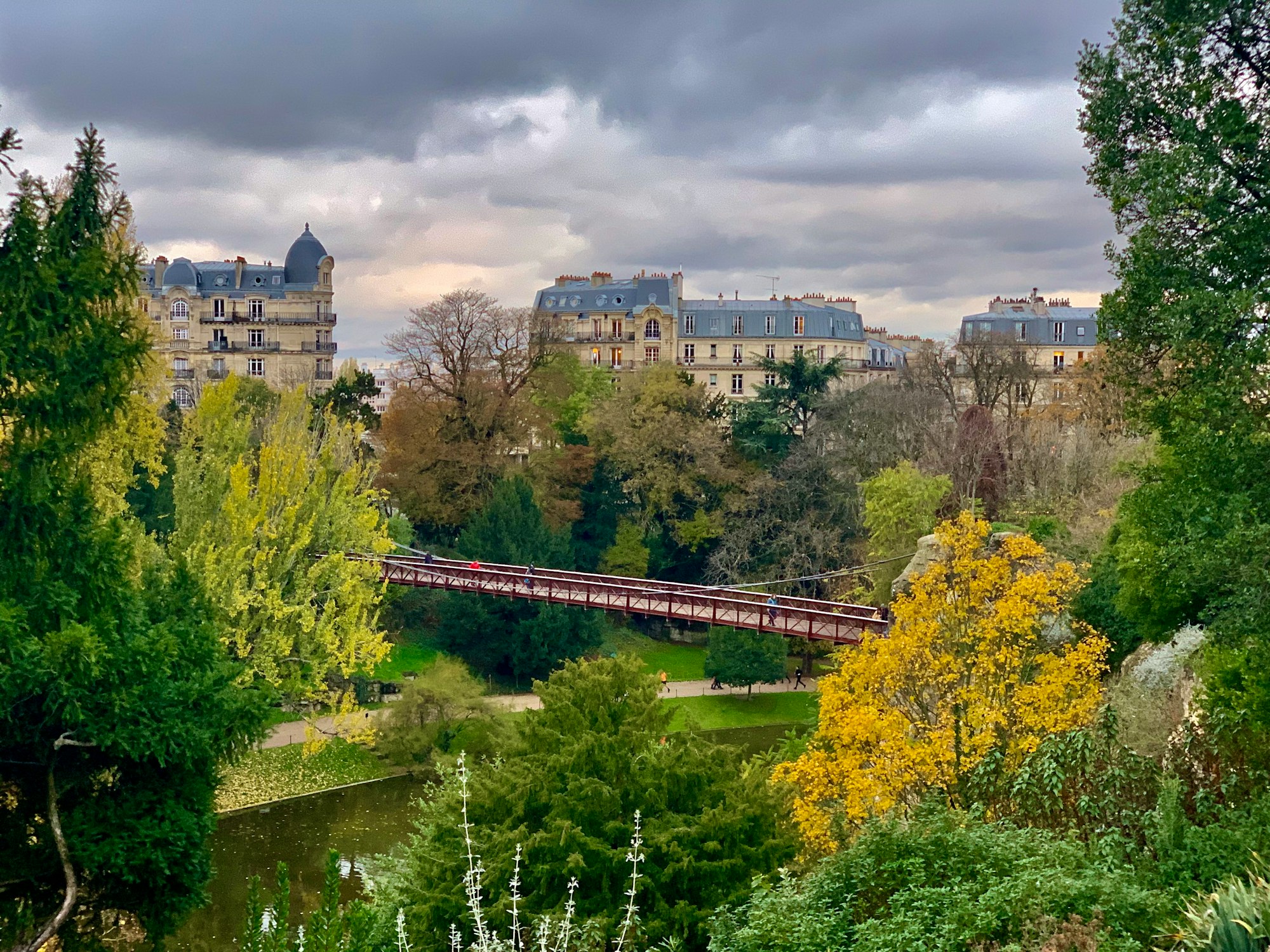
Buttes-Chaumont was built to look like a mountain landscape, not a formal garden. It is the steepest garden in Paris and the largest, at 25 hectares. Down among the rocks, the meadows, the cliffs and the streams, you lose sight of the city.
The cliffs are real rock: the ground was a limestone and gypsum quarry, blasted with dynamite into this shape and opened as a park in 1867. That old quarry is why the park needs repair now, because the ground built over it is fragile.
The landmark is the Temple de la Sibylle, designed by Gabriel Davioud and set on top of the cliff on the Ile du Belvédère. A wooden suspension footbridge designed by Gustave Eiffel reaches the island, 63 metres long and about 8 metres above the water.
The grotto and its waterfall are the park's other signature. Check before you go whether the grotto is open, since the city has closed the park's cascades during the repairs.
You can come in at Place Armand-Carrel, the main entrance, or at the rue Botzaris gate by Botzaris metro. Entry is free and the gates have no desk.
Head down to the lake first. Ducks, geese and herons live on the water, and the island rises from the middle of it with the temple on its cliff. The temple is best seen from the lakeside paths.
Allow about an hour and a quarter to loop the lake and sit on the grass. Outside summer the gates close earlier, so plan a long evening on the lawns between May and August. Rosa Bonheur, a guinguette inside the park, sells quick food and drinks if you arrive with nothing.
You do not need a guide here: the paths are free to wander and the main sights are visible from them. If you want the story behind the cliffs, the city lists a two-hour guided walk on how the park was built, its anecdotes and its planting. Places are by booking only, so check the listing for dates, meeting point and language.
Walk your bike or scooter in, because riding is not allowed; electric scooters count too. Dogs must stay on a lead and keep to the paths and the dog area.
Wear comfortable shoes, since the paths climb and drop. Keep to the open paths and respect the barriers round the closed areas, which the city fences off because the ground there is unstable.
Explore the rest of Paris
Set in the 17th-century Hôtel Salé in the Marais, the museum holds some 5,000 works and the artist's personal archive, largely from…
The city history museum occupies two connected Marais mansions and covers Paris from prehistory to the present, with French Revolution…
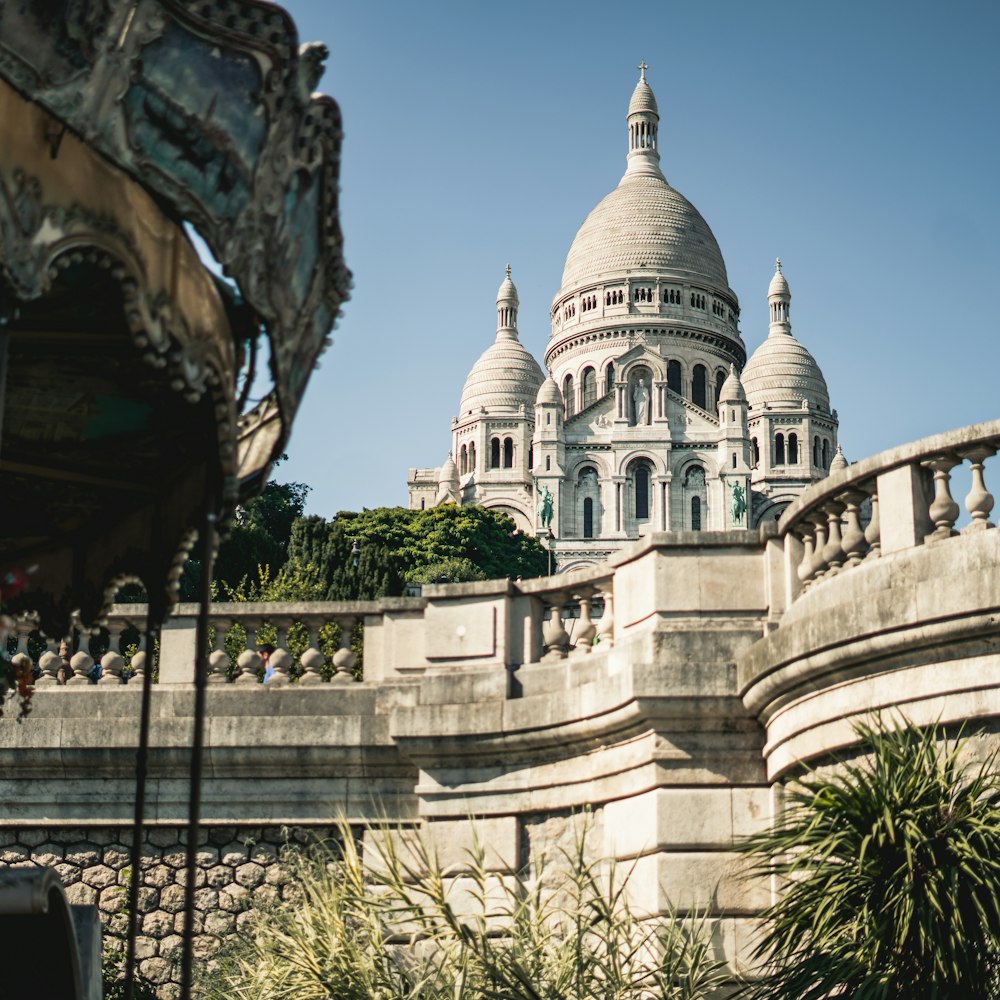
A white basilica on top of the Montmartre hill, designed by Paul Abadie and consecrated in 1919, with a gilded mosaic of Christ filling the…