 Submit a photo
Ninety seconds on Musée Picasso Paris
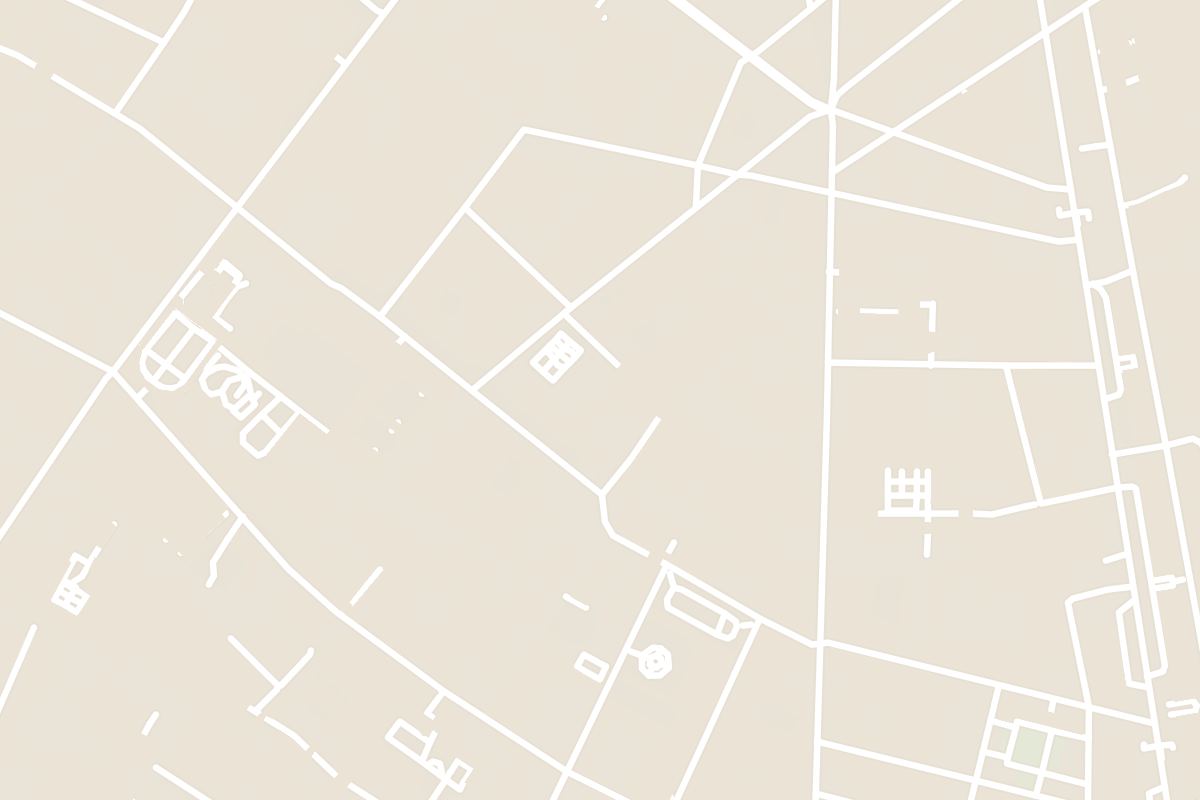
The museum is at 5 rue de Thorigny, postcode 75003. Métro Line 8 stops at Saint-Sébastien-Froissart and Chemin Vert, and Saint-Paul is a third option.
Admission is ticketed, though some visitors qualify for free entry and the first Sunday of each month is free. Visits run on timed slots, which typically release about two weeks in advance.
Hours run from 9.30am to 6pm, Tuesday through Sunday, with last entry at 5.15pm. The doors stay shut every Monday and on New Year's Day, Labour Day and Christmas Day.
The museum recommends 90 minutes to two hours to cover its permanent collection together with whatever temporary exhibition is running. Last admission is at 5.15pm, so a visit should start by mid-afternoon at the latest.
Guided tours can be booked through the museum's online ticket shop or at the ticket office on site. Group visits need a booking placed at least 2 days in advance.
The largest Picasso collection in the world fills the Hôtel Salé, a grand private townhouse in the Marais, so you see the painter and the house in a single visit.
The museum was created from two donations of Picasso's work to the French state. Among its holdings are Still Life with Chair Caning, Woman in the Garden and La Flûte de Pan.
Picasso also collected other painters, and the museum holds works by them too. Its collection includes paintings by Le Nain, Corot, Vuillard, Cézanne, Gauguin and Matisse, with works by Braque and Degas: the pictures Picasso chose to live with. Seeing them here shows you what Picasso admired as well as what he made.
The house is the other half of the visit. The Hôtel Salé is a late seventeenth-century private mansion, and its sculpted staircase is the first thing you climb.
Bring only a small bag. Suitcases and bulky baggage are not allowed inside, and anything smaller goes in the free cloakroom one level down, by the stairs to the right of the lobby.
Book a timed slot online and arrive for your hour, because walk-up visitors can be held back when it is busy. Once through the lobby, the staircase carries you up into the rooms above.
Plan to see the permanent collection and the temporary exhibitions in one visit. Arrive well before last admission if you want both, since the house rewards a slow walk as much as the art does.
Afterwards, stay in the Marais rather than heading straight back across the city. Walk to rue des Rosiers for falafel at lunch, then browse the vintage shops along rue Vieille-du-Temple. Both streets are a short walk from the museum's door on rue de Thorigny.
The Musée Carnavalet, the city history museum, covers Paris from prehistory to the present and makes a good second stop.
For the wider run of late nineteenth-century painting, the Musée d'Orsay displays works by Cézanne, Monet and Van Gogh.
Explore the rest of Paris
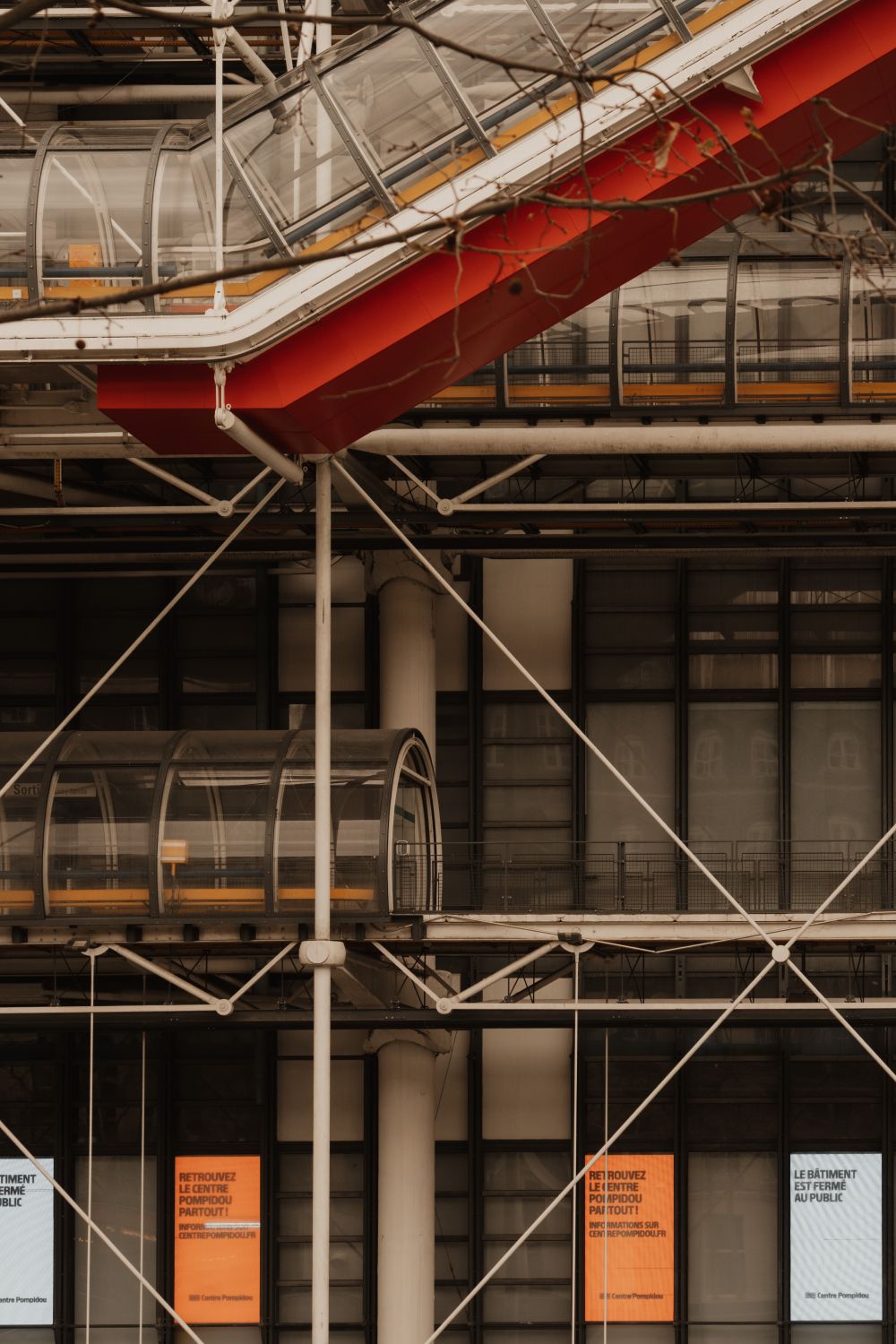
Piano and Rogers's inside-out building of 1977 holding Europe's largest modern art collection. It closed for a five-year renovation in…
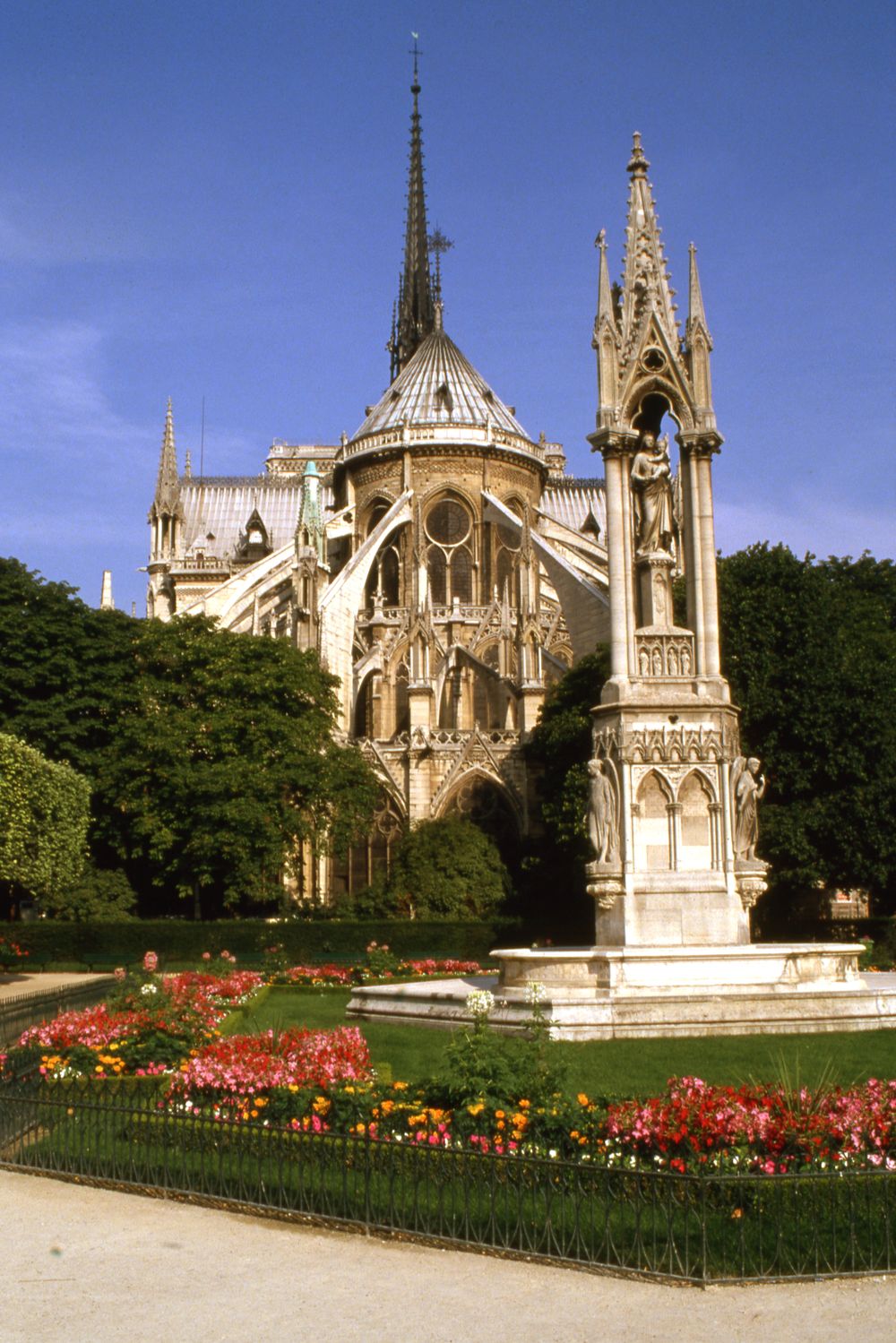
A Gothic cathedral on the Île de la Cité, known for its rose windows and flying buttresses. It reopened in December 2024 after the 2019…
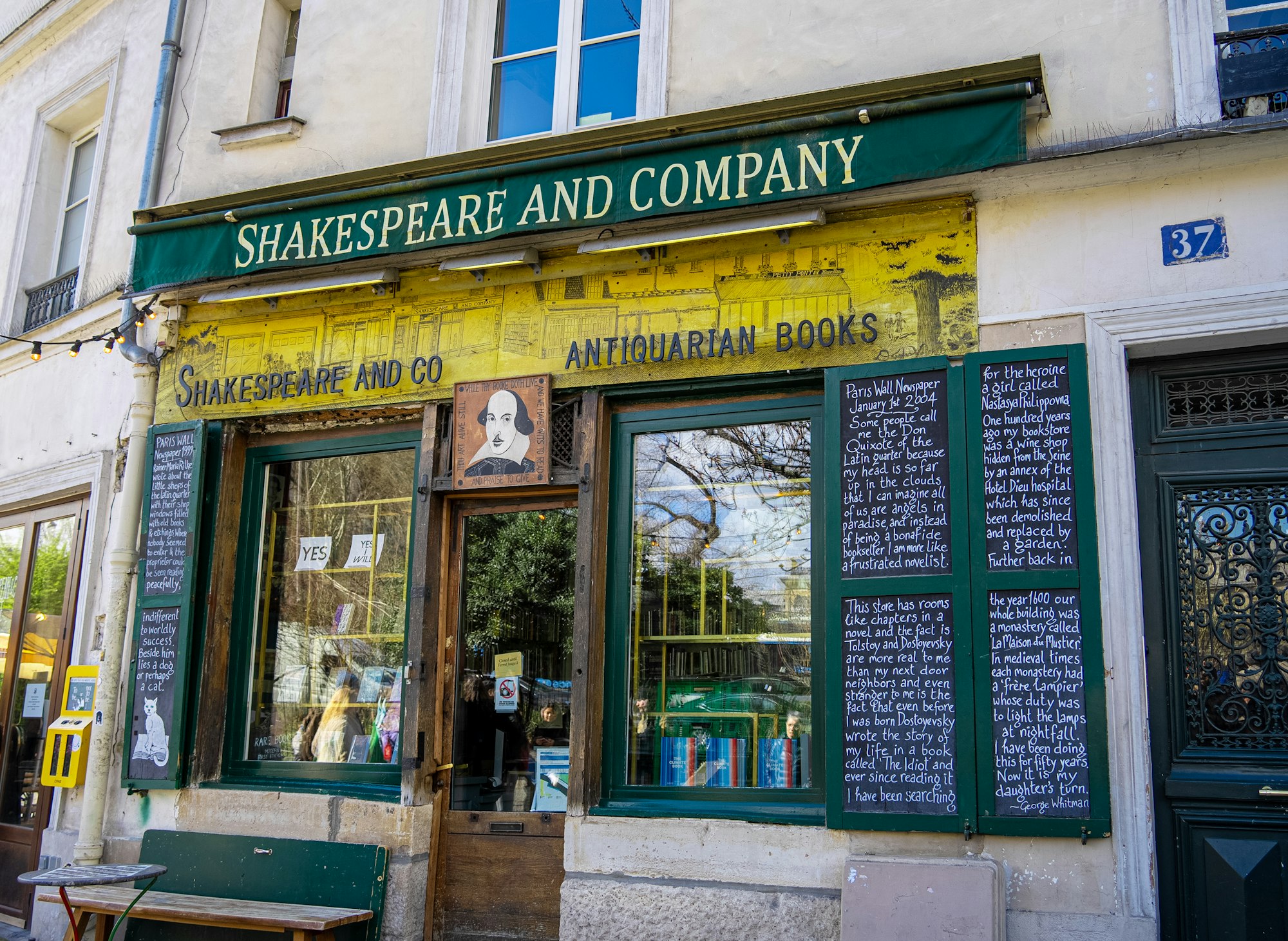
The English-language bookshop at 37 rue de la Bûcherie, named for Sylvia Beach's original shop of 1919, with reading rooms up a creaky…
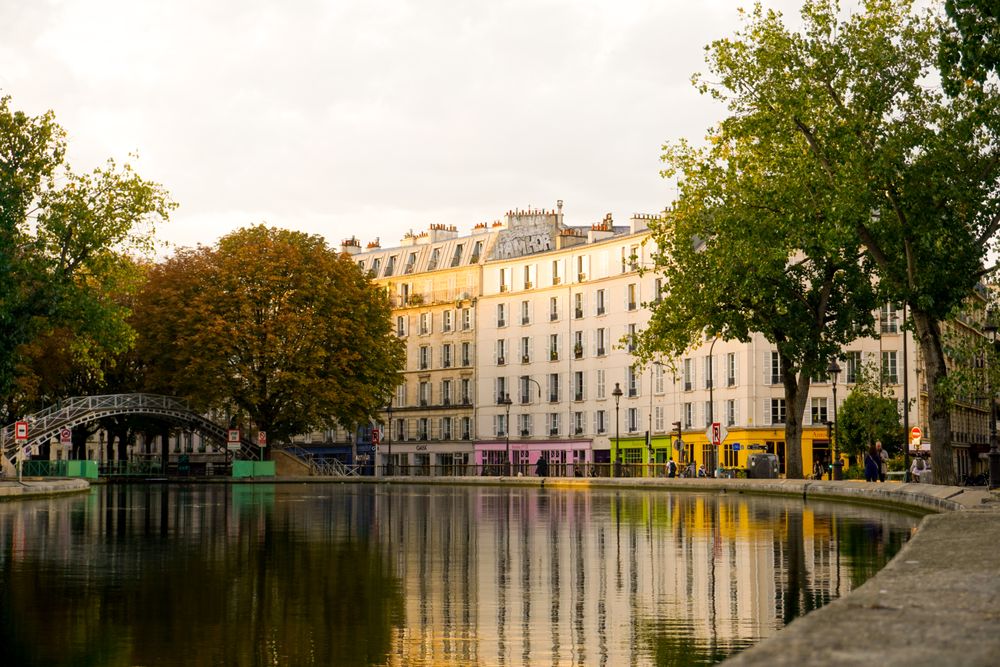
A canal of arched iron footbridges and locks running from the Bassin de la Villette towards the Seine, its open quays lined with cafes,…
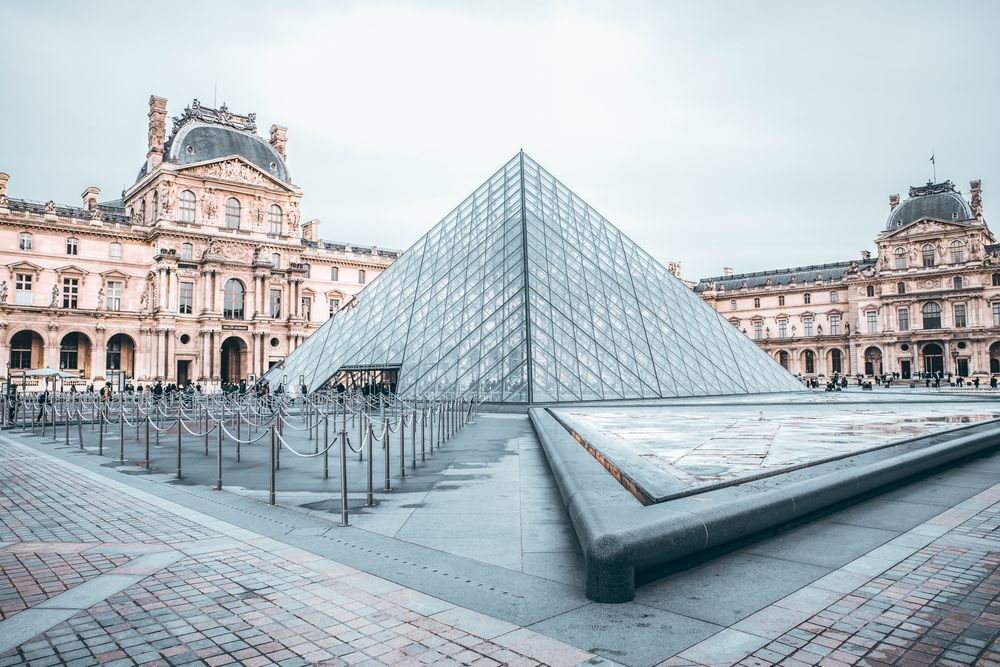
The former royal palace holds roughly 35,000 works on display, including the Mona Lisa, the Venus de Milo and the Winged Victory of…
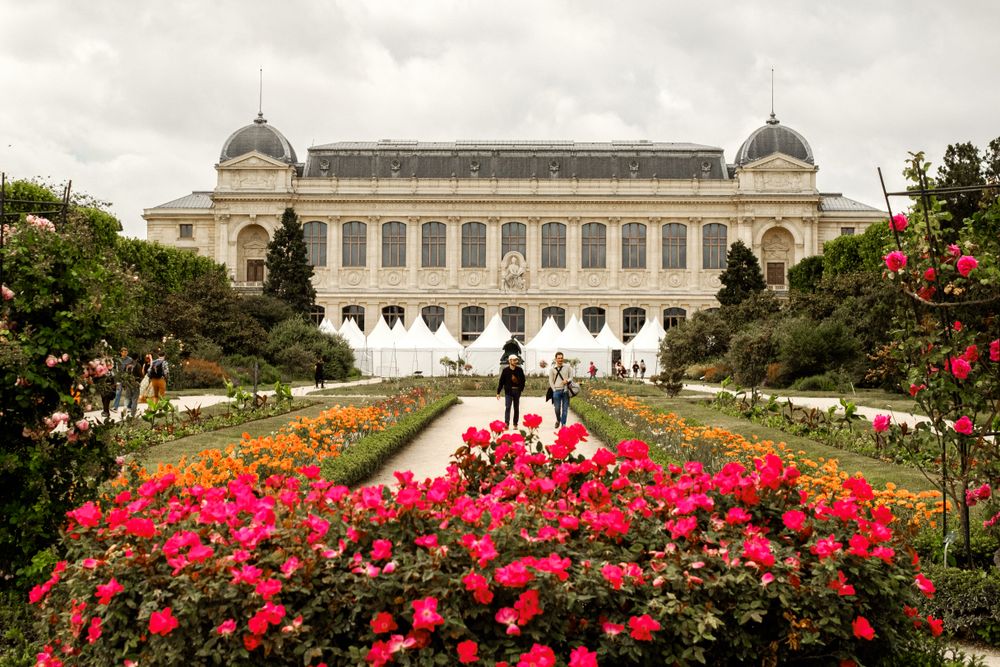
The botanical garden of 1635 on the Left Bank, with the Natural History Museum's Grande Galerie de l'Évolution, the greenhouses and the…
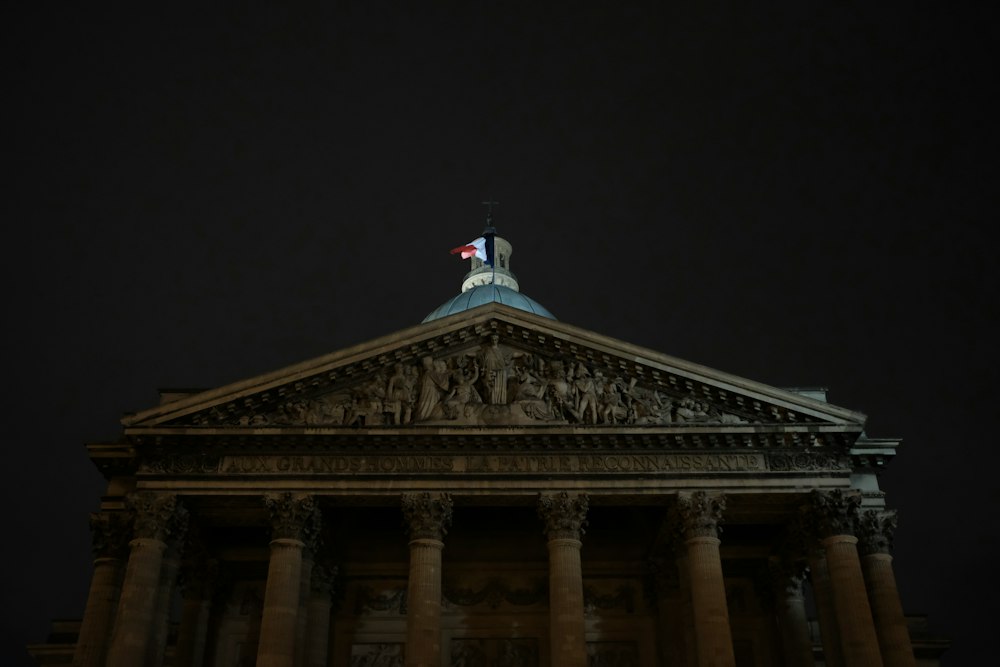
The old student quarter of the Left Bank, climbing from the Seine past the Sorbonne to the Panthéon, with a museum, a Gothic church and a…

A neoclassical mausoleum on the Montagne Sainte-Geneviève in the Latin Quarter, designed by Soufflot as a church and later given over to…
The official pages this guide was checked against.
Last updated