 Submit a photo
Ninety seconds on Museum Ludwig
Yes, until 10pm every first Thursday, unless it falls on a closing date, as in February 2027. From 5pm the ticket is discounted, and Cologne residents are admitted free all day.
Yes, for private, non-commercial use. Flash, tripods and selfie sticks are not allowed. Photography may be forbidden in temporary exhibitions, so signs in the rooms should be checked first.
Yes, a café and restaurant called Ludwig im Museum serves hot and cold dishes made with regional and seasonal ingredients. As of November 2026 it opens at 9am and runs to midnight from Tuesday to Saturday, and to 10pm on Sunday. It is closed on Monday.
Yes, all the exhibition areas can be reached by elevator, though part of the special exhibition needs a detour to avoid a large staircase. The terrace with the cathedral view has a platform lift, which on-site staff will help with. Wheelchairs can be borrowed, and the foyer has an accessible toilet.
The museum is opposite the station and close to the cathedral. Trains, the underground and the suburban line from Cologne/Bonn Airport stop at Dom/Hauptbahnhof. Drivers can use the Dom or Rheingarten car parks nearby.
The largest collection of American Pop Art outside the United States belongs to this museum, with Lichtenstein, Warhol and Rauschenberg in it. You also get the world's third-largest Picasso collection, after Paris and Barcelona.
Roy Lichtenstein's M-Maybe, Claes Oldenburg's Soft Washstand and Tom Wesselmann's Great American Nude No. 98 all belong to the Pop Art collection that Peter and Irene Ludwig gave Cologne in 1976. They gave it on condition that the city build a museum for it. Works by James Rosenquist, Robert Rauschenberg and Jasper Johns are in it too.
The Picasso paintings cover every period of his career, and his ceramics and sculptures are here too. Among the works are Harlequin with Folded Hands, Woman with Artichoke and the original plaster for Woman with Pram. No other public institution has all three of his major series of prints.
The German Expressionists came from a Cologne lawyer, Josef Haubrich, whose gift in 1946 included art that had been deemed "degenerate" during the war. It includes Ernst Ludwig Kirchner's Halbakt mit Hut, a half-nude in a hat, and Otto Dix's portrait of Dr Hans Koch.
Another large group is the Russian avant-garde, by Kazimir Malevich, Natalia Goncharova and Alexander Rodchenko. The abstract paintings include works by Mark Rothko, Jackson Pollock and Frank Stella.
From outside, the museum is a brick block under zinc-clad shed roofs, between the cathedral and the Rhine. The concert hall of the Kölner Philharmonie lies beneath it.
Go in on the cathedral side or through the south entrance by the Filmforum. The ticket desk and cloakroom are in the outer foyer, and past them is a hall with a monumental staircase, which you can enter without a ticket.
A few steps down on the left of the entrance are the changing exhibitions. The permanent collection is mostly upstairs, along a central corridor called the Museum Street, with rooms opening off it. At its far end more stairs join the floors, so you can make a full circuit.
The Expressionists are in the rooms on the cathedral side. On the way round, windows look out to the Rhine, the square and Hohenzollern Bridge. Finish on the western roof terrace, which faces Cologne Cathedral.
Only about a third of the collection fits on the walls at once, and works move in and out. If you are coming for one painting, phone or email the museum before you travel, with the contact details on its website. Once inside, ask the information desk to point you to it.
Pick two or three collections instead of walking every room. The layout lets you go to one area and leave the rest.
Borrow a folding stool if you like to sit in front of a picture, and join the free Wi-Fi, which needs no password. The bookshop, run by Walther König, sells posters, postcards and exhibition catalogues.
Explore the rest of Cologne
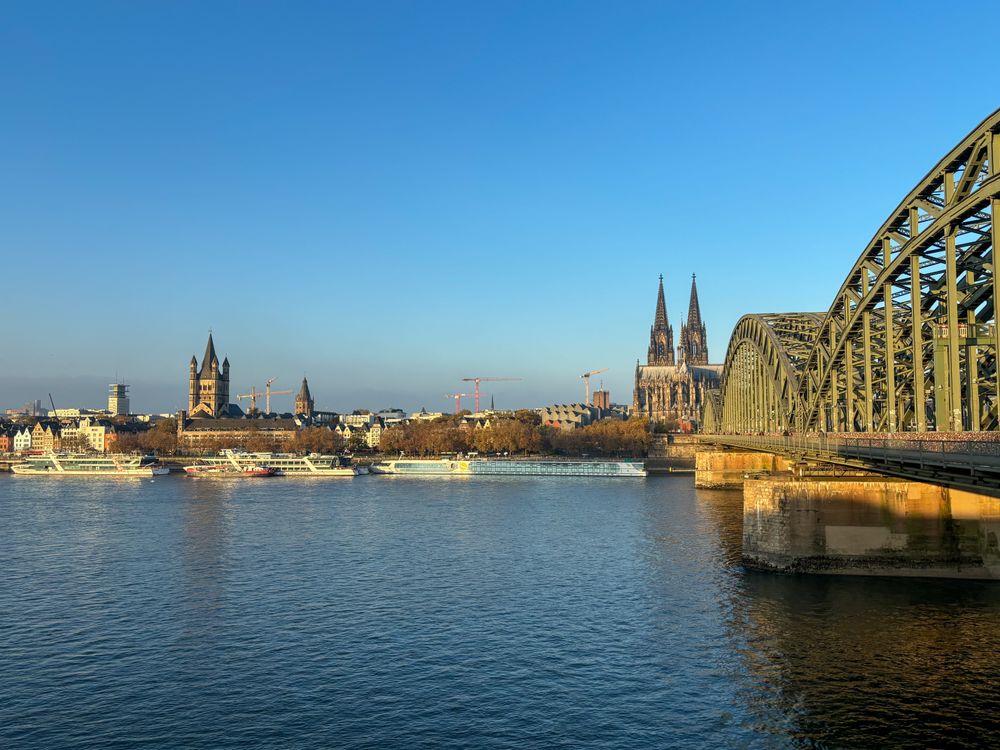
The cathedral and the Hauptbahnhof stand side by side on the Rhine, opposite Deutz, and the Altstadt fills the streets behind the…
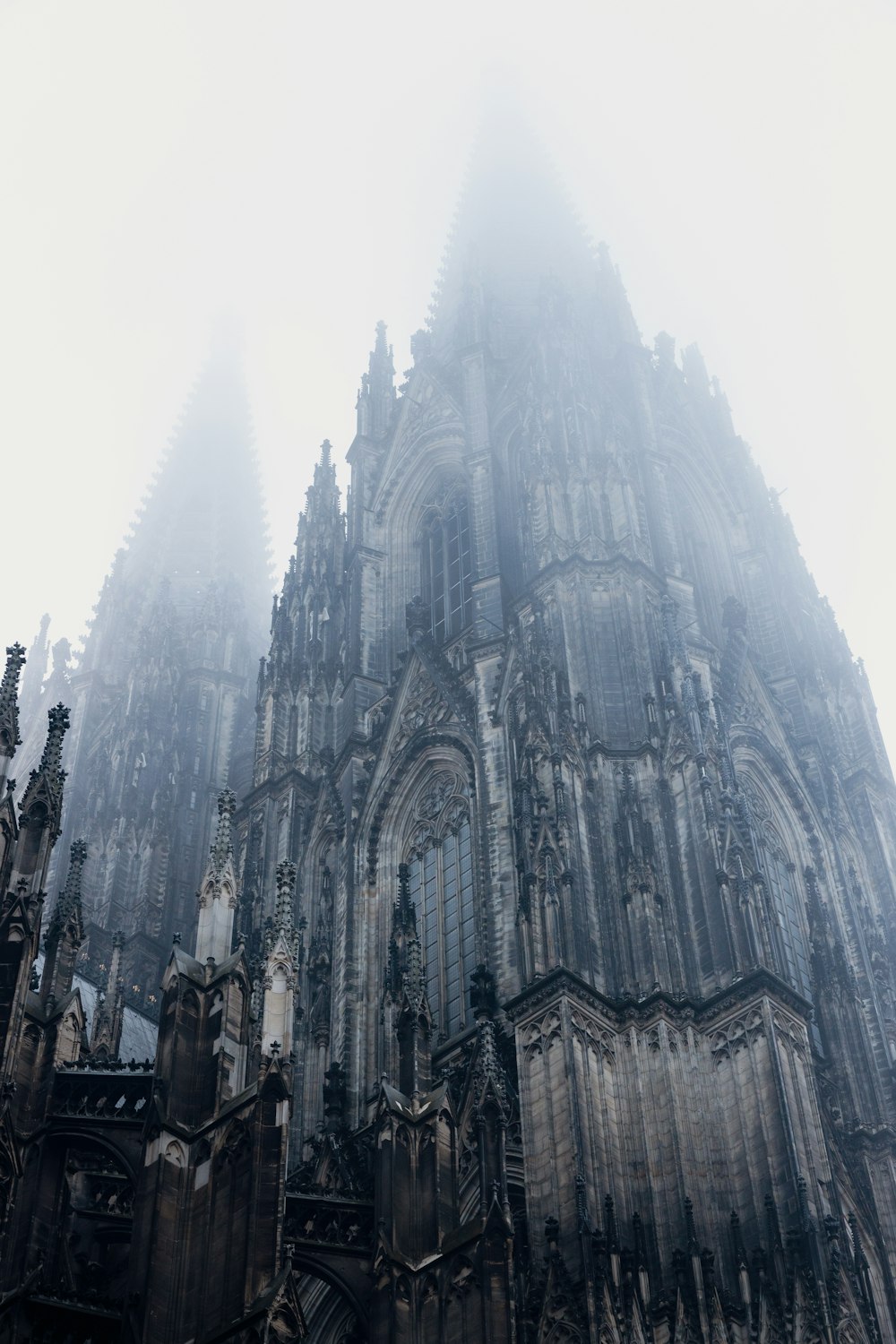
Twin spires rise right beside Köln Hauptbahnhof, and since July 2026 the cathedral interior, home of the Shrine of the Three Kings, has…
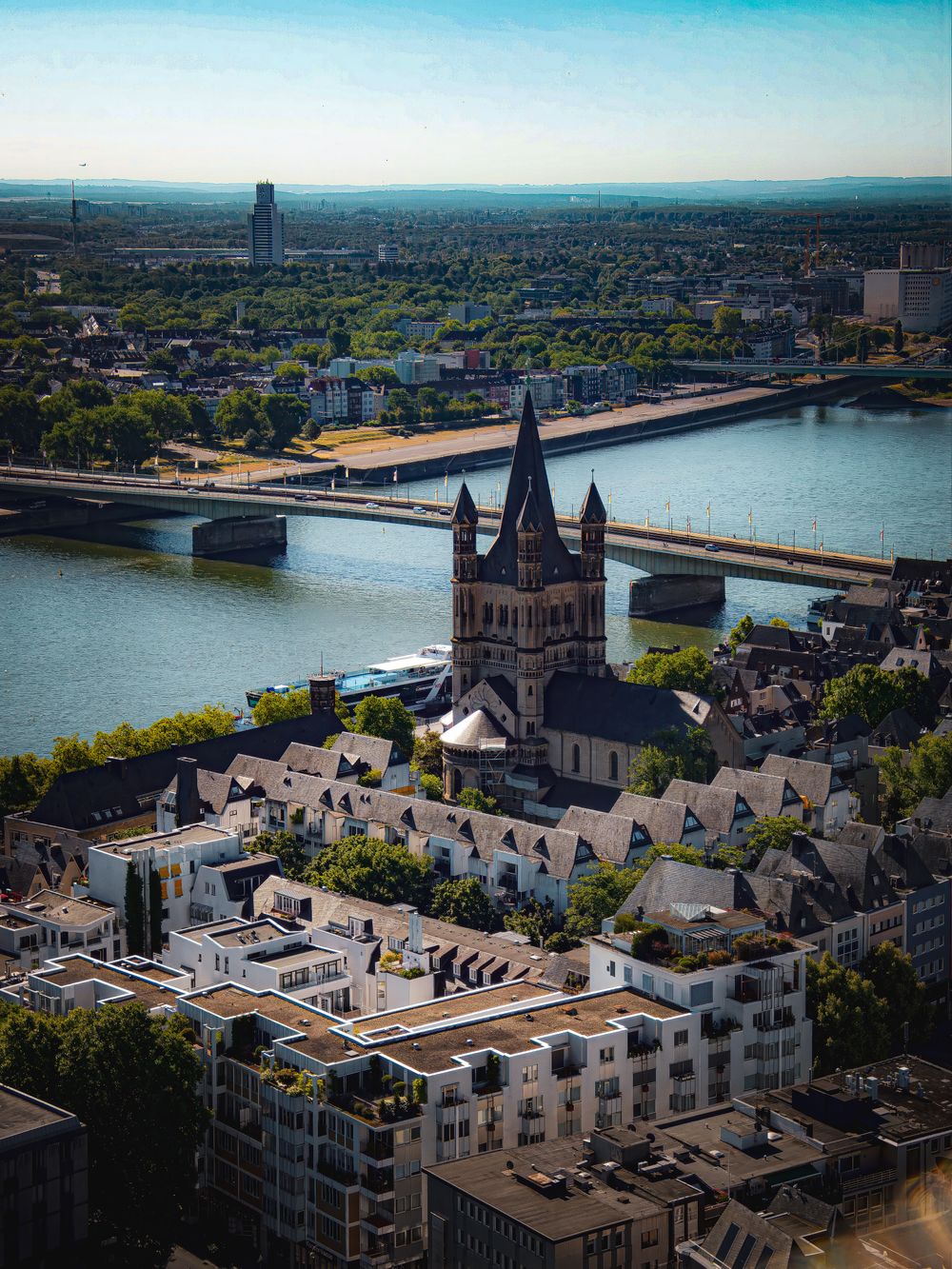
Groß St. Martin's Romanesque tower rises above the riverfront houses of the Altstadt. The church is shut on Mondays and opens only in the…
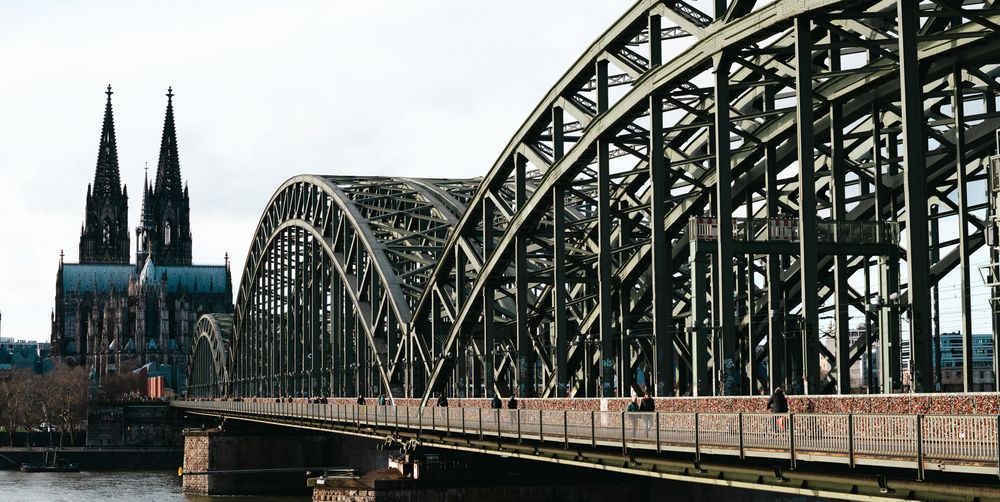
A footpath runs beside the railway tracks on the Hohenzollern Bridge, its fences hung with padlocks, from the cathedral end of the Altstadt…
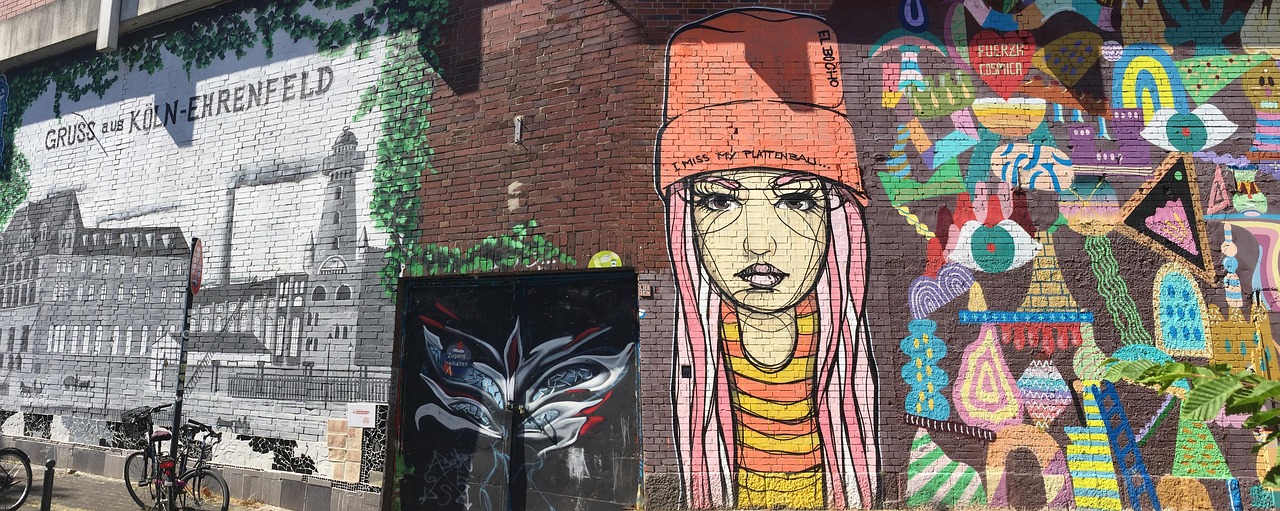
Murals and graffiti cover the walls of Ehrenfeld, north-west of the centre, where former factory halls now hold studios, clubs and music…
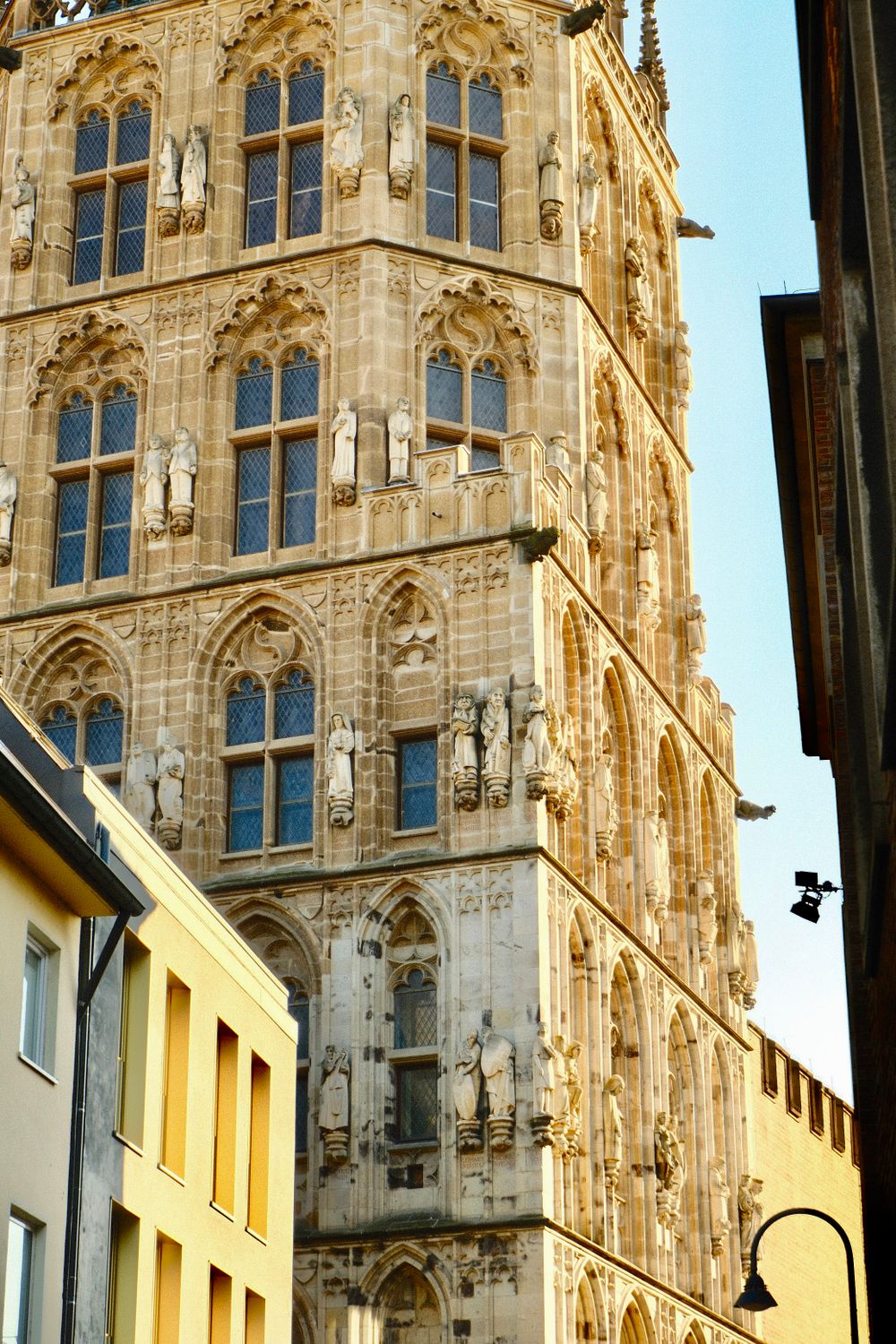
On every full hour the Platzjabbeck, a carved face on the tower of the Historisches Rathaus, opens its mouth and sticks out its tongue over…
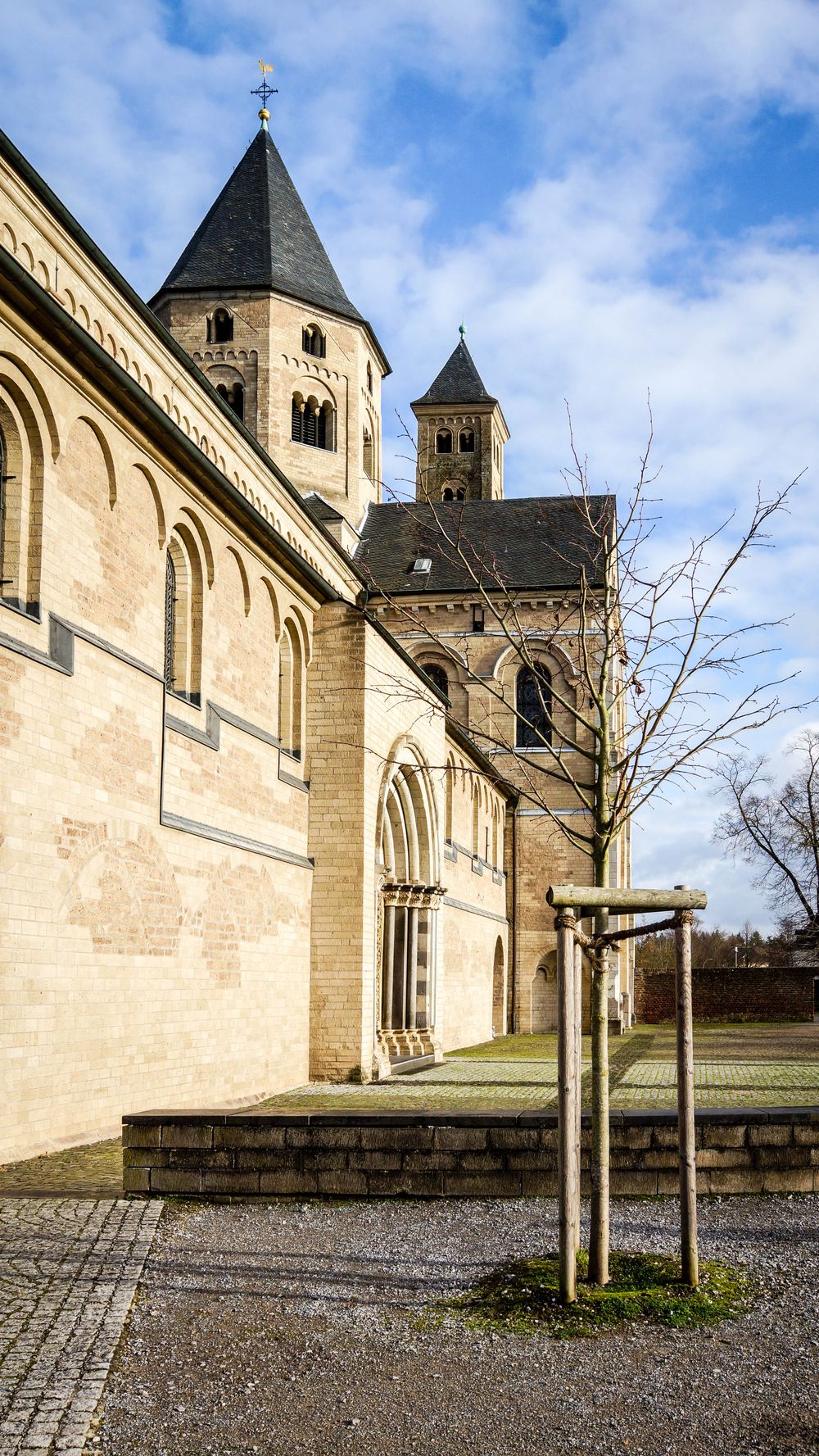
Choir windows made around 1220 to 1230 still stand in their original place at the east end of St. Kunibert, a Romanesque church on…
At the Schokoladenmuseum on the Rheinauhafen, chocolate is made on a glass-walled production line, and a chocolate fountain and tastings…
Last updated