 Submit a photo
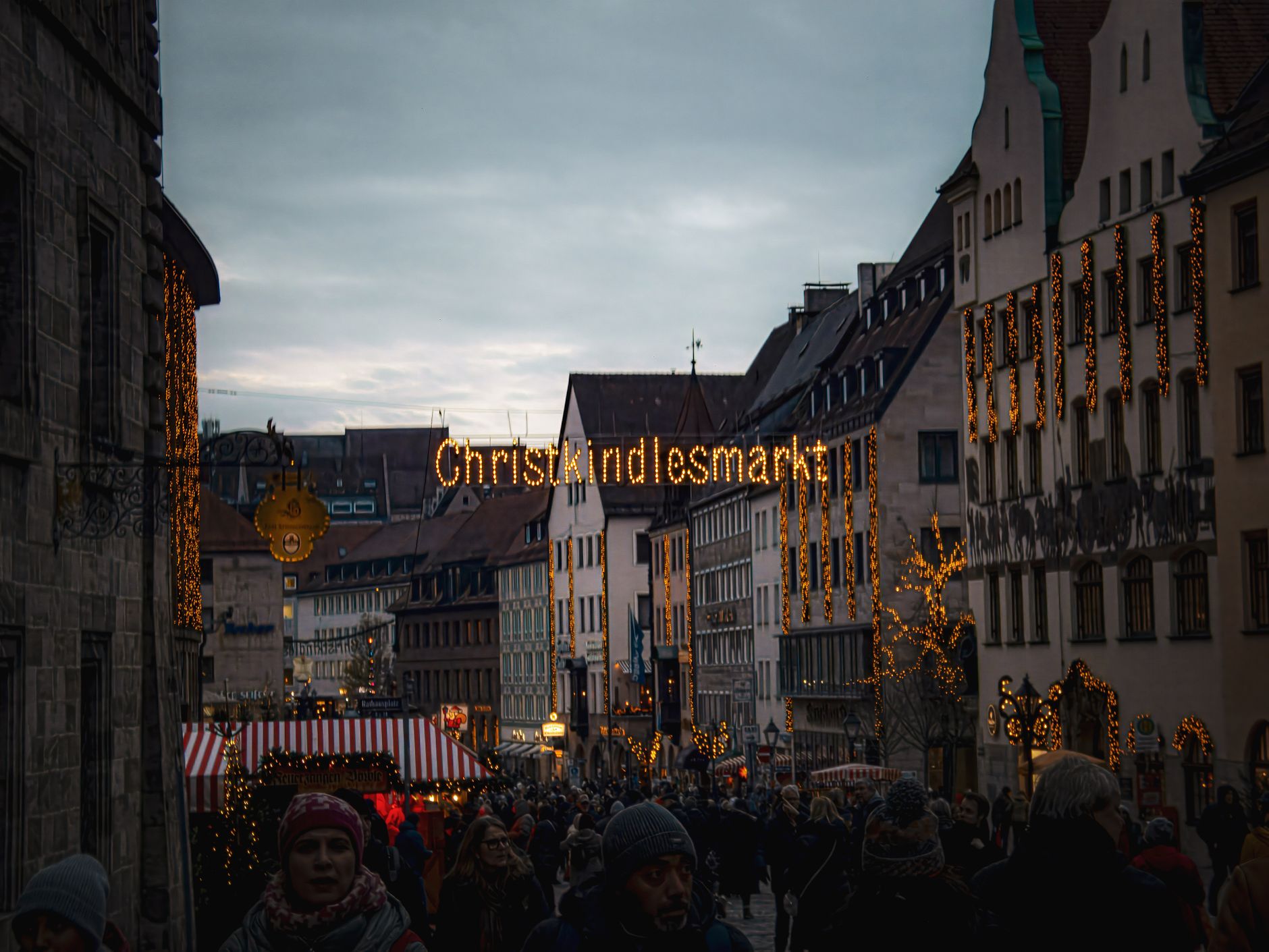
The Christkindlesmarkt runs from Friday 27 November to Thursday 24 December 2026. It always opens on the Friday before the first Sunday of Advent, and that opening evening is the day that matters most. The next two editions are already fixed: 26 November to 24 December 2027, then 1 to 24 December 2028.
As of 2026, the market is open 10am to 9pm every day, Sundays included. Opening day, 27 November, runs an hour later to 10pm, and Christmas Eve is a short morning from 10am to 2pm. The partner towns' market on Rathausplatz keeps the same daily hours but closes for the season on 23 December.
It is free, with no ticket and nothing to book. The Christkindlesmarkt is an open-air market across the Hauptmarkt and the squares beside it, with no gate or entry charge. The only money handed over before a purchase is the deposit on a mug of mulled wine.
On the Hauptmarkt, the main square of Nuremberg's old town. The partner towns' market fills the Rathausplatz just north of it, and the children's market has its own square, Hans-Sachs-Platz. The giant Feuerzangenbowle, red wine punch under a burning rum-soaked sugar cone, is served at the Fleischbrücke over the Pegnitz.
On foot or by U-Bahn. The main station stands just outside the old town walls, about fifteen minutes' walk away, and the U1 to Lorenzkirche leaves less than five minutes on foot. The airport is twelve minutes from the centre by underground. Drivers on Advent weekends do better at a signed park and ride; the closest garage, Hauptmarkt on Augustinerstraße, is about three minutes from the stalls.
At 5.30pm on Friday 27 November 2026. The Christkind recites a prologue from the gallery of the Frauenkirche, the Church of Our Lady above the Hauptmarkt, and the market is declared open. Selling stops for the ceremony itself, as it did from 5.30 to 6pm in 2025, so the square is given over to the speech.
Very. More than two million came in 2024, and the weekends carry the heaviest crowds. A Tuesday to Thursday morning is the calmest time to see the stalls properly. Evenings bring the lights and the crush together, so a weekend visit works best early in the day.
Nuremberg bratwurst first: small grilled sausages with sauerkraut or potato salad, or three in a bread roll, the "Weggla". Lebkuchen, the city's spiced gingerbread, has been baked here for more than 600 years. To take home, the classics are gold-foil angels, cribs, tree decorations and Zwetschgenmännle, the dried-prune figures, sold in more than 350 designs.
Yes. Mulled wine and children's punch come in ceramic mugs with a deposit on them, and the deposit is simply forfeited by keeping one. Each year brings a new design with a Nuremberg picture, which has made the mugs a collector's item. Disposable cups and plates have been banned at the food and drink stands for years.
Yes, it has its own market. Since 1999 the Children's Christmas Market on Hans-Sachs-Platz has run a two-tier merry-go-round, a mini Ferris wheel and a steam railway. From Tuesday to Friday at 2.30pm the Christkind invites children for a free ride on the steam carousel. It also outlasts the main market, reopening from 26 to 30 December, 11am to 8pm.
Inside the old town walls or just outside them, close enough to walk back after dark. December rooms go early, weekends first, so booking by the summer is the safe course. The city tourist board lists the full range, from boutique and design hotels to family lodgings and budget rooms.
Nearly five hundred years by its roots, which reach back to 1530. The first written mention comes from 1678, so even the documented record runs to almost three and a half centuries. That age places the Christkindlesmarkt among the oldest Christmas markets in Germany.
The Christkindlesmarkt is Nuremberg's Christmas market, held through Advent on the Hauptmarkt, the main square of the old town, and one of the oldest in Germany. It takes its name from the Christkind, the Christ child, who brings the presents in this part of the country.
It is a market for things made in the region: Lebkuchen, the city's spiced gingerbread, small grilled Nuremberg sausages, and Zwetschgenmännle, little figures made of dried plums. Stallholders are held to rules that keep plastic decorations and mass-produced goods off the square.
27 Nov to 24 Dec 2026
Make it two visits: a midweek morning, when you have room to stop at the stalls, and an evening for the lights, when the lanes are packed. On 27 November, be in the Hauptmarkt by five for the opening.
27 Nov to 24 Dec 2026. Times are approximate and can change from year to year.
The square fills fast for a view of the church gallery.
The city's schoolchildren carry paper lanterns up through the old town to the castle, and finish with a nativity play there.
The stalls on Rathausplatz finish a day before the main market.
The last morning, and the stalls shut at two. The children's market stays open until 30 December.
On the opening evening the lights round the Hauptmarkt go out at half past five. The Christkind, a Nuremberg schoolgirl chosen by a jury to play the figure who brings German children their presents, opens the market with a short ceremonial speech from the gallery of the Frauenkirche. Trumpets and a children's choir go with it.
Two smaller markets sit beside the main one. The partner towns' market on Rathausplatz sells crafts and food from Nuremberg's twin cities abroad, and the children's market on Hans-Sachs-Platz has a two-tier carousel, a small steam railway and stalls where children make candles and Christmas biscuits.
Munich's Christmas market on Marienplatz opens a week earlier, on 20 November 2026, and also runs to Christmas Eve. ICE trains between the two cities take about an hour and a half, so one December trip can take in both.
Alongside the gingerbread, look for fruit loaf and gold-foil angels. Bring cash: many of the smaller craft stalls still do not take cards.
For a drink away from the crush, walk down to the Fleischbrücke over the river Pegnitz. Feuerzangenbowle is served there: red wine punch with a rum-soaked sugar cone burning over it.
Stay inside the old town walls or just outside them, so you can walk to the market and back after dark. Hotels fill fast in December, weekends first. Our pick is Karl August in the Altstadt, whose chef's-table restaurant holds a Michelin star.
Explore the rest of Nuremberg
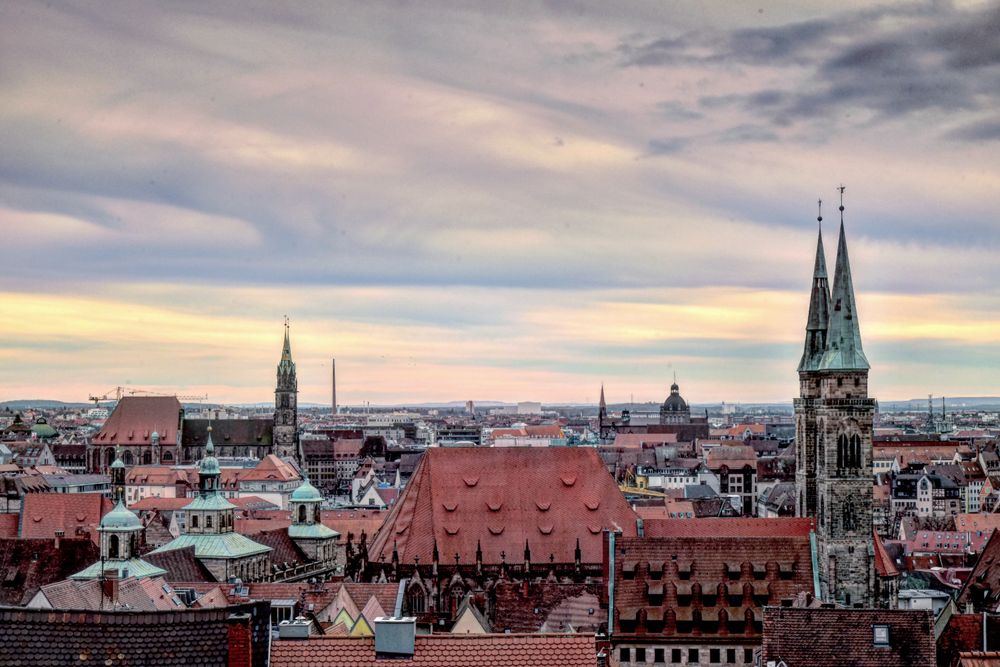
Hitler chose this city for the party rallies because it was where the Holy Roman emperors had kept the imperial regalia, and the propaganda…
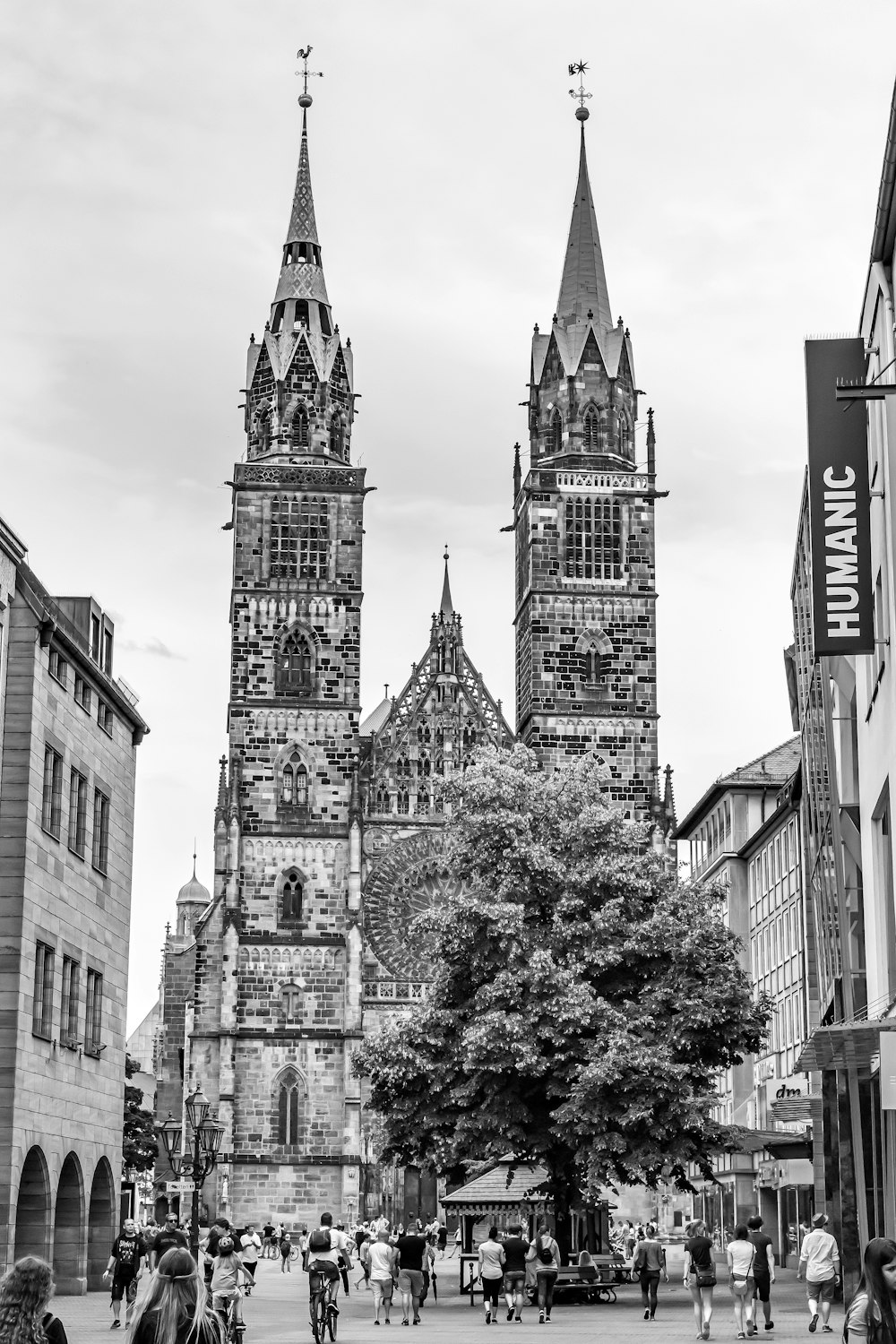
A Gothic hall church with a rose window nine metres across, holding Veit Stoss's Annunciation hanging in the choir on ropes and Adam…
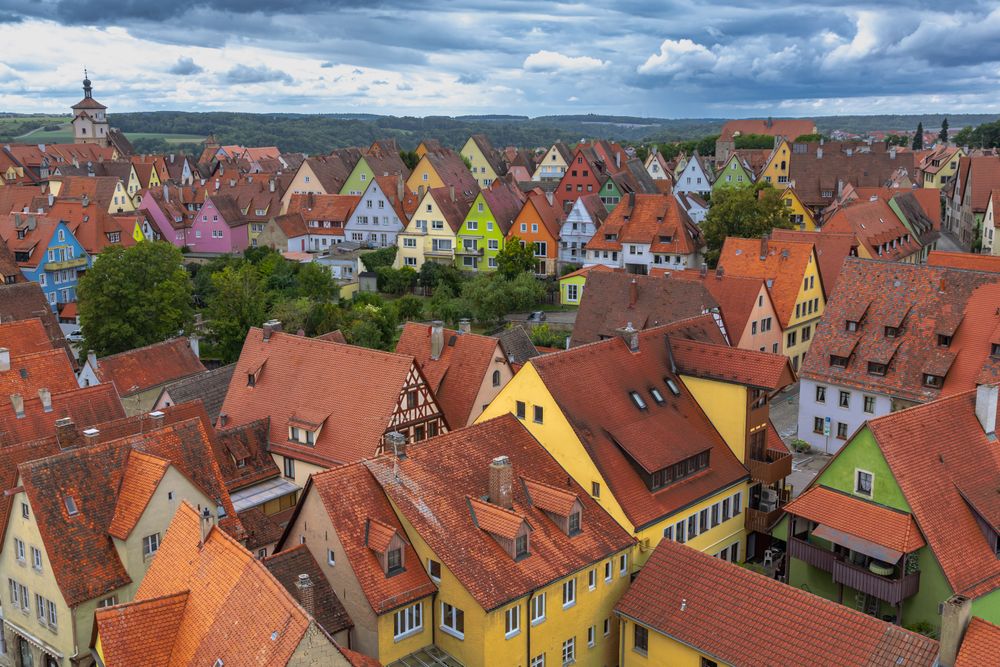
Bankruptcy after the Thirty Years War left this free imperial city too poor to knock anything down or build anything new, and it stayed…
The official pages this guide was checked against.
Last updated