 Submit a photo
Ninety seconds on Portara
The Portara is a monumental marble gate on the islet of Palatia, the one surviving piece of a temple of Apollo. Its name means "great door" in Greek.
Yes. Guides list the Portara as an open archaeological site with no entrance fee and no closing time, with the causeway open to walkers at any hour of the day.
The Cyclades office of the Ephorate is responsible for the site. It reportedly put up temporary fencing around the monument to protect it from vandalism and poor tourist behaviour.
Palatia, an islet joined to the ferry port by a causeway, holds a marble doorway that is all that stands of a temple to Apollo. You can walk out to the main landmark of the island straight off the boat.
The Portara is the emblem of Naxos. It stands on Palatia at the entrance to the harbour: one doorway, the gate that led from the temple's vestibule into its main hall.
The gate is built from four marble blocks, each weighing about 20 tonnes. Traces of the foundations survive around it, and the plan they belong to measured 59 m long and 28 m wide.
Note which way the gate faces. The temple's entrance was on the western side of the building, unusual for a temple in the Ionian style.
Work began in the sixth century BC under Lygdamis, who then ruled the island. He was overthrown and the temple was left unfinished.
The harbour front of Chora (Naxos Town) is where the walk begins, a few steps from where the ferries dock.
From the port, follow the causeway out to Palatia, about five minutes' walk on the paved path.
Once across, walk round the gate and the traces of the temple around it before you head back to the town.
Travel guides note there is no dedicated parking at the Portara. If you come by car, leave it in Chora, a short walk away, and cross on the path.
Summer evenings around sundown are the busiest time on the islet. For more room around the gate, come in the shoulder season, and from November to March there are fewer crowds again.
If you are staying elsewhere on the island, the KTEL bus station sits at the port, with buses between Chora and most areas, so a sunset visit works from any base.
Explore the rest of Naxos
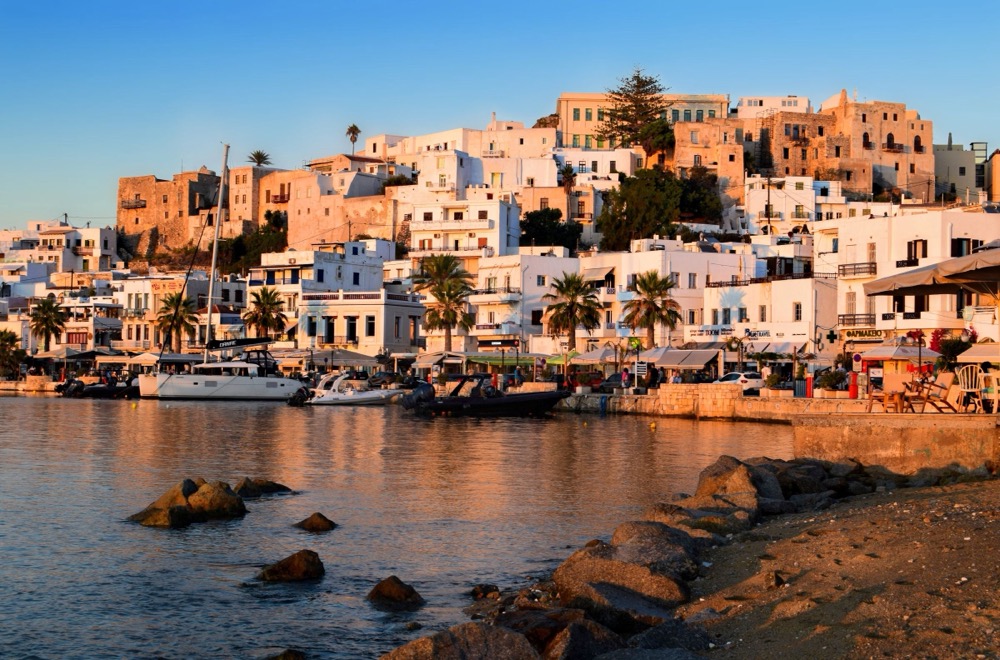
A marble temple doorway frames the harbour of the largest Cycladic island, where long sandy beaches run south of town and a mountain…
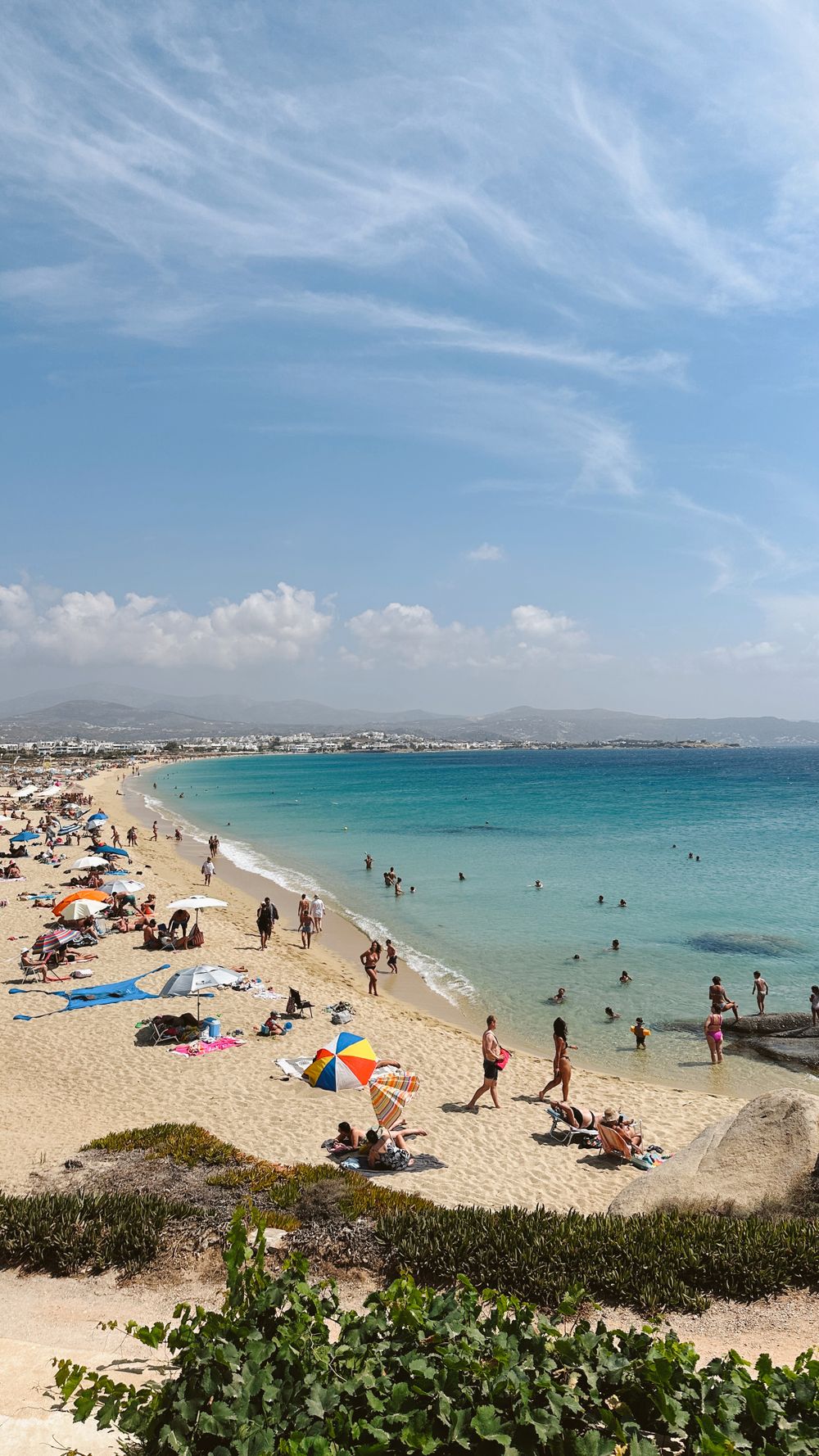
A long arc of golden sand on the west coast just south of the main town, with clear, shallow water and a strip of small hotels and tavernas…
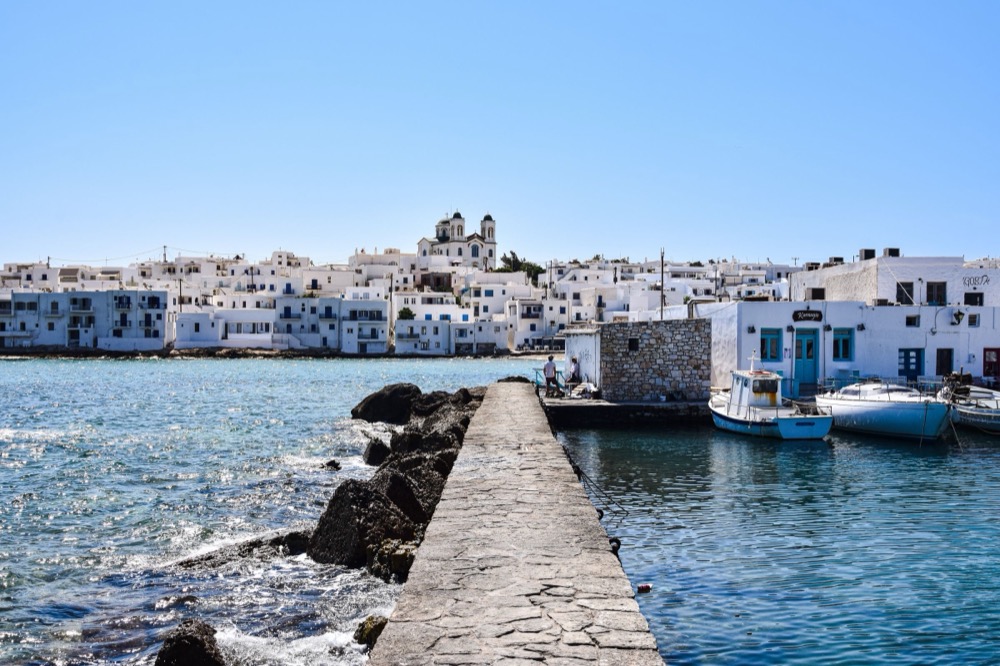
Ferries from half the Aegean put in at Parikia, the island's port town, a tangle of marble-paved lanes around one of Greece's oldest…
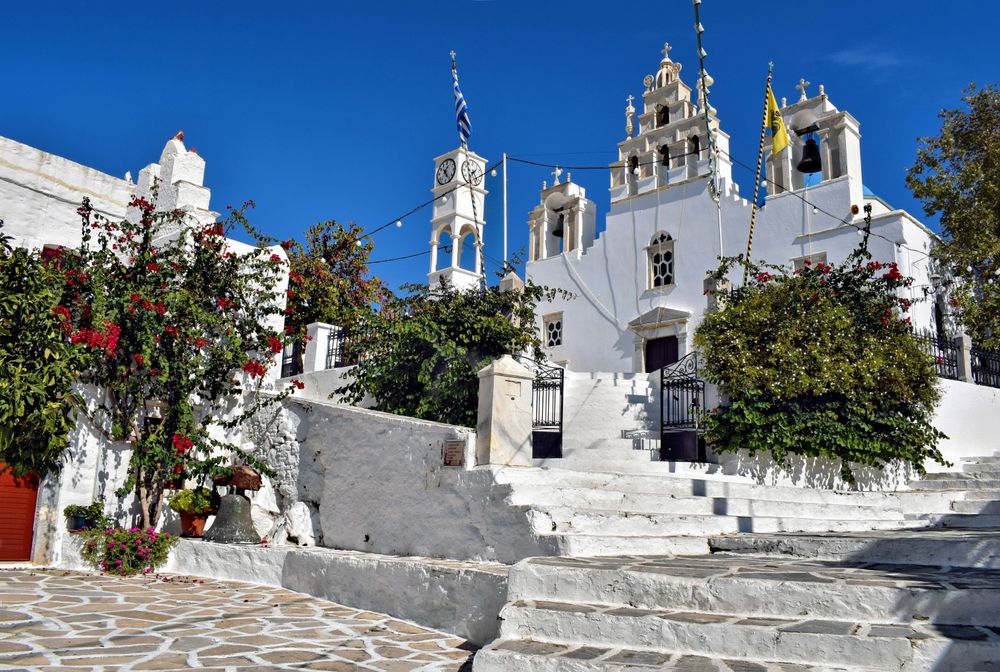
A large mountain village spread over the lower slopes of Mount Zas, its houses climbing in terraces above a square shaded by a great plane…
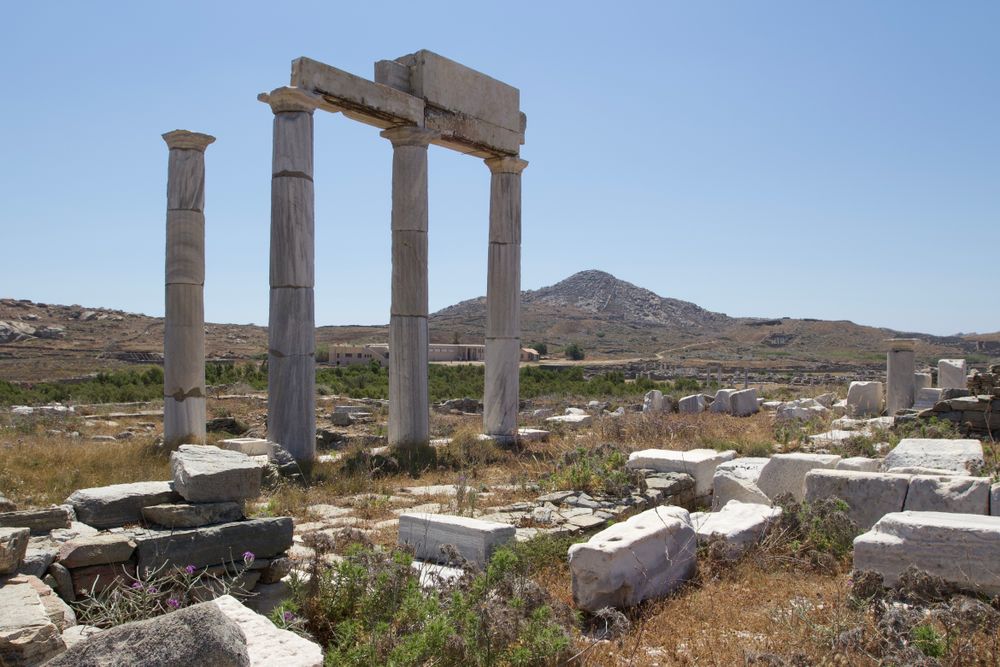
A whole island given over to ruins, held sacred as the birthplace of Apollo and Artemis. Paths lead past the marble Terrace of the Lions,…
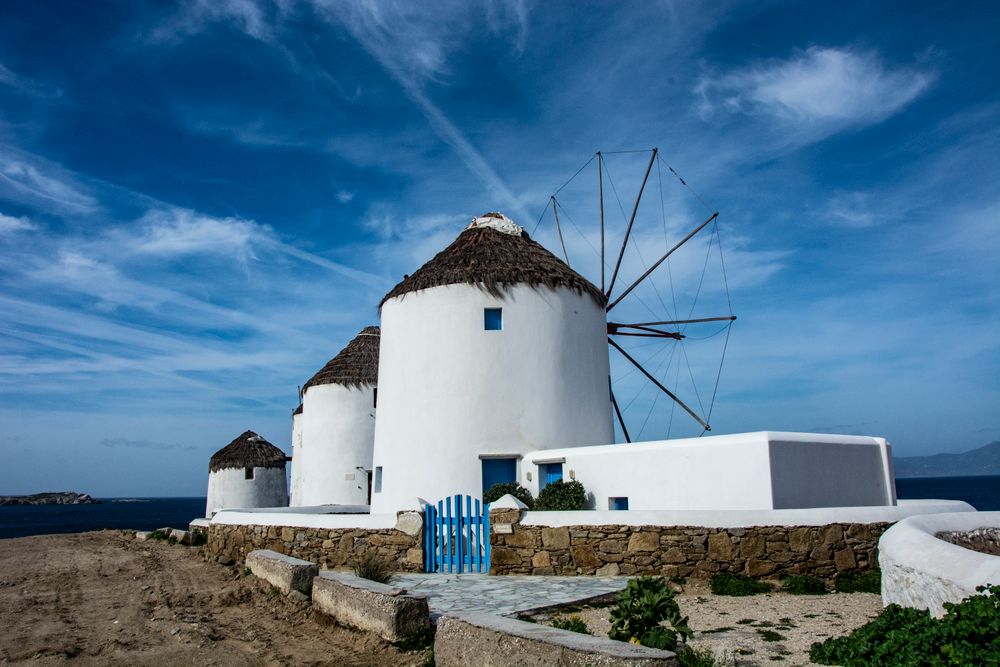
A row of white windmills with pointed roofs stands on a low ridge above Little Venice, once grinding the wheat that was a main source of…
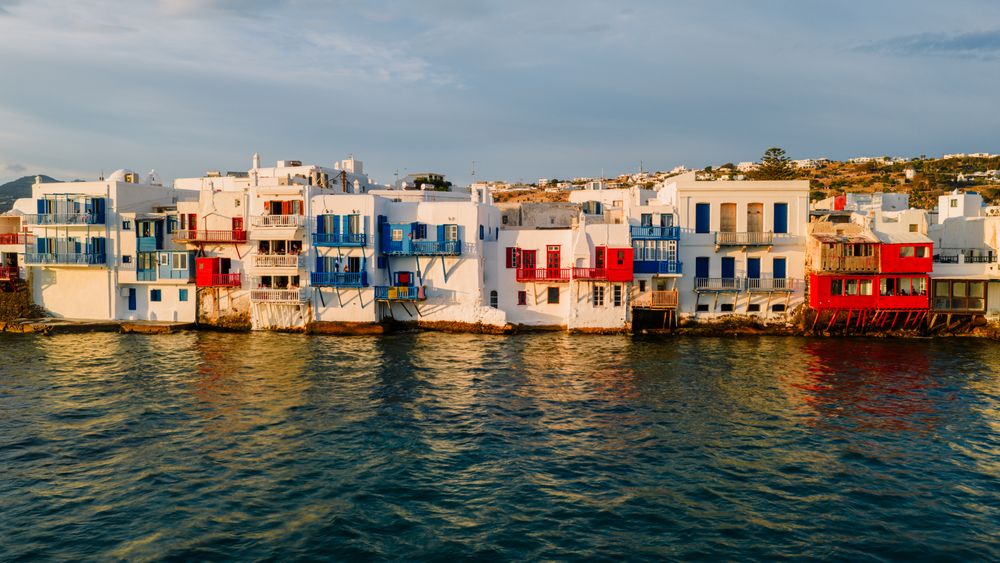
A row of old captains' houses built straight onto the rocks at the western edge of the town, with painted wooden balconies hanging over the…
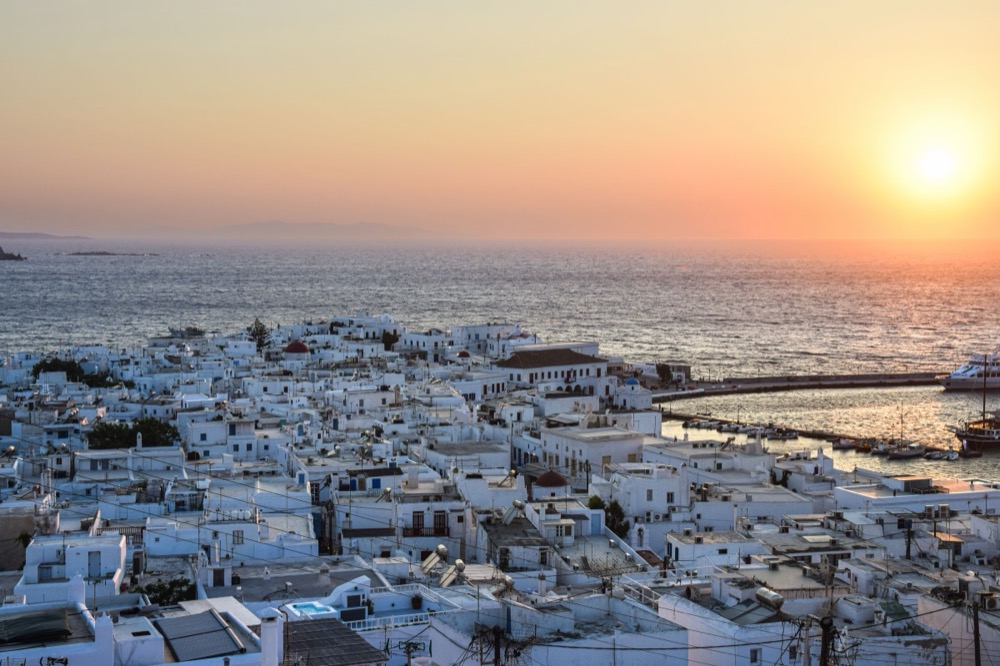
Whitewashed lanes, a waterfront of sea-splashed balconies and a ridge of windmills make up the island's harbour town, and it is the base…
Last updated