Globe Countries Cities Itineraries World's Best Hotels Events Login
The monasteries of Meteora on their sandstone pillars above the Thessaly plain, seen from the air
The monasteries of Meteora above Kalabaka · about four hours by road from Athens
Country brief · 39.0742°N 21.8243°E · Updated

Greece

Ancient sites on the mainland, island ferries across the Aegean, and mountain villages in between.

How long
Ten days to two weeksa week covers Athens and one island group
Getting around
Ferries for islands, a car on the mainlandfast boats are laid up November to March
When
May, June, September, OctoberAthens averages about 33°C in July
Language
GreekEnglish is widely spoken, above all in Athens
Money
The eurocards are taken almost everywhere in towns
Airports
Athens and Heraklionisland airports fly direct to Europe in summer
How long

How many days do you need in Greece?

Ten days suits a first trip: two or three nights in Athens, then two islands in one group, such as Naxos and Santorini in the Cyclades, joined by ferry. A week covers Athens and a single island well. Two weeks adds the mainland, with Delphi and Meteora by road, or the Peloponnese loop through Nafplio, Mycenae and Olympia. Crete alone can fill a week.

Getting around

How do you get around Greece?

Ferries carry most island trips. Boats to the Cyclades leave Piraeus all year and Rafina in summer, but from November to March there are far fewer sailings and most high-speed boats are laid up. In July and August the meltemi, a strong north wind, can cancel catamarans for a day or more. On the mainland and on Crete a hire car is the practical choice, and domestic flights link Athens to the larger islands.

When

When is the best time to visit Greece?

May, June, September and early October are the most comfortable months: the sea is warm, the sites are open long hours and the islands are fully running. July and August bring the most ferries and the most heat, with Athens averaging highs near 33°C, and the Acropolis has closed at midday during heatwaves. From November to March many island hotels and tavernas shut, while Athens, Thessaloniki and the mainland stay open.

Language

Is English widely spoken in Greece?

Yes. Greek is the official language and the Greek alphabet is used on most signs, with Latin transliterations on main roads, at stations and in the tourist towns. The EF English Proficiency Index for 2025 ranks Greece 20th of 123 countries, in its high band, with Athens and Thessaloniki scoring higher still. English is standard in hotels, on ferries and at the major sites.

Money

What currency does Greece use?

The euro. Cards and phone payments are accepted almost everywhere in Athens, Thessaloniki and the larger islands, including most tavernas and shops. Cash machines are easy to find in towns and ports, though a small island may have only one or two. Some cash helps at kiosks, village cafés and remote beaches.

Airports

Where do you fly into Greece?

Athens International is the main gateway, with a record 34 million passengers in 2025, and metro line 3 reaches Syntagma in the city centre in about 40 minutes. Heraklion on Crete handled 10 million and Thessaloniki 8 million. In summer, Rhodes, Corfu, Chania, Santorini, Mykonos, Zakynthos and Kefalonia take direct flights from much of Europe, which saves a ferry or a connection through Athens.
Why you should visit

Ninety seconds on the country

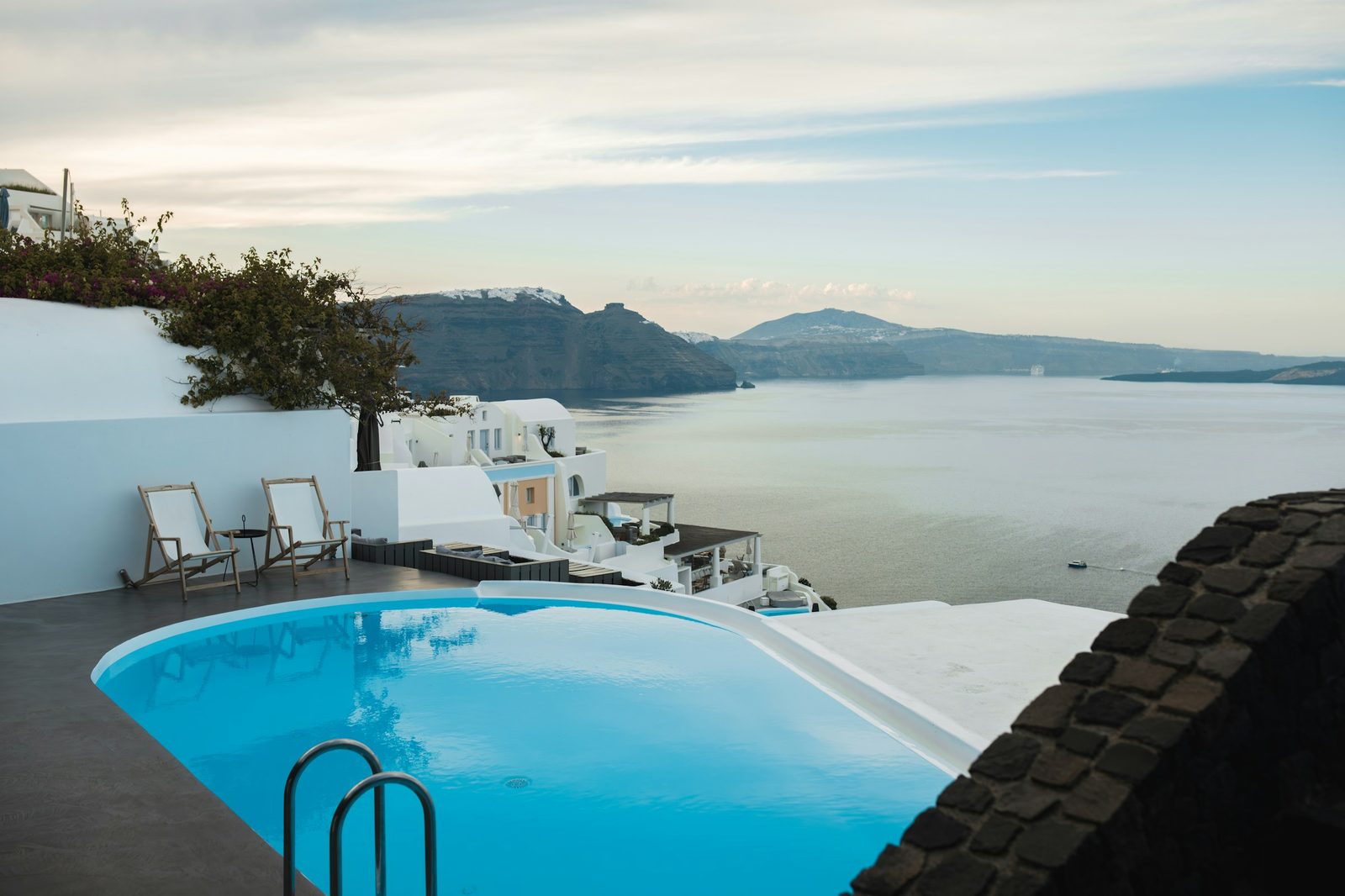
Greece puts the ancient world and the island summer within a short ferry ride of each other. The Acropolis stands over central Athens, and from Piraeus the boats run out to the Cyclades, where whitewashed towns sit above clear water and beaches.

UNESCO lists the Acropolis, Delphi, Olympia, Mycenae, Epidaurus, Meteora and the medieval town of Rhodes among its Greek sites. Most of the mainland ones lie within a few hours’ drive of Athens, and the islands carry their own, from Delos off Mykonos to Knossos on Crete.

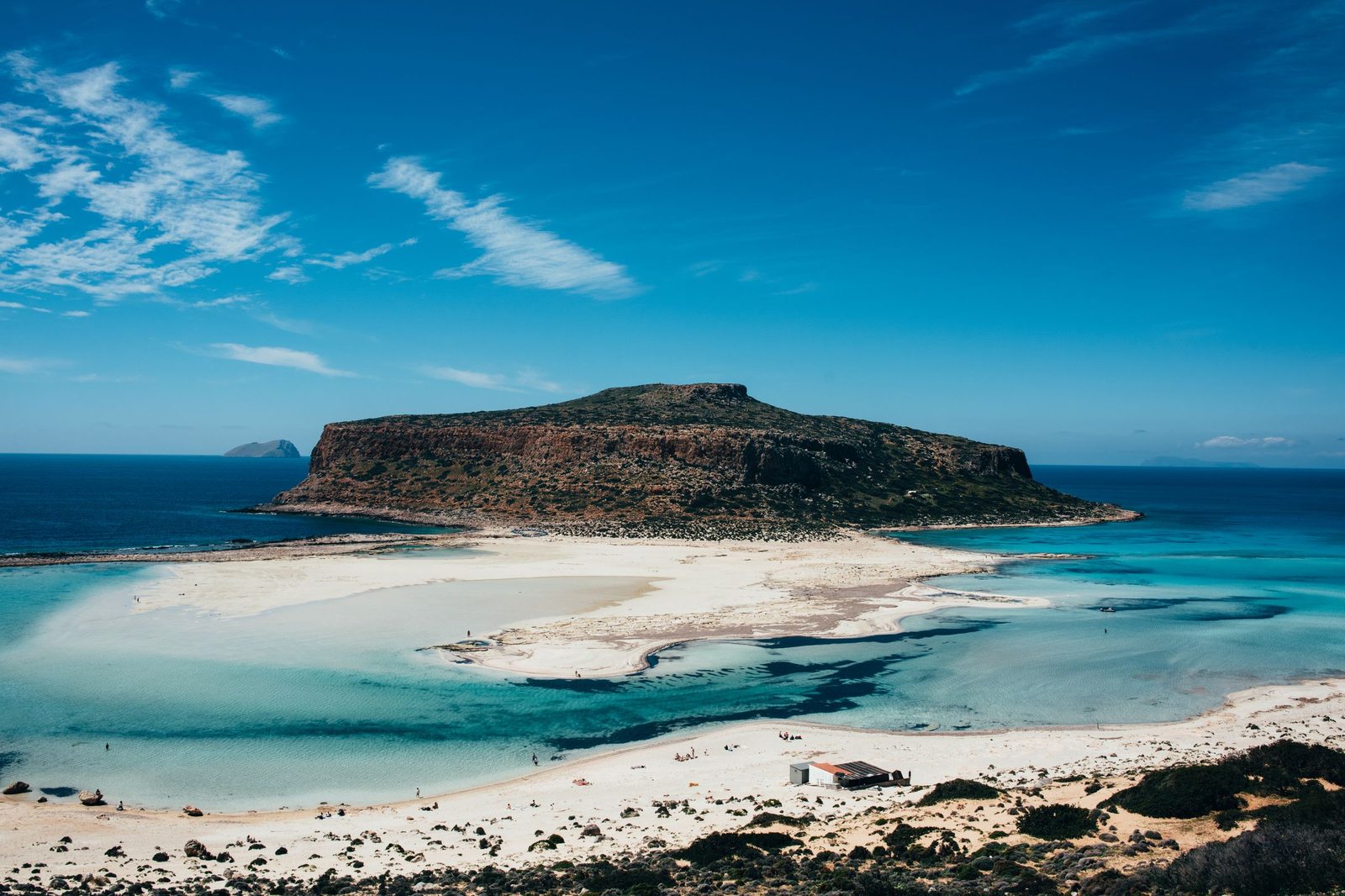
Crete deserves the most time. It has Minoan palaces, Venetian harbour towns at Chania and Rethymno, and the Samaria Gorge, a full day’s walk to the Libyan Sea. A week there feels like a separate trip from the Aegean islands.

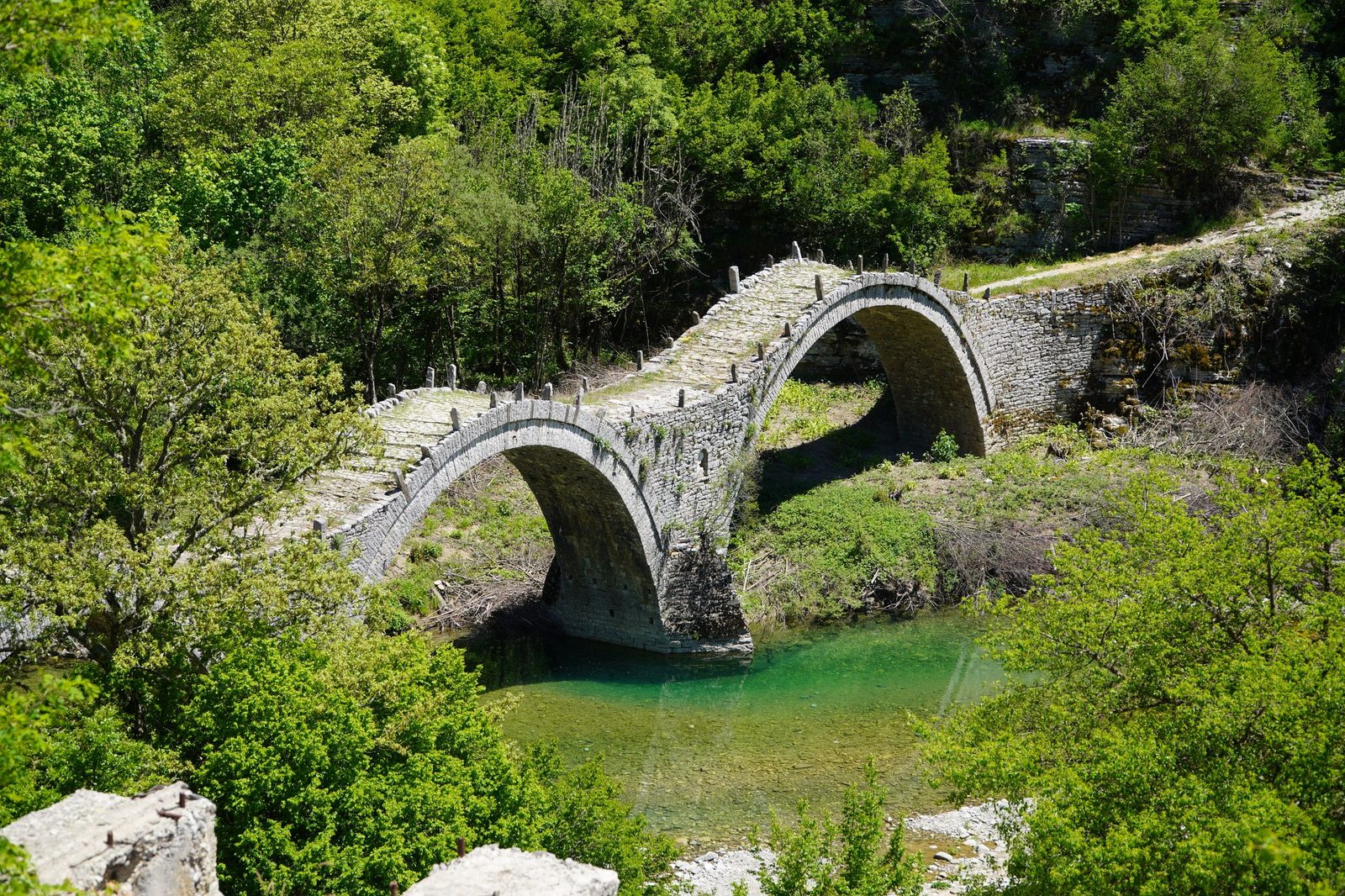
The north and west are the counterweight. Meteora’s monasteries stand on rock pillars above Kalabaka, Zagori has stone villages and the Vikos Gorge, and the Ionian islands of Corfu, Kefalonia and Zakynthos are greener, with Venetian towns and cliff-backed beaches.

Six Ways to Travel It

Start with the best of the country, or pick how you want to travel. The towns, the things to do and the map all change with it.

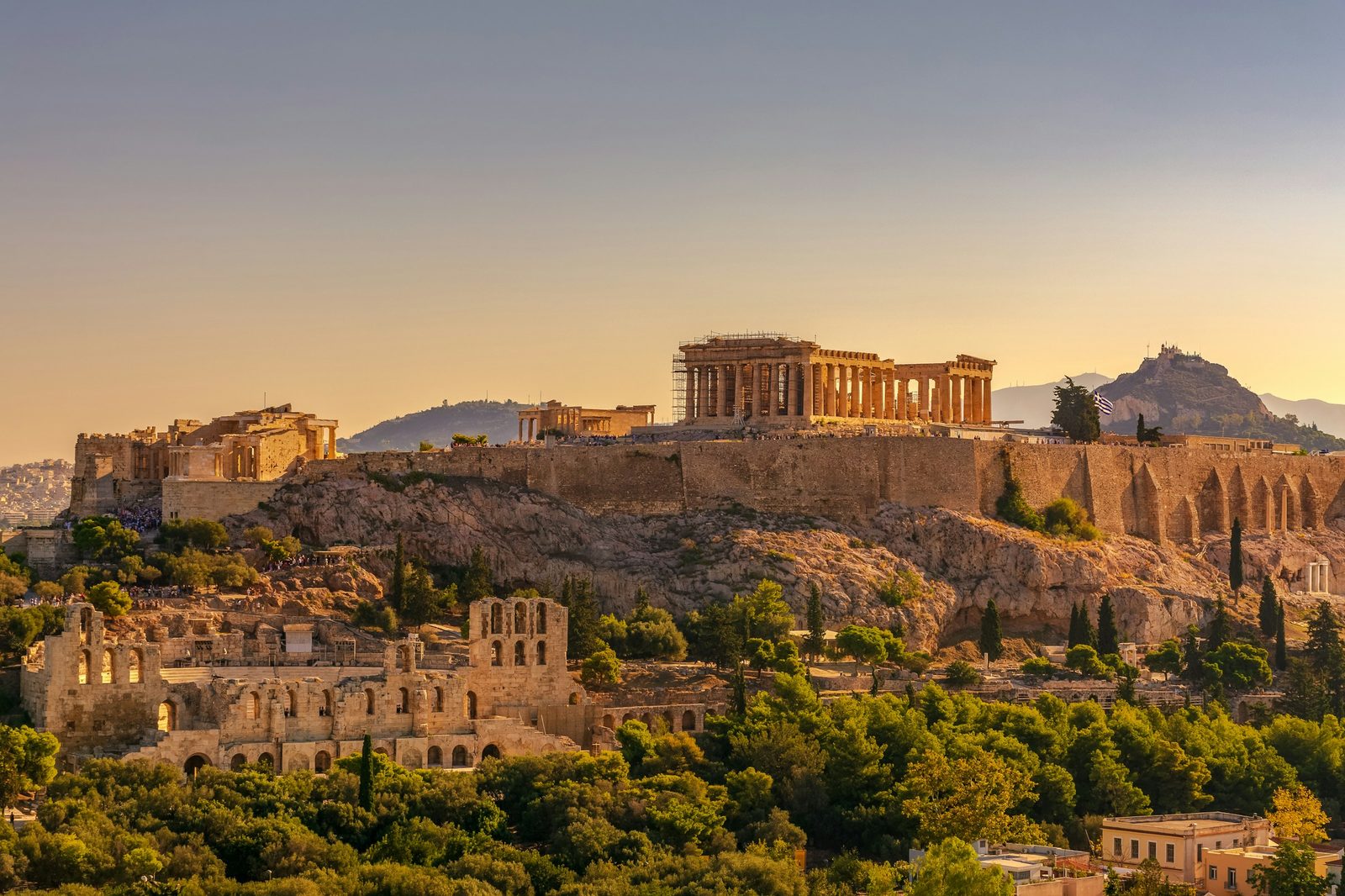
The Acropolis of Athens at golden hour, with the Parthenon above the Odeon of Herodes Atticus
The Acropolis from Filopappou Hill, with the Odeon of Herodes Atticus on its southern slope.

Best of Greece

The Best Places to Visit in Greece

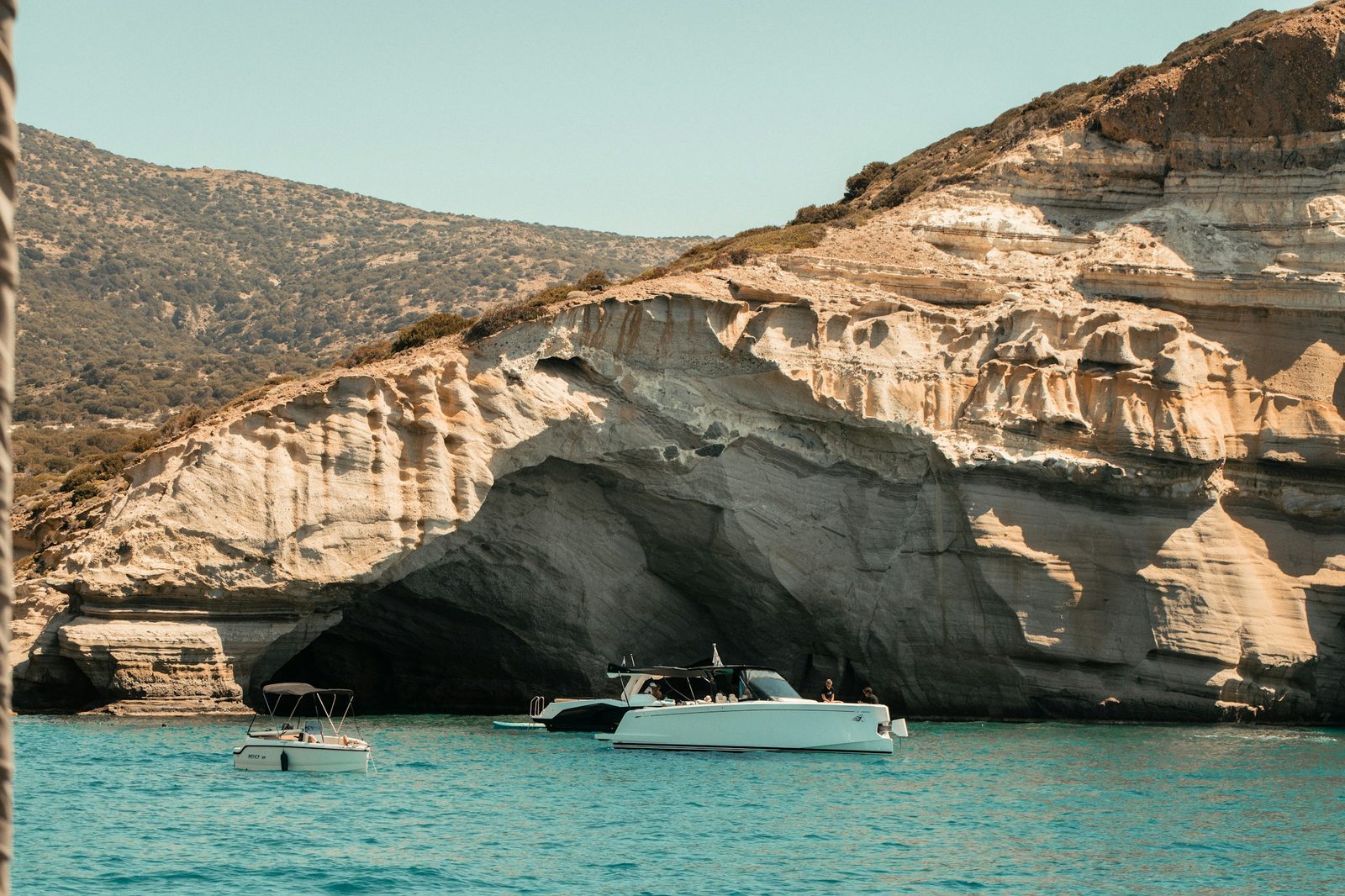
Start in Athens for two or three nights: the Acropolis, its museum and the National Archaeological Museum need two full days. Then take the ferry from Piraeus to the Cyclades, pairing Santorini’s caldera with a calmer island such as Naxos, Paros or Milos.

With more time, drive north to Delphi and Meteora, or fly to Crete for Knossos, Chania and the Samaria Gorge. Book Santorini and Mykonos rooms well ahead for June to September, and plan island hops around the ferry timetable, which thins out sharply from November.

Plan the trip

Loading the map
View on globe
Meridian Dispatch for iPhone

Start planning your trip
to Greece.

The places on this page are in the app, each with a verdict: why to go, how far from your hotel, how long to stay. Forward your confirmations and the days fill themselves in.