 Submit a photo
Ninety seconds on Akrotiri
From 1 November to 31 March, Akrotiri opens 8.30am to 3.30pm and is closed on Tuesdays. From 1 April to 31 October it opens 8.30am to 3.30pm on Mondays and Thursdays, and from 8am on other days, closing at 6pm in most weeks and later in September and early October, up to 7.30pm in early September. The site is closed on 1 January, 25 March, Easter Sunday, 1 May and 25 and 26 December.
Entry is free on 6 March, 18 April, 18 May, the last weekend of September and 28 October. Free or reduced tickets also apply to some visitors by age, residence or status, under the categories the Ephorate of Antiquities of Cyclades lists.
Yes. A Hellenic Heritage combined ticket is valid for Akrotiri, Ancient Thera and the prehistoric museum in Fira, so one ticket covers both the excavation and the museum.
KTEL buses run from Fira to Akrotiri, a ride of about 20 minutes; in the winter timetable the first leaves Fira at 8.30am and the last at 8pm. From Oia the trip changes buses in Fira, with a second ticket. By car the site is about 12 km from Fira, around 40 to 45 minutes from Oia, with parking near the site that can get busy in peak summer.
No human remains have been found at Akrotiri, unlike at Pompeii, and nearly all valuables were gone from the houses. Why is not settled: violent earthquakes came before the eruption, and the missing valuables point to people leaving early.
You walk above the streets of a Bronze Age town buried by the Thera eruption, close enough to look into its houses and squares.
The eruption of Thera, probably at the end of the 17th century BC, buried the town under volcanic debris and kept its buildings standing. The dig has uncovered only about 5 percent of the original town, yet it holds open squares, paved streets with their drains and more than 30 public and private buildings.
The best-kept of them is the West House, three storeys high, on the north-west side of the Triangular Square. Paintings from two rooms on its second floor are now in the Museum of Prehistoric Thera in Fira.
On the dig itself you see pottery, storage vessels and the impressions of furniture. The pithoi, tall clay jars for wine, oil and grain, stand all over the excavation, and over 15,000 pots have been found here in total.
The site lies beside Akrotiri village in the south of the island, about 22 km from Oia. A single modern roof covers the whole dig. Under it, raised walkways carry you around the edge of the excavation at roughly the height of the ancient rooftops, with set viewing stops along the way.
In places a walkway goes down into reconstructed interiors at street level, among the staircases and storerooms. Partway round, a video reconstruction shows what the buildings looked like when they stood whole.
At first sight the place can look like a vast shed of broken walls, staircases and clay jars.
Make time for the Museum of Prehistoric Thera, which holds many of the most important finds from the site. The museum has two floors, and the frescoes are on the lower one, so do not leave after the upper rooms.
In summer, bring water and sunscreen.
Explore the rest of Oia
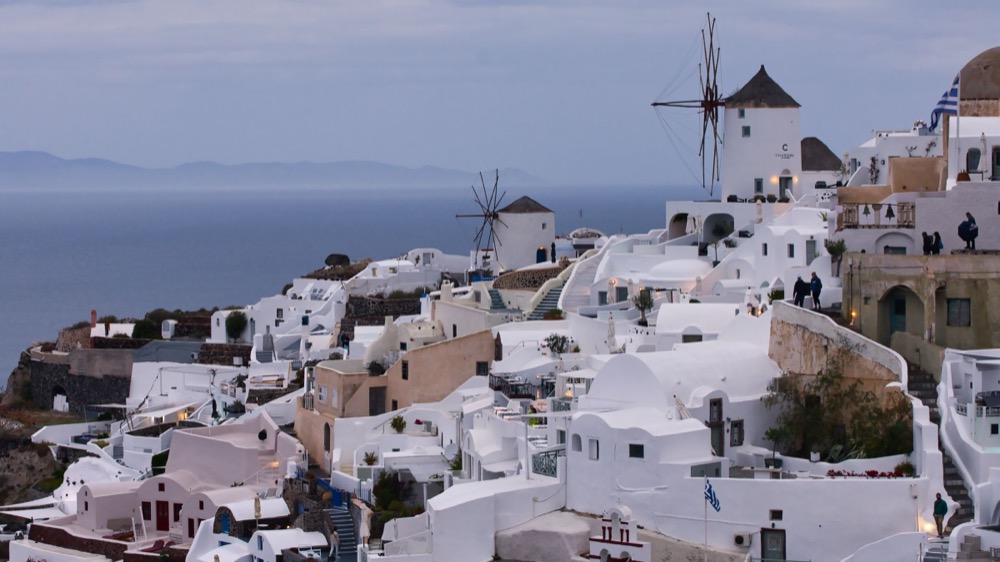
Oia sits on the northern tip of Santorini's crater rim, three hundred metres above a drowned volcano, its cave houses dug into the cliff…
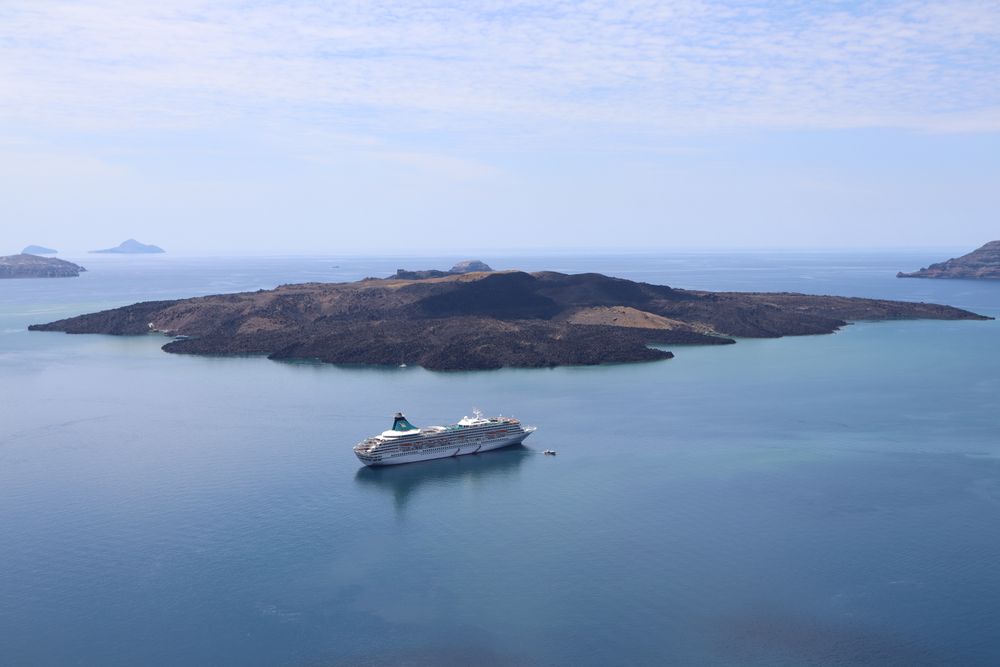
The black lava island at the centre of the caldera is the volcano's active vent, built up by eruptions since the sixteenth century, the…
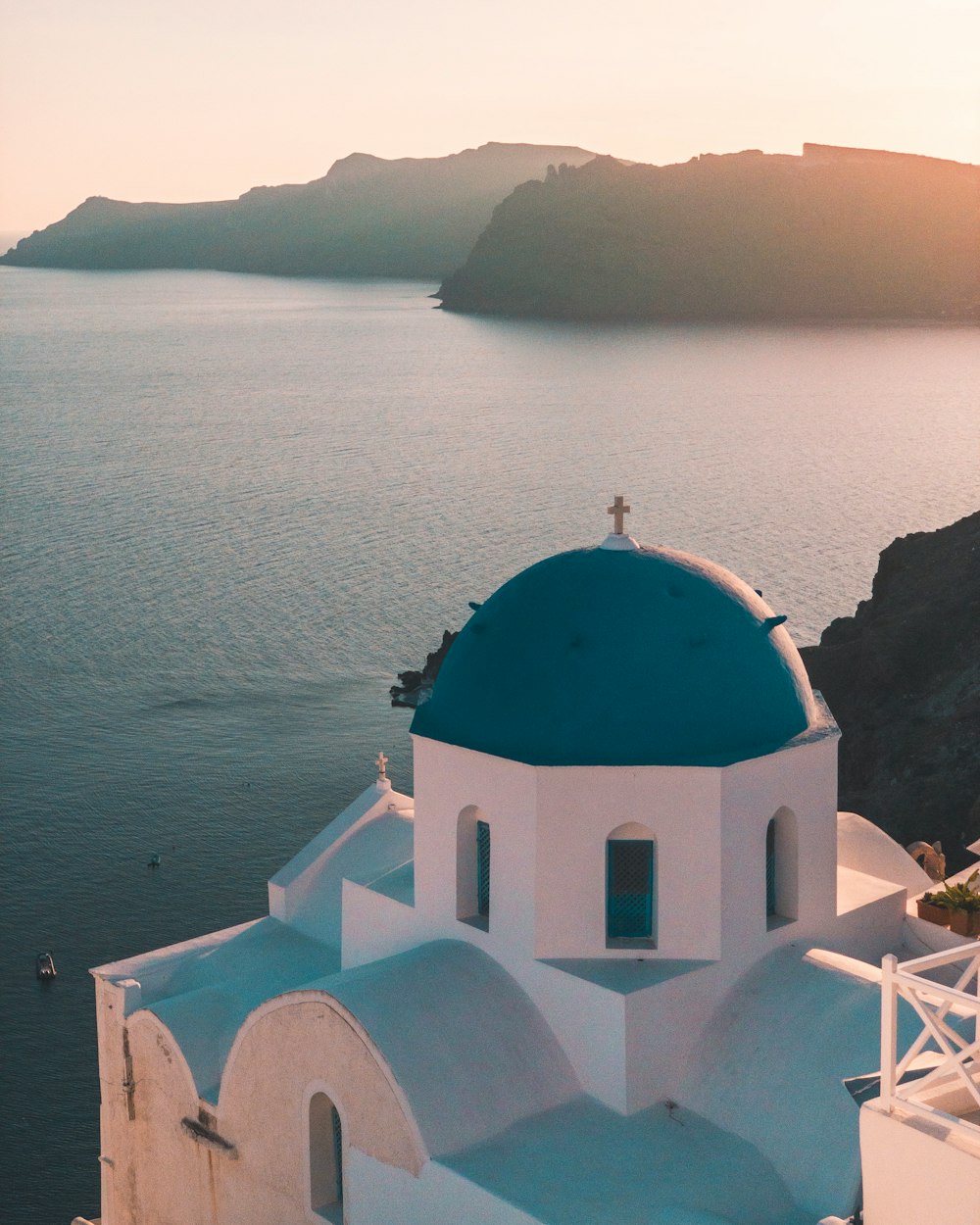
A sea-filled volcanic crater, with Fira, Imerovigli and Oia built along its cliff rim and the young islands of Palea and Nea Kameni in the…
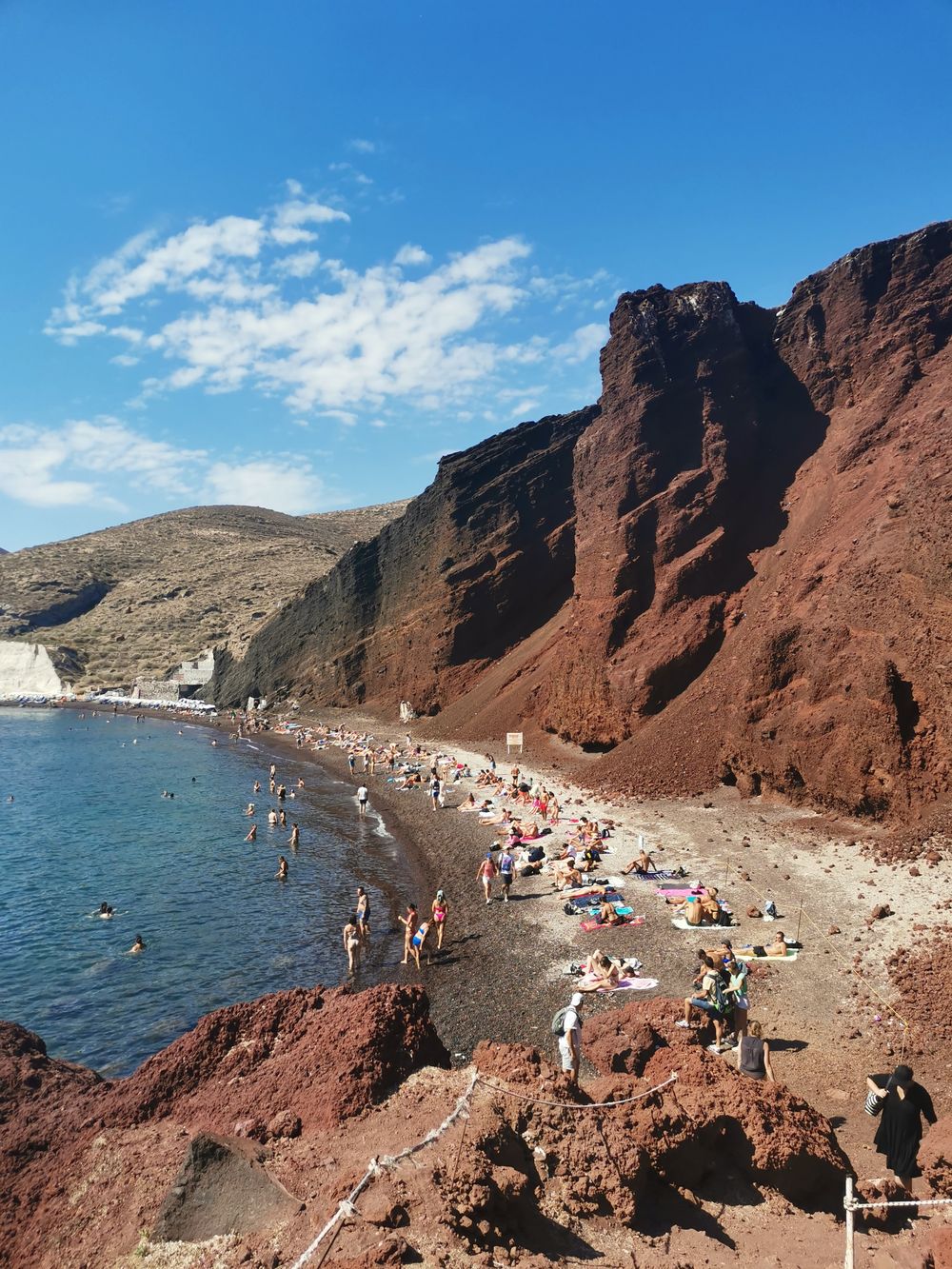
Red Beach is a small cove under red volcanic cliffs south of Akrotiri. The beach itself is officially closed to pedestrians because the…
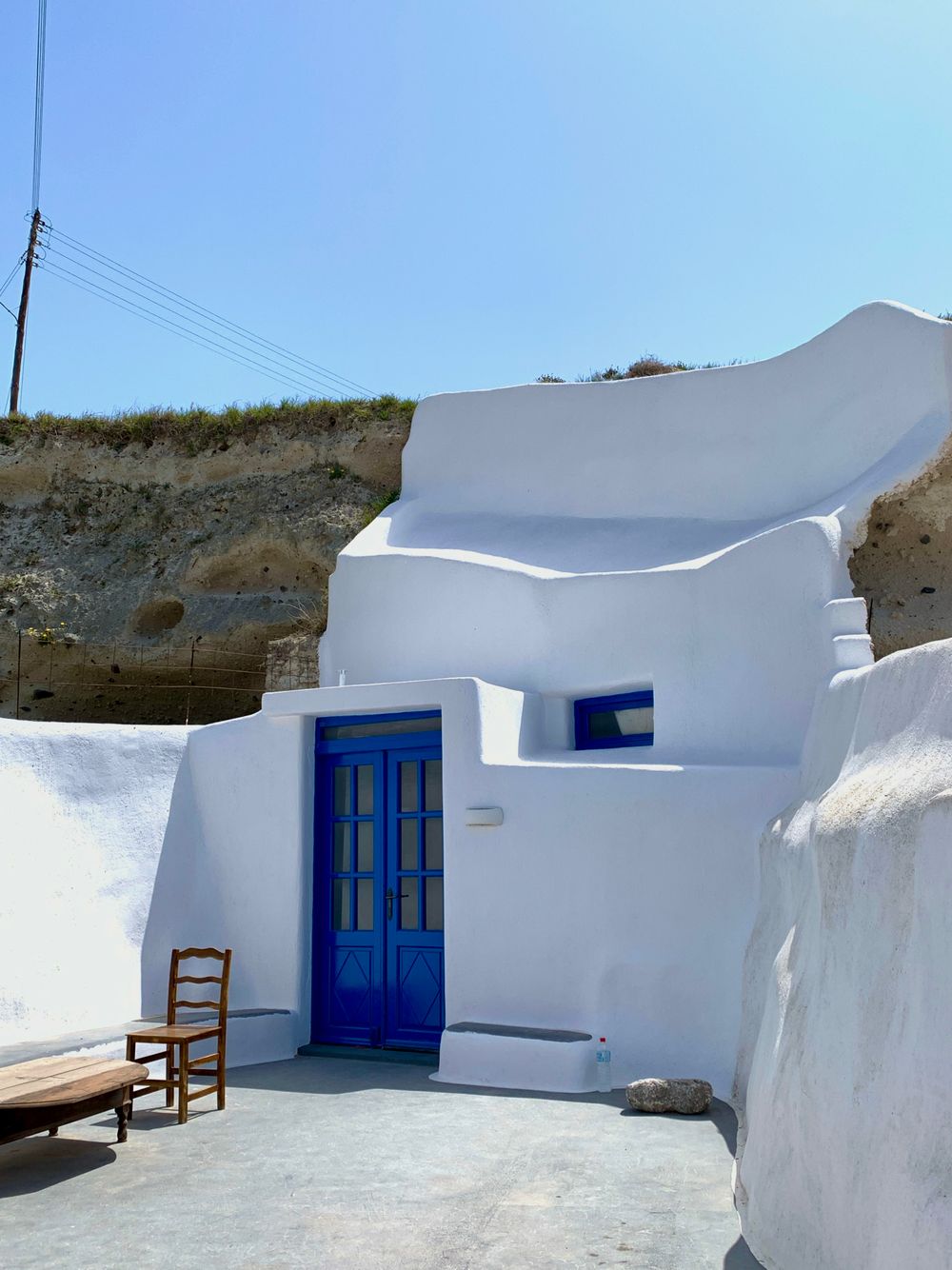
A wine village in the south of the island, its lanes passing between old canavas, the vaulted wine cellars. Around it, vines grow low in…
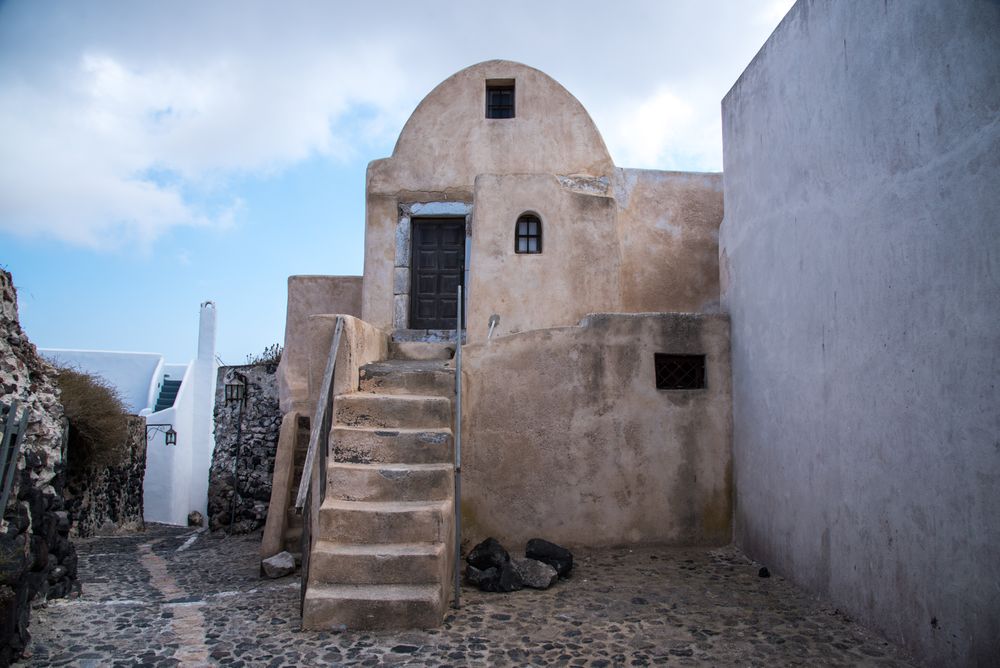
The island's former capital, an inland hill village wound in rings around the ruin of a Venetian castle, with blue-domed churches at every…
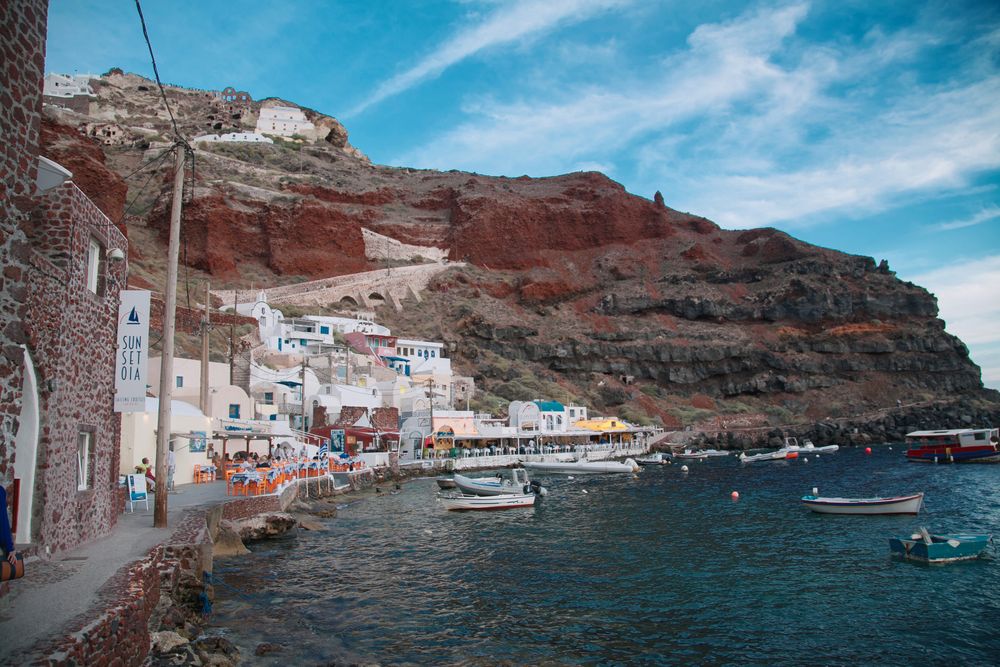
Ammoudi Bay is the small fishing port at the foot of Oia's cliff, with waterfront tavernas and a rocky swimming spot at Armeni, a few…
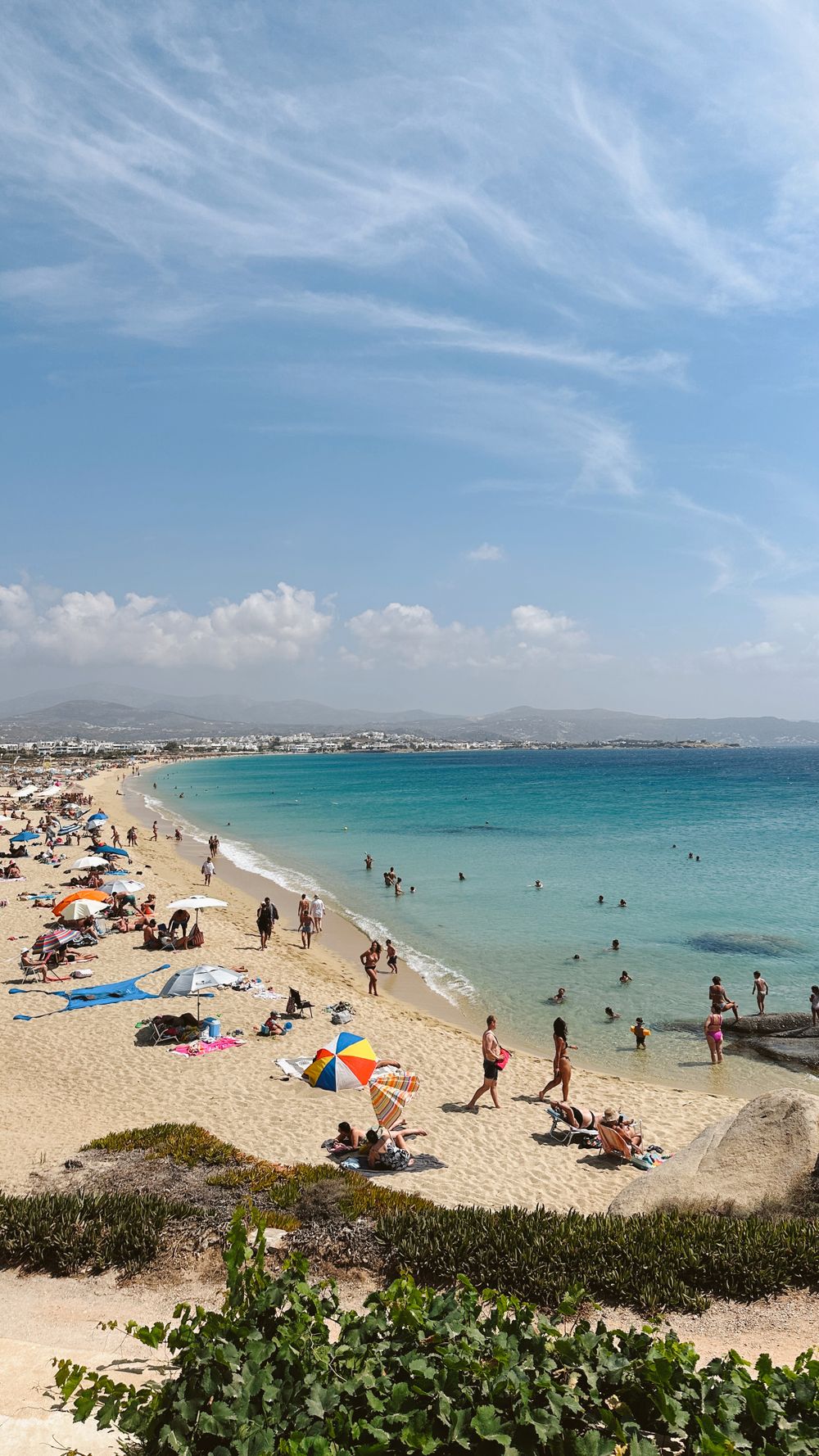
A long arc of golden sand on the west coast just south of the main town, with clear, shallow water and a strip of small hotels and tavernas…
The official pages this guide was checked against.
Last updated