Ninety seconds on Pantheon
Open to the sky through a hole in its roof, the Pantheon puts you inside an ancient Roman room shaped around a perfect sphere, still whole and still in use as a church.
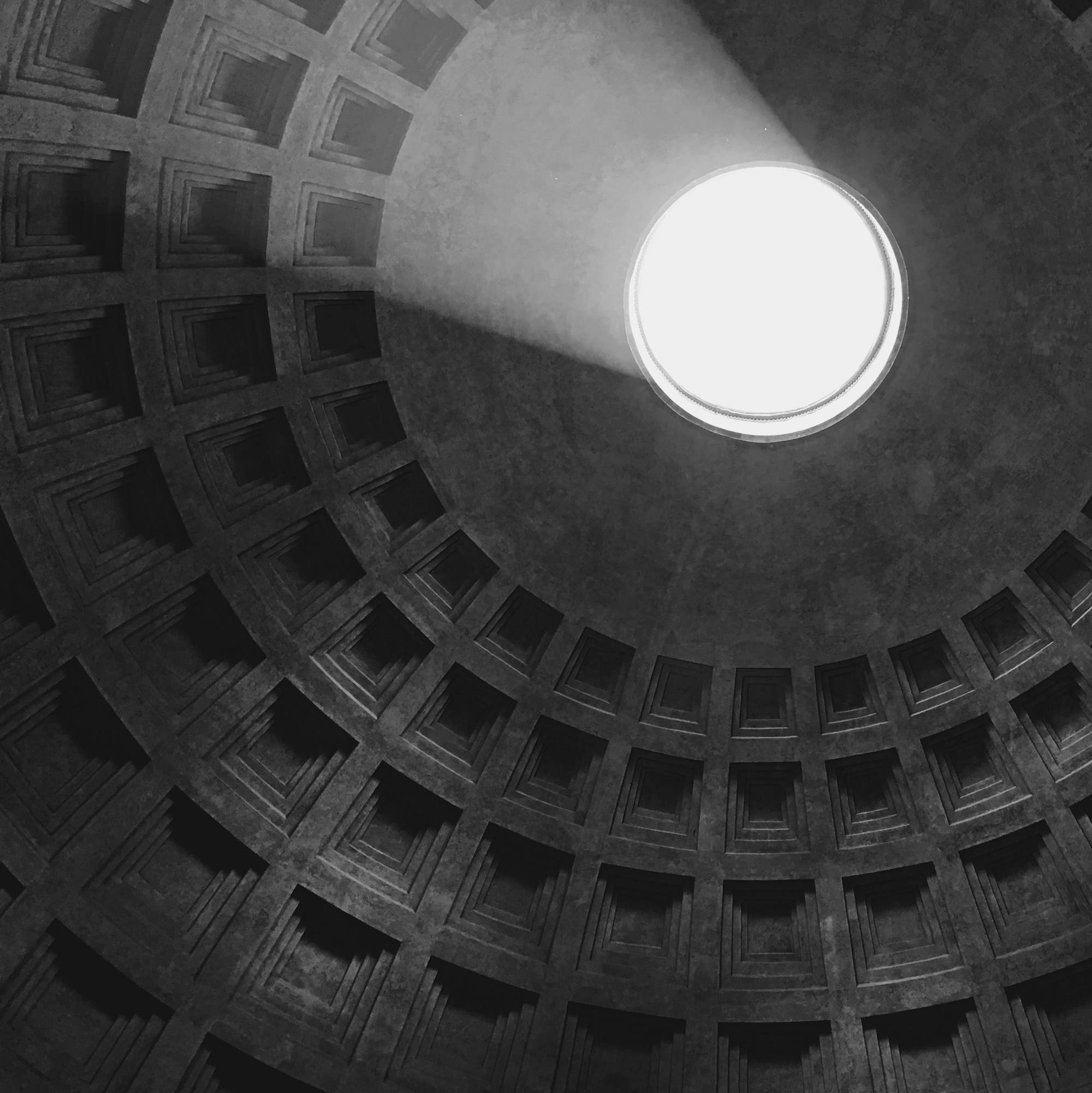
The dome is the reason to come. It is still the largest dome ever built in unreinforced concrete, and the room beneath it is exactly as tall as it is wide, 43 metres each way, so a whole sphere would fit inside. The coffers, the square panels sunk into its underside, cut the dome's weight.
At the top is the oculus, an open ring of stone 9.1 metres across, and together with the entrance door it is the only natural light inside. It has never been glazed, so rain falls straight into the rotunda. The marble floor slopes gently to small drainage holes that carry the water away.
Raphael asked to be buried in his favourite building, and his tomb is inside the rotunda. Other Renaissance architects chose it as their resting place too, and so, much later, did members of the Savoy family.
Queuing comes first, on Piazza della Rotonda, and there are two lines: the one for tickets bought in advance moves much faster than the other. Take your hat off as you go in. Food and drink are not allowed inside.
Once through the door, stand under the oculus and look straight up, then follow the rings of coffers down the dome. Then look down at the marble floor and find the drainage holes cut into it. Finish at Raphael's tomb before you leave.
A guide is optional here, because the Pantheon is a single room you can take in on your own. The official audio tour, available in nine languages, is enough for most first visits.
Book a guide if you want the Roman engineering of the dome and the oculus explained properly.
Avoid the middle of the day in summer, when the queues are at their longest. There is nowhere to leave a suitcase, so drop it at your hotel first.
If it rains, go anyway. You get to watch the water fall through the open roof onto the marble and run away through the holes in the floor.
Explore the rest of Rome
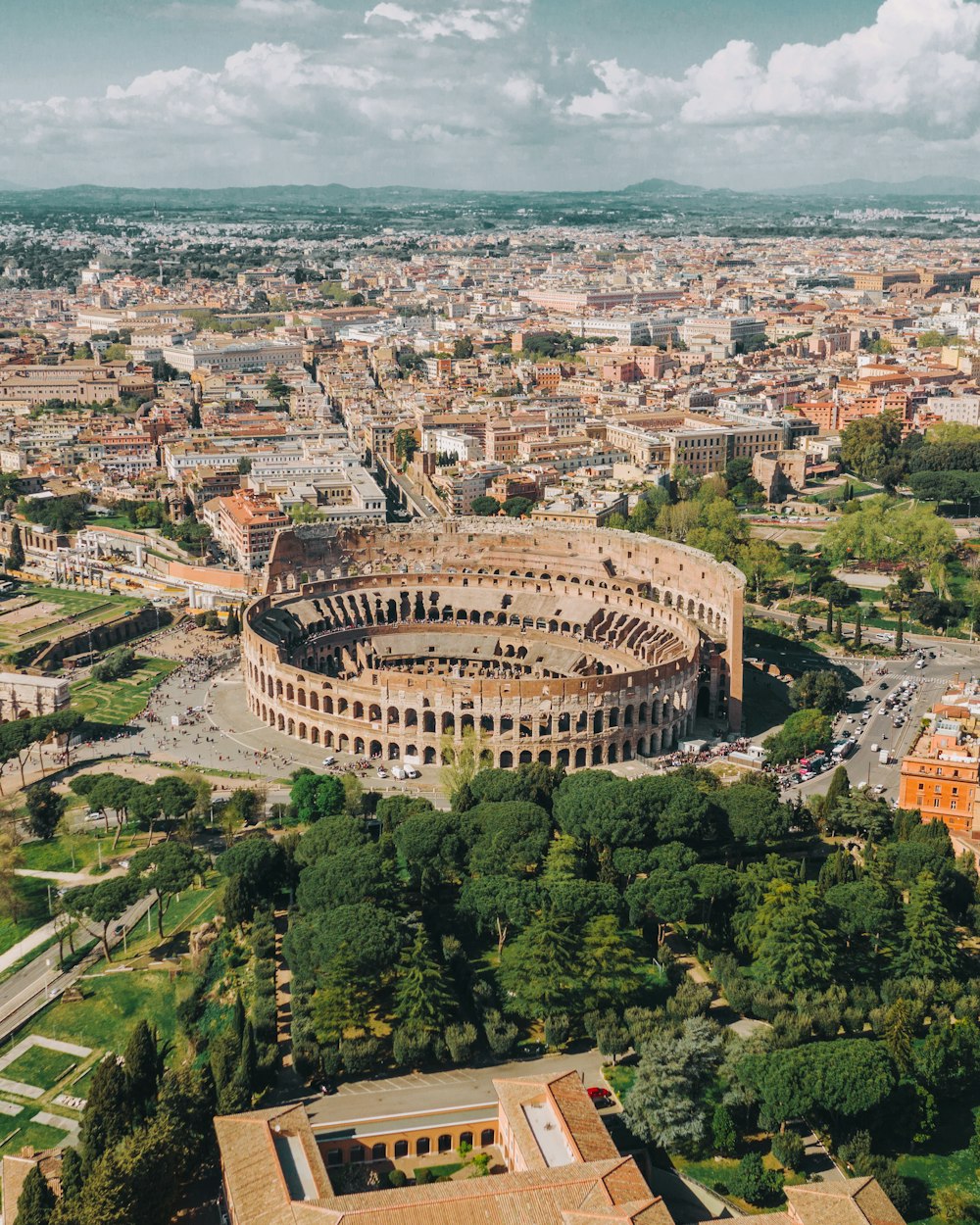
The capital, and a city where the layers sit in plain view: republican paving in the Forum, imperial brick above it, baroque squares built…
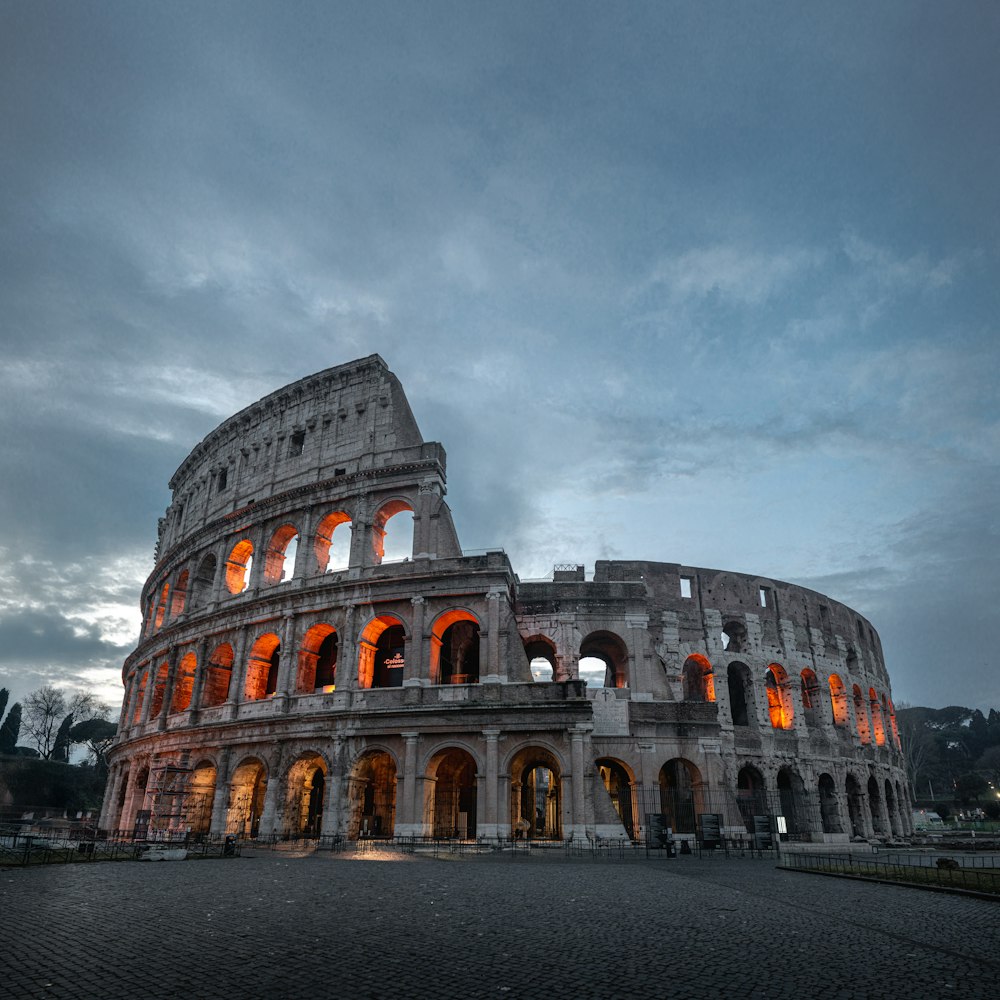
The largest amphitheatre of the Roman world, completed in AD 80 under Titus and seating roughly 50,000 spectators. Its travertine arcades…
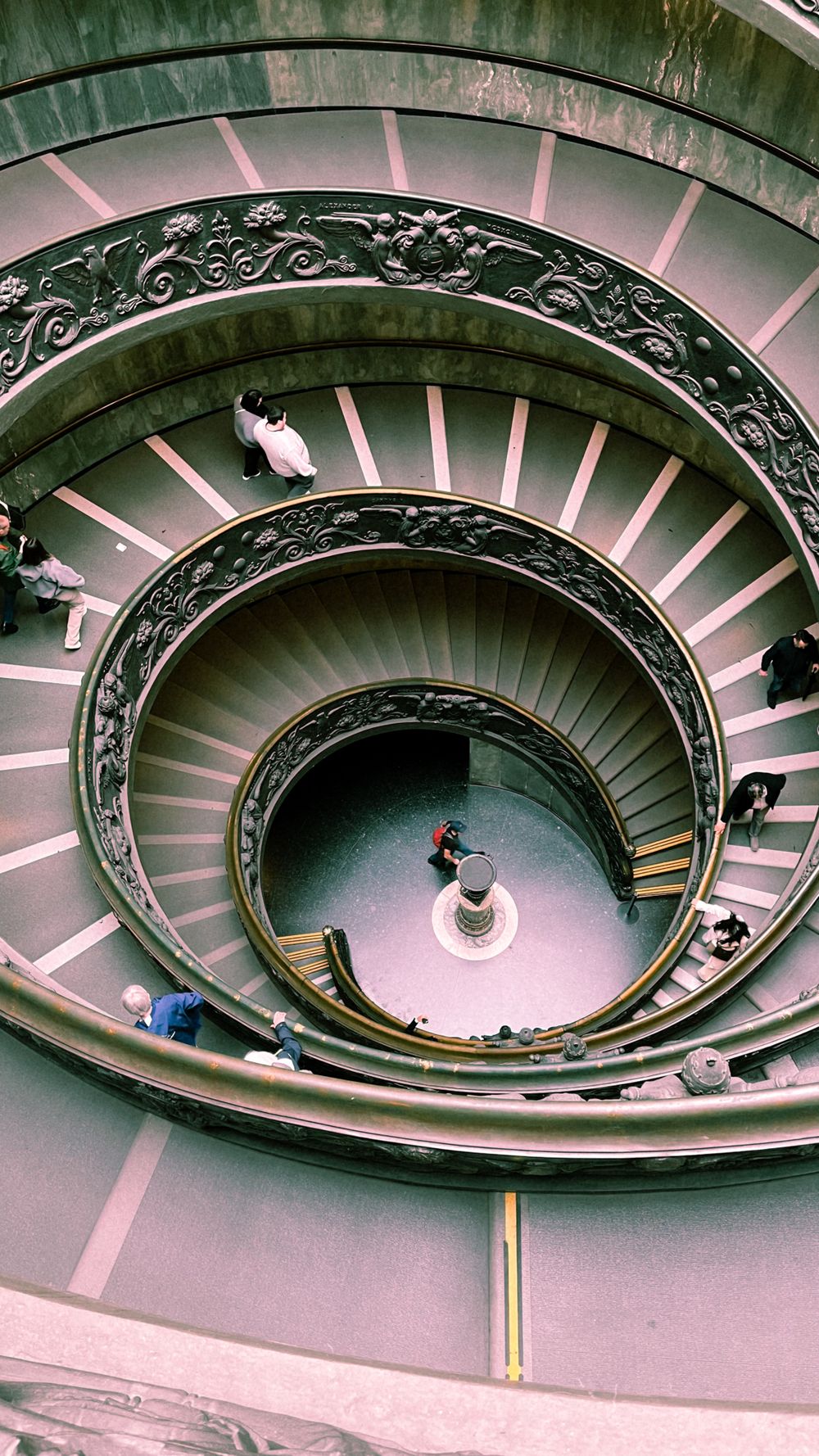
One of the world's greatest art collections, spanning Egyptian antiquities, Renaissance masterworks, and the Sistine Chapel ceiling painted…