Book entry at 8am or after 5pm: between ten and three the one-way route to the Sistine Chapel is packed wall to wall.
What hangs here, and what doesn't
The Vatican Museums are a string of separate collections on a single route: Egyptian and Etruscan rooms, the popes' ancient sculpture, a gallery of paintings, and the frescoed papal apartments that end at the Sistine Chapel.
Come for Roman marble and Renaissance fresco, Michelangelo and Raphael above all. The modern collection, with Van Gogh, Matisse and Dalí, sits on the route too, but if time is short it is the part to walk past.
Four thousand years, from the pharaohs to Matisse
- 2000 BCEgypt
- 600 BCThe Etruscans
- 100 BCGreek and Roman sculpture
- 1480sBotticelli on the chapel walls
- 1508Michelangelo and Raphael
- 1600sCaravaggio
- 1900sMatisse and Dalí
The modern rooms sit just before the Sistine Chapel, and most visitors walk straight through them.
How the museum is organised
You do not need a floor plan. Past security, an escalator puts you on one long, one-way line, and every sign points to the Sistine Chapel at the far end of it.
Step off that line at the start. The Pinacoteca, the painting gallery, is through the open air as you leave the escalator, with Raphael's Transfiguration and Caravaggio's Deposition, and the Pinecone Courtyard beyond it is where the sculpture begins.
The Pio Clementino is the sculpture museum: the Octagonal Court with the Laocoön and the Apollo, then the Room of the Muses and a domed round hall. The Chiaramonti corridor and its New Wing, with the Augustus, sit beside it.
Then the route climbs to the upper galleries: the tapestries, the Gallery of Maps and the four Raphael Rooms. It comes down through the modern collection into the Sistine Chapel.
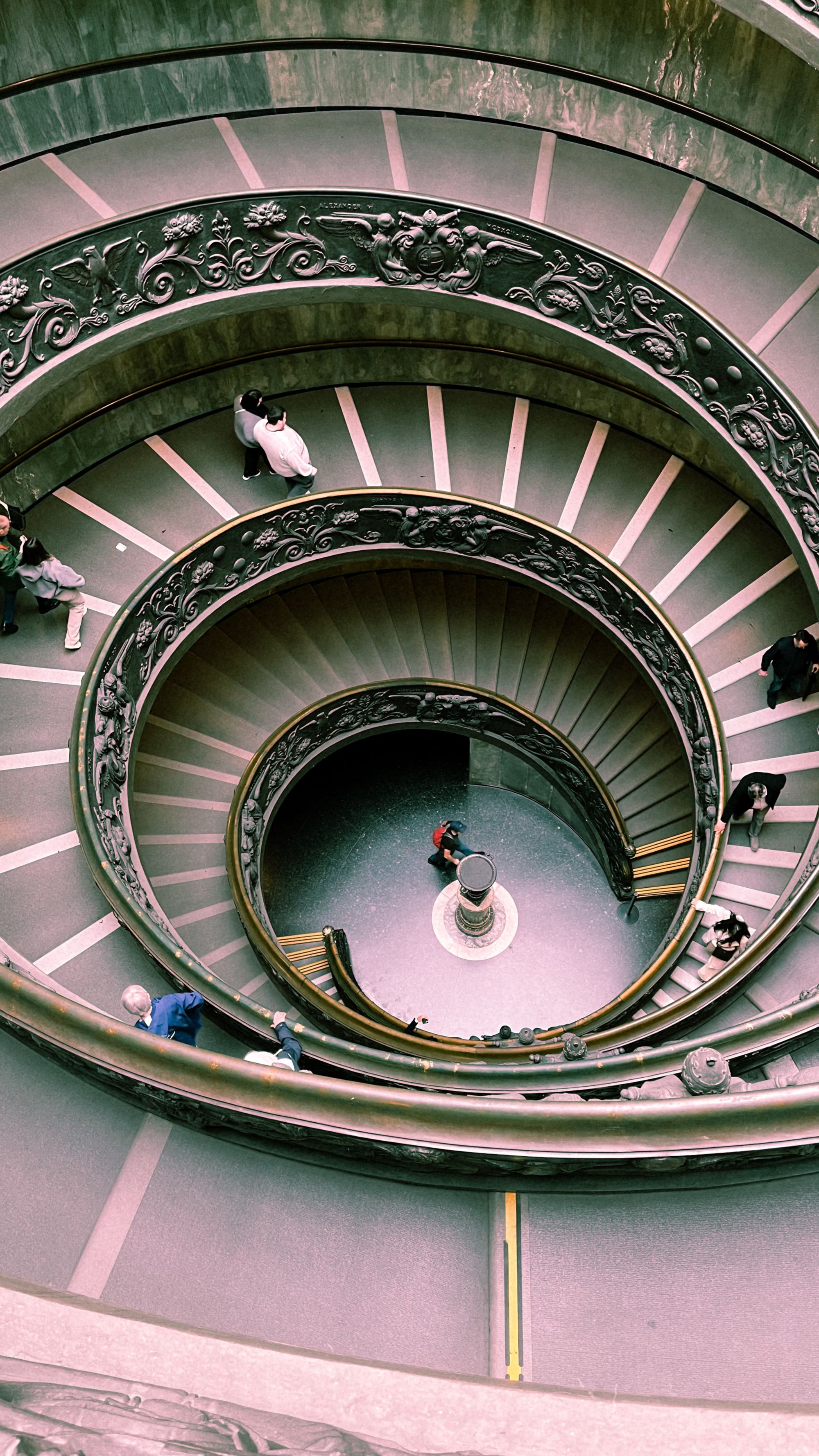
Leave by the museums' own exit and the spiral staircase. The passage from the chapel straight into St Peter's is open only to tours that include the basilica.
The museums and St. Peter's Basilica make one Vatican day between them, so keep the Colosseum for another morning.
When to come
Tuesday and Thursday are the quietest days, then Friday, Monday and Saturday. On a Wednesday the museums are fine, but St Peter's is shut that morning for the papal audience, so do the basilica another day.
Go against the flow: the Pinacoteca and the courtyard first, the sculpture before the groups reach it, the chapel last. Late November to early February is the quiet season, Christmas aside.
What you came for
The works the Vatican is known for, in the order the route reaches them, from the Roman marbles to Michelangelo's ceiling. Each one with where it stands, why it matters, and how to see it well.
Pinecone Courtyard
Open air
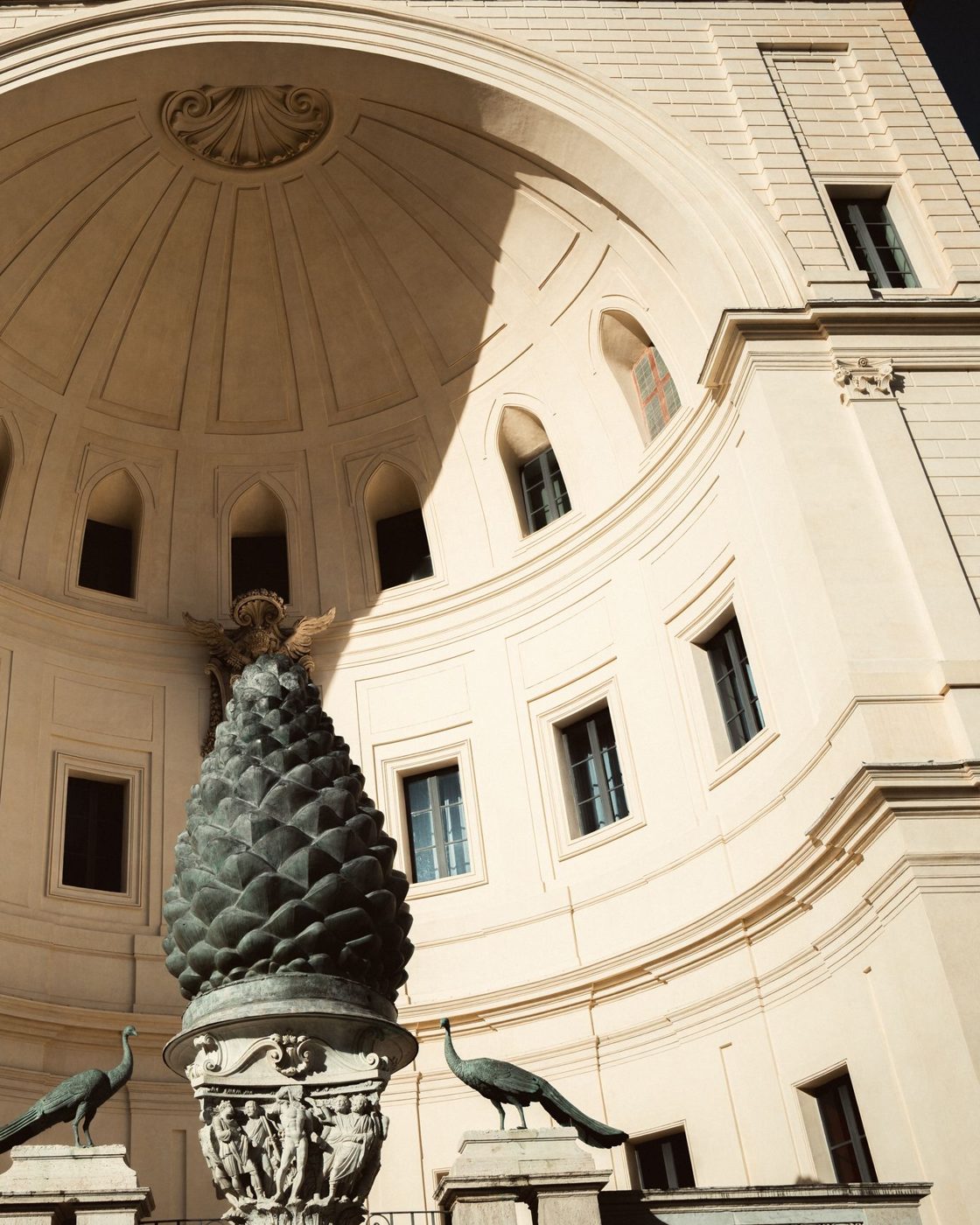
A Roman bronze pinecone four metres high, once a fountain in the ancient city, which gave its name to the Pigna district. It sits in a great niche at the end of the courtyard, with a bronze sphere by Arnaldo Pomodoro on the lawn. Come out here first: it is the place to get your bearings before the sculpture rooms fill.
Augustus of Prima Porta
Roman, 1st century AD
New WingChiaramonti Museum
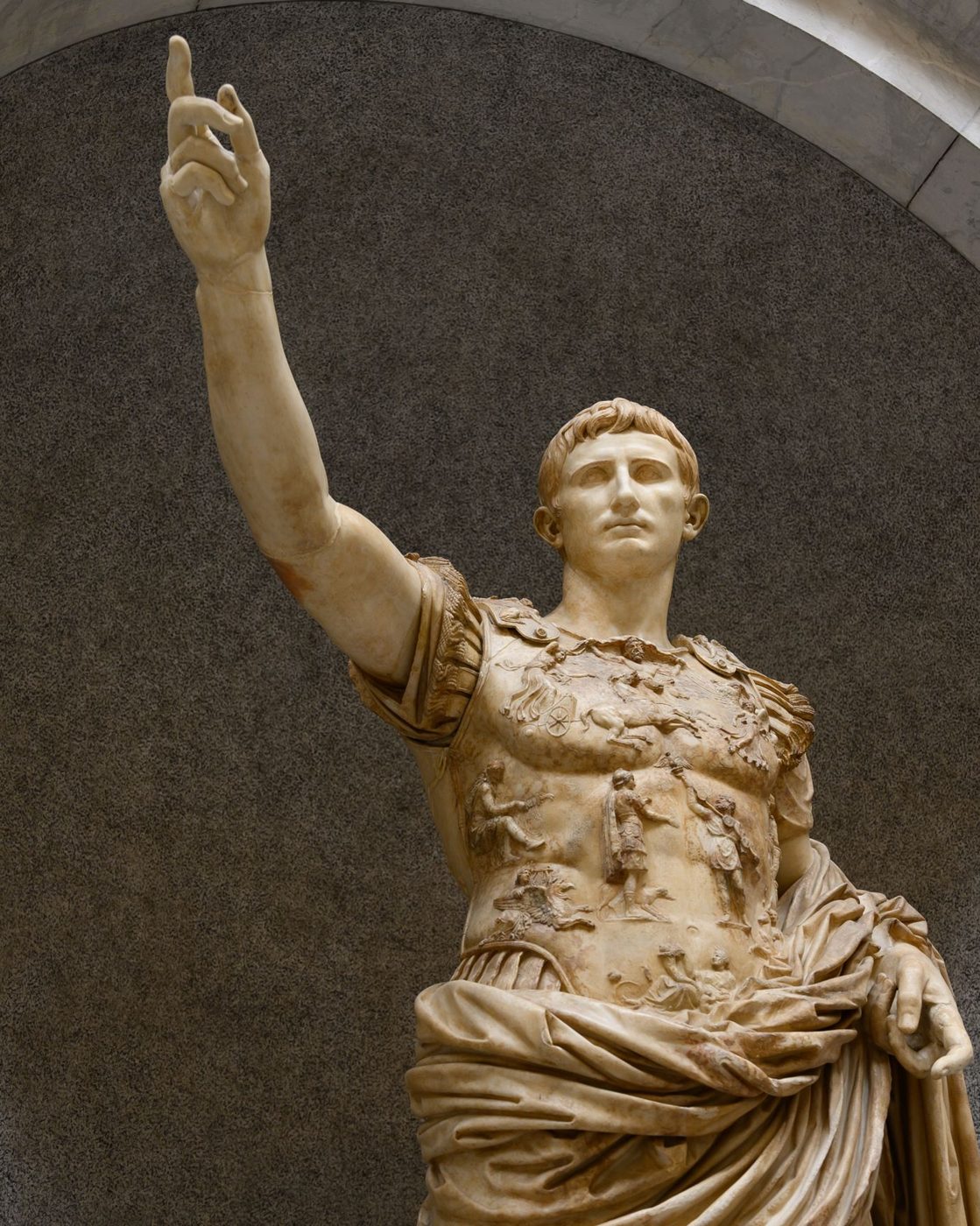
Rome's first emperor in parade armour, one arm raised to address his troops, found in 1863 at the villa of his wife Livia outside the city. It is the best-known portrait of Augustus, and traces of its original paint survive in the folds. The New Wing branches off the main route, so step in: it is quieter than the rooms either side.
Apollo Belvedere
Roman copy of a Greek bronze, mid 2nd century AD
Octagonal CourtPio Clementino Museum
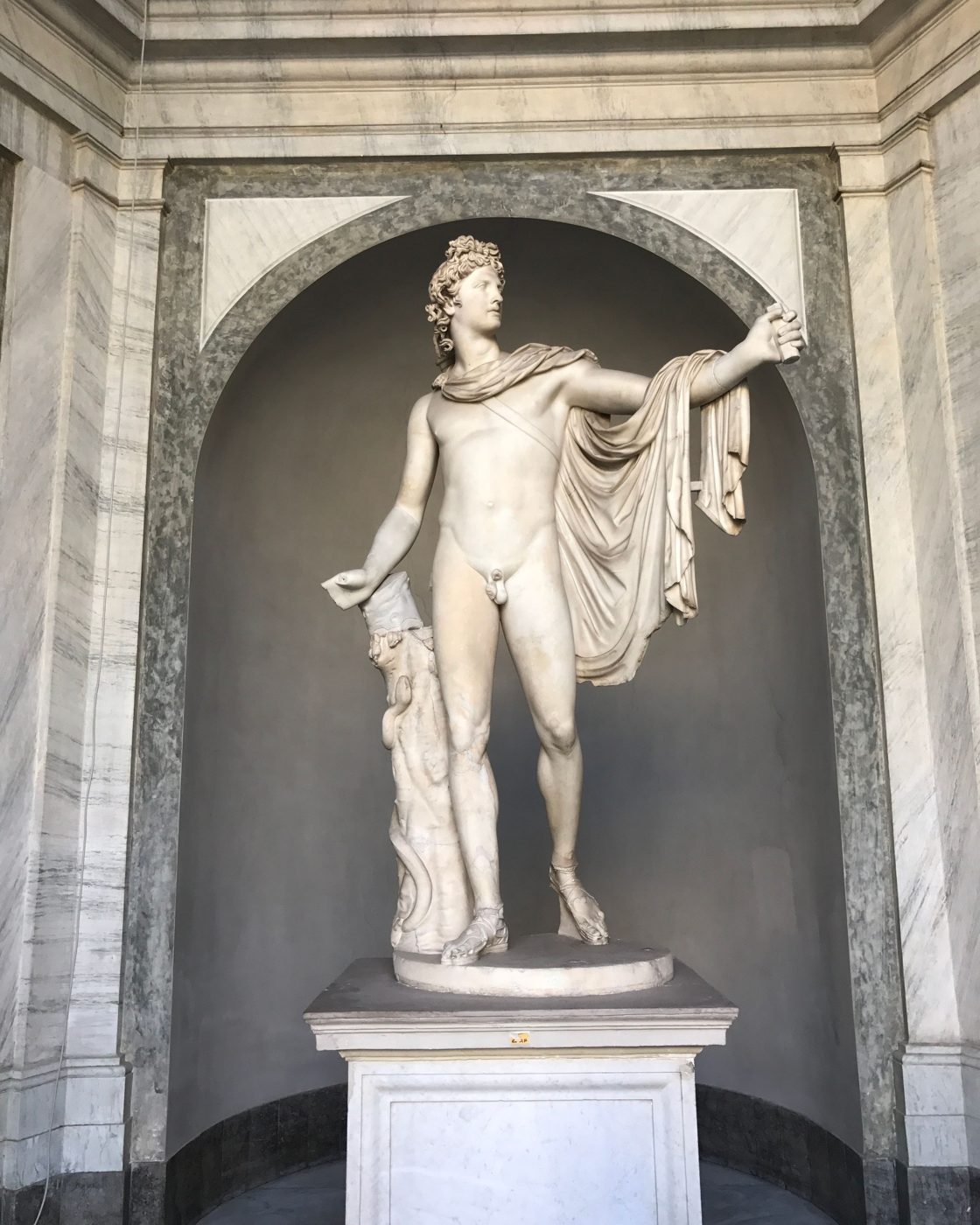
Apollo the moment after loosing an arrow, a Roman marble after a lost Greek bronze, on show in the Vatican since 1511. For three centuries Europe called it the most perfect statue ever carved, and plaster copies filled the art academies. Walk round to its side: the stride and the cloak only read from an angle.
Laocoön and His Sons
Greek, from Rhodes, date disputed
Octagonal CourtPio Clementino Museum
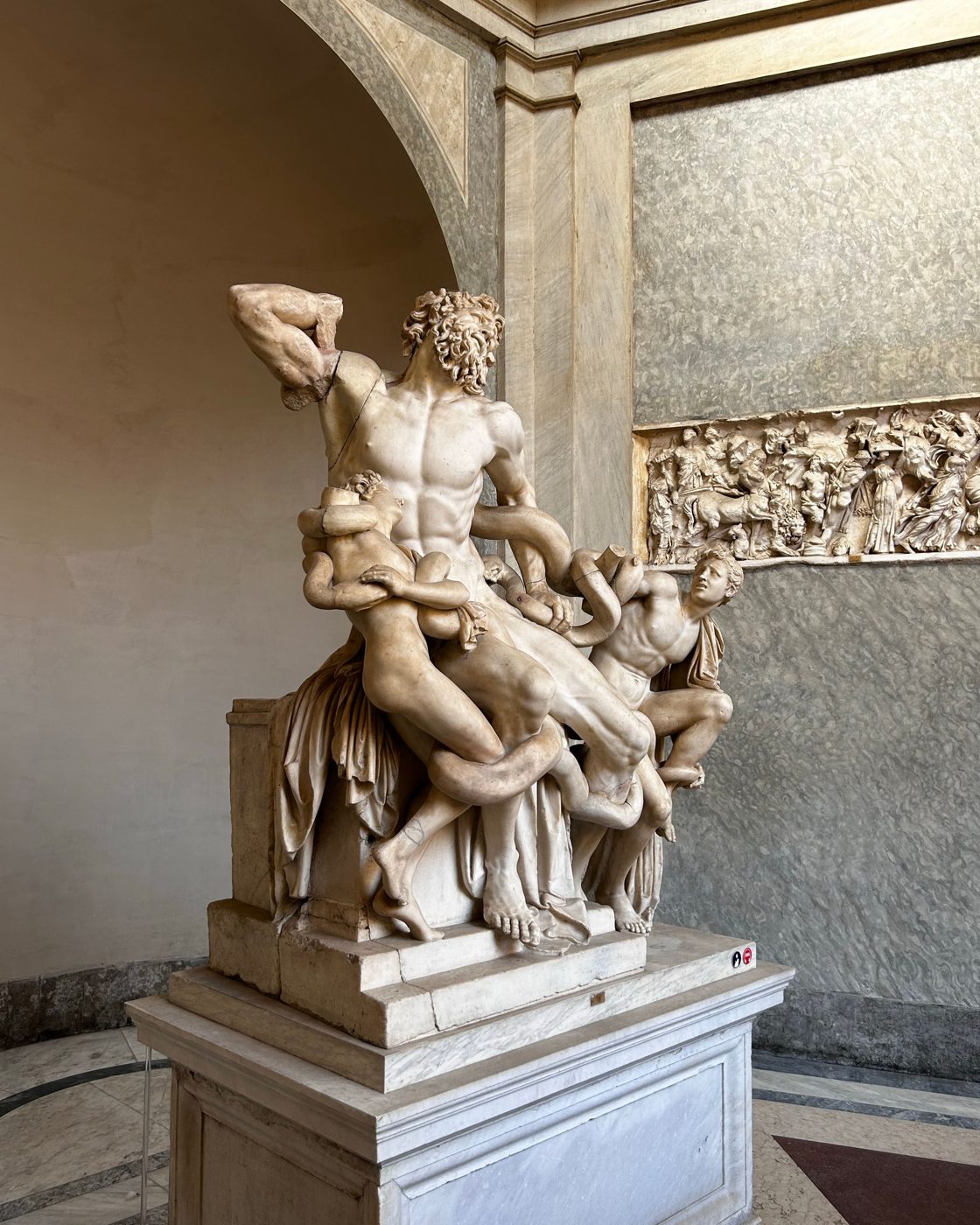
A Trojan priest and his two sons crushed by sea serpents, praised by the Roman writer Pliny and dug out of a vineyard in Rome in 1506, with Michelangelo sent to look at it. Artists have copied its agony ever since. It stands in a corner niche of the same courtyard as the Apollo: go close, because the faces are the point.
Belvedere Torso
Apollonios, son of Nestor, 1st century BC
Room of the MusesPio Clementino Museum
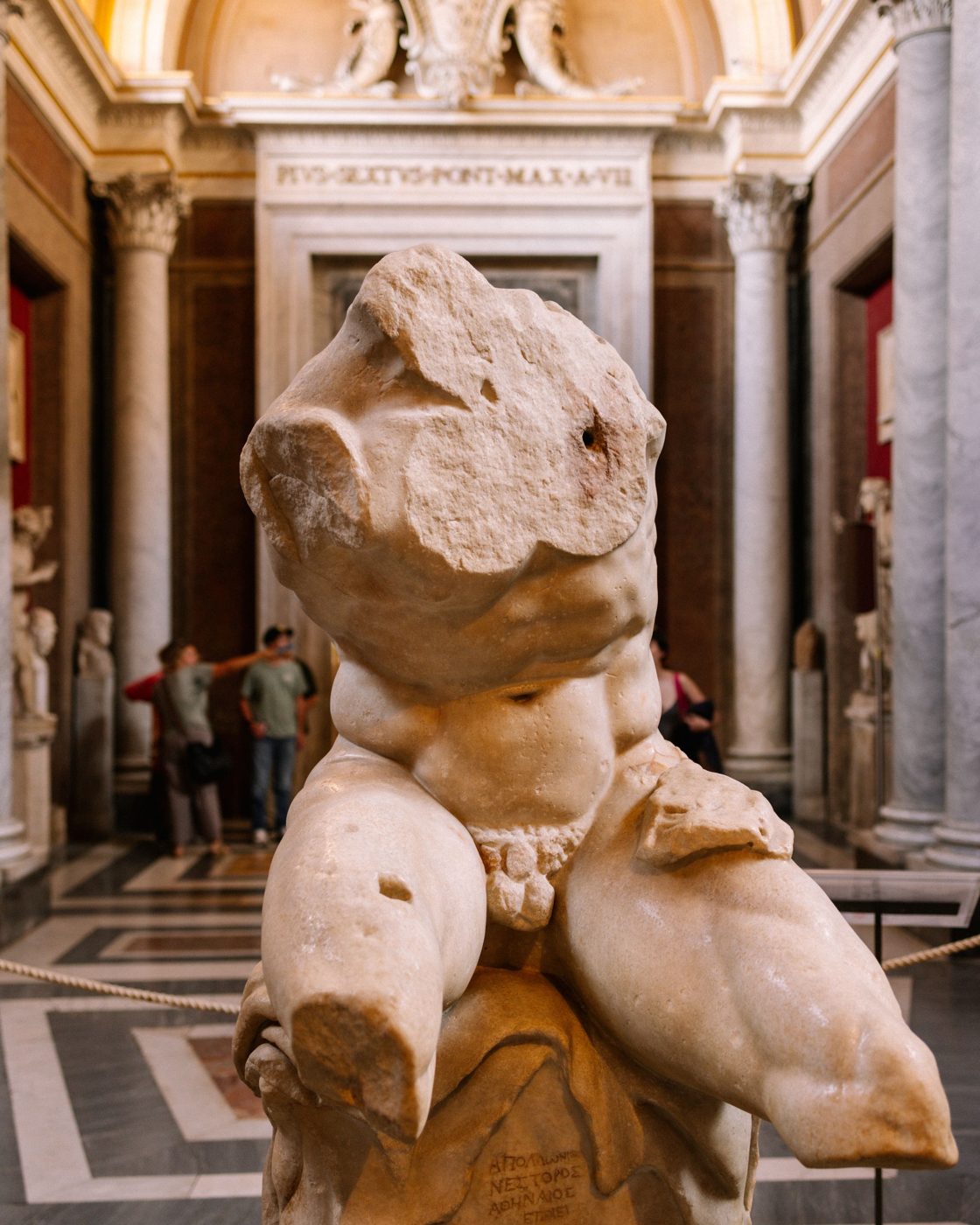
A seated figure with no head, arms or lower legs, signed on its base by an Athenian sculptor called Apollonios. Michelangelo studied it closely, and the muscled backs on the Sistine ceiling owe it a debt. Walk behind it: the twist of the back is what the artists came to draw.
Gallery of Maps
Upper galleries
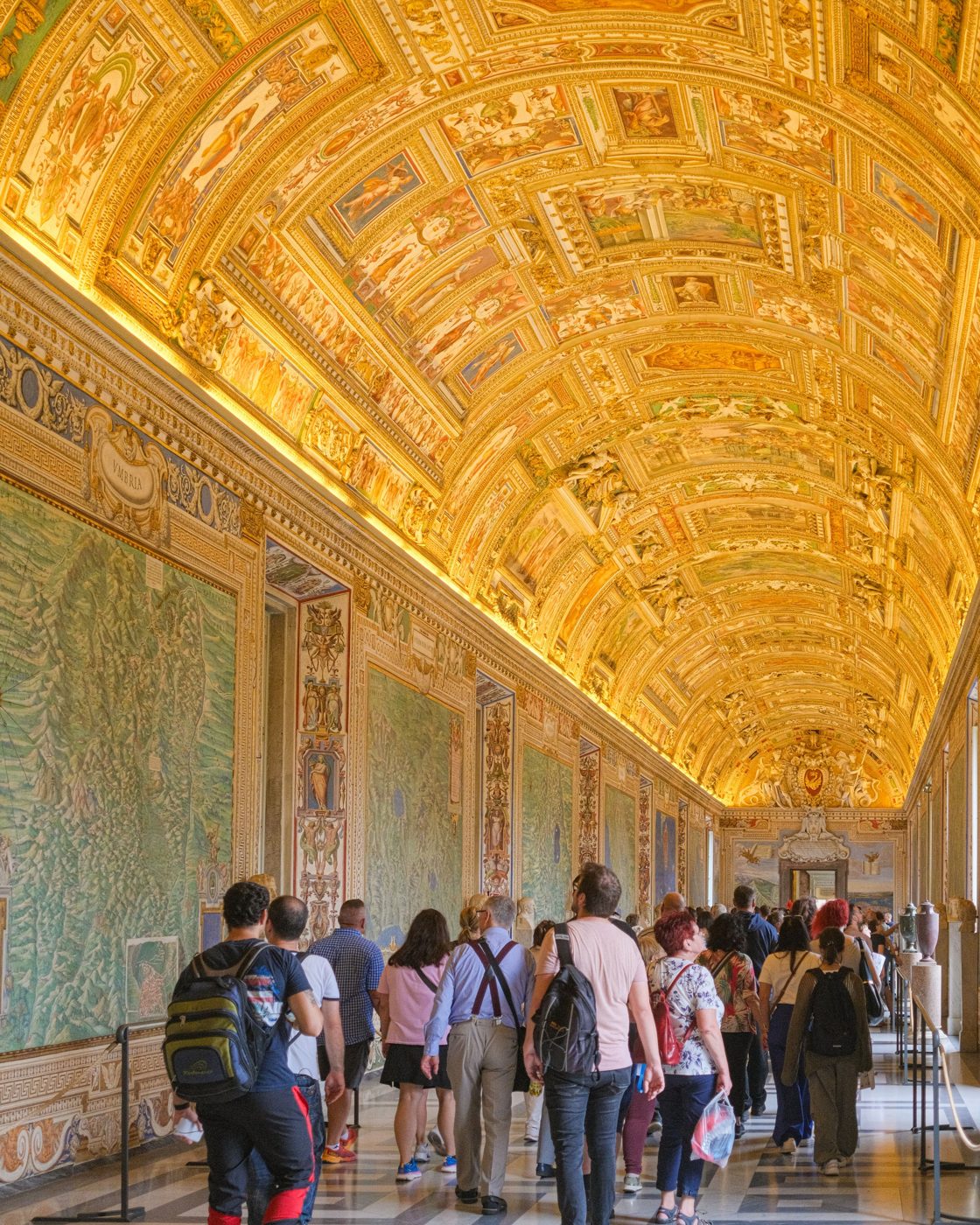
Forty painted maps of the regions of Italy, drawn by the friar Ignazio Danti in the early 1580s, line a hall 120 metres long under a gilded ceiling. Each one carries a bird's-eye view of the region's main city. The crowd shuffles down the middle, so walk along the walls and look for the region you are travelling to next.
The School of Athens
Raphael, 1509 to 1511
Room of the SegnaturaRaphael Rooms
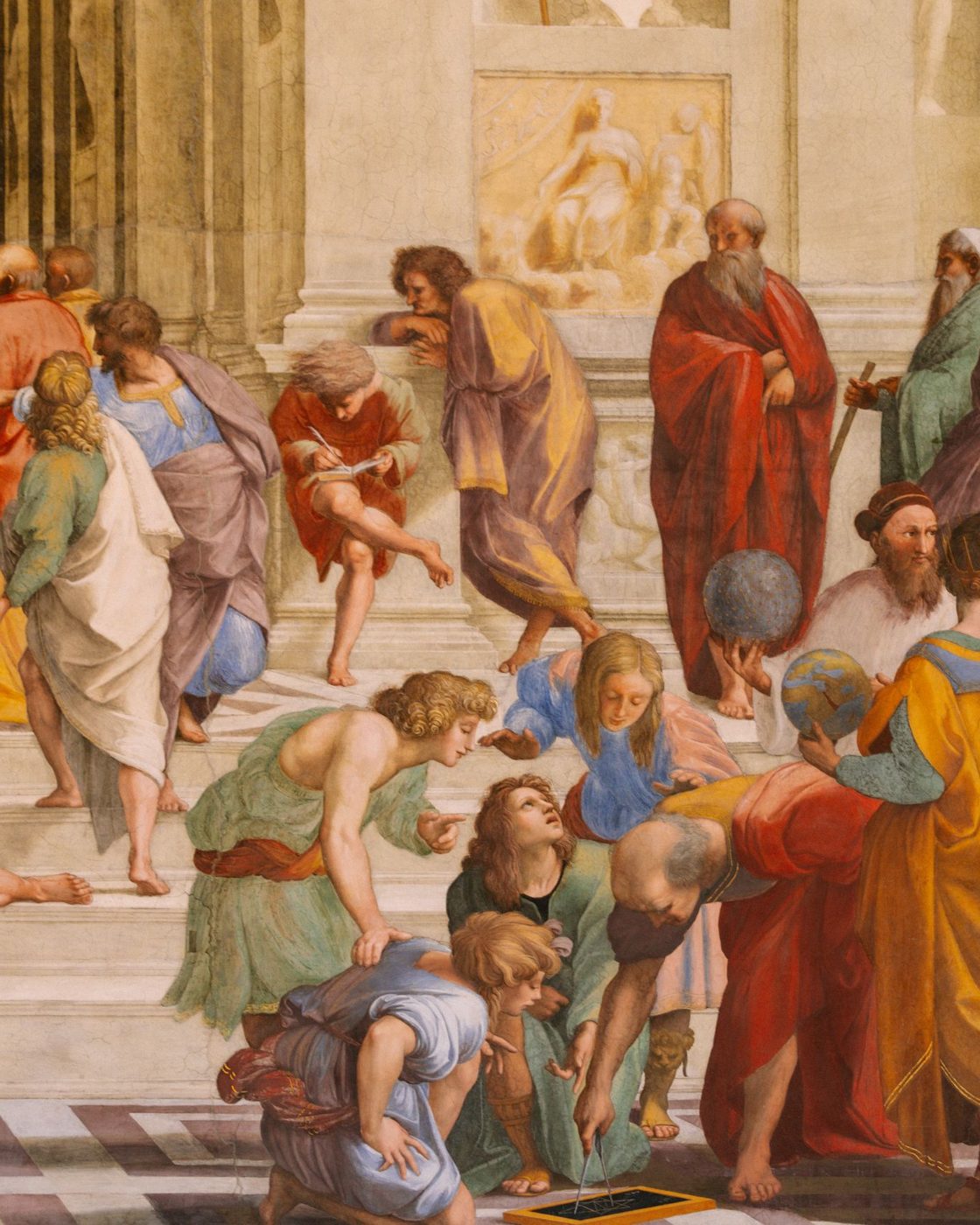
Raphael's gathering of the Greek philosophers, Plato and Aristotle walking at the centre, painted for Pope Julius II while Michelangelo worked on the ceiling down the corridor. Plato is often said to have Leonardo's face, and Raphael painted himself in at the right edge. The crowd presses close, so stand back by the opposite wall to take it in whole.
Sistine Chapel ceiling
Michelangelo, 1508 to 1512
Sistine Chapel
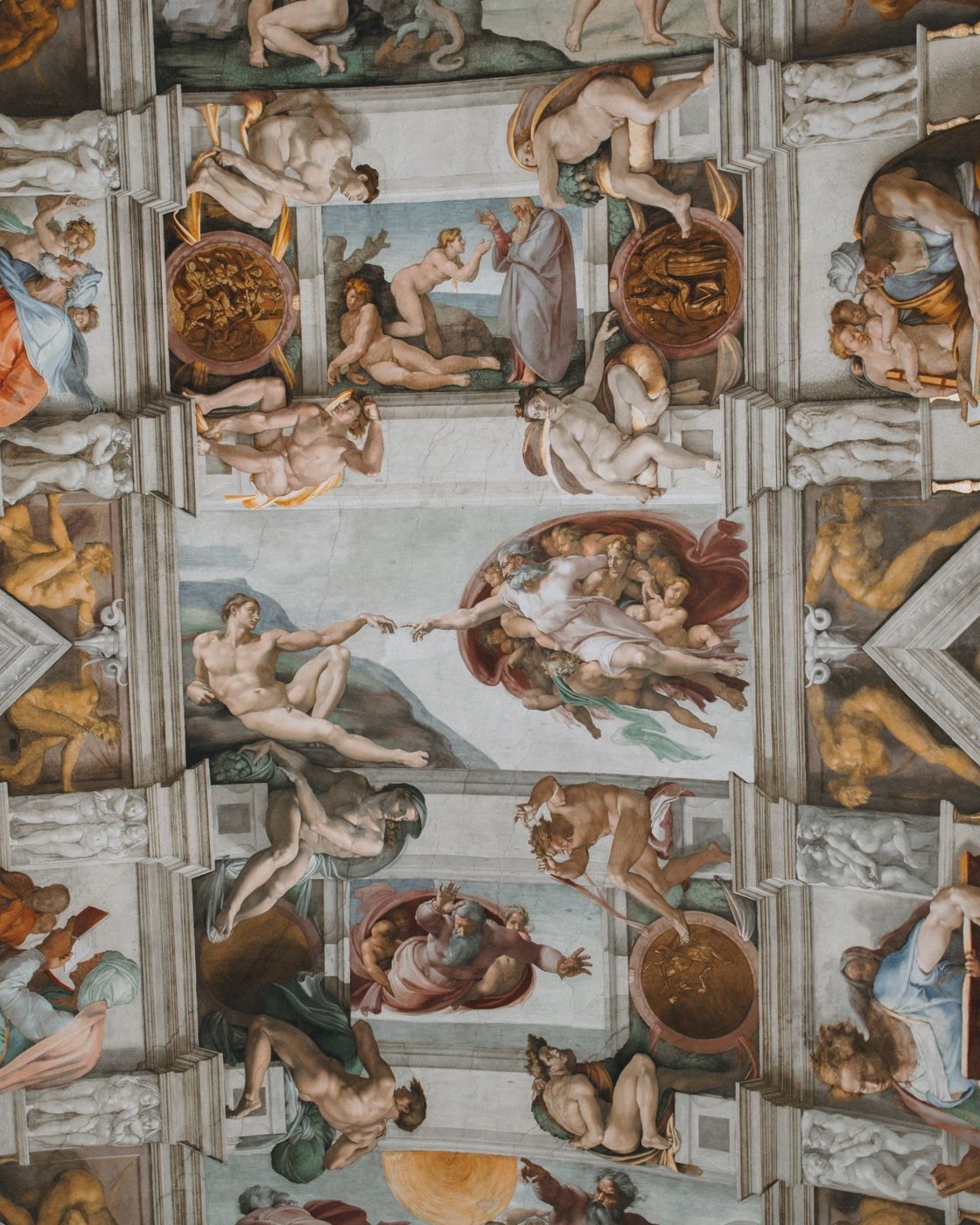
Michelangelo painted it in four years, standing on a scaffold of his own design, and God reaching for Adam at its centre is its most reproduced detail. The Creation of Adam is the fourth panel along the middle, counting from the Last Judgment over the altar. Phones are banned here, so take a place on the benches along the walls and look.
Know before you goShoulders and knees must be covered and hats are not allowed. Guards turn visitors away at the Sistine Chapel and at St Peter's, so in summer carry a light scarf. Rucksacks, large bags, medium and large umbrellas, knives and scissors go to the free cloakroom.
A ticket is valid only on its own day, cannot be refunded and is checked against your ID. Book in your name as it appears there, and only on the official site.
Besides most Sundays, the museums close on fixed holidays, among them 29 June, 14 and 15 August and 8 December. The last Sunday of the month is free, and its queues are the longest of the year.