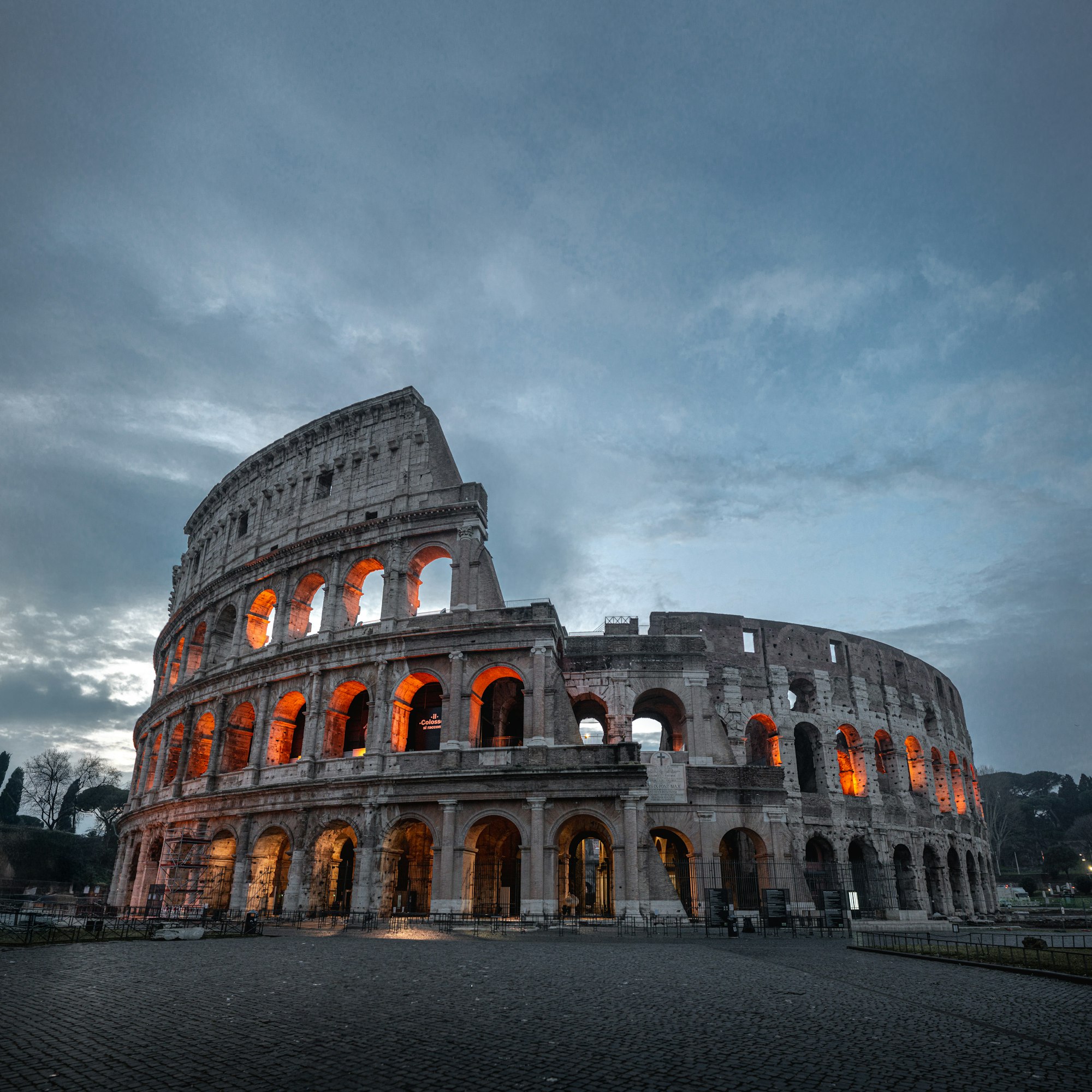
 Submit a photo
Ninety seconds on the Colosseum
Metro Line B has a Colosseo stop, and buses 51, 75, 81, 85, 87 and 118 and tram 3 also serve the area. The entrance is not far from the Arch of Constantine, near the Valadier Spur.
Entry starts at 8.30am. From 25 October 2026 to 28 February 2027, last admission is 3.30pm; outside that winter period it moves back to 5.30pm. Each ticket also carries a fixed entry time.
Tickets are sold online and at the monument, each with a fixed entry time. Sales open 30 days before the visit, and tickets are issued in the holder's name. Underground places are released about 30 days ahead and routinely sell out within hours.
Between 75 and 90 minutes, set by the ticket. The 24-hour ticket allows 75 minutes inside and the Full Experience allows 90. When the time is up, visitors must leave the monument.
Yes, the Colosseum has an accessible area, ramps and a lift to the upper level. The hypogeum is reached by a modern staircase on the guided route, and the stands include some very steep and rough steps.
Entry is free on the first Sunday of each month. Tickets for that day are collected in order of arrival at the ticket office in Piazza del Colosseo.
Worth booking the day sales open, the Full Experience takes you into the tunnels beneath the Colosseum's arena: you walk the corridors where performers and animals waited, below the floor they were lifted through.
The Colosseum is the largest amphitheatre in the world, and its arena was a stage with machinery underneath. The floor was wood covered in sand and full of trapdoors, so men and animals could appear without warning, raised from below by lifts worked with winches and pulleys.
From the terraces, look down into the open hypogeum and you can read its plan: fourteen corridors in matching pairs either side of a wide central passage, across half a hectare. On two levels, they linked the rooms where gladiators waited to the cells that held the animals.
Up in the stands, look at how the seating was divided. It rose in three sections, twenty rows at the bottom and sixteen in each of the two above, with marble seats at the ringside and a retractable awning over the top against sun and rain.
Two tickets cover most visits, and each gives you a fixed entry time and a fixed stay inside, after which you must leave. The standard 24-hour ticket opens the first and second levels, the panoramic terraces and the Colosseum Museum. The Full Experience takes you onto the arena floor and, where places remain, into the hypogeum; check on the booking page whether it also opens the upper tiers.
The hypogeum opens to Full Experience ticket-holders and to guided tours. You go down a modern staircase into the central corridor, past the animal cages, under vaults low enough in places that you have to duck.
The 24-hour ticket includes one entry to the Roman Forum and the Palatine at a time you choose. With the Full Experience you can use the two parts on two days in a row, and visit the Colosseum or the Forum first.
Tickets go on sale thirty days ahead and the underground places sell out first, so book on the day the window opens.
Wear shoes with grip, never heels or flip-flops: the stone underground is uneven and slippery in places. Carry a layer, because the hypogeum stays cool even in August, and a hat, because the arena floor has no shade.
Bags pass a metal detector, hand luggage must be within 30x40x15 cm, and there is no cloakroom or left-luggage, so leave anything bigger at your hotel. Glass bottles and alcohol are not allowed in. On the first Sunday of the month, entry is free and tickets are handed out at the office in Piazza del Colosseo in order of arrival, so expect a queue.
Explore the rest of Rome
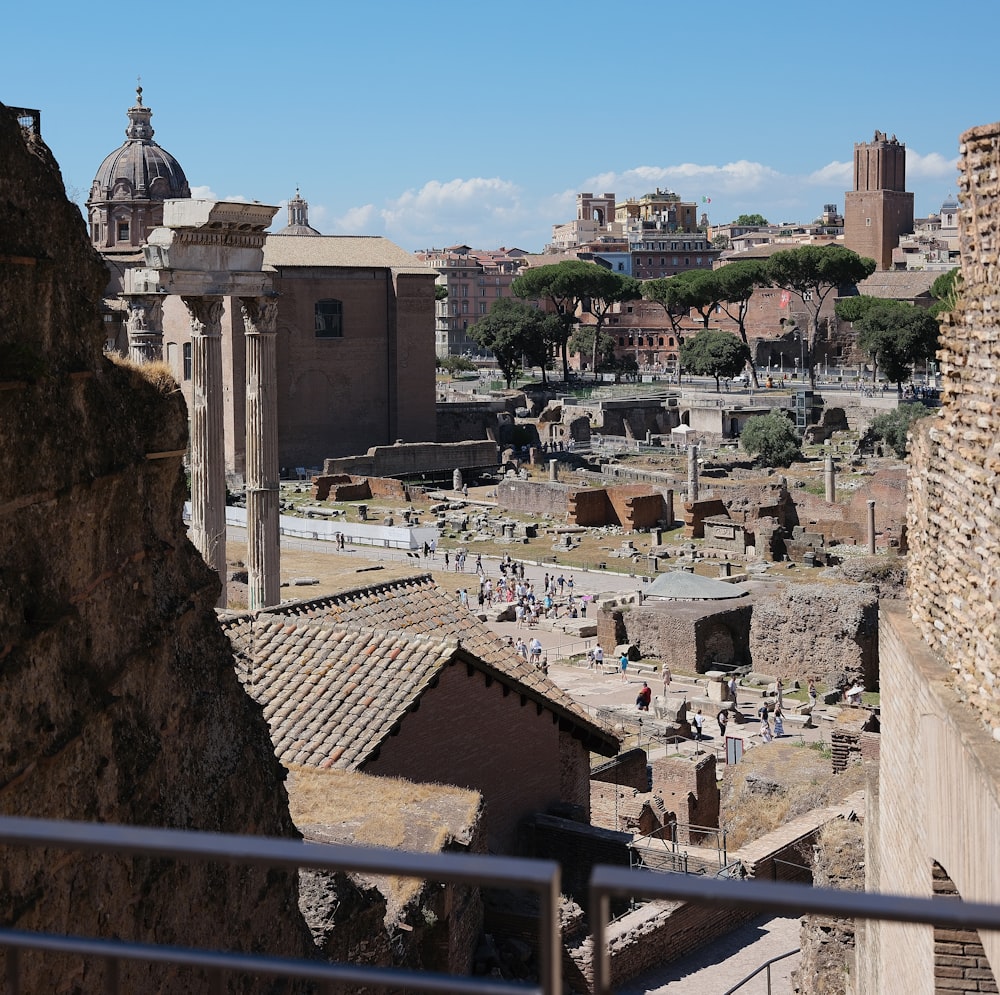
The civic and commercial centre of ancient Rome, stretching across ruins of temples, basilicas, and government buildings spanning roughly…
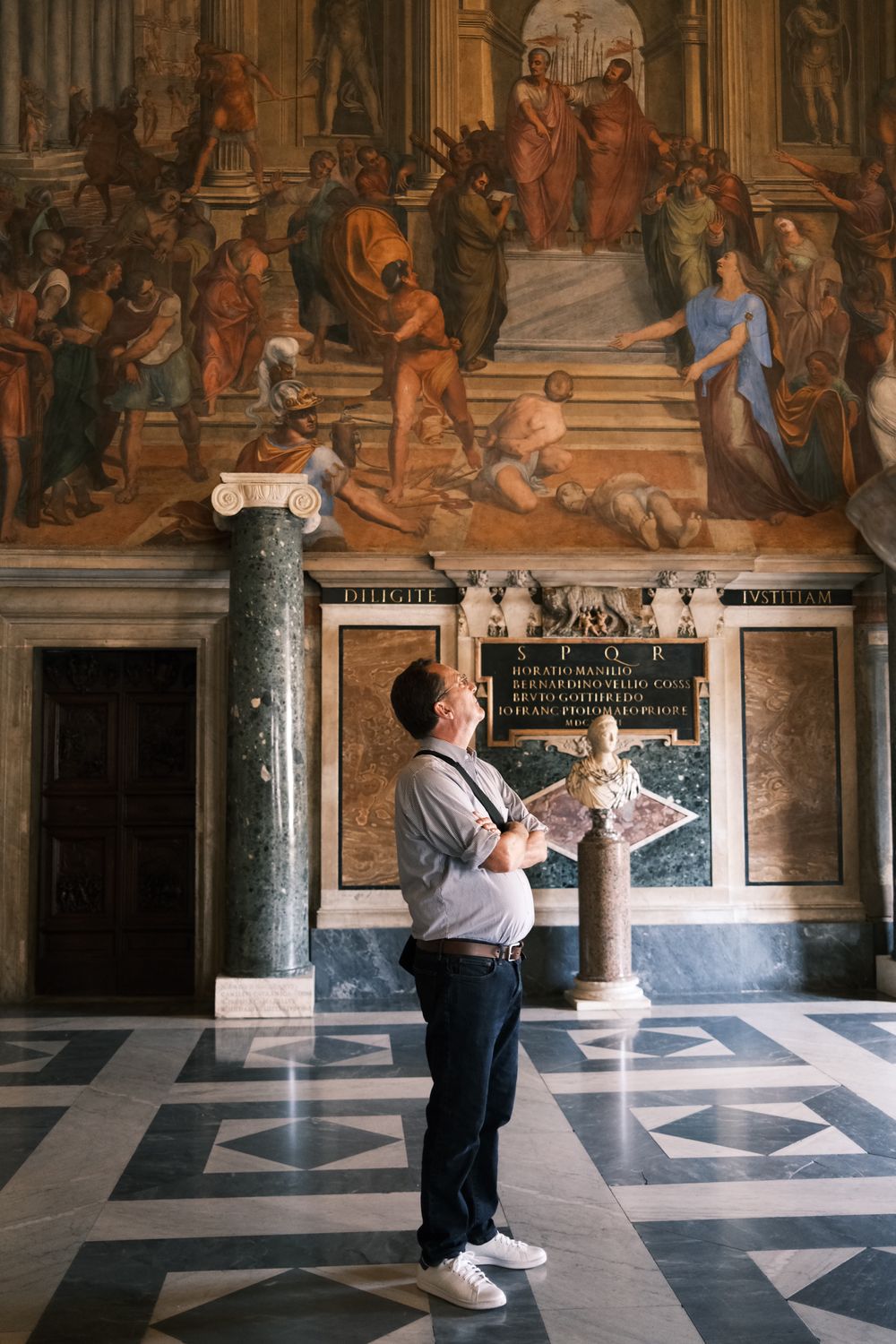
The museums of the Capitoline Hill fill the palaces around Piazza del Campidoglio: the bronze she-wolf of Rome, the original Marcus…
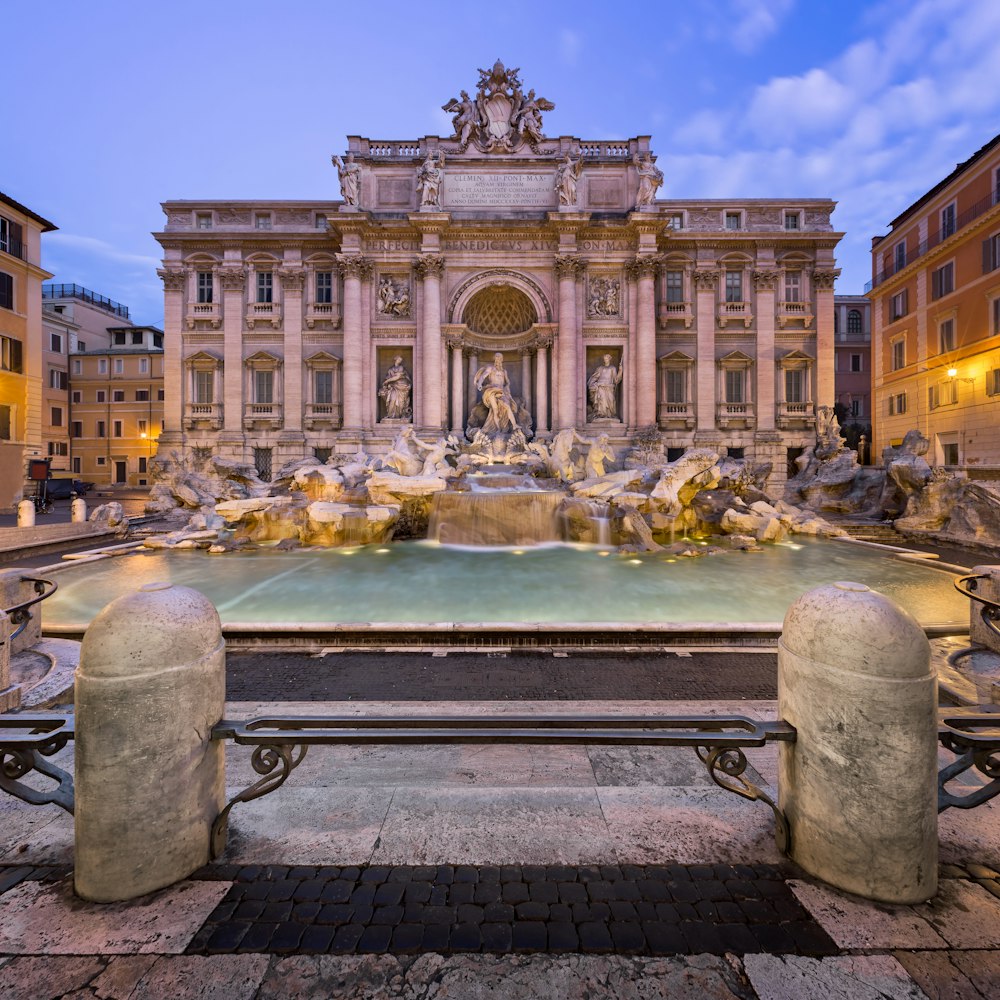
A Baroque fountain by Nicola Salvi, where Oceanus drives a shell chariot pulled by two sea horses, at the end of the Acqua Vergine, the…
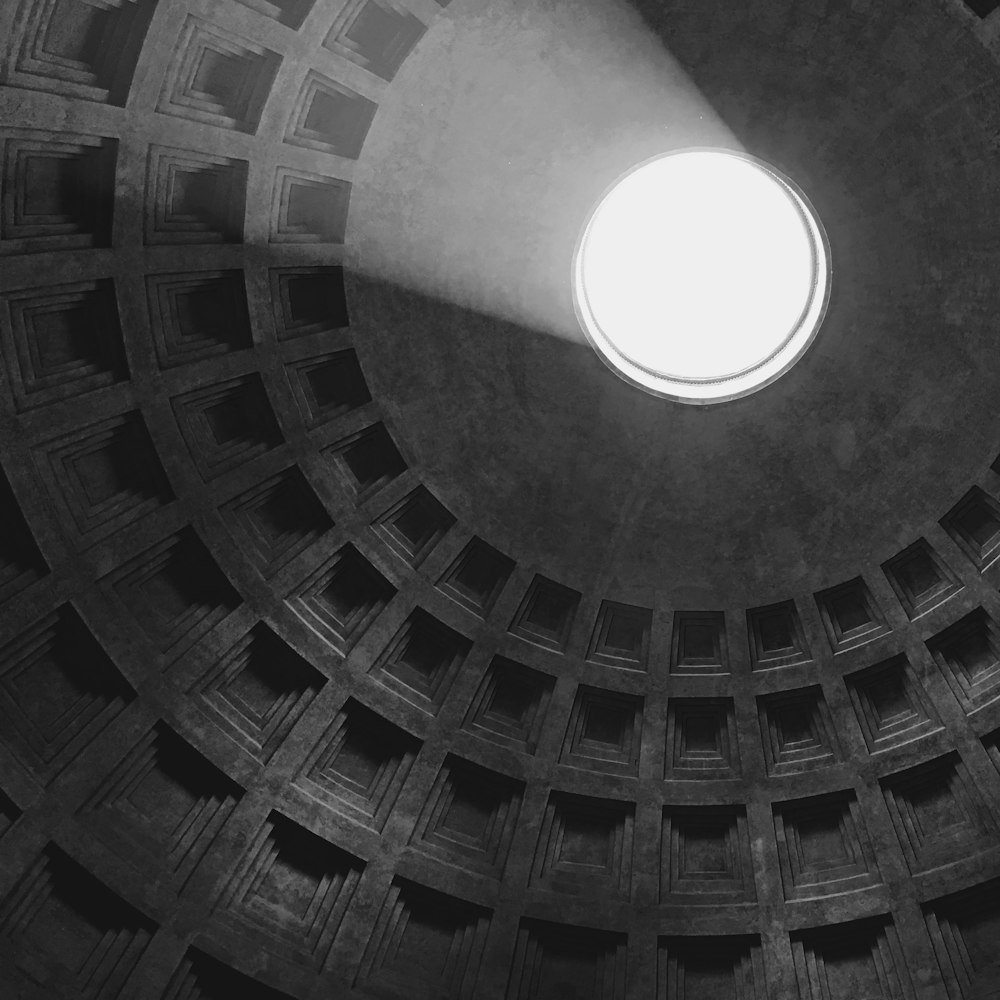
A Roman temple whose dome, completed under Hadrian, is still the largest ever built in unreinforced concrete, open to the sky through the…
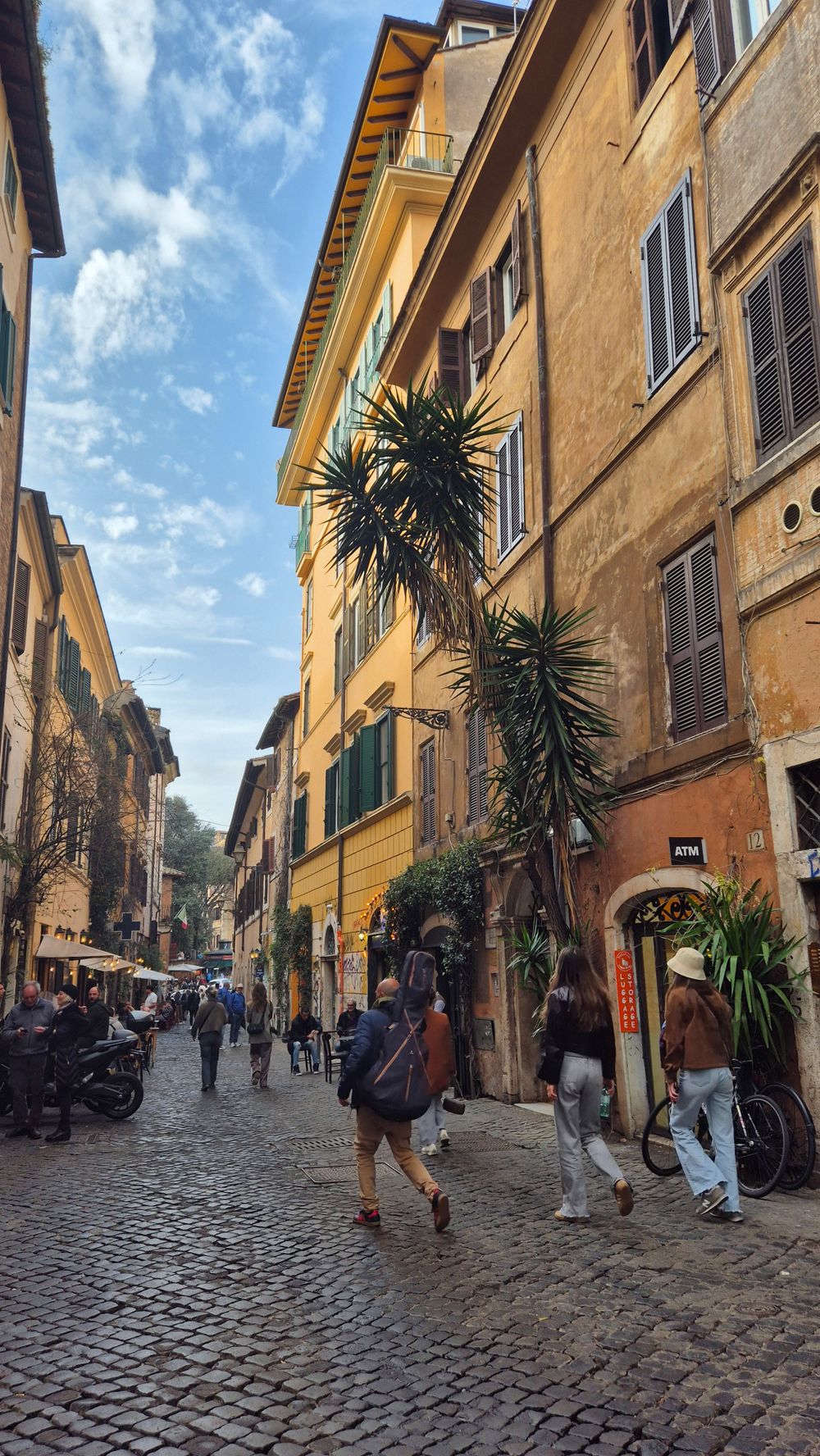
A quarter of narrow cobbled streets and old houses on the west bank of the Tiber, centred on the Basilica of Santa Maria in Trastevere and…
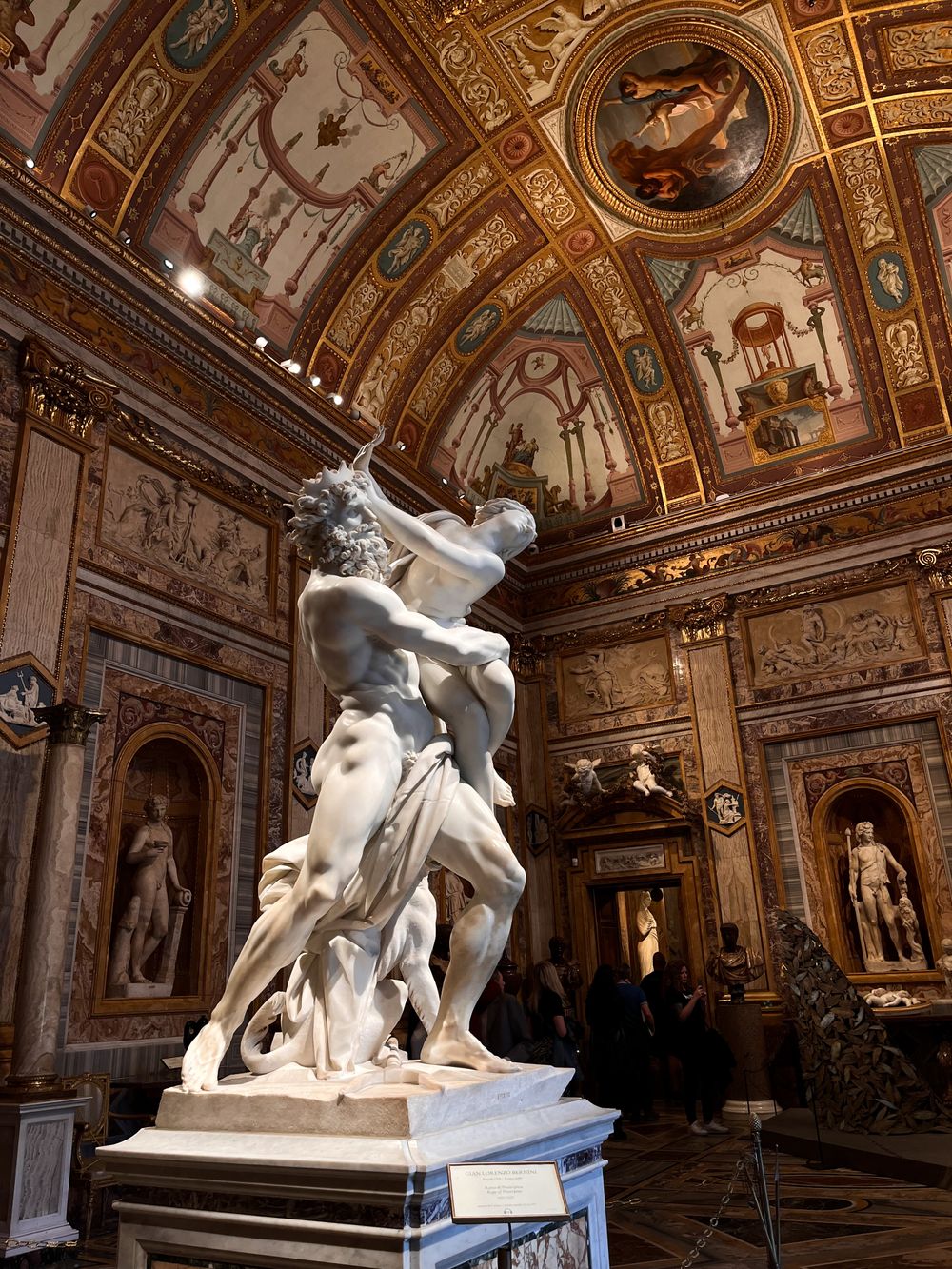
Cardinal Scipione Borghese's 17th-century collection in the Villa Borghese park, holding Bernini's Apollo and Daphne and David along with…
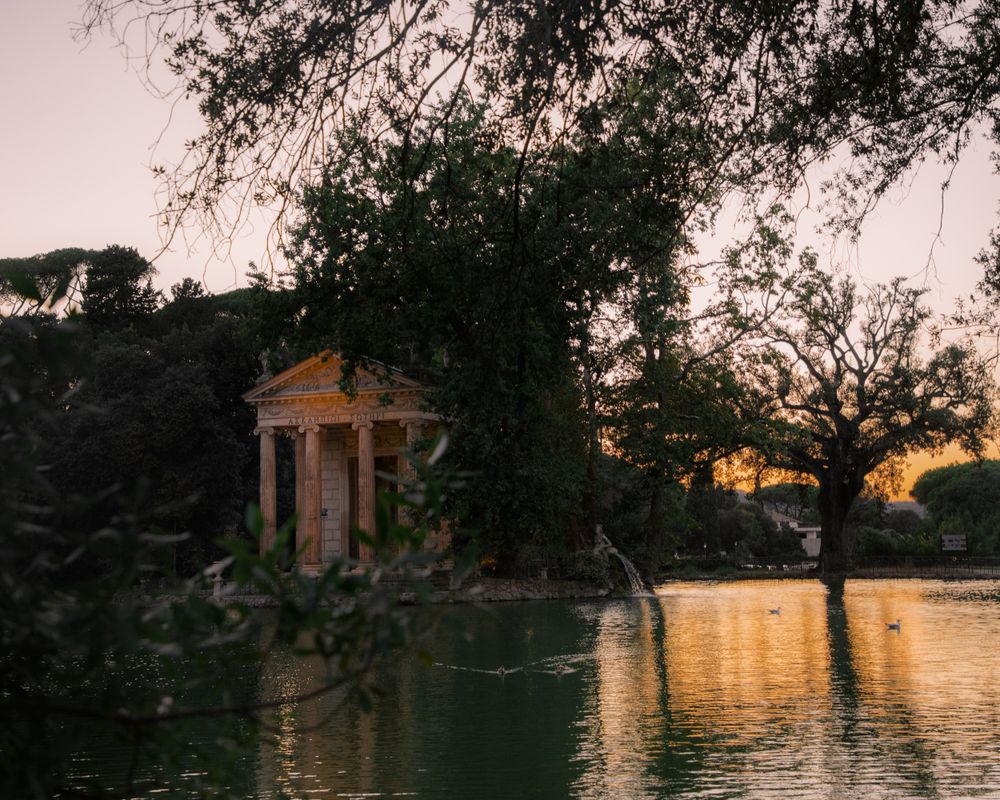
A 80-hectare landscaped estate with walking paths, lakes, temples, and the Galleria Borghese. Contains sculptures, fountains, and panoramic…
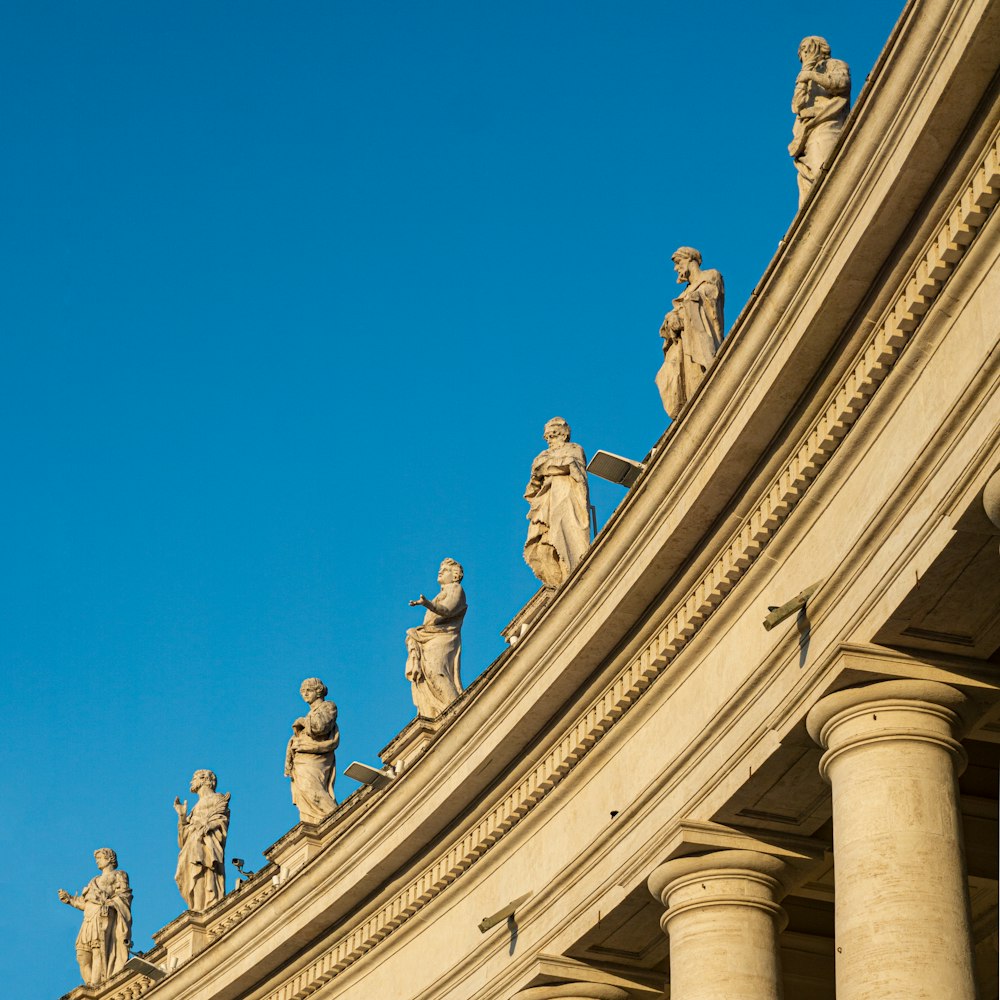
The largest church building in the world, completed in 1626 and crowned by Michelangelo's dome. Houses papal altars and Renaissance/Baroque…
Last updated