Ninety seconds on Hakone Open-Air Museum
Early in the day, you walk out of the entrance tunnel onto a hillside of modern sculpture set against the Hakone mountains, then climb to a viewpoint above the lawns.
Japan's first open-air museum opened here in 1969. Around 120 works stand outdoors on rolling lawns, with streams and ponds between them, mountains on both sides and the sea on the horizon.
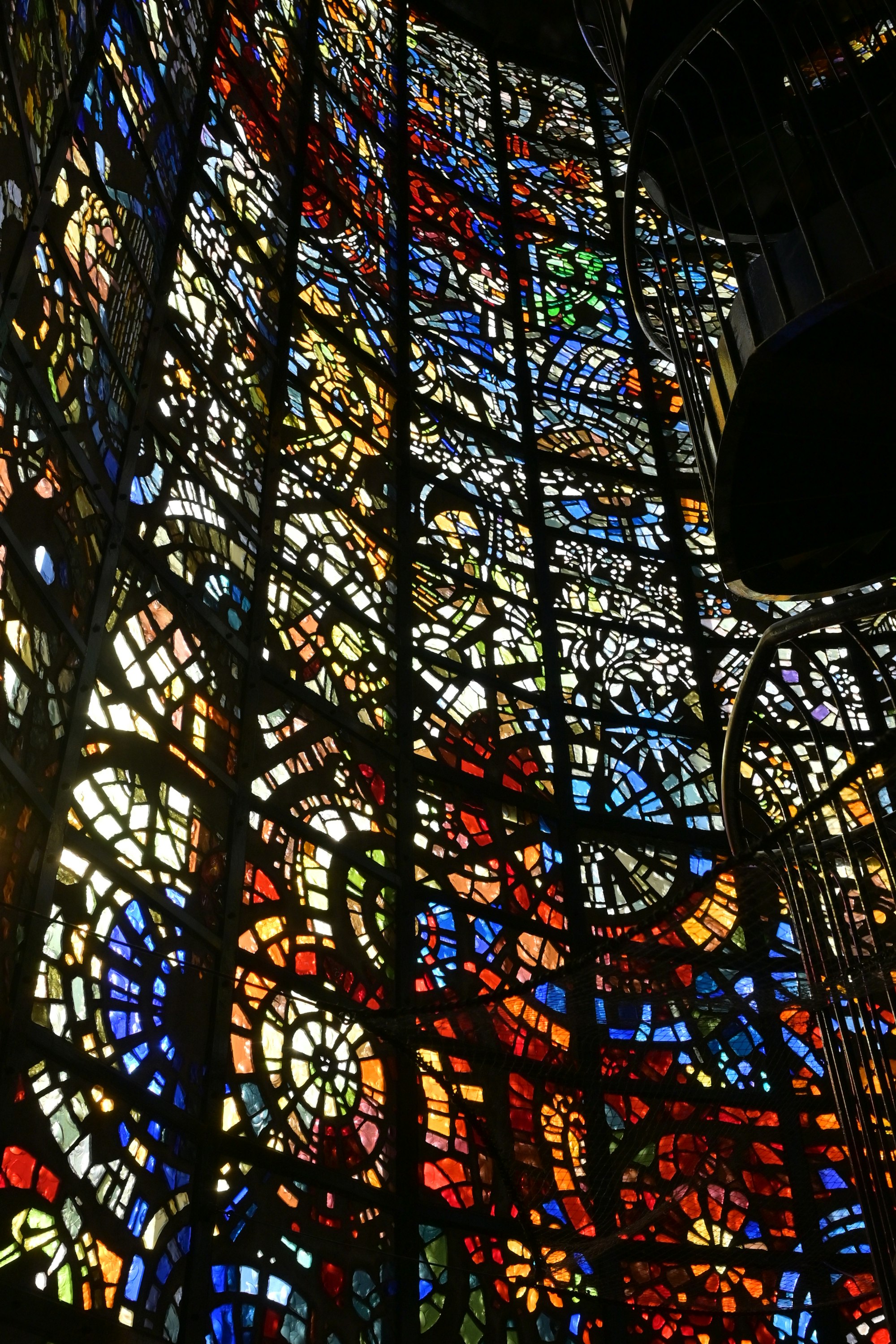
The most photographed thing on the site is a tower whose walls are made of 480 sheets of stained glass. A spiral staircase inside it climbs to an open platform at the top. The colour inside changes with the weather and the hour, and a bright day is when the glass glows strongest.
Barbara Hepworth's Two Figures stands out on the lawns. She described it as two forms related to each other in a tender relationship. Separately, the museum holds 26 Henry Moore sculptures, among them Two Piece Reclining Figure: Cut.
The Picasso Pavilion is centred on 188 ceramics that came from his daughter, Maya. Expect pottery rather than paintings: he spent much of his last two decades working in clay.
Buy your ticket online before you come, so you can walk past the sales counter at the entrance. From there a tunnel leads you out into the garden, and the lawns and the Hakone mountains open up at its far end.
Walk the outdoor garden first, while it is quiet. The paths climb and drop between the sculptures, so take your time on the stairs, keep off the roped lawns and leave the works untouched. Take in the glass tower on the way round.
Then go indoors to the Picasso Pavilion and the galleries, where the rest of the collection rotates. Children aged 12 and under can climb inside the Woods of Net, a net structure with its own white mat, shoes off and adults outside. Finish at the footbath near the far end of the grounds, which runs on Hakone's spring water and has handbaths beside it.
Pack a small towel to dry off after the footbath. Coin lockers at the museum entrance, and more at Chōkoku-no-Mori station, take a bag you would rather not carry up the slopes. If you are riding the loop on a Hakone Free Pass, show it at the counter for reduced admission.
In summer there is little shade outdoors, so a hot afternoon makes the hills hard work. Rain matters less than you might expect, because the indoor galleries and the Picasso hall fill an hour or more. Winter is cold and clear, and the quietest season of the year.
Wheelchairs and strollers can be borrowed free from the information desk at the New Gallery, but mobility scooters are not allowed inside. With children, register at the Main Gallery desk soon after you enter for the Mystery-Solving Program, a 90-minute detective quest around the grounds.
Explore the rest of Hakone
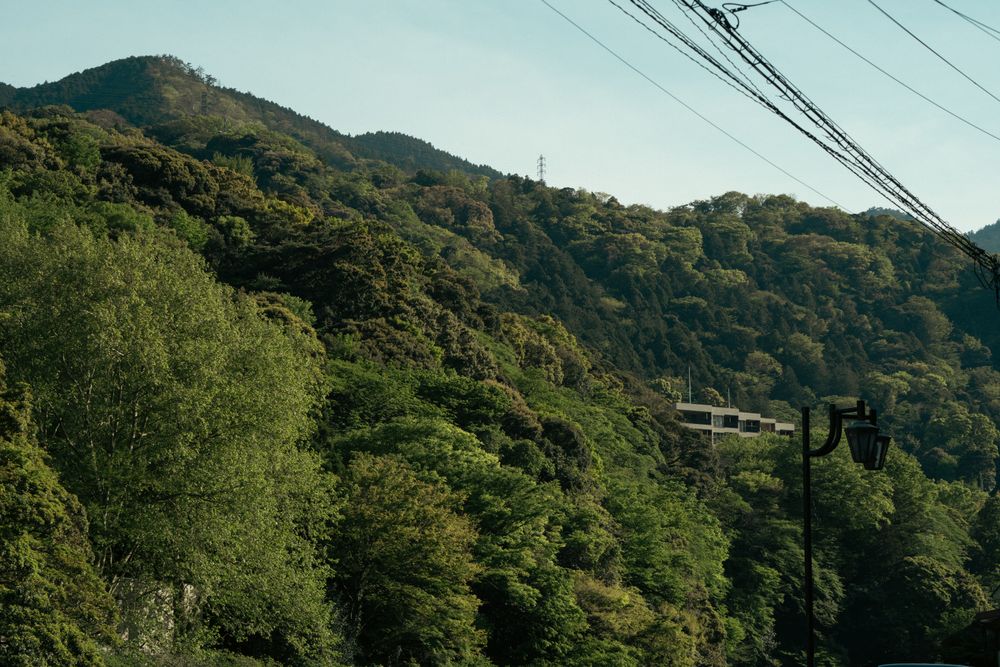
A small museum of Japanese ceramics a few minutes on foot above Gōra Park, set in a hillside garden of moss and maples. The moss garden,…
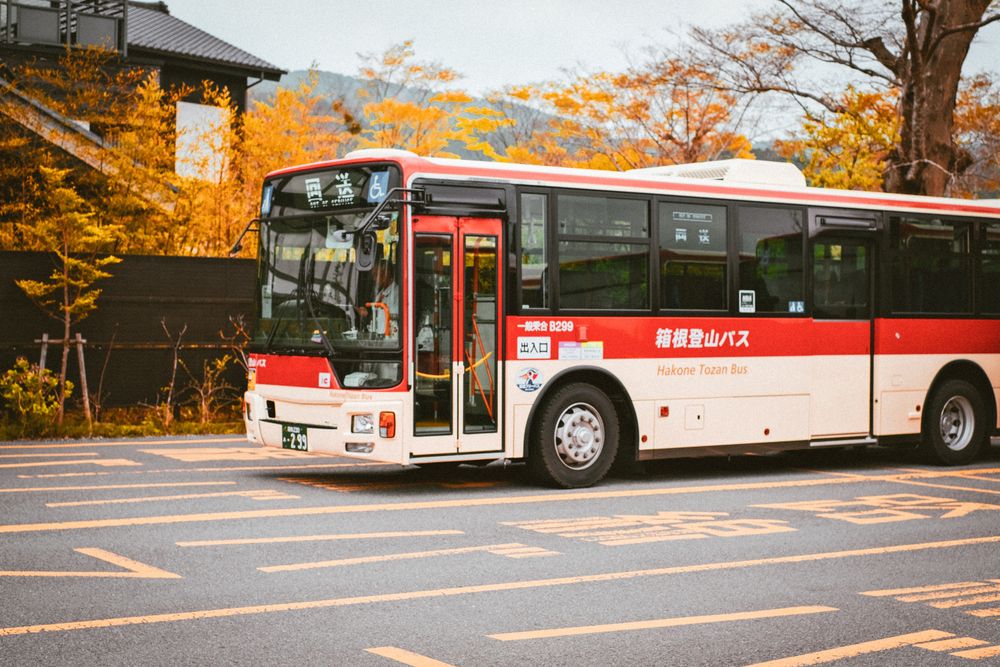
A gondola line from Sōunzan over the steaming slopes of Ōwakudani and down to Tōgendai on Lake Ashi, about half an hour end to end. Cabins…
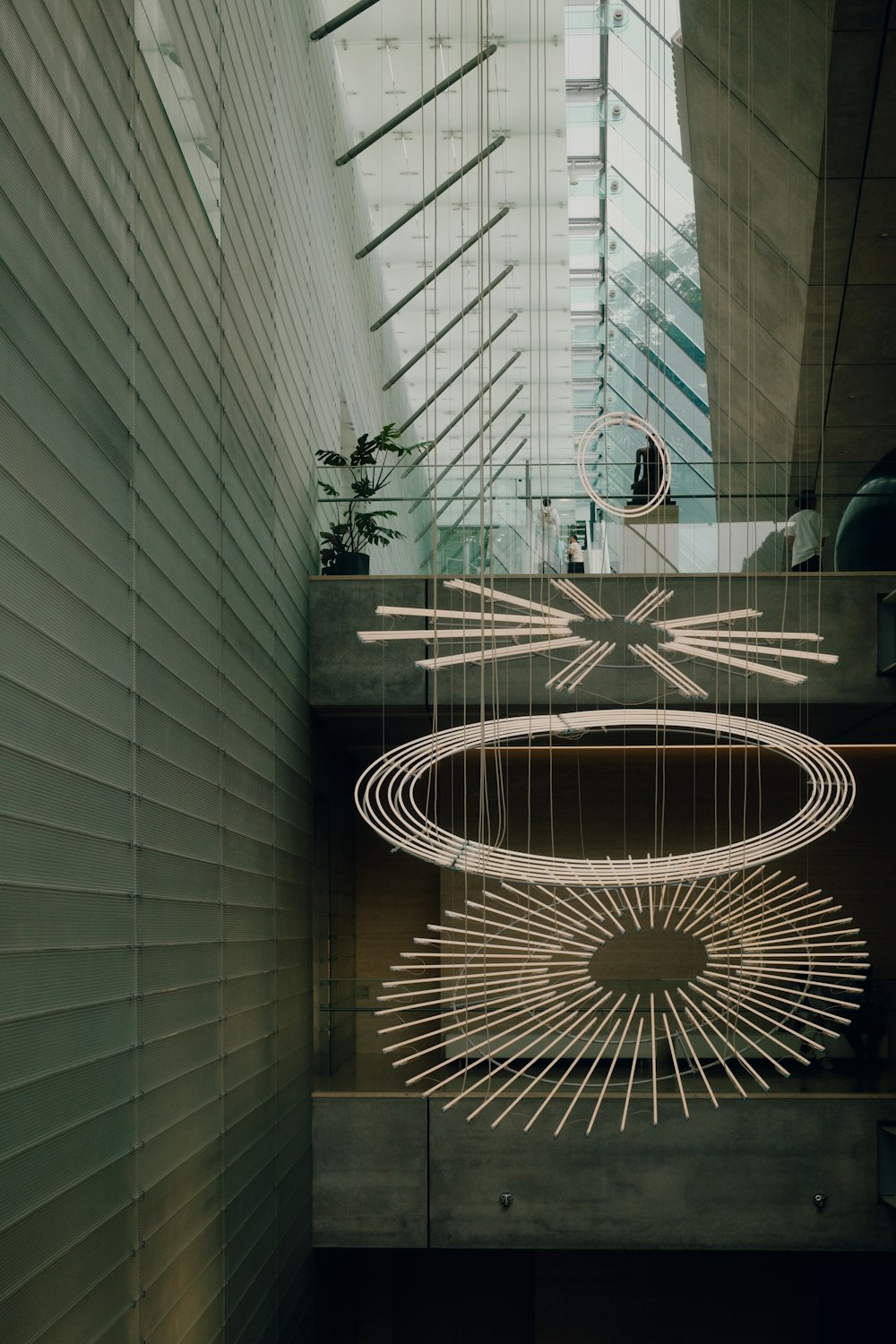
A low museum sunk into beech forest in Sengokuhara, kept below the tree line, holding a private collection that runs from Monet and Picasso…