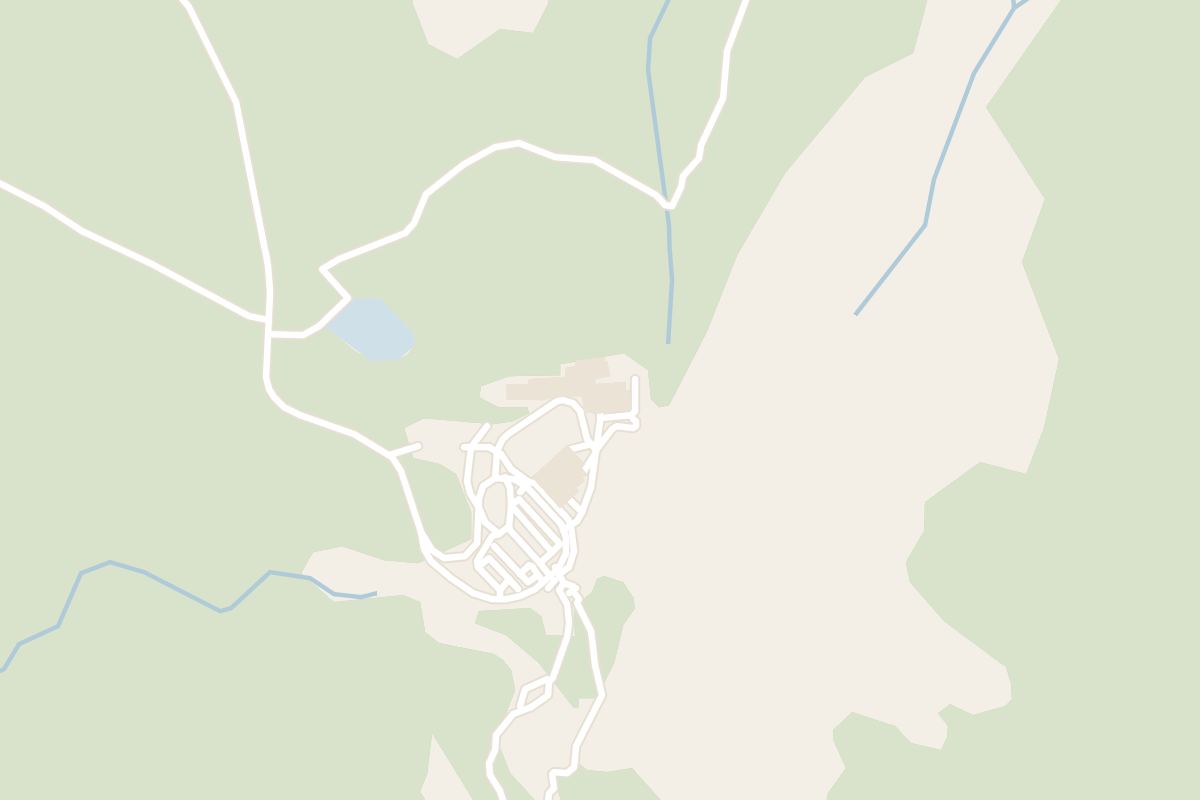
From the cabin, about 130 metres up, you look straight down into Owakudani, a valley of steaming vents and yellow sulfur rock, and you get off in the middle of it.
Other, Hakone. Meridian Dispatch.
It links Sounzan Station with Togendai Station on Lake Ashi, a line of about 4 km. On the way it passes over the steaming Owakudani valley and stops at a station in its middle. The full ride takes around 30 minutes.
From Gora, the Hakone Tozan Cable Car climbs steeply to Sounzan. The ropeway's Sounzan Station is then a one-minute walk from the cable car platform, so the transfer is short.
From February to November the ropeway runs from 9:00 AM to 5:00 PM, and in December and January it closes earlier, at 4:15 PM. Last boarding is a little before closing.
A ticket to the last station of the journey, because a stopover at Owakudani is allowed on the same ticket before riding on. The Hakone Freepass includes the ropeway.
Service can be suspended in adverse weather, during regular inspections, in winds of 30 m/s or more, or when volcanic activity rises. During a stoppage, substitute buses cover the line at 15-minute intervals, with heavy crowds on the Owakudani leg.
On a clear day Mount Fuji can be seen from the ropeway and from Owakudani, to the west. Fog hides the view completely, and the best Fuji visibility is generally in the early morning.
The station sits halfway along the line, a ride of about 15 minutes out of Sounzan. Most visitors find 60 to 90 minutes enough to see the valley before riding on to Togendai.
Approximately every minute, so there is no timetable to plan a ride around. Each gondola holds 18 people, and riders board whichever cabin comes into the station next.
Yes. Wheelchair users board the gondola without leaving their chair, and the stations are barrier-free throughout. Every station on the line also lends wheelchairs free of charge.
The ropeway runs about 4 km from Sounzan Station to Togendai on the shore of Lake Ashi, and its first section crosses the Owakudani volcanic valley. From the cabin the valley is a desolate mountainside under constant plumes of white smoke. Its former name was Hell Valley.
Midway between Sounzan and Owakudani, Mount Fuji appears to the west on a clear day. Then the cabin passes over the valley itself, and a smell of rotten eggs reaches you inside. That is hydrogen sulfide, released by the volcanic activity below.
Past Owakudani the cabins carry on down to Togendai, and on clear days the ride also looks out over Lake Ashi.
The ticket to buy at Sounzan is the one for your final station, because you can get off at Owakudani and board again later. The Hakone Freepass covers the ride. Riding from Sounzan, sit on the right for the best view of the volcanic valley.
Get off at Owakudani, the midpoint, about 15 minutes from Sounzan. The station has an observation platform over the valley and a restaurant with the same view.
Outside, the valley's black eggs are boiled in the sulfurous steam at about 80°C. Allow 60 to 90 minutes for the stop, then board again for Togendai and the lake.
In fog you see nothing from the cabin, so check the weather before you ride for the view. Close the windows when staff ask, because the sulfur gas over the valley can get strong.
Bring a light jacket even in summer, because the top of the ride is noticeably cooler than the lake shore. Leave large luggage in the coin lockers or with the office at any station and ride with a day bag. Pets travel only in a cage or a carry bag with a lid that closes.
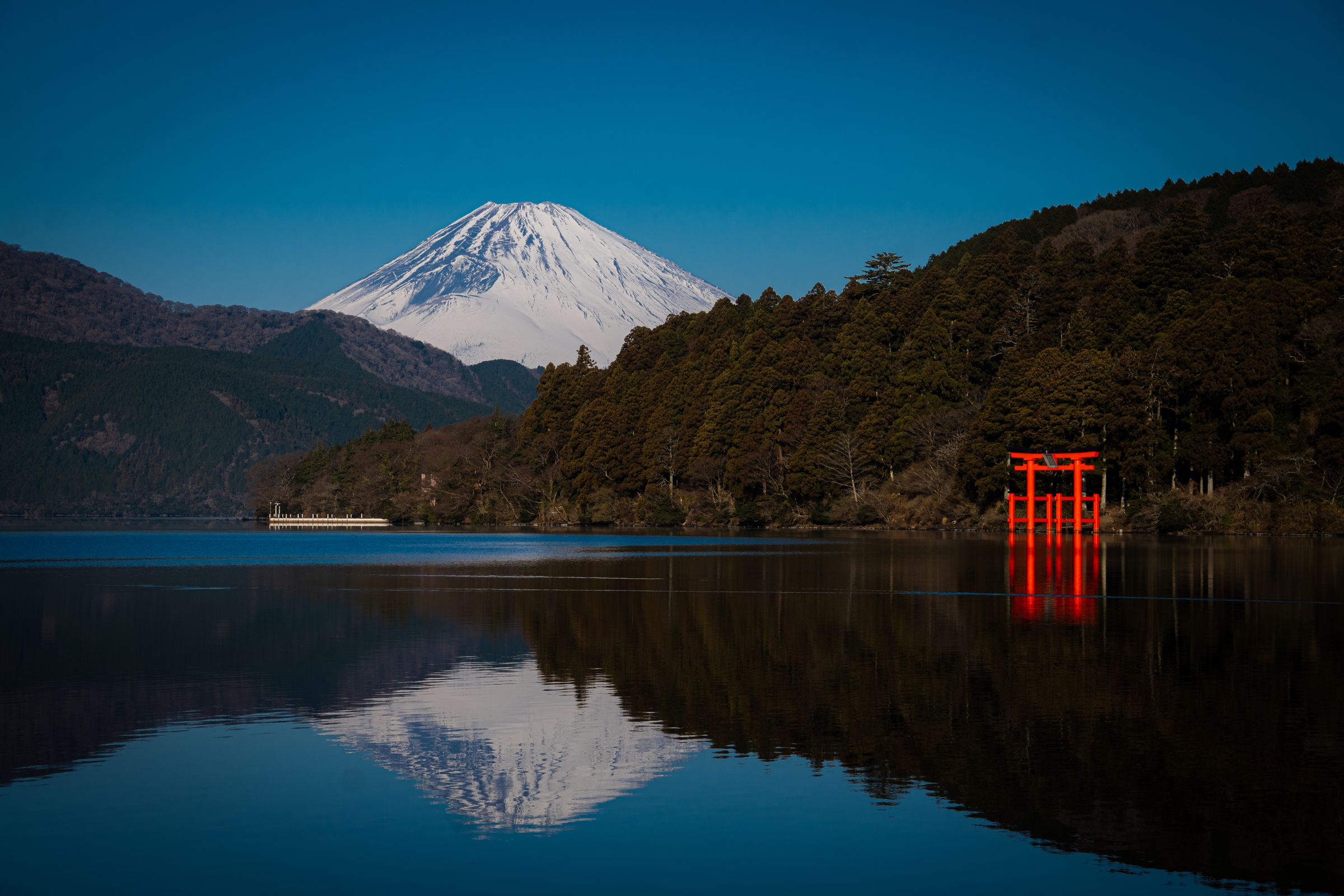
Hakone, Japan: Steam rises from the slopes of a live volcano within easy reach of Tokyo. Hakone Open-Air Museum, Lake Ashi and Onshi Hakone Park.
Read the Hakone guideExplore the rest of Hakone
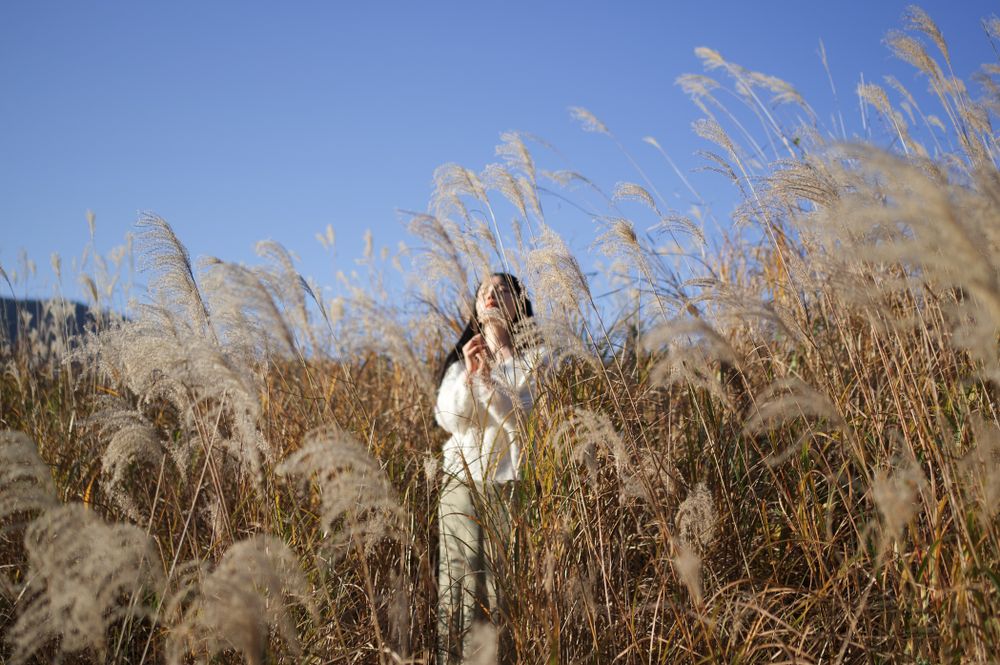
A hillside of pampas grass below Mount Daigatake in Sengokuhara, with one path up the middle. It turns gold from late September into early…
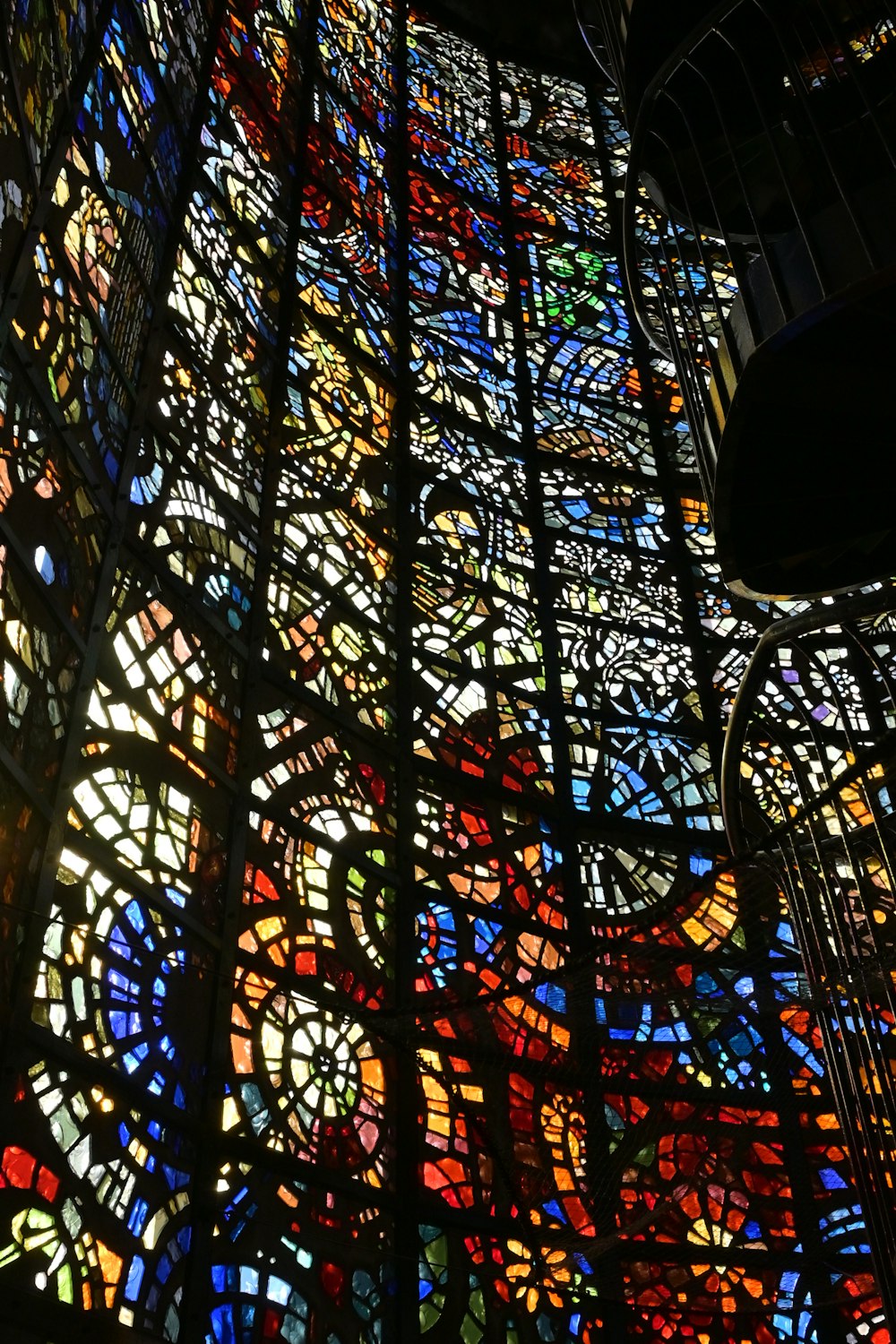
Sculpture set out across a hillside garden beside Chōkoku-no-Mori station, one stop below Gōra on the mountain railway. Barbara Hepworth's…
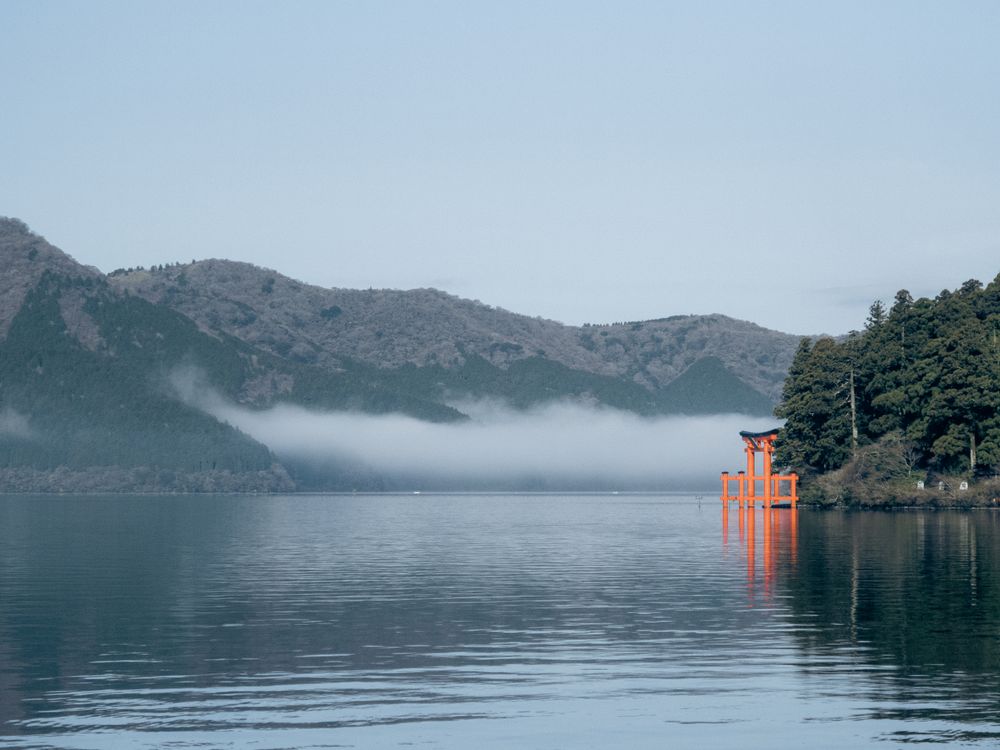
The crater lake at the top of the Hakone loop, crossed by sightseeing boats dressed as sailing warships between Tōgendai in the north and…
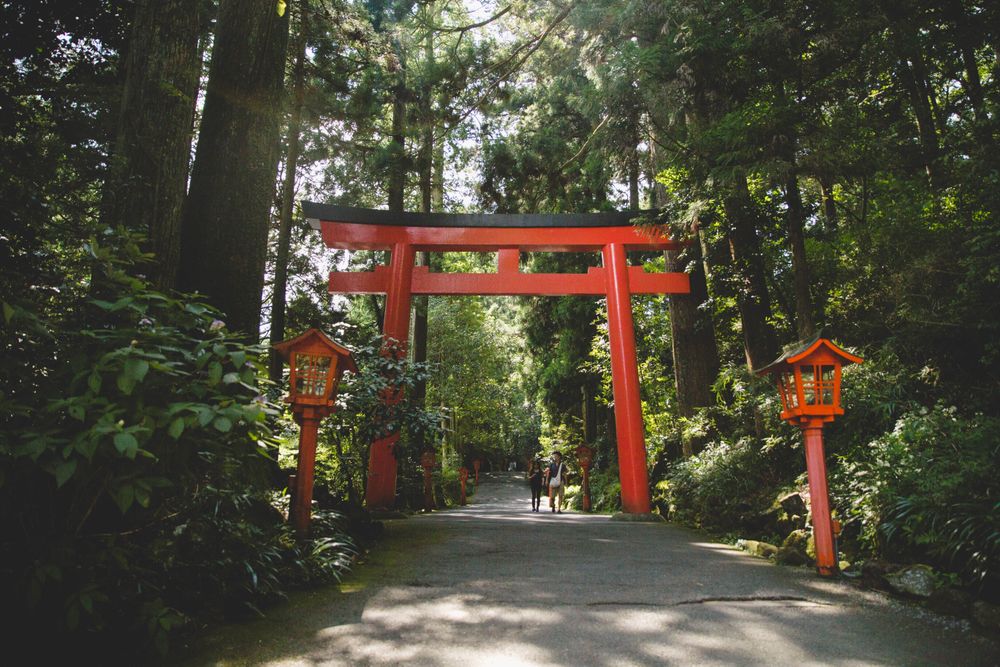
A shrine in old cedar forest on the shore of Lake Ashi at Moto-Hakone, where stone steps climb to the main prayer hall. Its red Torii of…
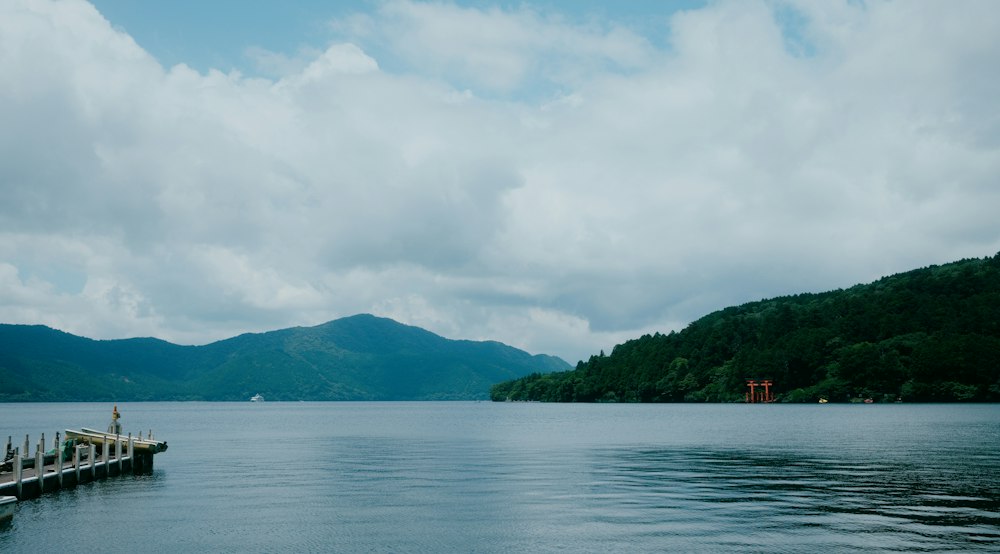
A former imperial summer palace site on Lake Ashi at Moto-Hakone, now a free public park. Paths wind through a Japanese garden to the…
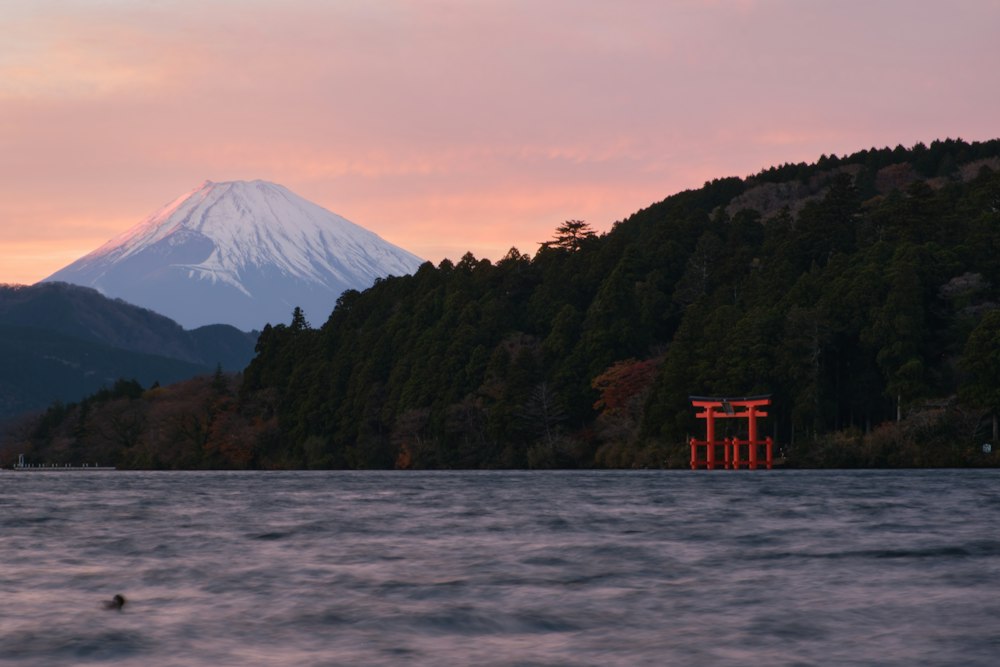
The lakeside village at the southern end of Lake Ashi, beside the Hakone-machi boat pier, where the rebuilt Hakone checkpoint stands on the…
A low museum sunk into beech forest in Sengokuhara, kept below the tree line, holding a private collection that runs from Monet and Picasso…
A small museum of Japanese ceramics a few minutes on foot above Gōra Park, set in a hillside garden of moss and maples. The moss garden,…




Save Hakone Ropeway to your Japan trip in the Meridian Dispatch app and build the day around it, with the best of Hakone pinned on one map.
Download on the App StoreThe official pages this guide was checked against.
Last updated