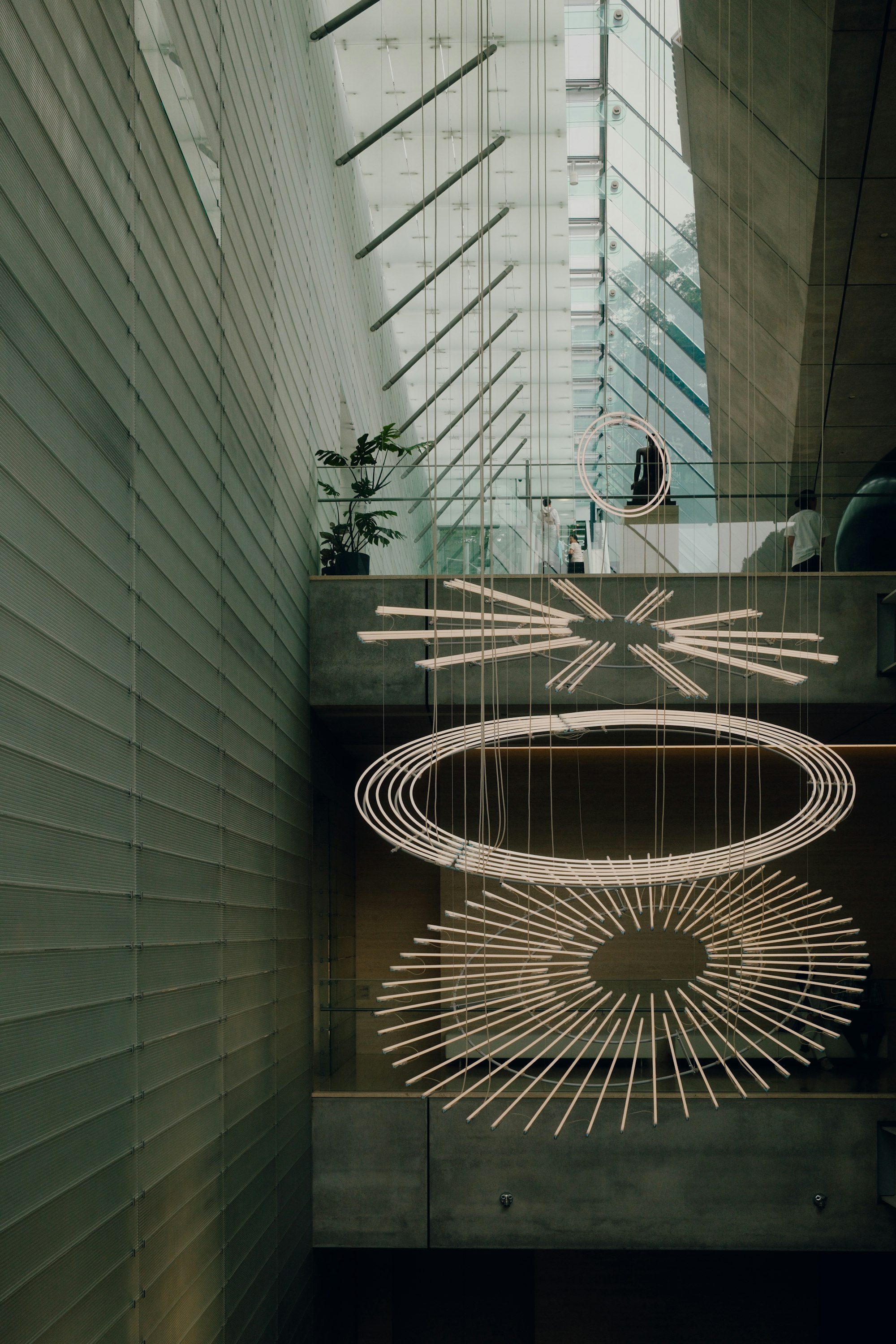
Ninety seconds on Pola Museum of Art
Both halves of the day here earn your trip: Japan's largest display of Impressionist painting, in galleries sunk into beech forest, and a one-kilometre trail through that forest from the door. Exhibitions rotate, so Monet, Picasso and Foujita are not always hung together.
Very little of the building shows from outside. Its height was capped at eight metres to keep the roof below the beech and stewartia canopy, and most of the galleries sit below ground. A glass roof over the central atrium brings daylight down into the lobby, so the light there changes with the hour and the season.
The collection was built over some 40 years by Suzuki Tsuneshi, the second head of the Pola cosmetics company. Exhibitions change through the year, so the rooms show a rotating selection.
Gallery light is calculated work by work, to show each piece well and protect it, because many pieces fade under light and heat. If a Modigliani portrait is on the wall, check whether the sitter's eyes are painted, which he rarely did.
Outside, the grounds are national park forest. Some of the beeches are over 300 years old, and sculptures stand among them along the trail, a few no bigger than a clump of grass.
Pola's entrance is on the building's top level, across a short bridge. From there you go down to the ground floor to buy or show your ticket, and put any large bag in a free locker.
Then go down again to the galleries, which sit mostly below ground. When the museum is busy, the number of visitors in the galleries is limited.
Back upstairs, head out to the Nature Trail, a path through the national park forest around the building. At an easy pace it takes about 40 minutes, and the sculptures along it are easy to walk past, so slow down.
There is nowhere to eat or drink in the galleries. Use the restaurant or the café before you go down or after the trail.
Leave food and drink in the locker before the galleries, water and chewing gum included, along with tripods, selfie sticks and portable fans. Notes are allowed in pencil only. Only some works may be photographed, so check the sign beside a work before you raise a camera.
On the trail, early May brings woodland peonies, which bloom for only two or three days, and early July is the time for the stewartia. A light drizzle does not necessarily close the trail, so bring a rain jacket rather than skipping the walk.
Explore the rest of Hakone
A gondola line from Sōunzan over the steaming slopes of Ōwakudani and down to Tōgendai on Lake Ashi, about half an hour end to end. Cabins…
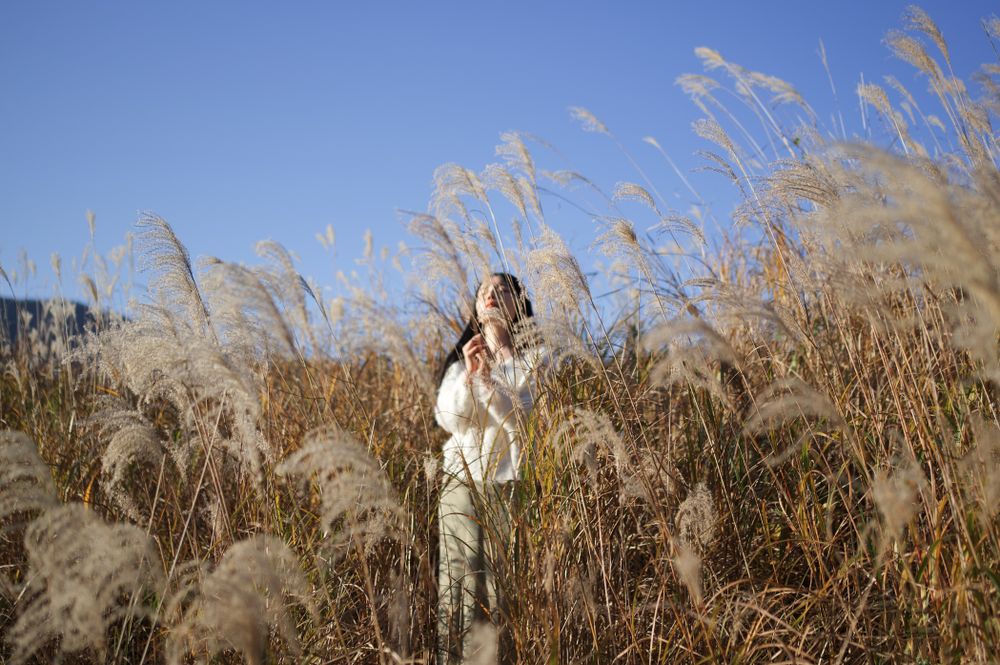
A hillside of pampas grass below Mount Daigatake in Sengokuhara, with one path up the middle. It turns gold from late September into early…
A small museum of Japanese ceramics a few minutes on foot above Gōra Park, set in a hillside garden of moss and maples. The moss garden,…