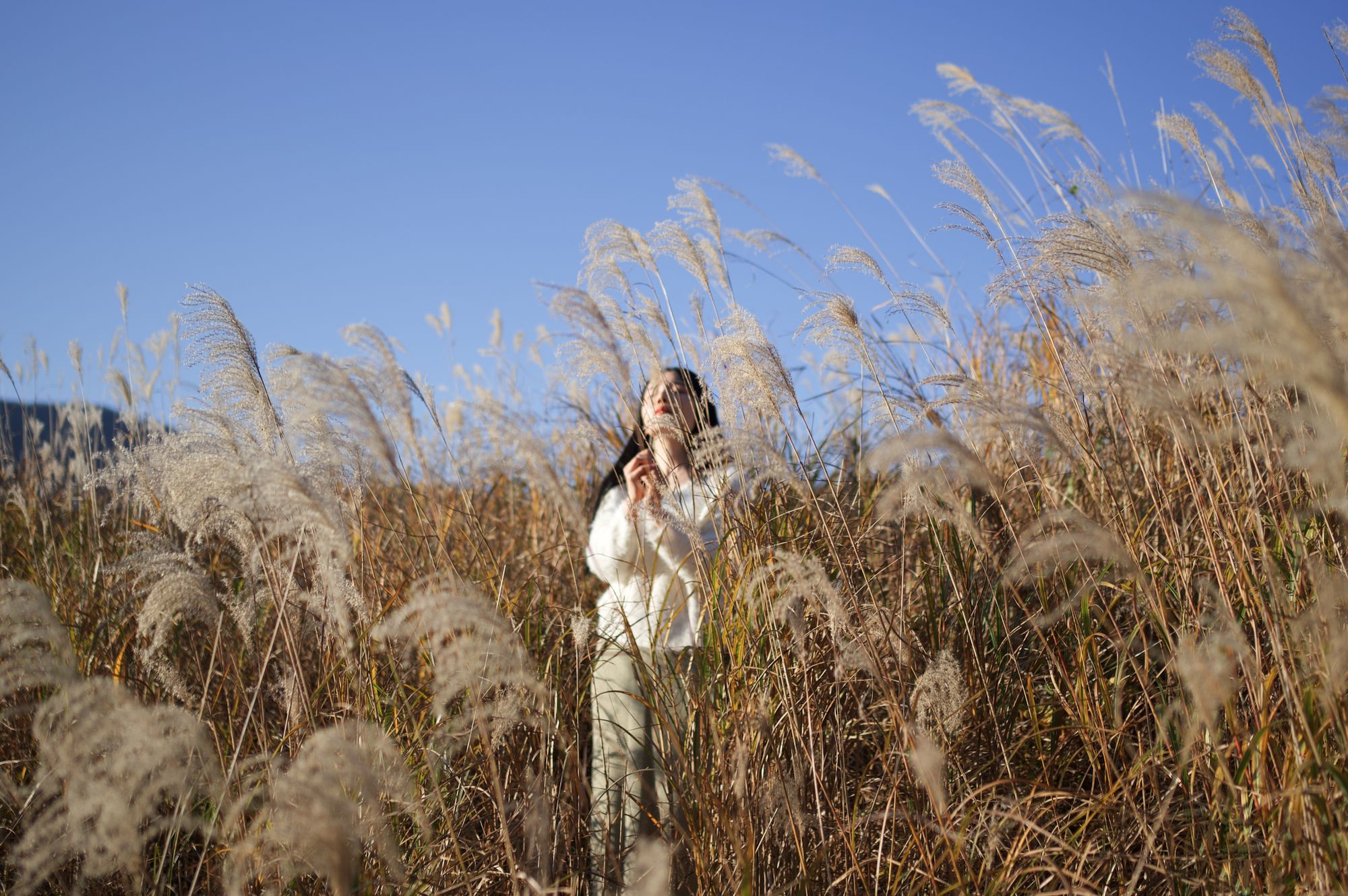
Best in autumn, when you can walk straight up the middle of a hillside of gold grass below Mount Daigatake and watch the whole slope move in the wind.
Viewpoint, Hakone. Meridian Dispatch.
From late September to early November, when the grass turns gold and sways in the wind. Through the season it moves from a green and light yellow mix to a brilliant whitish gold. That pale gold is reached by early November.
Brown. The dried slope has lost its autumn gold and stays that way until the controlled burn in mid to late March clears it for new growth.
To keep invasive plants from taking hold. In mid to late March the grass fields are burned under controlled conditions. By summer the slope is bright green again, ready to turn gold in the autumn.
By Hakone Tozan bus on the Togendai Line from Hakone-Yumoto, about 30 minutes to Sengoku-kogen, stop 252. The field is about a minute's walk from the stop. The buses are covered by the Hakone Free Pass.
Yes, entrance is free of charge. Visits are limited to daylight, from sunrise to sunset. The area has no lights, which is why there is no visiting after dark.
Only on the trail. A 700-metre trail climbs the slope through the tall grass. The field is a special preservation district, so stepping off the path into the grass is not allowed.
Yes. Warning signs near the field say wild boars are close by and can be aggressive. Keeping to the trail and giving any animal a wide berth is the safe course.
Because the land would not take crops. The volcanic ash soil and the humidity made growing grain impossible, so the village of Sengokuhara supplied pampas grass instead, the material for traditional thatched roofs.
No. The path heads uphill through the grass, and the way back down is the same path the climb came up. The Sengoku-kogen bus stop sits at its foot, so a visit ends where it began.
Sengokuhara is one of Hakone's best known autumn views: a whole hillside of susuki, the Japanese silver grass, spread across the base of Mount Daigatake. At full colour the grass moves over the slope like gold waves as far as you can see, and the tips glisten when the sun is on them.
The colour changes through the season. The grass is bright green in summer and a mix of green and light yellow around September, then reaches a whitish gold by early November. In the first weeks of autumn the gold and the green stand side by side, a contrast you only get at this point in the year.
In winter the grass turns brown and dies back. Between mid and late March the field is burned on a calm day to keep invasive plants out, which is how the hillside renews itself before the next autumn.
Crossing from the Sengoku-kogen bus stop to the entrance, you start at the bottom of the slope. A single path runs up through the tall grass, and it is the only one, so there is no wrong turn to take.
On the upper section, turn and look to your left back across the field. Near the top a small hill gives the view over to Mount Kintoki and the wetland below it.
The colour shifts from week to week, so the field you find in late September is greener than the one in early November. In late September you get the gold and green together; by November the whole slope is pale gold.
The field is at its busiest in October. On autumn weekends the car park fills, so take the bus. For photographs, come in the late afternoon, when the setting sun turns the tips gold.
Signs near the field warn of wild boar, so keep to the path and give any animal plenty of room.
Togendai, the pier for the Lake Ashi cruise, is about five minutes from the field by bus.
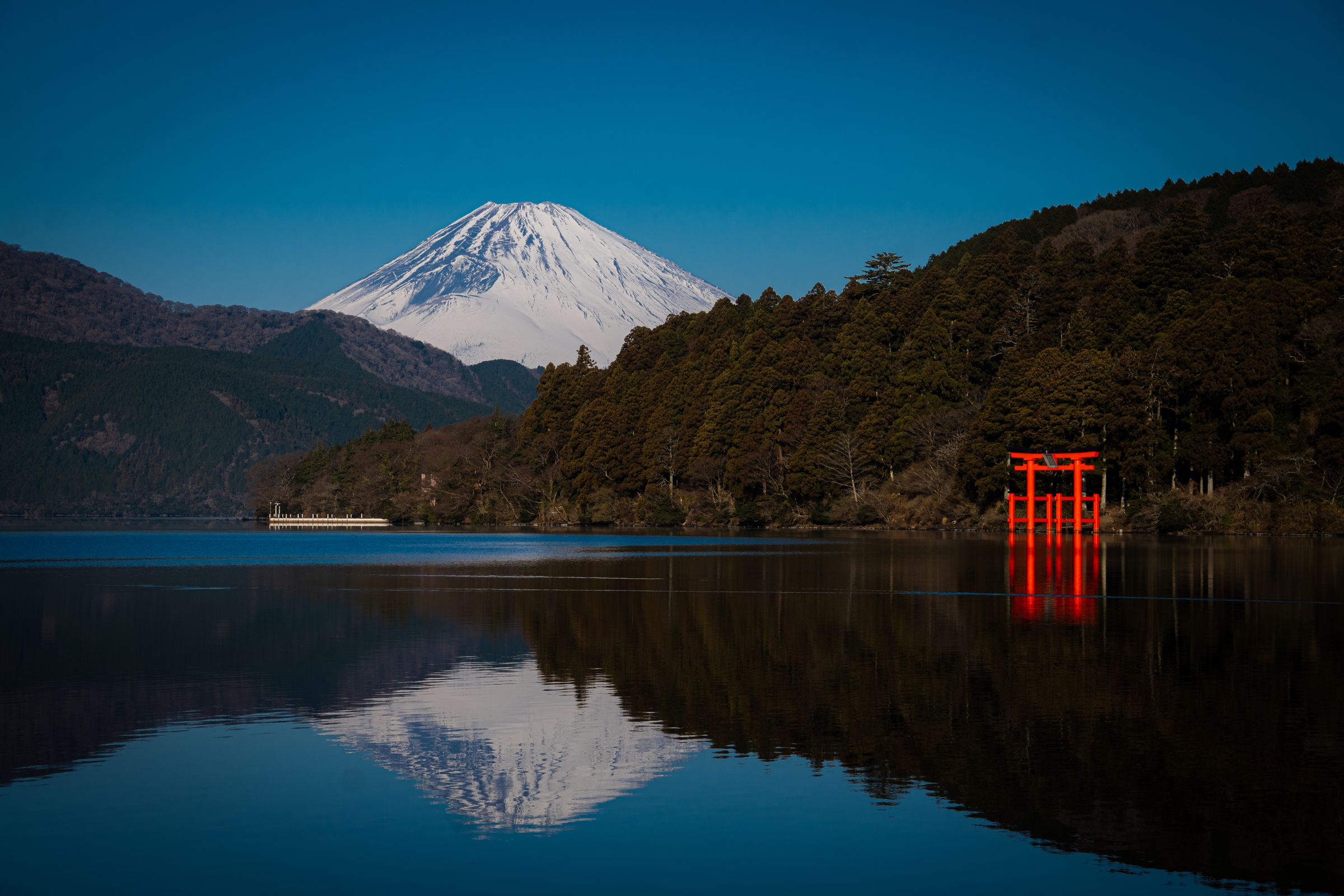
Hakone, Japan: Steam rises from the slopes of a live volcano within easy reach of Tokyo. Hakone Open-Air Museum, Lake Ashi and Onshi Hakone Park.
Read the Hakone guideExplore the rest of Hakone
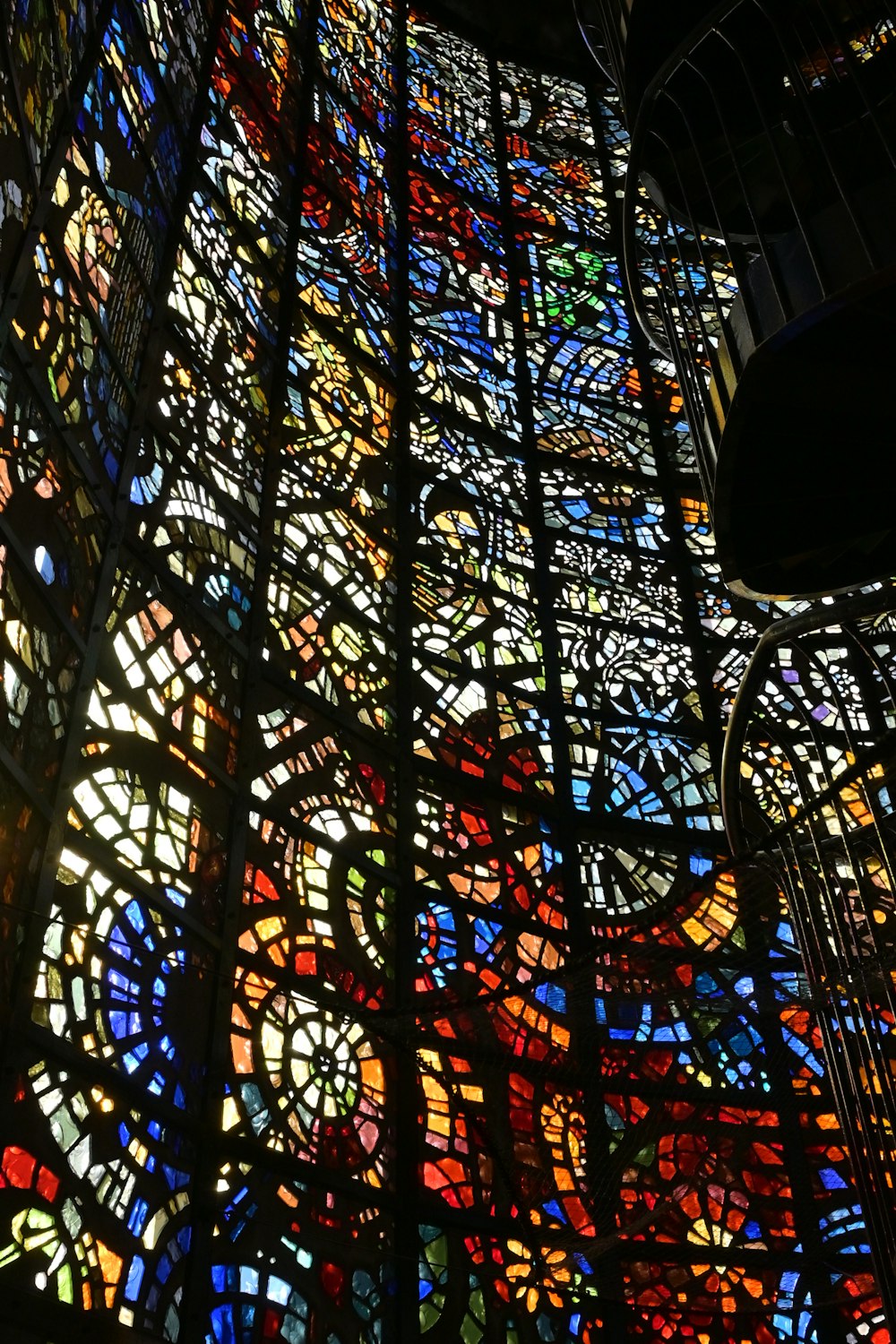
Sculpture set out across a hillside garden beside Chōkoku-no-Mori station, one stop below Gōra on the mountain railway. Barbara Hepworth's…
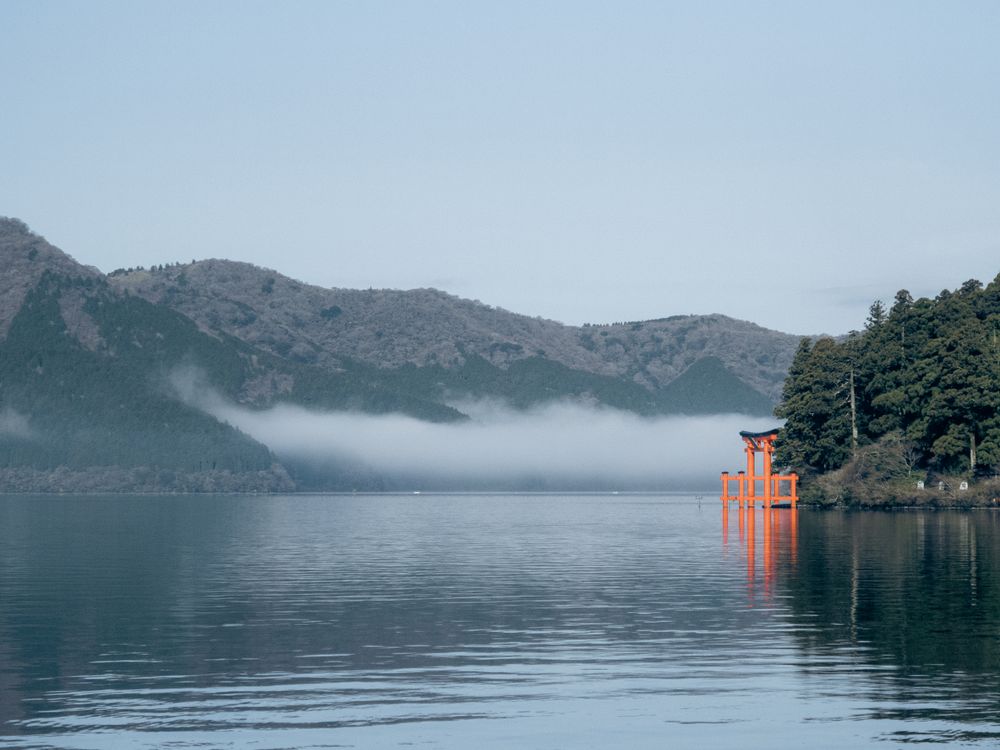
The crater lake at the top of the Hakone loop, crossed by sightseeing boats dressed as sailing warships between Tōgendai in the north and…
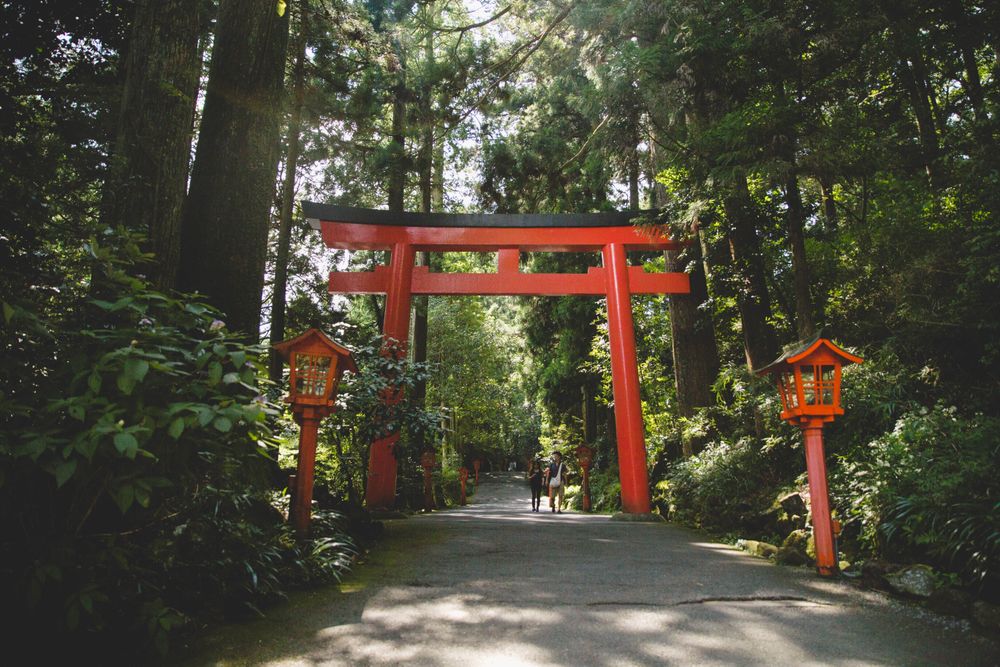
A shrine in old cedar forest on the shore of Lake Ashi at Moto-Hakone, where stone steps climb to the main prayer hall. Its red Torii of…
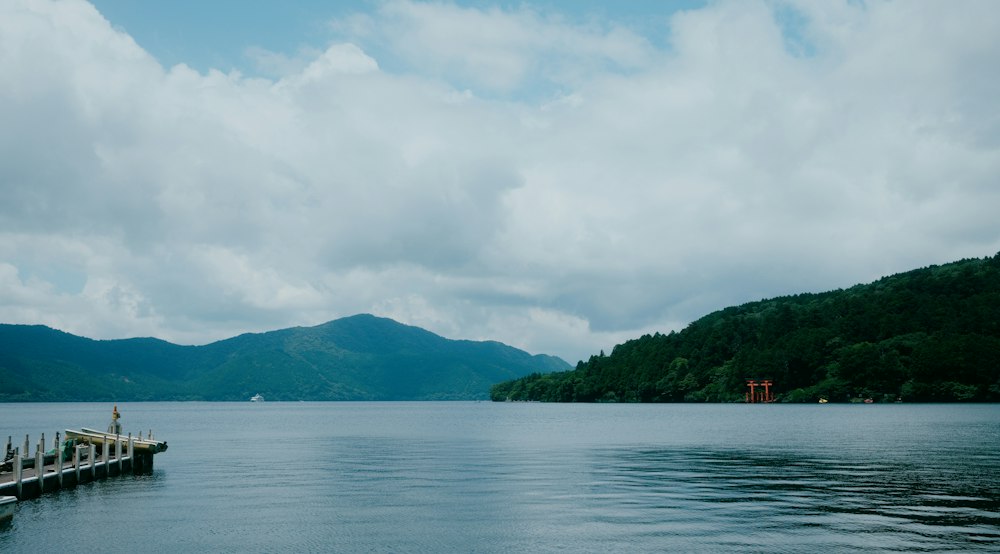
A former imperial summer palace site on Lake Ashi at Moto-Hakone, now a free public park. Paths wind through a Japanese garden to the…
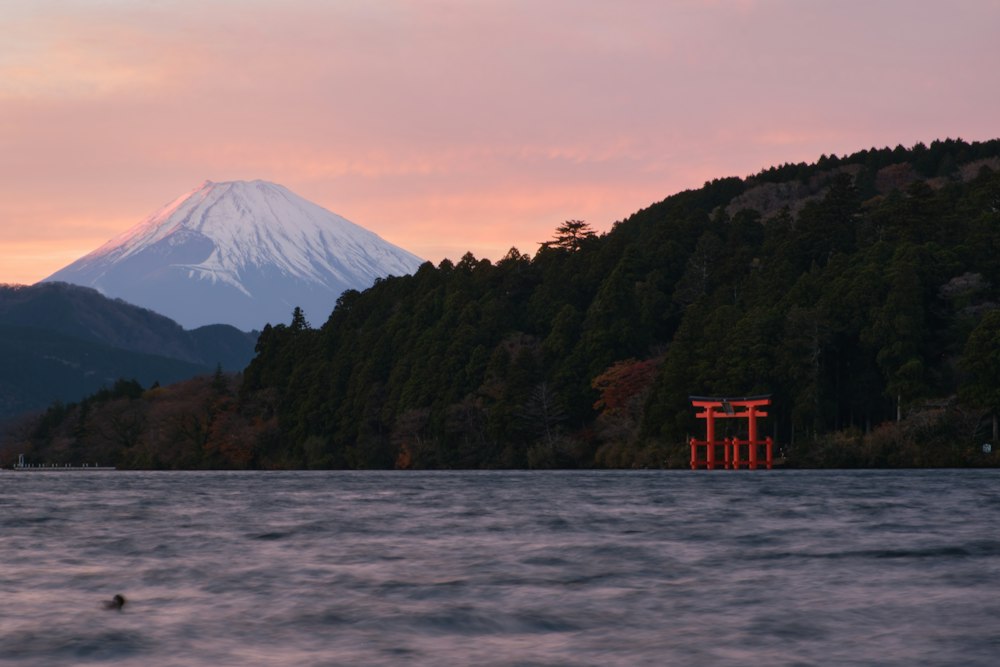
The lakeside village at the southern end of Lake Ashi, beside the Hakone-machi boat pier, where the rebuilt Hakone checkpoint stands on the…
A low museum sunk into beech forest in Sengokuhara, kept below the tree line, holding a private collection that runs from Monet and Picasso…
A gondola line from Sōunzan over the steaming slopes of Ōwakudani and down to Tōgendai on Lake Ashi, about half an hour end to end. Cabins…
A small museum of Japanese ceramics a few minutes on foot above Gōra Park, set in a hillside garden of moss and maples. The moss garden,…




Save Sengokuhara Pampas Grass Field to your Japan trip in the Meridian Dispatch app and build the day around it, with the best of Hakone pinned on one map.
Download on the App StoreThe official pages this guide was checked against.
Last updated