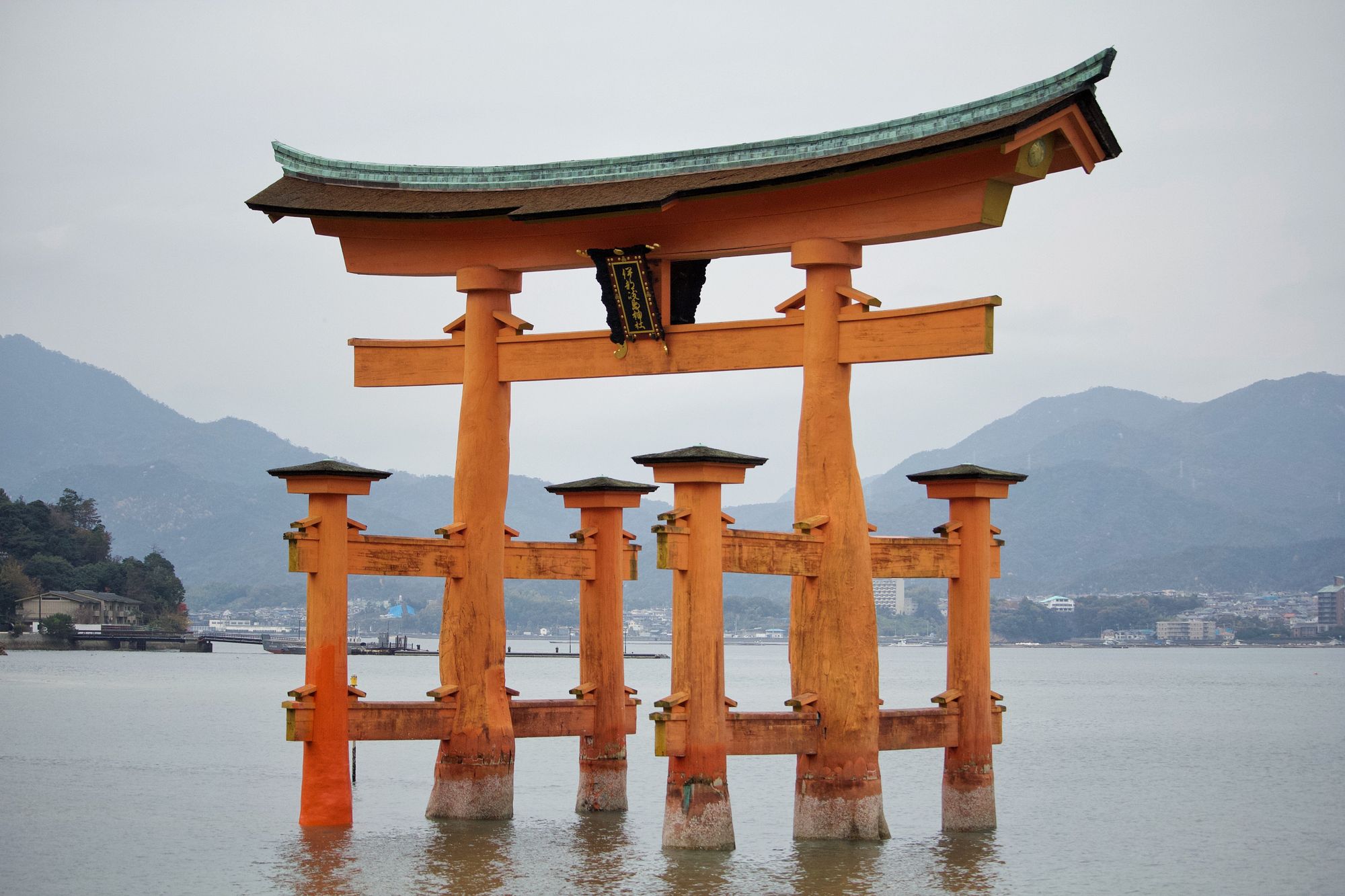
Best seen twice in one day: at high water the shrine's corridors and its vermilion gate seem to stand on the sea, and hours later you can walk out across the drained bay to the gate.
Temple, Hiroshima. Meridian Dispatch.
Take the JR Sanyo Line to Miyajimaguchi Station, a 25-minute ride. Two ferry companies make the 10-minute crossing to Miyajima, and from the island pier the shrine is about a 15-minute walk.
Adults pay an admission fee to enter the main corridors. Separately, every visitor of school age and up pays a visitor tax, which is added to the ferry fare at the ticket machine or the IC card gate.
When the tide rises above 250 cm, the halls and the great torii appear to float on the water. The walk out across the sand to the gate opens only when the tide falls below 100 cm, and the cycle repeats roughly every six hours. The Miyajima Tourist Association publishes a tide table for each month.
A half-day of four to five hours covers the ferry, the shrine and the great gate. A full day of seven to eight hours is recommended for anyone who also wants to hike Mount Misen.
Yes. The great gate and the shrine corridors are lit every night after sunset. Visitors who stay overnight on Miyajima see the lit gate after the last ferries have left.
No. Feeding is prohibited across the whole island. The animals are wild, can bite and kick, and food and paper are best kept in zipped compartments.
Yes, in Hiroshima Prefecture, though not in Hiroshima city. The shrine's address is Miyajima-cho in the city of Hatsukaichi, on the island of Miyajima, which lies a short ferry crossing from Miyajimaguchi on the mainland.
No. The restoration of the great torii is finished, so the gate stands clear in the bay. Work continues elsewhere on the island: restorers are at work on the shrine's five-storey pagoda until 20 November 2027.
The official site of Itsukushima Shrine is itsukushimajinja.jp.
itsukushimajinja.jp →At high water the bay fills in around the shrine, and from the shore its buildings and walkways look as if they float on the sea. That is the picture that made it famous. The shrine is a national treasure, and a World Heritage Site.
The great gate stands out in the bay, and it is much larger close up than it looks from the shore. At low water the sea pulls back several hundred metres, and you can cross the seabed to stand beneath it. That walk to its base is the best part of the day, and it gives the best photographs.
Watch for the first view before you land: stand on the ferry's outdoor deck as the boat comes in, and the shrine appears along the shore.
Checking the tide table comes before choosing a ferry, because not every low tide drains far enough to walk out to the gate. The Miyajima Tourist Association publishes the table each month, and the island's tide should come slightly earlier than the times printed for Hiroshima.
High and low water come about six hours apart, so a long day catches both. Walk the corridors on the high tide, then come back down to the shore for the low. Wear shoes you can get wet for the walk to the gate.
Between the two, there is time for Mount Misen. Walk up through Momijidani Park to the ropeway station; the two-stage ride looks out over the Seto Inland Sea and the island's old forest. If you are staying in Hiroshima, check the last ferry back before you start up the mountain.
Stay the night on the island if you can. Once the last ferries take the day visitors back, the waterfront goes quiet, and after sunset the gate and the corridors are lit.
The island's wild herd goes for open bags, maps and ferry tickets, so zip food and paper away as soon as you land. The animals can bite and kick; with no food in sight they are calm enough to stand beside for a photograph.
The upper ropeway station is not the summit: the top of Mount Misen is about thirty minutes further along a walking path.
The island has far fewer rooms than Hiroshima, so book early if you want that night there.
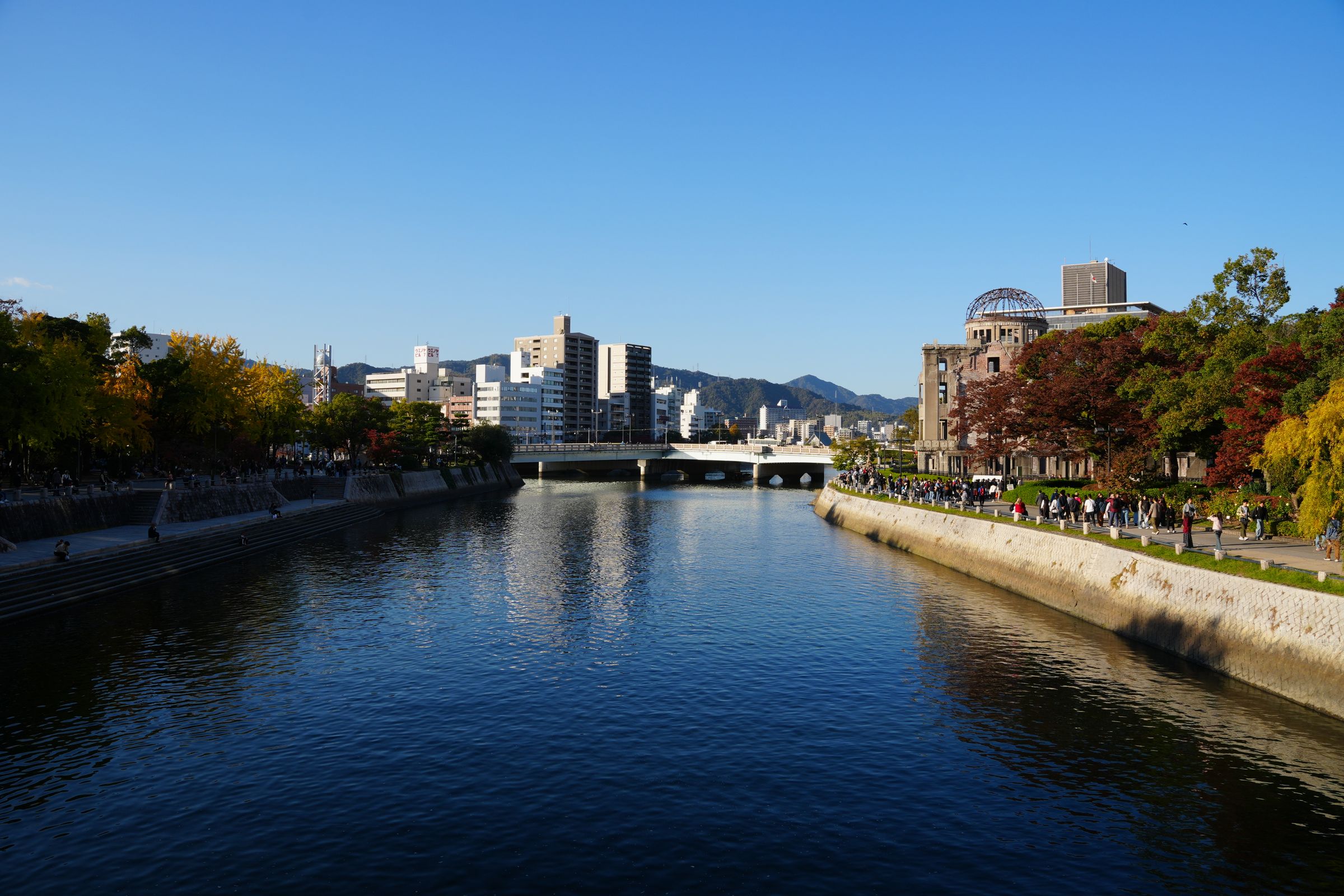
Hiroshima, Japan: a flat city of trams and six river channels, easy on foot. Atomic Bomb Dome, Daisho-in and Hiroshima Castle.
Read the Hiroshima guideExplore the rest of Hiroshima
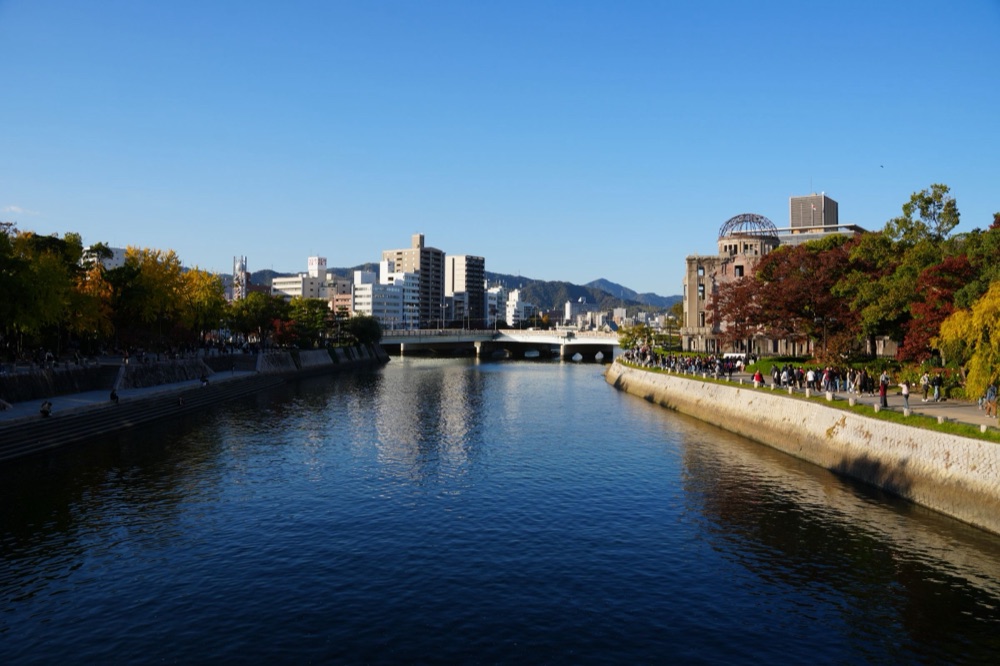
A flat city of trams and six river channels, easy on foot, with the Peace Park and its museum at the centre and the shrine island of…
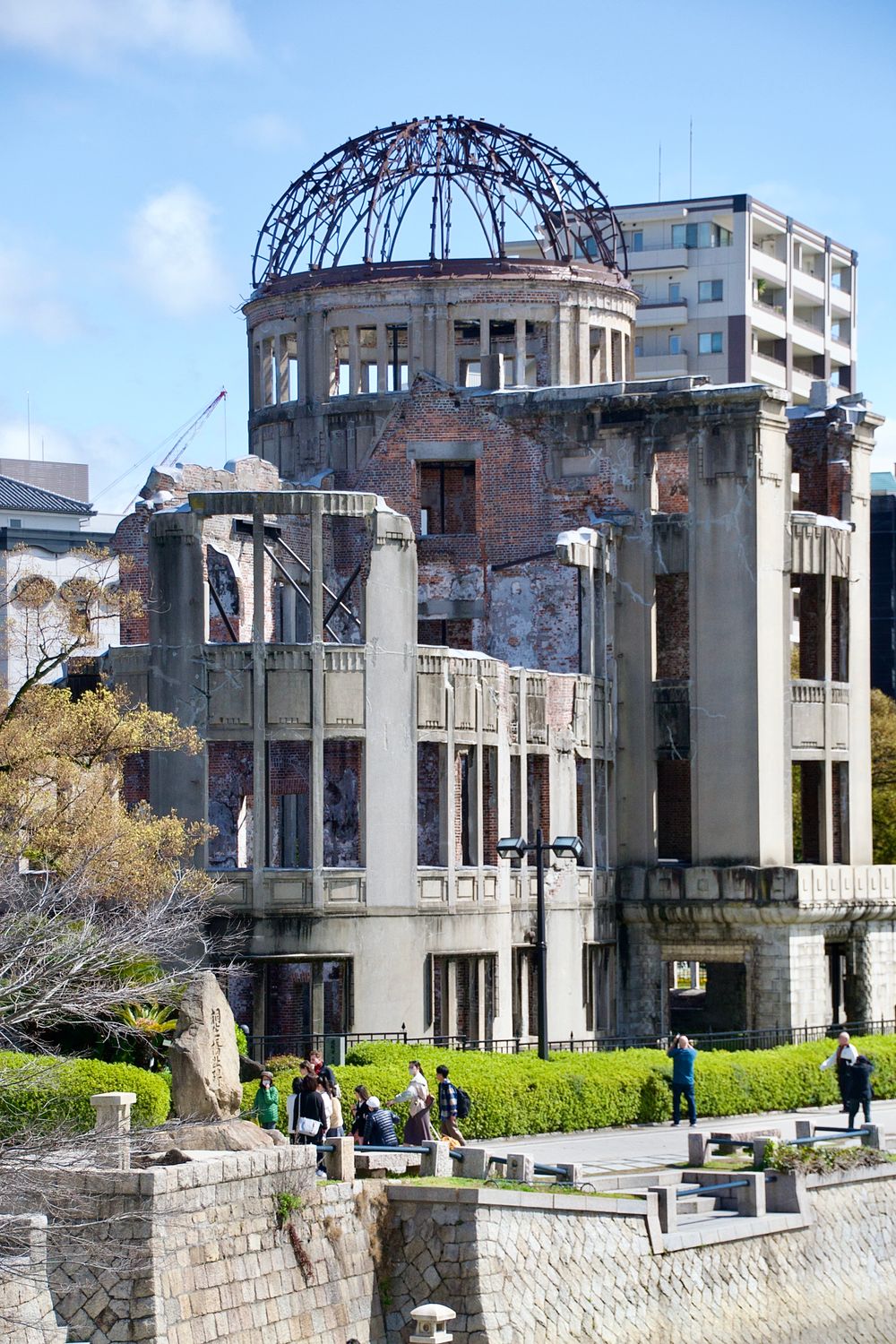
The bare steel ribs of a domed exhibition hall stand on the riverbank opposite the Peace Park, kept as a ruin since the bomb. There is no…
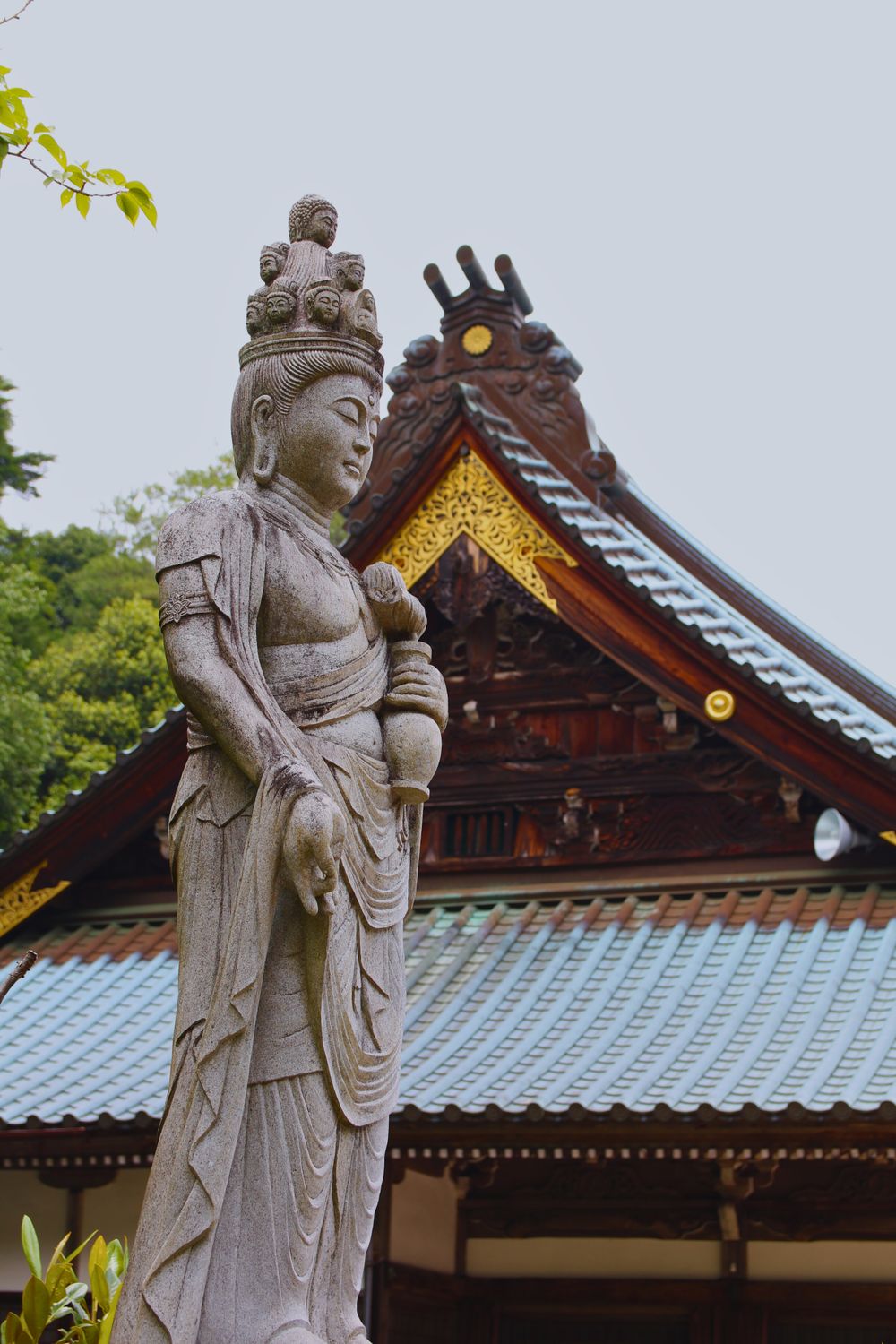
A temple on the slope above Miyajima's village, quieter than the shrine below and reached by stone steps lined with small statues in…
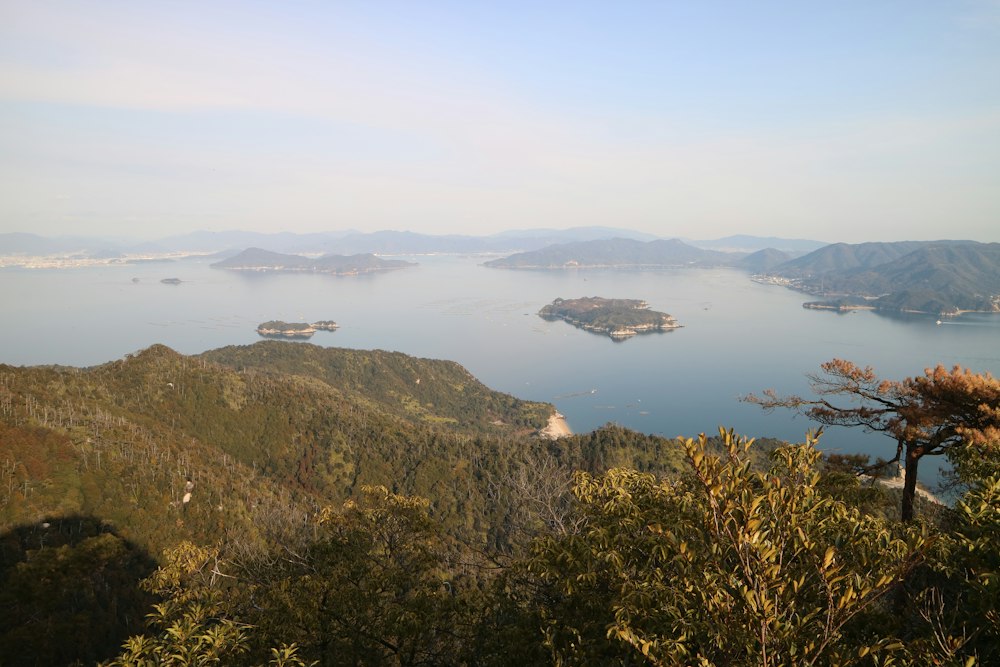
Miyajima's summit is a scatter of boulders with a view across the islands of the Inland Sea. A two-stage ropeway does most of the climb and…
The main building tells the story of the bombing through the belongings of named victims: a scorched tricycle, a child's lunchbox, a watch…
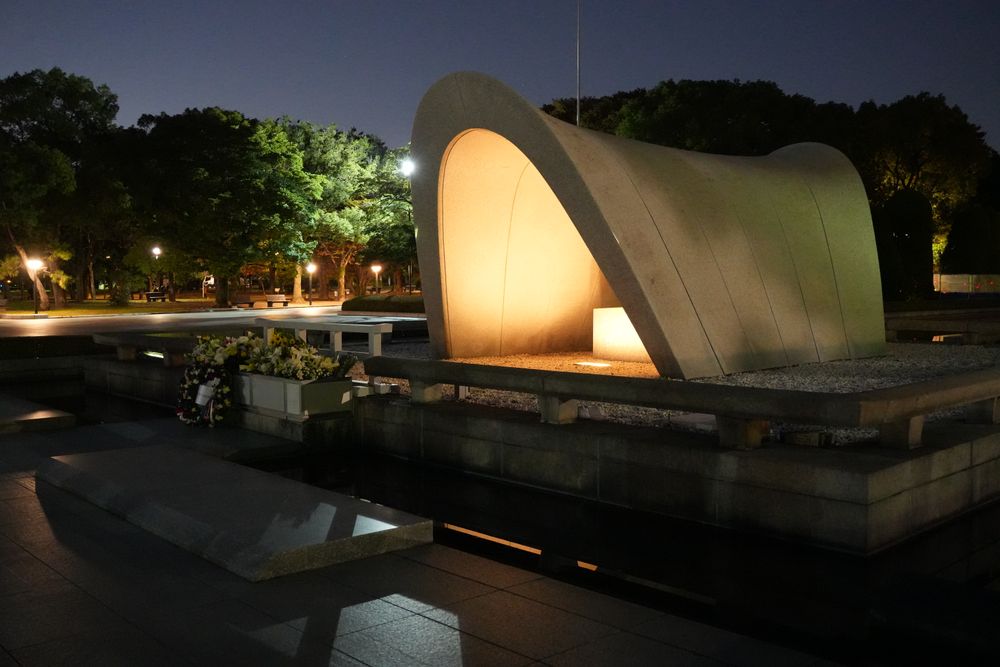
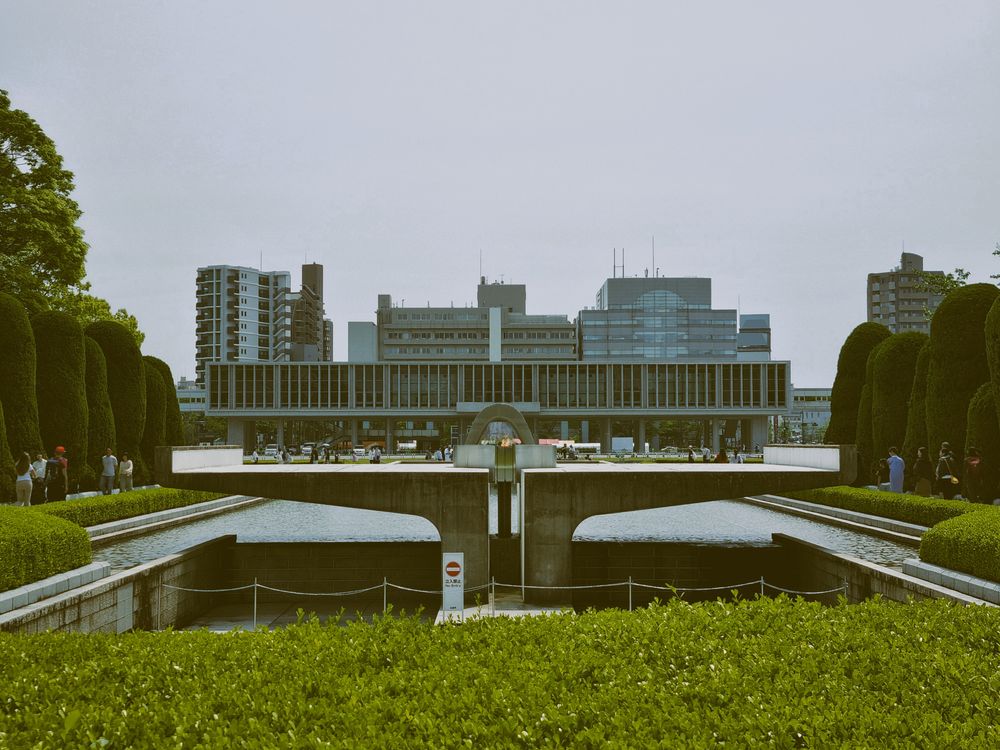
The park fills a river island in the centre, and a walk through it is the heart of a Hiroshima visit. Stand on the museum side of the…
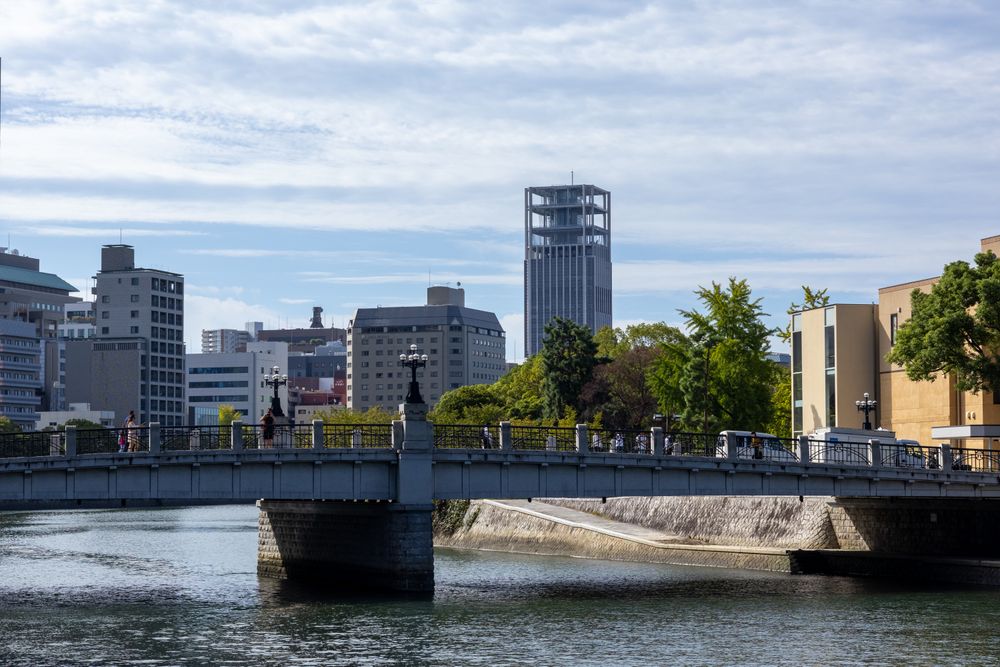
The open rooftop deck of this office tower looks straight down on the Atomic Bomb Dome and across the Peace Park to the hills behind the…
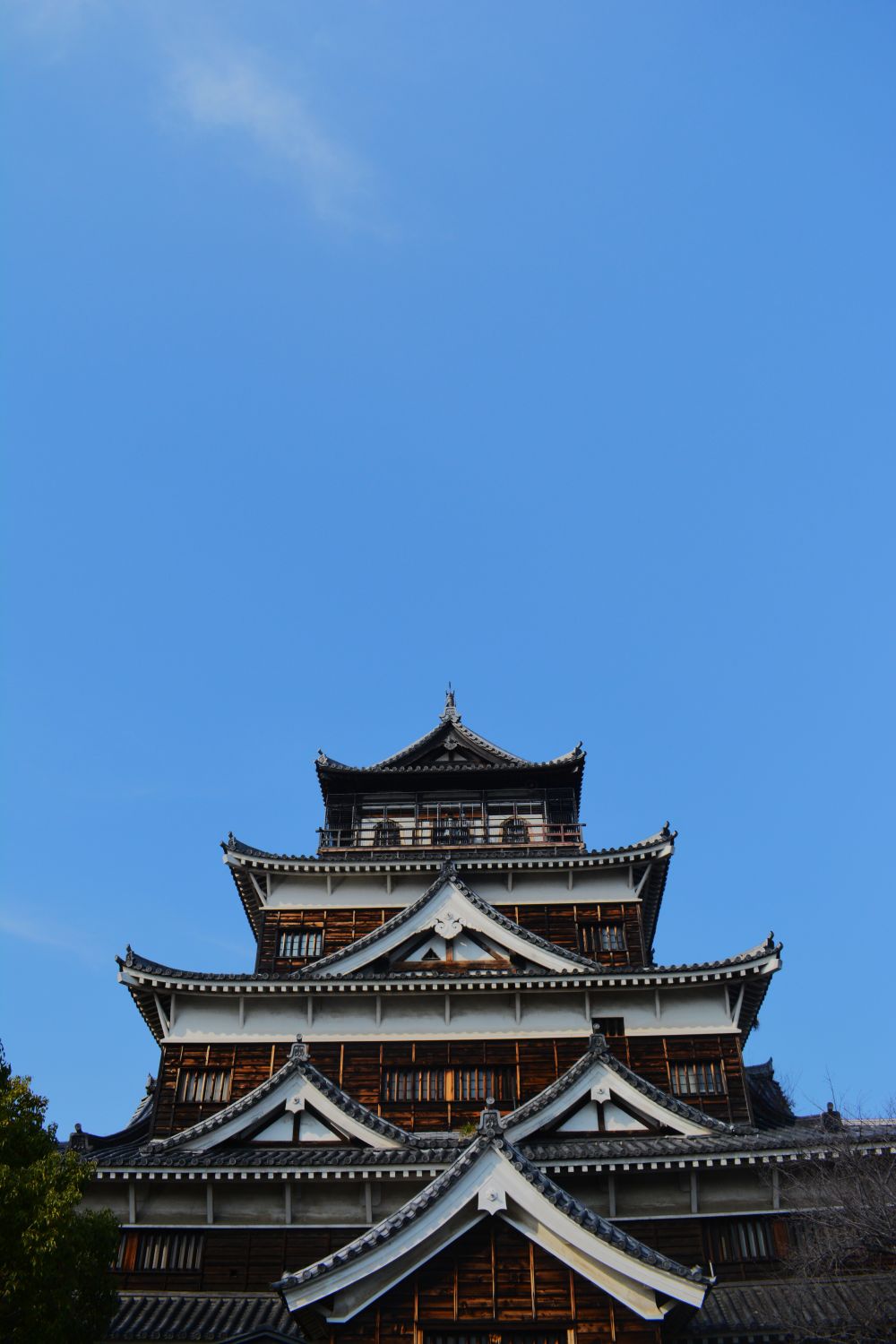
The concrete keep closed permanently in March 2026: it still stands in the open Honmaru grounds and the walk up to it is free, but there is…




Save Itsukushima Shrine to your Japan trip in the Meridian Dispatch app and build the day around it, with the best of Hiroshima pinned on one map.
Download on the App StoreLast updated