Things to do
5-
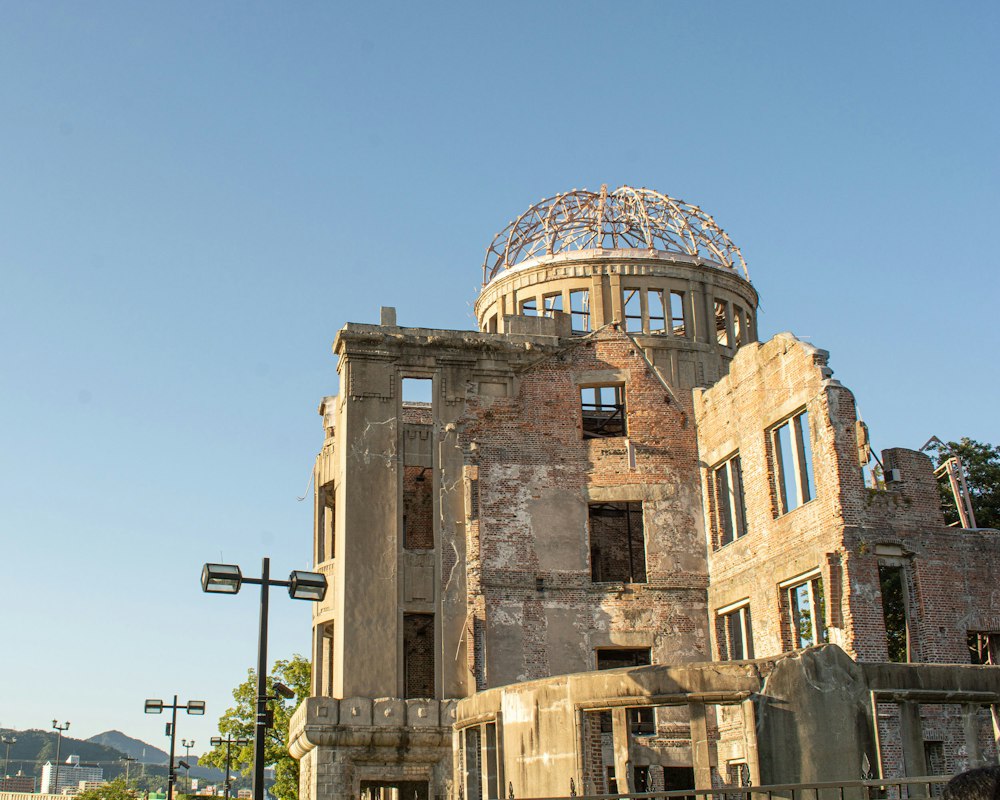
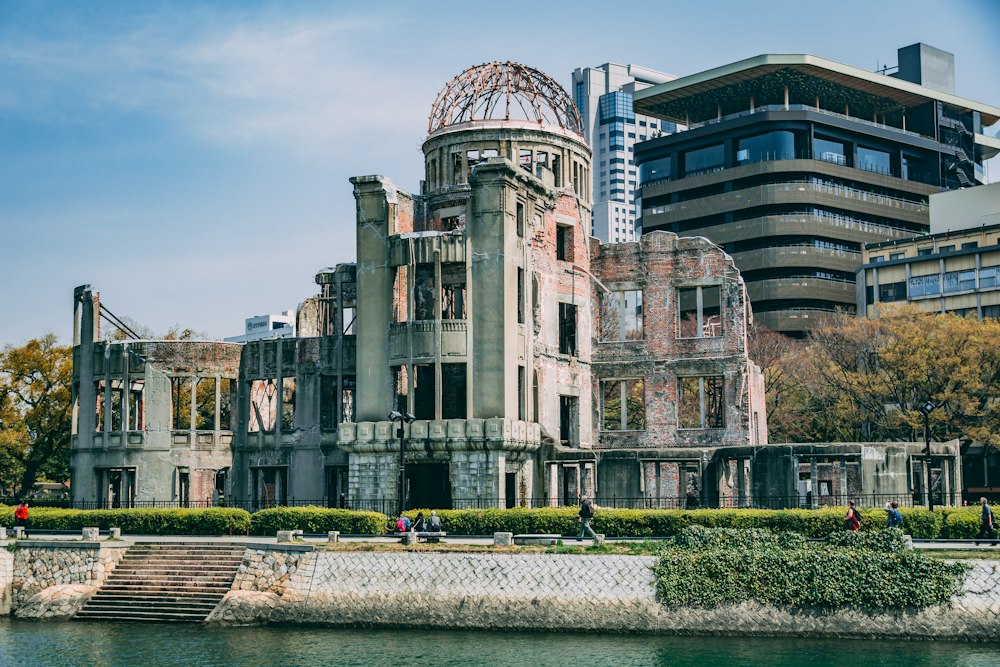
Atomic Bomb Dome
A Czech architect designed this exhibition hall in 1915. The bomb burst almost directly above it, about six hundred metres up, and because the force came straight down the walls and the steel ribs of the dome stayed standing, though nobody in the building survived. The ruin has been kept exactly as it was found and listed by UNESCO. It is floodlit at night, across the river from the park.
-
Hiroshima Peace Memorial Museum
Opened in 1955 and rebuilt inside in 2019 around individual victims: a scorched tricycle, a lunchbox of carbonised rice, a watch stopped at the minute of the blast, each with a name and a photograph. The account is restrained and hard to get through. Allow two hours and leave time afterwards. Entry at busy periods is by timed reservation, made online.
-
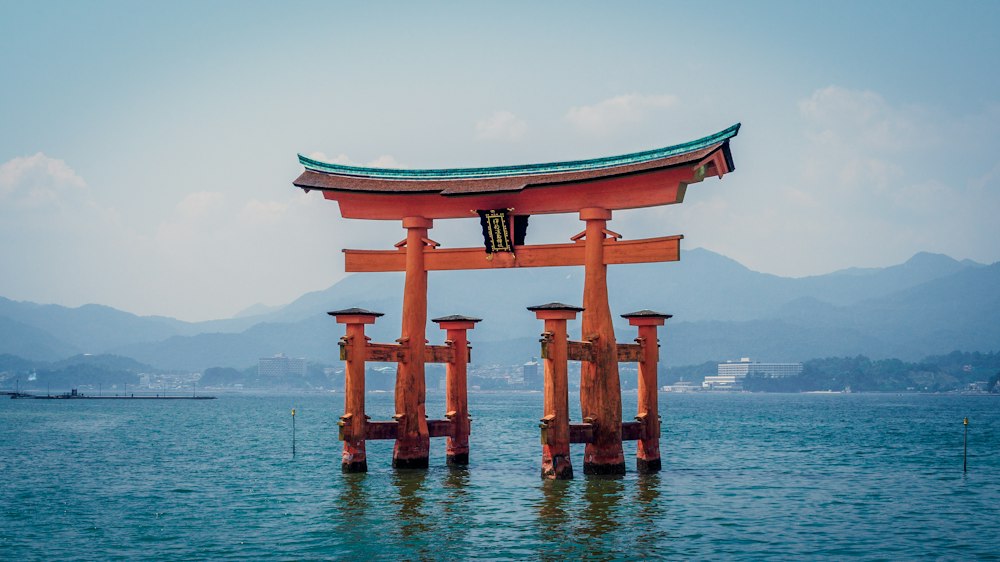
Itsukushima Shrine
A shrine on stilts over a tidal inlet on the island of Miyajima, with a camphor-wood gate sixteen metres tall that stands offshore held down by its own weight alone. At high water both appear to float. At low tide visitors walk out across the sand to its base. Check a tide table before setting out. The ferry from Miyajimaguchi crosses in ten minutes.
-
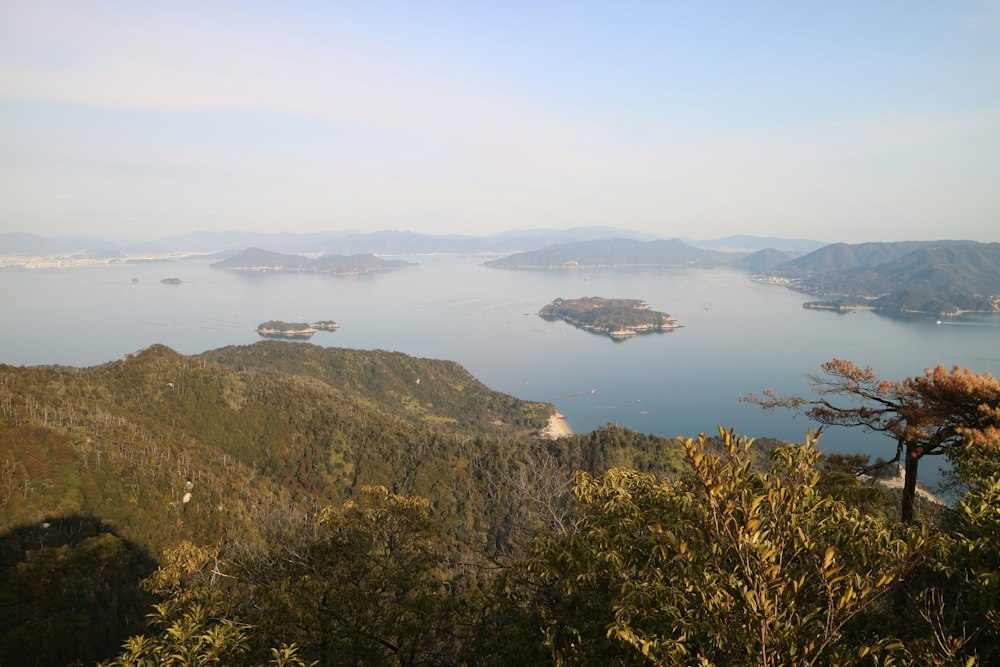
Mount Misen
Miyajima's summit, 535 metres above the shrine, with a boulder-strewn top and a view across the islands of the Inland Sea. A two-stage ropeway covers most of the height and leaves a half-hour walk. Three trails climb from the village in under two hours through primeval forest. Near the top a temple hall keeps a fire said to have burned for twelve centuries.
-
Shukkei-en
A feudal lord's garden laid out in 1620, its name meaning shrunken scenery: valleys, mountains and forests in miniature around a pond crossed by a steep stone bridge. The blast flattened it and survivors sheltered and died here. It was replanted and reopened in 1951. A few scorched trees that lived through the bombing are marked. Hiroshima station is ten minutes away on foot.