
Walk the main street of Kanazawa's largest teahouse quarter, where the wooden fronts still hide working ochaya, then go upstairs in one that opens its guest rooms to visitors.
Quarter, Kanazawa. Meridian Dispatch.
Yes. The street has no admission fee and no set opening hours. The two teahouses open to visitors may charge separately for a look inside, and Shima charges extra for its tea and sweets.
As of November 2026, Shima opens every day of the year, from 9:30 to 17:30 between March and November and from 9:30 to 17:00 between December and February. A look round its rooms takes about 15 minutes. Kaikaro opens 10:00 to 17:00 and closes on irregular days.
Yes, on set dates. The Kanazawa City Tourism Association stages a performance show in the city's three teahouse districts on designated Saturdays. The teahouse with the vermilion stairs also holds an occasional guest-room session with its entertainers in attendance.
The Kanazawa Loop Bus, the Hokutetsu local bus and the West JR bus all stop at Hashiba-cho, about 7 minutes from the station, and the district is a 5-minute walk from there. The stop sits in a different spot on each route, so head for Asanogawa Ohashi Bridge if the bus sets down further away. On foot, the station is about 2 km and 30 minutes away.
Yes. Five ochaya still operate in the district, with more than a dozen geisha working from them. Their evening parties happen indoors, out of sight of the street, and the district keeps its rule of no first-time guests without an introduction.
Kanazawa has three chaya districts, all created in 1820. Higashi Chaya lies east of the Asano River. Kazue-machi lies along the river bank and is smaller, and Nishi Chaya, south of the Sai River near the Ninja Temple, is quieter and more residential.
What you see is a street of two-storey wooden houses, each with a fine red-lacquered lattice across the ground floor, called kimusuko, and guest rooms on the floor above. In the Edo period only teahouses were allowed a second storey, which is why this row stands taller than the townhouses of its time.
Two interiors show what the fronts hide. Shima, a national Important Cultural Asset, keeps its upstairs guest rooms round a small courtyard where green tea and sweets are served.
Kaikaro, a refurbished teahouse, has vermilion-lacquered stairs, sliding doors painted by a contemporary artist and a tearoom whose tatami is woven with gold, and it serves tea round a sunken hearth.
Asanogawa Ohashi Bridge, on the river at the district's edge, is where a walking loop of the district starts and ends. Walk up to Hiromi, the small square with the view straight down the main street, then along the main street to Utasu Jinja, the shrine on the loop.
Craft shops, cafés and sweet shops fill the old townhouses along the way, and the side alleys hold more. From the shrine, come back by Kannon-machi Street to the bridge.
At Hakuza, a gold-leaf shop, walk through the main store and out of the back to an old storehouse coated in gold and platinum foil.
To finish, cross the river to Kazue-machi, the smaller teahouse district on the far bank, and walk down the slope of Akari-zaka.
Stay on the public lanes: doorways, service passages and courtyards belong to homes and businesses unless one clearly invites you in. Ask before you photograph anyone, and keep the camera down where a teahouse or shop has a no-photography sign.
In the evening you may hear shamisen and drums from the working teahouses, where the evening's parties take place. A restored townhouse that was once a pawnshop is a free rest house with volunteer guides, who speak Japanese only.
Some casual bars and izakaya sit in former teahouses and take walk-in guests. Kenroku-en is about 20 minutes away on foot, so the two pair easily.
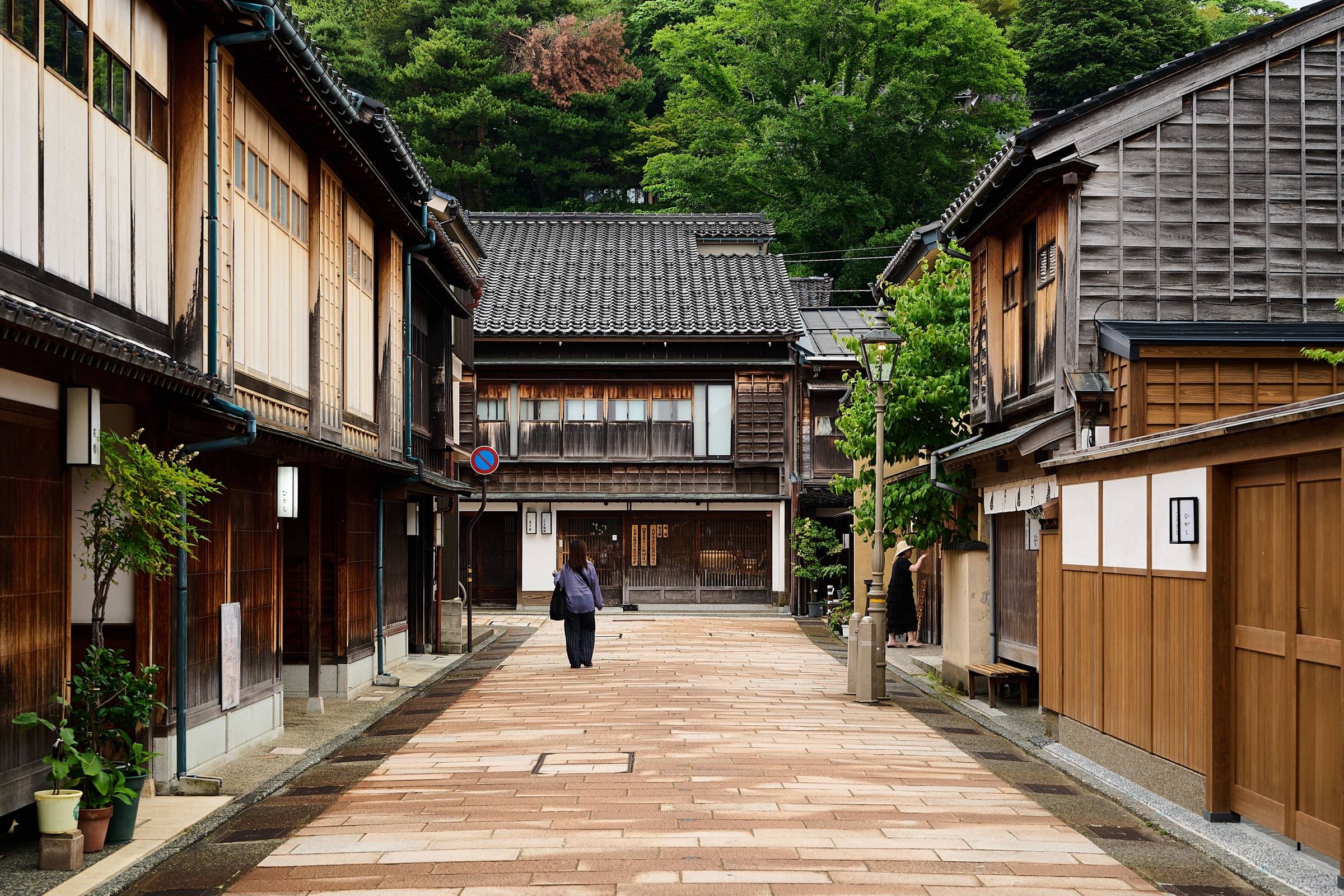
Kanazawa, Japan: Samurai lanes, a temple quarter and three wooden teahouse streets still stand around the castle park. Higashi Chaya District.
Read the Kanazawa guideExplore the rest of Kanazawa
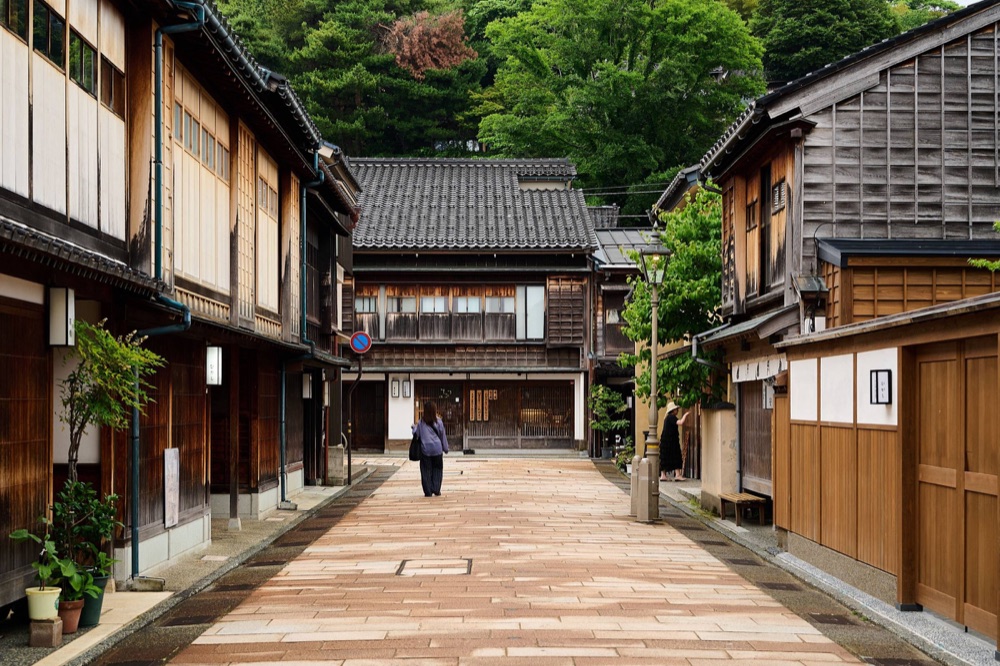
Samurai lanes, a temple quarter and three wooden teahouse streets still stand around the castle park. Kenroku-en, beside the castle park,…
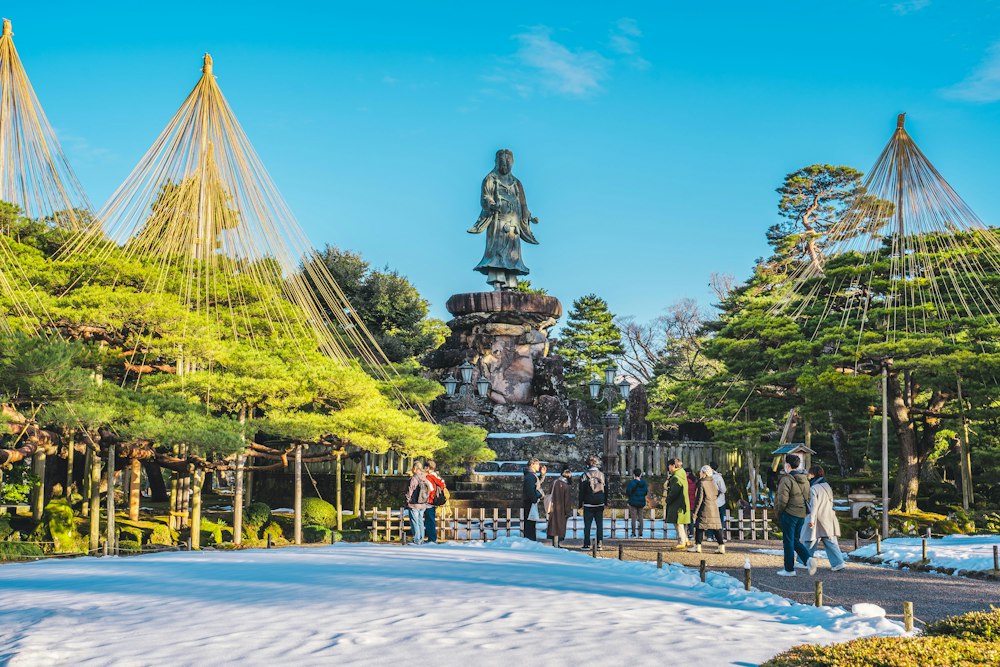

A strolling garden of ponds, hills and teahouses beside Kanazawa Castle Park, with the two-legged Kotoji stone lantern on its largest pond…
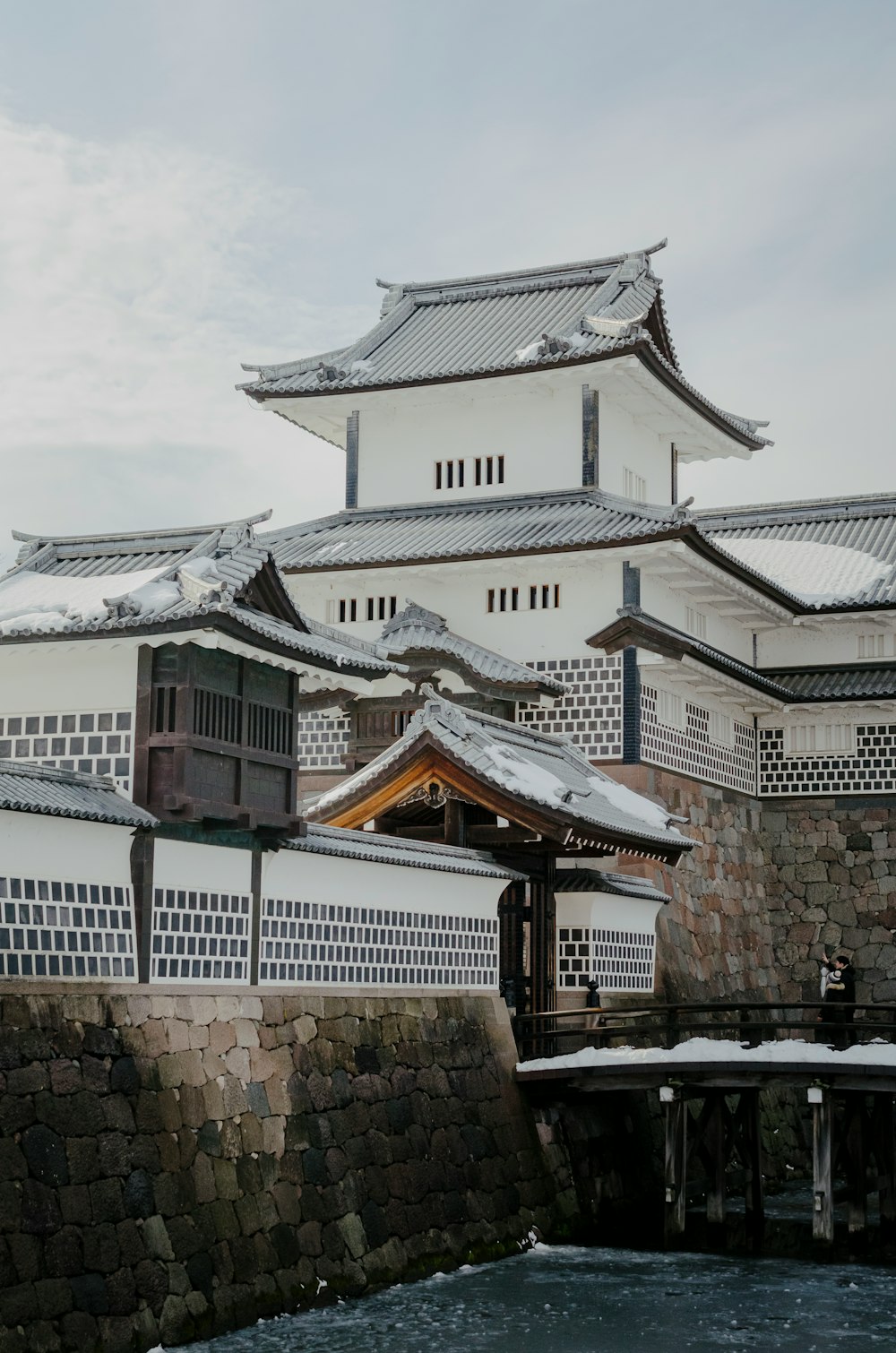
The castle park is free to walk, and only the rebuilt turrets and long storehouse at its centre take a ticket. Look closely at the walls:…
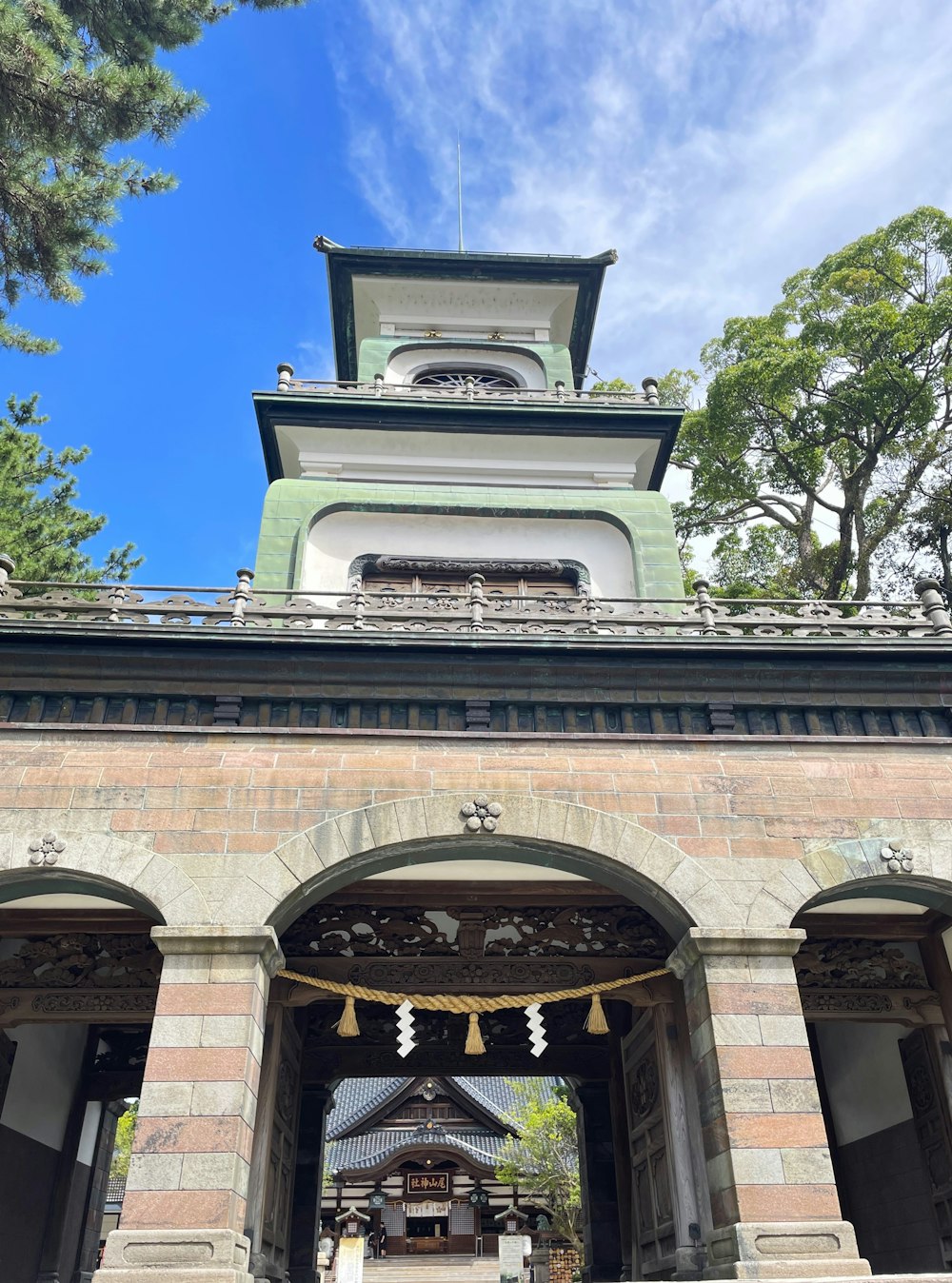
After dark the tall gate at the top of the steps is lit and the stained glass in its upper storey glows. The gate mixes Japanese, Chinese…
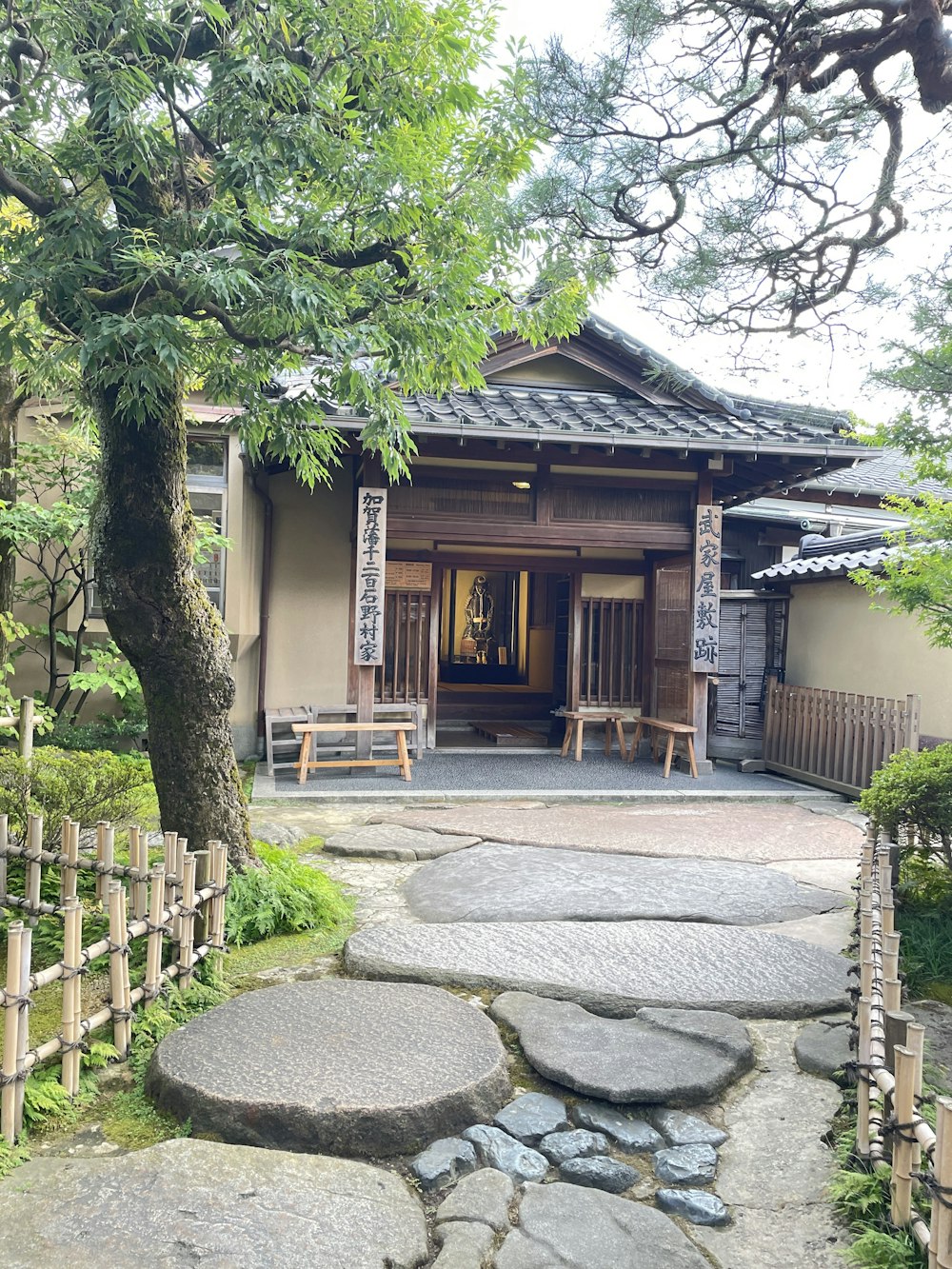
Nomura house is the best known of the Nagamachi samurai homes open inside, and a separate ticket covers it. Its rooms have coffered…
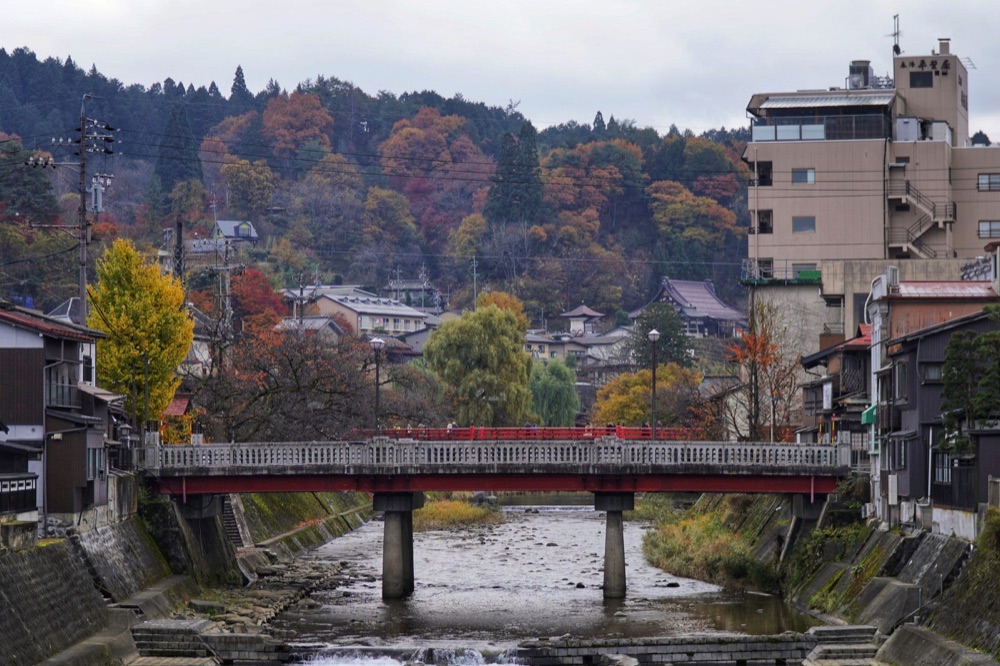
Come for the mornings: two markets set up by seven in summer, and the dark timber lanes of Sanmachi stay empty until the tour coaches…
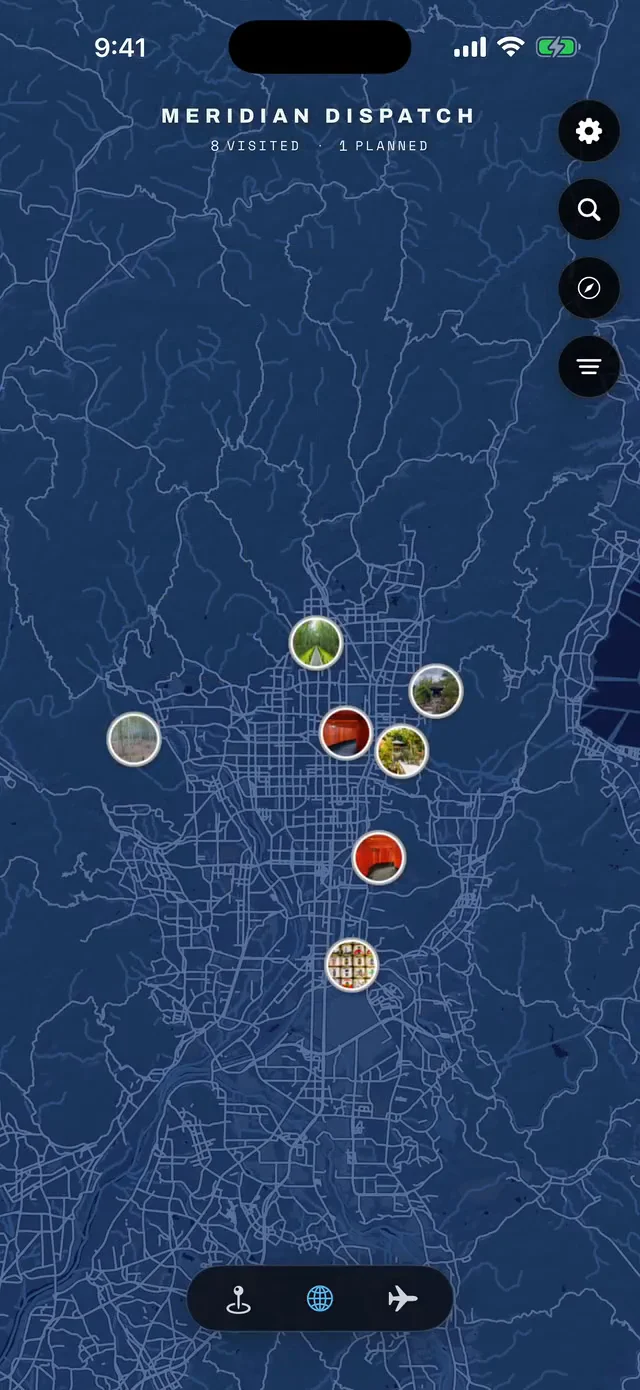


Save Higashi Chaya District to your Japan trip in the Meridian Dispatch app and build the day around it, with the best of Kanazawa pinned on one map.
Download on the App StoreLast updated