 Submit a photo
Ninety seconds on Kasuga-taisha
Kasuga-taisha's lanterns run the whole way in: stone ones stand along the forest path you walk to the shrine, and bronze ones hang the length of the vermilion cloister around its main halls.
The shrine counts 3,000 donated lanterns, and many of the bronze ones were given by local residents. Close to the halls, the bronze lanterns hang near the eaves, so you see them at arm's length once you reach the buildings.
The cloister runs round nearly all four sides of the central shrine, painted vermilion like the halls inside it. The buildings are renewed every 20 years in the Shikinen Zotai ceremony, which is why the vermilion looks so fresh.
Fujinami-no-ya Hall houses many hanging lanterns that are lit, a glimpse of the festival nights on an ordinary day. On the August lantern nights, visitors are encouraged to make a wish as they pass.
Kasuga-taisha heads a network of auxiliary shrines across Japan, and it shares a joint UNESCO World Heritage listing.
Walk the Approach Way first, the forest path between the stone lanterns, which leads east to the Main Sanctuary. The approach and the outer grounds are free and open every day from early morning, closing a little earlier from November to February.
To walk inside the cloister, buy the Main Sanctuary special worship ticket, on sale until 16:00. The route takes you along the inner side of the cloister, under the hanging lanterns.
Two more ticketed stops sit in the grounds, the Kasugataisha Museum and the Manyou Botanical Garden, each with its own ticket. You can pair the shrine with Todaiji by walking through Nara Park between them.
On the Mantoro nights, at Setsubun in early February and on two evenings in mid August, every lantern is lit. The shrine sets each hour; recently it has been about 18:00 in February and 19:00 in August, with the gates closing two and a half hours later.
The lighting draws crowds, so come as the lanterns are lit and walk the approach slowly as the light fades.
A guide is a choice here, not a requirement. If you want the shrine explained, Nara SGG Club, authorised by the Japan National Tourism Organization, runs free daily walking tours for foreign visitors with local volunteer guides.
Dress as you would for a working place of worship, and on a February lantern night add warm layers, since the lighting runs after dark.
Pets, drones and smoking are banned in the precincts. If you plan to film, check the photography rules on the shrine's website first.
Explore the rest of Nara
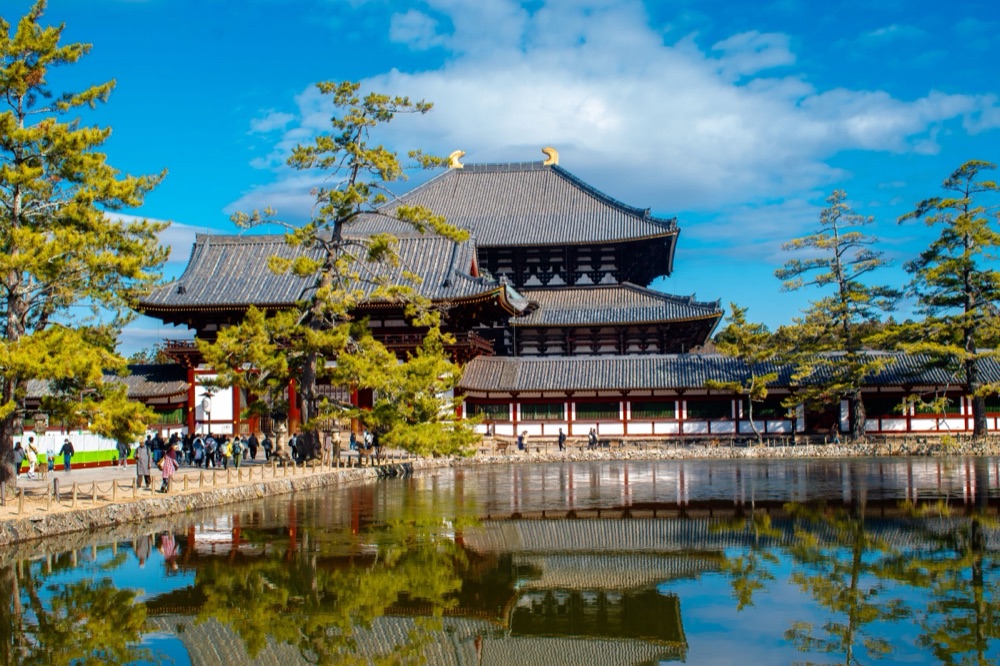
Eight World Heritage monuments stand within a walk or a short bus ride of one station, half of them in a park grazed by sika deer. The…
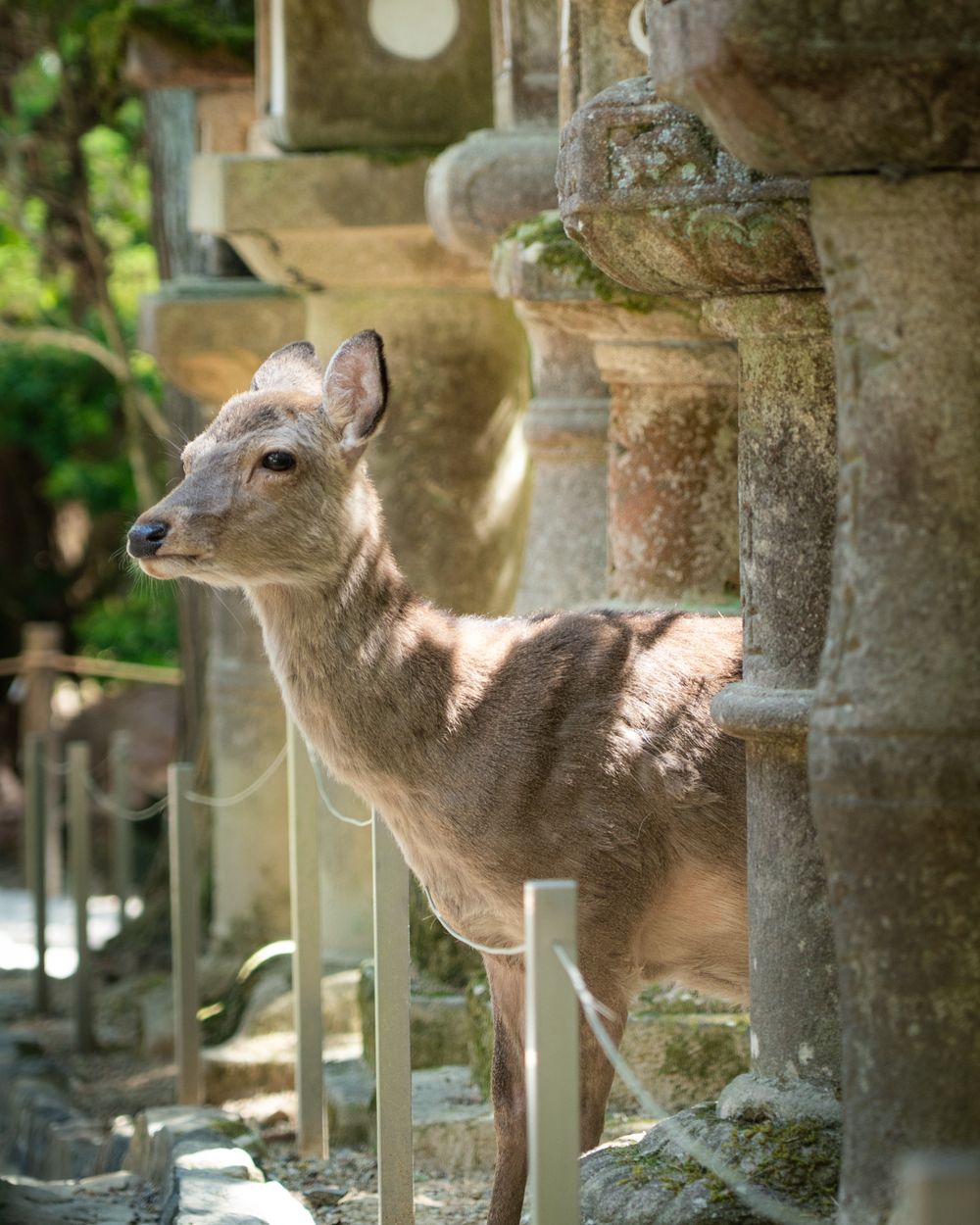
Beyond Kasuga-taisha's main hall, a lantern-lined path leads south past rows of small subsidiary shrines to this smaller sanctuary. It…

Twelve clay generals stand in a ring around a seated Yakushi in a plain eighth century hall, life sized, each pulling a different face. The…
Last updated