Things to do
5-
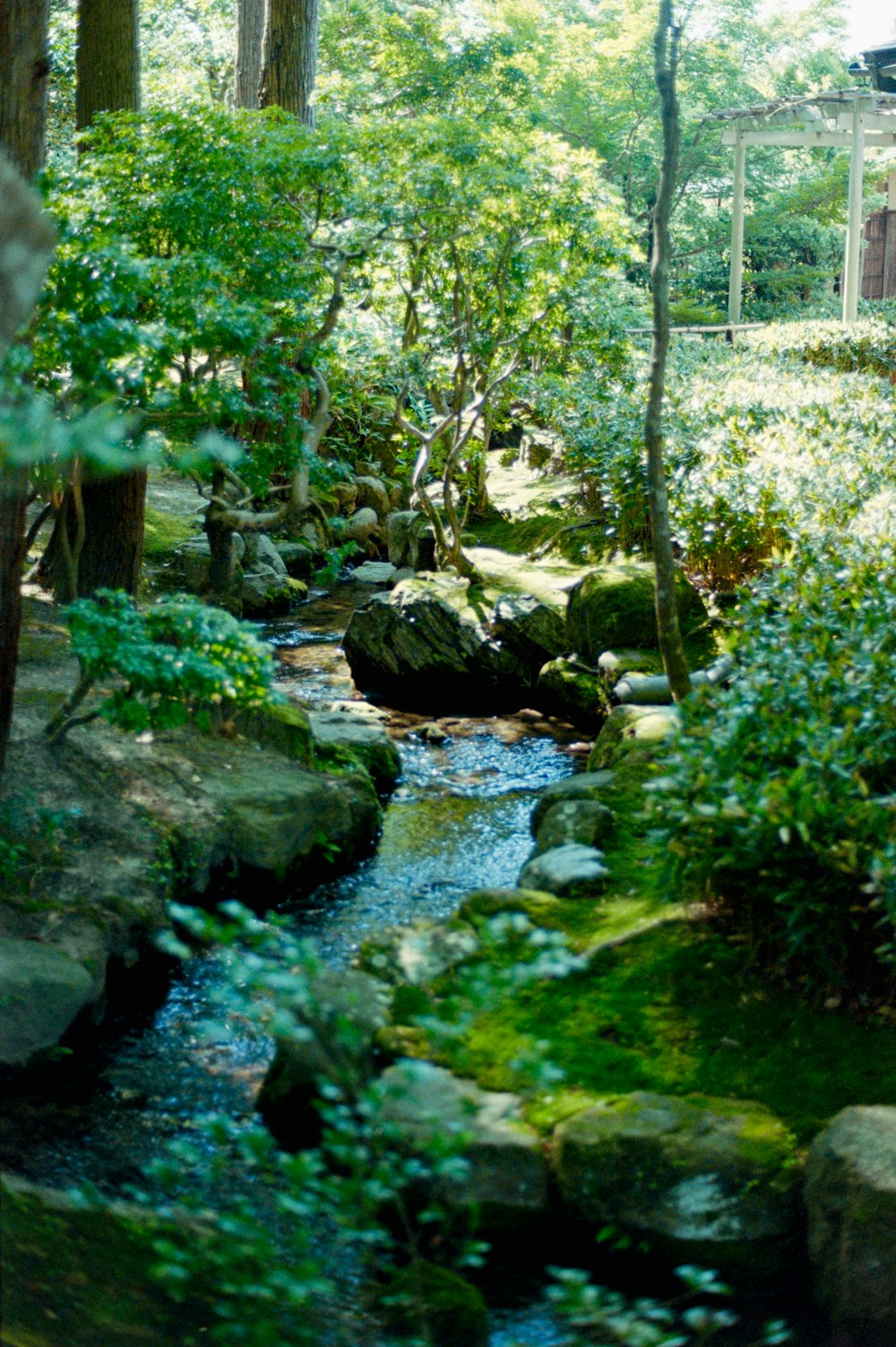
Isuien Garden
Two stroll gardens joined into one, the front made by a seventeenth century tanner and the rear by a Meiji merchant. The rear garden borrows its backdrop: the roof of Tōdai-ji's great south gate and the grassy slope of Mount Wakakusa rise beyond the pond as if planted there. A small museum of Chinese bronzes and Korean ceramics is included in the ticket. Closed Tuesdays.
-
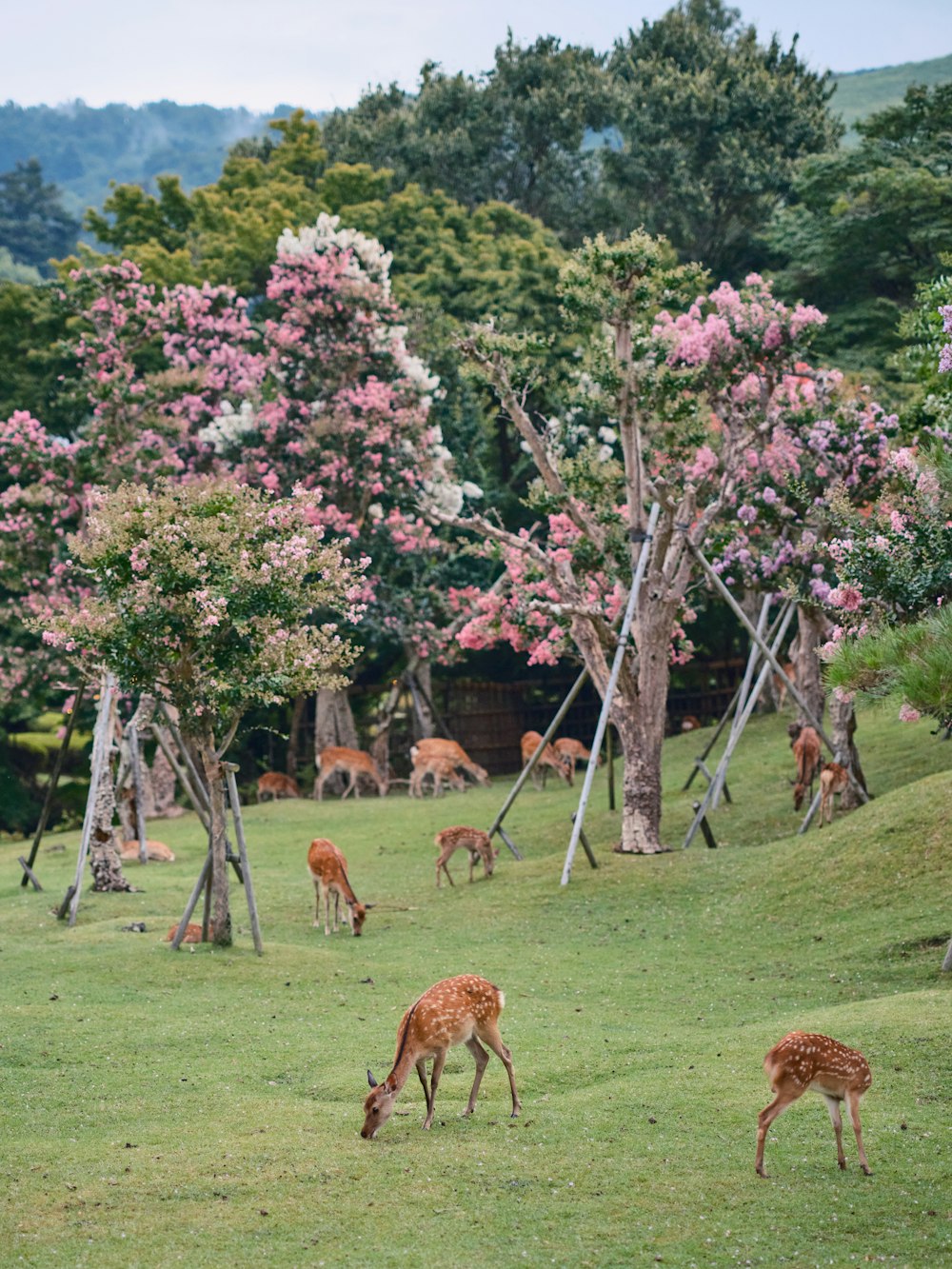
Nara Park
Around twelve hundred sika deer roam the lawns here, protected for centuries as messengers of the Kasuga deity and now a natural monument. Vendors sell wafers made for them, and many deer have learned to bow for one. They also nip, butt and chew maps. Bucks turn rough in the autumn rut and does guard fawns in early summer, so keep small children close.
-
Kasuga-taisha
The Fujiwara clan's family shrine, founded in 768 at the foot of a forested hill where logging has been forbidden since the ninth century. Some two thousand mossed stone lanterns line the approach and a thousand bronze ones hang from the vermilion eaves, all given by worshippers. Every one is lit on two occasions a year, in early February and in mid-August.
-
Kōfuku-ji
Once a compound of well over a hundred buildings, reduced by fire and politics to a handful around an open precinct. The five-storey pagoda, fifty metres tall and the town's emblem, is wrapped in scaffolding for a full restoration expected to last into the 2030s. The treasure hall is the reason to come meanwhile: its three-faced, six-armed Ashura is among the finest sculptures in Japan.
-
Tōdai-ji
A seated bronze Buddha fifteen metres high, consecrated in 752 at a cost that nearly emptied the state's copper reserves. The hall around it burned twice; the present one, finished in 1709, is a third narrower than the original and still ranks among the largest wooden buildings anywhere. Children wriggle through a hole in one pillar said to match the statue's nostril.