
You come up here for a mountain lake 1,269 metres high under the cone of Mount Nantai, with two former embassy summer houses on its south shore.
Lake, Nikkō. Meridian Dispatch.
Buses bound for Chūzenji Onsen or Yumoto Onsen leave from JR Nikkō and Tōbu-Nikkō stations and reach the Chūzenji Onsen stop in about 45 to 50 minutes. The road climbs the Irohazaka with its 48 hairpin bends, and the lake is about five minutes' walk from the stop.
The boat runs from mid-April to 30 November, and a full circuit of the lake takes about 55 minutes. Each circuit starts and ends at Funanoeki Chūzenji.
Both are open from 1 April to 30 November, from 09:00, closing at 16:00 in April and from 11 November and at 17:00 in between. Entry is ticketed, and a combined ticket covers both. They are closed on Mondays in April.
Peak colour at the lake falls in mid to late October, and the lake can be very crowded then. On the nearby Senjōgahara moor the leaves turn from mid-October, with yellow leaves and larch following in late October.
Yes, with a day permit bought on the day at a licensed outlet and worn where it can be seen. Shore fishing runs from 1 April and boat fishing from 20 April, both to 19 September, on the eastern part of the lake only, except when the western side is opened. From 20 September to 31 October the season is for smelt fishing.
The lake shore stays open all year. The express bus from Tōbu-Nikkō runs daily only from April to November, so winter trips rely on less frequent local buses. Much of the waterfall at the lake's outlet freezes in midwinter.
Japan's highest natural lake sits in a basin below Mount Nantai, whose lava flow blocked the valley about 20,000 years ago. Water pours out of the lake and drops 97 metres as Kegon Falls.
From the late nineteenth century, foreign diplomats and residents spent their summers here to escape the heat of the lowlands, and two of their houses are open as museums. The Italian villa has walls finished in cedar bark laid in changing patterns, and its upstairs bedrooms all face the lake.
The British villa began as the mountain house the British diplomat Ernest Satow built here in the Meiji era. Its second-floor veranda looks straight out over the water.
Round the rest of the shore are Futarasan Shrine Chūgūshi on the north side below the mountain, and Chūzen-ji on the east side, built around a statue of Kannon. At the northern end, Ryūzu Falls slides 210 metres down a bed of old lava.
The sightseeing boat leaves from Funanoeki Chūzenji, a short walk from the Chūzenji Onsen bus stop. The circuit calls at Shōbugahama, the embassy villa landing and Tachiki Kannon before it returns to the terminal.
A one-circuit free-boarding ticket lets you step off and rejoin at any stop, valid only on the day you buy it. Plan the day around what sits by each pier.
Shōbugahama is the landing for Ryūzu Falls, and Tachiki Kannon for Chūzen-ji. From the villa landing, both villas are 3 minutes on foot.
Cashless payment is not taken at Shōbugahama, the villa landing or on board, so carry cash for a ticket bought there.
Plan lunch ashore: the British villa's tea room serves scones and tea. The villa park's boathouse, a tea and observation hall with a deck looking over the lake, is free to enter.
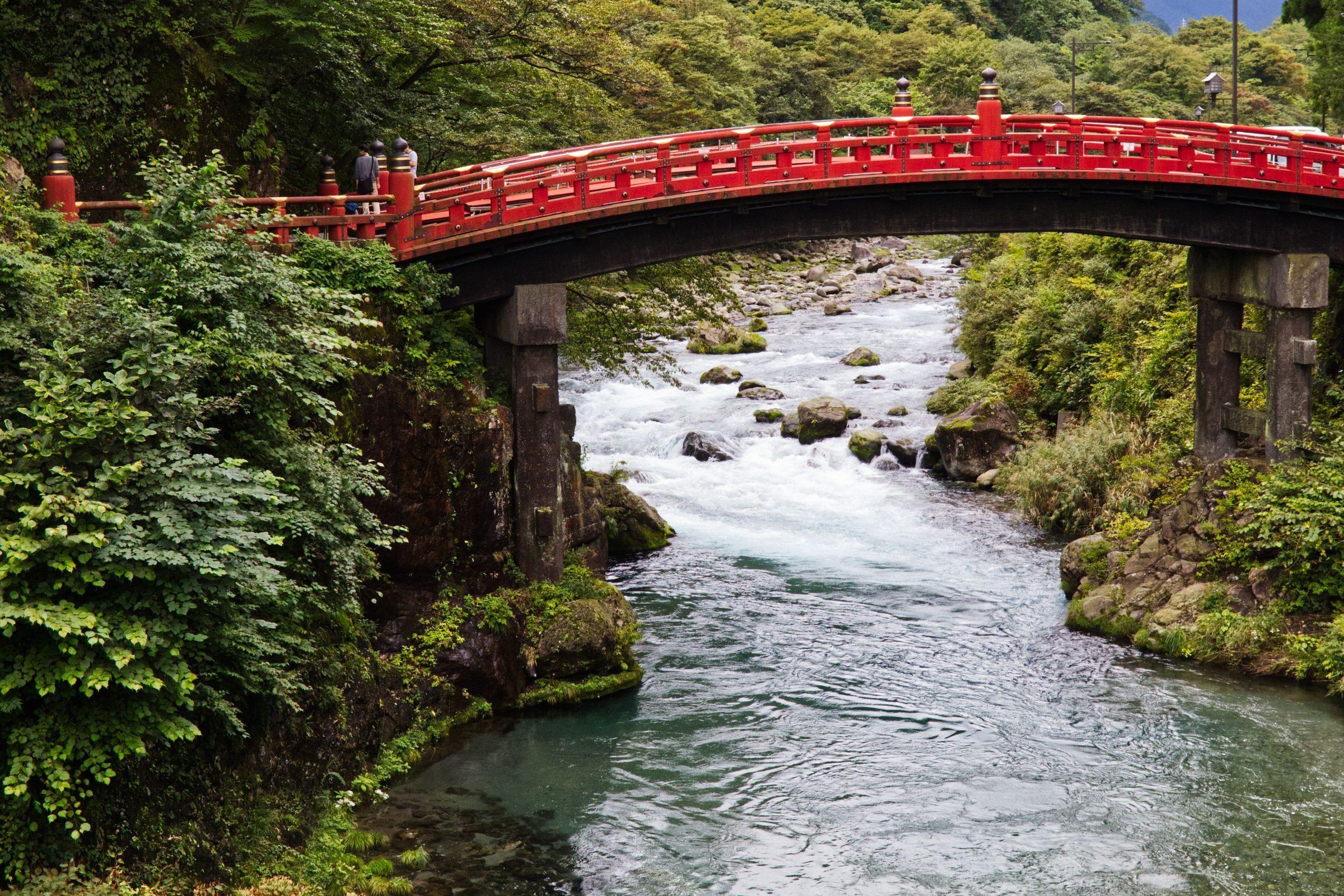
Nikkō, Japan: three World Heritage precincts sit a short walk apart above the Shinkyō bridge, busiest when the day trips from Tokyo are in. Kanmangafuchi.
Read the Nikkō guideExplore the rest of Nikkō
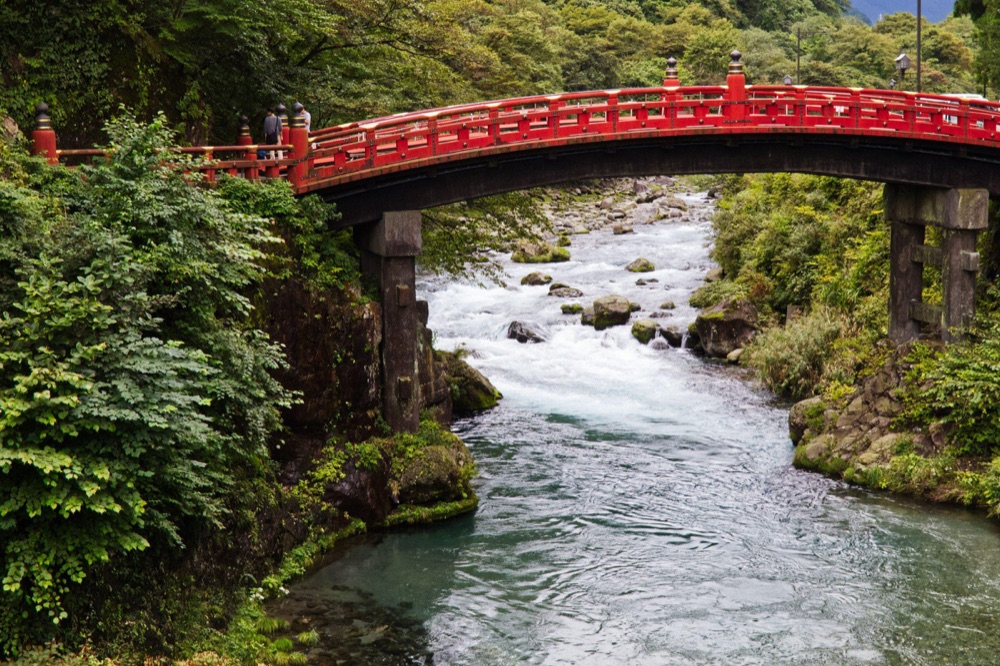
Three World Heritage precincts sit a short walk apart above the Shinkyō bridge, busiest when the day trips from Tokyo are in. Above them a…
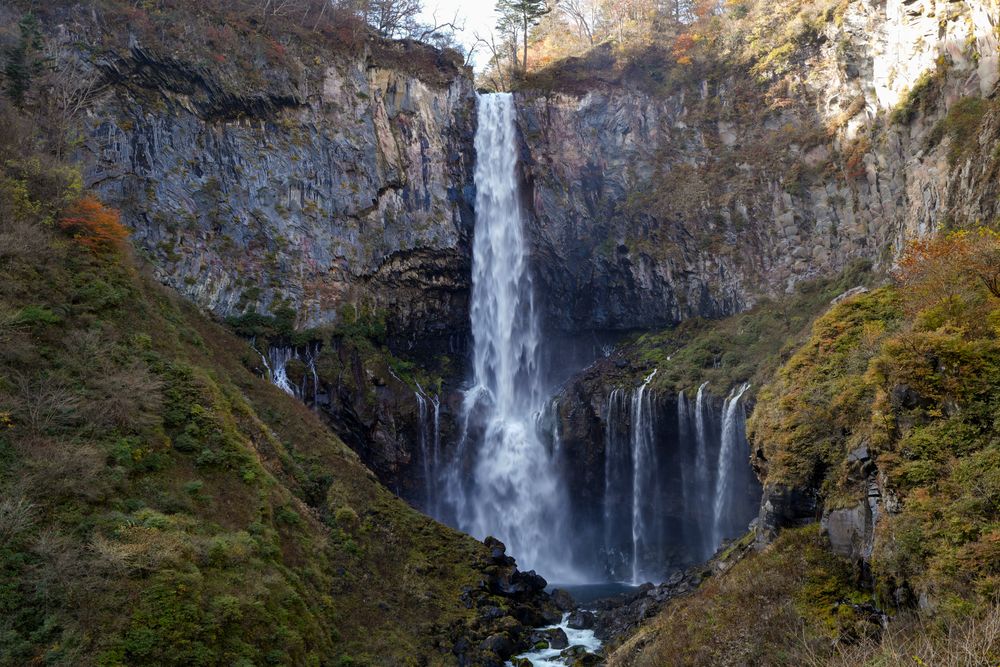
Lake Chūzenji drains over a 97 metre cliff here, a short walk from the Chūzenjiko Onsen bus stop. A ticketed lift drops about 100 metres…
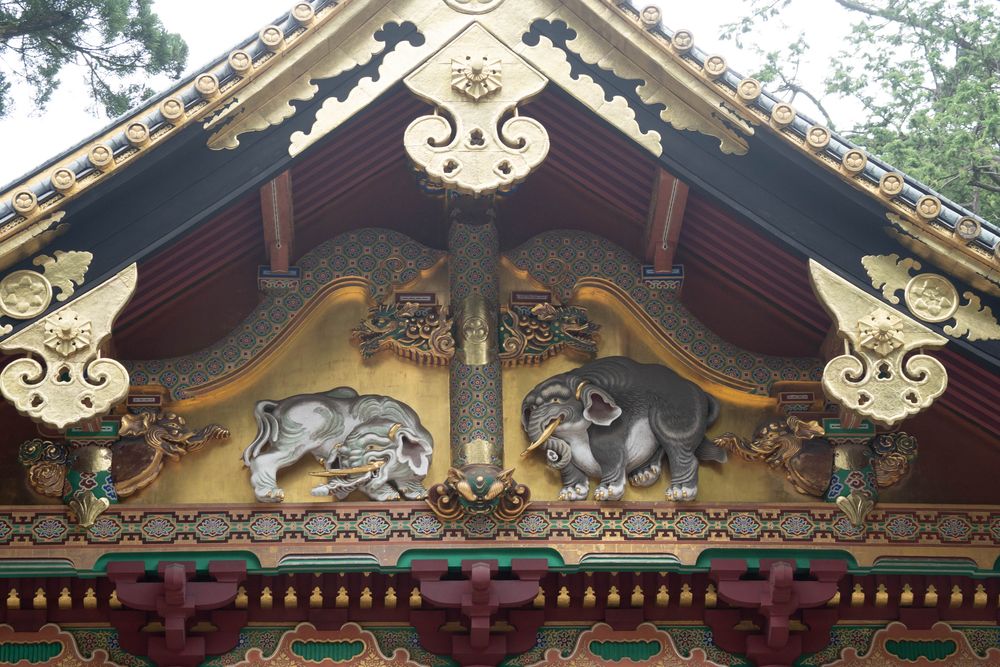
Gold leaf, lacquer and carved animals cover the shrine built for Tokugawa Ieyasu, and the Yōmeimon gate is the most richly carved of all.…
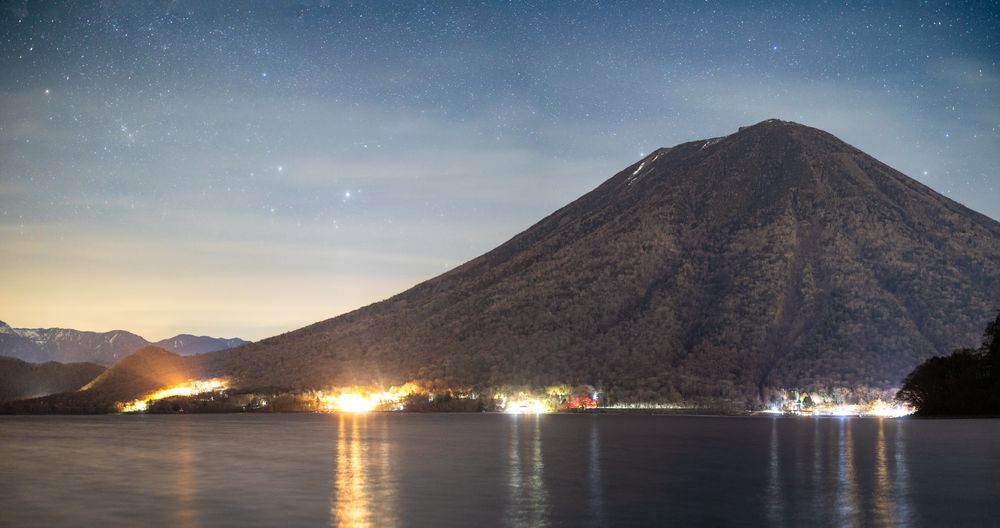
Rising straight from the north shore of Lake Chūzenji to 2,486 metres, this volcano is climbed from the gate of Futarasan's lakeside…
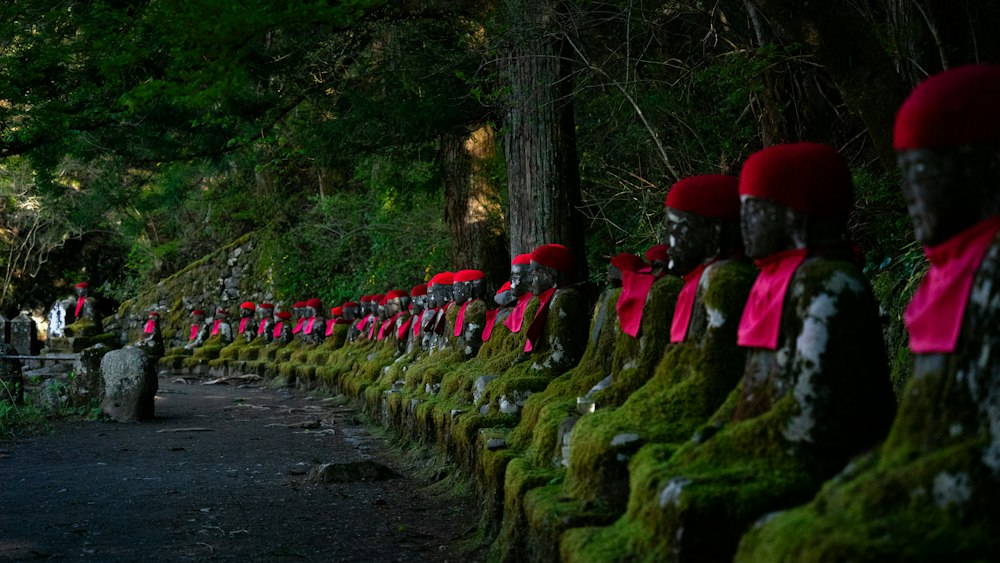
About seventy stone Jizō in red caps line a riverside path at this small gorge, where old lava squeezes the Daiya into white water. Locals…
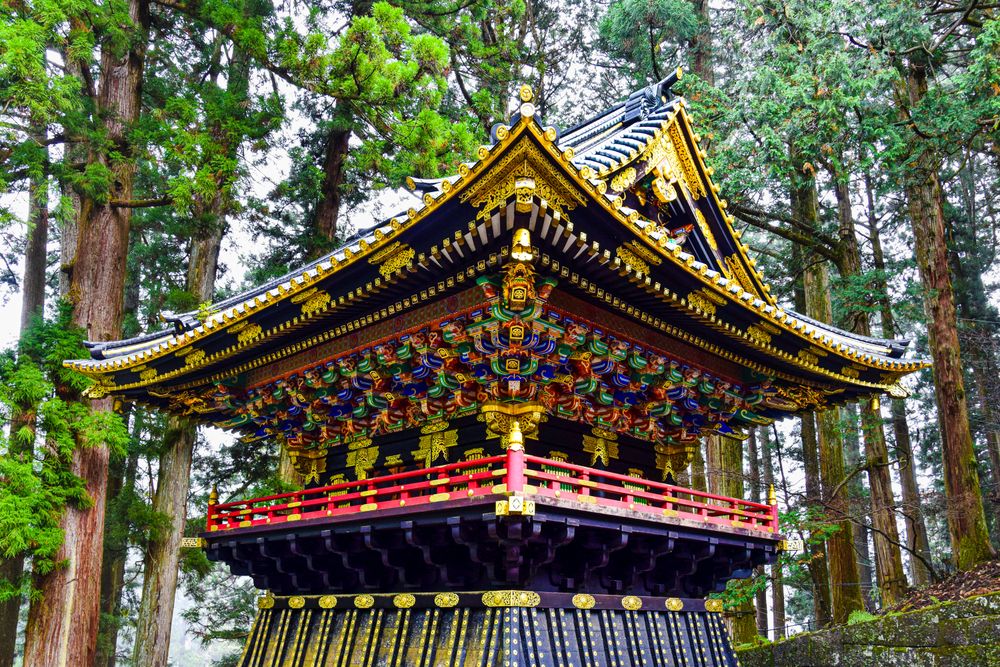
Tokugawa Iemitsu's mausoleum sits in cedar forest a few minutes beyond Futarasan, and it draws a fraction of Tōshō-gū's crowd. A climb…
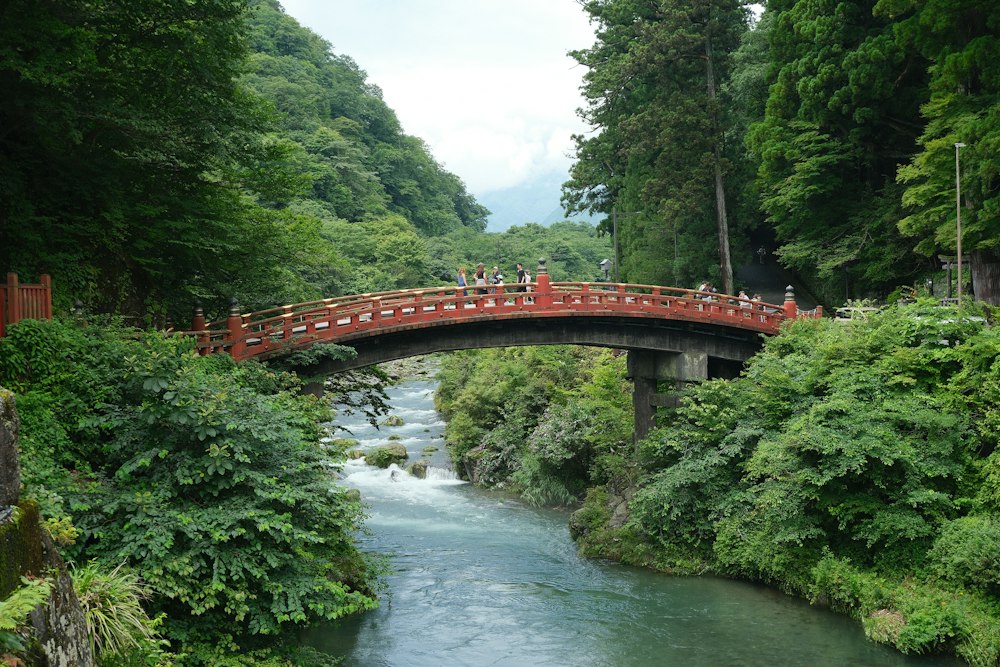
Vermilion lacquer over black stone piers makes this the most photographed sight in Nikkō. It spans the Daiya river at the foot of the…
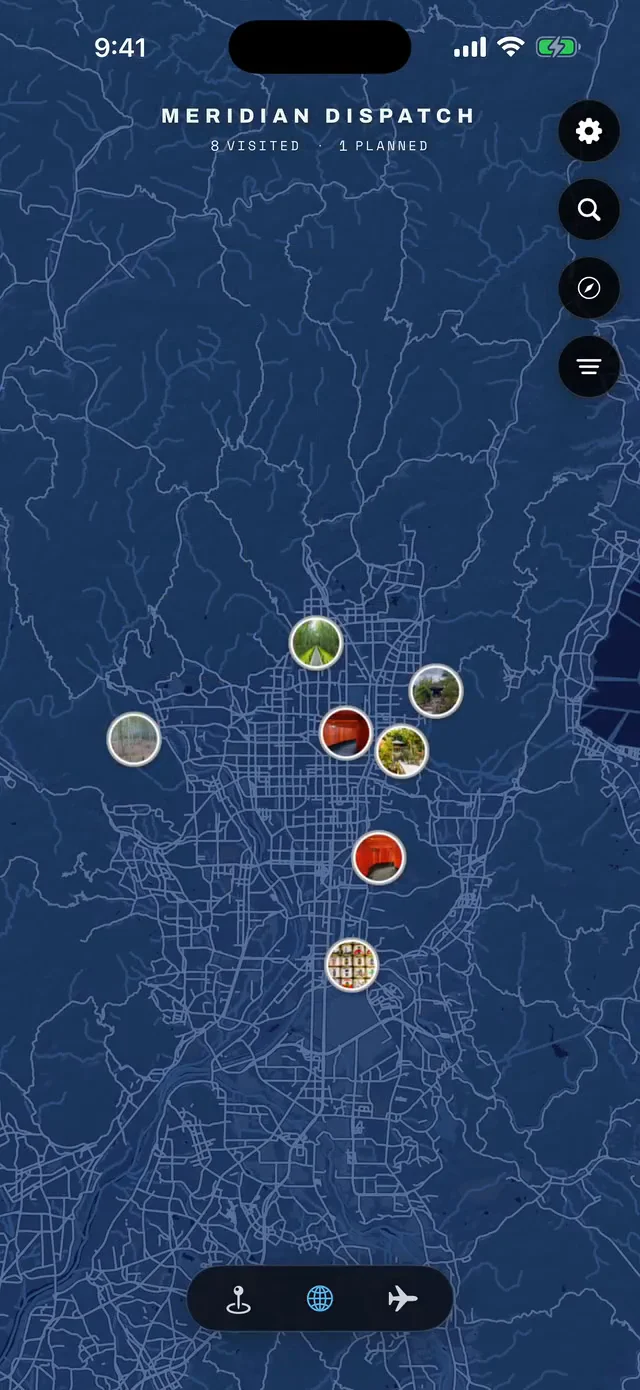
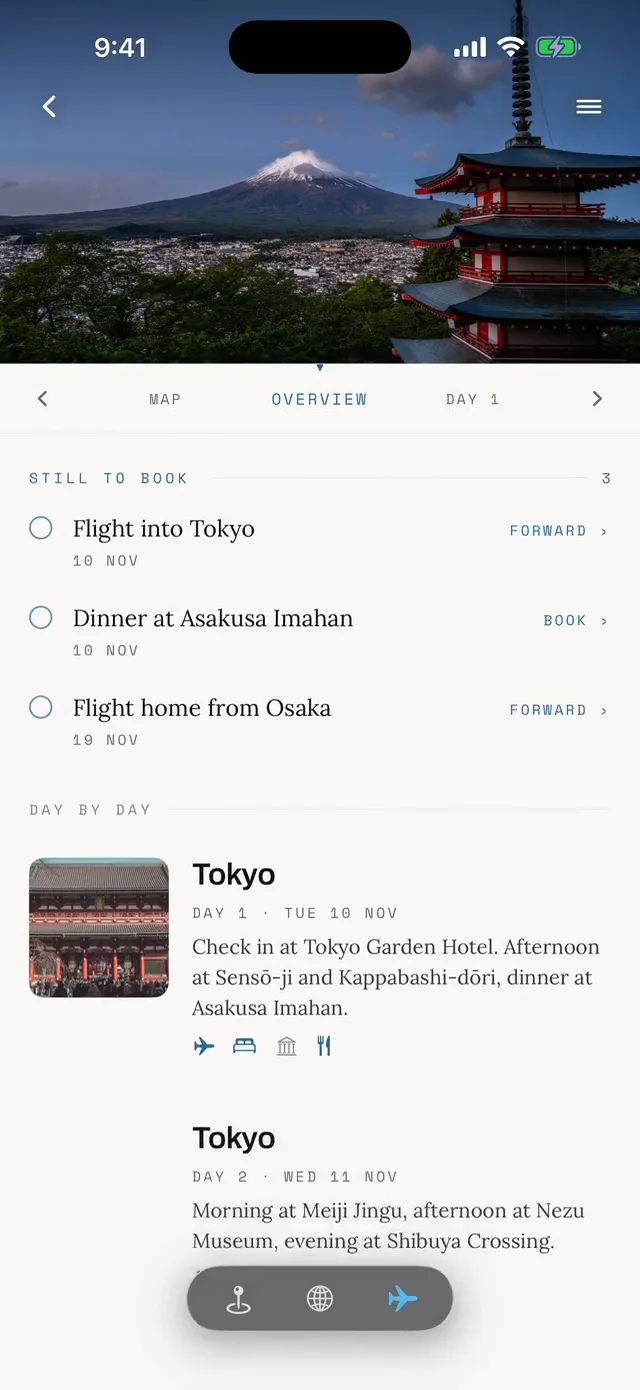


Save Lake Chūzenji to your Japan trip in the Meridian Dispatch app and build the day around it, with the best of Nikkō pinned on one map.
Download on the App StoreThe official pages this guide was checked against.
Last updated