
Stand under Yōmeimon and look up at a gate covered in carved figures, paint and gold leaf, then pass beneath the Sleeping Cat and climb through cedar forest to the tomb of Tokugawa Ieyasu, the first Tokugawa shogun.
Temple, Nikkō. Meridian Dispatch.
Eight of its buildings are National Treasures, led by the gilded Yōmeimon gate. Carvings to look for include the three monkeys, the Sleeping Cat and the clawed elephants, drawn by an artist who had never seen one.
An hour and a half to two hours is enough for the shrine, including the climb up the stone stairway to the tomb of Ieyasu and back down, with time to stand under Yōmeimon.
From 1 April to 31 October the shrine opens at 9:00 and closes at 17:00. From 1 November to 31 March it opens at 9:00 and closes at 16:00.
Yes. The shrine ticket covers the precinct from the Omotemon through Yōmeimon, the Sleeping Cat, the Okumiya and the Honjidō, with nothing extra to buy inside. A combined ticket adds the Treasure Museum.
The World Heritage Tour bus runs from both Nikkō Station and Tōbu-Nikkō Station to the Omotesando stop in 13 minutes, and the shrine is a short walk up the approach. Walking from Tōbu-Nikkō Station takes about 30 minutes.
Yes. Rinnō-ji and Futarasan Shrine each lie about five minutes on foot from Tōshō-gū, so all three fit in one day. Together they form the Shrines and Temples of Nikkō World Heritage site.
The Hyakumono-zoroe Sennin Musha Gyōretsu sets out on 18 May from 11:00, with a second procession on 17 October. More than 1,200 participants in 53 kinds of costume, armoured warriors among them, carry the portable shrines out of Tōshō-gū and back. Mounted archery is held the day before each, on 17 May from 13:00 and on 16 October.
Tickets bought online arrive as vouchers, and the shrine entrance cannot exchange them. Online buyers have to swap the vouchers for paper tickets before reaching the shrine, or buy again at the counter.
The official site of Nikkō Tōshō-gū is toshogu.jp.
toshogu.jp →Most of the 55 buildings in front of you went up in 1636, when the shrine around Ieyasu's tomb was rebuilt. Lacquer and rich colour cover them.
Yōmeimon carries more than 500 carvings of old tales, children at play, sages and wise men. Its second name, Higurashi-no-mon, means a gate you could watch until dusk without tiring of it. The corridors running off each side hold some of the largest bird and flower carvings in Japan, each cut through a single painted board.
Below the gate, the Sacred Stable has eight carved monkey panels that follow a life from birth to old age as a lesson for people. The panel showing three of them covering eyes, ears and mouth is the best known. Past Yōmeimon, the Karamon is painted white with shell powder.
In the east corridor, the Sleeping Cat dozes among peonies in the sun. It marks the way to the Okumiya, the burial place, with its worship hall, cast bronze gate and treasure tower.
The approach leads to the Omotemon, the first gate, guarded by two Niō statues. Inside the gate, three storehouses hold the tack and costumes of the spring and autumn processions, and the Sacred Stable stands nearby.
Rinse your hands at the water basin before going up to Yōmeimon. Beyond it stand the Karamon and the main hall, where you can enter the worship hall.
Past the Sleeping Cat in the east corridor, the stairway climbs to the burial place. On the way out, look into the Honjidō for the Crying Dragon, which the shrine ticket also covers. The Treasure Museum stands just outside the complex with its own entrance and ticket; the combined ticket covers it and the shrine.
From Tokyo, the Tōbu limited express Kegon runs from Asakusa to Tōbu-Nikkō in just under two hours. The JR limited express Nikkō covers the trip from Shinjuku in about the same time.
If you drive, the shrine's own car park opens every day of the year and needs no booking. You pay at the machine as you leave, in coins or small notes.
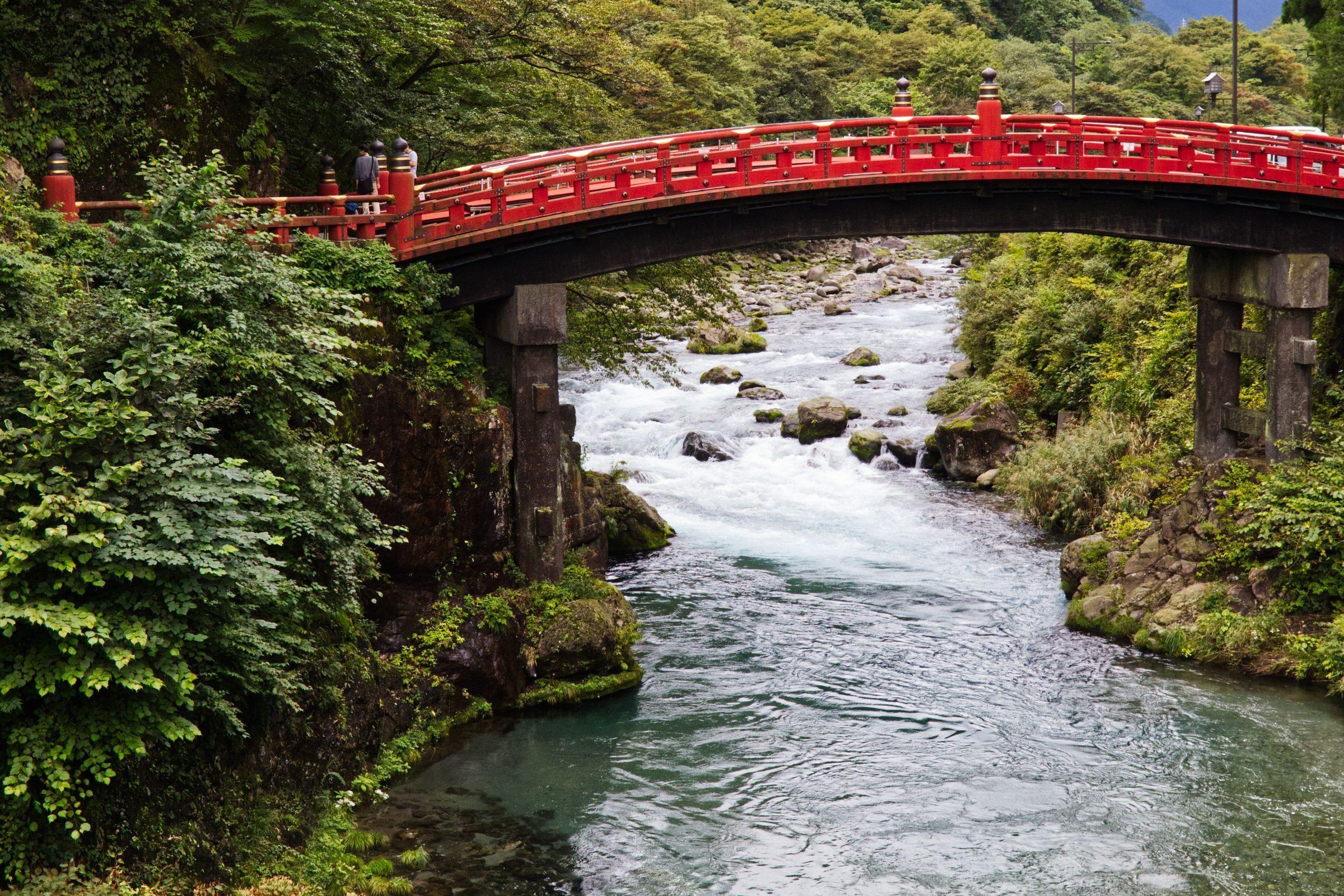
Nikkō, Japan: three World Heritage precincts sit a short walk apart above the Shinkyō bridge, busiest when the day trips from Tokyo are in. Kanmangafuchi.
Read the Nikkō guideExplore the rest of Nikkō
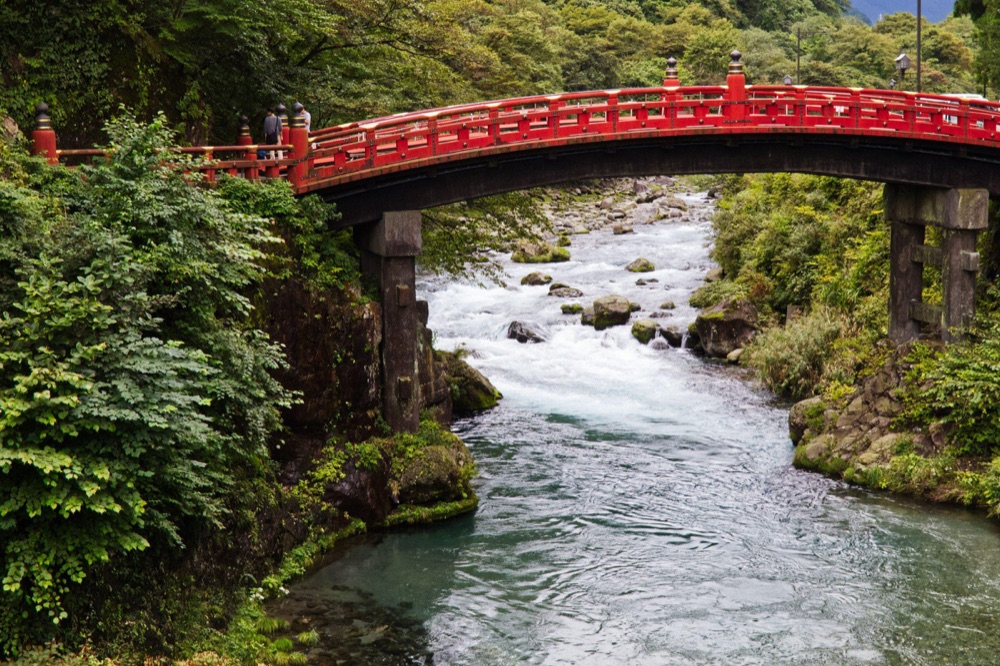
Three World Heritage precincts sit a short walk apart above the Shinkyō bridge, busiest when the day trips from Tokyo are in. Above them a…
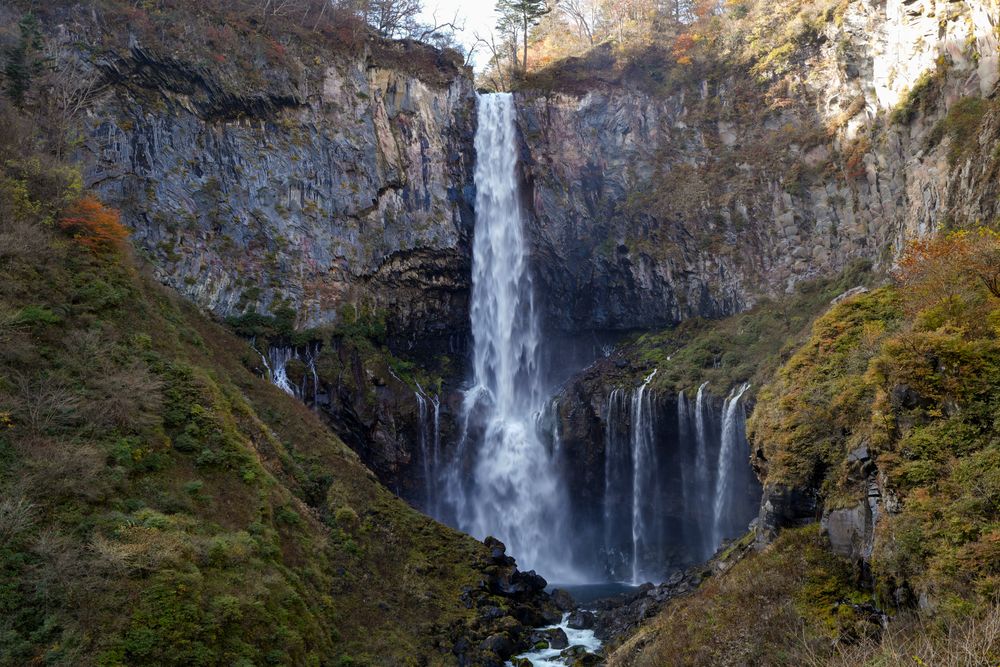
Lake Chūzenji drains over a 97 metre cliff here, a short walk from the Chūzenjiko Onsen bus stop. A ticketed lift drops about 100 metres…
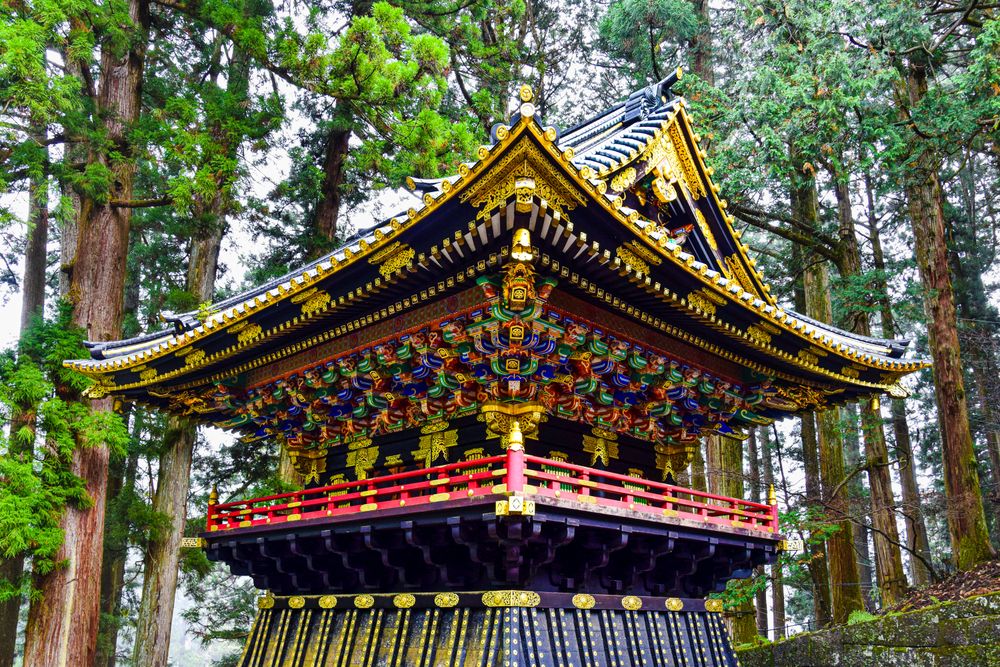
Tokugawa Iemitsu's mausoleum sits in cedar forest a few minutes beyond Futarasan, and it draws a fraction of Tōshō-gū's crowd. A climb…
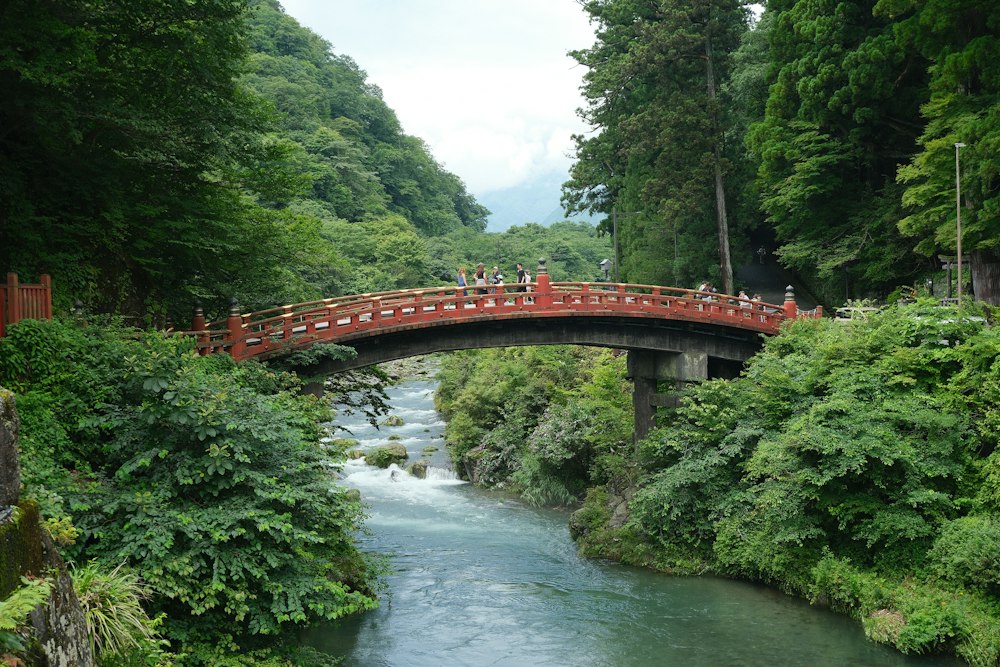
Vermilion lacquer over black stone piers makes this the most photographed sight in Nikkō. It spans the Daiya river at the foot of the…
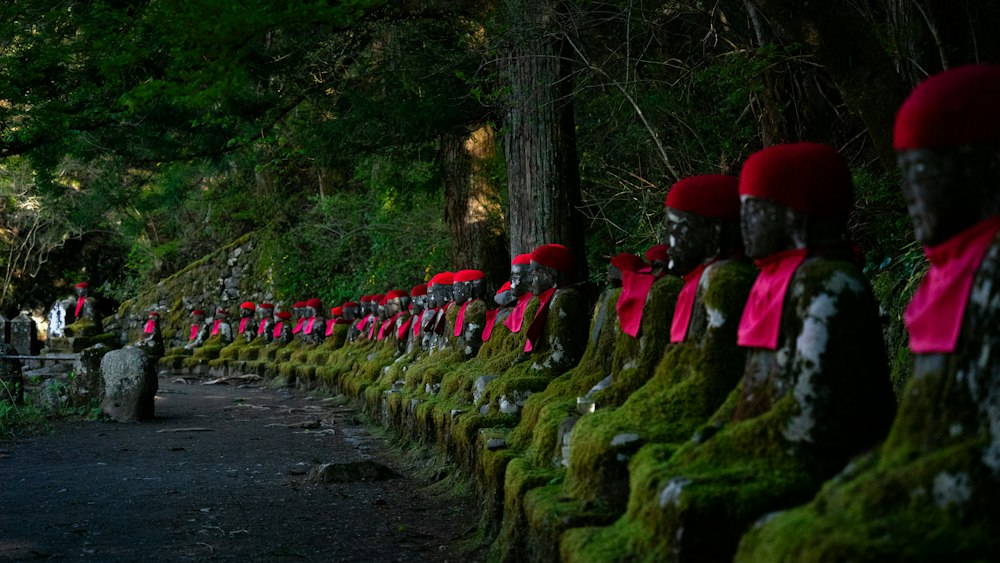
About seventy stone Jizō in red caps line a riverside path at this small gorge, where old lava squeezes the Daiya into white water. Locals…
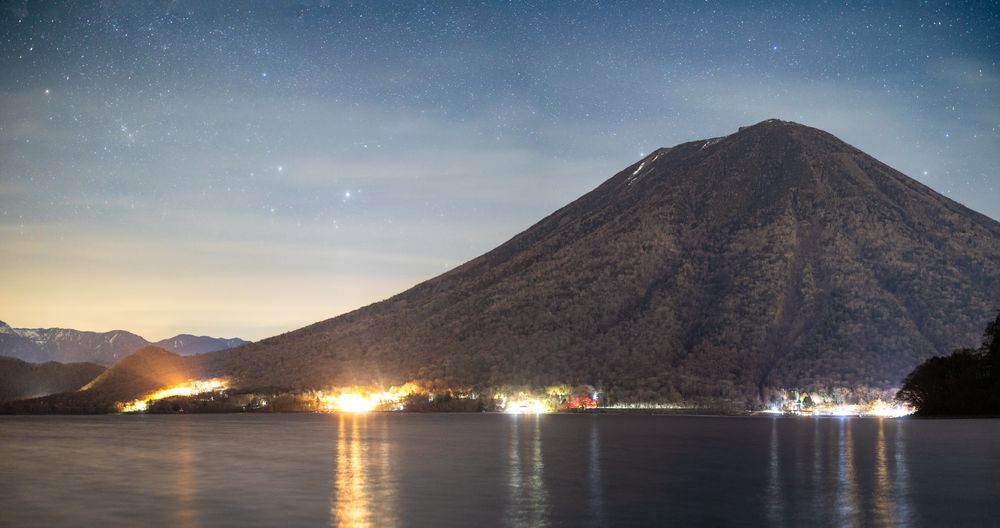
Rising straight from the north shore of Lake Chūzenji to 2,486 metres, this volcano is climbed from the gate of Futarasan's lakeside…
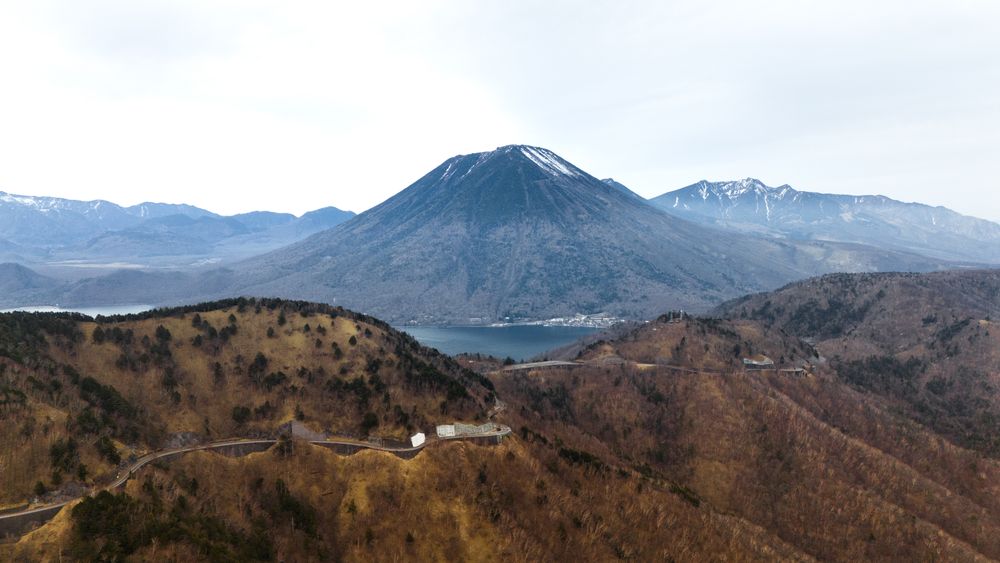
Mount Nantai's lava dammed this lake at 1,269 metres, and its shore stays cool when Tokyo swelters. Sightseeing boats leave the pier by the…
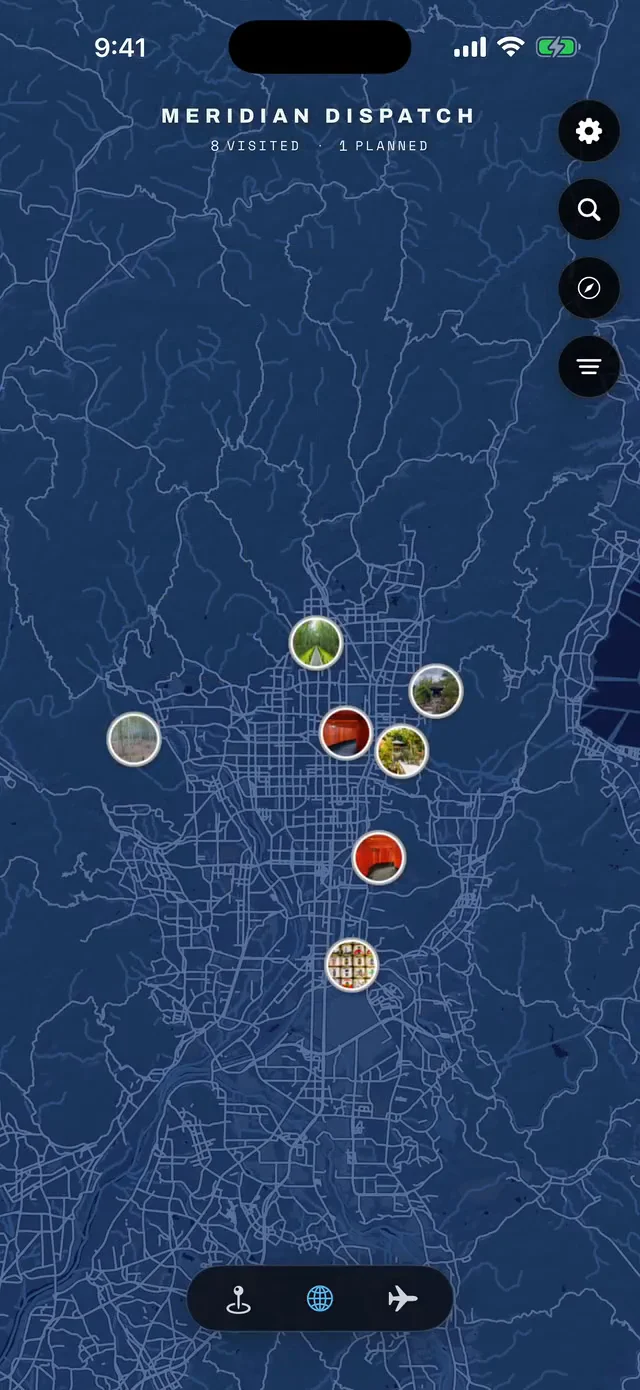
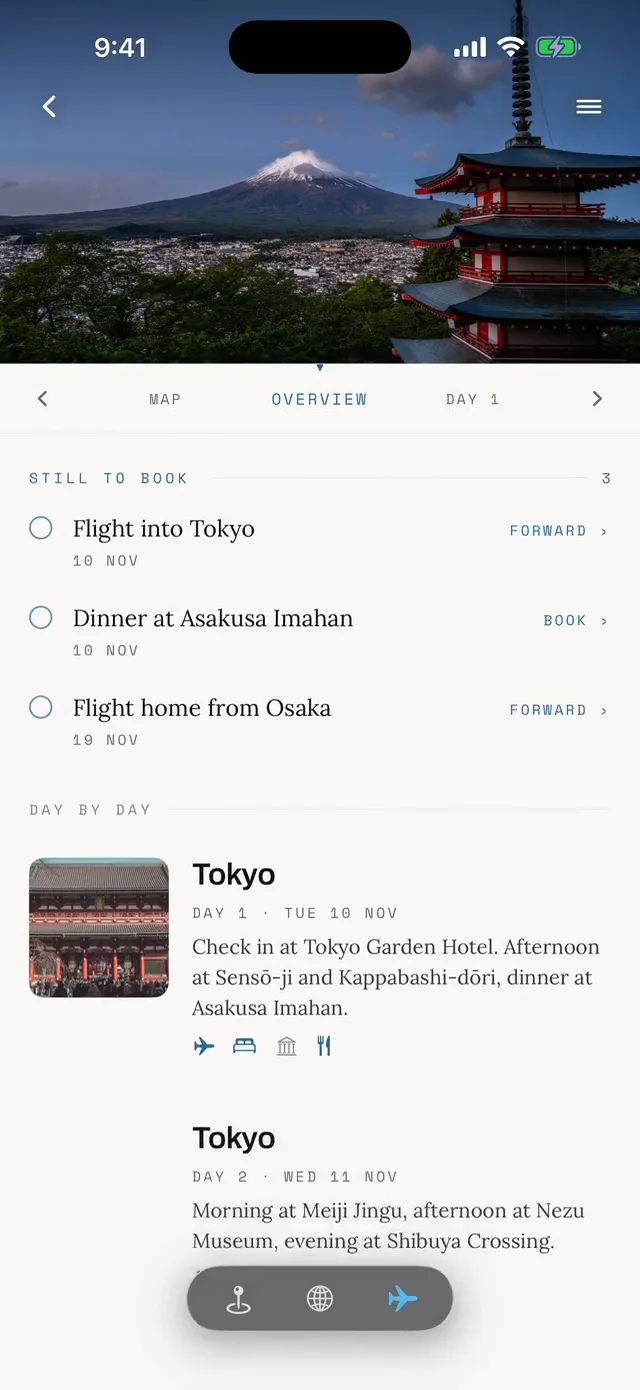


Save Nikkō Tōshō-gū to your Japan trip in the Meridian Dispatch app and build the day around it, with the best of Nikkō pinned on one map.
Download on the App StoreLast updated