Ninety seconds on Osaka Museum of Housing and Living
Worth an hour or more, longer if you hire a kimono: you walk a full-scale street of late-Edo Osaka built indoors, step into its furnished shops and houses, and watch the light turn from day to lantern-lit night.
The main display is a full-scale street of late-Edo Osaka, modelled on the 1830s and built indoors on the museum's upper floors. You walk down it as you would a real lane, between shopfronts, houses and alleys. Some of the shops and houses are open to step into, and each room inside is furnished.
The street shows the merchant city of that time. Look for the medicine wholesalers of Doshomachi and the busy Tenma vegetable market among the shopfronts. Some of the alley stores on the lane are working shops that sell souvenirs.
Watch the light. The street runs through a speeded-up day, from sunrise to sunset, and then the paper lanterns along the lane come on. Stay for a full cycle and the same corner looks different each time you pass it.
The floor below covers Osaka's homes and streets in the Meiji, Taisho and Showa periods. Several special exhibitions a year add themes from the history of Osaka's houses and streets.
Riding the lift from the subway exit takes you straight up to the museum's upper floors. You start at a viewpoint that looks down over the whole Edo town, then take the stairs down into the street itself. Kimono dressing is a separate paid add-on near the start, with its own ticket and dressing area.
Once on the street, step into the shops and houses that are open and take your time, because the light keeps changing as you walk. Staff stand along the route and most speak good English, and an English audio guide is available.
Finish on the floor below with the later periods and whatever special exhibition is on.
Book the kimono ahead if you want one: it is popular, rentals last 30 minutes and the number each day is capped. The kimono ticket comes from a cash-only machine, and you should wear a top with sleeves under the kimono, because the dressing staff ask for one. The kimono centre keeps slightly different hours from the museum, so ask about them when you book.
For photographs, the indoor lane gives you far fewer people in frame than a real street of the same look.
Explore the rest of Osaka
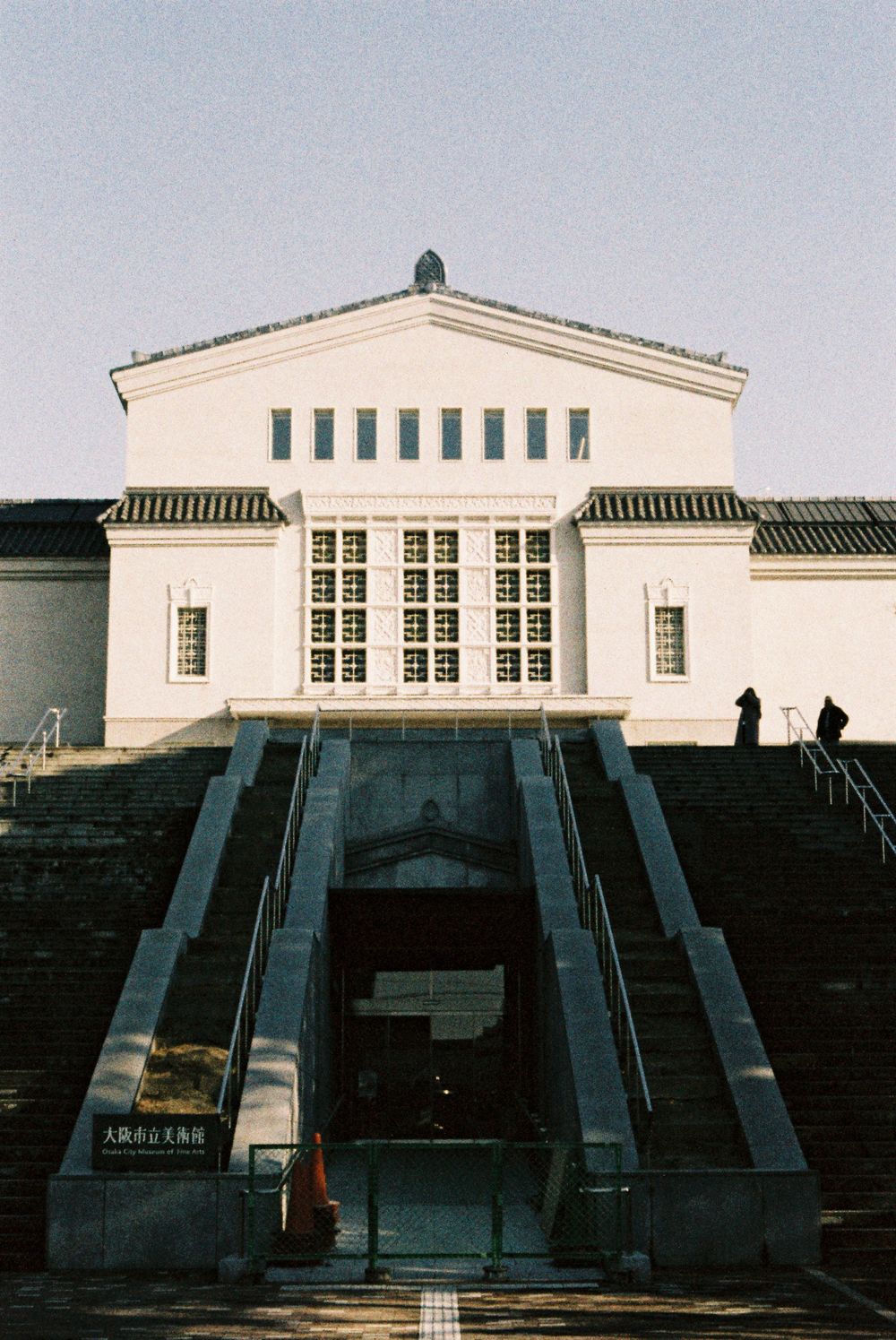
Chinese and Korean ceramics fill this museum in a corner of Nakanoshima Park, in galleries grouped by country. It is closed for renovation,…
A black cube of a building on Nakanoshima, with a collection of more than 6,000 works of Western and Japanese painting and modern and…
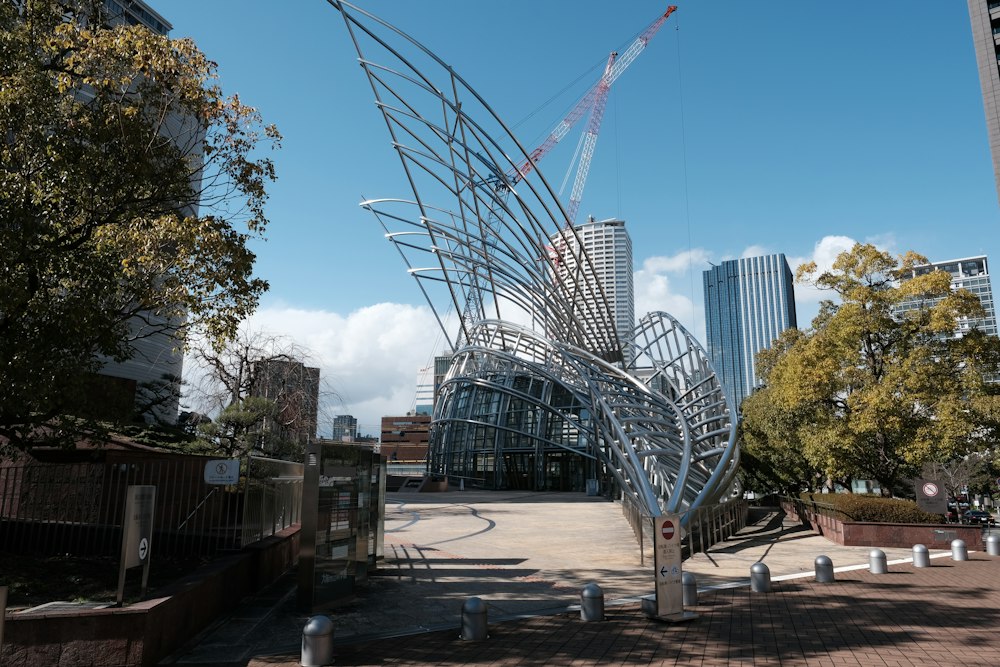
On Nakanoshima island, a glass and stainless steel entrance designed by César Pelli leads to galleries of postwar and contemporary art from…