
Osaka's Museum of Oriental Ceramics is closed for renovation, and once it reopens you can see one of the world's finest collections of East Asian ceramics in a few quiet rooms, a minute's walk from Naniwabashi station.
Museum, Osaka. Meridian Dispatch.
No. The museum has been closed for repair work since 3 August 2026 and is due to reopen in spring 2027. The official site gives the reopening date.
The nearest station is Naniwabashi on the Keihan Nakanoshima Line, and the museum is close to its exit 1 by stairway. Yodoyabashi on the Midosuji Line or Keihan, and Kitahama on the Sakaisuji Line or Keihan, are each about a five-minute walk away.
When the museum is open, hours run from 9:30am to 5:00pm, with last admission at 4:30pm. It shuts on Mondays, moving to Tuesday after a Monday public holiday, and also over New Year and between exhibitions.
Tickets are sold online, and the official site links to the ticket page. Junior high school students and under go in free. Osaka City residents aged 65 or over get a concession with ID at the desk.
The foundation is the Ataka Collection, given by 21 Sumitomo Group firms, with about 5,700 pieces in total. Two of the pieces are National Treasures, the Yuteki Tenmoku tea bowl and the Flying Celadon Vase.
The official site of Museum of Oriental Ceramics, Osaka is moco.or.jp.
moco.or.jp →Two National Treasures are the pieces to look for. One is the Yuteki Tenmoku tea bowl from China's Southern Song dynasty, and the other is a celadon vessel. Both sit in a collection of about 5,700 pieces.
The core is the Ataka Collection, given to Osaka by 21 companies of the Sumitomo Group, which is why a city museum holds work of this rank. Beyond the two treasures, look for the celadon and for the hand-painted vases and plates.
The Korean side is the other strength. A Korean resident of Japan, Rhee Byung-Chang, gave 301 Korean pieces, among the world's top private collections of Korean ceramics. Nakanoshima Museum of Art, Osaka or National Museum of Art, Osaka rounds out a day here.
Look at how the light falls as you go round. Part of the exhibition space takes natural daylight, so you see the glazes in soft sunlight rather than under spotlights alone.
Easiest is to start with whichever collection you came for, since the Chinese and Korean ceramics each have galleries of their own. The Chinese pieces, from the Eastern Han through the Song to the Yuan and Ming dynasties, fill a bright, high-ceilinged space divided into two rooms. The Korean galleries, with Goryeo and Joseon pieces, are smaller and more intimate.
Displays rotate often, drawing on the museum's own collection and on themed exhibitions, so look at the museum's own site ahead of time if you want one particular piece. Finish at the museum's café, KITONARI.
Ask for the rose jelly in the light-filled tea room; it is served from April to November only, so a winter visit misses it. If you live in Osaka City and are 65 or over, carry ID, because a concession applies at the desk. Children of junior high age and under do not need a ticket at all.
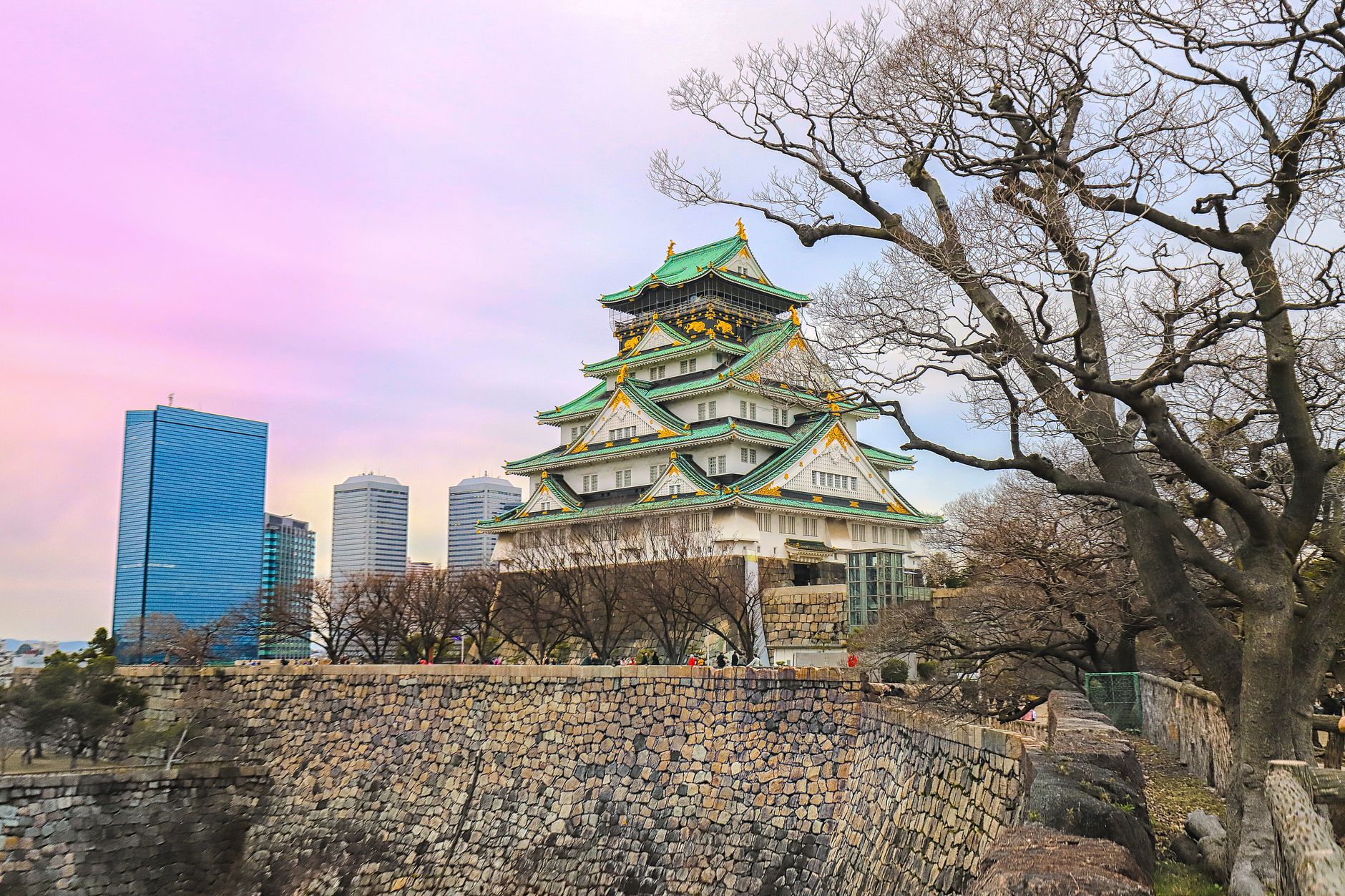
Osaka, Japan: Street food, late nights and the lit canal at Dōtonbori are the reasons to come, with stalls and counters busy until close to midnight.
Read the Osaka guideExplore the rest of Osaka
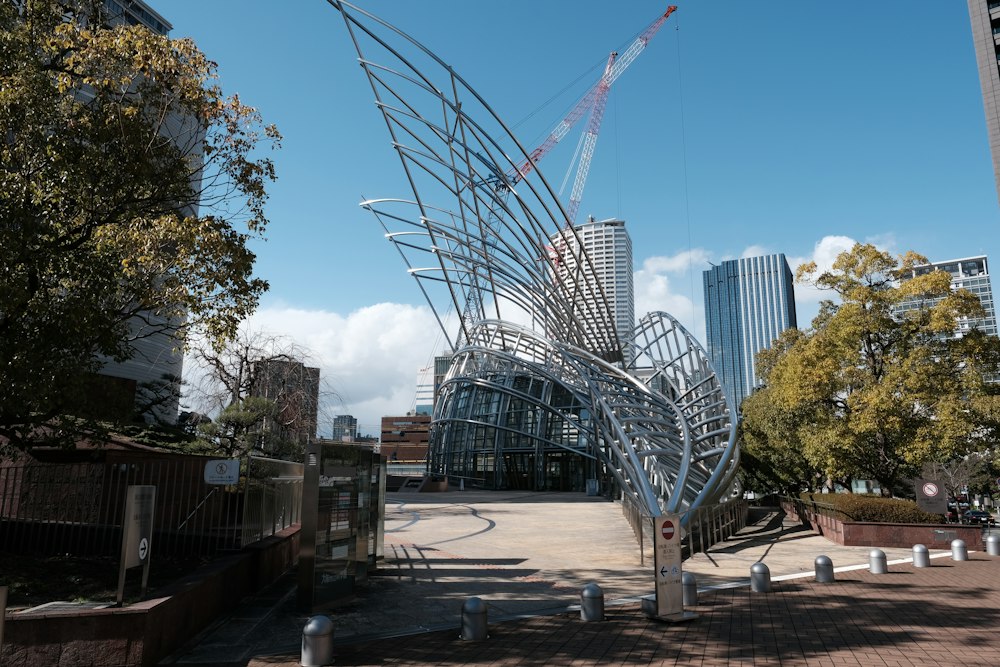
On Nakanoshima island, a glass and stainless steel entrance designed by César Pelli leads to galleries of postwar and contemporary art from…
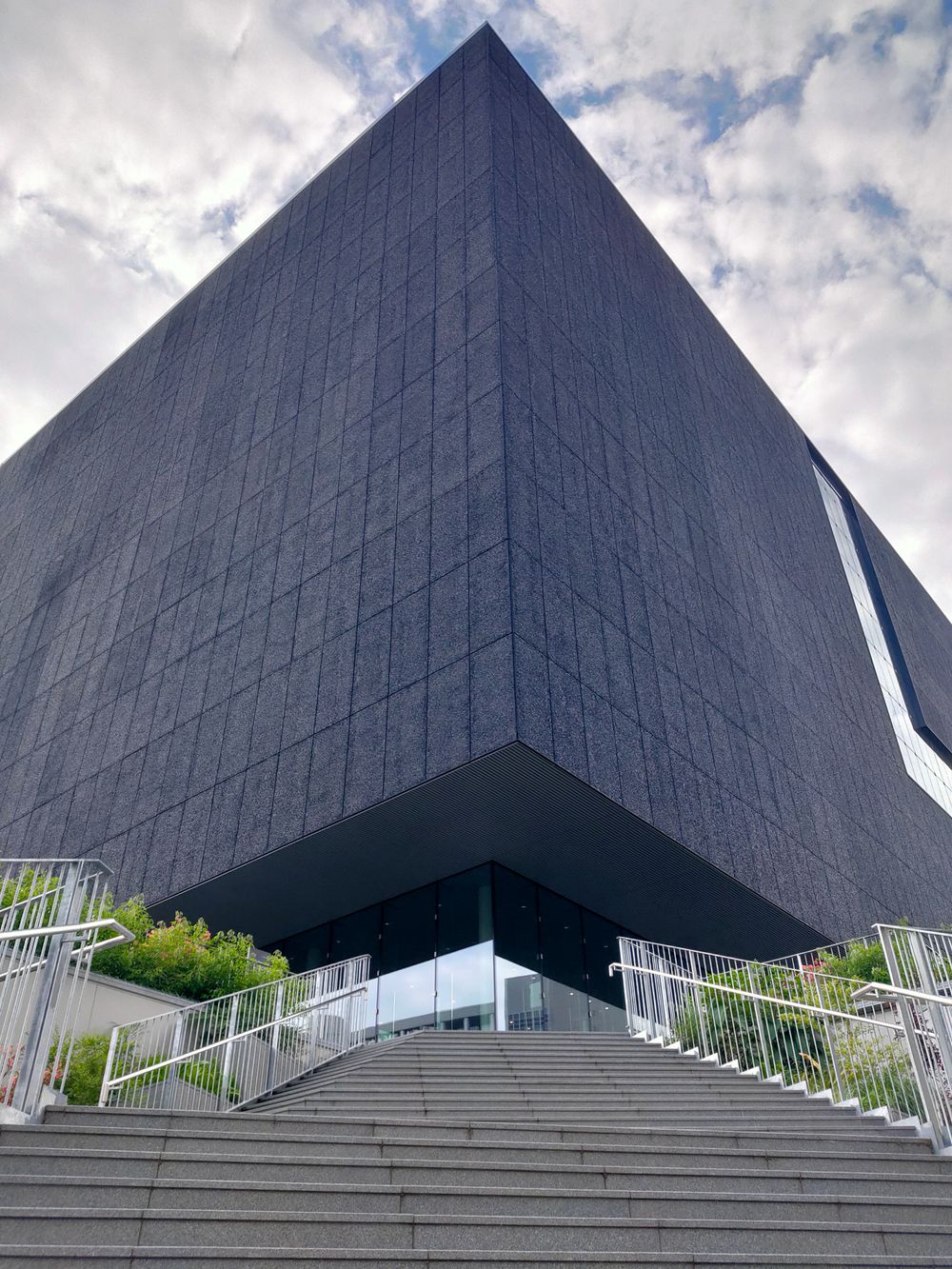
A black cube of a building on Nakanoshima, with a collection of more than 6,000 works of Western and Japanese painting and modern and…
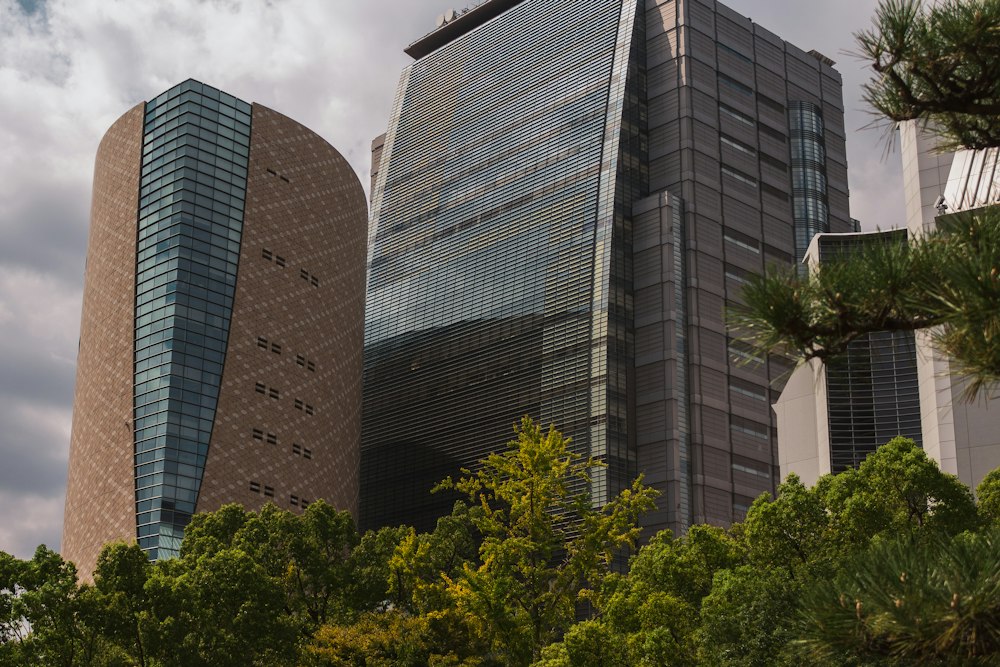
Take the lift to the tenth floor, where a full-size reconstruction of an ancient palace hall faces a window with a direct view of Osaka…
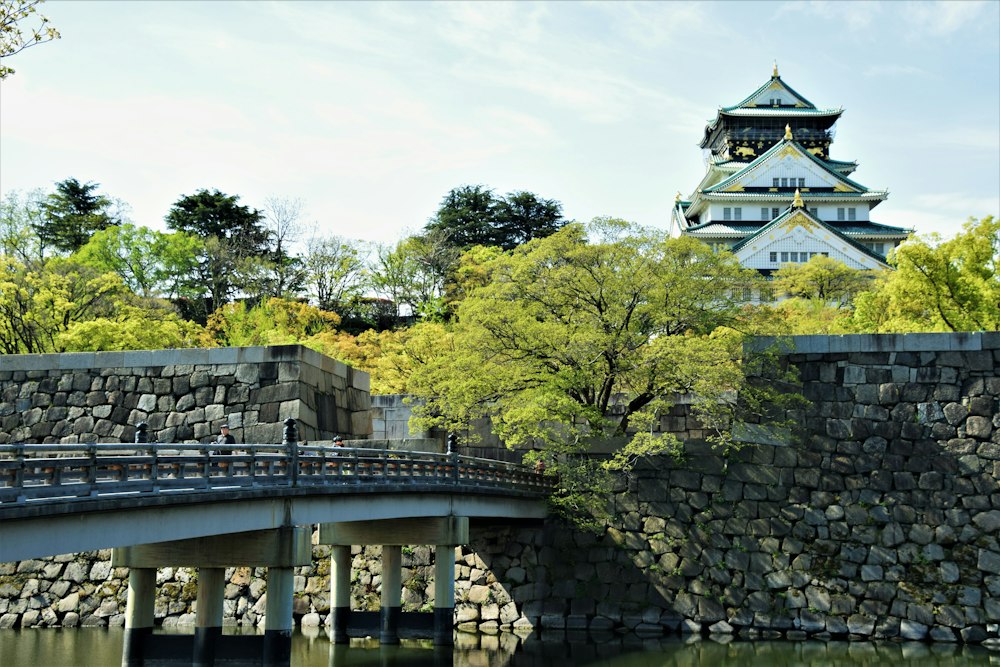
A concrete castle tower with a modern museum inside and an open deck on the eighth floor, fifty metres up, looking over the moats, the…
Giant signboards and a mechanical crab line this canal street in Minami, Osaka, with the Glico running man by Ebisubashi. The riverside…
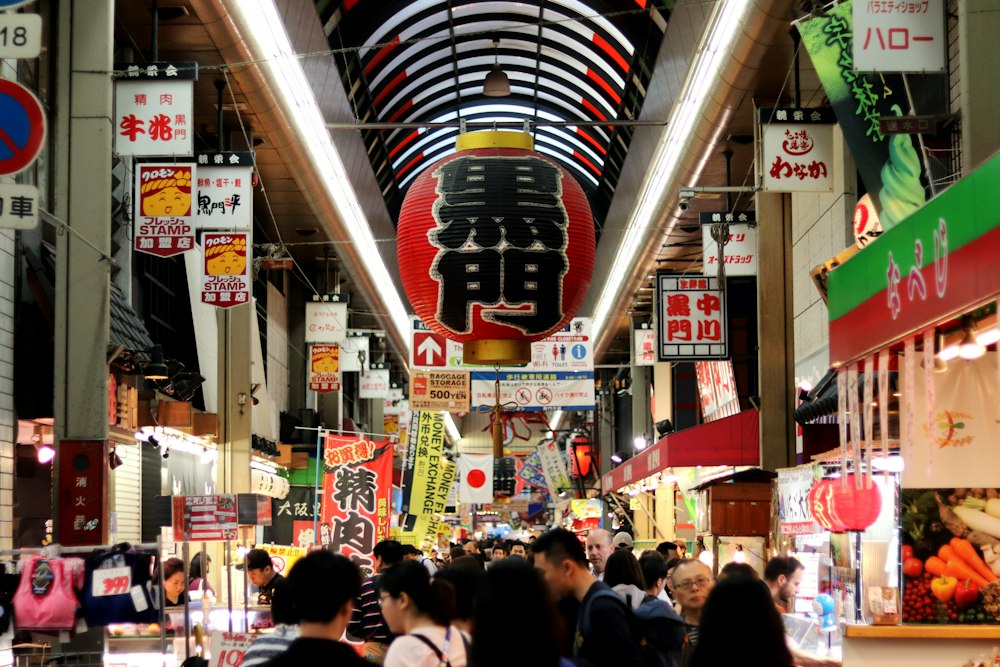
Grilled scallops, tuna sashimi, wagyu skewers and fresh fruit are sold from about 150 stalls along a covered lane near Nippombashi Station.…
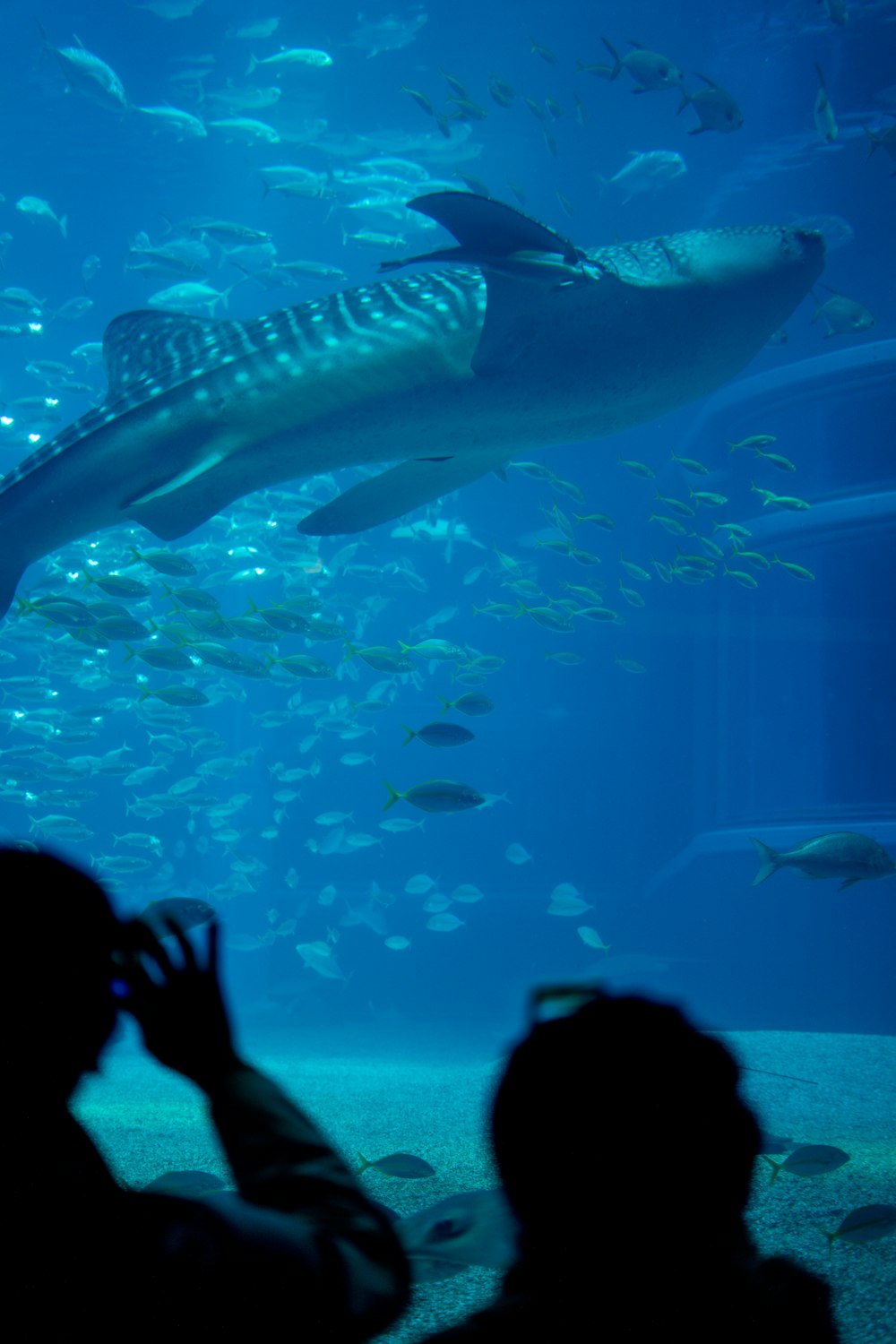
A walk round the Pacific Rim from the top of the building to the bottom, from a Japanese forest stream with its otters to the Antarctic…
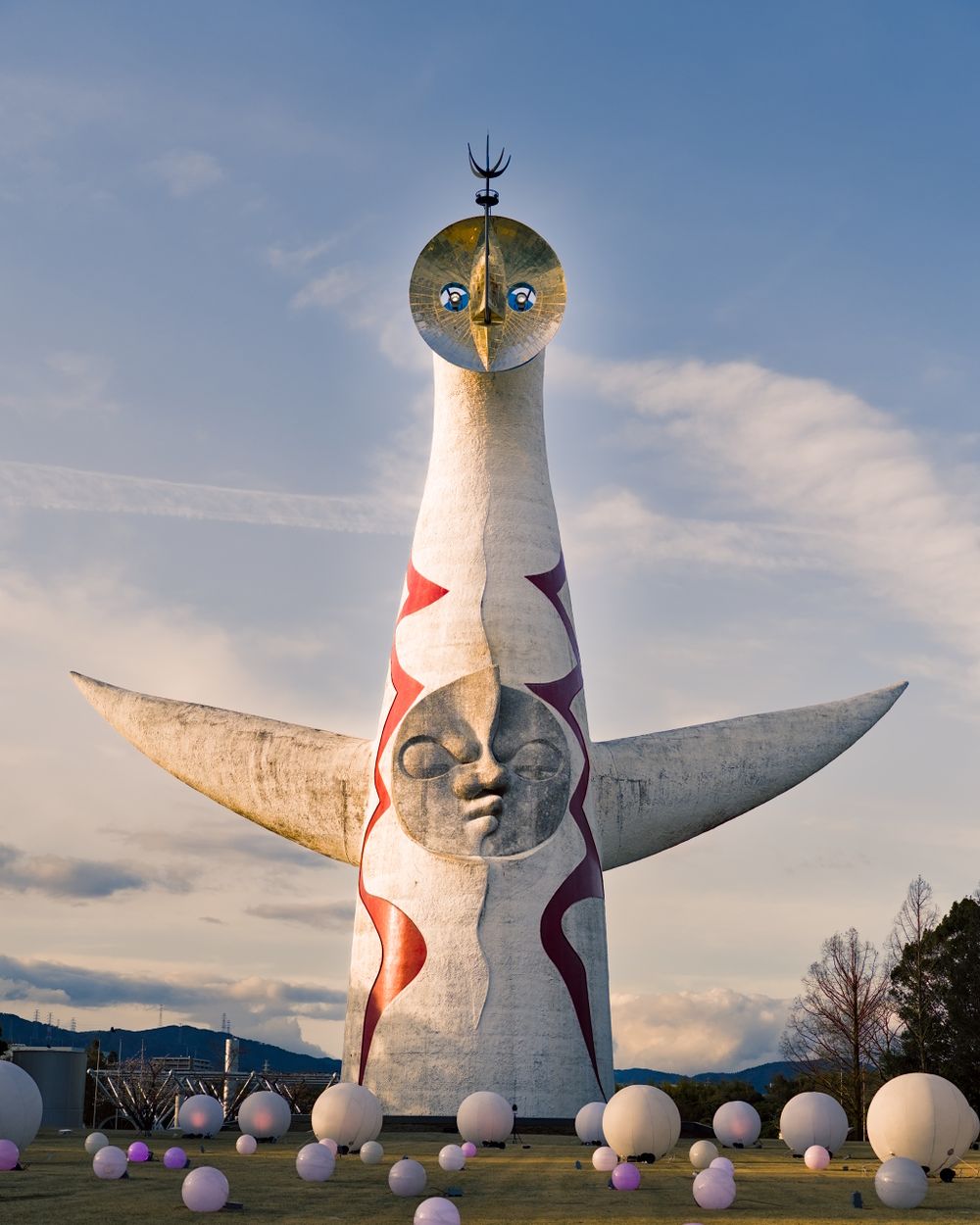
Taro Okamoto's Tower of the Sun, the symbol of the 1970 World Expo, stands at the heart of a park laid out on the fair's old site. Its…




Save Museum of Oriental Ceramics, Osaka to your Japan trip in the Meridian Dispatch app and build the day around it, with the best of Osaka pinned on one map.
Download on the App StoreLast updated