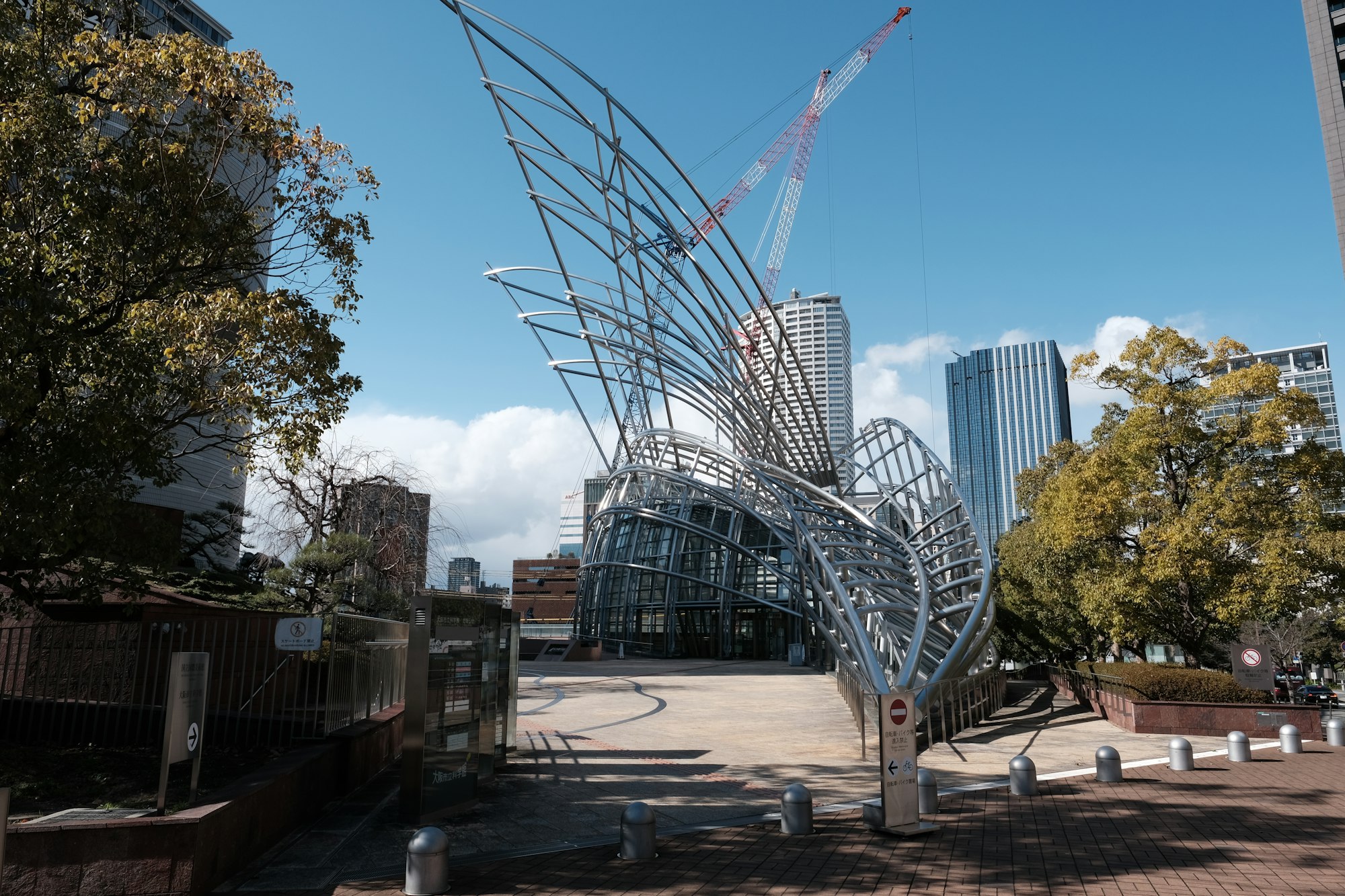
Finding a whole art museum below street level is the surprise on Nakanoshima: only a glass and steel entrance shows above ground, and the postwar and contemporary galleries sit two and three floors down.
Museum, Osaka. Meridian Dispatch.
Watanabebashi Station on the Keihan Nakanoshima Line is closest, a five-minute walk southwest from Exit 2. Higobashi Station on the Osaka Metro Yotsubashi Line is about ten minutes on foot to the west from Exit 3. The No. 53 and No. 75 city buses stop at Taminobashi, three minutes away. The museum has no parking.
The museum opens from 10:00 to 17:00, with last entry at 16:30. On Fridays it stays open until 20:00, with last entry at 19:30. It is closed on Mondays, over the New Year holidays and during exhibition changeovers. If a Monday falls on a national holiday, it stays open and closes on the Tuesday instead.
Tickets are not sold for timed slots, so nothing needs booking ahead. The museum counter sells them on the day at the same fee as online. Each special exhibition has its own ticket, separate from the collection exhibition.
High school students, visitors under 18 and visitors over 65 enter the collection exhibition free, with ID. Special exhibitions set their own fees, and Friday evening visits after 17:00 are charged at a discounted night rate.
Allow one to two hours for the galleries. Two of the three basement floors are exhibition space, so the collection and special shows fill most of the visit.
Two works are permanently installed in the building. One is a ceramic mural by Joan Miró, dated 1969. The other is London, a 1962 sculpture by Alexander Calder. The rest of the holdings rotate through the exhibitions.
What you see from the street is only the entrance: a sculpture of glass and stainless steel rising in two peaks, designed by César Pelli to look like bamboo. Galleries, shop and café are all underground. The museum moved here from Suita in 2004 and was rebuilt this way.
An atrium drops from the glass-roofed ground floor to the third basement, so daylight reaches well below the street. On the first basement, the entrance hall floor is a mosaic of Italian rosso alicante marble, lit from the glass above. Look down as you cross it.
Permanently installed works include Joan Miró's ceramic mural Innocent Laughter and Alexander Calder's sculpture London. The collection of more than 8,000 works centres on postwar art, mostly paintings, sculpture, prints and photographs from Japan and abroad. It is shown in rotating collection exhibitions on the second and third basement floors, alongside special exhibitions with their own ticket.
Before you buy, decide which show you have come for: the collection exhibition and each special exhibition are ticketed separately. Entry is not timed, so you buy at the counter on the day. Check the exhibition calendar on the website first, because the whole museum closes between exhibitions.
The first basement is the hub, with the information desk, the shop and the café, all of which you can use without a ticket. Leave large bags in a coin locker; a bag too big for one can be left at the information desk on this floor. The galleries take up the two floors below.
You can take photographs in the collection exhibition, but not video, and flash, tripods and selfie sticks are not allowed. Bring a pencil for notes, as only pencils are permitted. Food and drink, including sweets and chewing gum, stay out of the exhibitions.
Nakanoshima Museum of Art, Osaka is next door.
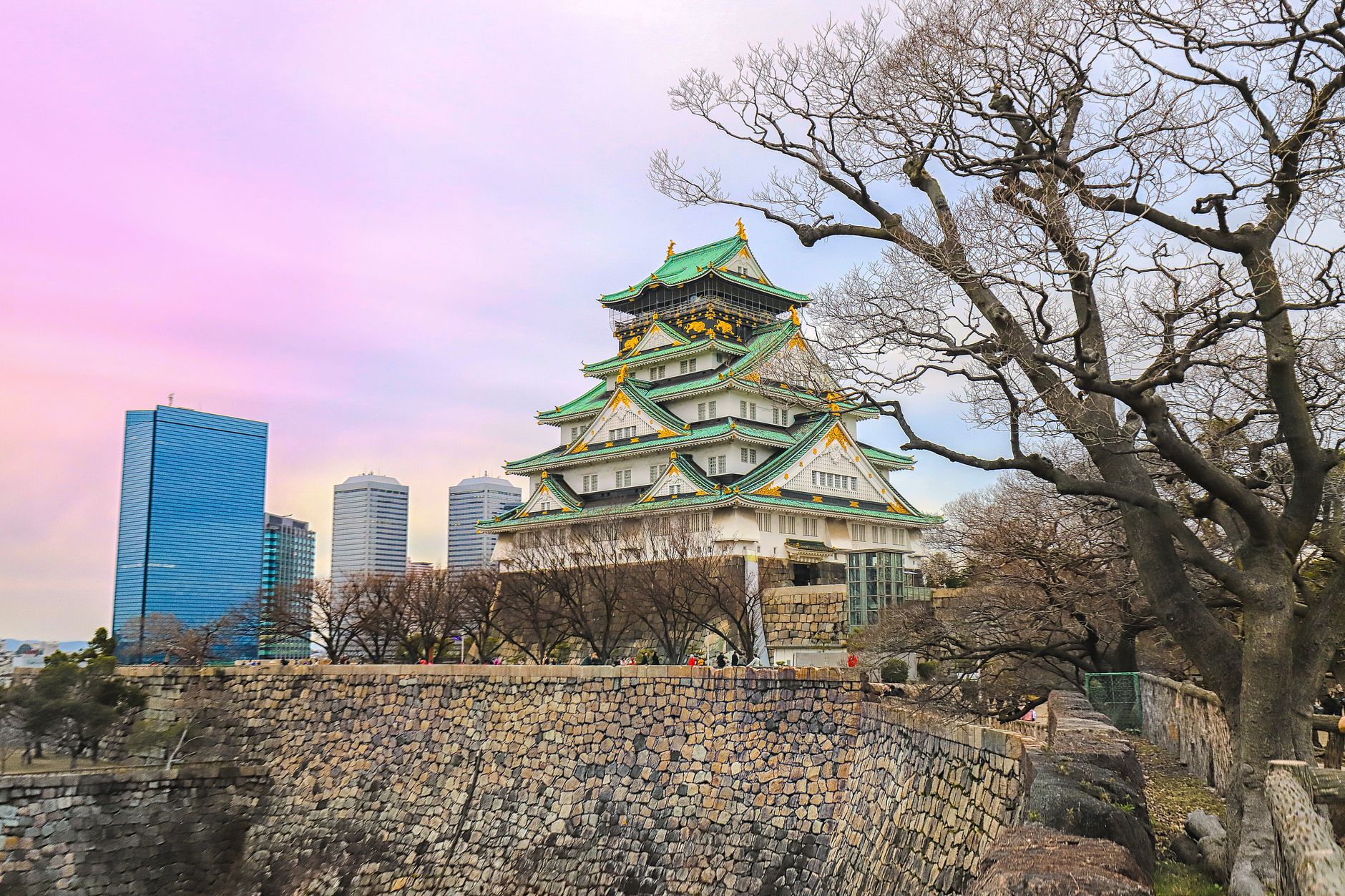
Osaka, Japan: Street food, late nights and the lit canal at Dōtonbori are the reasons to come, with stalls and counters busy until close to midnight.
Read the Osaka guideExplore the rest of Osaka
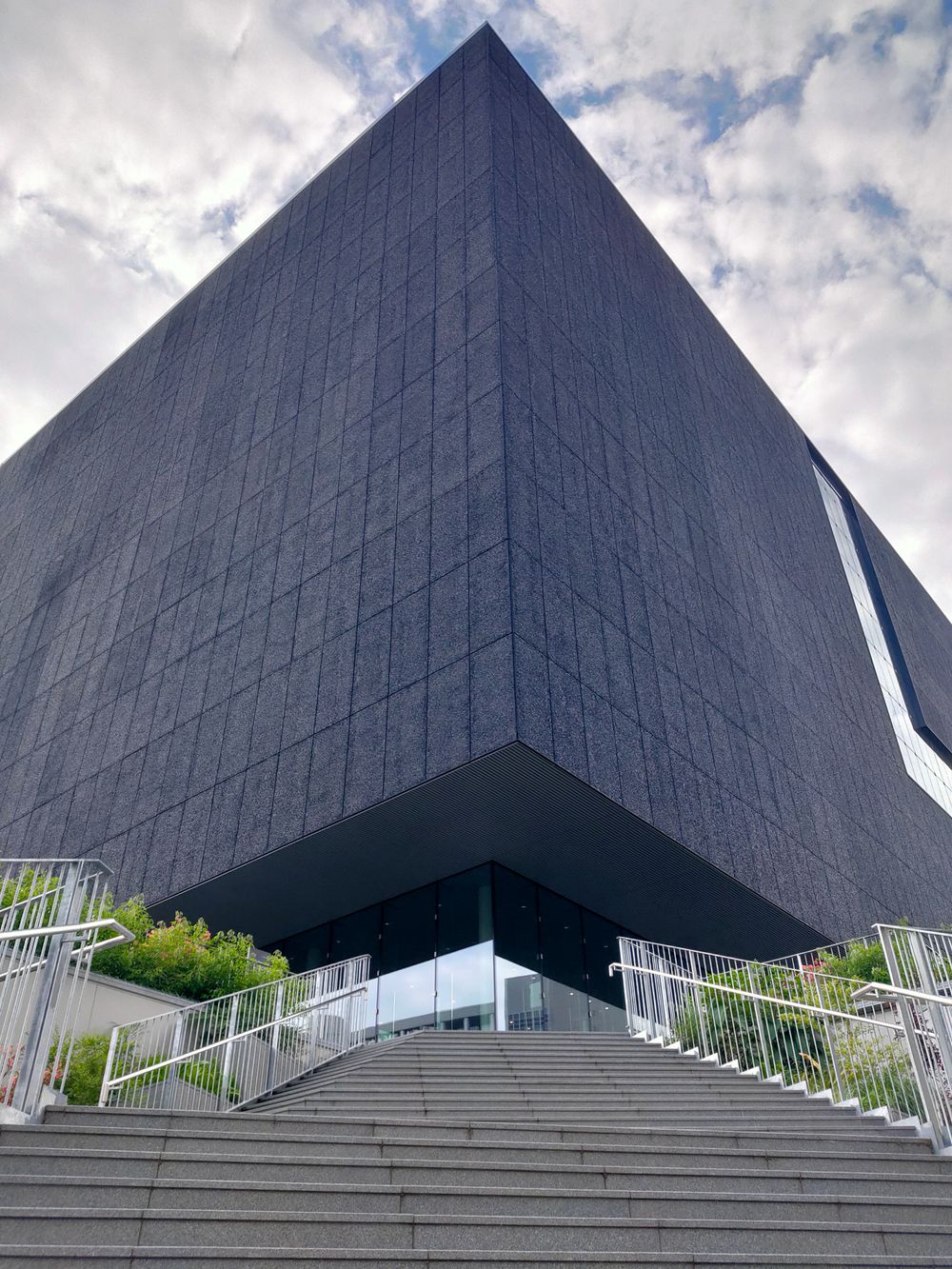
A black cube of a building on Nakanoshima, with a collection of more than 6,000 works of Western and Japanese painting and modern and…
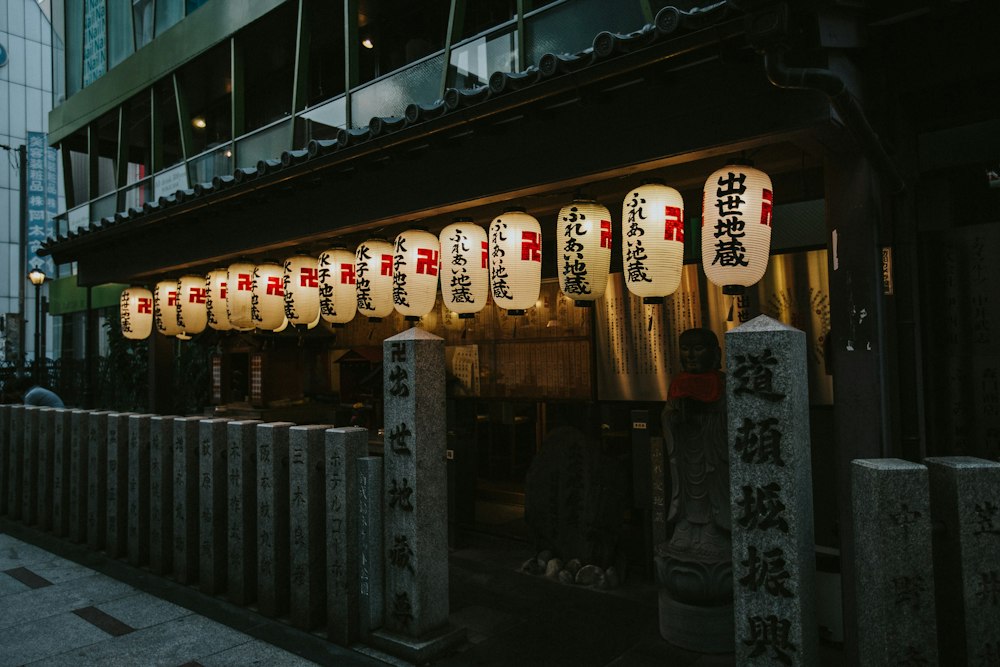
Giant signboards and a mechanical crab line this canal street in Minami, Osaka, with the Glico running man by Ebisubashi. The riverside…
Take the lift to the tenth floor, where a full-size reconstruction of an ancient palace hall faces a window with a direct view of Osaka…
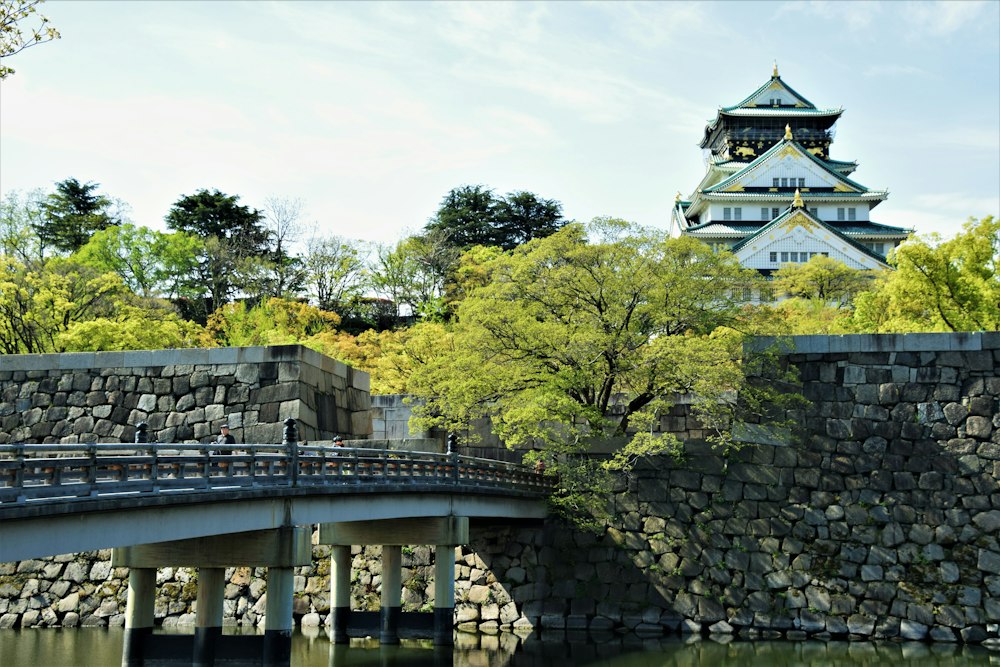
A concrete castle tower with a modern museum inside and an open deck on the eighth floor, fifty metres up, looking over the moats, the…
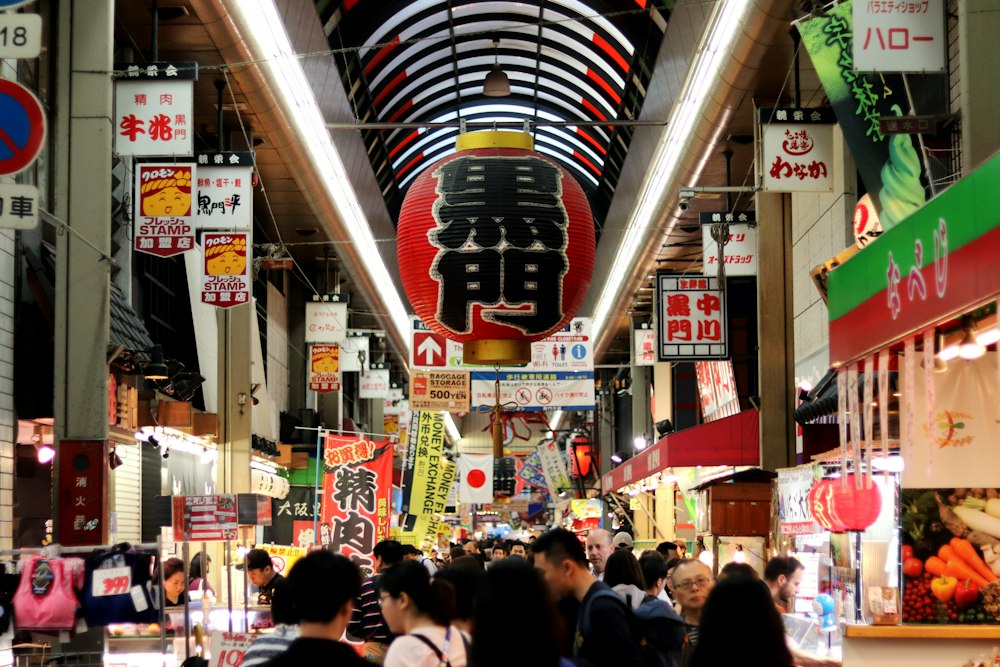
Grilled scallops, tuna sashimi, wagyu skewers and fresh fruit are sold from about 150 stalls along a covered lane near Nippombashi Station.…
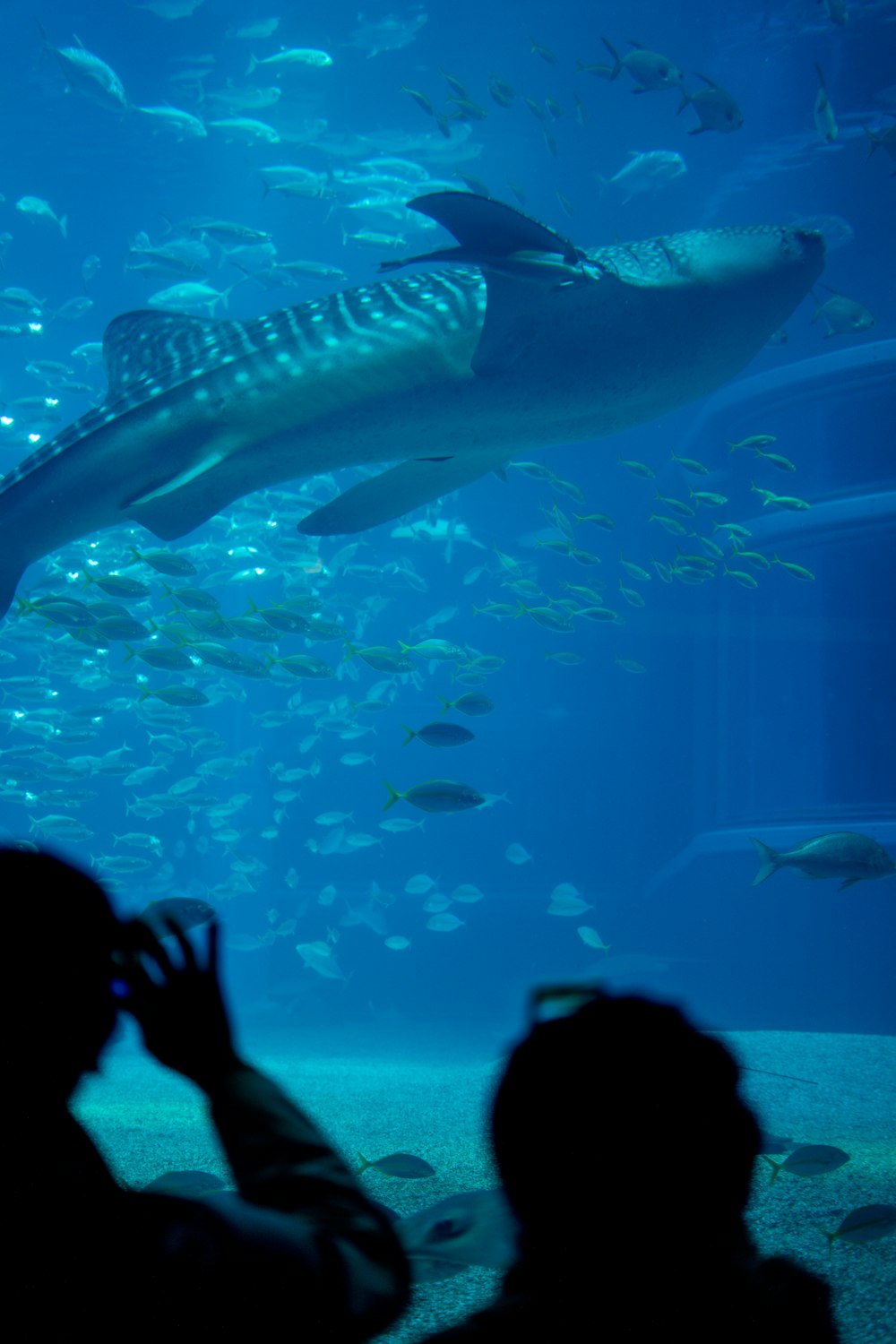
A walk round the Pacific Rim from the top of the building to the bottom, from a Japanese forest stream with its otters to the Antarctic…
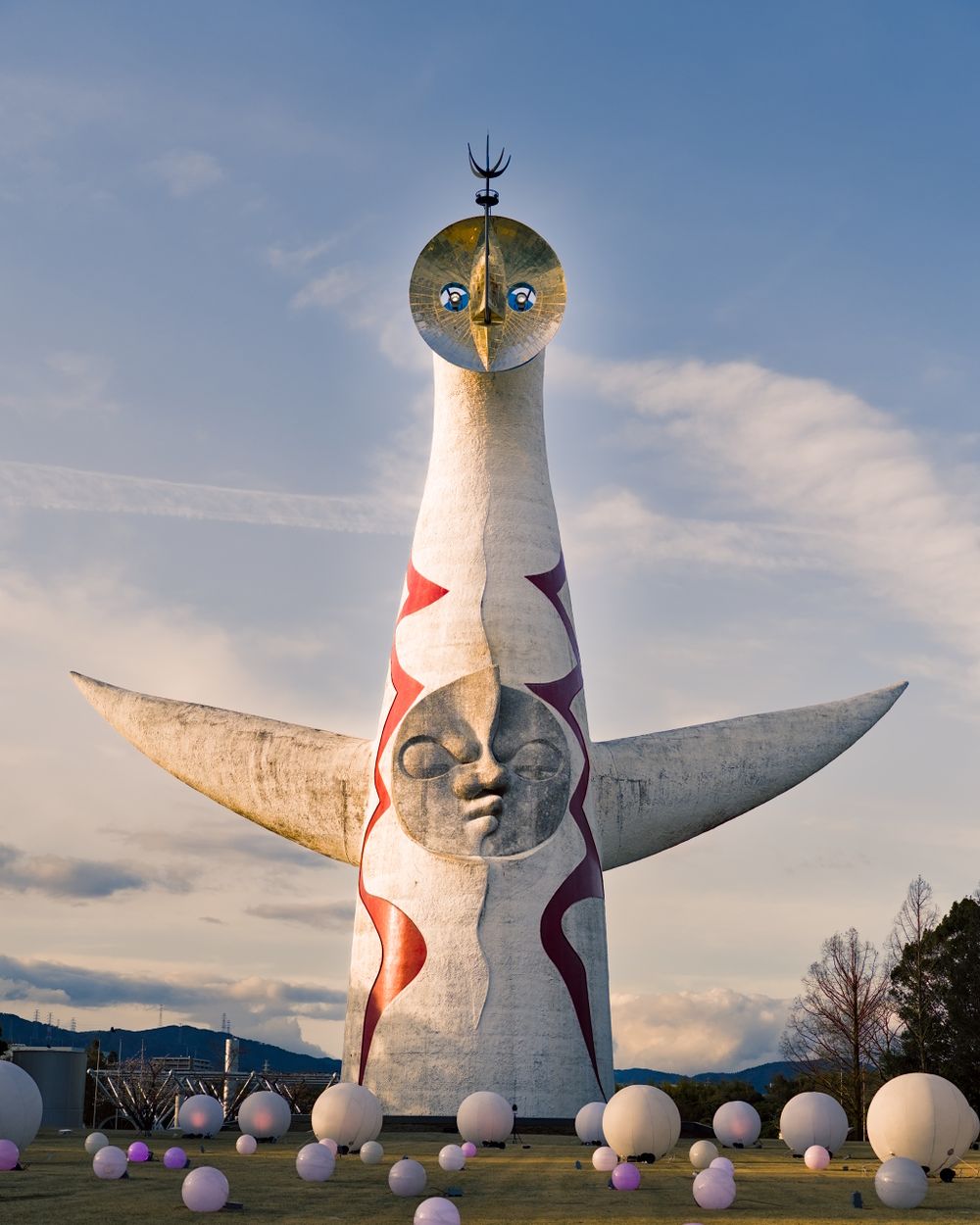
Taro Okamoto's Tower of the Sun, the symbol of the 1970 World Expo, stands at the heart of a park laid out on the fair's old site. Its…
Chinese and Korean ceramics fill this museum in a corner of Nakanoshima Park, in galleries grouped by country. It is closed for renovation,…




Save National Museum of Art, Osaka to your Japan trip in the Meridian Dispatch app and build the day around it, with the best of Osaka pinned on one map.
Download on the App StoreLast updated