 Submit a photo
Ninety seconds on Petra
As of 2026 the site and visitor centre close at 5pm, on winter hours with opening at 6.30am, in force from 2 October 2026 until 1 March 2027. Summer hours, 6am to 6pm, applied from 2 March to 1 October 2026. The Little Petra ticket office keeps a shorter winter day, 7am to 2pm, and the park asks visitors to be out before sunset.
At the visitor centre in Wadi Musa, or online through the Petra Pass. The ticket office asks for a valid passport and takes Jordanian dinars in cash or a Visa card. Daytime admission is free for children under 12, and a two-day or three-day ticket only works on consecutive days.
By bus, minibus or car. A bus leaves Abdali station at 6.30am and heads back to Amman at 5pm, while public minibuses leave the southern station between 9am and 4pm and return from Petra between 6am and 1pm. Driving takes about three hours on the Desert Highway, or four on the King's Highway.
About 90 to 105 minutes, walked without stops. The trail measures 3.9 kilometres, a little over 5,000 steps, on an easy grade. Nobody may sleep inside the park, so a visit spread over two days means a bed outside it.
Spring, from March to May, and autumn, from September to November, when the weather is mild. Late autumn falls on winter hours from 2 October, when the site closes at 5pm instead of 6pm, so a November visit has a shorter day on site than a September one.
Yes, on the main trail. Official advice is to keep to the main trails unless accompanied by a guide, so the routes off them are better walked with one. Licensed guides are booked at the visitor centre on arrival.
You reach Petra down a narrow gorge that ends at a tomb front nearly 40 metres tall. Beyond it you can spend a day walking a city carved out of the cliffs, then climb to the High Place of Sacrifice and the Monastery.
The Siq, the gorge you walk in through, winds for over a kilometre between sandstone walls. Look low on its sides for the ancient channels that carried water into the city, and down at the old paving stones under your feet.
Watch the colour of the stone as you go. The sandstone is banded pink, orange, sulphur yellow, white and crimson, and it looks different from one hour to the next.
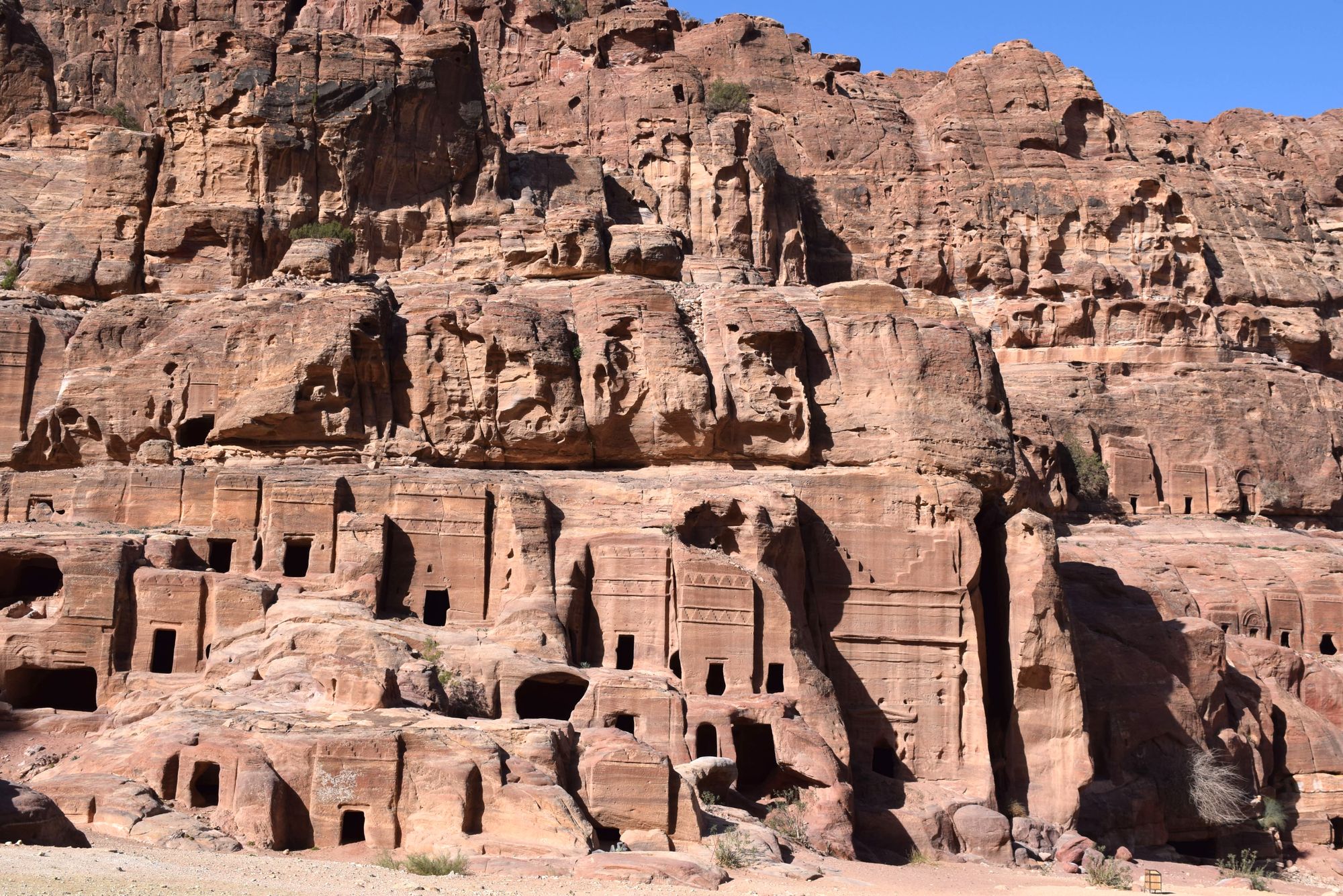
The main trail passes a street of tomb facades and a Roman-era theatre with 45 rows of seats for 4,000 spectators. The Royal Tombs are a group of monumental burial chambers, among them the Urn, Corinthian and Palace tombs.
Two climbs lead away from the main trail. The stairway from Qasr al-Bint ends at the Monastery, a single monumental facade carved into the rock.
The other climb reaches the High Place of Sacrifice, where a rectangular courtyard holds three carved benches around a low central table, with an altar to the west. Beside them are a round basin cut to collect rainwater for purification and a cup-shaped hollow made to drain the blood of sacrifices.
The main trail starts at the visitor centre and enters the Siq, and the walk through the gorge to the Treasury takes 20 to 45 minutes depending on your pace. It carries on past the street of facades, the theatre and the colonnaded street to Qasr al-Bint, where there are two restaurants and the museums. Walked without stops, it takes up to an hour and three quarters.
On a single day, walk the main trail in the morning and eat there. Climb to the Monastery in the late afternoon, when the setting sun lights the facade. Leave time for the long walk back out, because the park asks you to leave before sunset.
With two days, give the first to the main trail and the second to the climbs, the Monastery in the late afternoon. Overnight stays inside the park are not allowed, so sleep in Wadi Musa between the two.
If you head south next, the Wadi Rum Protected Area is about 100 kilometres away, an hour and a half by car.
Choose shoes with thick soles, because the ground is sandy and uneven and thin soles leave your feet bruised by evening. Loose, light clothing that covers your arms and legs keeps off the sun and suits local custom, and a hat and sunglasses do the rest.
Water is sold inside the site at well above town prices, so fill up in Wadi Musa before you go in. Side trails off the main path are far quieter than the main route. Near closing time, the famous facades also have far fewer visitors in front of them.
Explore the rest of Wadi Musa
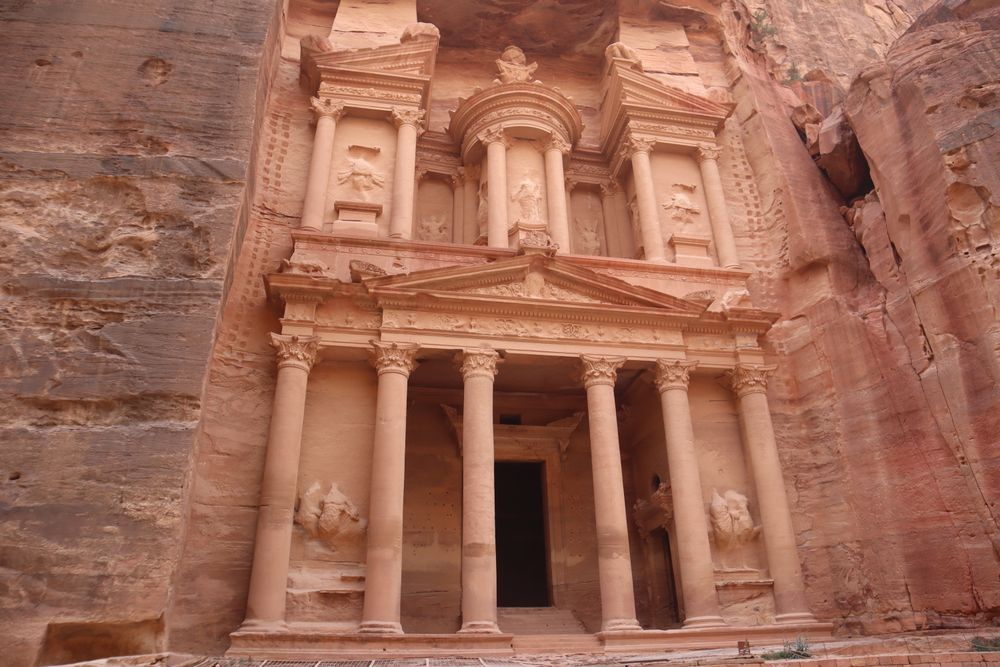
At the end of the Siq, a narrow cleft over a kilometre long, the Treasury appears as a slice of carved facade before opening fully into…
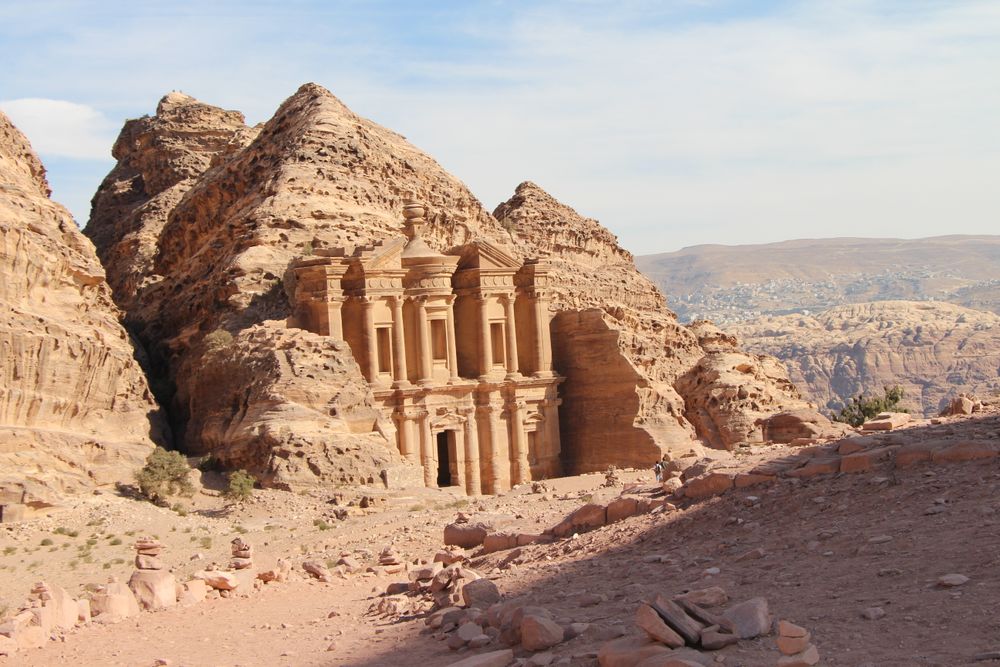
Some eight hundred rock-cut steps climb from the Basin restaurant area to a facade broader and plainer than the Treasury, set on an open…
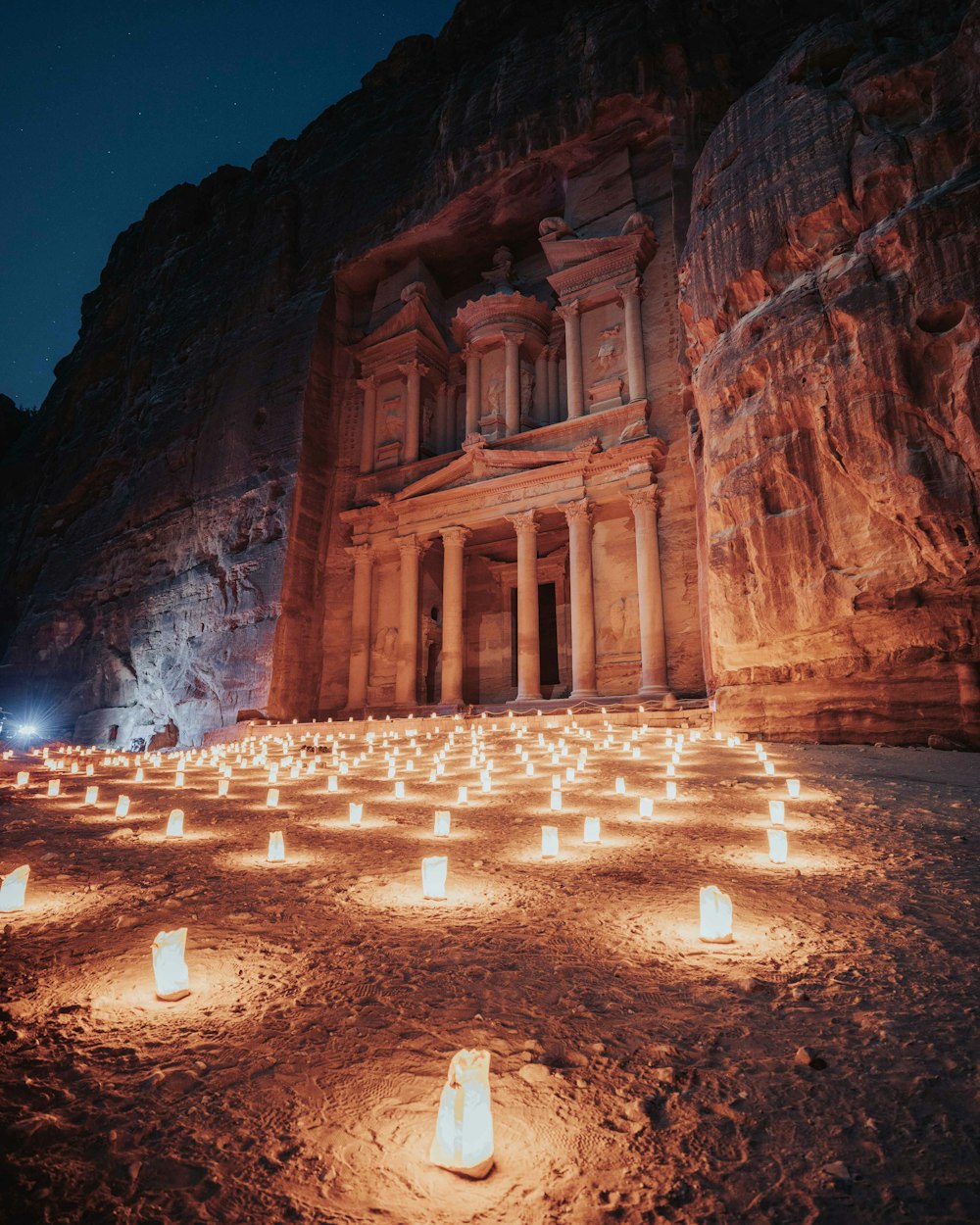
Candles in paper bags line the Siq and the Treasury forecourt on set evenings each week, with Bedouin music and tea in place of commentary.…
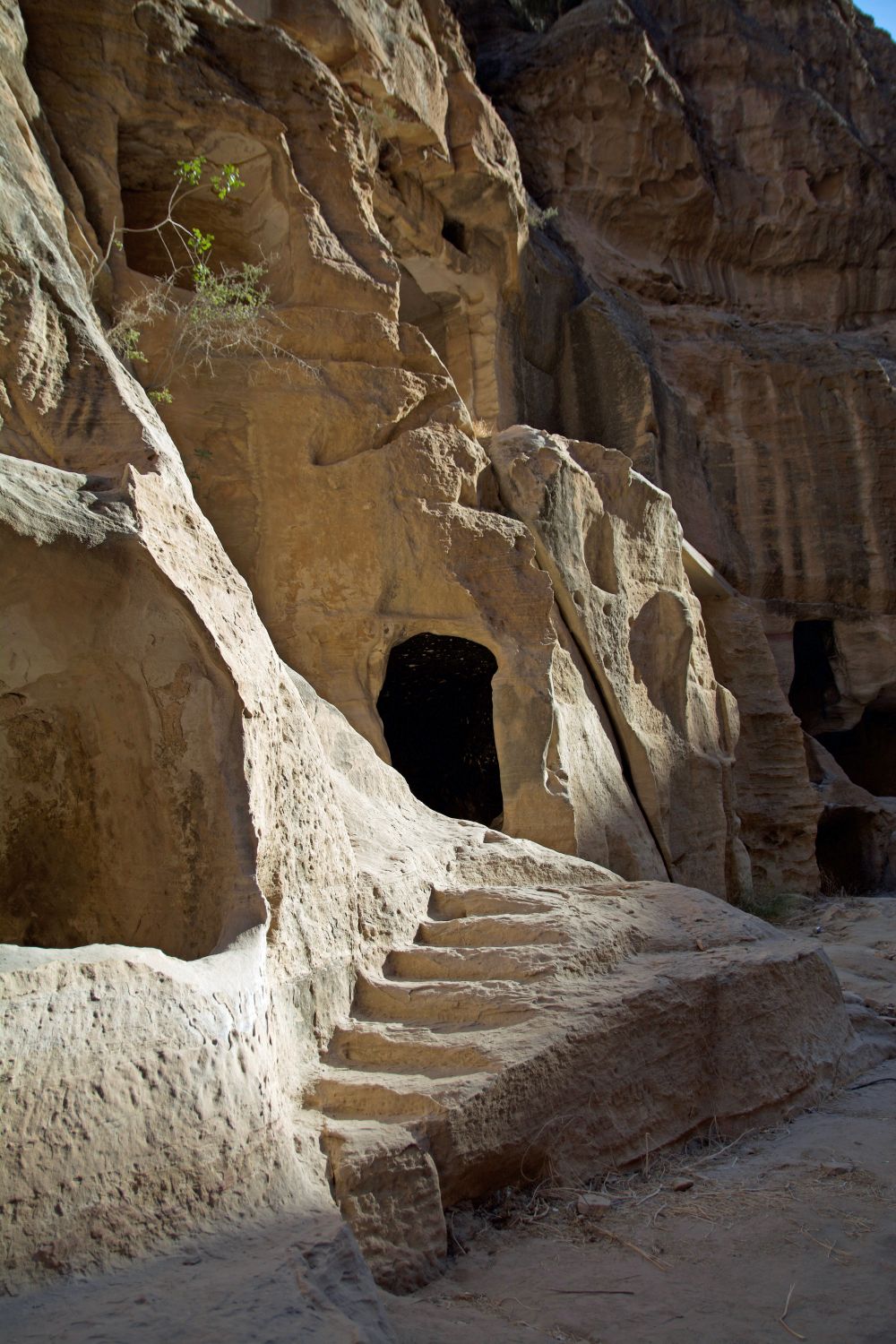
Eight kilometres north of the main site, a short cold canyon holds Nabataean dining halls, cisterns and a painted ceiling of vines and…
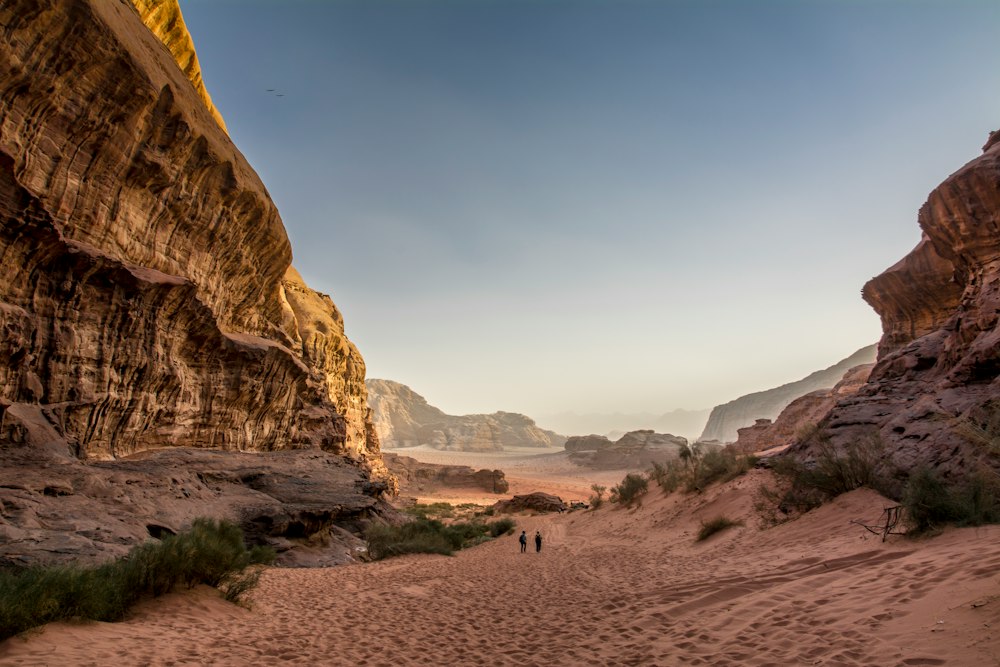
A UNESCO-listed desert of about 720 square kilometres in southern Jordan, where near-vertical mountains of iron-rich sandstone rise…
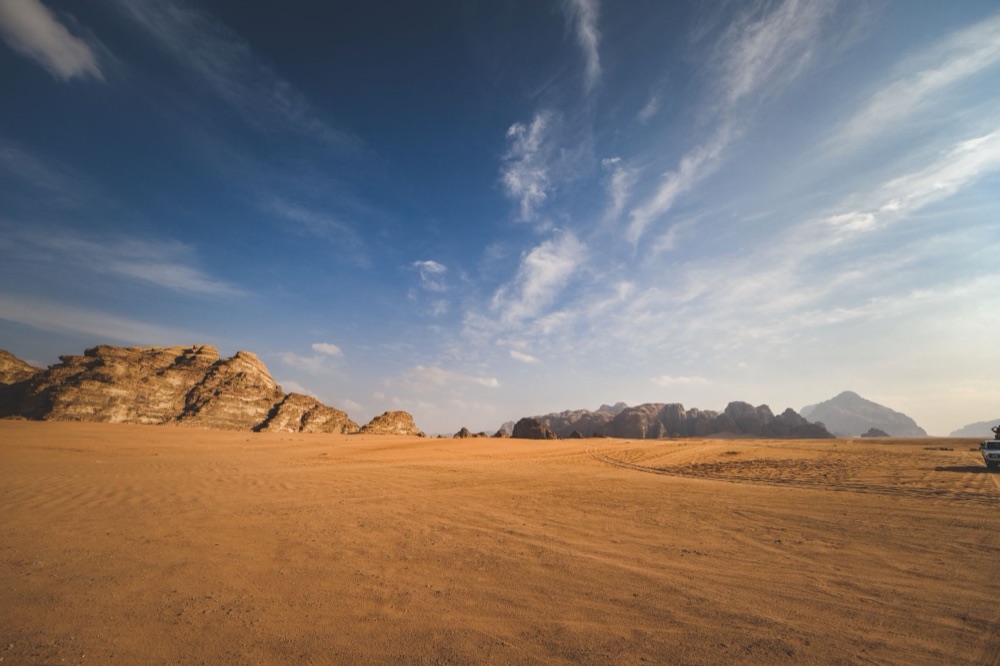
A shallow bowl of sand beneath Jebel Rum holds the Bedouin settlement that fronts the protected desert of southern Jordan, a valley of…
Hotels, restaurants and tour offices climb a series of switchbacks above the entrance to Petra, in a hill town whose spring is tied to…
Jordan's one stretch of coastline sits at the head of the Red Sea gulf, a duty-free port city facing Eilat across the water and Egypt and…
The official pages this guide was checked against.
Last updated