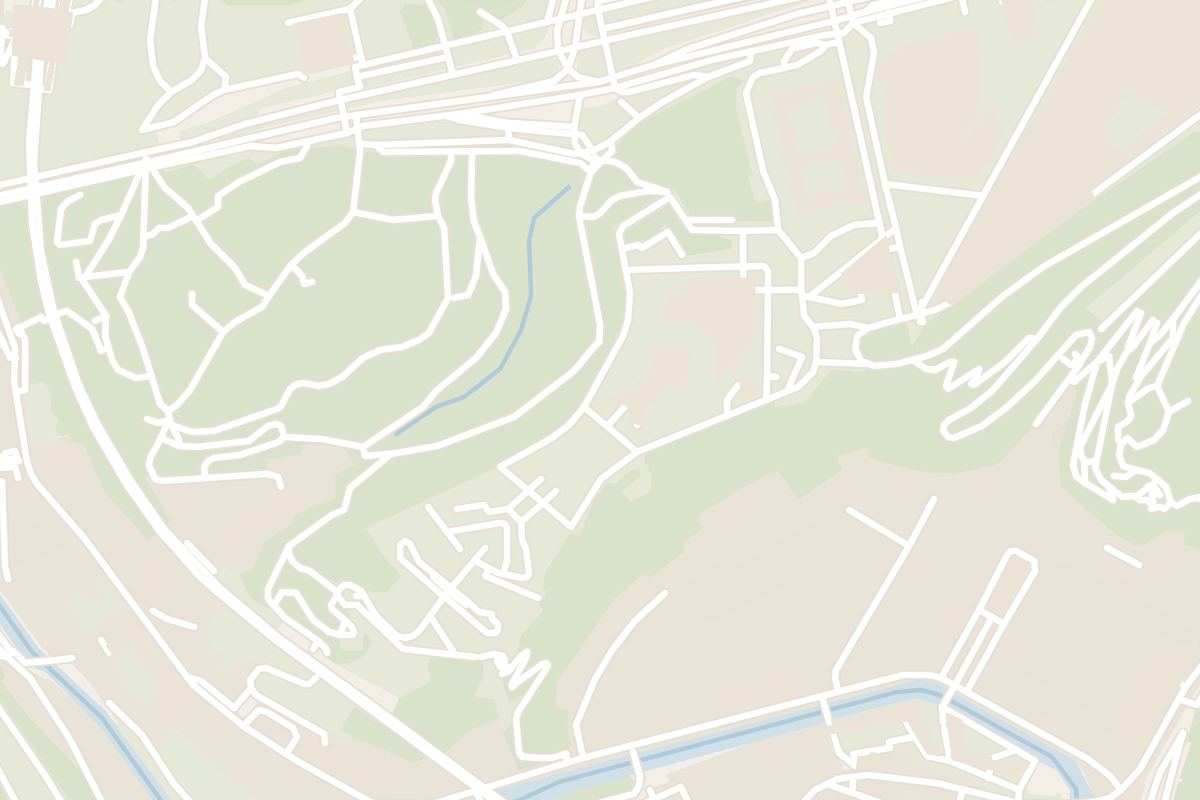
A stone acorn crowns each of the three towers of this fort on Kirchberg. Inside, the museum follows the fortress city room by room, in vaulted spaces dug out of the fort itself.
Fortress, Luxembourg City. Meridian Dispatch.
Nine vaulted rooms hold the permanent exhibition, some 600 objects and documents arranged period by period. The first-floor auditorium shows two large models of the old fortress, one of them set into the floor under glass.
It is closed every Monday. As of November 2026 the other days run 10:00 to 18:00, with Wednesday open until 20:00. It also closes on New Year's Day, the National Holiday, Assumption, All Saints' Day and Christmas Day, and shuts at 14:00 on Christmas Eve and 16:30 on New Year's Eve.
Entry is ticketed. It costs nothing for anyone under 26, during the last hour of the day, and on Wednesday nights from 17:30. Audio guides cover English. The regular guided tours on the November 2026 agenda are in French or German, and other tours can be booked by email.
Take the tram to Philharmonie/Mudam. Mudam, the modern art museum, stands in the same Park Dräi Eechelen as the fort. By train, get off at Pfaffenthal/Kirchberg.
Allow 1.5 to 3 hours for the museum and the grounds around it. Both the permanent and temporary exhibitions are accessible to anyone with reduced mobility, and entry is free for them and one companion.
The official site of Fort Thüngen is m3e.public.lu.
m3e.public.lu →Three crenellated towers stand at the back of the fort, each crowned with a stone acorn, which is where the Luxembourgish name Dräi Eechelen comes from. The Austrians built the fort in 1732.
Under Prussian rule, the fort's core was dug out into vaulted rooms (casemates) for a garrison. Nine of these rooms now each cover one period of the city's past, with some 600 objects and documents on show. One space holds photographs of the fortress before and during its dismantling.
The underground galleries and the mine chambers are largely as they were finished, and a broad masonry joint in the walls marks where the original stops and the reconstruction begins.
In the first-floor auditorium, the 1802 relief model of the city's defences is set into the floor under sixteen backlit glass panels. You walk around it and can count the windows of the houses on the Grand-Rue. A bronze model shows the defences at their greatest extent, in 1867.
There is parking at the Trois Glands car park on Rue du Fort Thüngen. The nearest Vel'oh bike station is Philharmonie, no. 19, and the museum's address is 5, Park Dräi Eechelen.
The route runs through the exhibition in date order, one casemate per period. Casemate 6 breaks it up as a multimedia room, with an interactive database, audiovisual material and a rest area.
When you have seen the rooms, a modern staircase leads from the second floor up to the roof platform, rebuilt largely to its original size.
Entry is also free with the Luxembourg Card or a Kulturpass. A combined ticket, valid the same day, covers the Nationalmusée um Fëschmaart as well.
If you travel with children, the museum's Fortress Fun booklet turns the permanent exhibition into a game.
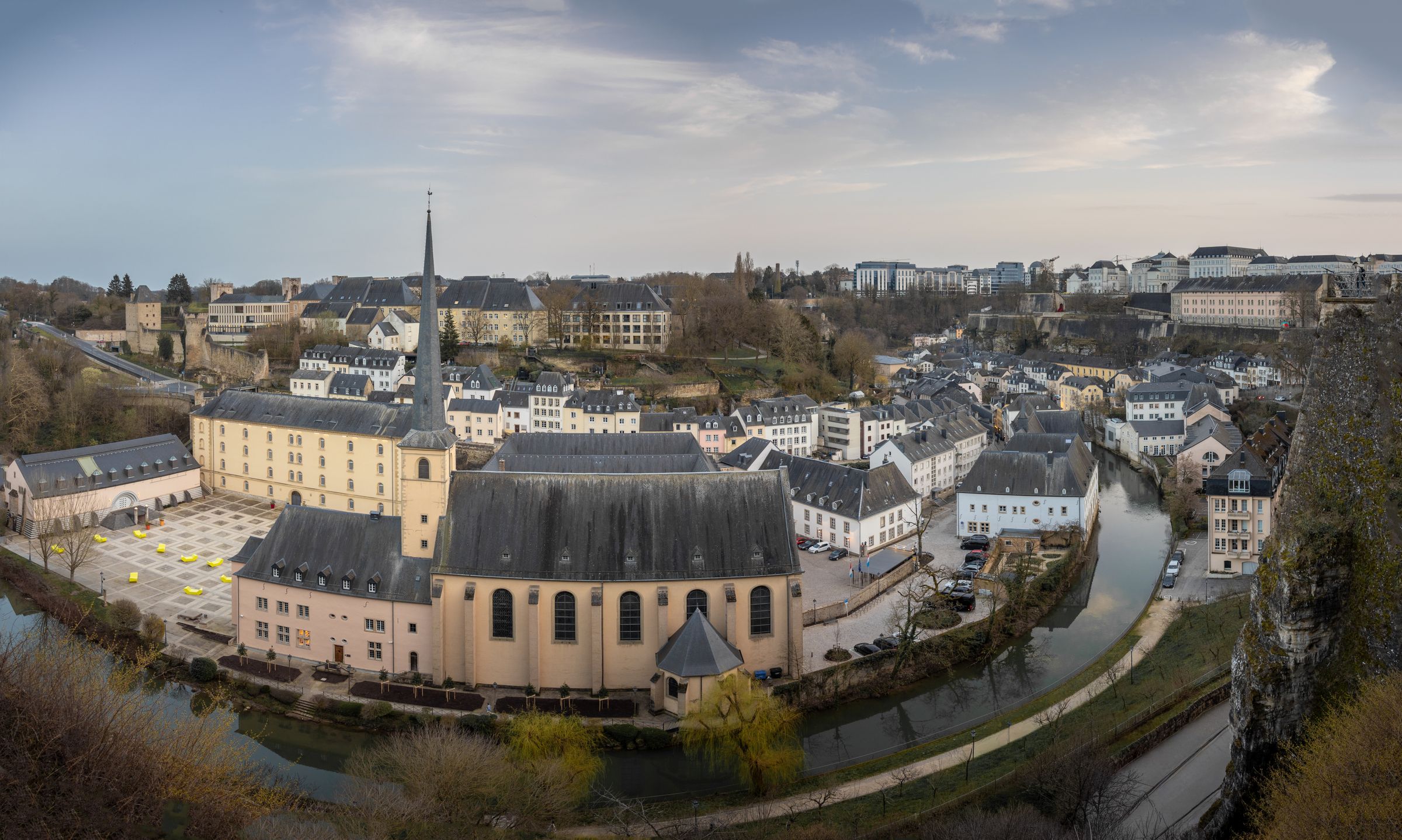
In the Ville Haute the main sights are a walk apart, and a free public lift drops you to the Pfaffenthal in the valley below, running until 1 am for the ride back up.
Read the Luxembourg City guideExplore the rest of Luxembourg City
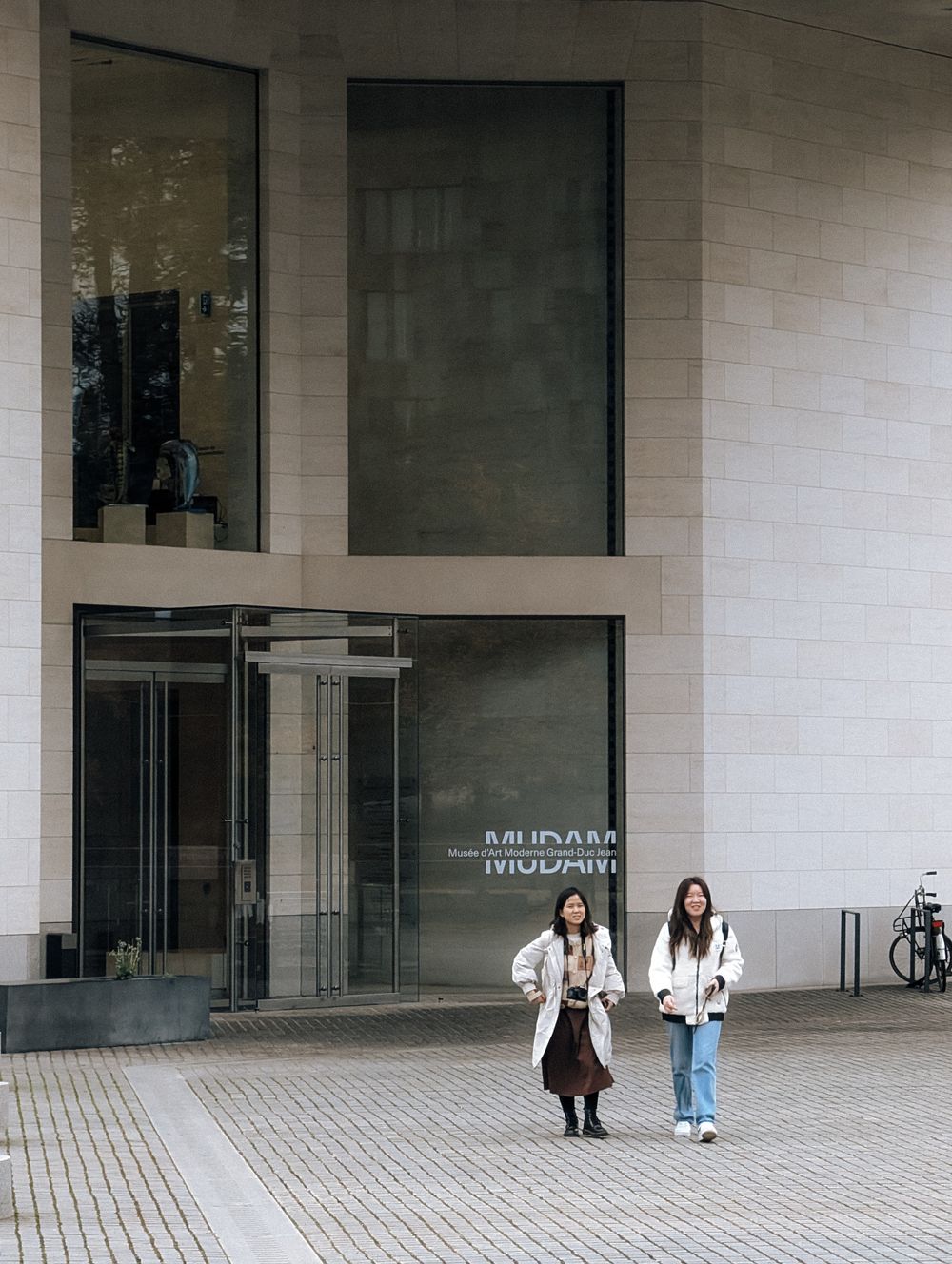
Up on the Kirchberg plateau, the building by Ieoh Ming Pei for the national museum of modern art rises on the site of the old Fort Thüngen…
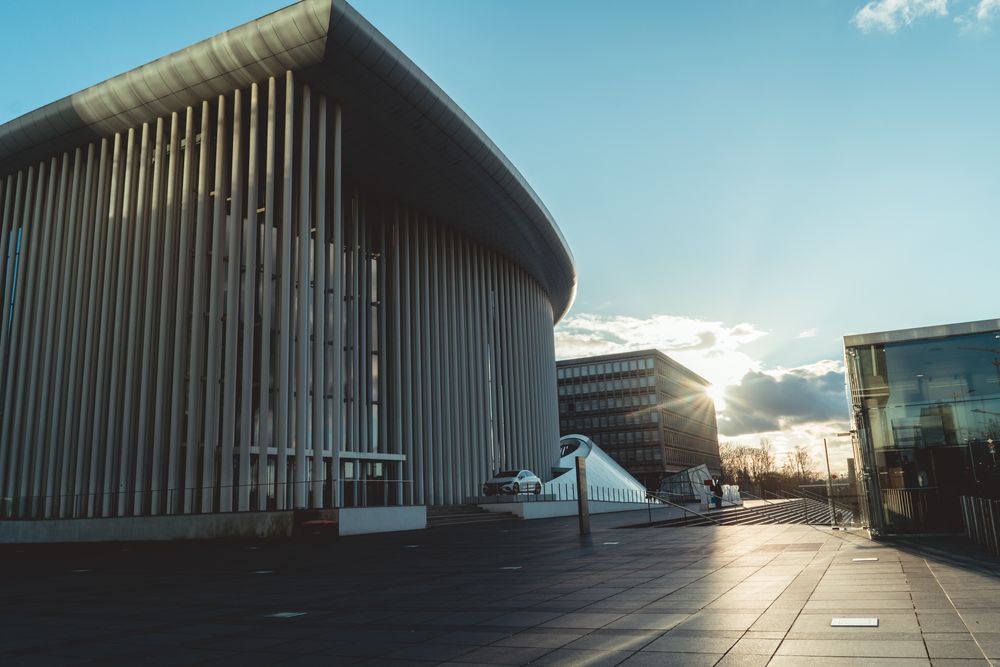
Behind a screen of 823 white steel columns on Place de l'Europe in Kirchberg, Christian de Portzamparc's concert hall is home to the…
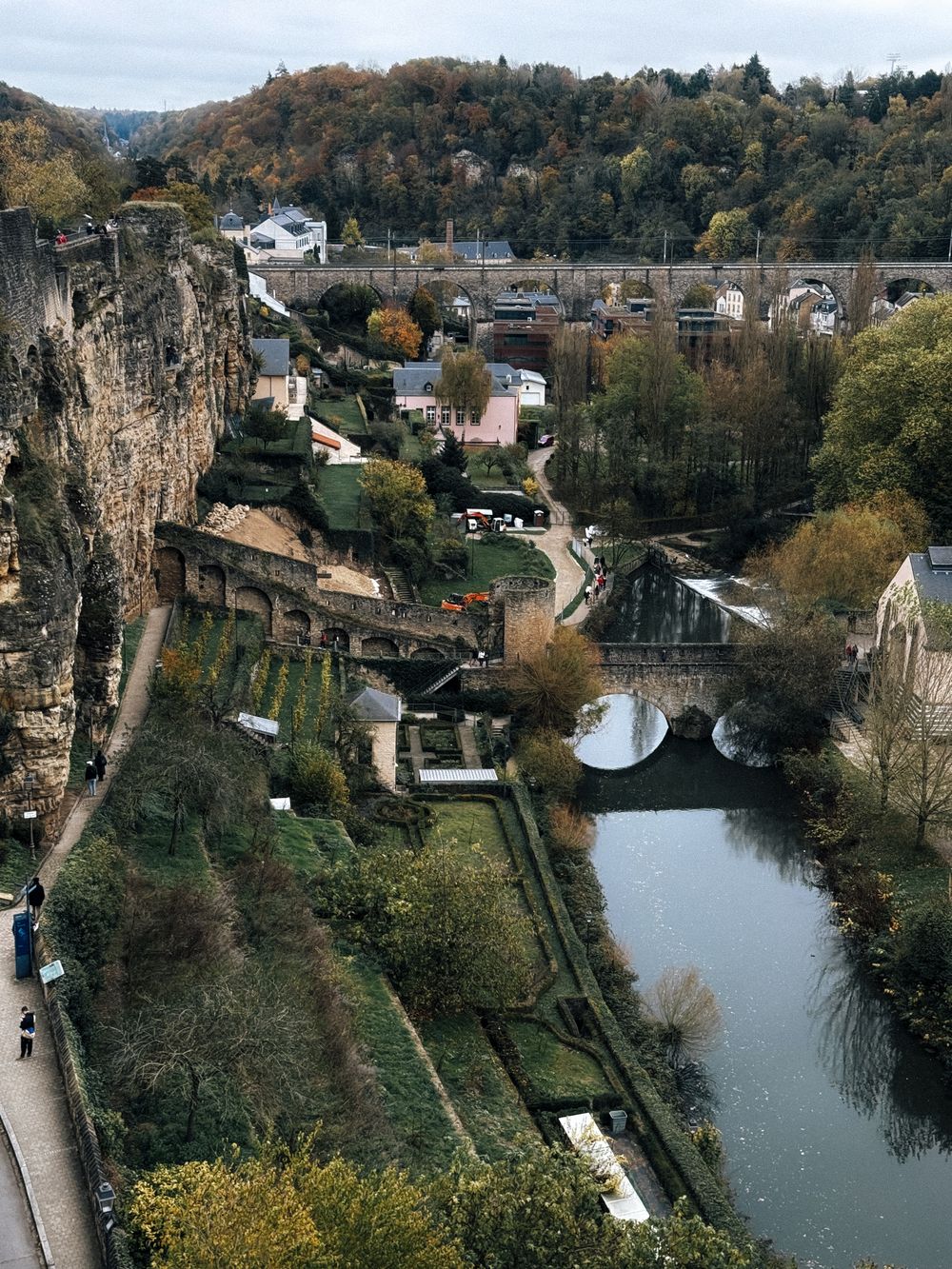

A main gallery 110 metres long runs through the rock of the Bock promontory, with side passages where cannon once covered the Alzette…
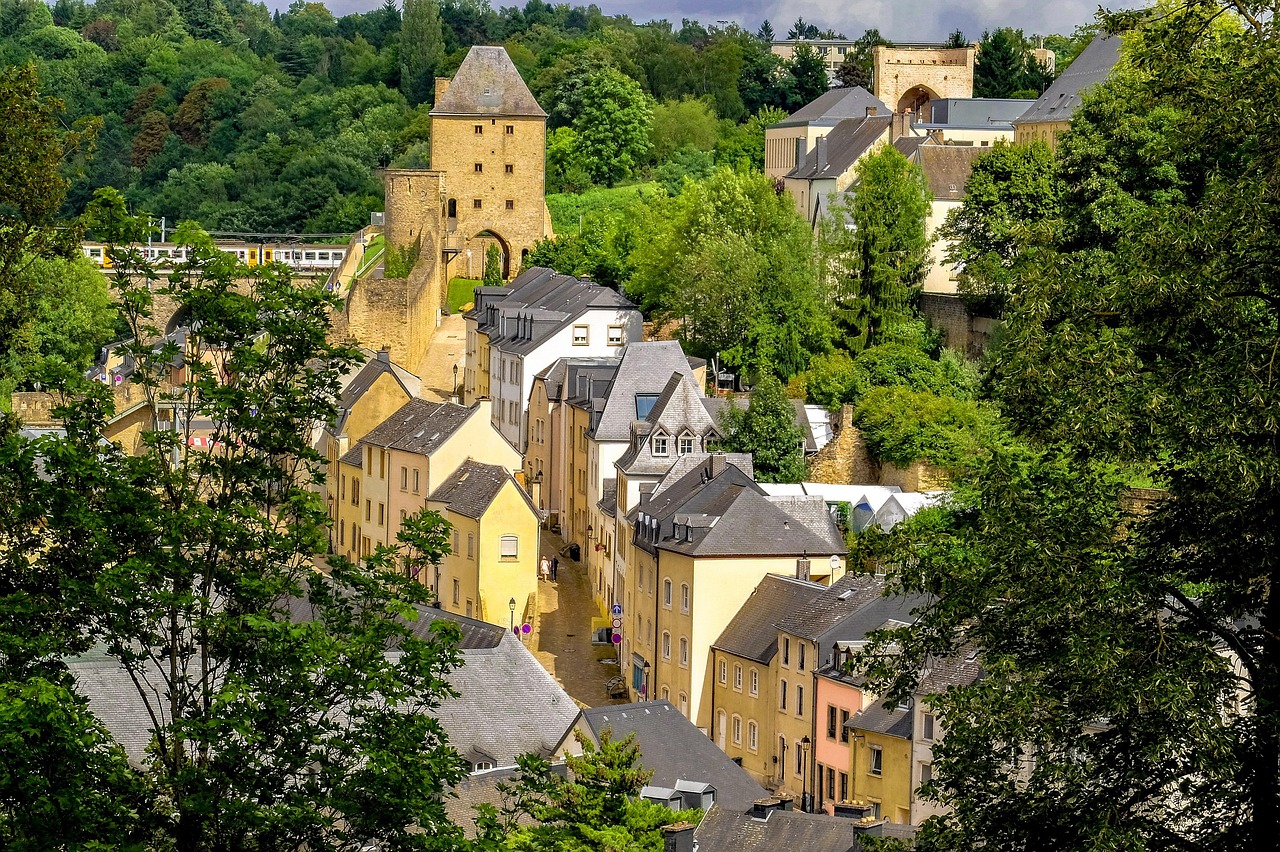
Down in the Alzette valley below the city centre, old houses crowd the riverbanks around Neimënster Abbey, with views up to the fortress…
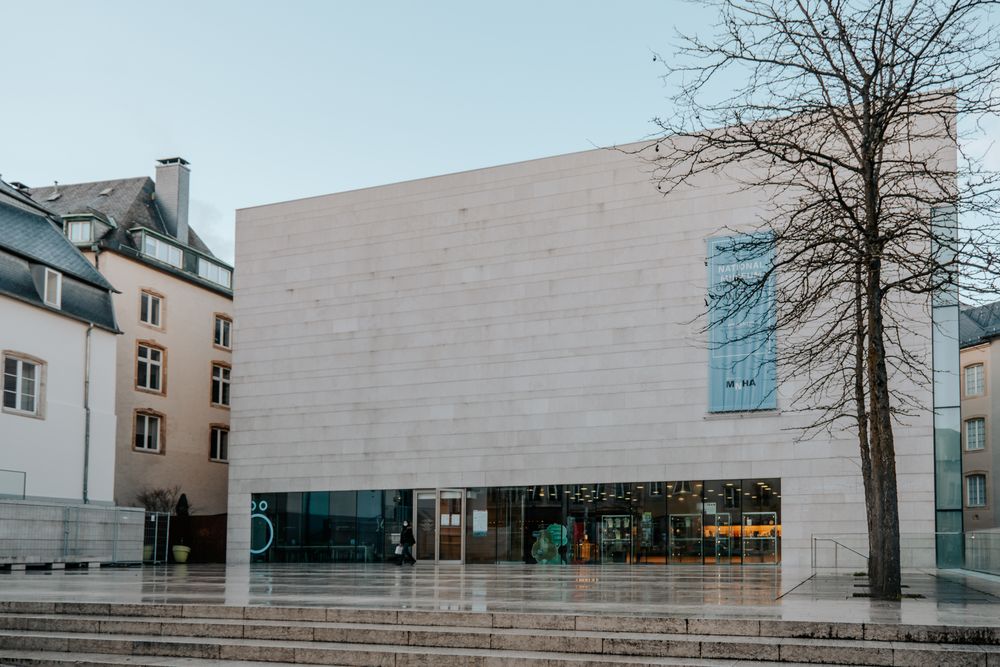
On the old Fish Market square in the upper town, the national museum gathers archaeology, history, coins and medals, decorative arts and…
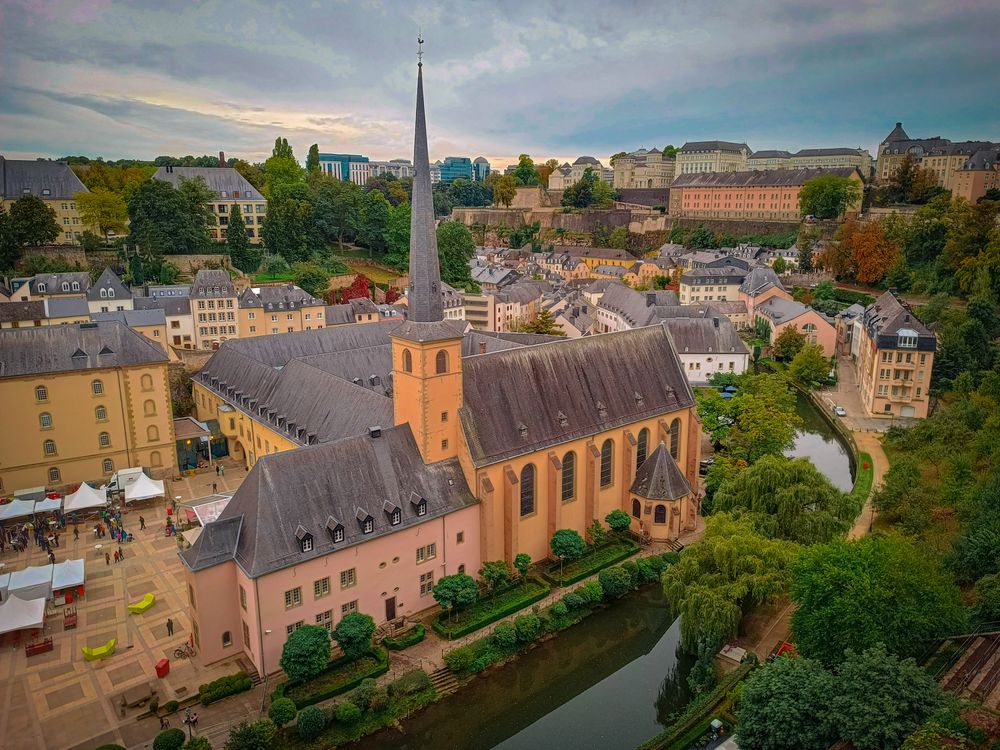
Begun by Benedictine monks in 1606, the abbey complex on the Alzette in the Grund now runs as the Neimënster cultural centre, with…
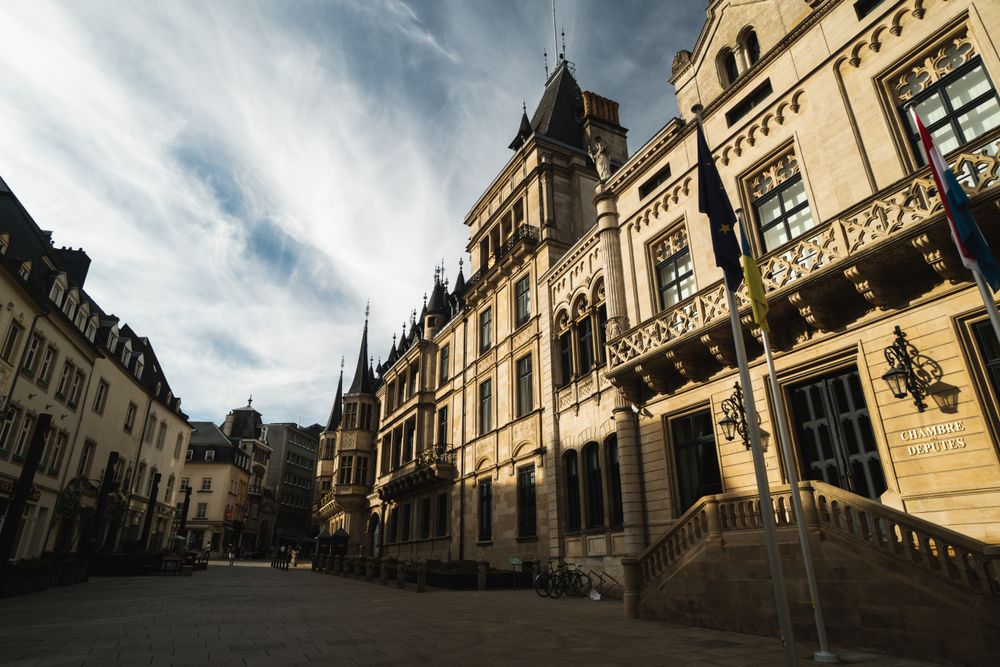
Rue du Marché-aux-Herbes runs past the palace where the Grand Duke keeps his office, a building that served as the city's town hall for…
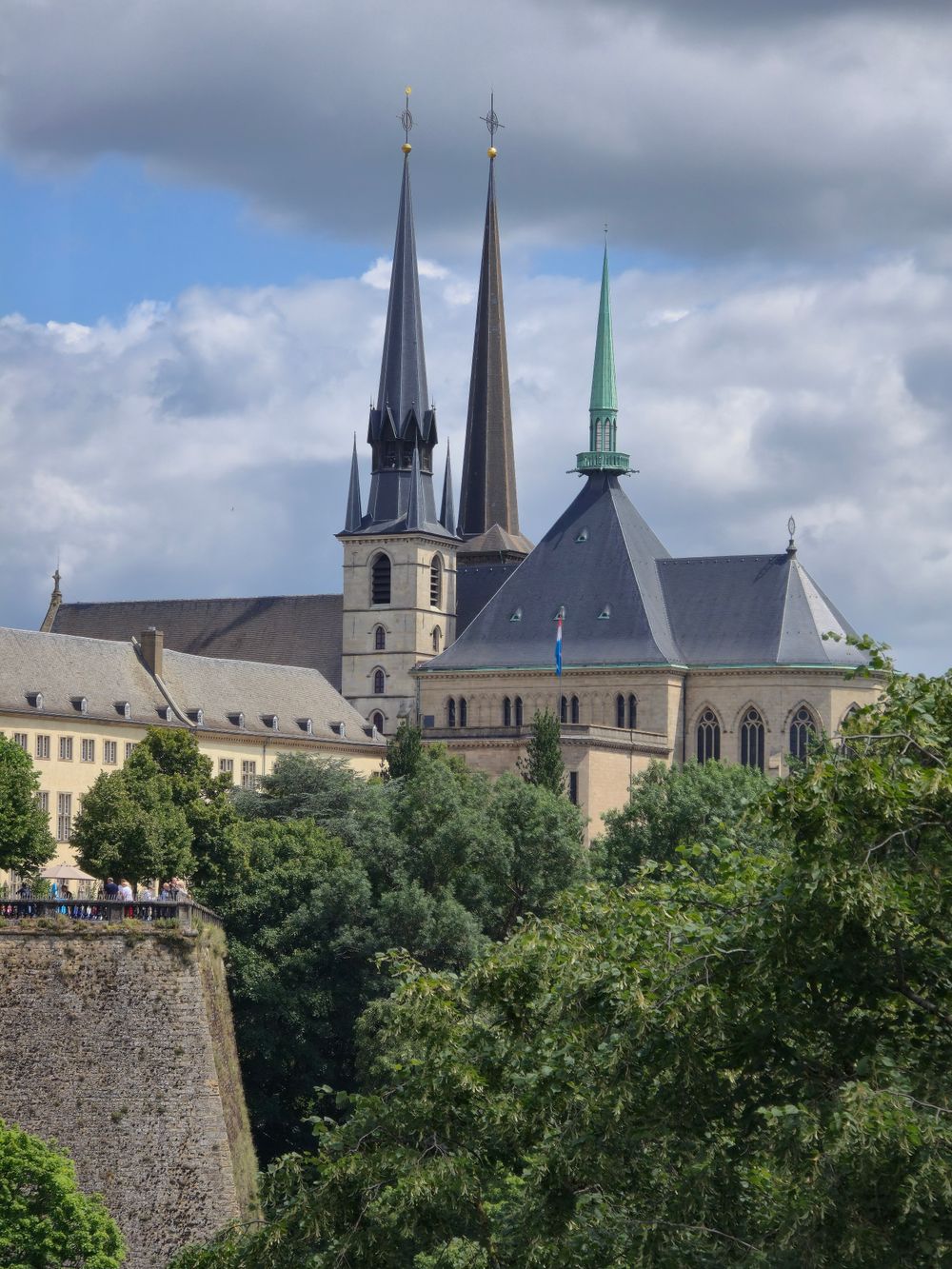
Late Gothic pillars and Renaissance carving share the city's Catholic cathedral, whose cornerstone was laid in 1613. Steps lead down to the…

Save Fort Thüngen to your Luxembourg trip in the Meridian Dispatch app and build the day around it, with the best of Luxembourg City pinned on one map.
Download on the App StoreLast updated