
Early music and premieres share the programme with jazz, world music, DJs, brass ensembles and young Luxembourg musicians and bands, so your concert here need not be classical.
Landmark, Luxembourg City. Meridian Dispatch.
Each concert's on-sale date is printed under its programme listing. From 10:00 on that day, seats can be bought online up to five minutes before the start. The Philharmonie's own app opens a presale 24 hours before each month's general sale, and the hall warns against unofficial resale sites.
Yes, on a guided tour. The Philharmonie runs Day and Night Tours, and a night tour covers the same ground as a day tour, after dark.
The Grand Auditorium has more than 1,000 seats. The Salle de Musique de Chambre, on the left straight ahead from the Main Entrance, holds about 300, and the Espace Découverte about 100.
The tram stops directly in front of the building, at Philharmonie / Mudam. The Rout Bréck-Pafendall and BEI stops are also within 200 metres. For a route without stairs, walk from Avenue John Fitzgerald Kennedy towards the European Convention Center, where the steps end on Place de l'Europe.
No. The audience comes as it likes, and only the orchestra has a dress code. The Philharmonie suggests arriving within the hour before a regular concert, or 30 minutes before a children's event, and the hall doors close when the concert starts.
Yes, the building is barrier-free. Holders of a Luxembourg category C disability card, or a European Disability Card marked A, get a free companion ticket. About 150 concerts a year are made for children and young people, and events marked Free admission, such as some 12:30 lunch concerts, need no ticket.
The Philharmonie stands on Place de l'Europe in Kirchberg, close to the European Union institutions. Its outer wall is a screen of 823 slender white steel columns, which wraps an elliptical foyer and three halls of different sizes.
The French architect Christian de Portzamparc, a Pritzker Prize winner, won the design competition in 1997, and the hall opened in 2005.
Inside, the Grand Foyer is unusually tall, and four Foyer bars serve a bite or a drink before and after the event.
The Grand Auditorium, the largest of the three, is home to the Luxembourg Philharmonic Orchestra. Your ticket there names a seating area, such as Parterre, Balcon or Tour, as well as a row and seat.
From Avenue John Fitzgerald Kennedy, make for the white shell on the right-hand side of the building, where the box office is. Leave your coat at the staffed cloakroom, which is free.
Ushers by the entrance hand you the Evening Programme, a small booklet listing the pieces, their length and any break. A gong then rings three times, at 15, 10 and 5 minutes before the start, as the signal to move to the hall.
Most family events have free seating, so you sit anywhere. Most classical concerts include a 20-minute interval, when the bars open again.
After the last applause, the bars and the seating around them stay open for up to an hour.
The Evening Programme usually goes online five days ahead, so you can read up on the music first. Some programmes have a pink English-language double page in the middle, which helps if the longer French and German articles are too much.
Keep the phone away while the music plays; once the applause begins, photographs are fine. For a quieter corner, try the southern tip of the building, between the chamber hall and the Salon PhilaPhil.
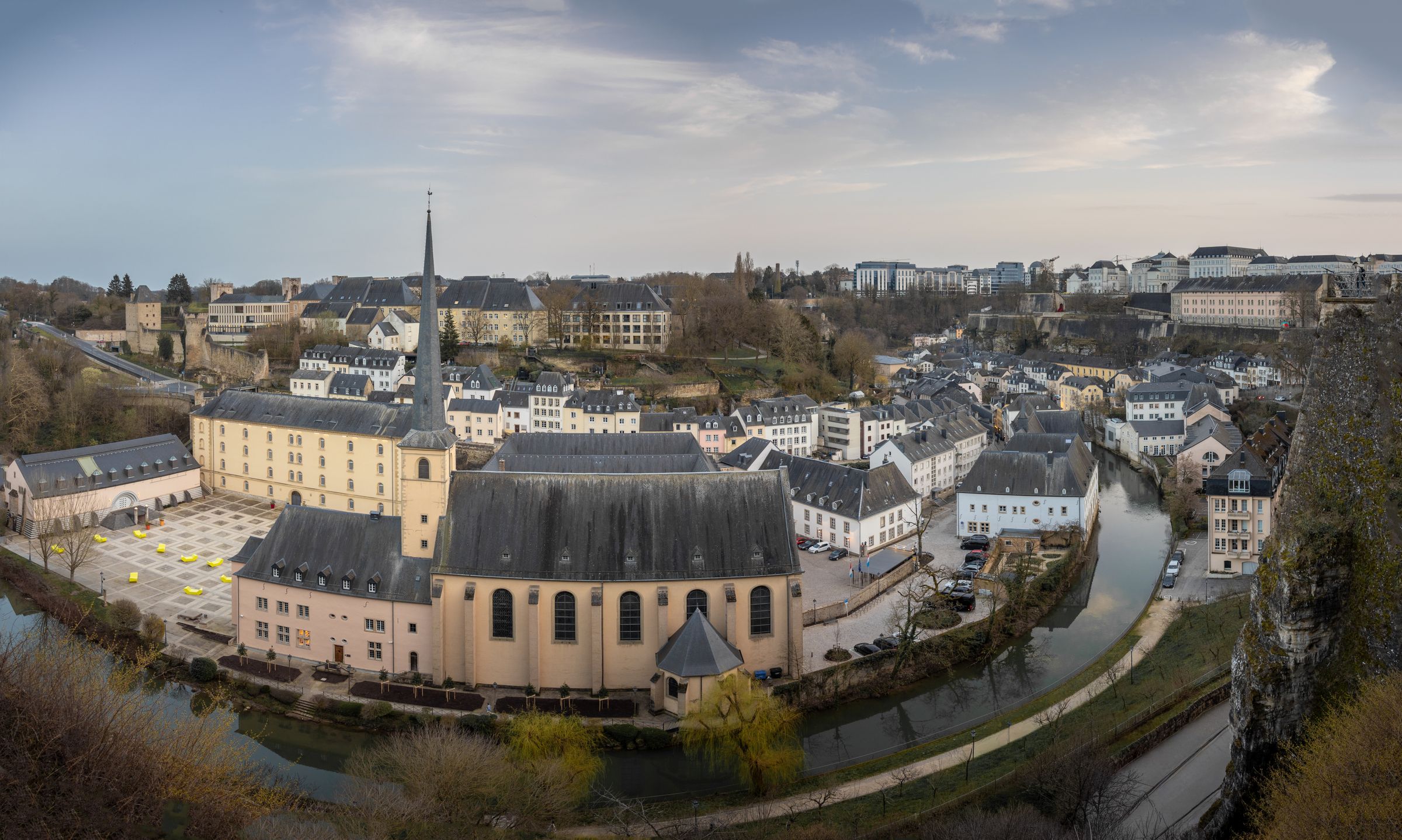
In the Ville Haute the main sights are a walk apart, and a free public lift drops you to the Pfaffenthal in the valley below, running until 1 am for the ride back up.
Read the Luxembourg City guideExplore the rest of Luxembourg City
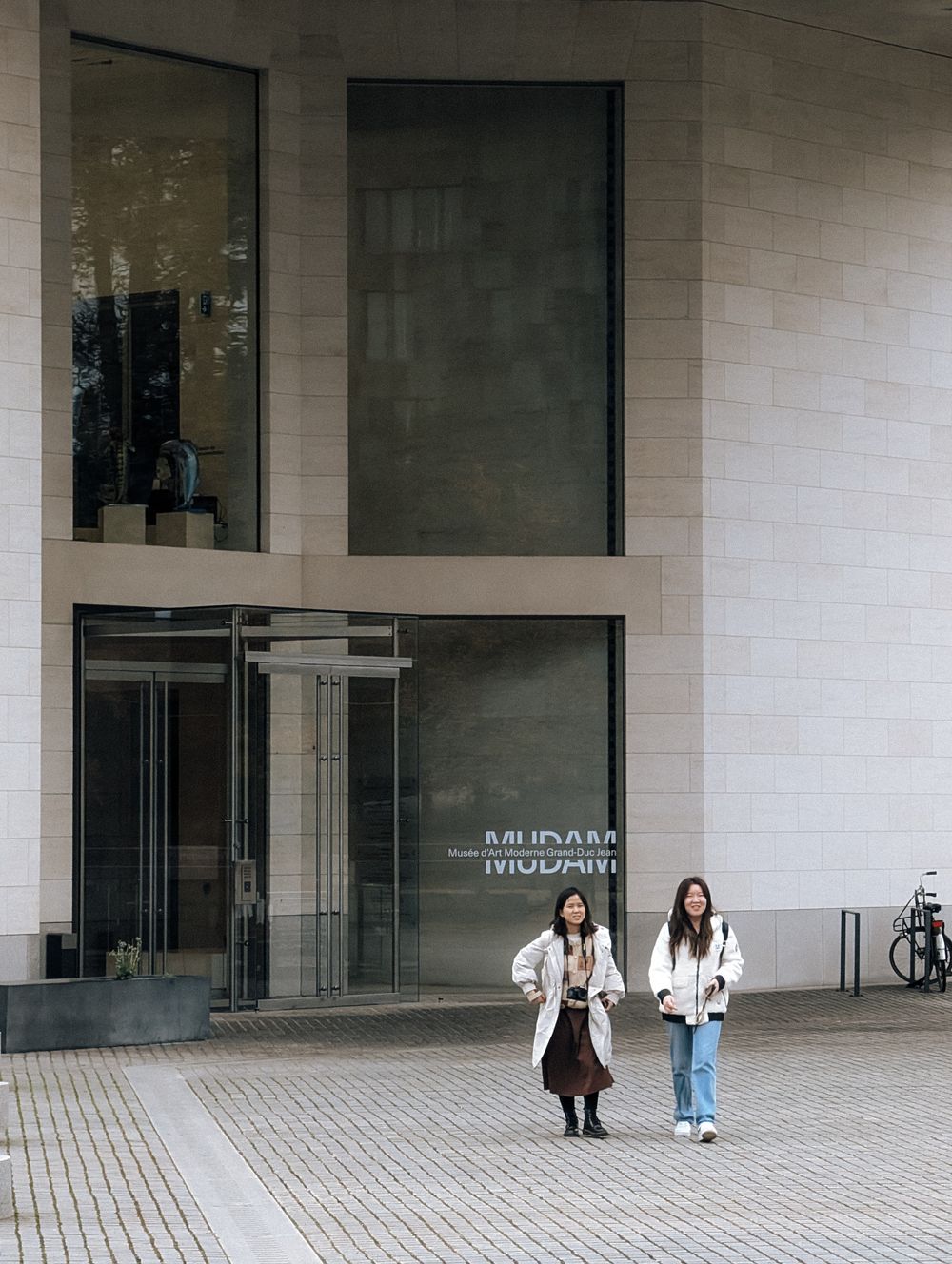
Up on the Kirchberg plateau, the building by Ieoh Ming Pei for the national museum of modern art rises on the site of the old Fort Thüngen…
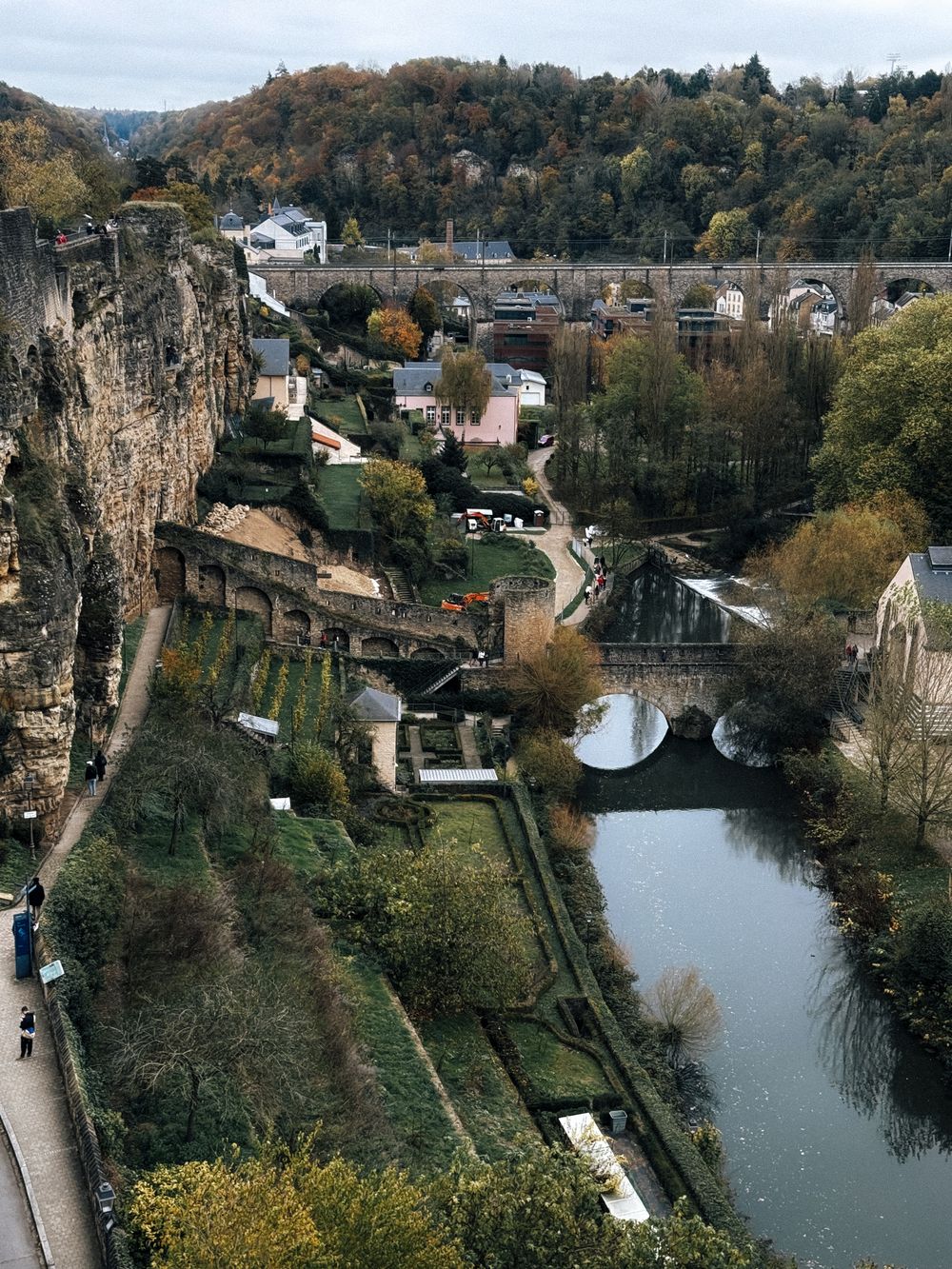

A main gallery 110 metres long runs through the rock of the Bock promontory, with side passages where cannon once covered the Alzette…
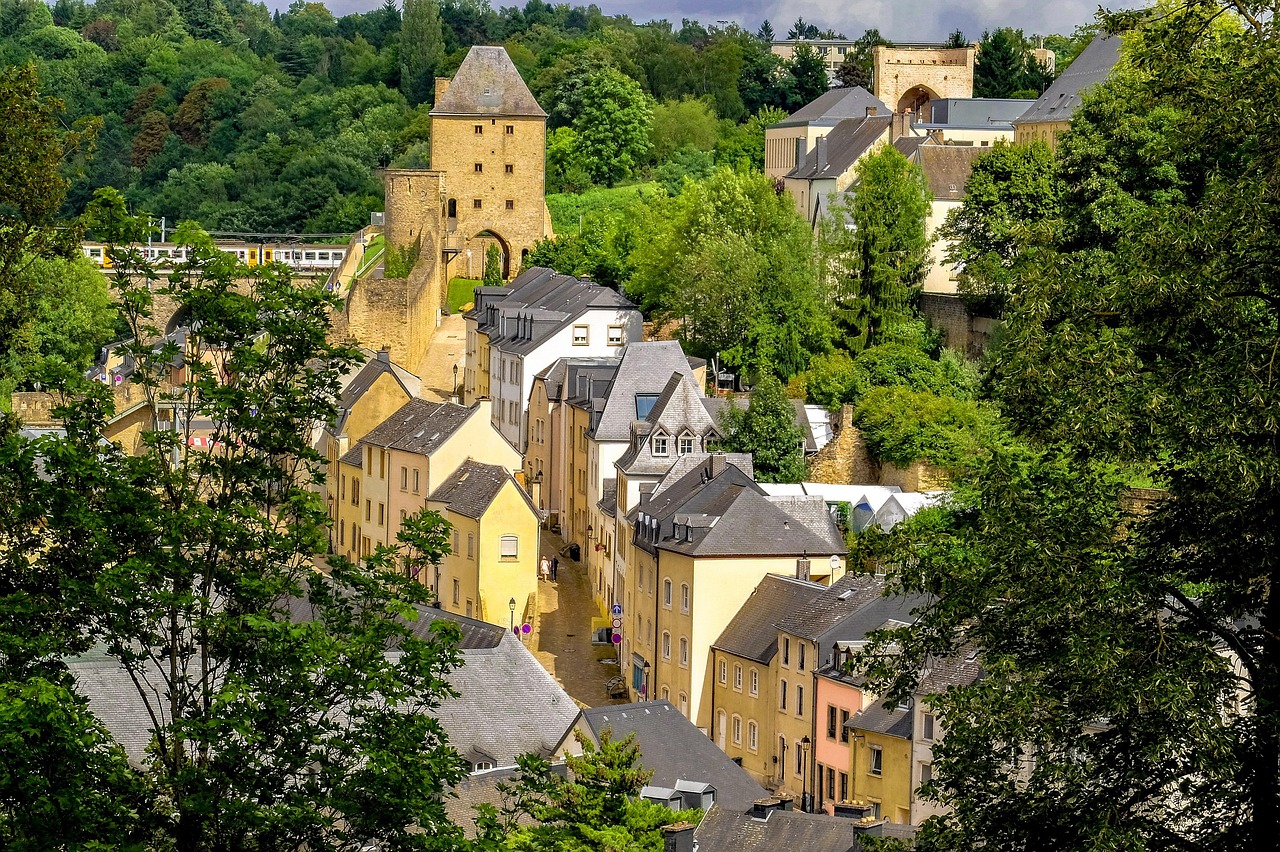
Down in the Alzette valley below the city centre, old houses crowd the riverbanks around Neimënster Abbey, with views up to the fortress…
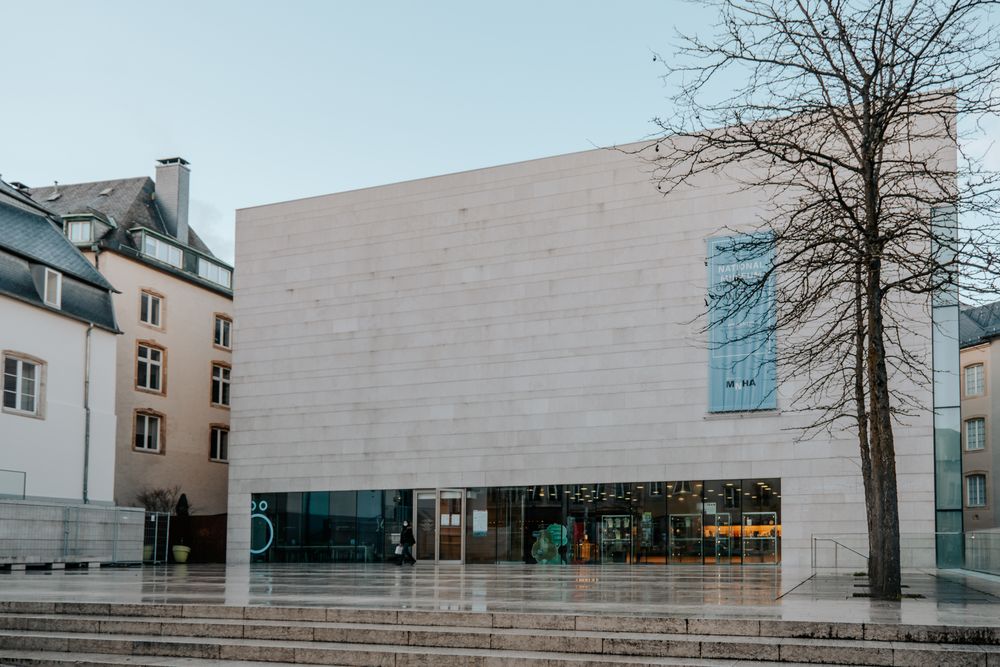
On the old Fish Market square in the upper town, the national museum gathers archaeology, history, coins and medals, decorative arts and…
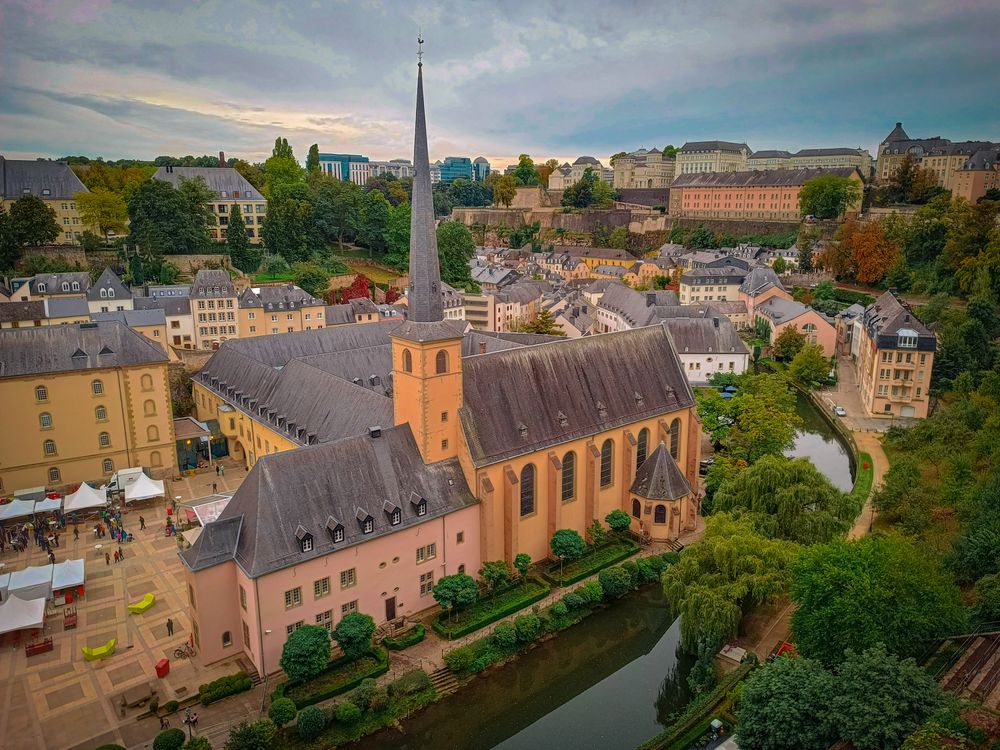
Begun by Benedictine monks in 1606, the abbey complex on the Alzette in the Grund now runs as the Neimënster cultural centre, with…
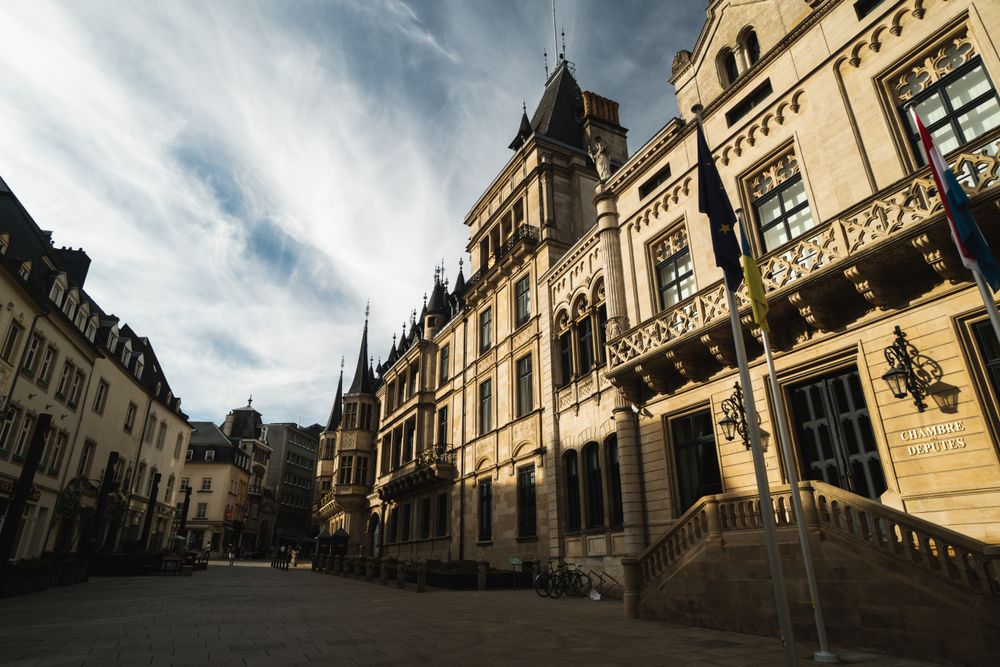
Rue du Marché-aux-Herbes runs past the palace where the Grand Duke keeps his office, a building that served as the city's town hall for…
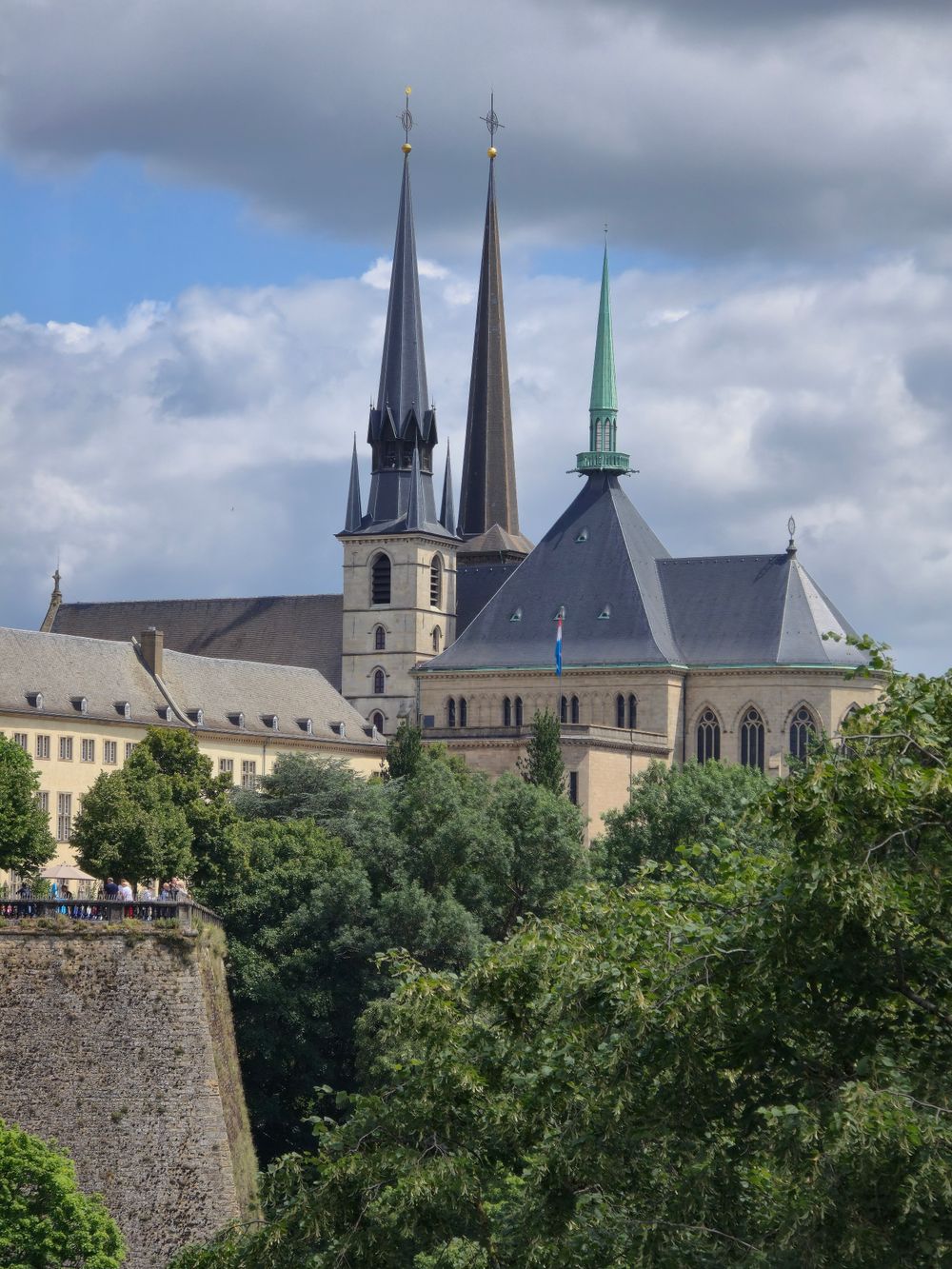
Late Gothic pillars and Renaissance carving share the city's Catholic cathedral, whose cornerstone was laid in 1613. Steps lead down to the…
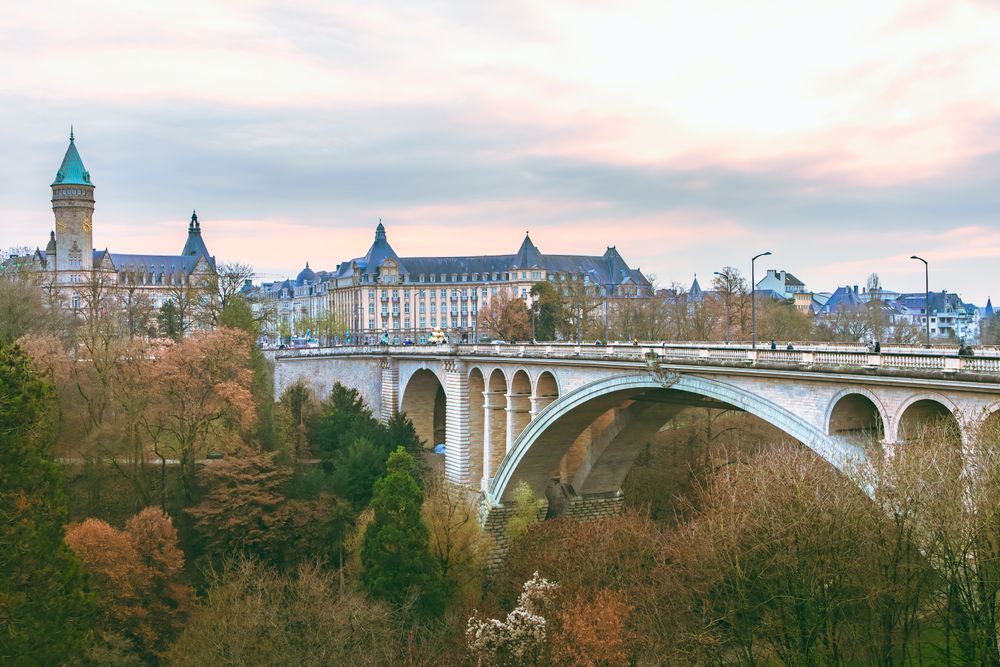
Spanning the Pétrusse valley about 42 metres up, a double-decked arch completed in 1903 carries road traffic and the city tram on its upper…

Save Philharmonie Luxembourg to your Luxembourg trip in the Meridian Dispatch app and build the day around it, with the best of Luxembourg City pinned on one map.
Download on the App StoreLast updated