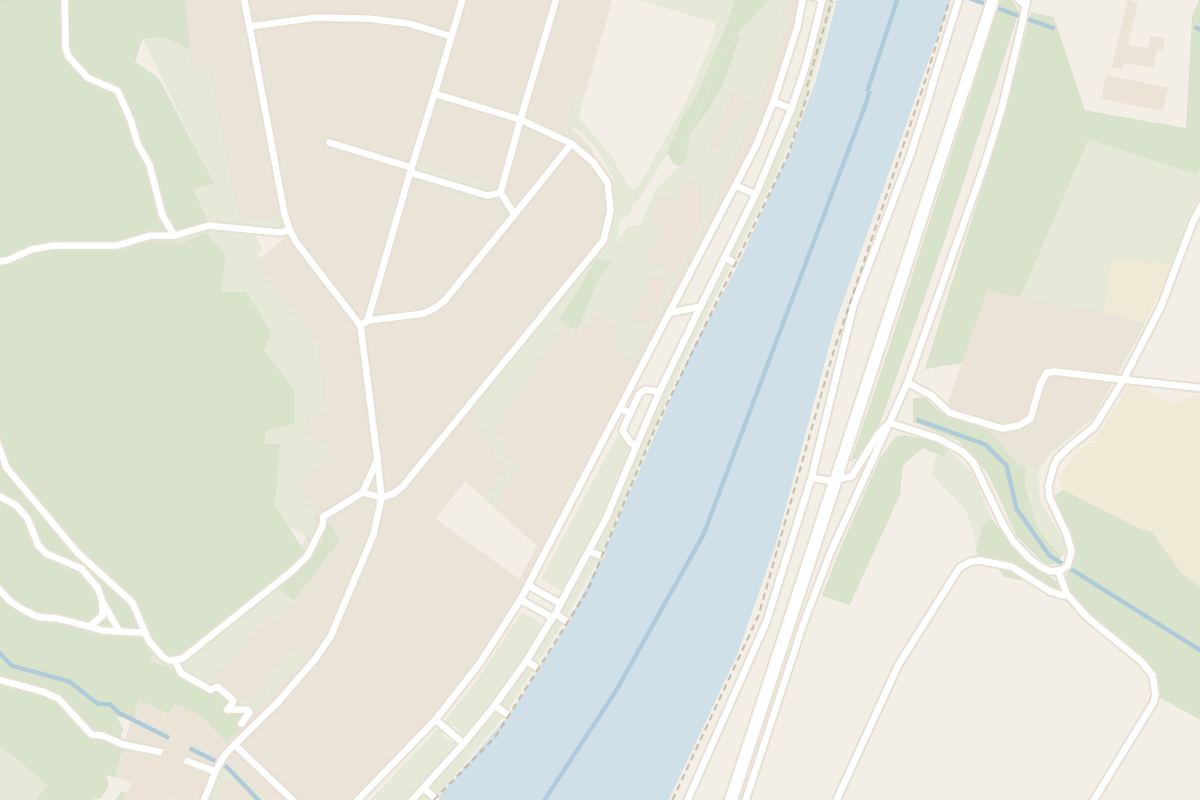
 7 min walk from the Esplanade
Grevenmacher Butterfly Garden
In Grevenmacher, about 16 km north down the Moselle. Tropical butterflies fly free in a glasshouse kept at 28°C, open spring to October; book online before you go.
Read the guide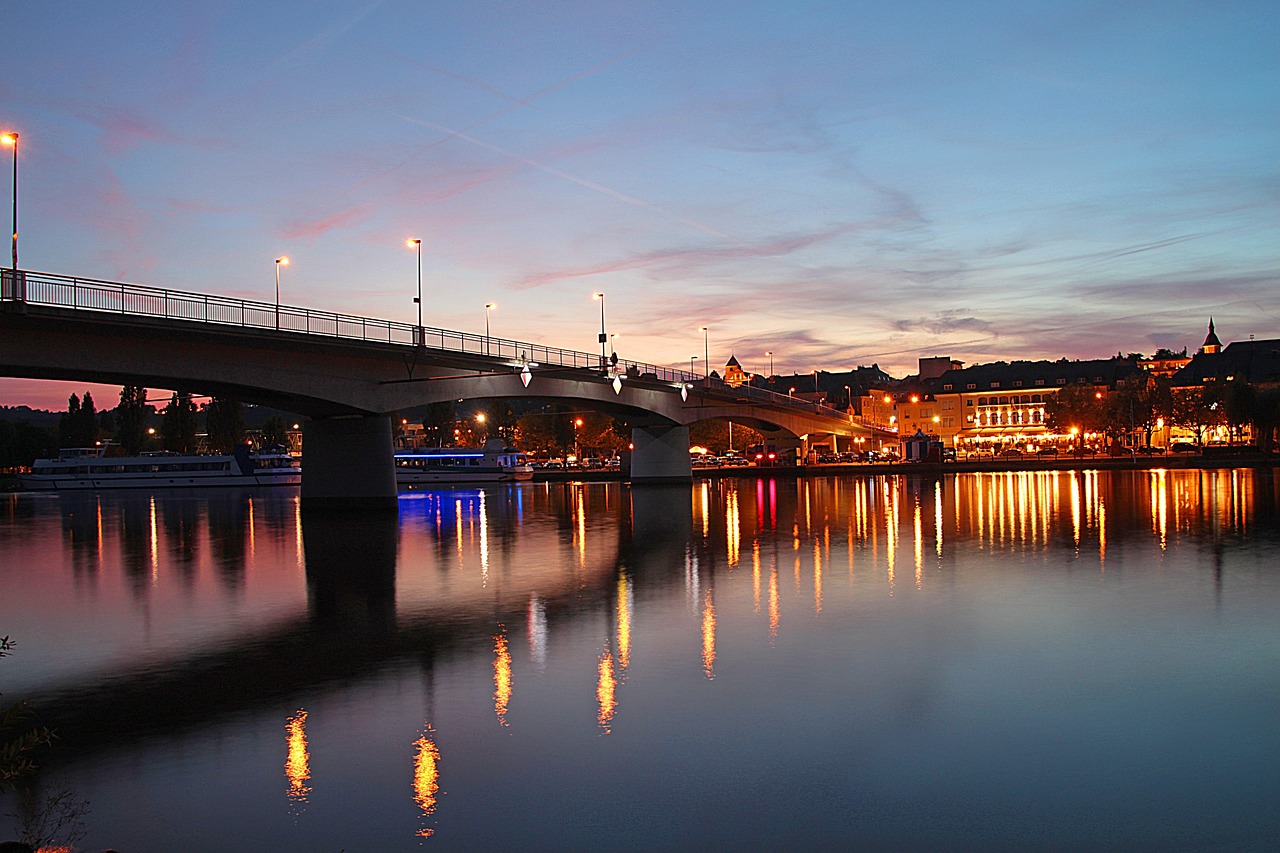
Watch the evening light on the Moselle quay from a room in Remich, with Germany across the water. Give the next morning to a crémant cellar cut into the rock, or to the bird hides on the lakes at Remerschen.
Town guide, Luxembourg. Meridian Dispatch.
Ninety seconds on Remich
One or two nights. A first day covers the riverside promenade, a crémant cellar tour and a boat on the Moselle. A second leaves room for the Schengen museum or the wetland reserve at Remerschen, both a short drive or ride south.
Not in the town itself, which is compact and runs flat along the river. Bus 413 leaves the Gare Centrale bus station in Luxembourg City and reaches Remich by way of Mondorf-les-Bains, with times on mobiliteit.lu. The wetland reserve at Remerschen is a bus ride too: line 432 stops at Remerschen, Al Schoul, the nearest stop to it.
September, when the weather is still mild and the vineyards are being picked. The passenger boats sail from spring to October, and the Caves St Martin tours run from mid-March to mid-December, so a winter stay has neither.
Luxembourgish, French and German, each with official status in Luxembourg.
The euro. Shops and cafés along the quay take cards.
Luxembourg Airport, LUX, at Findel. A taxi to Remich takes around 20 minutes. By public transport, tram T1 runs into Luxembourg City as far as its central station; bus 413 to Remich leaves from the bus station beside it.
The river, the wine and the south Moselle are a trip in themselves, and Remich puts you on the quay for all three. For museums, restaurants and trains in every direction, base yourself in Luxembourg City.
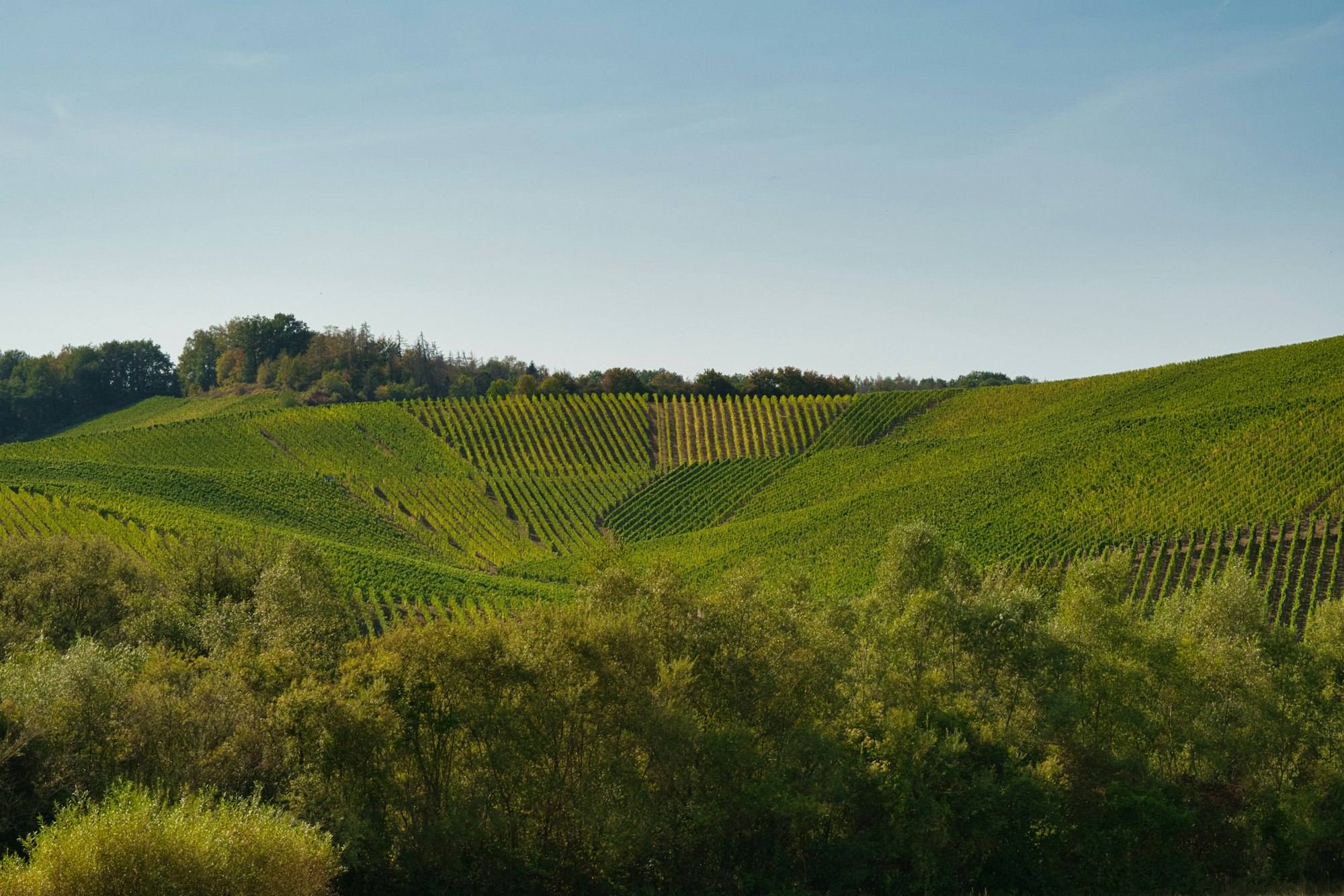
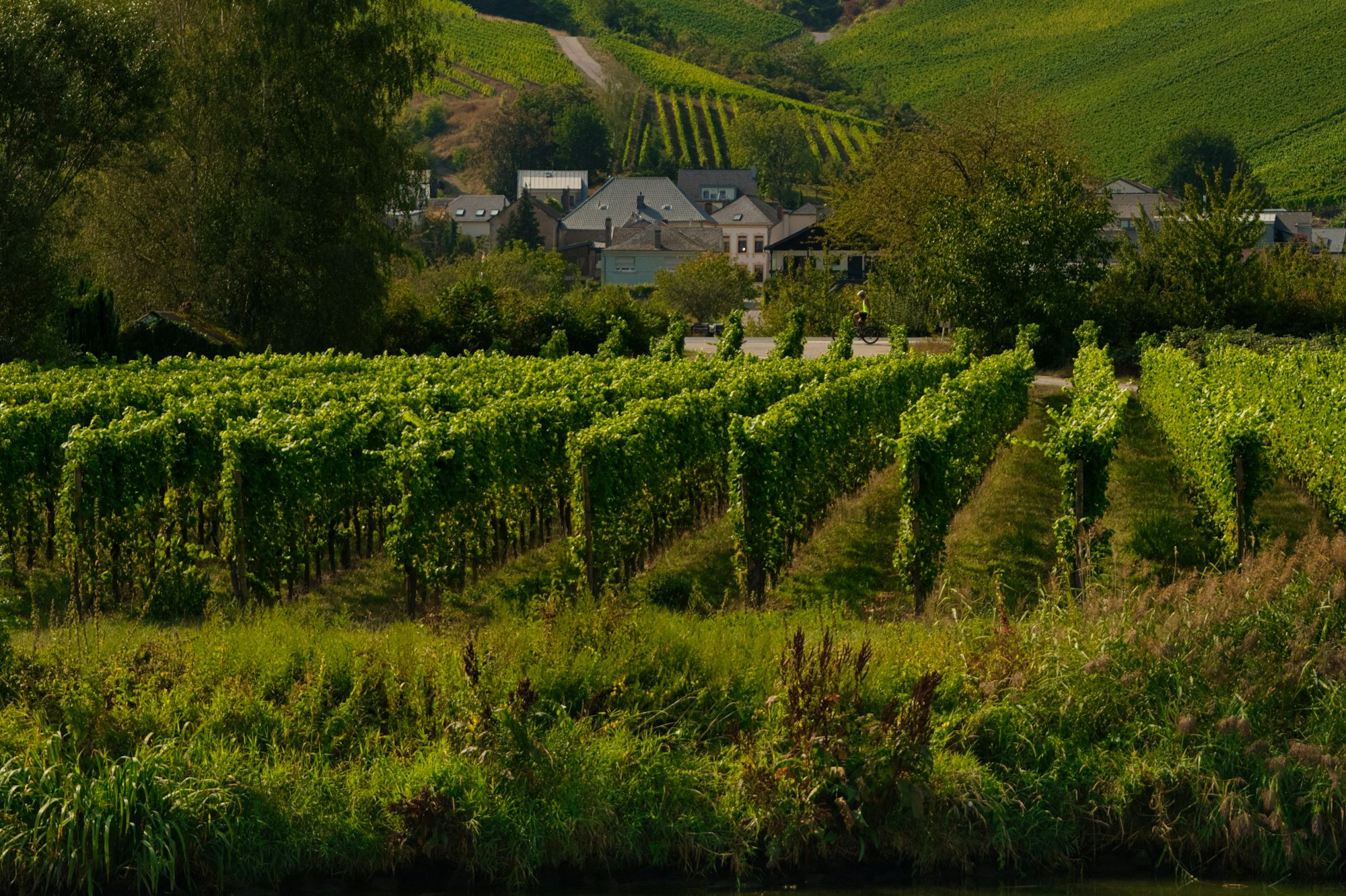
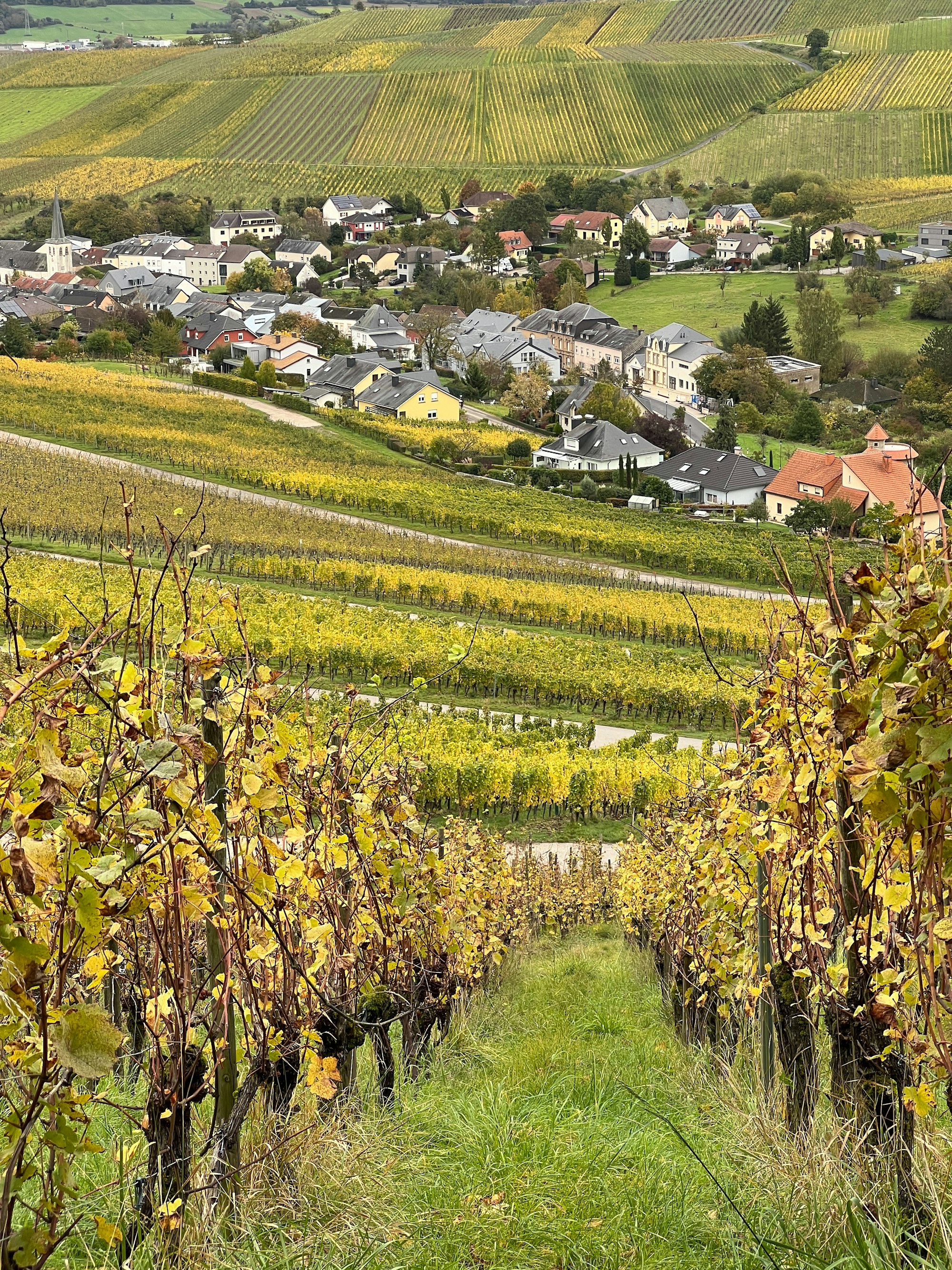
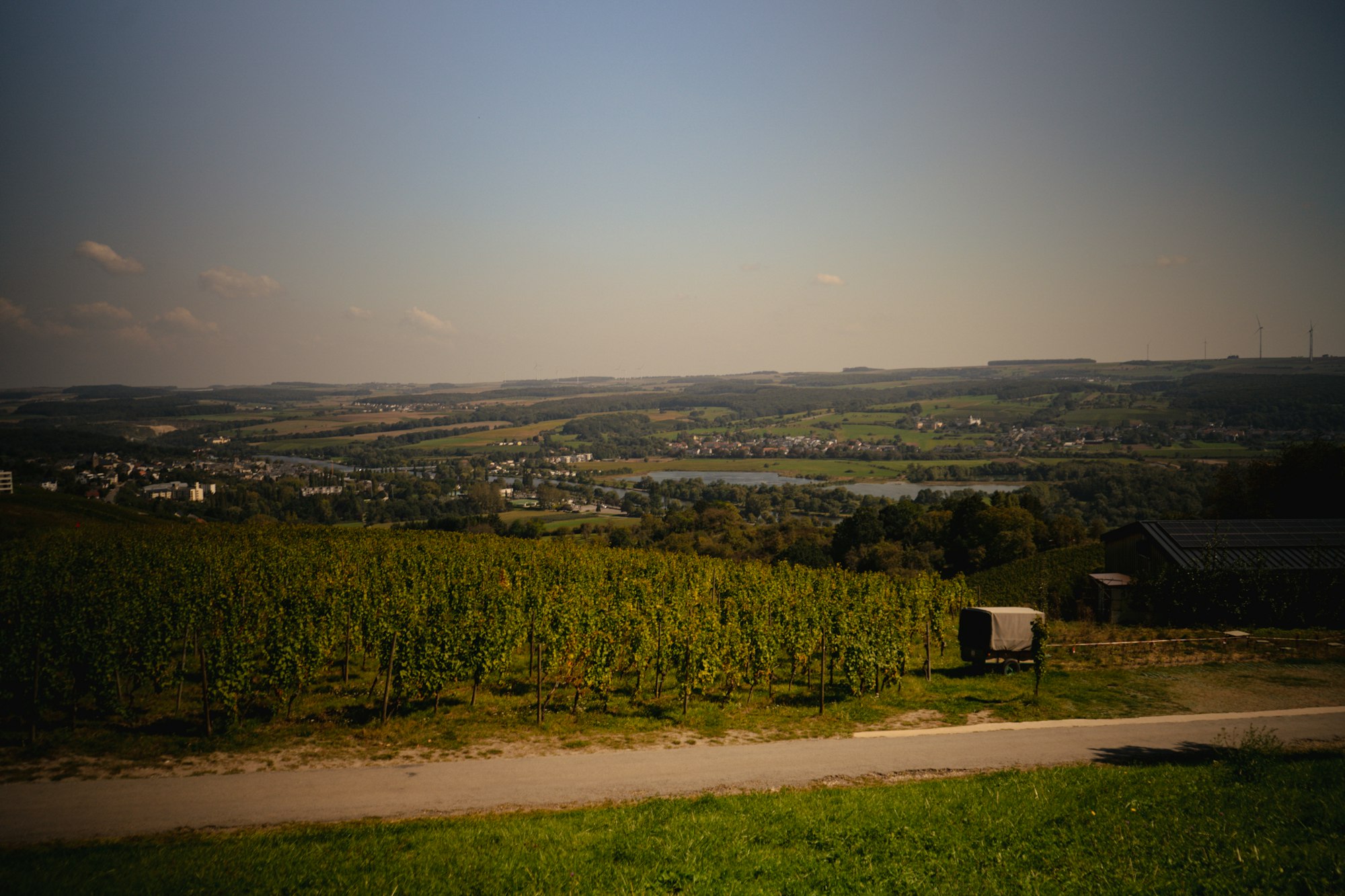
Remich sits on the Luxembourg bank of the Moselle, with Germany across the bridge and vineyards on the slopes behind. The wine villages run on south to Schengen, where three countries meet in the river.
Rooms here are on Route de Stadtbredimus at the north end of town, the same road as the Caves St Martin cellars.
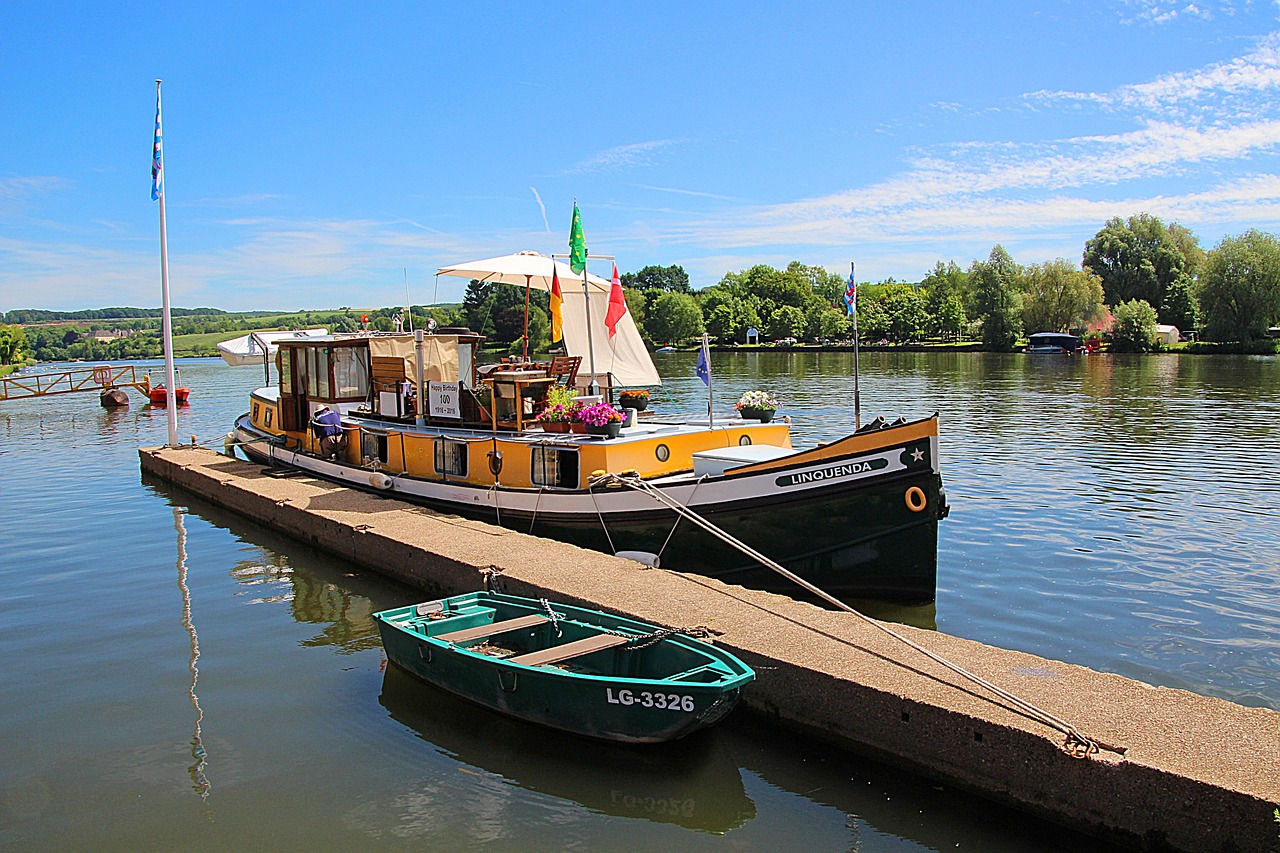
From the quay in town to the wine villages, lakes and spa a short drive south.
The promenade and the cellars are in Remich, a few minutes' walk apart. Schengen, Remerschen, Mondorf-les-Bains and Grevenmacher are each a short drive or bus ride away.
In Grevenmacher, about 16 km north down the Moselle. Tropical butterflies fly free in a glasshouse kept at 28°C, open spring to October; book online before you go.
Read the guideReedy ponds and bird hides between Remerschen and Wintrange, about 6 km south of Remich. Both marked trails start at the Biodiversum visitor centre on Bréicherwee, which is free to enter.
Read the guideIn Schengen, about 9 km south. One ticket covers the exhibition and the riverboat on which the border agreement was signed, and two segments of the Berlin Wall stand outside.
Read the guideA white buoy in the Moselle below the Apach weir marks where Luxembourg, France and Germany meet, put out only in the flood-free months. A signed 7.4 km loop from the museum climbs into France and back, with steep passages that turn slippery in rain.
Read the guide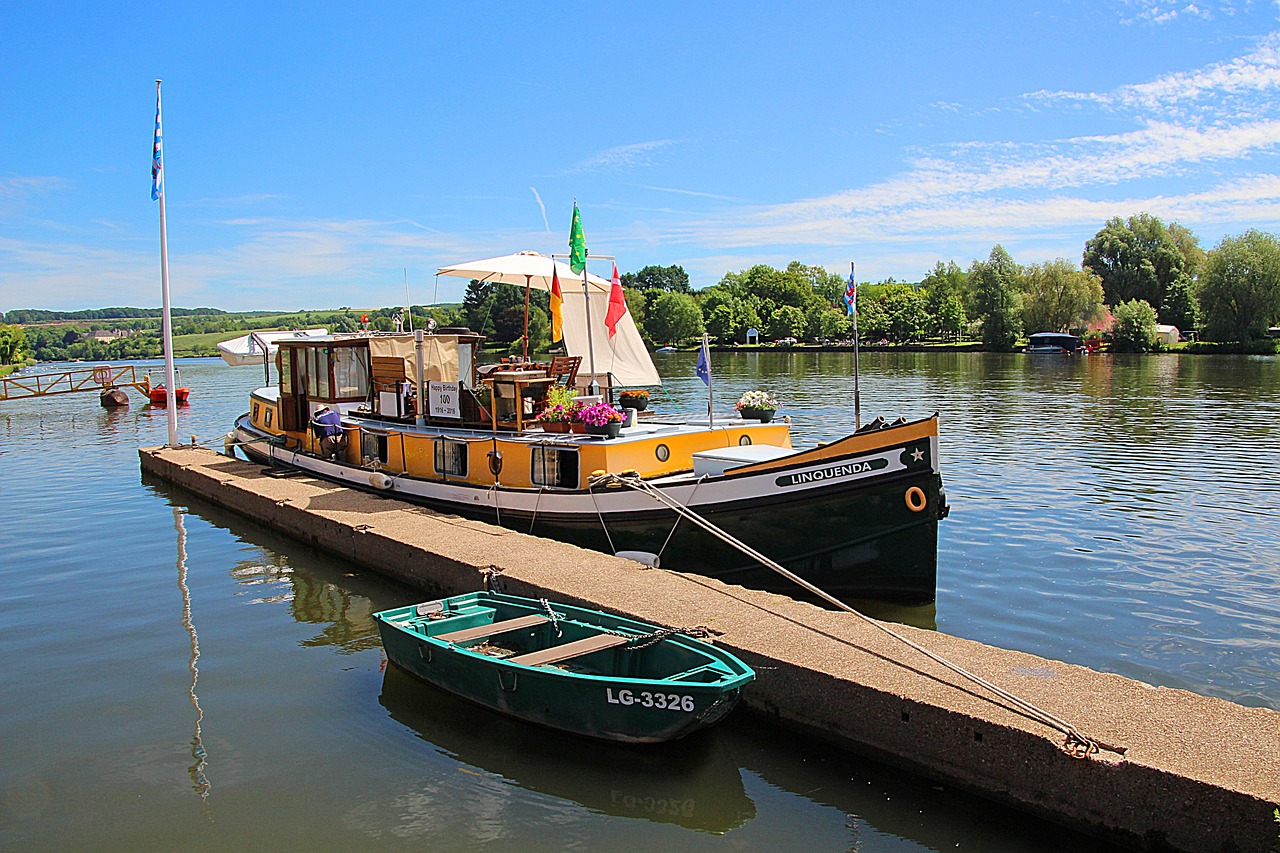
The quay holds an 18-hole mini-golf course and the landing for the passenger boats, with Germany across the water.
Read the guideInside the rock at the edge of Remich, a guided walk takes you through the cellars of a working winery, and the visit ends at a seated tasting of its wine.
Read the guideIn Mondorf-les-Bains, about 9 km west. Swim in the thermal pool, heated to 36°C, then move on to the saunas and hammams; a day visit needs no booking, though the private sauna is reserved ahead.
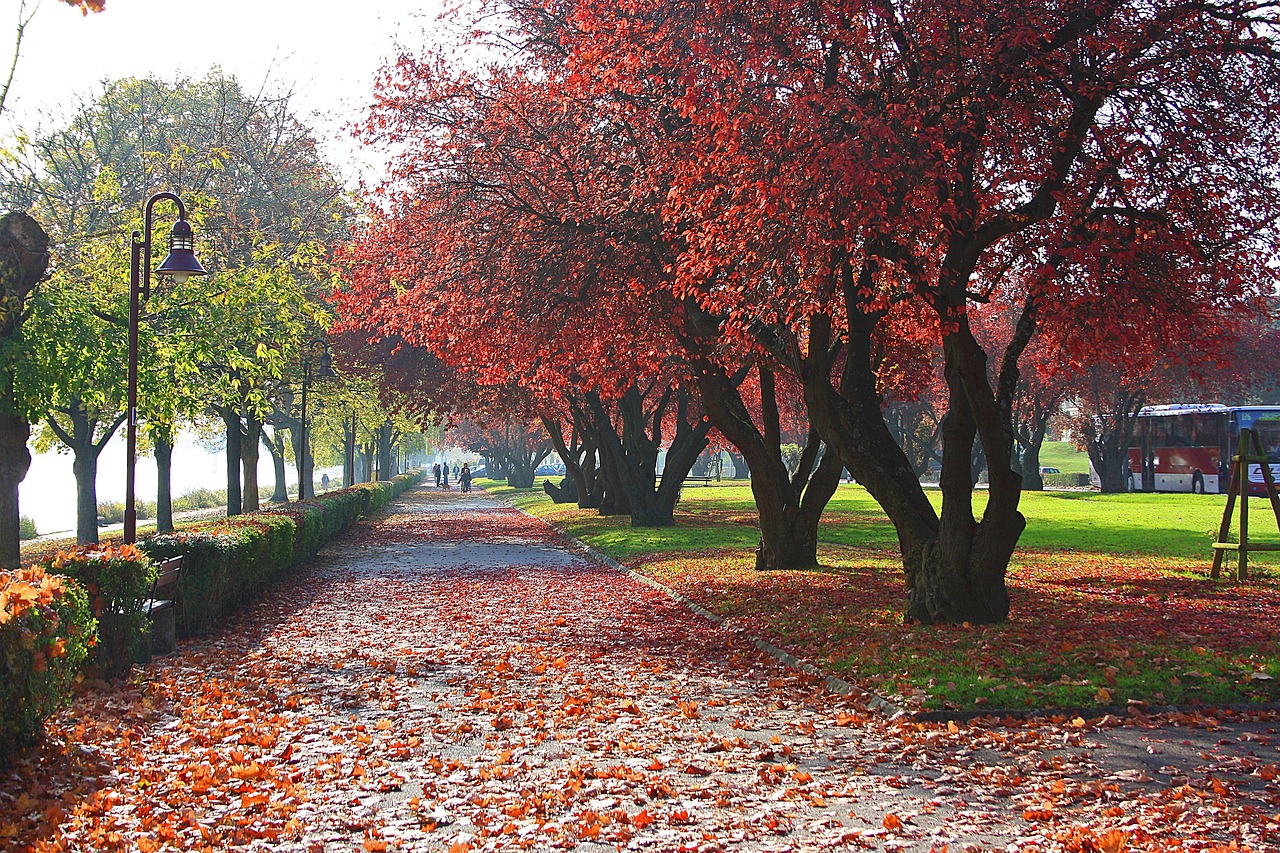
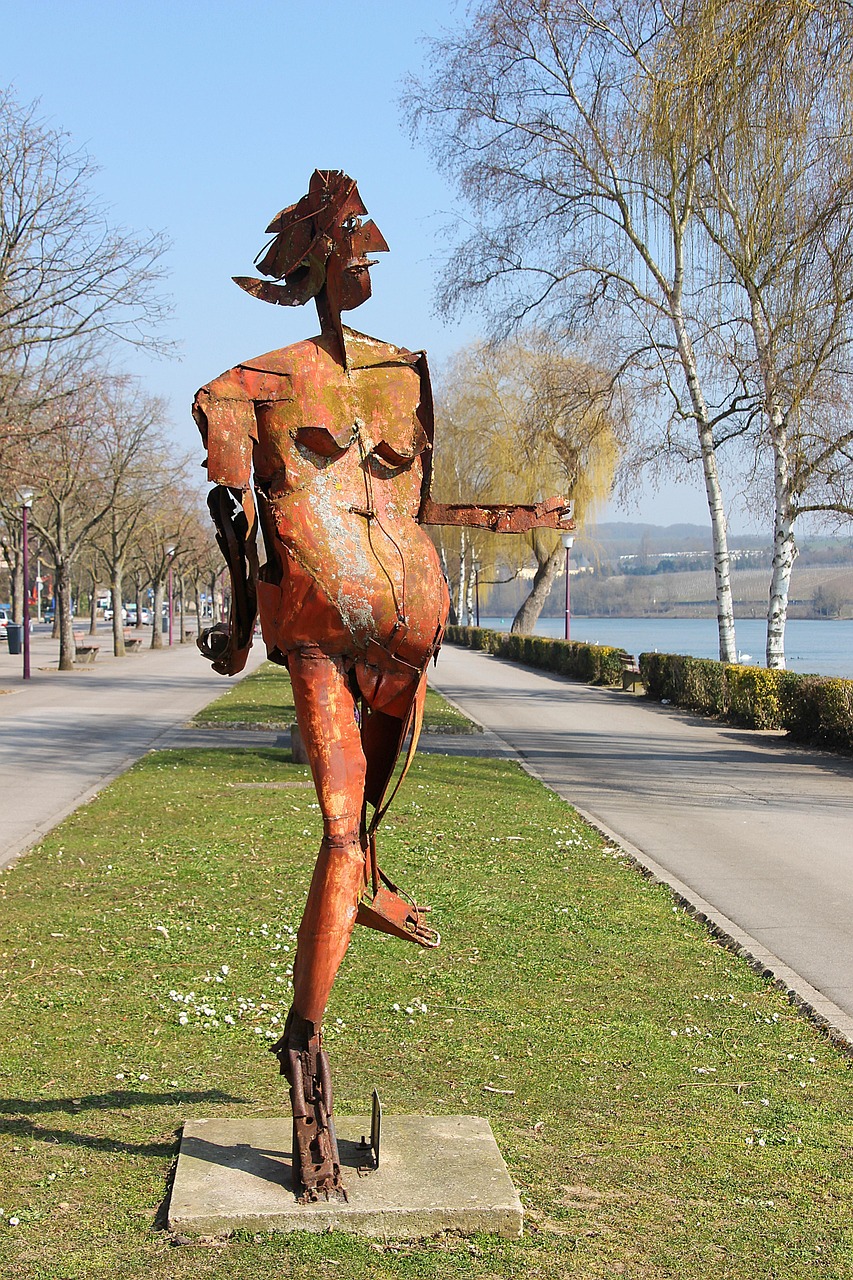
Read the guideThe Esplanade runs about 3 km along the Moselle under birch and cherry trees, and it forms part of several hiking and cycling trails.
The quay holds an 18-hole mini-golf course and the landing for the passenger boats, with Germany across the water.
Read the guideTours start at 53 Route de Stadtbredimus from mid-March to mid-December. The galleries stay at 12°C all year, so bring a layer.
Inside the rock at the edge of Remich, a guided walk takes you through the cellars of a working winery, and the visit ends at a seated tasting of its wine.
Read the guideThe old gravel pits below Remerschen are now a wetland reserve, with hides over the open water. Spring brings the most birdsong, and in autumn migrating birds stop on the ponds.
Reedy ponds and bird hides between Remerschen and Wintrange, about 6 km south of Remich. Both marked trails start at the Biodiversum visitor centre on Bréicherwee, which is free to enter.
Read the guideSchengen is a wine village on the river about 9 km south of Remich. Bus 432 runs there from Remich bus station to the Ennen am Doref stop, beside the museum.
In Schengen, about 9 km south. One ticket covers the exhibition and the riverboat on which the border agreement was signed, and two segments of the Berlin Wall stand outside.
Read the guideA white buoy in the Moselle below the Apach weir marks where Luxembourg, France and Germany meet, put out only in the flood-free months. A signed 7.4 km loop from the museum climbs into France and back, with steep passages that turn slippery in rain.
Read the guideTwo short drives from the river: a thermal spa in Mondorf-les-Bains to the west, and a butterfly glasshouse in Grevenmacher to the north.
In Grevenmacher, about 16 km north down the Moselle. Tropical butterflies fly free in a glasshouse kept at 28°C, open spring to October; book online before you go.
Read the guideIn Mondorf-les-Bains, about 9 km west. Swim in the thermal pool, heated to 36°C, then move on to the saunas and hammams; a day visit needs no booking, though the private sauna is reserved ahead.
Read the guideThe tourist office on the Remich Esplanade opens daily except 1 November and over Christmas and New Year, and the bike hire is beside it, a few metres from the boat landing.
From spring to October, boats leave the Quai de la Moselle for a one-hour panoramic tour, a two- or three-hour cruise through the locks, or a five-hour round trip to Sierck-les-Bains in France. A sailing runs only with enough bookings, so reserve online rather than turning up.
After lunch, walk north along the river road to Caves St Martin, about ten minutes from the landing, where the tour runs about 45 minutes underground.
Come back to the promenade in the evening. Across the bridge on the German bank, Nennig station is about a 10-minute walk, the stop for trains from Germany.
On a second day, go south to Haff Réimech at Remerschen. An easy 3.7 km loop of about two hours passes six hides around the lakes, and a 1.6 km loop of about an hour passes one; bring binoculars.
Schengen is a few minutes further on. Board the riverboat at the European Museum Schengen, then follow the signed loop of the Schengen Tripoint into France, or drive west to Mondorf Thermal Spa for an afternoon in warm water.
Luxembourg has one airport, at Findel on the north-east edge of Luxembourg City. Remich lies south-east of it, on the German border.

Ride tram T1 from the airport to the Gare Centrale stop, then take bus 413 from the central bus station, which runs by way of Mondorf-les-Bains to Remich bus station. Neither leg needs a ticket.
Taxis wait outside arrivals. With luggage, a taxi saves the change from tram to bus in the city centre.
Every Luxembourg town, place and dispatch, on one map.

A capital built on cliffs above the Alzette and Pétrusse valleys, with an upper town of ramparts.

It is the German war cemetery of the Ardennes winter of 1944 to 1945: stone crosses in 18 lawned blocks outside Sandweiler.

Luxembourg's second city grew on iron ore, and its old blast furnaces now stand beside a university quarter at Belval.

General George S. Patton is buried here among 5,076 American soldiers.
The official pages this guide was checked against.
Last updated