 Submit a photo
Ninety seconds on Ħal Saflieni Hypogeum
Regular tickets are best booked well ahead, from any Heritage Malta site or its online store. Last-minute tickets, if any remain, go on sale one day before the visit, first come, first served. Until noon they are sold only at Fort St Elmo and the Gozo Museum of Archaeology; after noon also at the National Museum of Archaeology, the Domvs Romana and the Hypogeum itself.
Yes. Heritage Malta offers a virtual tour of the Hypogeum on its official website. It also works as a record of the visit, since photography is not allowed on site for conservation purposes.
It is a prehistoric underground cemetery in Paola, its chambers carved on three stacked levels into soft limestone with only stone tools and antlers. It was discovered in 1902 and is a UNESCO World Heritage Site.
Yes, but in very small numbers: no more than 10 people are allowed inside at any one time. The cap protects the site, since carbon dioxide, temperature and humidity all shift with the number of visitors, and the underground spaces are small.
By bus from the main terminus in Valletta; check the current route in a journey planner. The Hypogeum is in Paola (Raħal Ġdid), and the nearest stop is 2 minutes’ walk from the entrance.
It stands on Triq iċ-Ċimiterju in Paola, a town also known as Raħal Ġdid. The underground chambers lie beneath a hill overlooking the innermost part of the Grand Harbour of Valletta.
Yes, for anyone drawn to prehistory. It is one of the two most important prehistoric burial sites on the Maltese islands, and it is very well preserved, unlike the fragmentary remains of above-ground buildings from the same period, with red ochre spirals still on its ceilings.
Yes, with a discount. Holders of a Hypogeum ticket get a discount on admission to the Tarxien Temples, just minutes away, by presenting that ticket when buying admission at the Tarxien entrance.
Yes. Commentary comes in seven languages, from Maltese and English to Japanese. The visitor centre also has lockers, a shop, seating inside and out, and a baby-changing room.
Below a street in Paola you walk through a burial complex that prehistoric islanders cut by hand out of the rock, and it is still whole. Above-ground buildings of the same age usually survive only as fragments.
The Hypogeum is a cemetery of halls, chambers and passages on three superimposed levels, all hewn out of soft globigerina limestone. Its builders directed light from the surface down into the lower rooms.
Parts of the ceilings are painted in red ochre with spots, spirals and honeycomb patterns. The motifs match those carved into Malta’s prehistoric temples above ground.
The Oracle Room is a small rectangular chamber with a pitted floor, ochre-painted walls and an arched, decorated ceiling. Its shape makes the room resonate when a voice is raised.
The Holy of Holies is thought to face the winter solstice, when light from the original surface opening would have lit its facade. Its focal point is a porthole set within a trilithon.
Book a slot rather than turning up, since visitors report that each tour takes only about ten below ground. One guide advises being at the entrance on Triq iċ-Ċimiterju 15 minutes before your time.
The visitor centre, expanded when the site reopened in 2017, has lockers, a gift shop, indoor and outdoor seating and a nappy-changing room. Audio guides are available in Maltese, English, German, Italian, Spanish, French and Japanese.
Your group then goes down together through all three levels. The halls connect through a maze of steps, lintels and doorways, and the rooms are kept under climate control.
Wear sturdy shoes and take a warm layer, because the rooms below are cool and sometimes damp.
Visitors report that all bags and cameras go into the lockers before the tour goes underground, so bring as little as you can.
The Tarxien Temples are a few minutes away, so you can walk on to them after the tour.
Explore the rest of Birgu
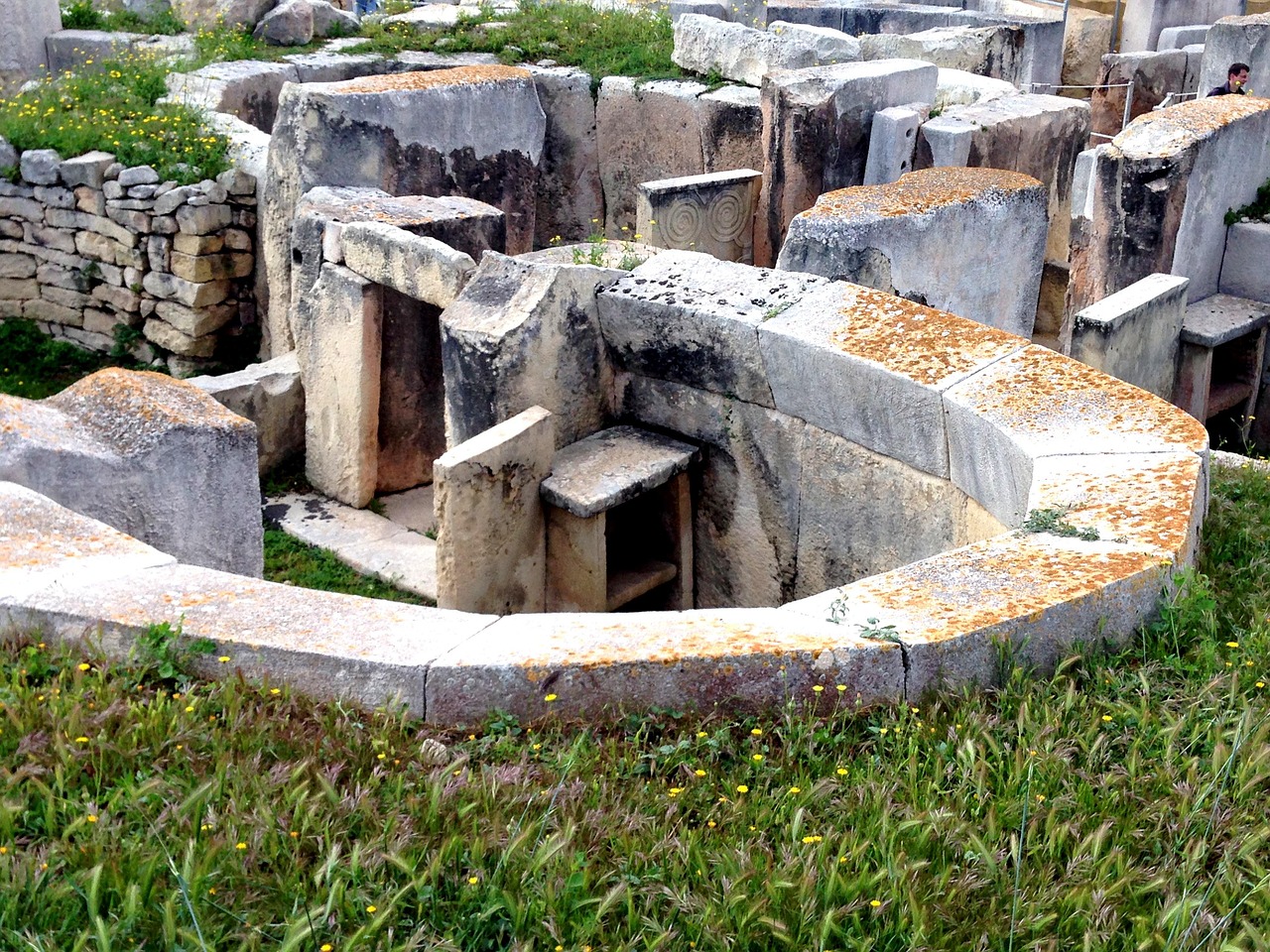
Four connected megalithic temples sit under a protective canopy among the houses of Tarxien, a short walk from the Hypogeum. Raised…
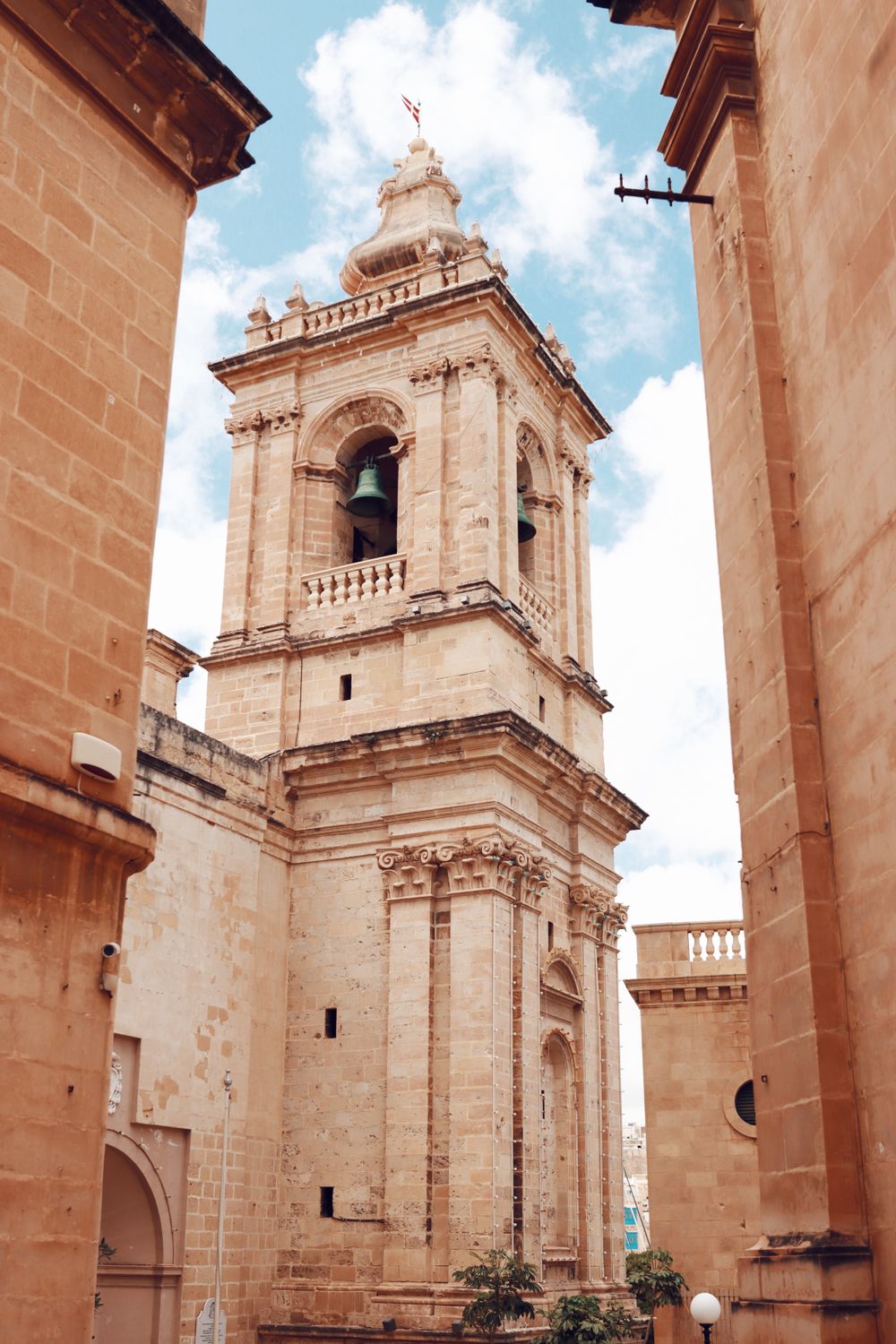
Facing the Birgu marina, St Lawrence served as the Knights' conventual church before St John's in Valletta was built. The interior has a…
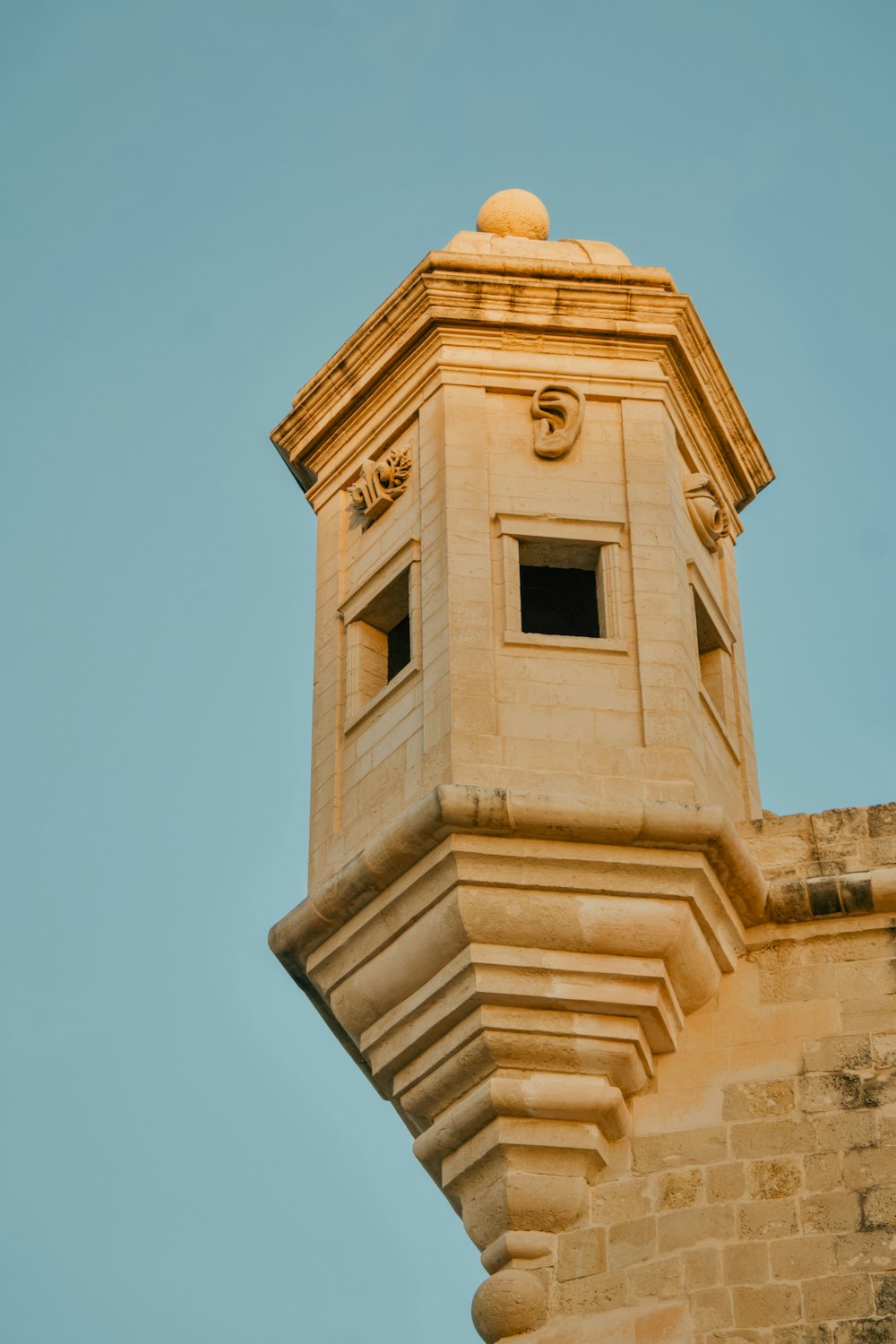
A small garden at the tip of Senglea ends at the Gardjola, a stone lookout carved with an eye and an ear as a sign of watchfulness over the…
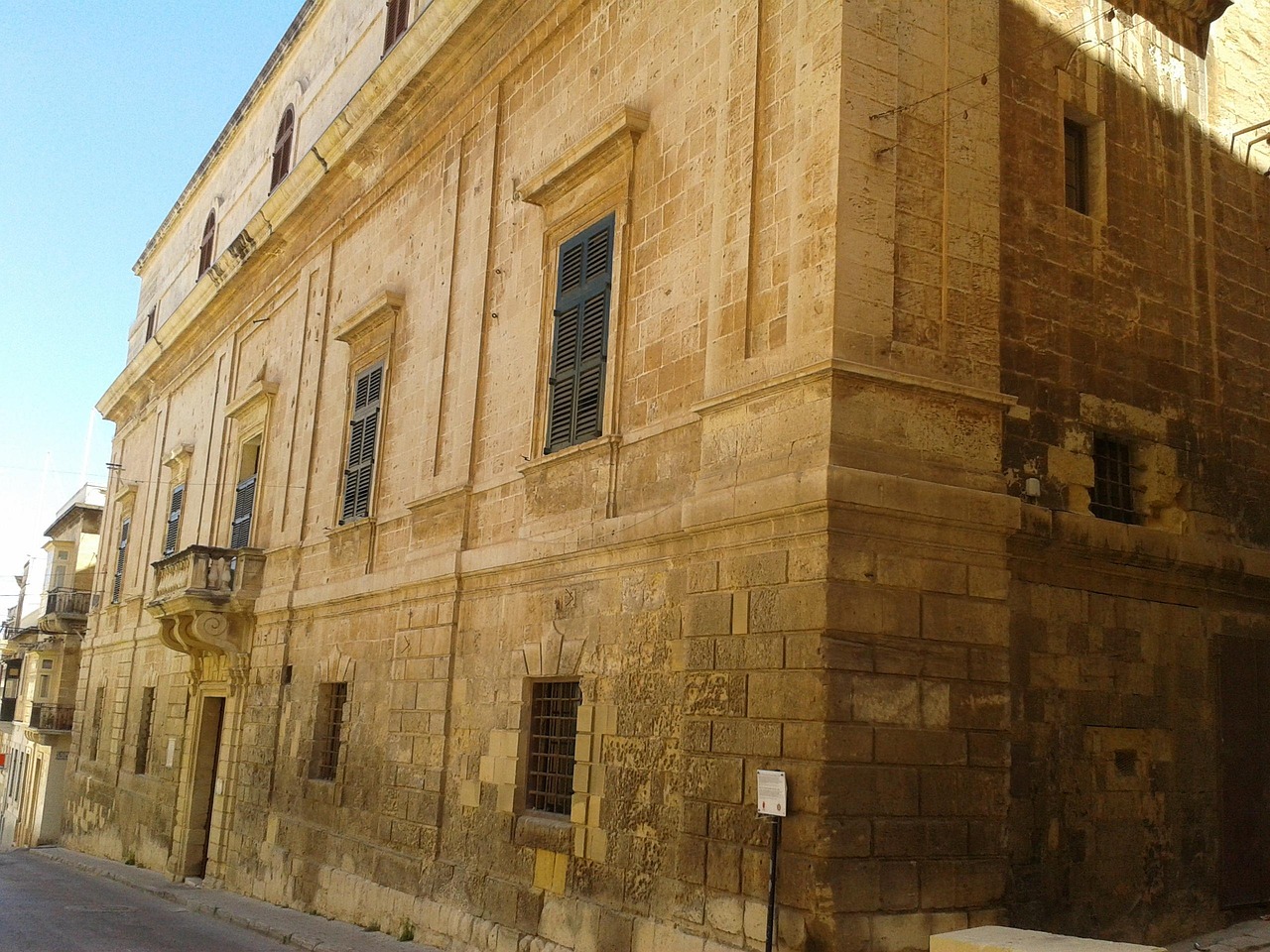
Rooms around a cloistered courtyard in the centre of Birgu show how the Roman Inquisition worked in Malta: the tribunal room, prison cells…
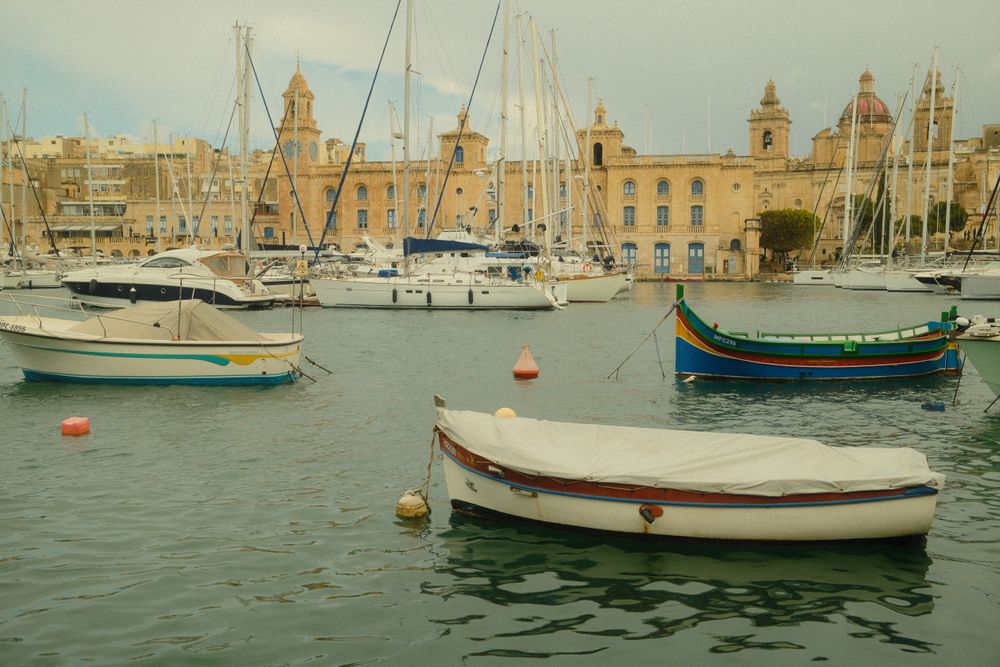
Yachts fill the marina below Birgu's old town, and the water taxis from Valletta tie up along it. Walk the length of the quay, then turn up…
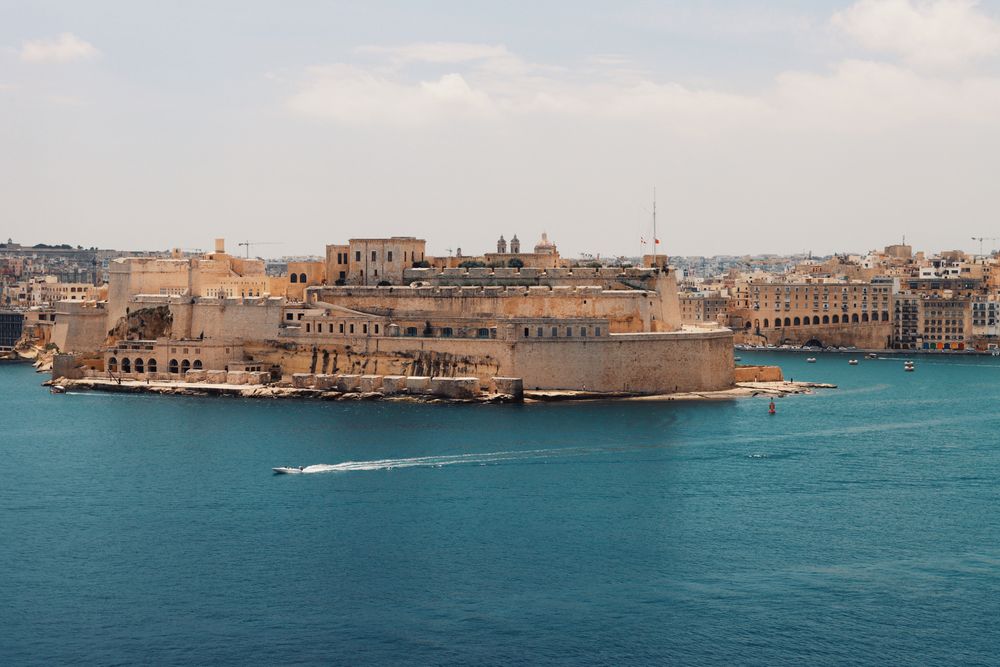
At the tip of the Birgu peninsula, Fort St Angelo guards the harbour mouth opposite Valletta. A ramped route climbs through restored…
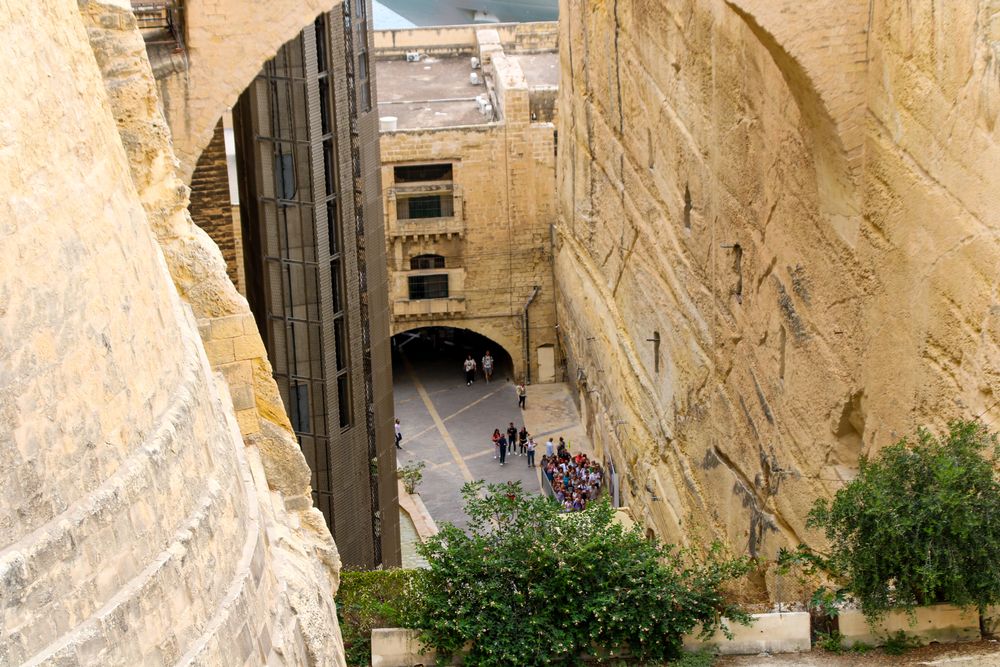
Glass cars climb the face of the bastion between Upper Barrakka Gardens and the wharf below, saving the long walk up the stepped streets.…
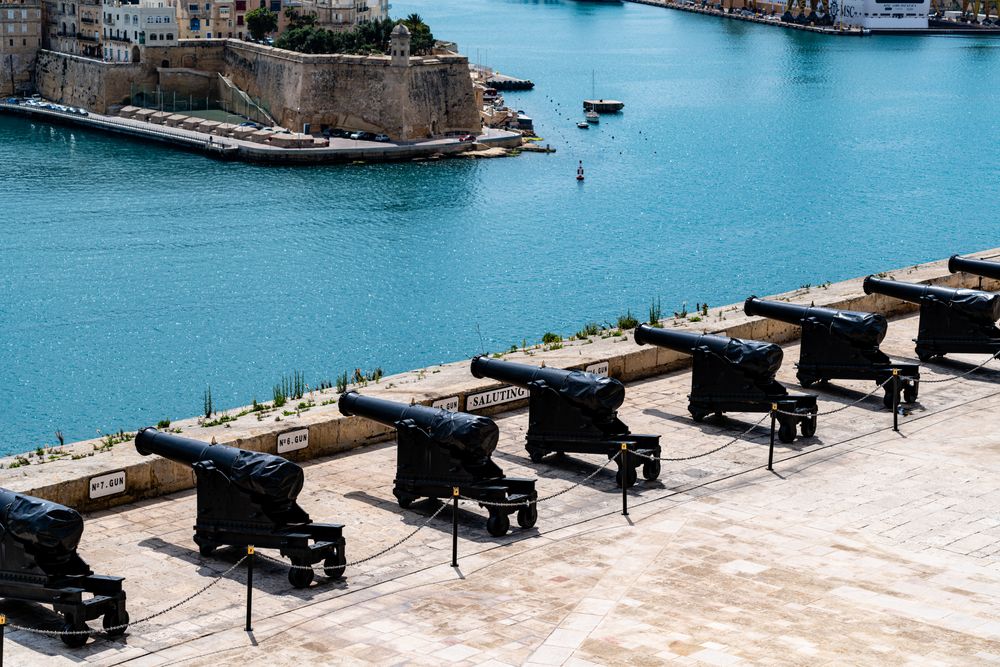
On most days a crew in period uniform loads and fires a cannon from the gun platform below Upper Barrakka, at noon and at 4pm. Firings are…
Last updated