 7 min from the ferry
Gardjola Gardens
An eye and an ear carved into the Gardjola, a stone watchtower on the Grand Harbour, mark it as a lookout. Inside, you get a view over the Grand Harbour that takes in Valletta and Fort St Angelo.
Read the guide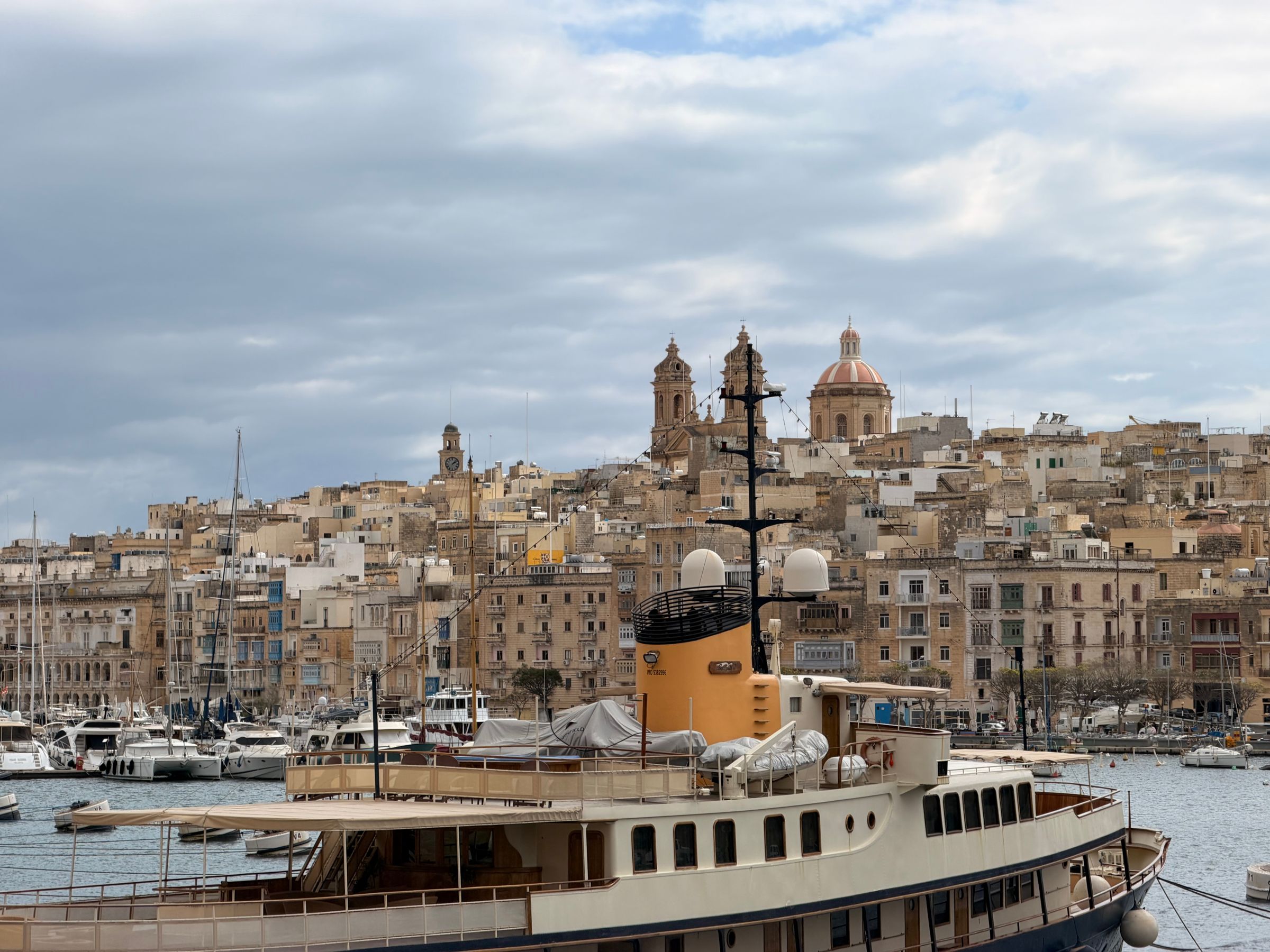
Want to sleep on the Grand Harbour itself rather than above it? Stay in Birgu: the marina is a few minutes' walk from your room, and Senglea and Cospicua are next door, within walking distance.
Town guide, Malta. Meridian Dispatch.
Ninety seconds on Birgu
Valletta Ferry Services runs the crossing by catamaran. Boats depart the wharf beneath the Barrakka Lift and land at the Cospicua pier. From 1 November to 31 May, weekday sailings leave Valletta every half hour between 06:45 and 19:15, then at 20:30, 21:30 and 22:30. Summer crossings from 19:30 carry a separate night fare, and the timetable shifts with the season.
Yes. Senglea is about a 10-minute walk from Birgu over the land connection at Xatt is-Sajjieda. Walk Birgu first from the ferry, then go round the creek to Senglea: a day with time at the sights.
Heritage Malta advises booking early, because the site is highly popular and admits 10 people underground at any one time. Tickets are sold online and at any Heritage Malta site, at most four per buyer; a family of more than four shows ID for every member. When a date sells out, last-minute tickets may go on sale one day before the visit, first come, first served.
In October, during Birgu Fest, with the Saturday night as the highlight. Tens of thousands of candles line the streets, and Fort St Angelo glows with fjakkoli, traditional torches.
All Heritage Malta museums and sites, the Hypogeum included, close on 1 January, Good Friday and 24, 25 and 31 December. On every other day the last admission is 30 minutes before the published closing time.
Taxis run from Malta International Airport, MLA, to every locality in Malta, Birgu included. By bus, the Airport Direct service is the quicker link to Valletta, where the Three Cities ferry crosses the harbour.
Yes, if you want the harbour at your door and do not mind a ferry to Valletta's sights.
See all towns in MaltaCompare Malta town by town
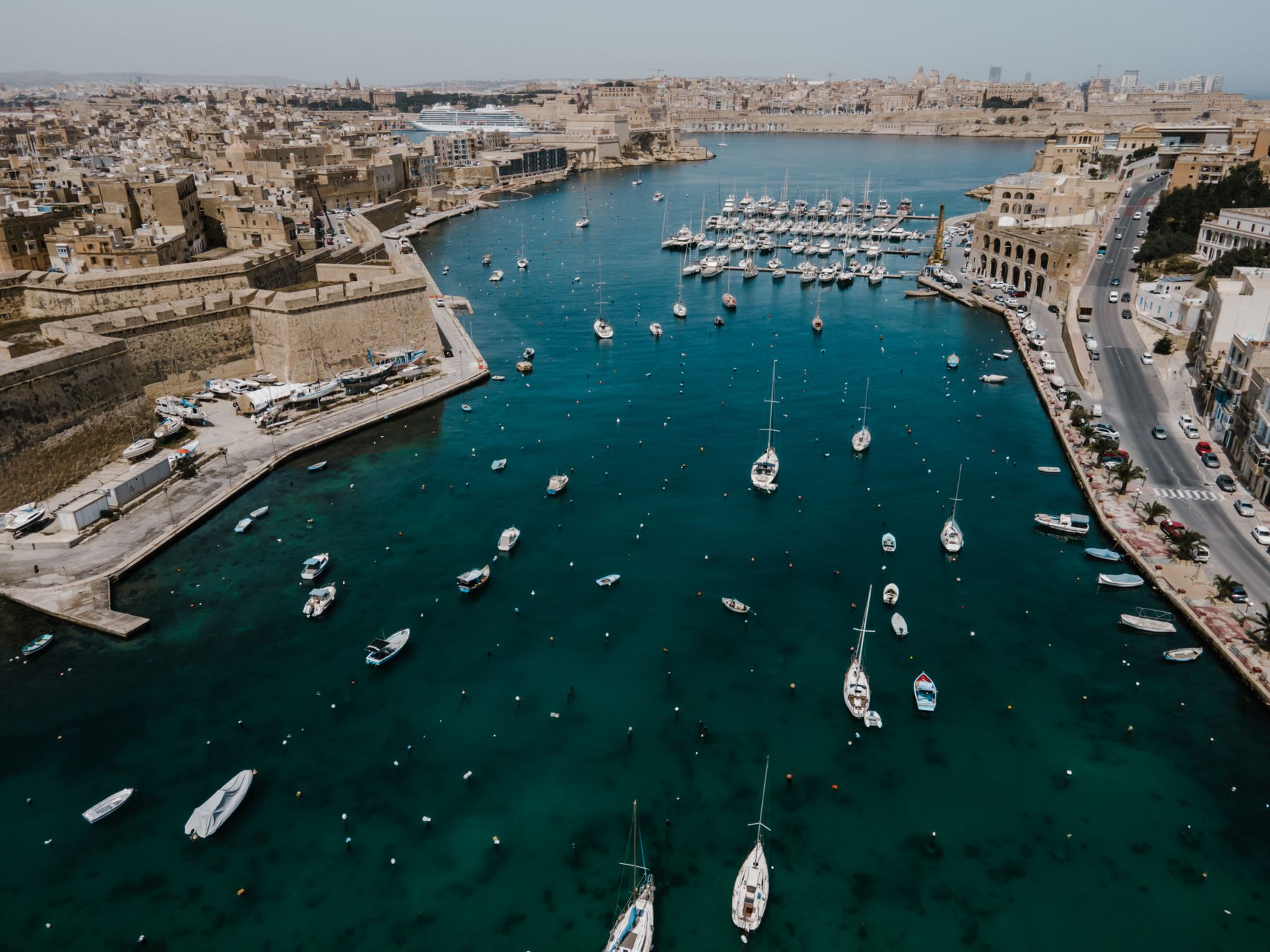
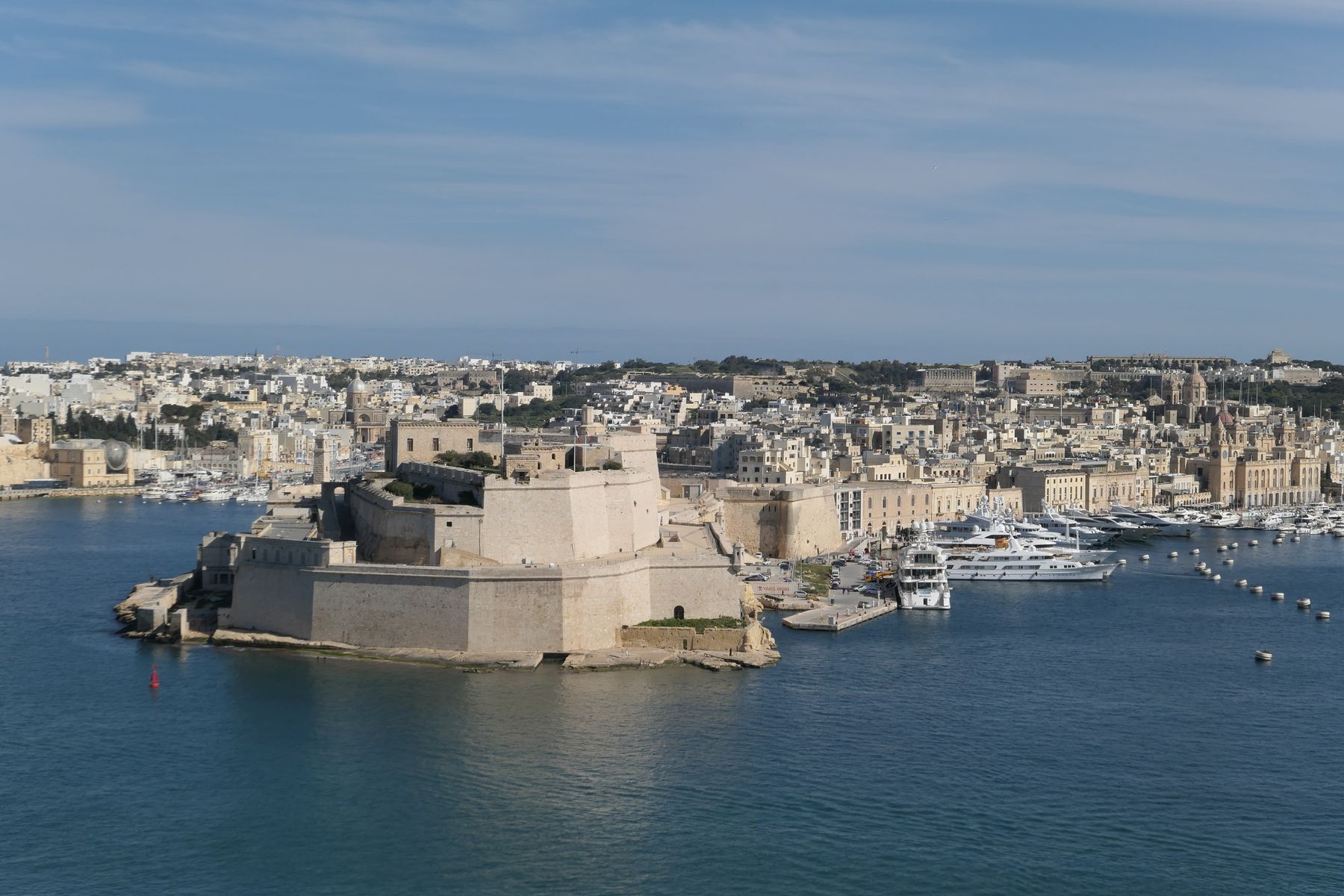
The marina quay runs past the yachts to Fort St Angelo at the tip, with the church, palaces and lanes of the Knights' first city in Malta rising behind it. Senglea and Cospicua are next door on foot.
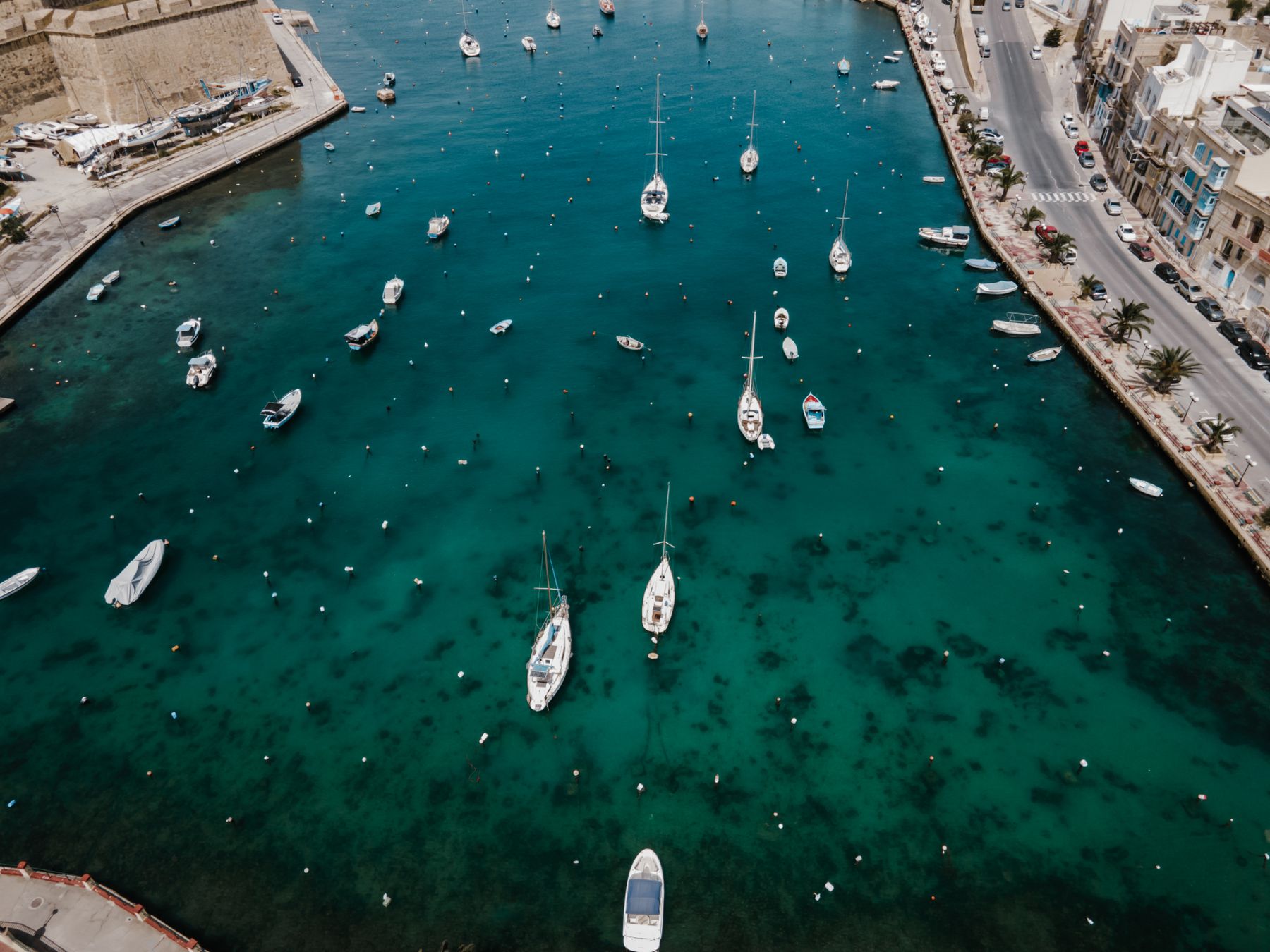
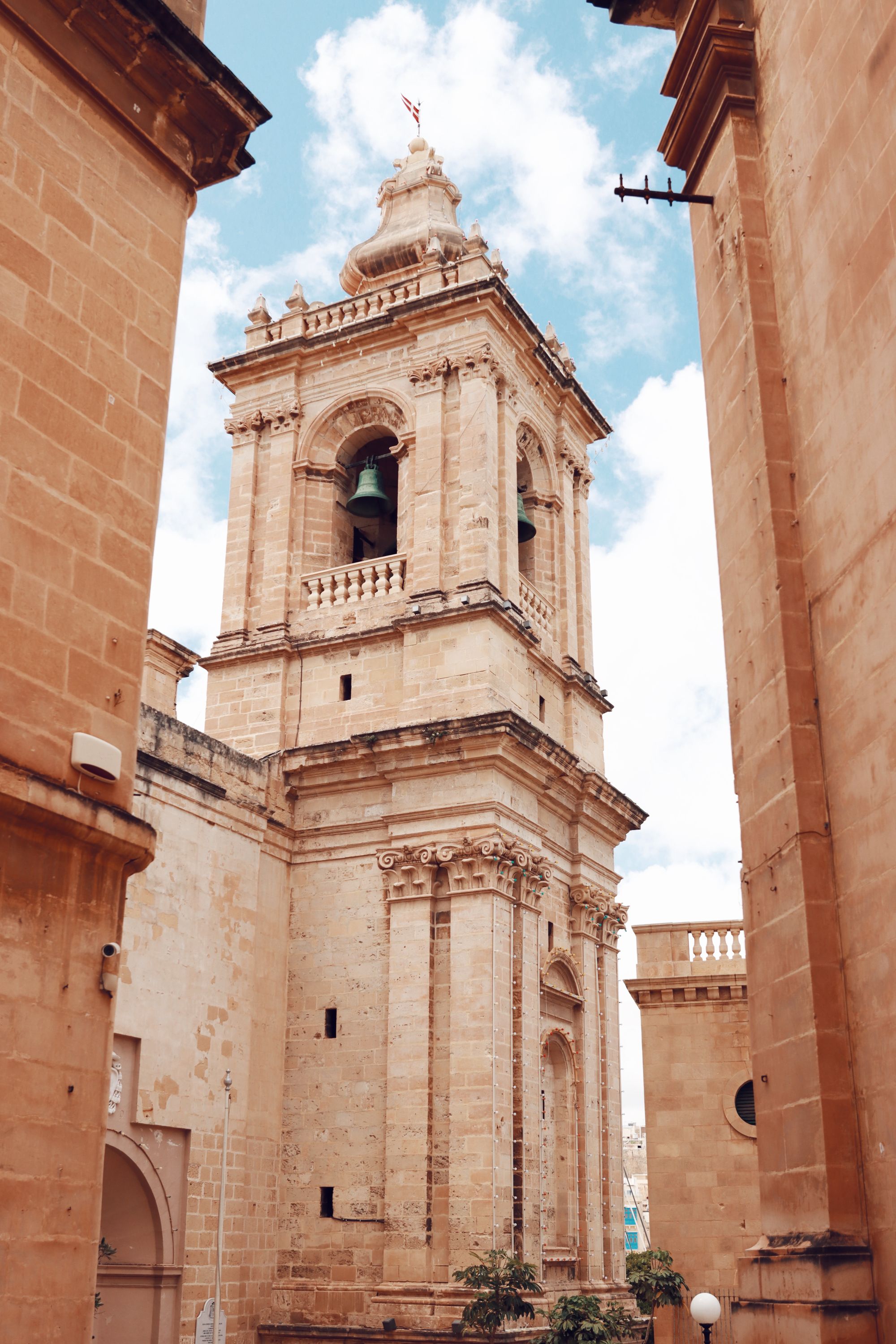
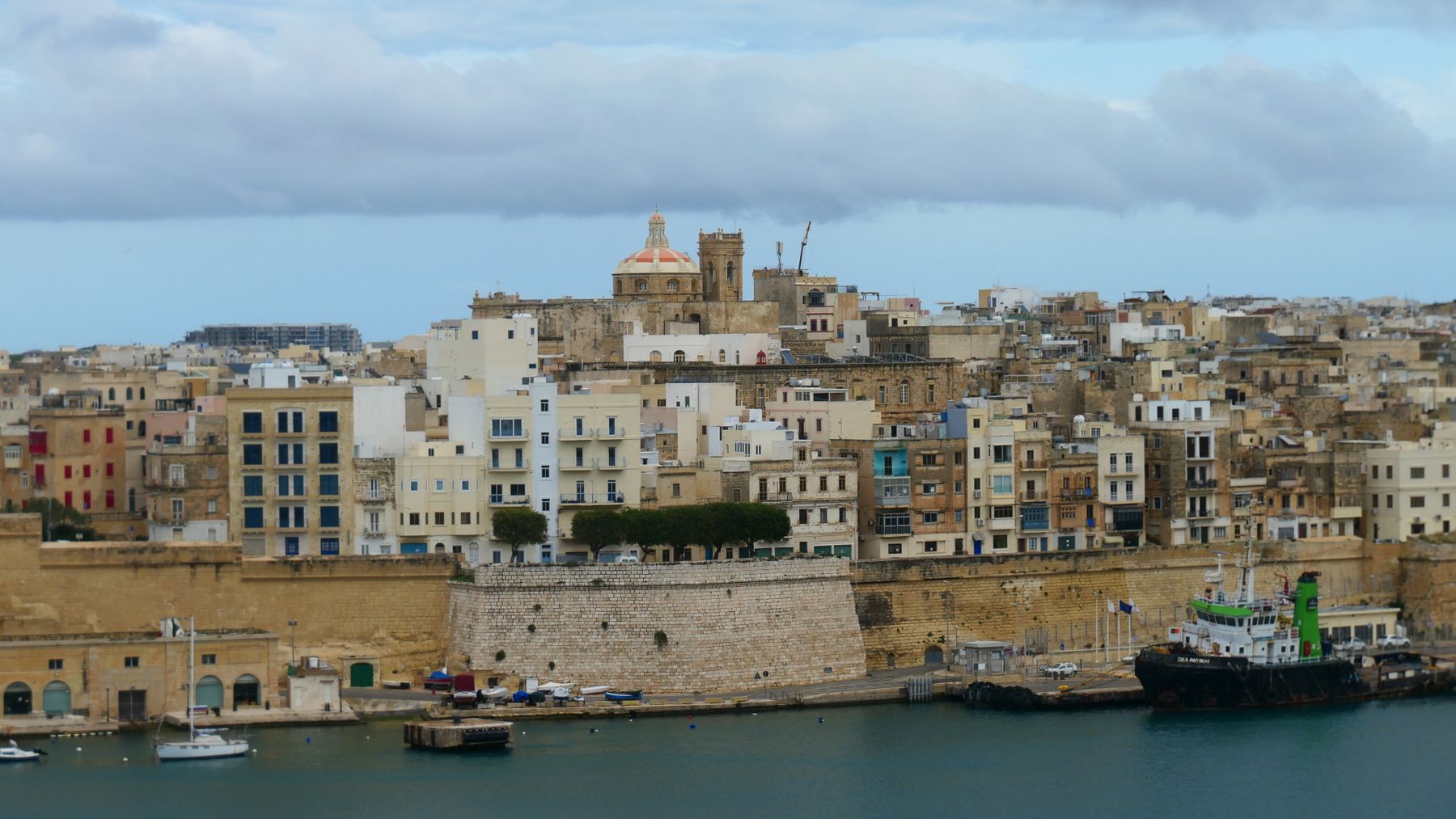
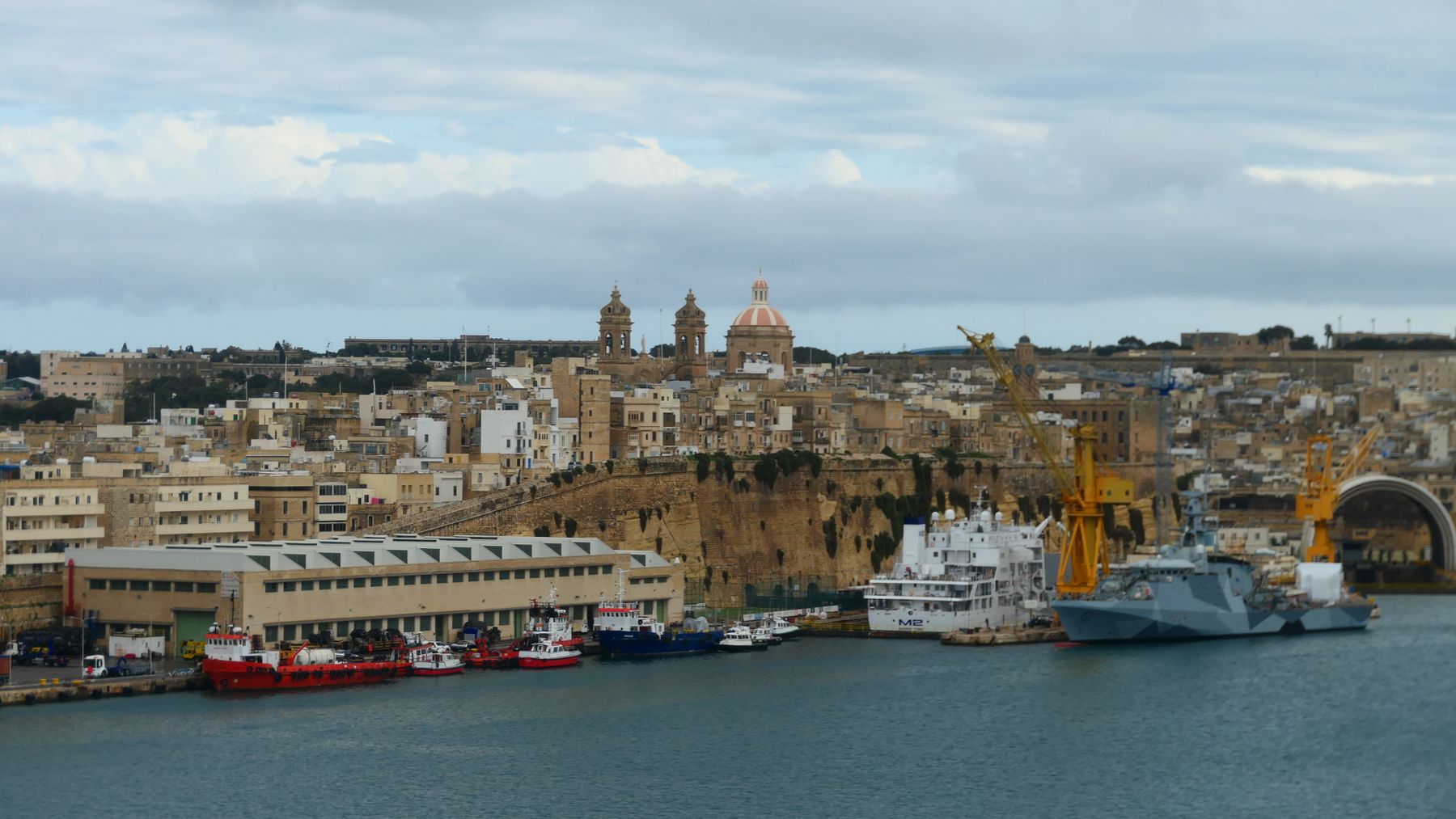
Rooms in the Three Cities are few. The one hotel listed here is in Senglea's bastions, across Dockyard Creek from the marina.
Grouped by what each place is best for, from the quay at Birgu to the temples inland.
Birgu's sights are a few minutes' walk from the ferry. Senglea and Cospicua are next door on foot, and the temples are a short ride inland.
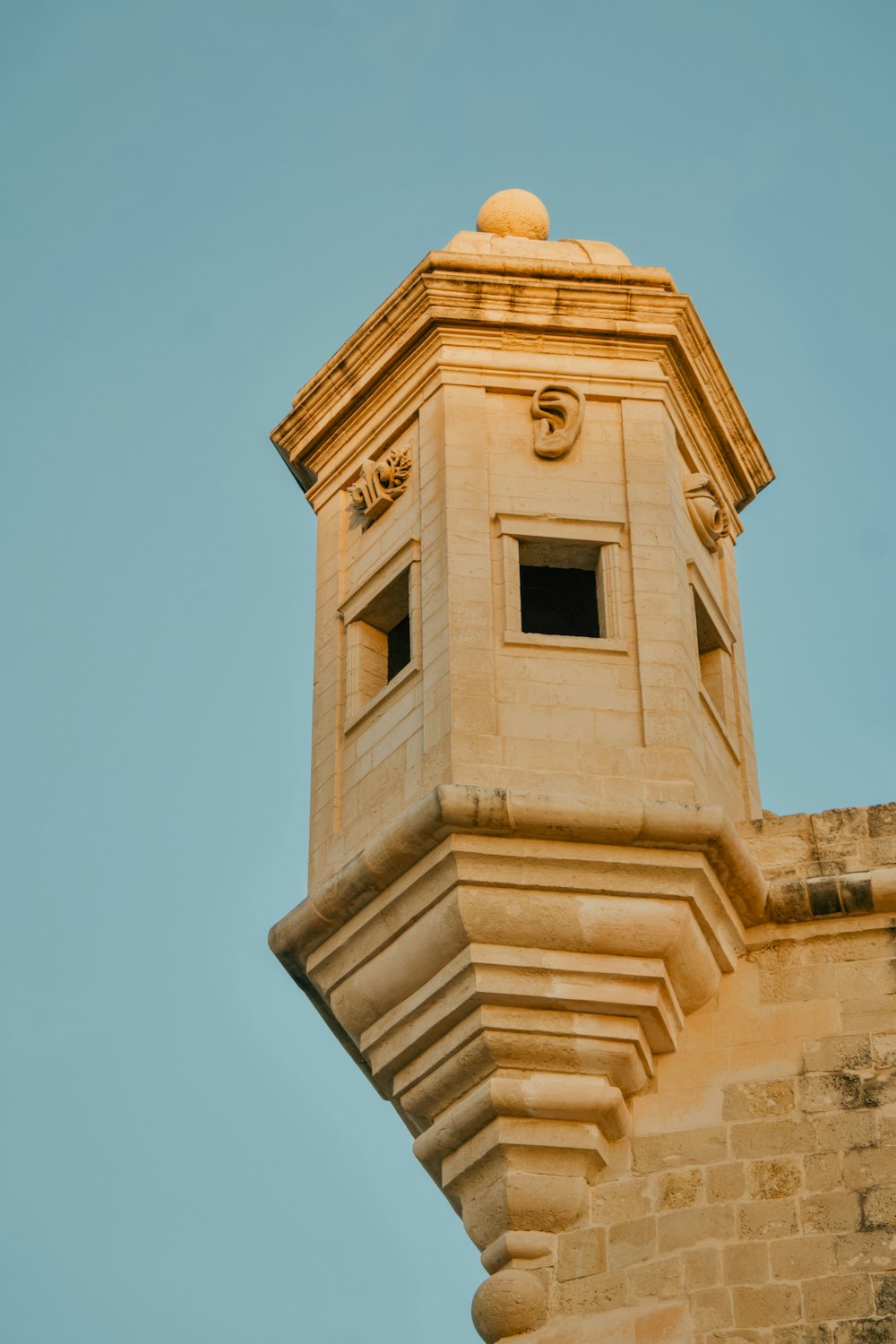
An eye and an ear carved into the Gardjola, a stone watchtower on the Grand Harbour, mark it as a lookout. Inside, you get a view over the Grand Harbour that takes in Valletta and Fort St Angelo.
Read the guide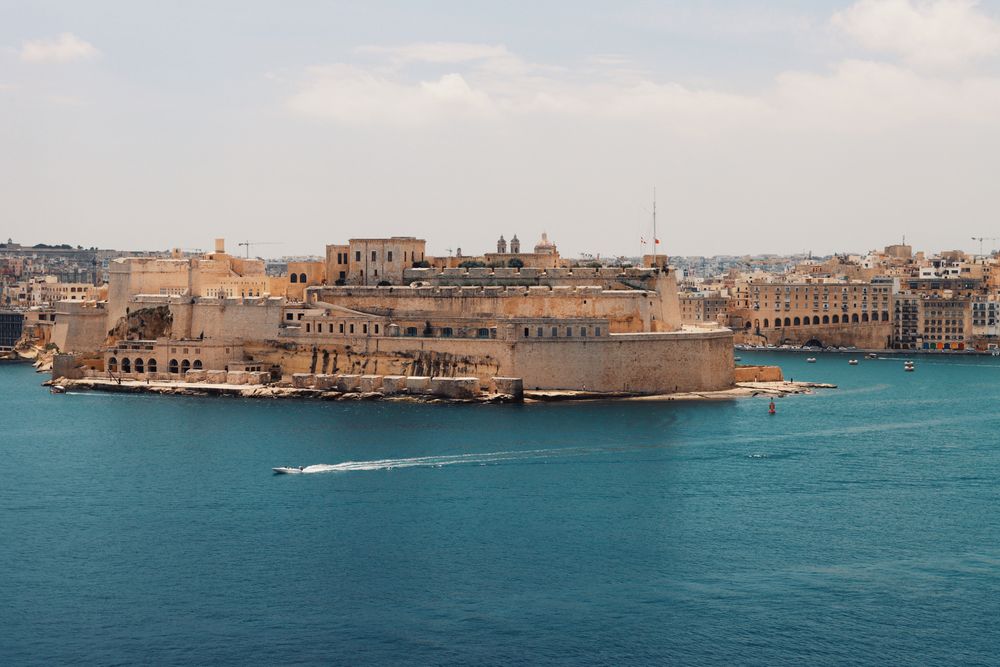
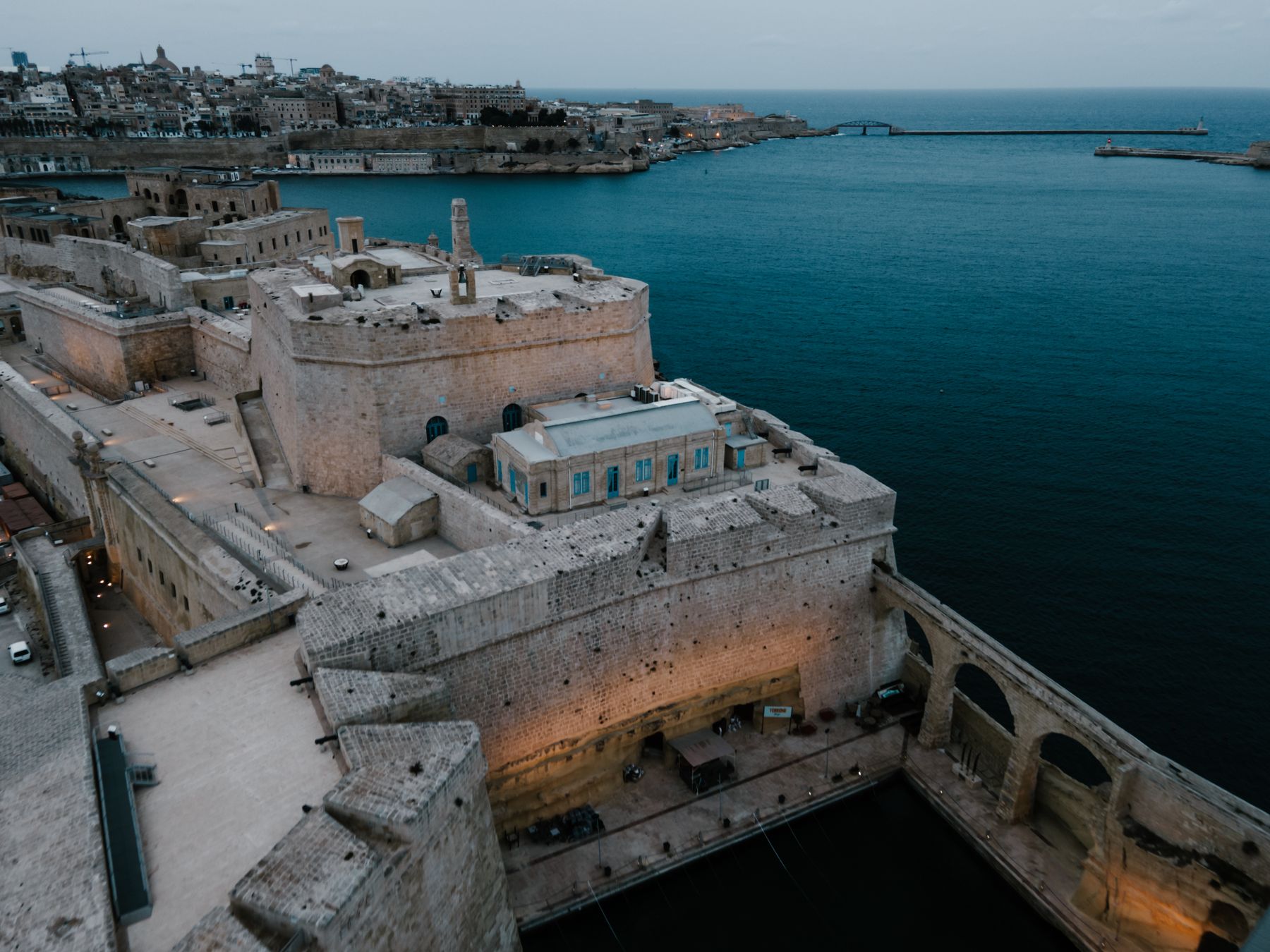
Inside this fort the Knights kept their headquarters during the Great Siege of 1565, and from it you look across the Grand Harbour to Valletta, the city they built on the far shore once the siege was over.
Read the guide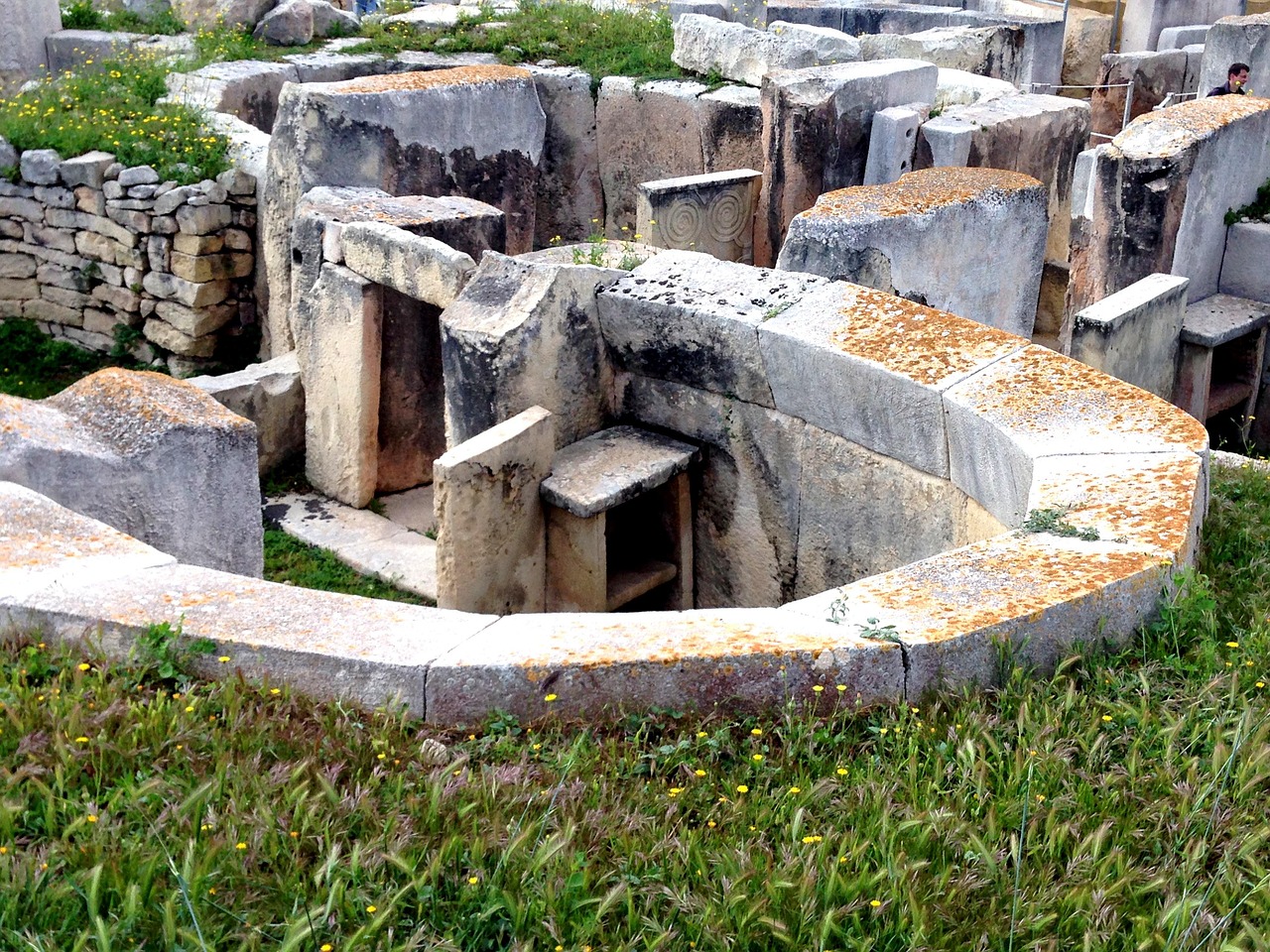
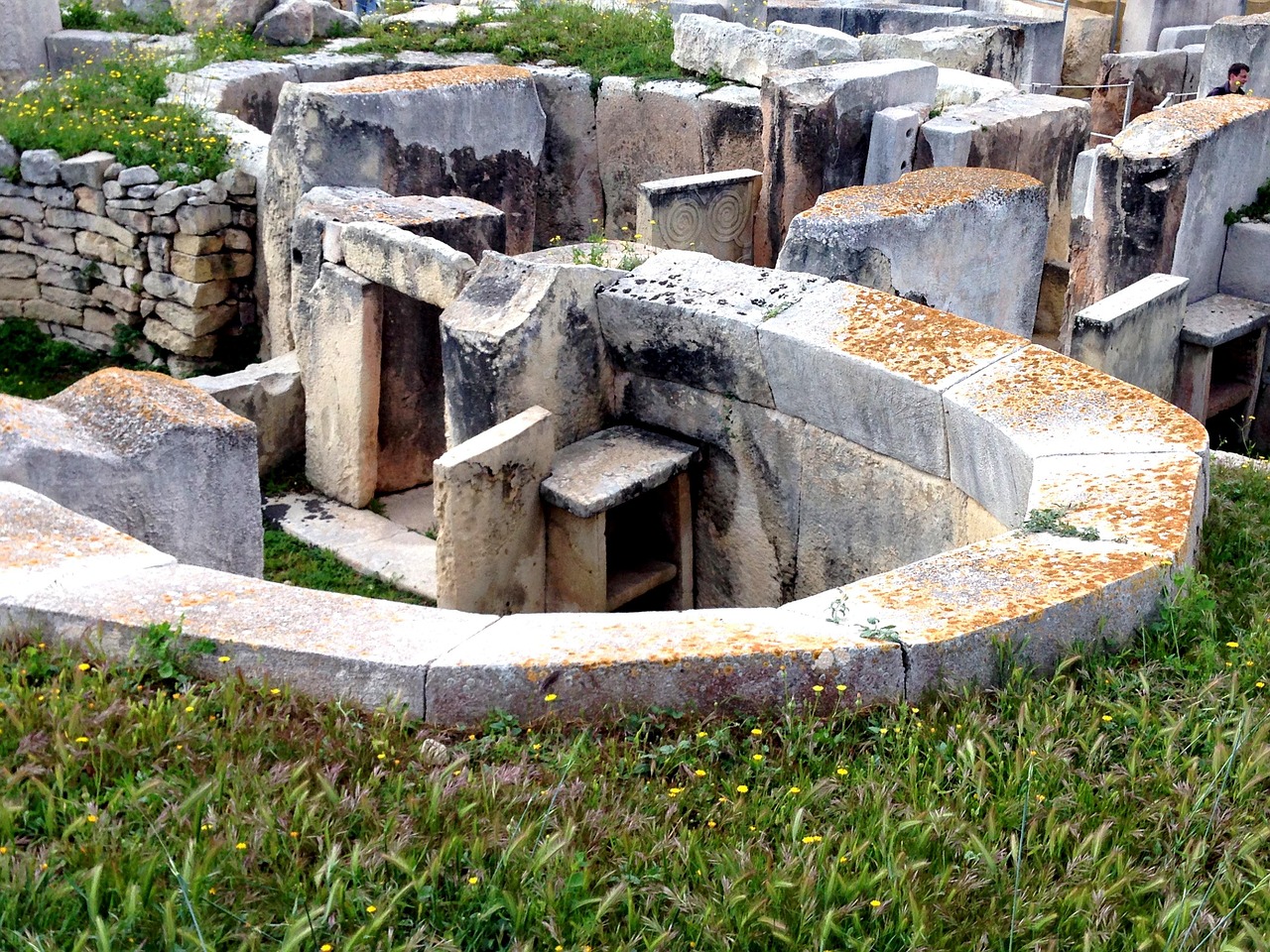
Carved spirals and the lower half of Malta's largest prehistoric statue share this UNESCO-listed complex, so you can see both on one walk through four linked Neolithic temples. The temples are in Tarxien, not in Birgu: about 2 km south of it, a short drive.
Read the guide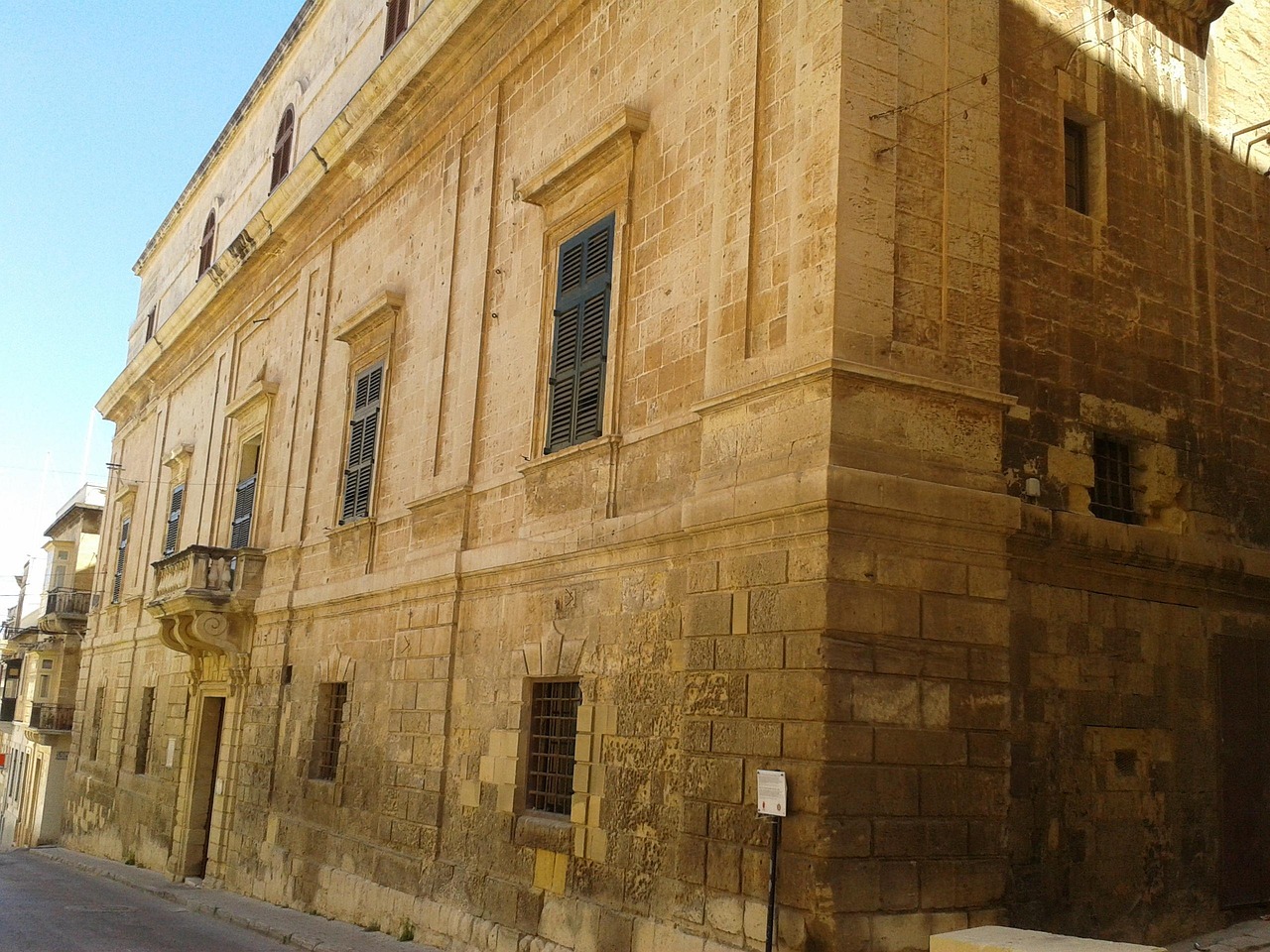
The Roman Inquisition in Malta was run from this building for over two centuries. You can walk from its tribunal hall to its prison cells, in one of the few inquisitorial palaces left in Europe.
Read the guide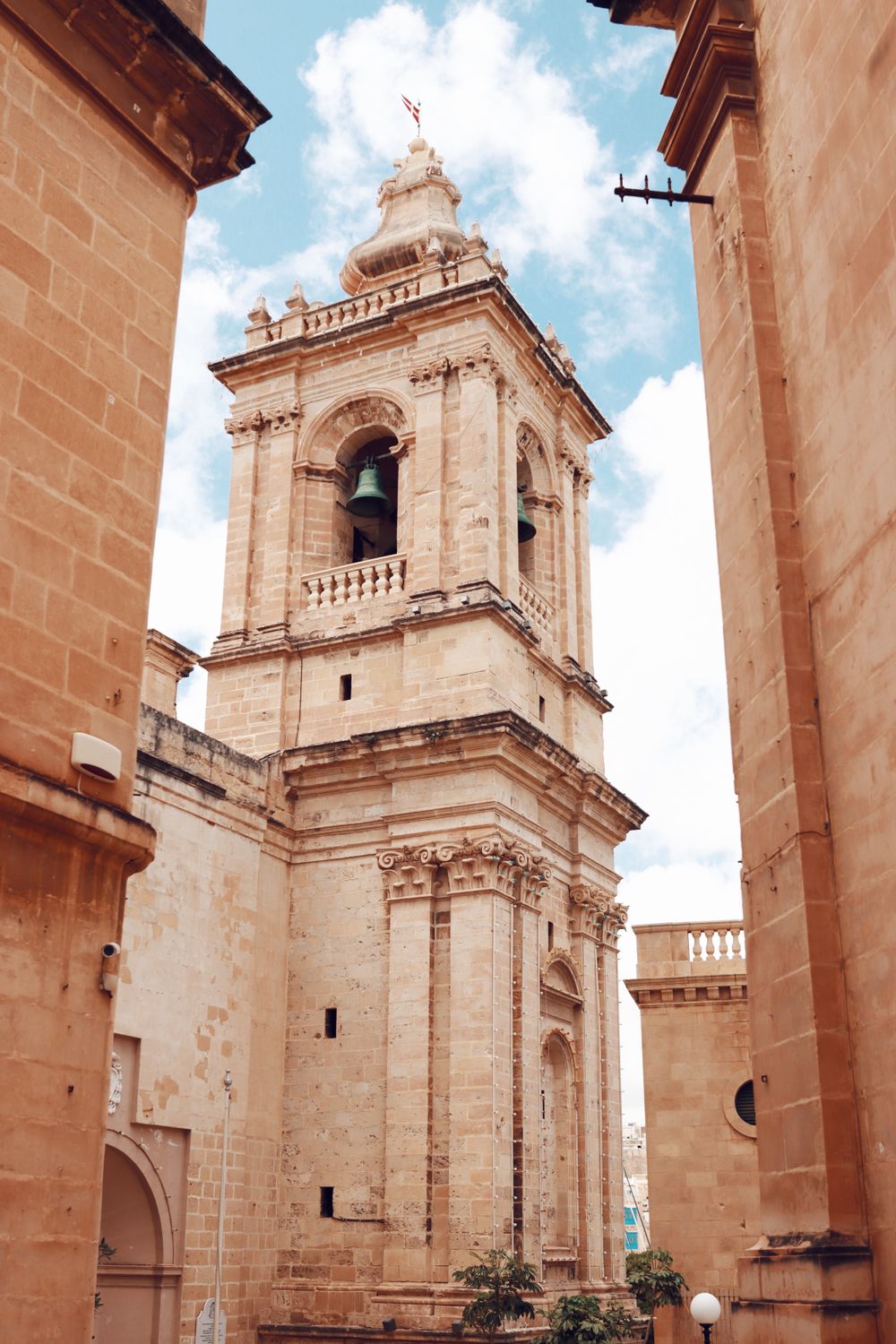
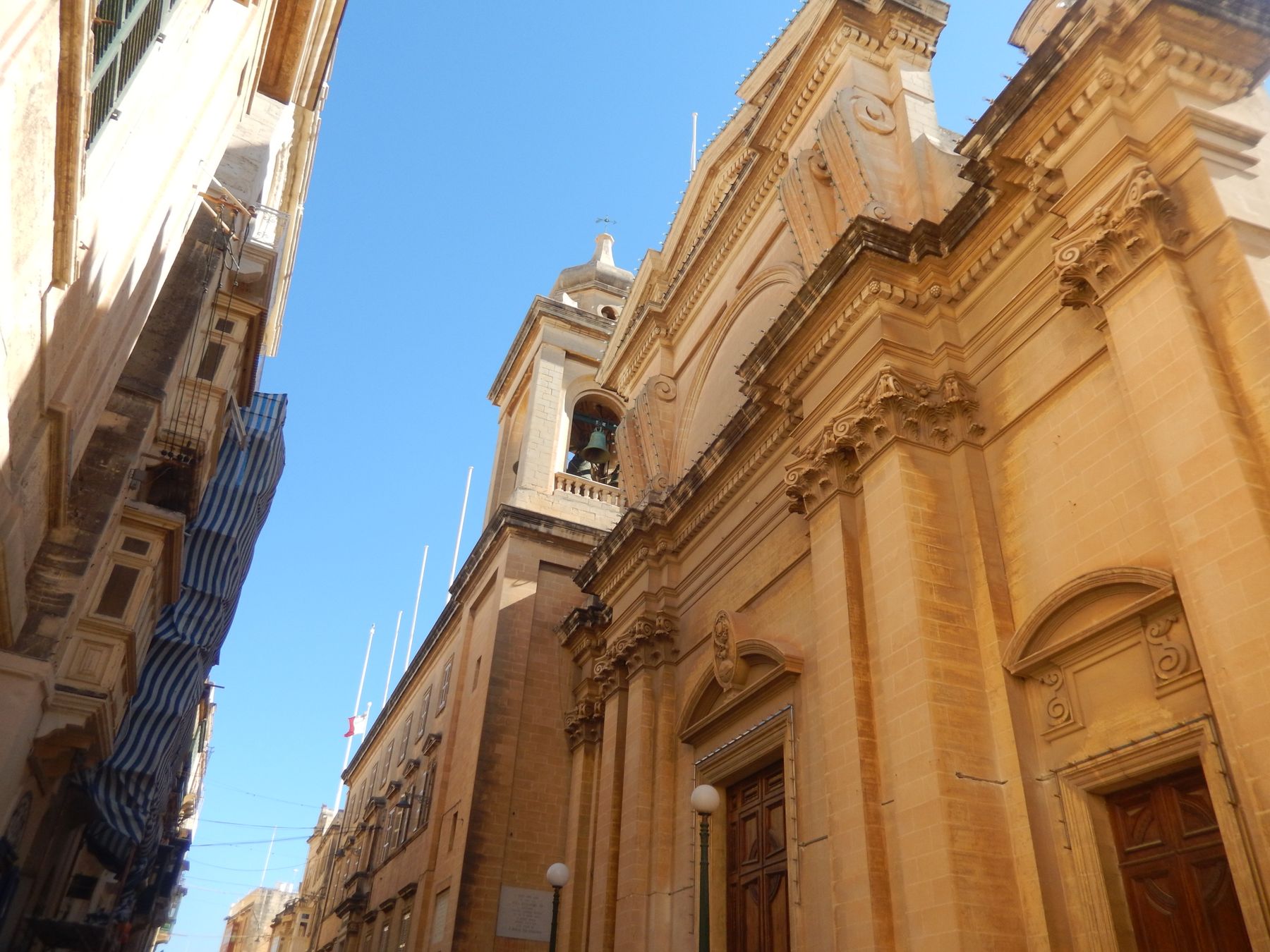
Step inside the church the Knights of St John used as their first conventual church in Malta, before they moved their seat to the new capital, Valletta.
Read the guide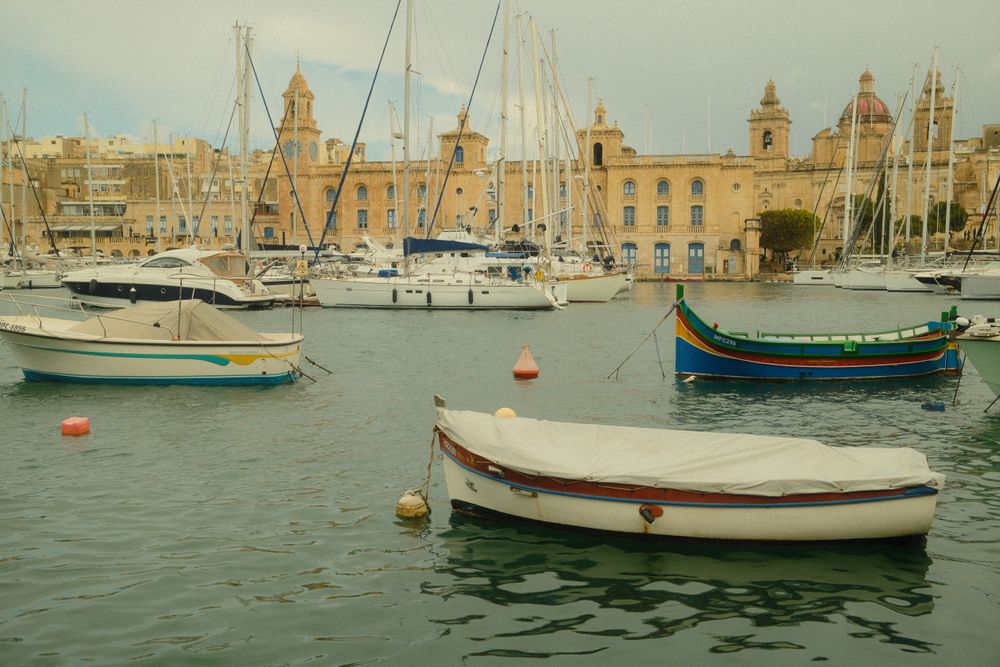
The Grand Harbour opens up from this restored quay in Birgu, with Senglea straight across the water and Valletta's fortified skyline beyond it. You come for that view, and to start a walk into the oldest of the Three Cities.
Read the guideBirgu's wartime air raid shelter, cut into the rock beneath this museum, protected hundreds of families from the Second World War bombing, and you walk down into it.
Read the guideBelow a street in Paola you walk through a burial complex that prehistoric islanders cut by hand out of the rock, and it is still whole. Above-ground buildings of the same age usually survive only as fragments.
Read the guideTwo landmarks share Birgu's main square: the Great Siege Victory monument, and the outline of the old clock tower, set into the paving where you can trace it.
Read the guideTwo Armstrong 100-ton guns survive in the world, and one of them is here. You can stand beside the largest rifled muzzle-loading cannon ever made; the other is in Gibraltar.
Read the guideVilla Bighi, the old naval hospital above the Grand Harbour, is now a science centre packed with hands-on exhibits. Bring the children for the planetarium dome and the science shows.
Read the guideWalking the restored gardens of Villa Portelli, above Kalkara Creek just outside Birgu, takes you round the house where British admirals in Malta once lived, with a terrace facing Villa Bighi across the water.
Read the guideOpened in 1847 for the Royal Navy, this stone dry dock is cut into the head of Dockyard Creek between Birgu and Senglea. The navy has long gone, and the basin now sits beside a campus of the American University of Malta.
Below Fort Ricasoli, this small sheltered inlet of sand and rock has clear, fairly shallow water and views towards Valletta. It suits a quick swim after a visit to Fort Rinella, which stands just above the bay.
Behind St Lawrence's Church, this small oratory has served as Birgu's parish museum since 1990. Its prize case holds a sword and hat said to have been left by Grand Master de Valette after the siege of 1565.
English knights took over this house in 1535 and added an upper floor, and it remains the best-preserved of the old auberges in Birgu.
Seaward bastions still ring the Senglea peninsula between French Creek and Dockyard Creek. The city held out in the siege of 1565 and earned the title Città Invicta.
Senglea's parish basilica stands above the waterfront, rebuilt after wartime bombing destroyed much of the town.
Cospicua's old main entrance is a Baroque portal of 1736 by the French engineer Charles François de Mondion, also called Porta dei Mortari.
Inside the Cottonera walls, a second and older ring of bastions wraps around Cospicua. Work began in 1638, stalled for decades and only finished in 1736. A state school now occupies Fort Verdala on the central bastions.
A great arc of 17th-century walls runs from Kalkara Creek round to French Creek, closing off the Three Cities on the landward side. The Knights planned it as a refuge for the island's whole population in a siege.
At the high point of the Cottonera walls, this Baroque gate of 1675 faces the Żabbar road under a bronze bust of Grand Master Nicolas Cotoner. In Maltese it goes by Bieb is-Sultan, the King's Gate.
Three Baroque gates lead into Birgu in sequence from the Cospicua side: Couvre Porte, the Advanced Gate and the Gate of Provence.
Facing Fort St Elmo across the harbour mouth, Fort Ricasoli fills the Kalkara headland above Rinella Bay, and Knights built it as the largest fort on the islands.
The Royal Navy's old burial ground at Kalkara has Protestant and Catholic sections, with over a thousand Commonwealth graves from the two world wars.
Beside the Corradino Industrial Estate, next to a church and facing a mosque, Kordin III is a trefoil temple fronted by a uniquely paved forecourt. A large shaped stone inside was possibly a quern.
About 85 votive paintings, many given by knights and galley crews, hang in this parish museum beside the Żabbar sanctuary.
On Tal-Ħorr hill above Paola, Malta's largest burial ground spreads around a Neo-Gothic chapel designed by Emanuele Luigi Galizia in the 1860s.
Yachts along the quay, Fort St Angelo at the tip and the dgħajsa boats crossing from Valletta.
An eye and an ear carved into the Gardjola, a stone watchtower on the Grand Harbour, mark it as a lookout. Inside, you get a view over the Grand Harbour that takes in Valletta and Fort St Angelo.
Read the guideInside this fort the Knights kept their headquarters during the Great Siege of 1565, and from it you look across the Grand Harbour to Valletta, the city they built on the far shore once the siege was over.
Read the guideThe Grand Harbour opens up from this restored quay in Birgu, with Senglea straight across the water and Valletta's fortified skyline beyond it. You come for that view, and to start a walk into the oldest of the Three Cities.
Read the guideWalking the restored gardens of Villa Portelli, above Kalkara Creek just outside Birgu, takes you round the house where British admirals in Malta once lived, with a terrace facing Villa Bighi across the water.
Read the guideOpened in 1847 for the Royal Navy, this stone dry dock is cut into the head of Dockyard Creek between Birgu and Senglea. The navy has long gone, and the basin now sits beside a campus of the American University of Malta.
Below Fort Ricasoli, this small sheltered inlet of sand and rock has clear, fairly shallow water and views towards Valletta. It suits a quick swim after a visit to Fort Rinella, which stands just above the bay.
The Knights ruled Malta from Birgu before Valletta existed, and their church, auberges and court still line its lanes.
Inside this fort the Knights kept their headquarters during the Great Siege of 1565, and from it you look across the Grand Harbour to Valletta, the city they built on the far shore once the siege was over.
Read the guideThe Roman Inquisition in Malta was run from this building for over two centuries. You can walk from its tribunal hall to its prison cells, in one of the few inquisitorial palaces left in Europe.
Read the guideStep inside the church the Knights of St John used as their first conventual church in Malta, before they moved their seat to the new capital, Valletta.
Read the guideTwo landmarks share Birgu's main square: the Great Siege Victory monument, and the outline of the old clock tower, set into the paving where you can trace it.
Read the guideBehind St Lawrence's Church, this small oratory has served as Birgu's parish museum since 1990. Its prize case holds a sword and hat said to have been left by Grand Master de Valette after the siege of 1565.
English knights took over this house in 1535 and added an upper floor, and it remains the best-preserved of the old auberges in Birgu.
The two other cities sit a short walk away, with a lookout over the whole harbour at Senglea's point.
An eye and an ear carved into the Gardjola, a stone watchtower on the Grand Harbour, mark it as a lookout. Inside, you get a view over the Grand Harbour that takes in Valletta and Fort St Angelo.
Read the guideOpened in 1847 for the Royal Navy, this stone dry dock is cut into the head of Dockyard Creek between Birgu and Senglea. The navy has long gone, and the basin now sits beside a campus of the American University of Malta.
Seaward bastions still ring the Senglea peninsula between French Creek and Dockyard Creek. The city held out in the siege of 1565 and earned the title Città Invicta.
Senglea's parish basilica stands above the waterfront, rebuilt after wartime bombing destroyed much of the town.
Cospicua's old main entrance is a Baroque portal of 1736 by the French engineer Charles François de Mondion, also called Porta dei Mortari.
Inside the Cottonera walls, a second and older ring of bastions wraps around Cospicua. Work began in 1638, stalled for decades and only finished in 1736. A state school now occupies Fort Verdala on the central bastions.
A great arc of 17th-century walls runs from Kalkara Creek round to French Creek, closing off the Three Cities on the landward side. The Knights planned it as a refuge for the island's whole population in a siege.
At the high point of the Cottonera walls, this Baroque gate of 1675 faces the Żabbar road under a bronze bust of Grand Master Nicolas Cotoner. In Maltese it goes by Bieb is-Sultan, the King's Gate.
From the siege of 1565 to the bombing of 1942, with a shelter cut into the rock and a 100-ton gun.
Inside this fort the Knights kept their headquarters during the Great Siege of 1565, and from it you look across the Grand Harbour to Valletta, the city they built on the far shore once the siege was over.
Read the guideBirgu's wartime air raid shelter, cut into the rock beneath this museum, protected hundreds of families from the Second World War bombing, and you walk down into it.
Read the guideTwo Armstrong 100-ton guns survive in the world, and one of them is here. You can stand beside the largest rifled muzzle-loading cannon ever made; the other is in Gibraltar.
Read the guideA great arc of 17th-century walls runs from Kalkara Creek round to French Creek, closing off the Three Cities on the landward side. The Knights planned it as a refuge for the island's whole population in a siege.
Three Baroque gates lead into Birgu in sequence from the Cospicua side: Couvre Porte, the Advanced Gate and the Gate of Provence.
Facing Fort St Elmo across the harbour mouth, Fort Ricasoli fills the Kalkara headland above Rinella Bay, and Knights built it as the largest fort on the islands.
The Royal Navy's old burial ground at Kalkara has Protestant and Catholic sections, with over a thousand Commonwealth graves from the two world wars.
Malta's oldest monuments sit a short ride inland, and Kalkara and Żabbar are next door.
Carved spirals and the lower half of Malta's largest prehistoric statue share this UNESCO-listed complex, so you can see both on one walk through four linked Neolithic temples. The temples are in Tarxien, not in Birgu: about 2 km south of it, a short drive.
Read the guideBelow a street in Paola you walk through a burial complex that prehistoric islanders cut by hand out of the rock, and it is still whole. Above-ground buildings of the same age usually survive only as fragments.
Read the guideVilla Bighi, the old naval hospital above the Grand Harbour, is now a science centre packed with hands-on exhibits. Bring the children for the planetarium dome and the science shows.
Read the guideBelow Fort Ricasoli, this small sheltered inlet of sand and rock has clear, fairly shallow water and views towards Valletta. It suits a quick swim after a visit to Fort Rinella, which stands just above the bay.
The Royal Navy's old burial ground at Kalkara has Protestant and Catholic sections, with over a thousand Commonwealth graves from the two world wars.
Beside the Corradino Industrial Estate, next to a church and facing a mosque, Kordin III is a trefoil temple fronted by a uniquely paved forecourt. A large shaped stone inside was possibly a quern.
About 85 votive paintings, many given by knights and galley crews, hang in this parish museum beside the Żabbar sanctuary.
On Tal-Ħorr hill above Paola, Malta's largest burial ground spreads around a Neo-Gothic chapel designed by Emanuele Luigi Galizia in the 1860s.
Cross from Valletta on the ferry, or take a dgħajsa water taxi, which lands in Birgu itself. Walk the Vittoriosa Waterfront past the yachts to Fort St Angelo at the tip.
Turn up into the lanes to the Collegiate Church of St Lawrence, the Knights' first church in Malta. Look up at the dome: it was rebuilt in 1952 after the bombing of 1942.
From Victory Square, walk on to the Inquisitor's Palace and go from the tribunal hall down to the prison cells. On the way, the Auberge d'Angleterre is the best-kept of the houses the English knights used.
Walk out to the gates and the Malta at War Museum, in the barracks at the entrance, and walk down into the rock shelter where much of the town lived during the Second World War.
End in Senglea, about ten minutes' walk round the head of the creek. From Gardjola Gardens, on the point, you look out over the whole Grand Harbour.
The dates that fill Birgu's lanes.
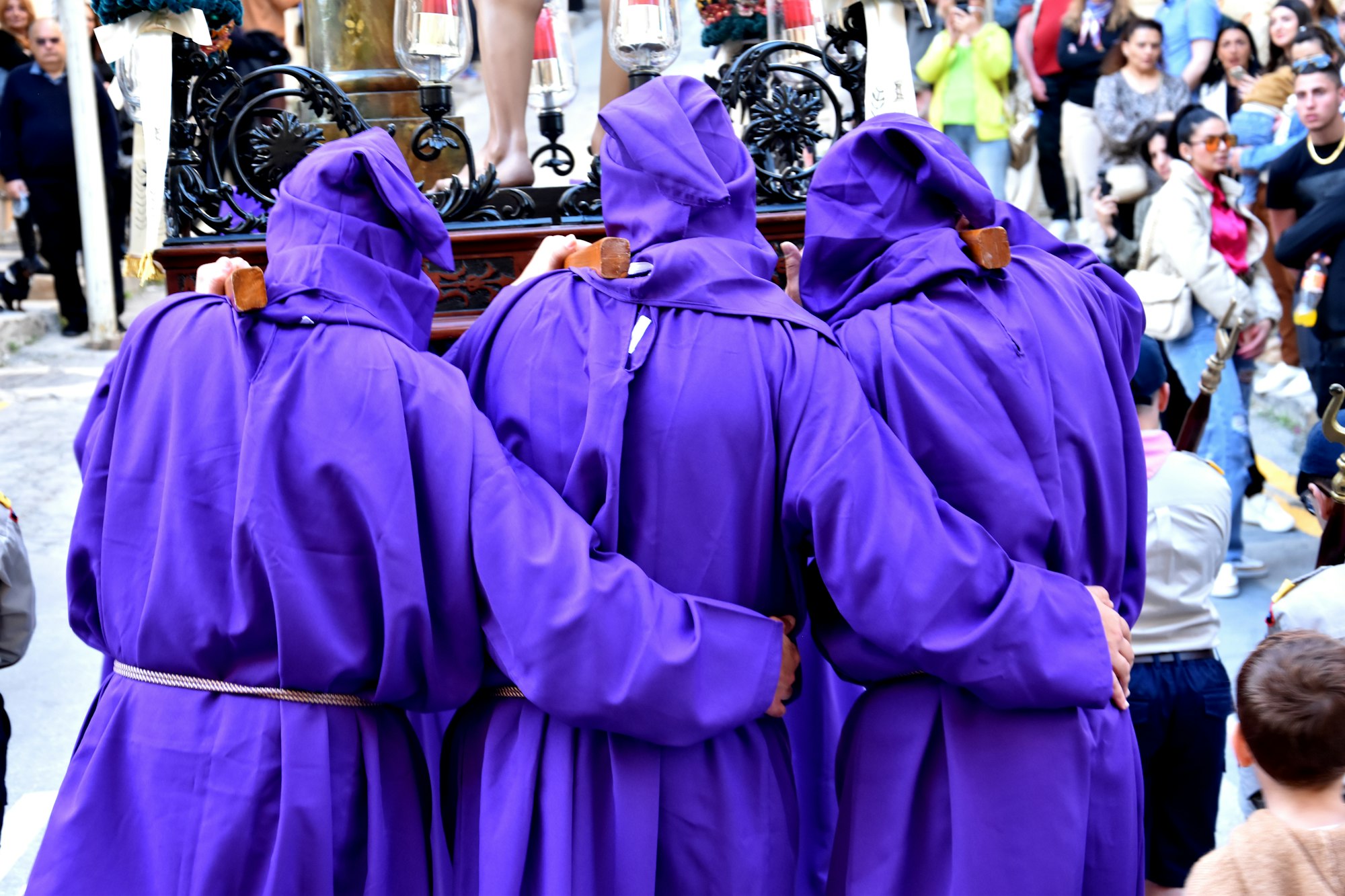
On Good Friday the procession moves by candlelight through Birgu's narrow lanes, with penitents dragging chains behind the statues.
Malta has one airport, at Luqa, southwest of Birgu. A taxi is the direct way; by bus, the Airport Direct runs to Valletta, where the ferry crosses to the Three Cities.
Buy a fixed-fare ticket at the booth in the Welcomers' Hall.
Take the Airport Direct bus to Valletta, walk down to the ferry wharf below the Barrakka Lift and cross to the Cospicua pier. Pay on the bus by cash or contactless card.
Request the car once you land, then walk to the pickup point the app shows outside arrivals. Bolt sometimes moves that point, so check the app again as you leave the terminal.
The official pages this guide was checked against.
Last updated