 Submit a photo
Ninety seconds on Church of Our Lady of Victory
One local guide lists entry as free. The church is in the guardianship of Din l-Art Ħelwa, which took on the restoration of its vault, its five altars and its organ.
Hours are not officially published and can change, so ask at the church before planning around them. One local guide lists Monday to Friday 08:45 to 16:00, Saturday 10:00 to 16:00 and Sunday 10:00 to 13:00, with Mass at 08:45 on weekdays and 19:00 on Saturday.
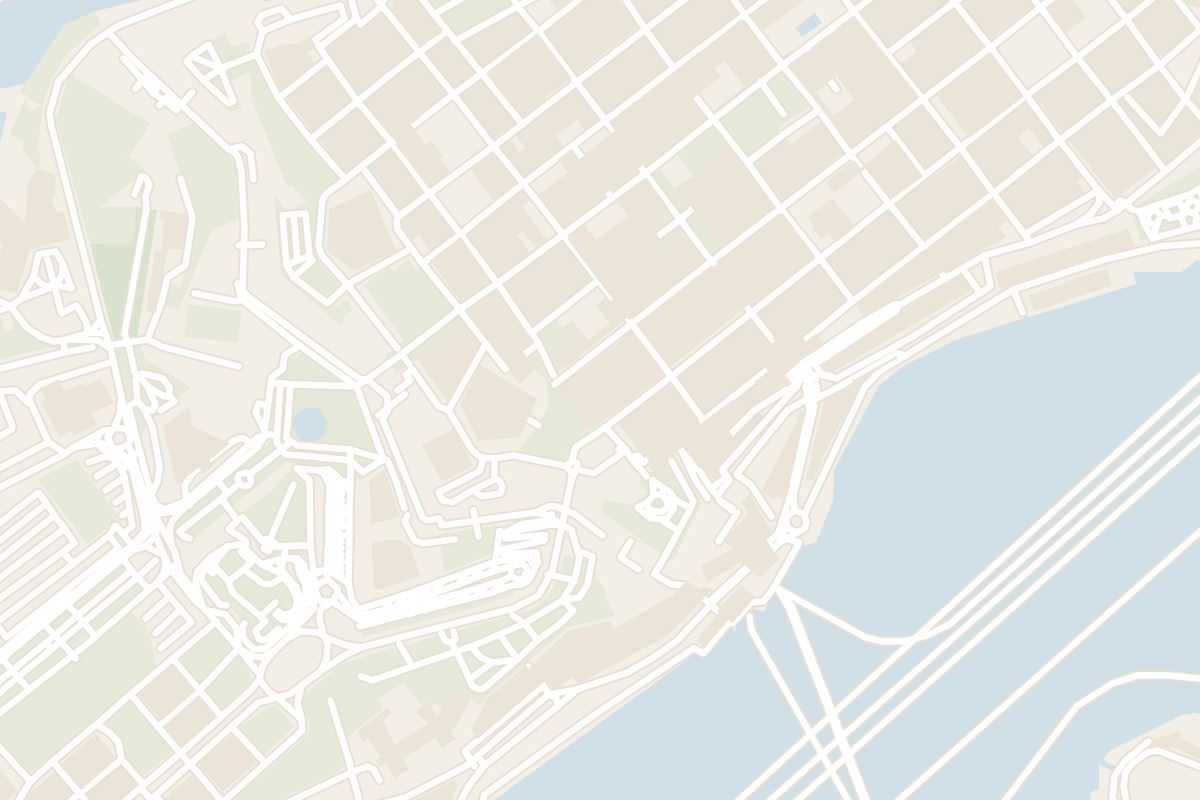
The church stands on South Street in Valletta. It is directly opposite the church of St Catherine of Italy and close to the Auberge de Castille.
Alessio Erardi, a Maltese Baroque artist who lived from 1671 to 1727, painted the vault between 1716 and 1717, and an assistant is reputed to have helped him.
He was buried here on 22 August 1568, as his will asked, having paid for the original church himself. His heart stayed in the church, which is why his monument, made in 1802 by the Maltese sculptor Vincenzo Dimech, stands here.
The church is dedicated to the Nativity of the Virgin. The popular name Our Lady of Victory followed the surrender of the Italian fleet to the Allies on that same feast day in 1943.
Five carved altars are what you come in for, inside the first building finished in Valletta, the church the knights raised in thanksgiving.
The ceiling over the single nave is the first thing you see on entry. It shows scenes from the life of the Virgin, painted by a Maltese Baroque artist in the early 18th century.
The defeat of the Ottoman invaders in 1565 is one of the episodes, so look for the battle among the religious scenes.
A putto carries a scroll reading IN HOC SIGNO VINCES, meaning ‘With this Sign, you shall Conquer’. On the façade sits a bronze bust of Pope Innocent XII, which the pope sent as a gift.
The high altar and four others, set in elaborate stone niches, were restored along with their carved reredosses during the same works.
Entering from South Street, take in the painted vault overhead before you work through the five altars below it. When you reach the last one, turn round to the entrance wall, where the restoration revealed a scheme of paintings.
Before leaving, go down to the basement below the nave. Original photographs of the Blessing of the Animals, held here each 17 January into the 1950s, hang on the walls, and a small cinema shows a documentary on how the church changed through the ages.
The ceiling’s framework, three scenes to each bay, follows Mattia Preti’s vault at St John’s Co-Cathedral. Seeing both on the same day lets you set the two side by side.
Ask at the door whether the guide books and audio guides introduced with the restoration are available.
Explore the rest of Valletta
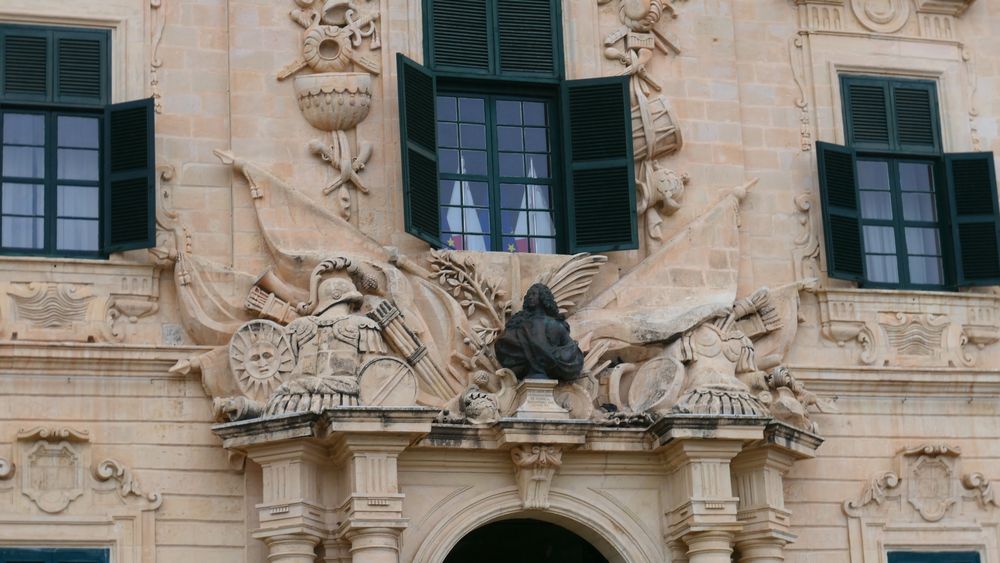
Cannons, a carved stone portal and a coat of arms fill the baroque front of this auberge, now the office of the Prime Minister. The…
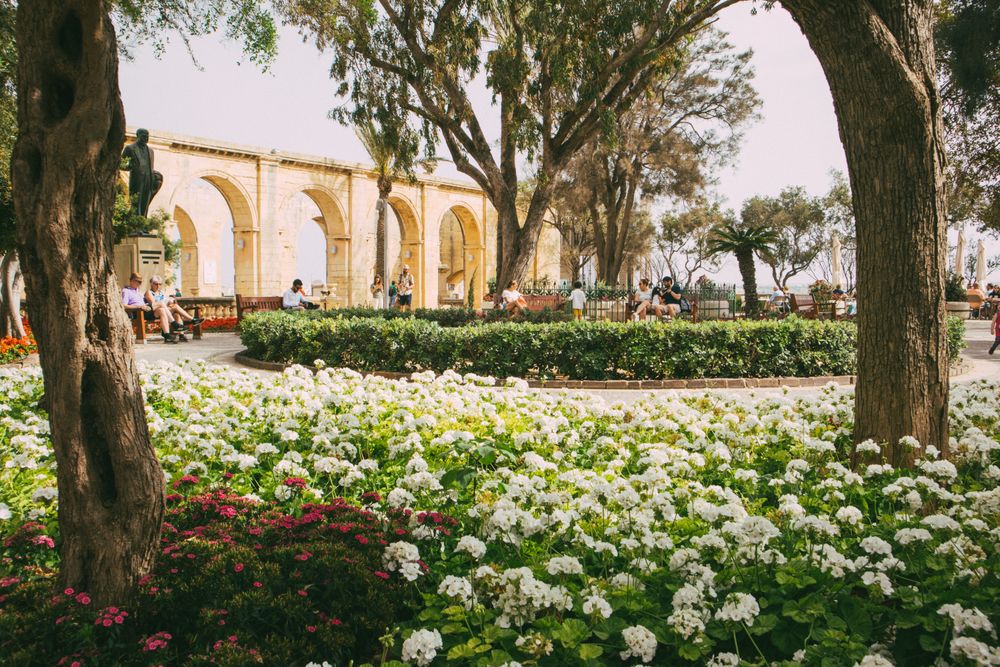
Arched loggias on the highest tier of the bastions frame a full view across the Grand Harbour to Birgu, Senglea and Fort St Angelo. Entry…
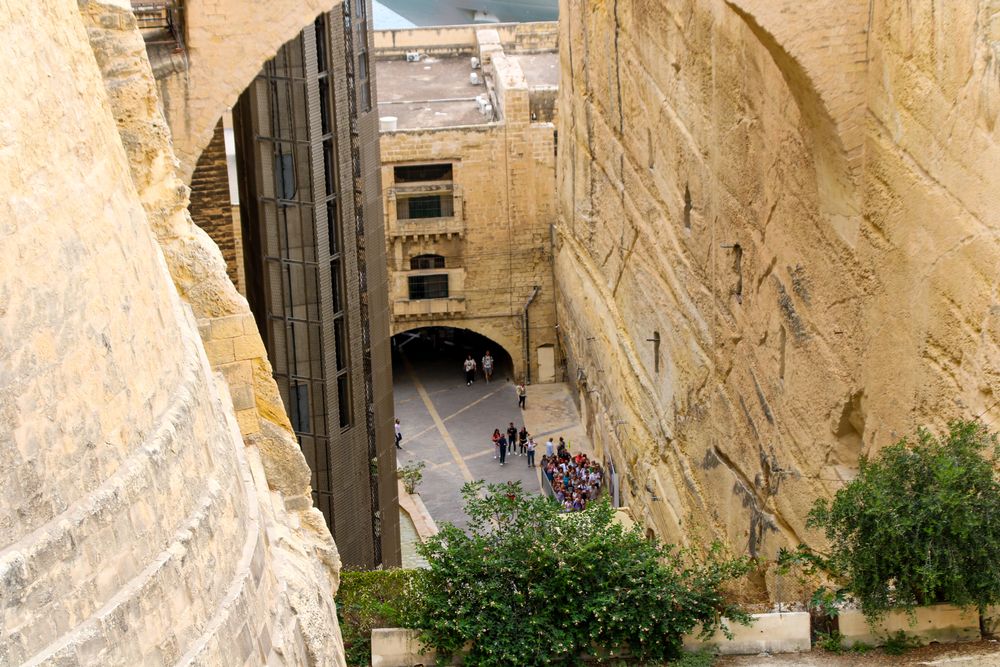
Glass cars climb the face of the bastion between Upper Barrakka Gardens and the wharf below, saving the long walk up the stepped streets.…
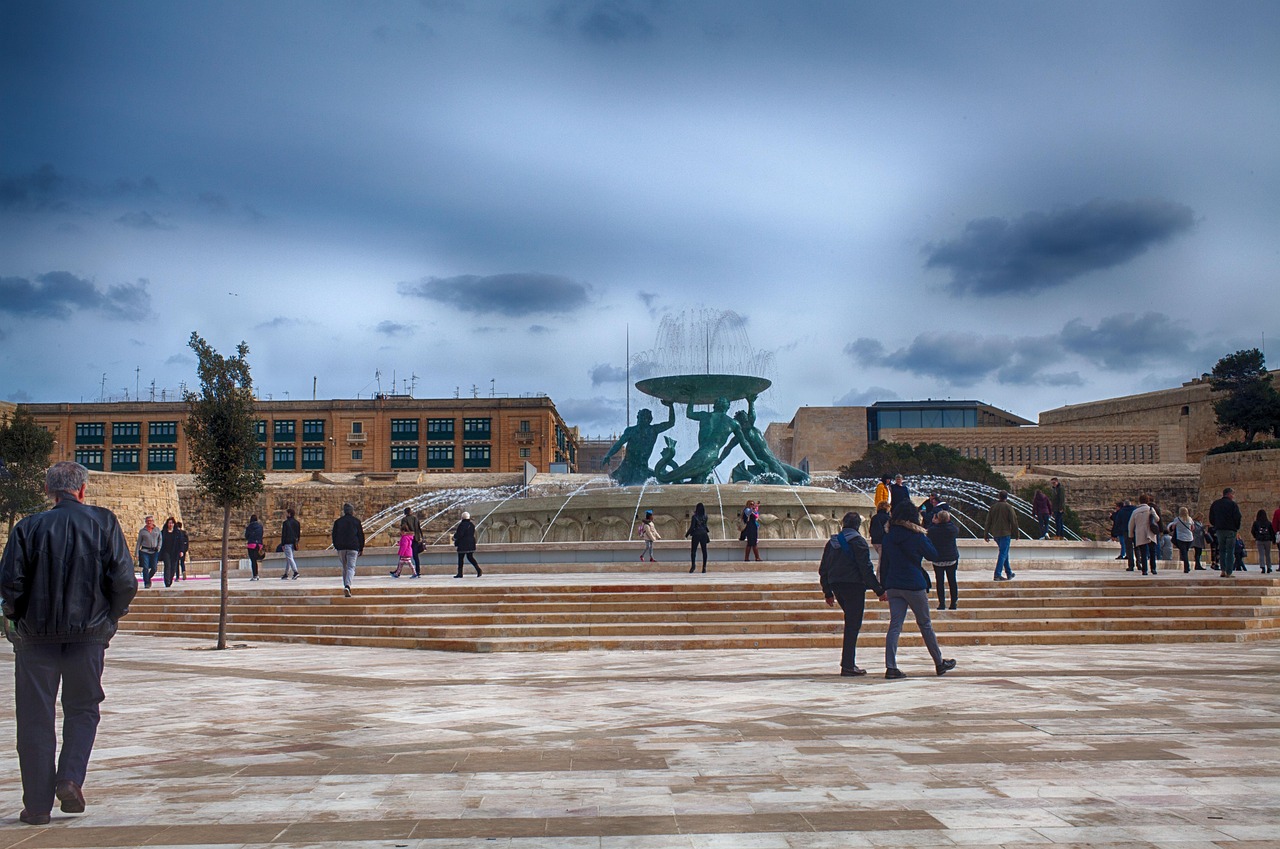
Three bronze tritons hold up a wide basin in the middle of the plaza outside City Gate, beside the bus terminus. Restored in 2018, the…
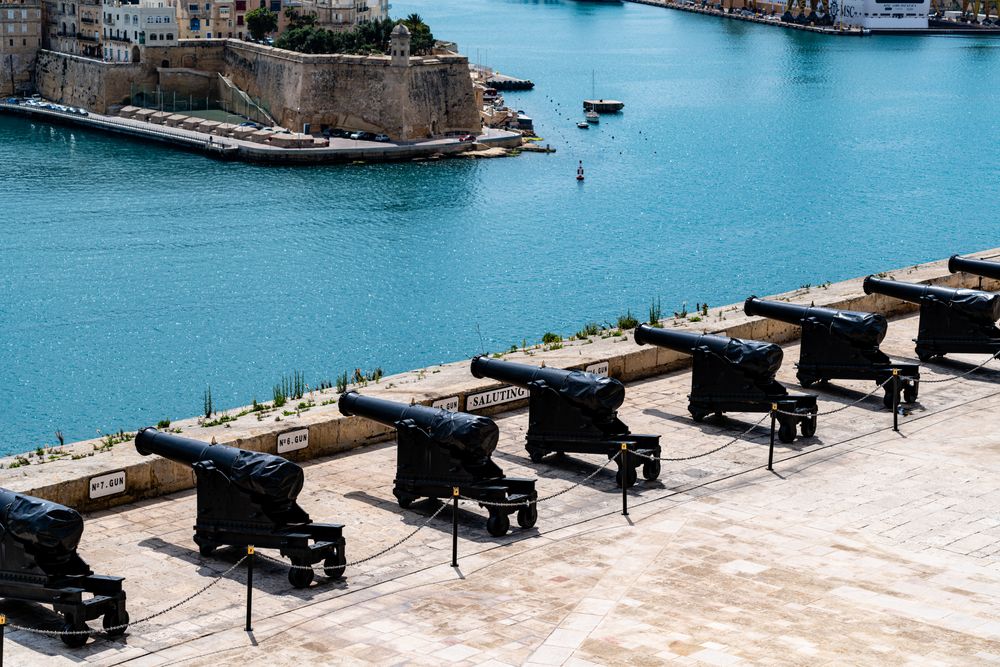
On most days a crew in period uniform loads and fires a cannon from the gun platform below Upper Barrakka, at noon and at 4pm. Firings are…
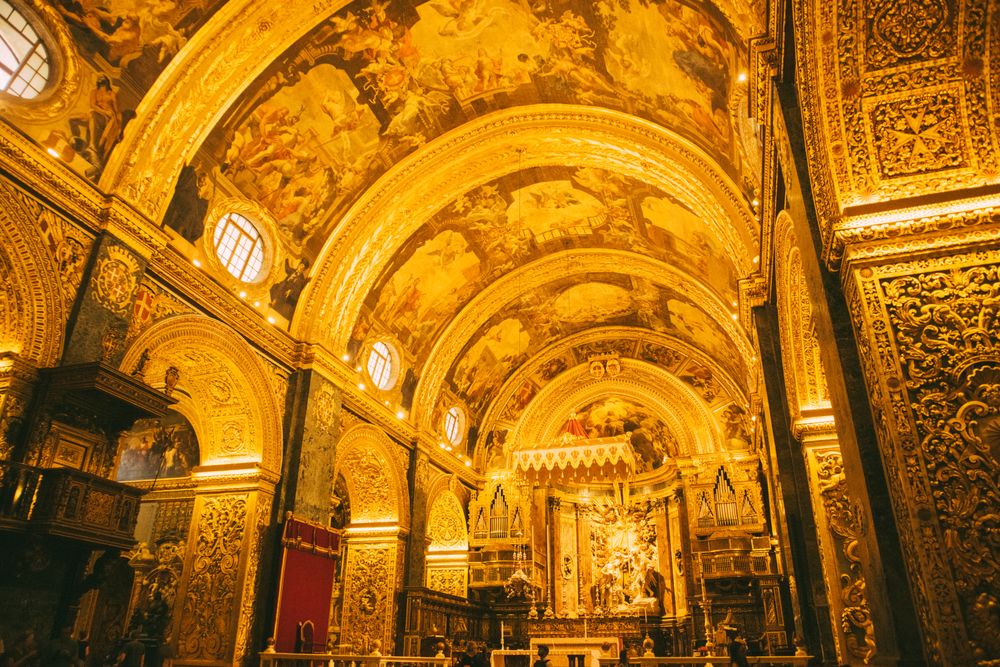
Behind a plain, almost military facade, every surface of the interior is carved, gilded or painted, and the floor is a patchwork of around…
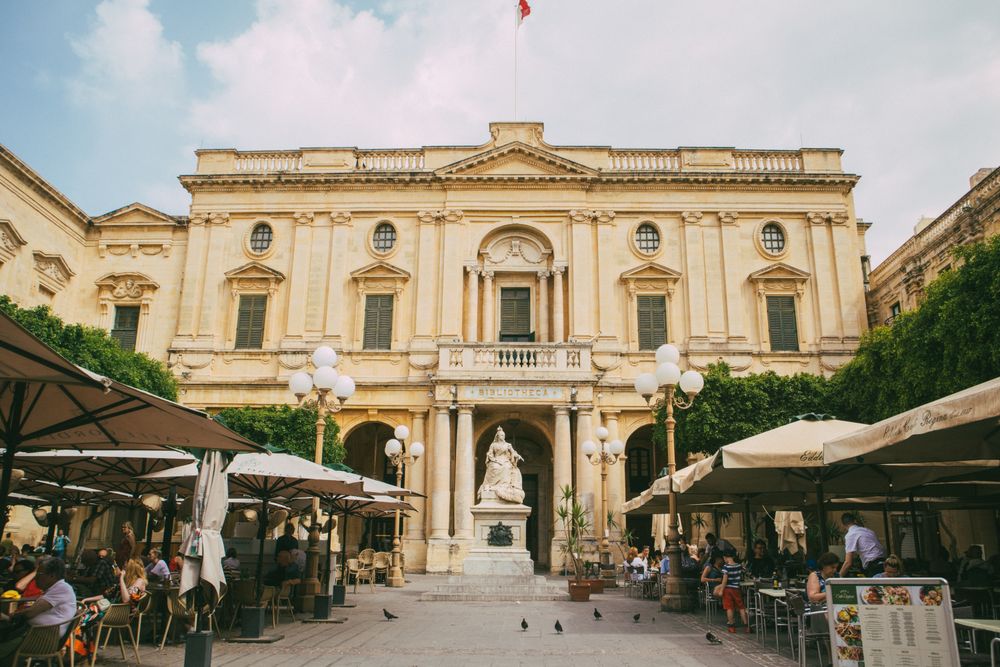
Founded in 1776, the Bibliotheca keeps the archives of the Order of St John in a neoclassical building on Republic Square. It is a working…
The restored State Rooms, under Baroque painted ceilings and over marble floors, and the Palace Armoury, with its suits of armour and…
Last updated