 Submit a photo
Ninety seconds on Lascaris War Rooms
As of November 2026, the War Rooms open Monday to Saturday from 09:30 to 17:30, with last admission at 17:00. They are closed on Sundays, and on New Year's Eve, New Year's Day, Good Friday, Easter, Christmas Eve and Christmas Day.
A full visit takes 90 minutes to two hours. That allows for the guided tour of roughly an hour, then time alone with the displays, the administrative rooms and the museum shop.
Yes. The Saluting Battery stands directly above the War Rooms on Valletta's bastions, so the two sit together in one short outing from the Upper Barrakka Gardens.
Guided tours start at 10:30 and 12:30 and carry an additional fee for visitors aged 16 and over. Audio guides are also available, for a visit outside those two start times.
No. The ticket desk takes cards and no cash, because the War Rooms operate as a cashless venue. Tickets can also be bought online through the official website before the visit.
It is a newly opened exhibition at the War Rooms, titled Operation Husky: The Invasion of Sicily 1943. It covers the Allied invasion of Sicily that year, and it is on show alongside the wartime operations rooms.
From 1940 to 1943, Malta's fighter control was run from these rooms 46 metres under the Upper Barrakka Gardens. They are still arranged much as they were in wartime, and you can walk through them.
The complex opened in 1940 to hold the combined war headquarters of all three armed services underground, out of reach of air attack. The tunnels were cut into the rock beneath the gardens and the casemates of the Lascaris Battery.
The heart of it is the Fighter Sector Operations Room, with its plotting tables and wall maps. Period telephones and communications equipment fill the rooms around it, and further operations rooms and support offices open off the same tunnels.
A newer exhibition, Operation Husky, sets out the invasion of Sicily in 1943 and the planning behind it. Original RAF map tables are among its displays, so the second half of the visit moves from defending the island to the landings launched from it.
Two routes lead down to the entrance, at the eastern end of Lascaris Tunnel in Lascaris Ditch. The main one starts at the Upper Barrakka Gardens by Castille Place: walk east along Battery Street and take the steep stone steps down into the ditch.
The second runs from the bus station, at the Saint James Ditch end, through Ganado Gardens.
Buy the ticket at the War Rooms desk, or at the Saluting Battery in the gardens, where staff also give directions. Then join a guided tour or take an audio guide round the rooms, and finish with the administrative rooms, the audio displays and the museum shop.
Coming off the Three Cities ferry, ride the Barrakka Lift up from the Valletta Waterfront. It leaves you right next to the gardens and the War Rooms entrance.
If the way down is unclear, look for the brown tourist signs. They run from the bus station, and from the stairs beside the Saluting Battery entrance near the gardens.
Explore the rest of Valletta
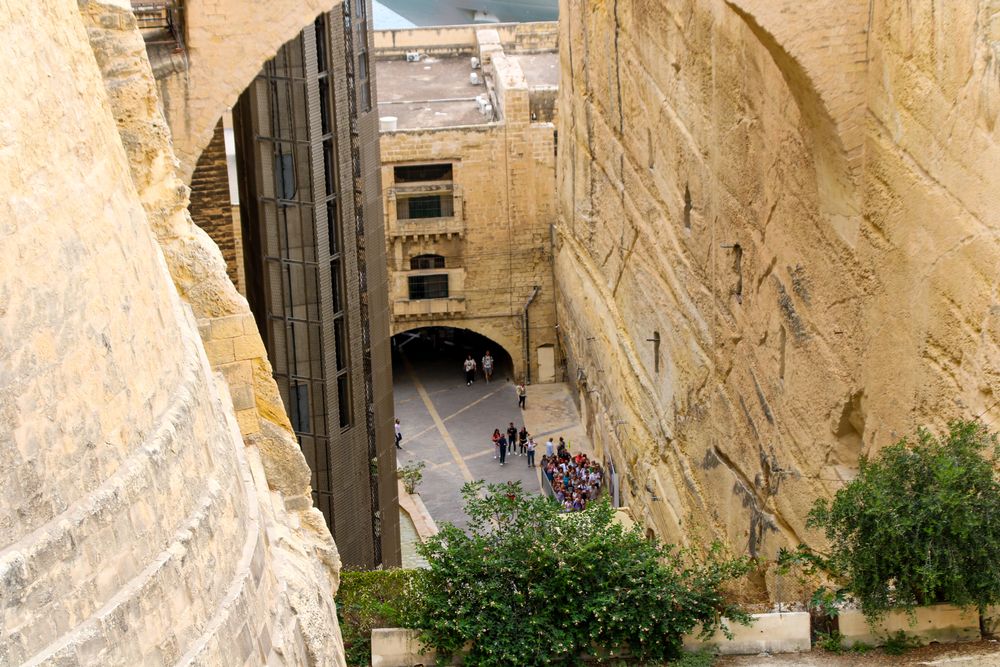
Glass cars climb the face of the bastion between Upper Barrakka Gardens and the wharf below, saving the long walk up the stepped streets.…
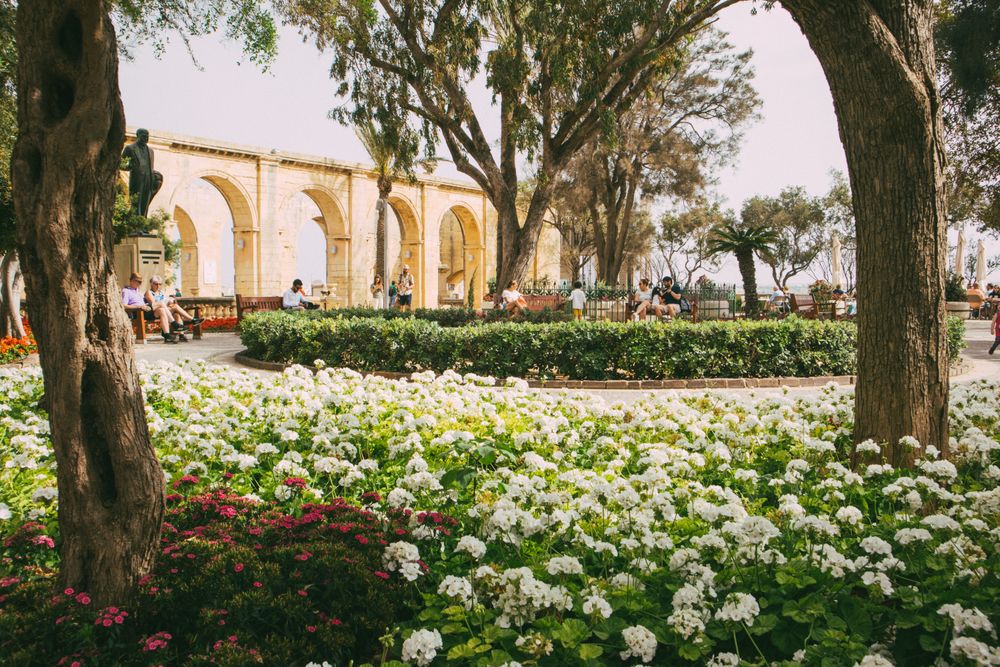
Arched loggias on the highest tier of the bastions frame a full view across the Grand Harbour to Birgu, Senglea and Fort St Angelo. Entry…
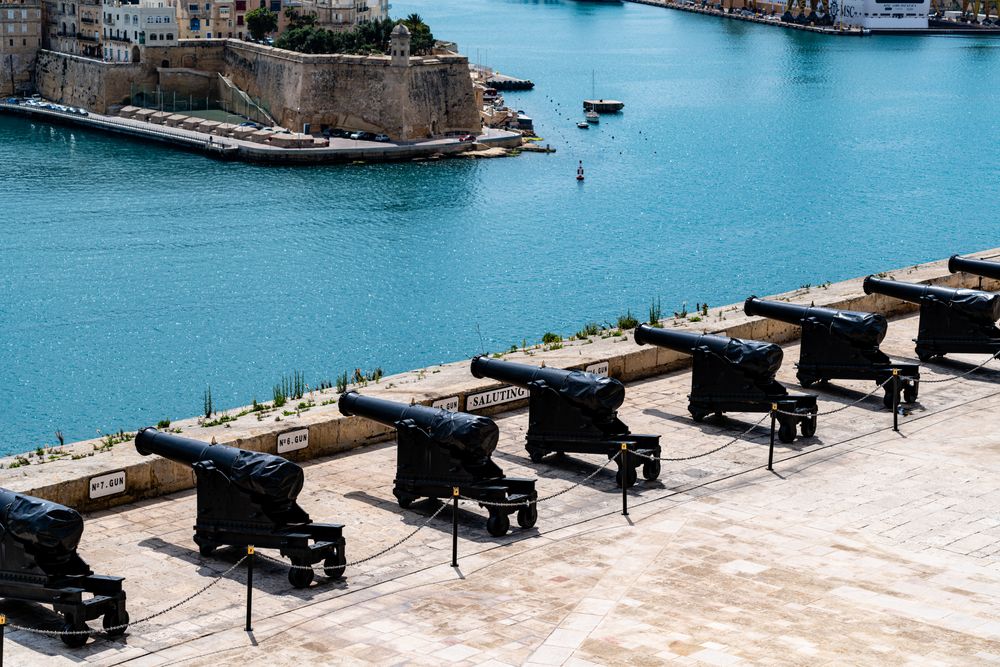
On most days a crew in period uniform loads and fires a cannon from the gun platform below Upper Barrakka, at noon and at 4pm. Firings are…
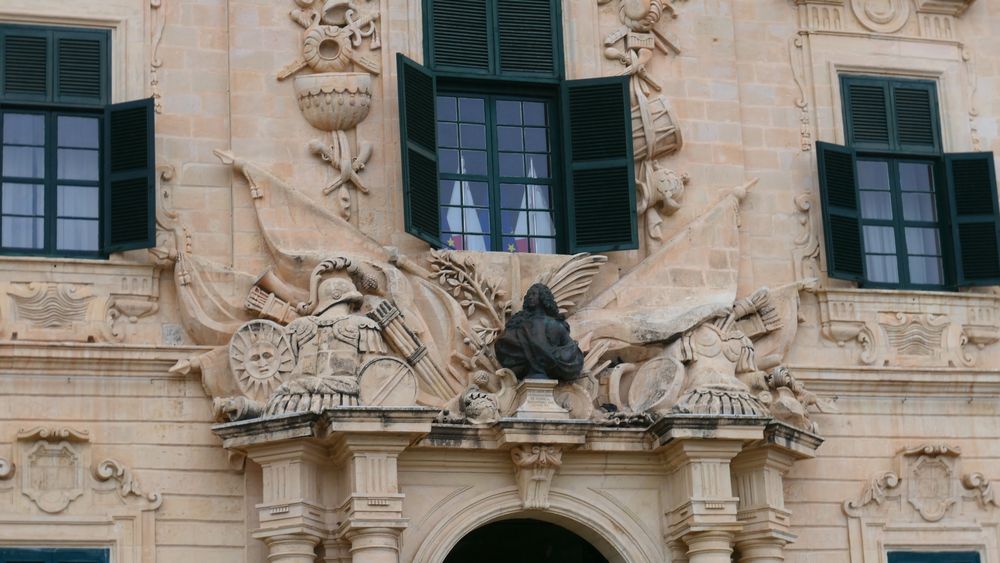
Cannons, a carved stone portal and a coat of arms fill the baroque front of this auberge, now the office of the Prime Minister. The…
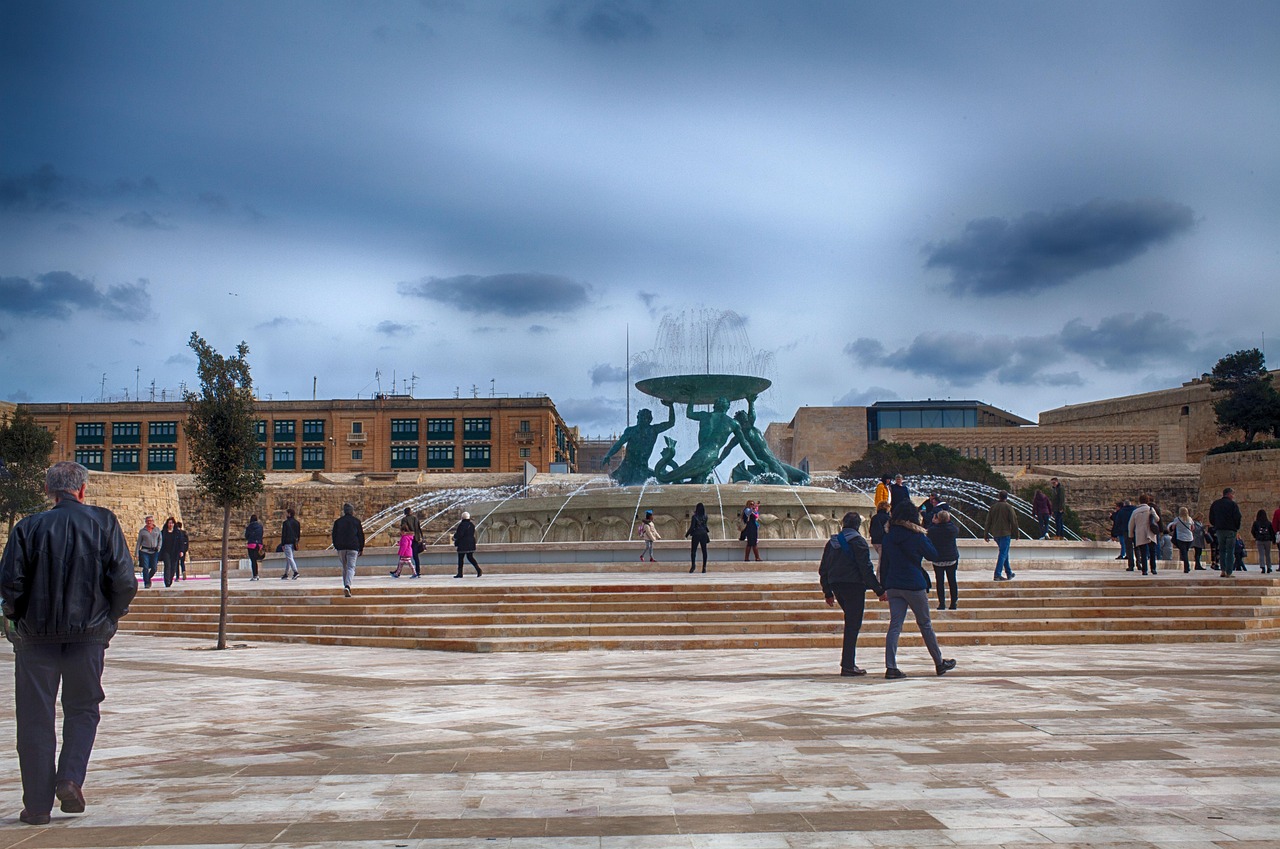
Three bronze tritons hold up a wide basin in the middle of the plaza outside City Gate, beside the bus terminus. Restored in 2018, the…

Behind a plain, almost military facade, every surface of the interior is carved, gilded or painted, and the floor is a patchwork of around…
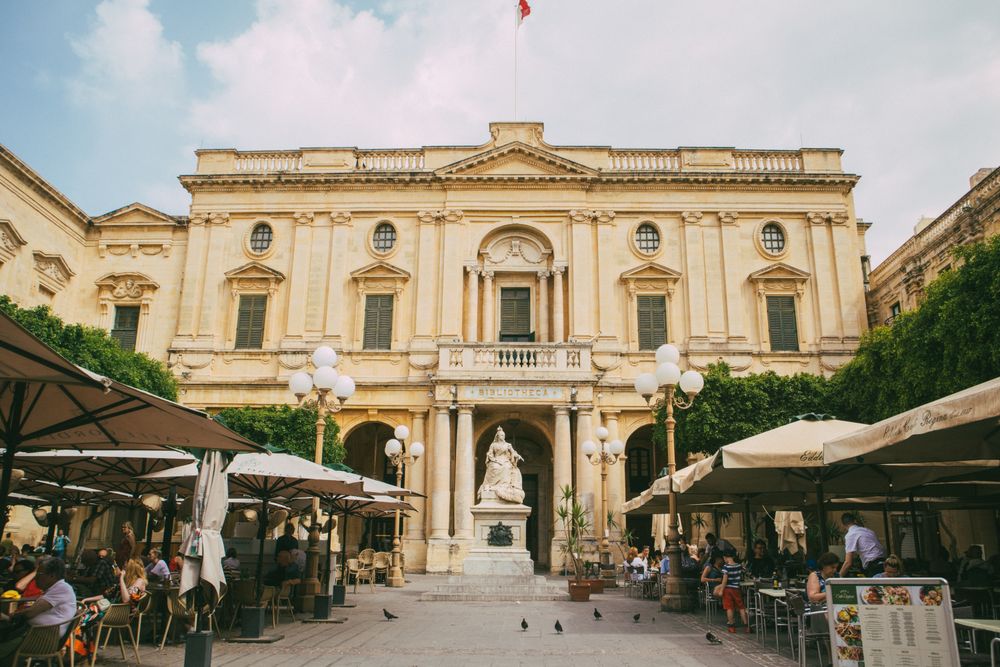
Founded in 1776, the Bibliotheca keeps the archives of the Order of St John in a neoclassical building on Republic Square. It is a working…
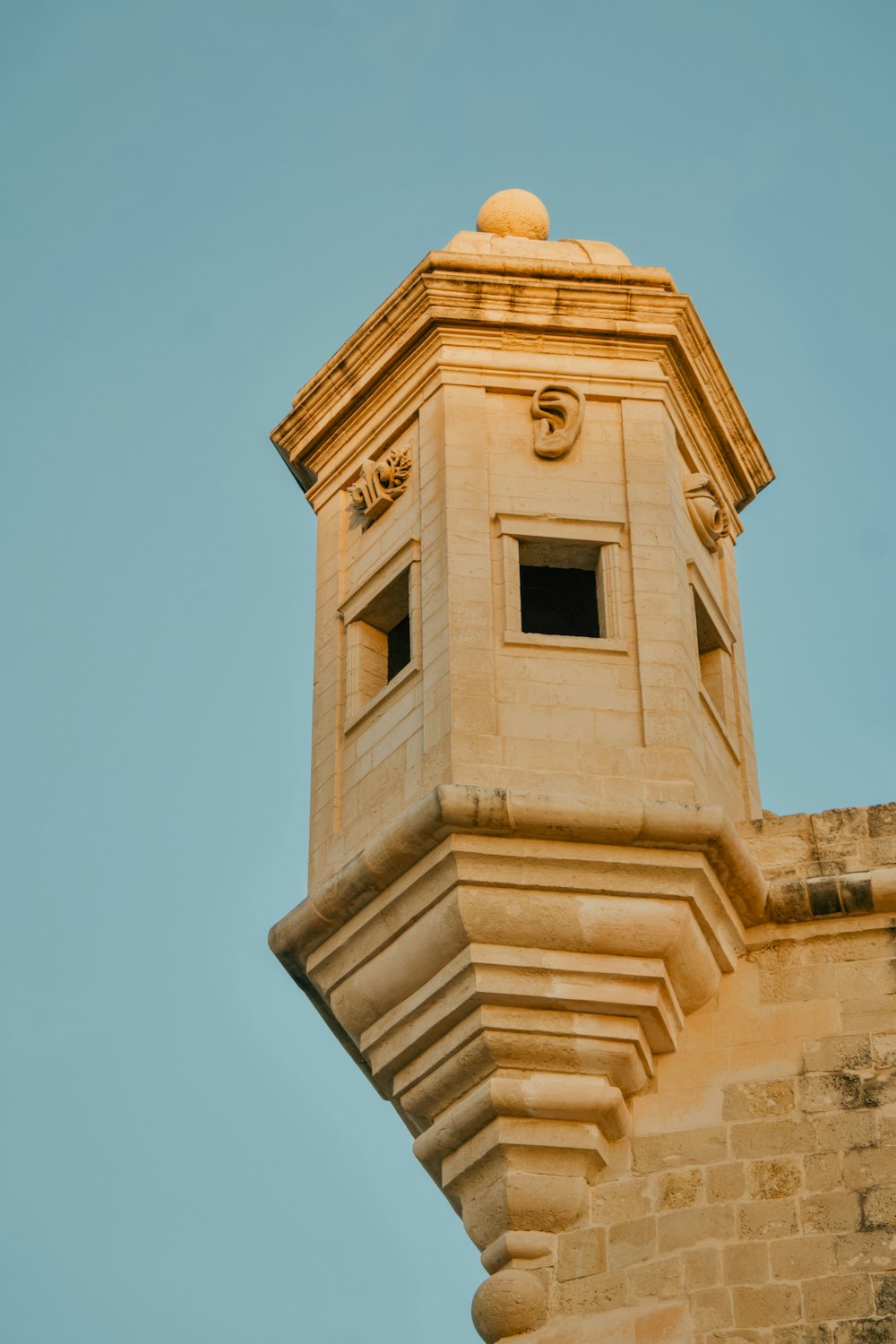
A small garden at the tip of Senglea ends at the Gardjola, a stone lookout carved with an eye and an ear as a sign of watchfulness over the…
Last updated