Ninety seconds on the Venetian Palaces of Perast
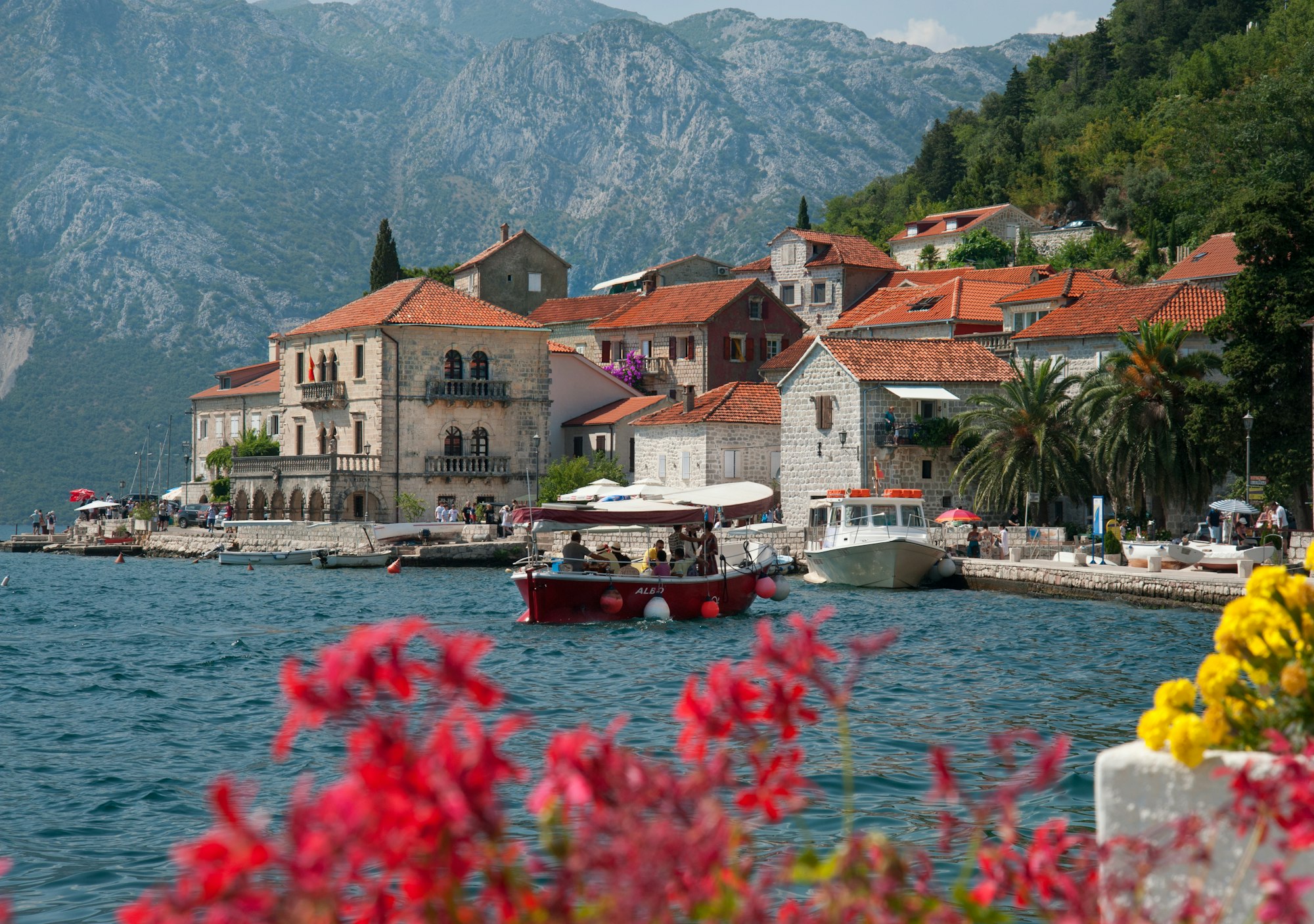
Only one opens its rooms on a regular ticket. The Bujović Palace, built in 1694, was reconstructed in 1957 to house the Perast Museum, run by Muzeji Kotor. The other palaces are taken in from the waterfront street, where their fronts, balconies and carved stone face the bay.
Around sixteen survive, and counts run a little higher once ruins are included. The Bujović Palace is the most elaborate and now holds the town museum. Smekja Palace stands out for its large terrace projecting towards the sea, and Bronza Palace carries a marble relief of the Annunciation. The Visković, Balović, Mazarović, Šestokrilović and Brajković families built others along the same street.
As of 2026, Tuesday to Sunday all year: 8am to 8pm from 15 April to 15 October, and 10am to 4pm through the rest of the year. It shuts every Monday, for the whole of January, on Orthodox Easter, on 1 May and on 13 and 14 November. Entry is ticketed.
Wealth and defence, in about equal measure. The town had its golden era under the Venetian Republic, which held it from 1420 to 1797, and its sea-captain families spent that fortune on stone houses. Each noble palace had a tower beside it, and the town defended itself from that chain of ten watchtowers, known locally as čardaci.
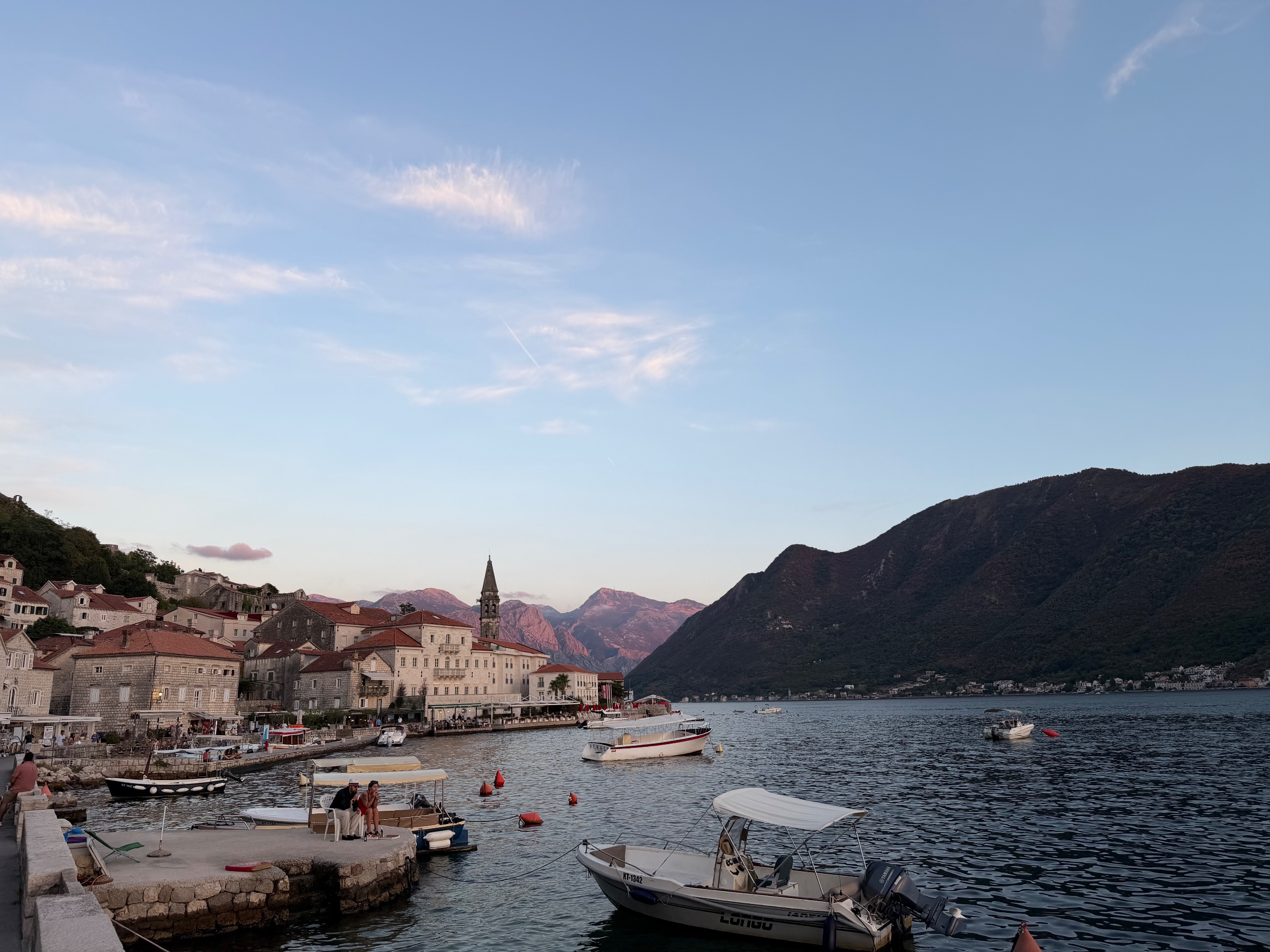
Walking Perast's one waterfront street takes you past its sea captains' stone palaces, one after another, with the bay on one side and the mountains behind. Most are now homes, hotels or restaurants, so you see them from the pavement, free.
Here a palace means a grand private house. Perast has sixteen to nineteen, depending on definitions and on how many ruins you count.
Sea-captain families built them during the Venetian period, when the town's maritime trade was at its peak.
Smekja Palace is the grandest house in town and the easiest to pick out. It was built on the waterfront in 1764 of white stone quarried on the Croatian island of Korčula, and its pale front is the most striking on the street.
At the western end, the Bujović Palace now holds the Perast Museum. The Zmajević Palace stands close by, further up the slope behind the street. It has been closed to the public, so plan to see it from outside.
Smekja Palace stands by the dock where the boats leave for Our Lady of the Rocks, so you can fit it in before or after the island. From there, walk the full length of the waterfront, a stroll of about fifteen minutes. Look for the red signs on the walls: the more significant palaces and churches each carry one, with the building's date.
At the western end, buy a ticket for the Perast Museum in the Bujović Palace, which lets you inside one in twenty to thirty minutes. Then walk back to the centre, finish at St Nicholas and climb its tower to look down on the roofs you walked past.
Come before eleven. Perast faces east, so the morning sun lights the palace fronts head on, and the street stays quiet until the tour buses from Kotor and Dubrovnik arrive. If you can, give the town half a day rather than a quick stop.
Explore the rest of Perast
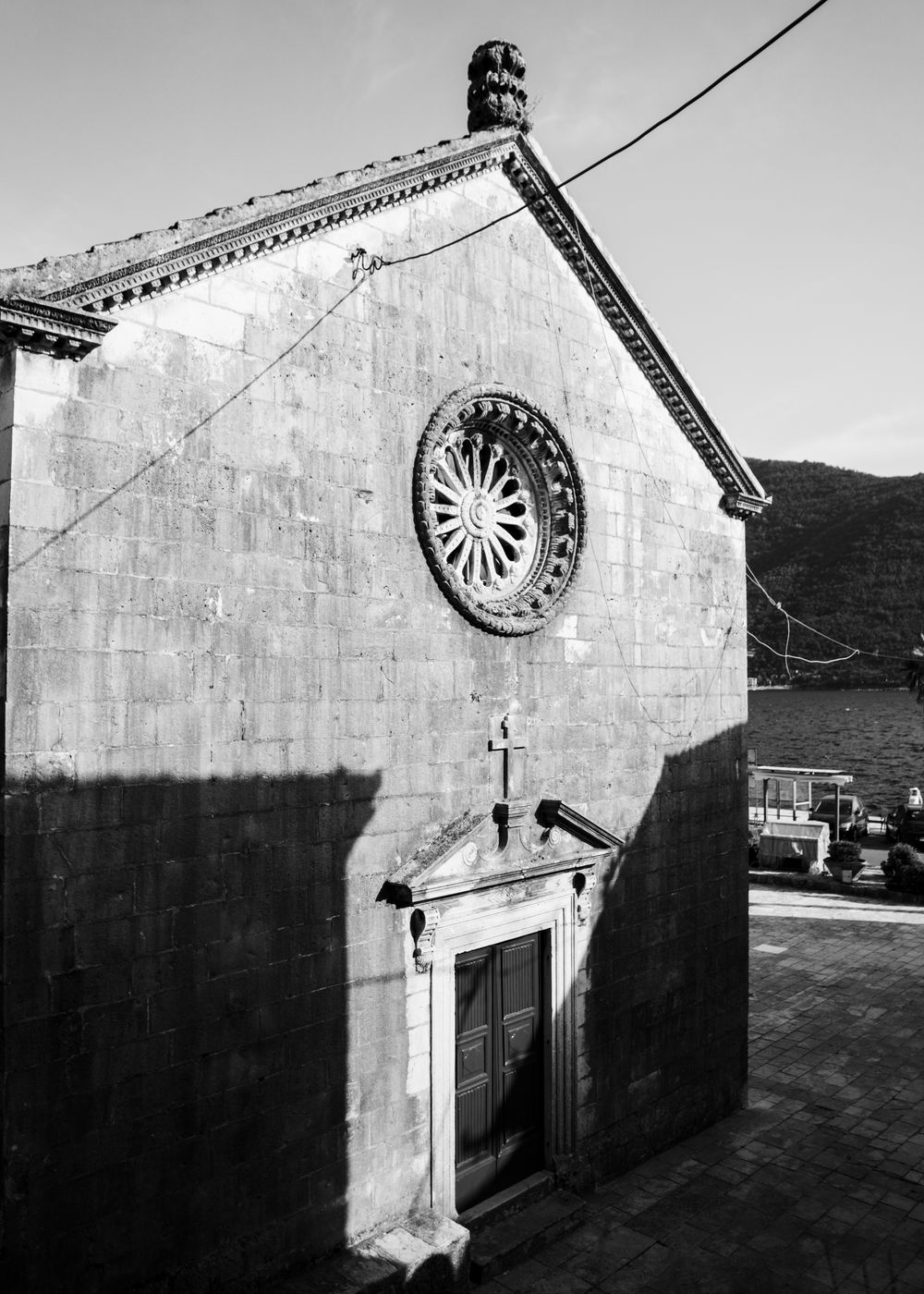
A Baroque parish church built in the 17th century and overlooking Perast's waterfront; notable for its bell tower and views across the Bay…
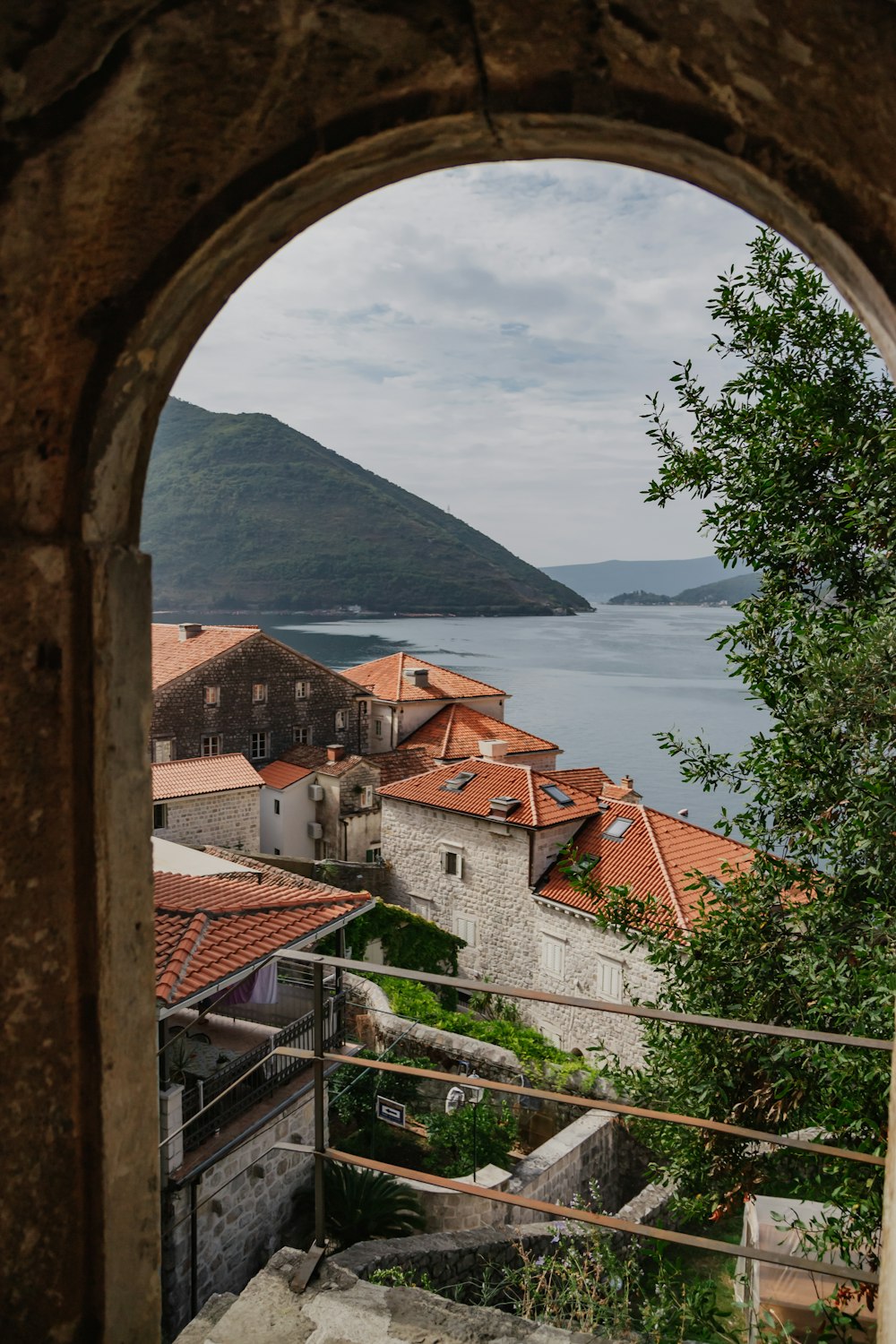
Baroque palace of 1694 on the waterfront, now the town museum with maritime portraits, weapons, flags and captains' possessions from…
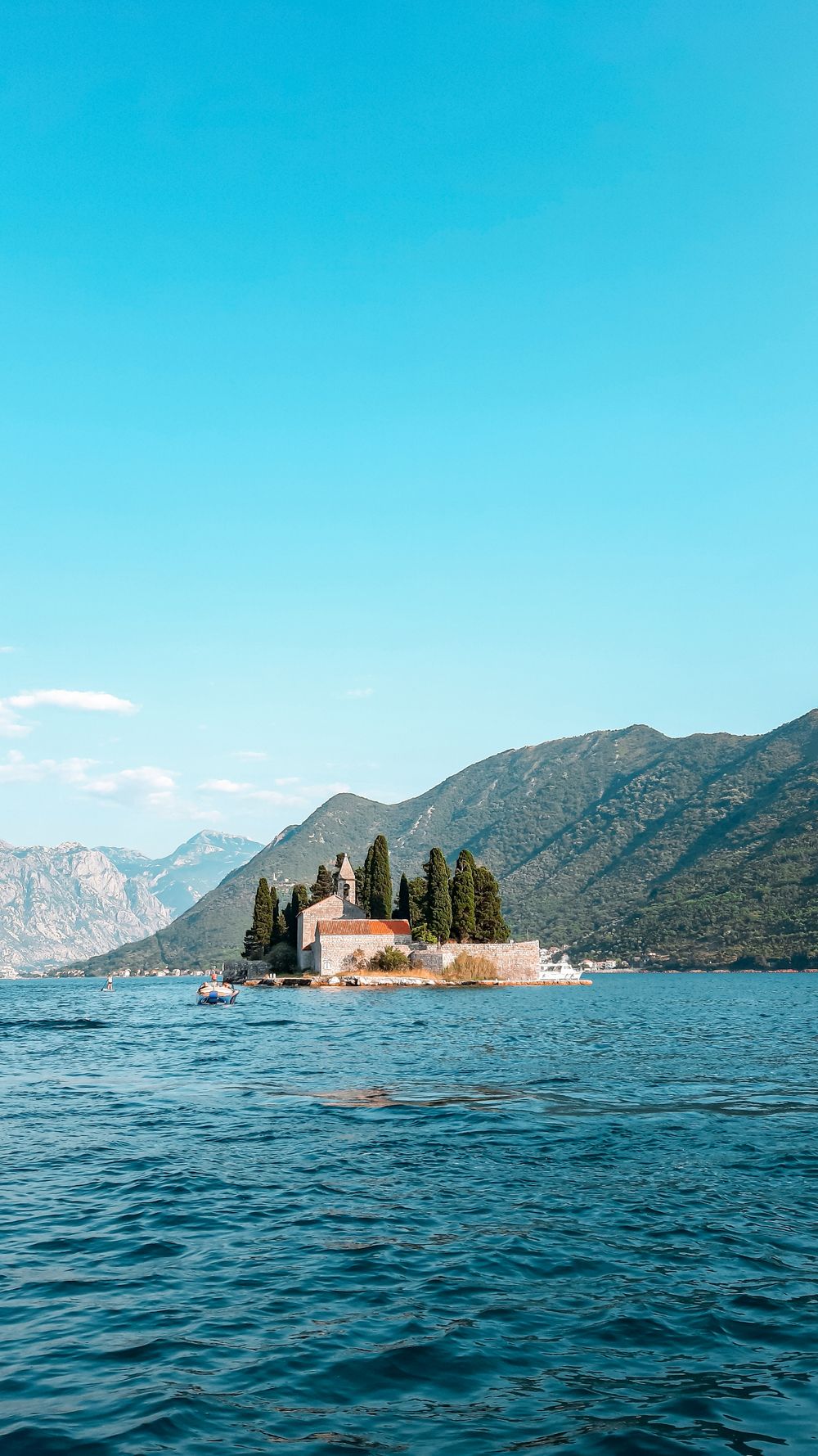
Boats out of Perast pass it on the way to Our Lady of the Rocks. Sveti Đorđe is the natural island of the pair, carrying a Benedictine…
Last updated