 Submit a photo
Ninety seconds on Catarata Gocta
After a walk of about two and a half hours from Cocachimba, you stand beneath a two-tier waterfall pouring off a cloud-forest cliff, on a trail that is busy only in July and August.
Gocta falls 771 metres in two drops off the escarpment between the villages of Cocachimba and San Pablo. You hear it well before the water comes into view.
At the base, look for the upside-down U where the lower fall splits around the rock. Stand there for a few minutes and the spray reaches you even on a dry day.
The falls were measured only in 2006, when the announcement of their height first brought them international attention. That is why the path in is still a rural trail, with a corral and a shelter as its only buildings.
The cloud forest on the way in is the other reason to come. The area counts 110 species of birds and mammals, among them the yellow-tailed woolly monkey and the spectacled bear, and 41 species of orchid grow along the slopes.
Two choices come first at the Cocachimba office when you buy your ticket: whether to hire a horse, and whether to take a local orientador. Ask there for the day's entry hours, then set off in the morning, because the round trip fills most of the day.
Horses cover about two thirds of the way. Riders get off at the Caballariza, a corral about 3 km in, and walk the rest on a forest path that climbs and drops repeatedly to the base of the falls.
At the falls a shelter gives cover from the rain and has toilets, marked SSHH. You return the same way, and the base sits only slightly below the village, so the walk back takes about as long. Watch the trees on the return for the Andean cock-of-the-rock and for hummingbirds.
You do not need a guide: the trail is well marked and easy to follow. The orientadores hired at the Cocachimba tourist office are local people with basic training, not licensed guides, and they suit you if you want the plants, birds and village life explained as you walk.
A guided day trip from Chachapoyas bundles the road transfer with the walk, which saves arranging a colectivo or taxi yourself.
Wear hiking shoes or trainers with real grip, because the clay on the trail turns slippery. Pack a waterproof jacket or poncho in any season, since the spray at the base soaks you, and insect repellent to put on again once you are wet.
Carry water and light snacks for the whole day, with a hat, sunscreen and binoculars for the birds.
Explore the rest of Chachapoyas
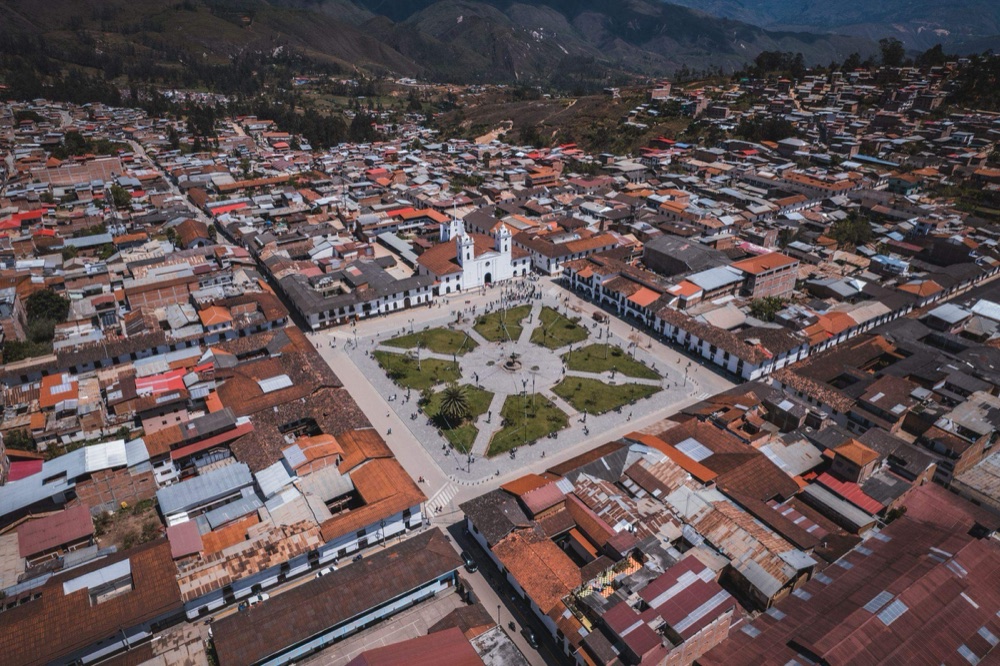
A small colonial town more than 2,300 metres up in the cloud forest of Amazonas, in northern Peru. It is the base for the ruins and…
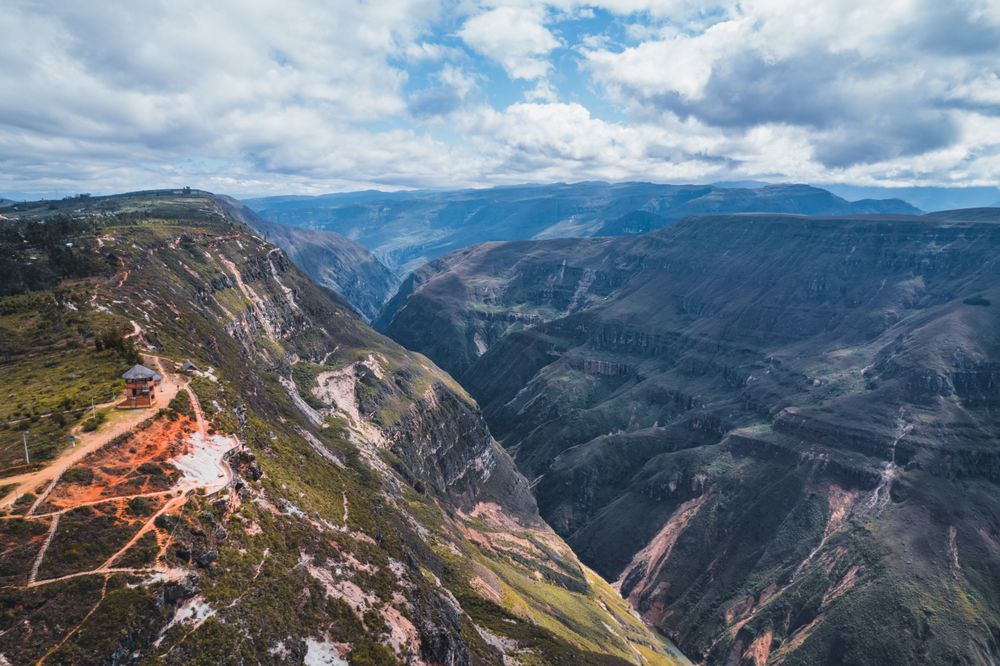
A gorge some nine hundred metres deep cut by the Sonche behind the village of Huancas, with a railed platform built out over the drop. The…
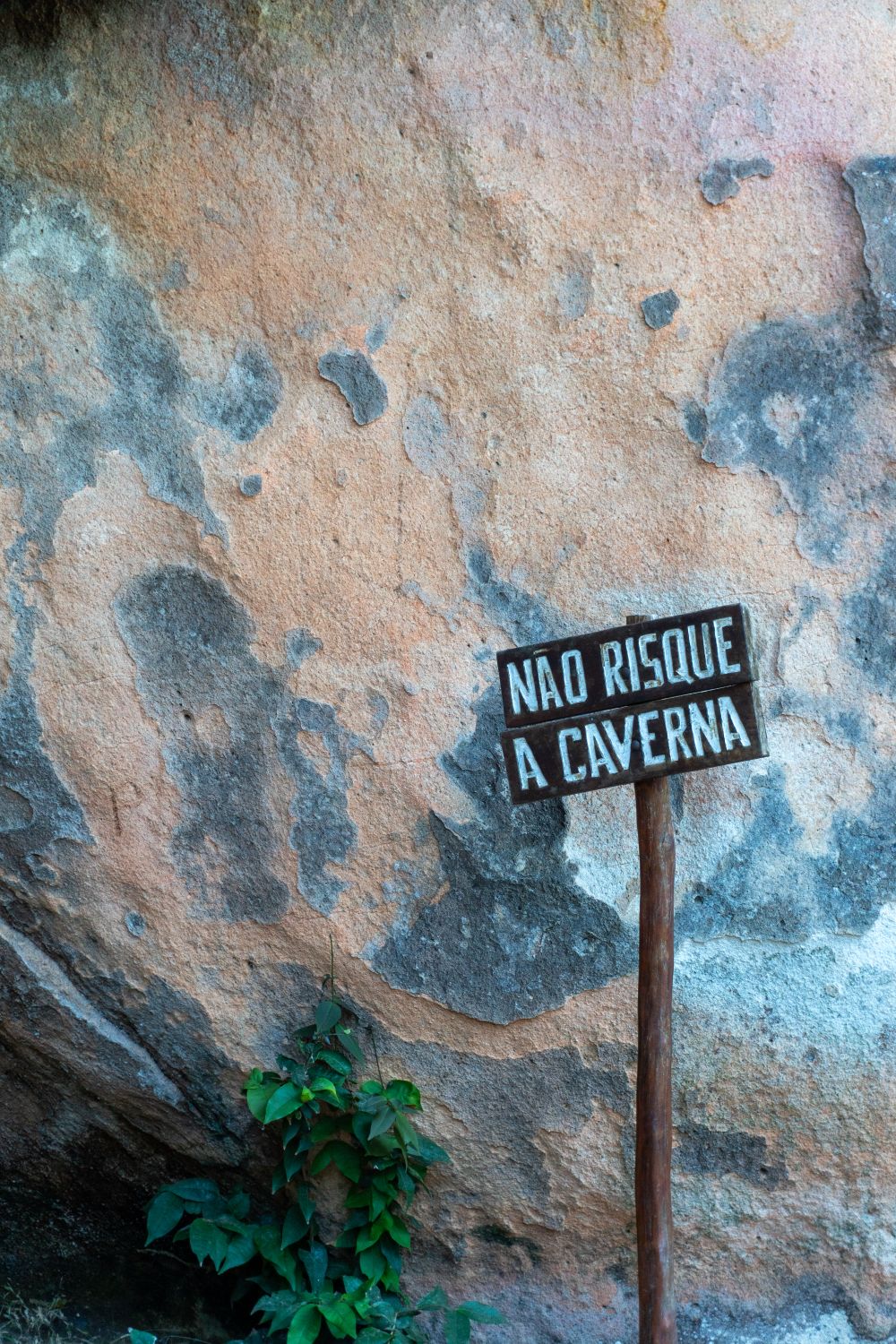
Stalactites, cave paintings, pottery and bones fill this cave of about 600 metres near Lámud. It is usually visited on the same day as the…
Last updated