 Submit a photo
The feast falls on Monday 18 October 2027. By custom the outing sets off from the sanctuary in the morning and crosses the Plaza Mayor. The float makes five outings between October and early November. In 2026 they were 3, 18, 19 and 28 October and 1 November.
In 2026 the long outings on 18, 19 and 28 October left at six in the morning, and the closing outing on 1 November at noon. That year the feast-day outing followed a field mass at the sanctuary led by the cardinal of Lima.
A different one each day, all within the historic centre. In 2026 the 18 October outing took Tacna, Ica and Jirón de la Unión into the Plaza Mayor, where the city hall, the Government Palace and the Archbishop's Palace honour the float, then spent the night at the Iglesia del Carmen. The 28 October route reached Hospital Loayza by Nicolás de Piérola and Alfonso Ugarte, and 1 November closed on Tacna, Callao, Chancay and Emancipación.
In Lima's historic centre: the Santuario de Las Nazarenas on Avenida Tacna, which still holds the original painted wall. It opens every day through October.
By Metropolitano as far as it runs, then on foot. During the 2026 diversions for 18 and 19 October, the Colmena, Jirón de la Unión, Tacna and Castilla stations were closed, and the transport authority advised taking the regular B service to Dos de Mayo station. From Miraflores or Barranco the trip in takes far longer than usual on procession days.
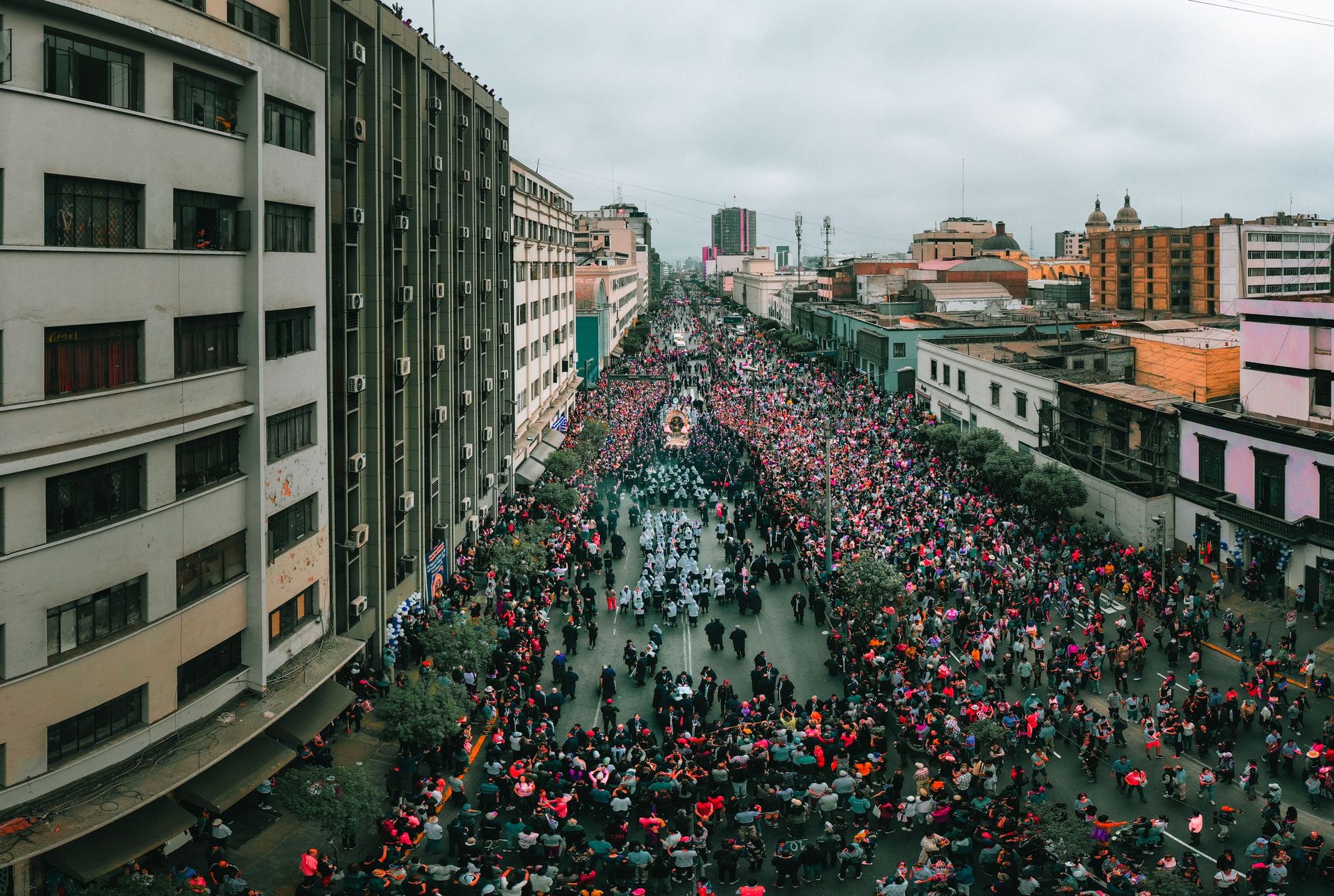
Very. Lima's municipality expected between 180,000 and 200,000 people at the opening outing of 2026 alone, and deployed about 1,000 of its staff across the five procession dates. A side street off the route is far easier to stand in than the avenue the float is moving along.
Water, sunscreen, a hat or cap and a phone with plenty of battery. The long outings last most of the day, so the water and the hat count for more than anything else. Valuables and bulky bags are better left behind, because they make it harder to move through the crowd.
Yes, with a plan for getting separated. Children and older relatives should carry identification with a contact number on it, and the group should agree a meeting point. A side street away from the stretch the float is passing is the safer place for children.
Yes. Canal HN, the official channel of the Hermandad del Señor de los Milagros de Nazarenas, broadcasts the processions in detail. It is a practical way to see where the float has reached on a long outing day before heading into the centre.
Because October in Lima is the Mes Morado, the purple month, and the whole city dresses in purple for it. The sahumadoras walk backwards in front of the float in purple clothes and mantillas, censing the image as it moves. Onlookers can wear purple too, though nothing obliges it.
Lord of Miracles names a Christ on the cross painted by an enslaved Angolan on a wall in colonial Lima. The wall survived the earthquakes that destroyed most of the city, which gave the image its name.
The Señor de los Milagros, the Lord of Miracles, is an image of Christ on the cross. An enslaved man from Angola painted it on an adobe wall in seventeenth-century Lima. The wall stayed up through the earthquakes that brought down most of the city, and the devotion grew from that.
The wall is still in the Santuario de Las Nazarenas. What goes out on the streets each October is a copy, on a float carried by the brotherhood that keeps the image.
18 Oct 2027
Come for 18 October, the feast day, when the float is carried through the centre from morning until late. Watch from a side street in daylight and carry almost nothing.
18 Oct 2027. Times are approximate and can change from year to year.
By custom the feast-day outing leaves Las Nazarenas in the morning and is carried all day through the centre, across the Plaza Mayor.
Through October Lima's old centre is hung with purple for the Señor de los Milagros, and on procession days an avenue fills from wall to wall behind the float.
The float needs more than thirty bearers at a time. They carry it in teams, dressed in purple robes tied with a white cord, behind incense and brass bands. The long outings circle the historic centre into the night.
Turrón de Doña Pepa, the sweet of the month, is on sale everywhere from early October.
The historic centre puts you on the route. Miraflores and Barranco are calmer at night but a long way in on procession days, when the central Metropolitano stations close. Our pick is the Country Club Lima Hotel in San Isidro, quiet at night and a taxi ride from the route.
Add the four days to your plan
Explore the rest of Lima
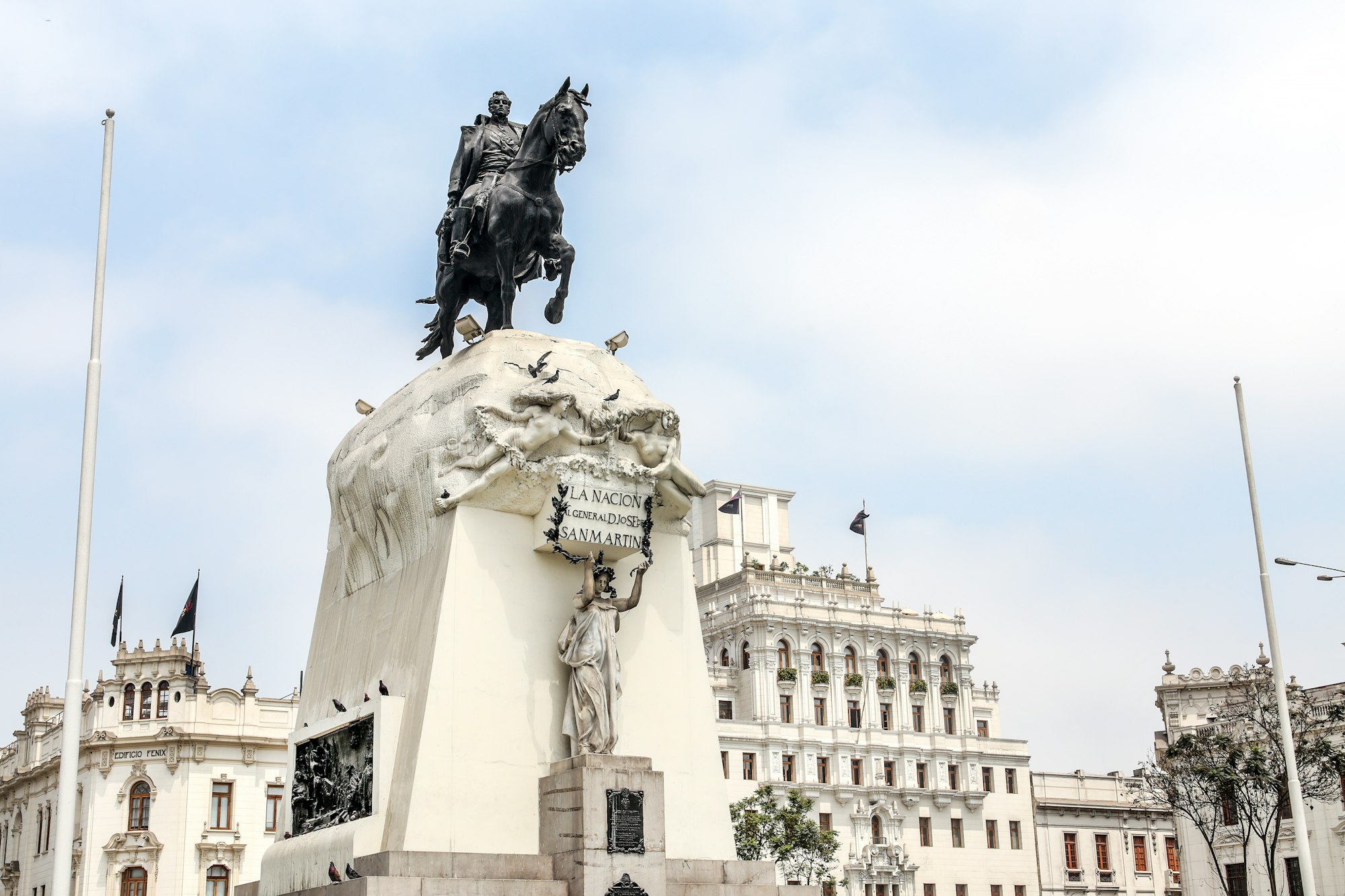
The grand republican square of 1921 at the end of the Jirón de la Unión, ringed by Beaux-Arts hotels and the Gran Hotel Bolívar. The walk…
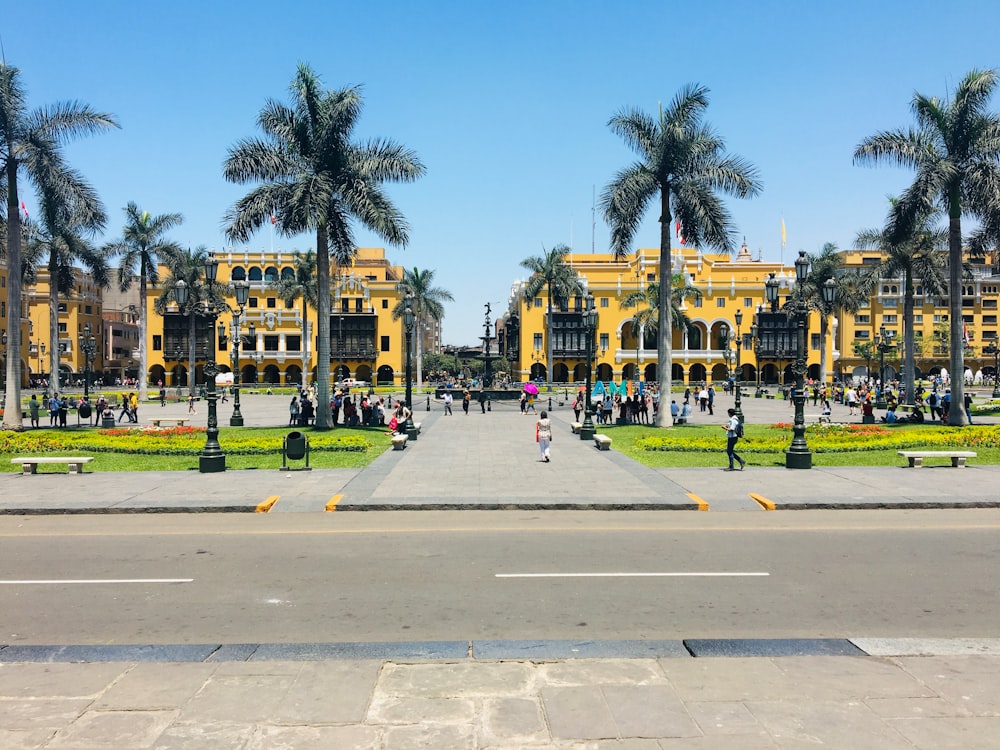
The ceremonial heart of Lima's historic centre, founded in 1535 by Francisco Pizarro. Surrounded by the Cathedral, Government Palace, and…
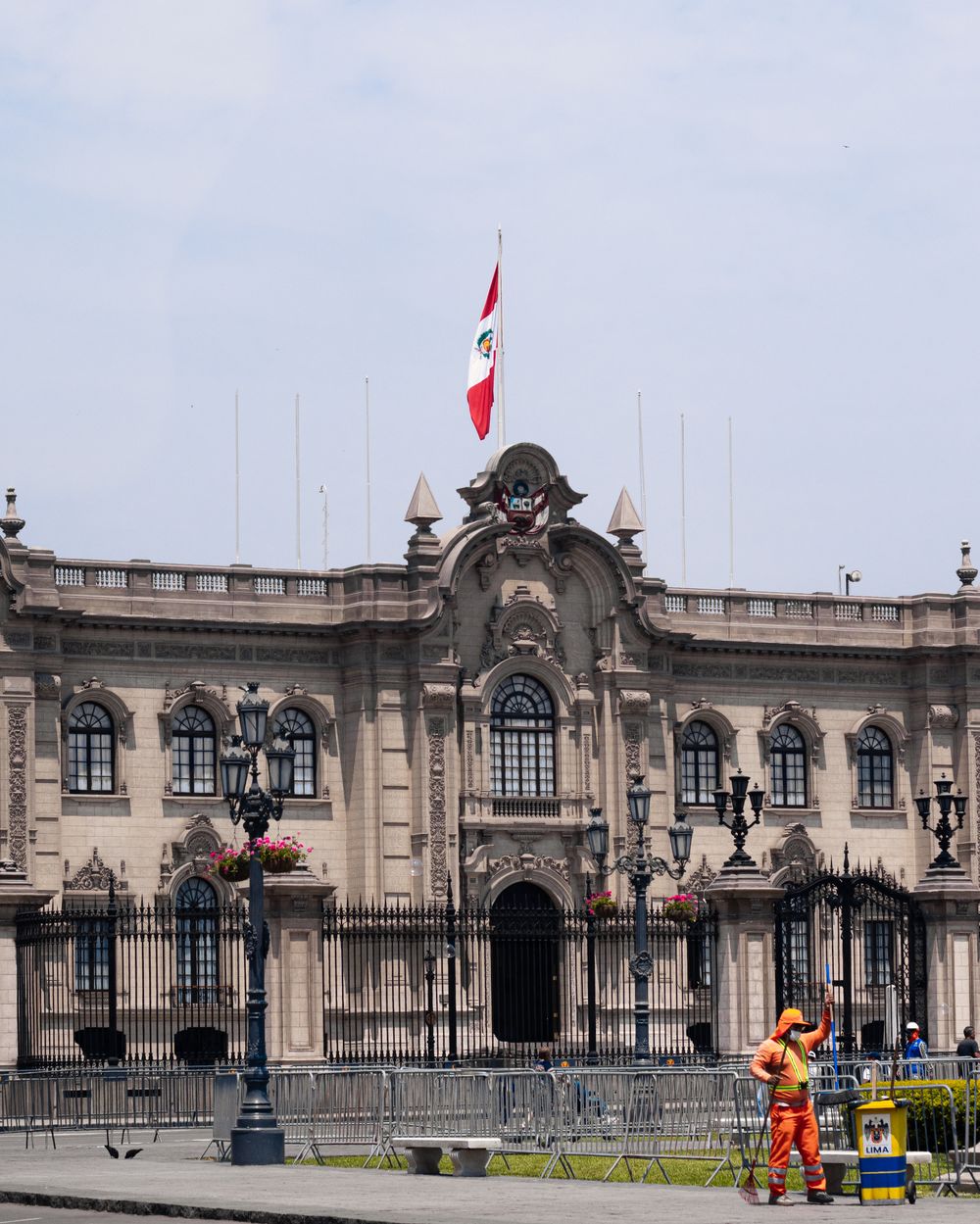
Peru's Government Palace stands on the Plaza Mayor, the main square of Lima's historic centre. A palace has occupied this site since 1535,…
Last updated