A brick fortress of three castles, once the capital of the Teutonic Knights, stands a train ride from Gdańsk. You walk under the palm vault of its largest hall and see altars made of amber.
Castle, Gdańsk. Meridian Dispatch.
The full route takes about three and a half hours with the standard recording. The children's version lasts around two hours. The seasonal tower climb takes a further half hour.
Yes, but only outdoors. Monday is the free admission day, when the Castle Grounds Route alone is available and no chambers can be entered. The free ticket has to be collected in person at the ticket office.
Yes, for private use. Photographs and films are allowed on the museum premises without flash or any extra light source, as long as they do not block or disturb other visitors. Organised photo sessions are limited to six people and the outdoor areas.
Polish-speaking groups set off every half hour on the Historical Route. The recordings come in English, German, French, Italian, Spanish, Czech, Hungarian, Lithuanian, Russian and Ukrainian as well as Polish, and in Polish sign language.
Only in part. A stair platform serves the Grand Masters' palace, and staff can open the main gate fully, but uneven paving and winding medieval passages rule out other areas. The approach from the town along ul. Piastowska is flat, and the ticket building has a lift to the toilets and luggage storage.
The official site of Malbork Castle is zamek.malbork.pl.
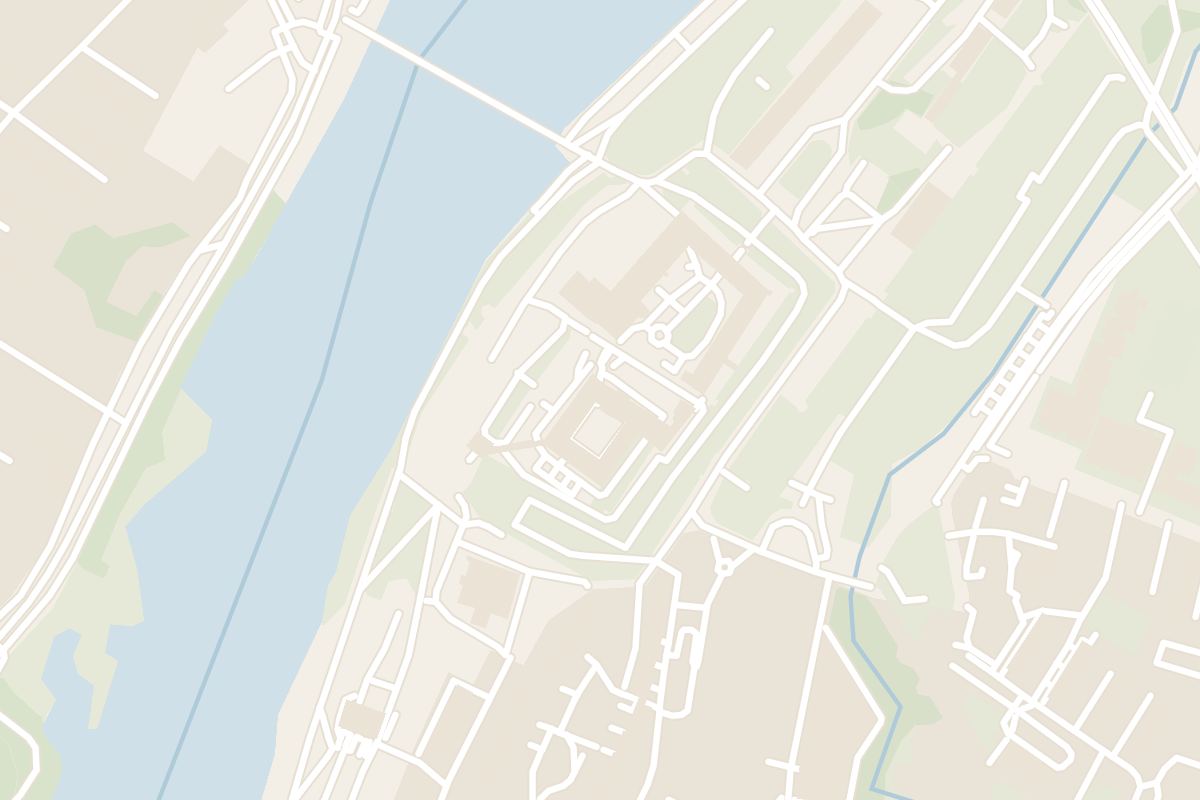
zamek.malbork.pl →The castle stands in the town of Malbork, a train ride from Gdańsk, and it is three castles in one. The Low Castle held the stables, brewery and foundry, the Middle Castle housed the ruler and visiting knights, and the High Castle is the oldest part. You pass through all three, over bridges and through gates.
The Middle Castle has the grandest rooms. The Great Refectory is here, and the Palace of the Grand Masters holds the Summer and Winter Refectories. The order's leader moved to Malbork early in the fourteenth century, and the palace was his residence.
Also in the Middle Castle, the museum's amber collection runs from raw lumps with animal life trapped inside to jewellery and reliquaries. Look for the carvings by Christoph Maucher and Michael Redlin, two masters from Gdańsk. The armoury shows European weapons from the eleventh century to the nineteenth.
In the High Castle, a well stands near the middle of the courtyard, there so the knights had water during a siege. Around it are the chapter room, where they elected each new leader, and the church of the Blessed Virgin Mary. The chapel of St Anne is where the grand masters were buried.
More than half the complex was destroyed in the Second World War. Much of what you see was rebuilt, and an exhibition inside covers two centuries of repairs.
Trains from Gdańsk Główny take under an hour, and the fastest about half that. From Malbork station it is a walk of about twenty minutes, or a short taxi ride.
There are two main tickets. The Historical Route covers the whole castle, rooms and exhibitions included. The Castle Grounds Route keeps to courtyards, terraces, the moat and St Anne's chapel, and in winter it opens only after lunch, at 13:00, from Tuesday to Sunday.
Pick up your audio device in the ticket office building, or wait for a guide in the square outside, Plac 60-lecia MZM. Then enter through the Low Castle gate and cross to the Middle Castle for the palace, refectories and museum displays.
A drawbridge leads on to the High Castle and its courtyard. From October to late April the museum opens at 09:00 and the rooms and exhibitions close at 15:00. A slot after 11:30 does not leave time to finish the full route.
Travelling with children, ask for the family version when you collect the device. It tells the story of a medieval siege with many voices, sound and music.
Add the tower if you come between late April and September. Small groups go up with a guide from Tuesday to Sunday for an aerial view of the castle.
The full riverfront view is from the Kałdowo bank, on the far side of the Nogat. While the footbridge is shut, walk there by the road bridge.
Prams and bags can be left free of charge, the bags in self-service lockers.
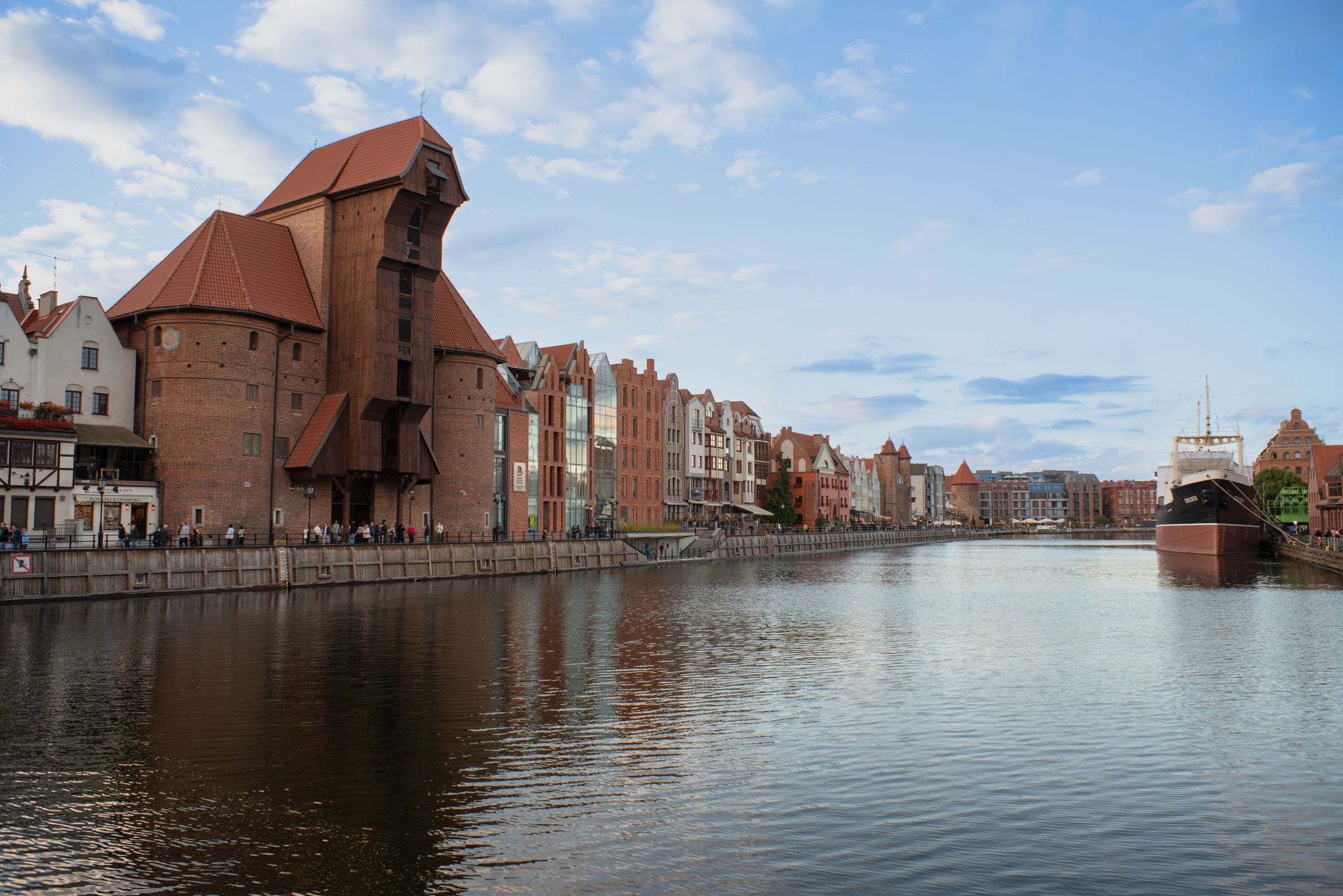
Split your days between the rebuilt Main Town and the Baltic: give the mornings to the gabled streets and the war and Solidarity museums, then take a tram or a commuter train to the sand for the afternoon.
Read the Gdańsk guideExplore the rest of Gdańsk
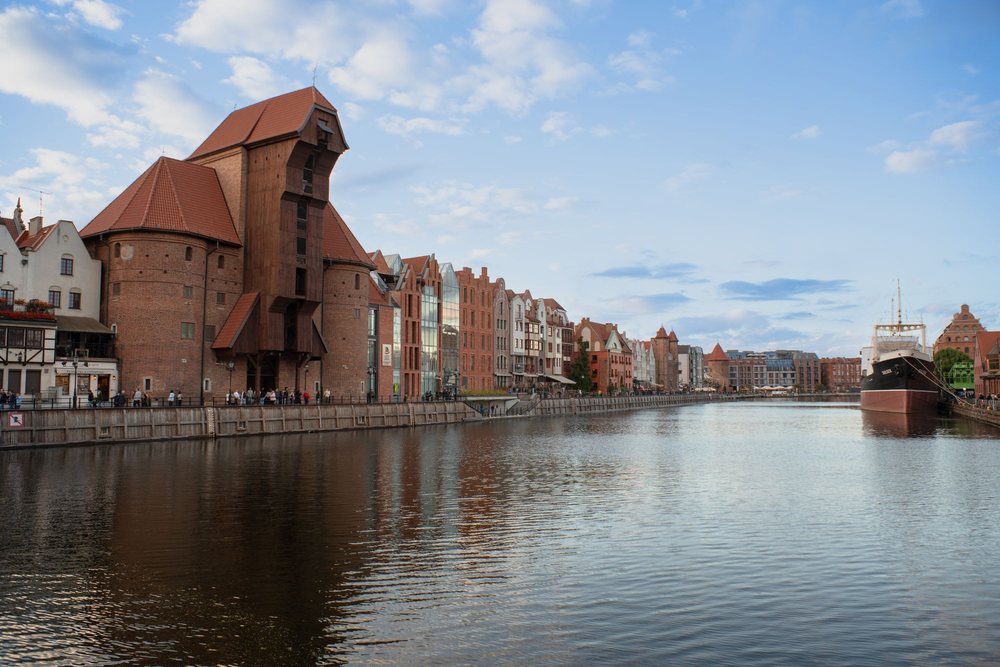
Rebuilt brick gables, amber shops and a working river quay make the Main Town a base to stay several nights in. Mornings go to St Mary's…
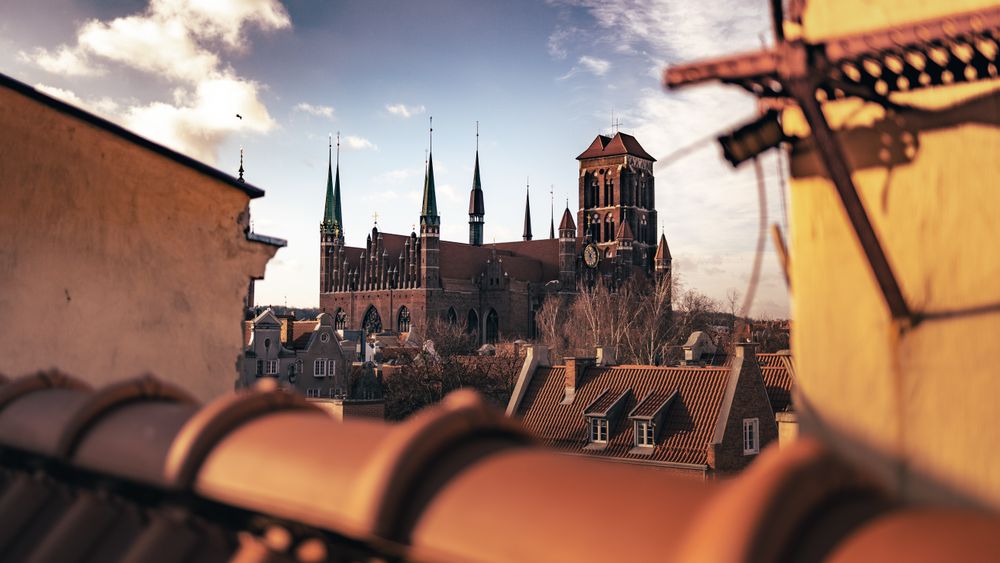
Begun in 1343, St Mary's is a brick basilica 105 metres long, its star and crystal vaults carried on freestanding pillars. Hans Düringer's…
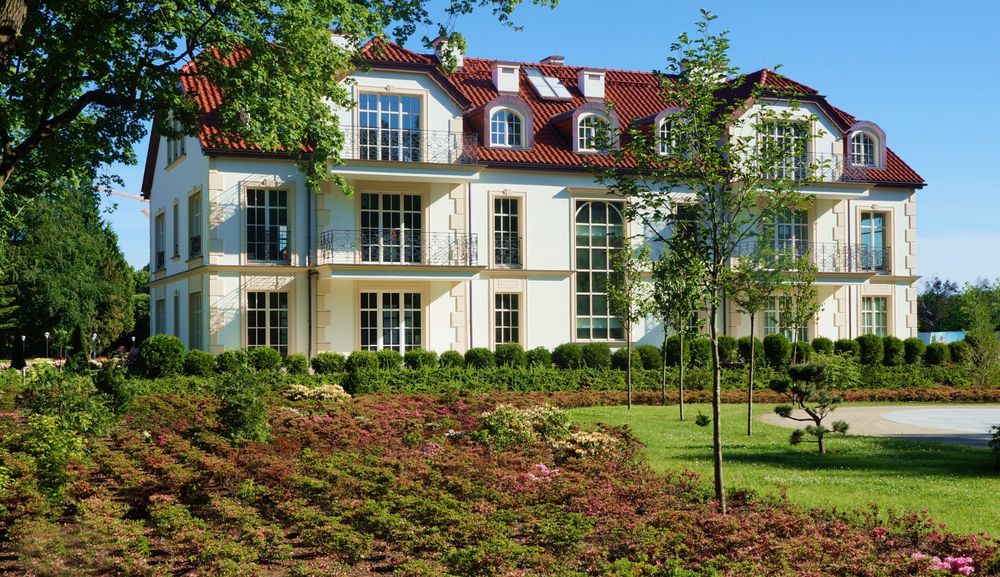
The former garden of Oliwa's Cistercian abbots: a French baroque garden of long lime avenues, with a winding English landscape section…
Hotel Gdańsk Boutique fills a restored brick granary beside the yacht marina on the Motława, a short walk from the Long Market and the old…
Across the water from the Żuraw crane, Hotel Podewils occupies a baroque merchant's house of 1728 on the Motława quay, with the old town…
Black brick walls enclose the theatre, opened in 2014 on the site of a seventeenth-century fencing school, and its roof lifts like the lid…
Old Town address on Długa, beside the Golden Gate, with a reception open day and night. Rooms are single and double, several of them facing…
Neo-gothic building in the historic complex of the Gdańsk Main Railway Station, once a railway inspectorate and later a clinic. It holds 39…




Save Malbork Castle to your Poland trip in the Meridian Dispatch app and build the day around it, with the best of Gdańsk pinned on one map.
Download on the App StoreLast updated