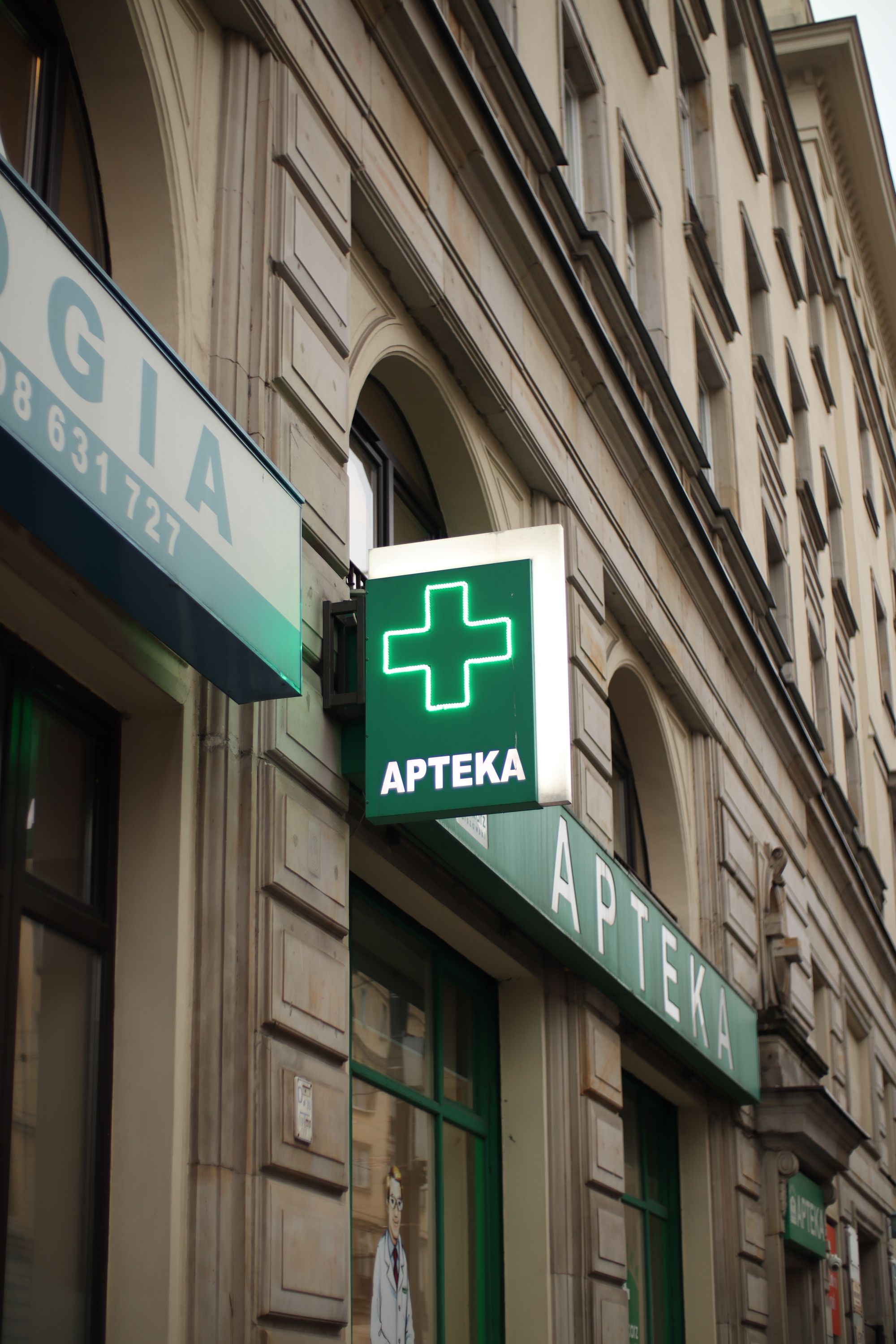
Ninety seconds on Eagle Pharmacy
Tadeusz Pankiewicz's pharmacy, the only one left inside Kraków's wartime ghetto, shows you those years through the rooms of a single working shop on the edge of Ghetto Heroes Square.
This branch of the Museum of Kraków fills every room of the former pharmacy. It commemorates the Holocaust of Kraków's Jews and the owner, Tadeusz Pankiewicz, recognised as Righteous Among the Nations. When the ghetto was drawn around this square in March 1941, he was the only Pole allowed to stay inside it.
Look closely at the furniture. The counter, shelves and cabinets are reconstructions, rebuilt from surviving documents and witness accounts because the originals were destroyed, and together they recreate a pharmacy from the first half of the 20th century.
The texts quote Pankiewicz's own memoir, The Kraków Ghetto Pharmacy, and the excerpts sit beside period photographs and medical objects. Stop at the window of the on-call room: from there he watched the deportations to Bełżec.
A small hatch along the side of the building, beside the entrance, is the ticket window. Tickets are also sold online and at the museum's Visitor Centre; arrive for the start time printed on yours. An individual ticket covers one to nine people, and ten or more book as a group.
Once you leave the exhibition you cannot go back in, so take your time in each room. The customer room tells the history of the pharmacy and the people around it; the prescription room covers the ways ghetto residents survived.
Much of the exhibition stays hidden until you handle it. Open the cupboards, pull out the drawers where the photographs and documents are kept, and pick up the telephone to hear the testimonies.
A guided tour of the exhibition runs about an hour, and the museum also lets you bring an external guide. Book a guided tour at least four days ahead and be on time, since the guide waits only 15 minutes past the time on the ticket.
On your own, the documents and recorded testimonies explain the rooms. A guide is worth booking if you want the wider ghetto explained around them.
Leave rucksacks over 30 litres and long umbrellas behind, since neither is allowed into the exhibition. Inside, food, drink, phone calls and flash photography are all banned.
On the free day, tickets run to a quota, so collect yours at the ticket window early in the day. A Schindler's Factory ticket admits you here within 7 days on presentation.
Explore the rest of Kraków
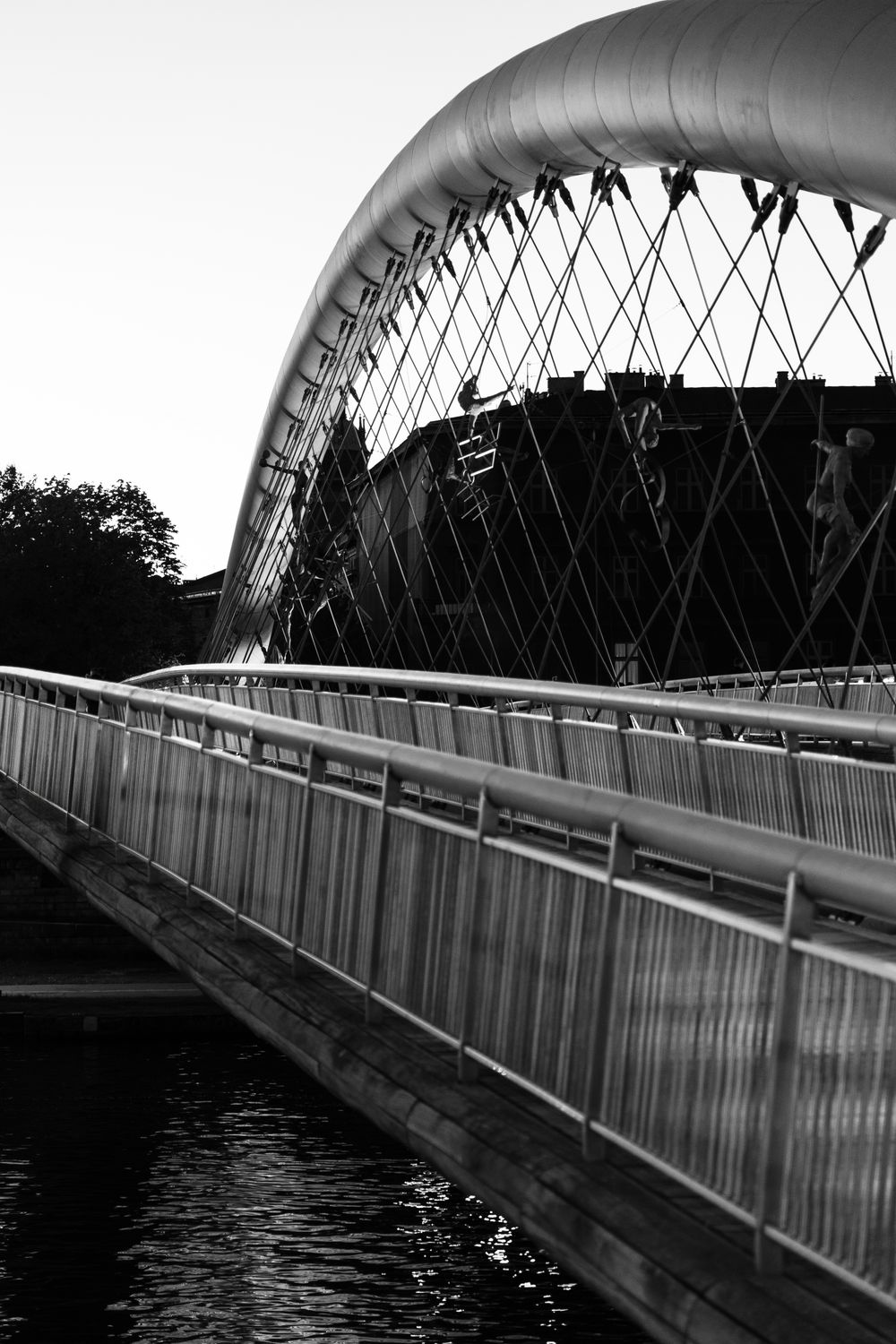
Since 2010 a footbridge has crossed the Vistula here between Kazimierz and Podgórze, with separate decks for walkers and cyclists, acrobat…
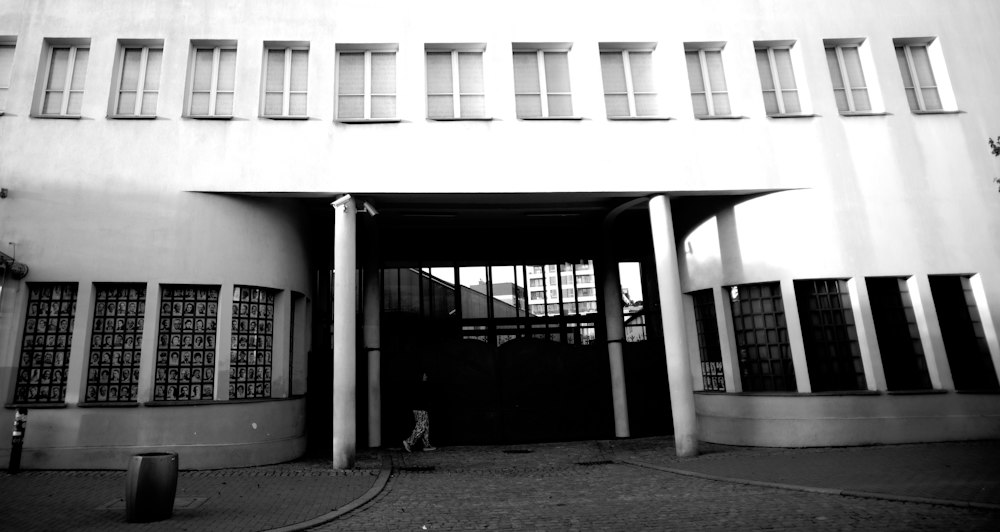
The former administrative building of Oskar Schindler's enamel factory now holds a museum of Kraków under German occupation. You walk…
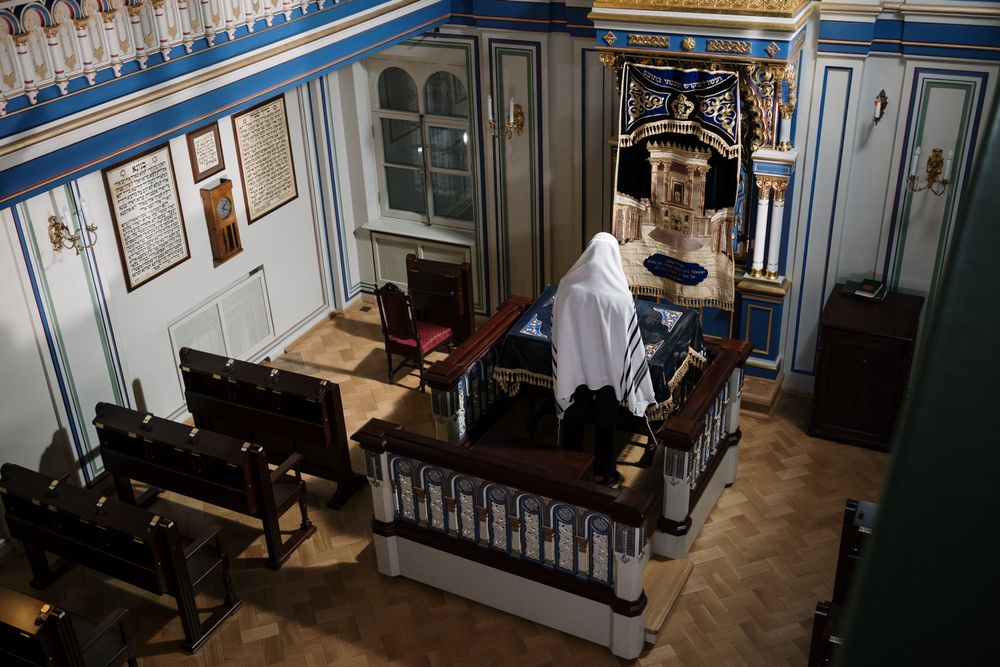
Traces of Memory, the permanent exhibition of this museum on Dajwór Street in Kazimierz, shows in colour photographs what remains of Jewish…