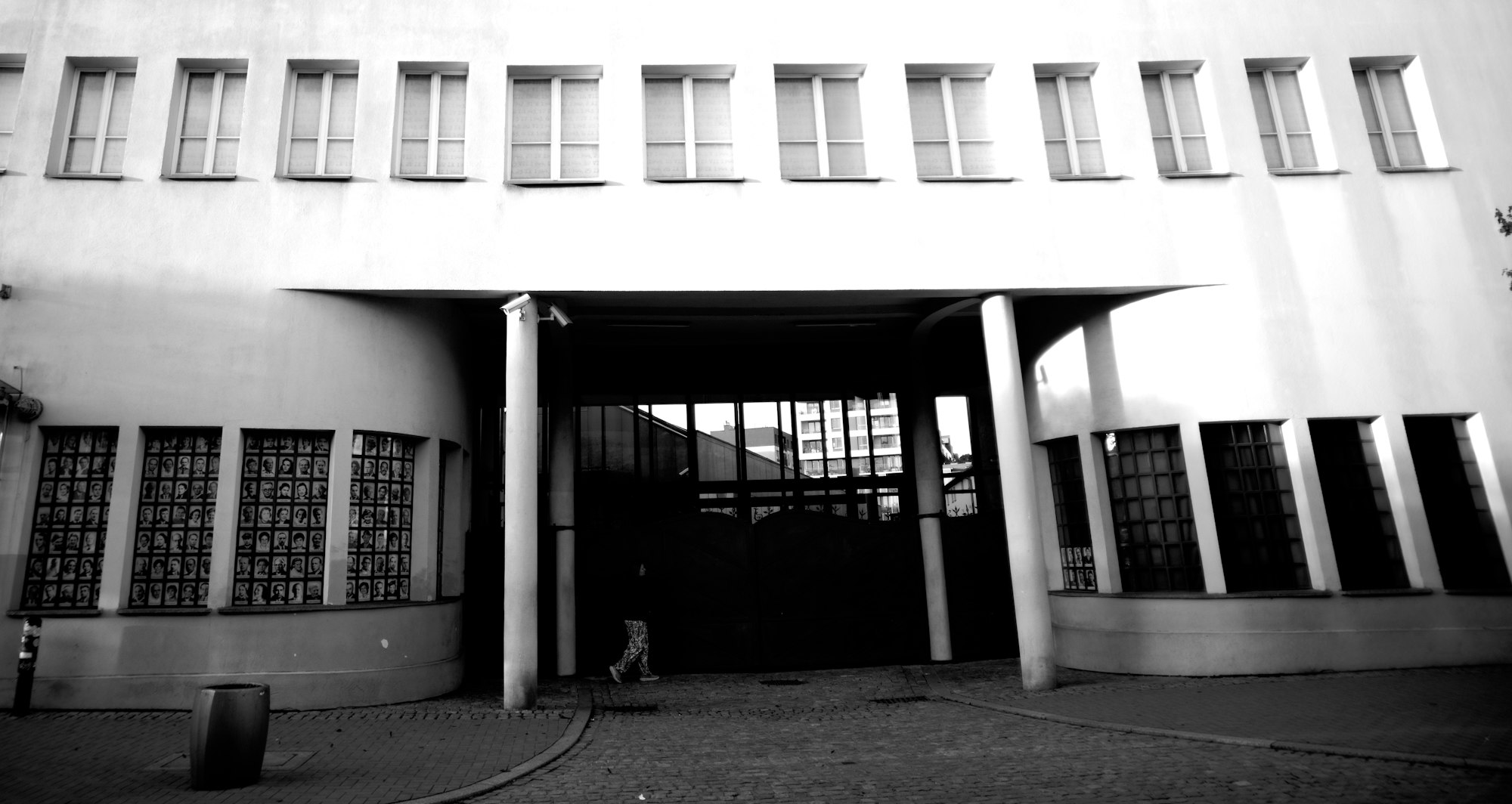
Ninety seconds on Oskar Schindler's Enamel Factory
One factory building in Kraków tells two stories you should see together: the city under German occupation, room by room, and Oskar Schindler, who saved over a thousand people.
The permanent exhibition, Kraków under Nazi Occupation, fills the factory's former administrative building. It is the story of the city's Polish and Jewish residents during the war.
Most of it is built to walk through. You go down recreated cobbled streets, look into a photographer's shop and sit in a vintage tram while a film of everyday city life plays on its windows.
In the ghetto section the streets turn narrow and winding, and you step inside a typical Jewish apartment. Original objects, photographs taken in secret inside the ghetto and survivor testimony fill these rooms.
Schindler's office comes near the end, with a large photograph of him among his employees.
Beside it stands the Survivors' Ark, a wall built from thousands of enamelled pots like those his workers made in this factory.
Schindler's factory is entered by a door on Lipowa Street that opens straight onto the box office. Beside it, a small reception has a cloakroom and free lockers for backpacks and large bags; small bags can go in with you.
Entry is by timed slot, so arrive early enough to use the lockers and toilets first. From there you walk the route through the recreated streets, the tram and the ghetto.
Give most of your time to the rooms before the office: the streets, the tram and the ghetto explain why the office matters. Five stamping machines along the way mark key points in the city's wartime history, and you can take a commemorative stamp from each.
Eating, drinking and phone calls are not allowed inside. Photography is allowed without flash or a tripod, except in rooms signed otherwise.
The museum runs English-language guided tours from Tuesday to Sunday at 10am, noon and 4pm; check availability on its website or at the ticket office. The guide fee is paid on top of the admission ticket.
A guide suits a first visit, because the rooms are dense with detail that is easy to miss. An outside guide may lead you only with a permit issued by the museum, so book one who holds it.
Buy online when you can: tickets go on sale 90 days ahead, numbers are limited, and each is issued in your name. Bring an original passport, national ID card or driving licence, because you must show it on the day. The material is harrowing, and the museum is not suitable for all children.
Mondays are free, but free tickets are limited and cannot be booked ahead, so you get yours at the museum on the day.
Your ticket also admits you to two other museum branches, the Eagle Pharmacy and Pomorska Street, within seven days of the date on it.
Explore the rest of Kraków

The royal residence on a limestone hill above the Vistula, rebuilt in the early sixteenth century around an arcaded Renaissance courtyard.…
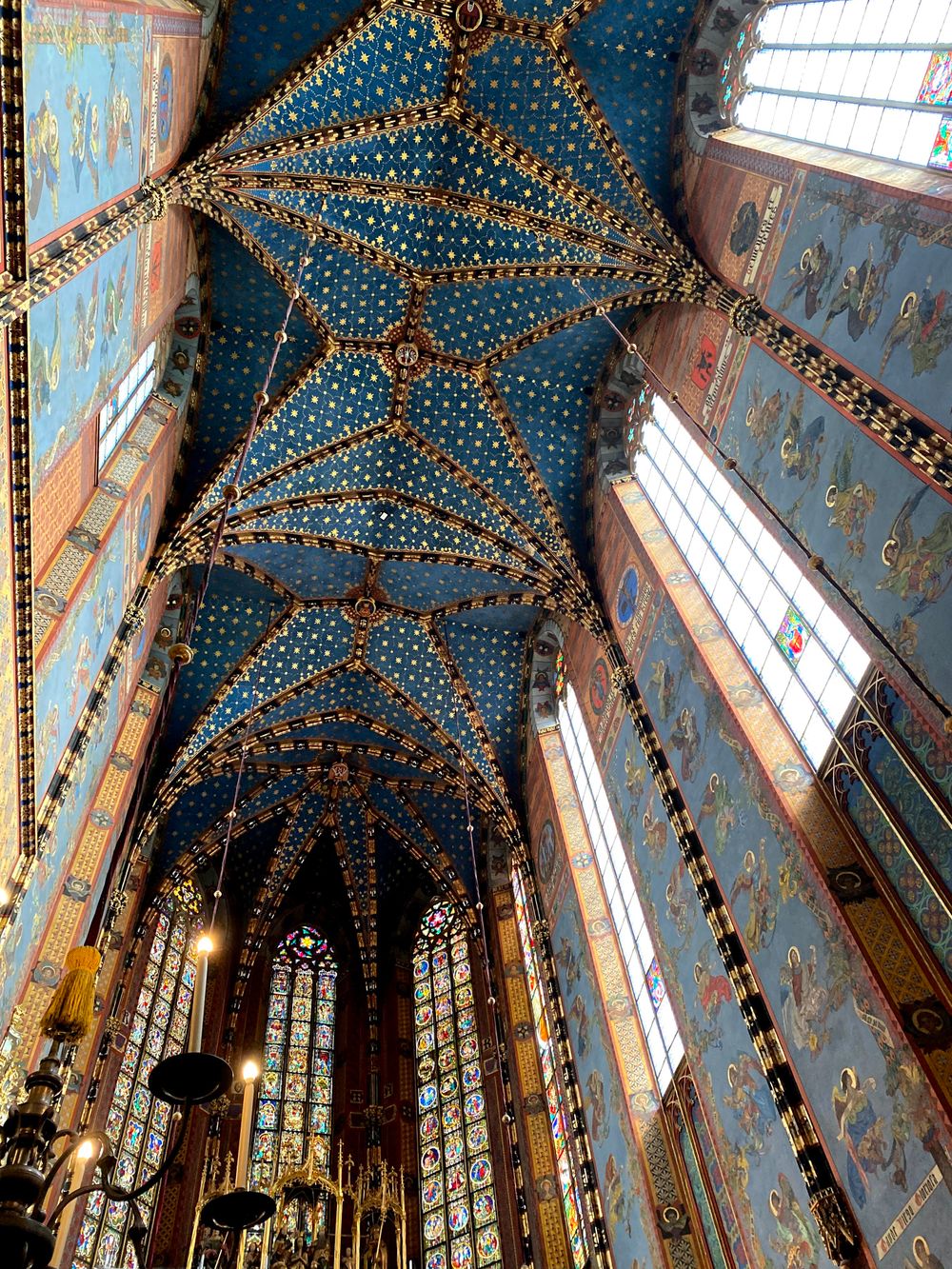
A brick Gothic church with two unequal towers on the corner of the square. Its carved limewood altarpiece, twelve years' work by the…
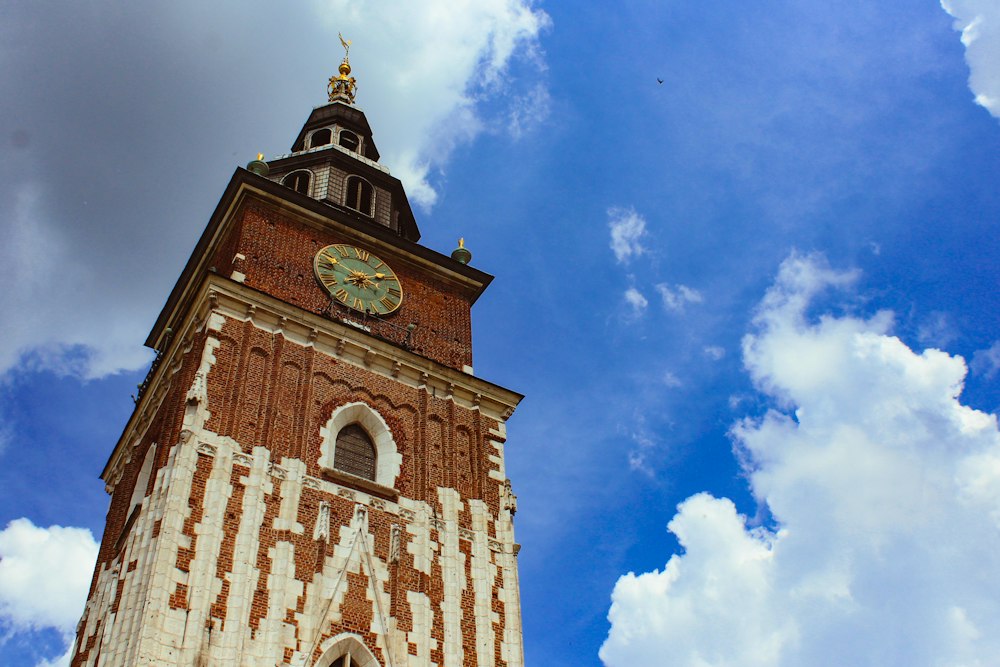
Laid out in 1257 as the town was rebuilt after the Mongol invasion, and at about two hundred metres a side one of the largest medieval…