Ninety seconds on the Bucegi Sphinx
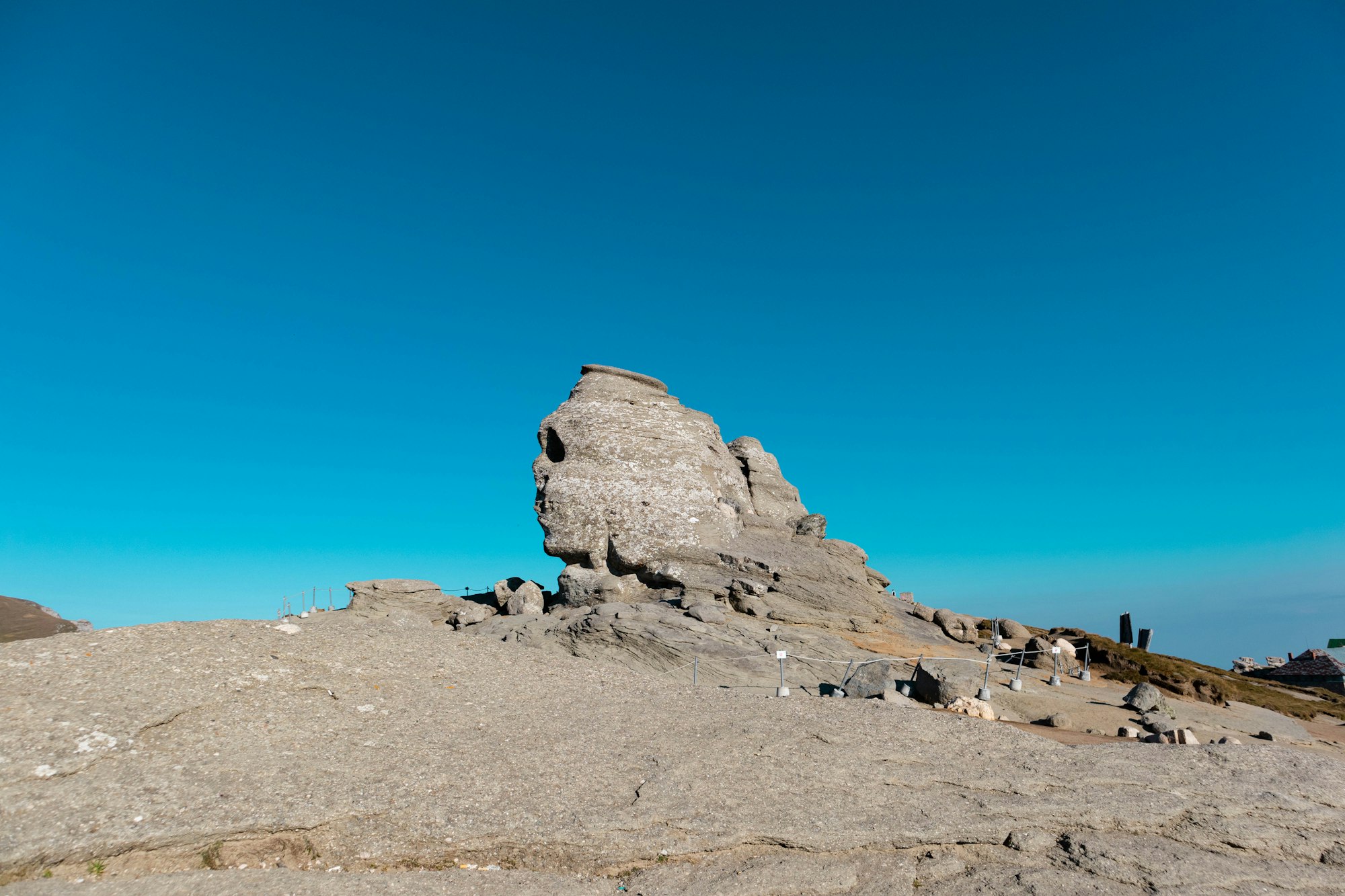
Bușteni's cable car lifts you onto a high plateau where erosion has worn the rock into strange shapes. Walk round the Sphinx to its west side and a human head appears in the stone.
From most angles the Sphinx is a shapeless block of conglomerate, about 8 metres high and 12 wide. The head shows only in profile, which is the view that made it famous. Walk round it slowly, because the outline comes together from one direction only.
It was named after the Great Sphinx of Giza only in 1936. A few minutes back towards the top station stand the Babele, a group of mushroom-shaped rocks, and the two are the reason most visitors ride up.
Water running over the gently sloping plateau cut grooves along the rock's natural layers, and frost prised fragments apart as it froze. Softer layers wore away faster than harder ones, leaving the Babele on narrow stems.
From the ticket office at the bottom station in Bușteni, buy your ticket, check the board for delays, then join the queue. The cabin takes about thirteen minutes to reach Babele, and you step out onto the open plateau at the top station.
See the Babele rocks first, then carry on a few dozen metres to the Sphinx and circle it to the west side for the face. Photographs are welcome, but keep your hands off the rock.
From Babele a second cable car runs down to the Ialomița Cave if you want to make a day of it.
Check the last cabin down before you ride up: in winter the line closes at a quarter to four. The plateau sits at about 2,200 metres, so bring a windproof jacket whatever the weather in town. Keep a fallback ready, such as the easier walk to Urlătoarea Waterfall, in case the cable car is not running.
If you climb from the valley instead, set out at first light to stay ahead of the afternoon fog and the crowds. Wear proper boots, because the trail is rocky and loose. The route up by Jepii Mici and Caraiman is closed in winter, so ride up then.
Around Bușteni
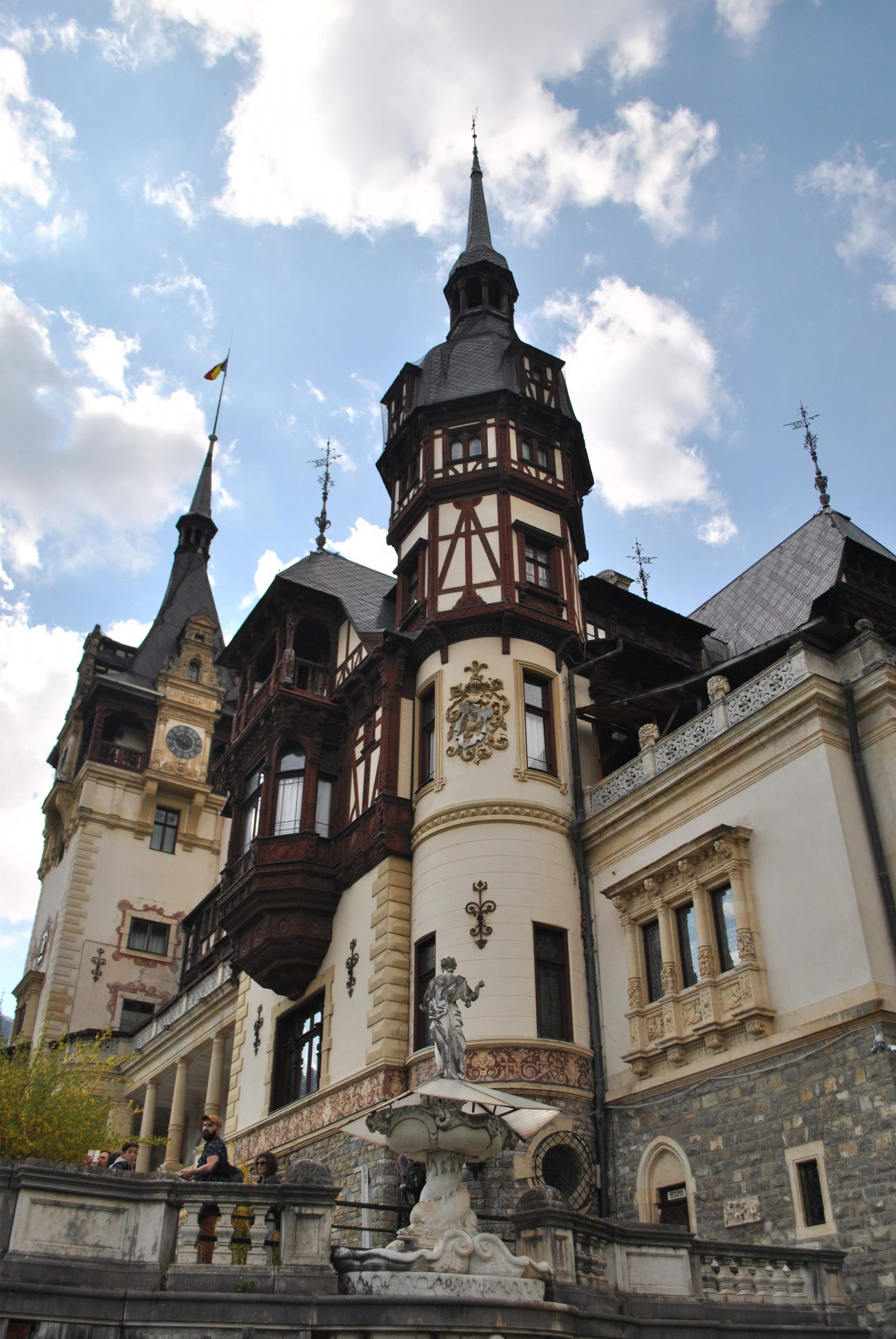
The summer residence of the country's first king, finished in 1883 and extended to 1914, in a German Renaissance style with a theatre, a…
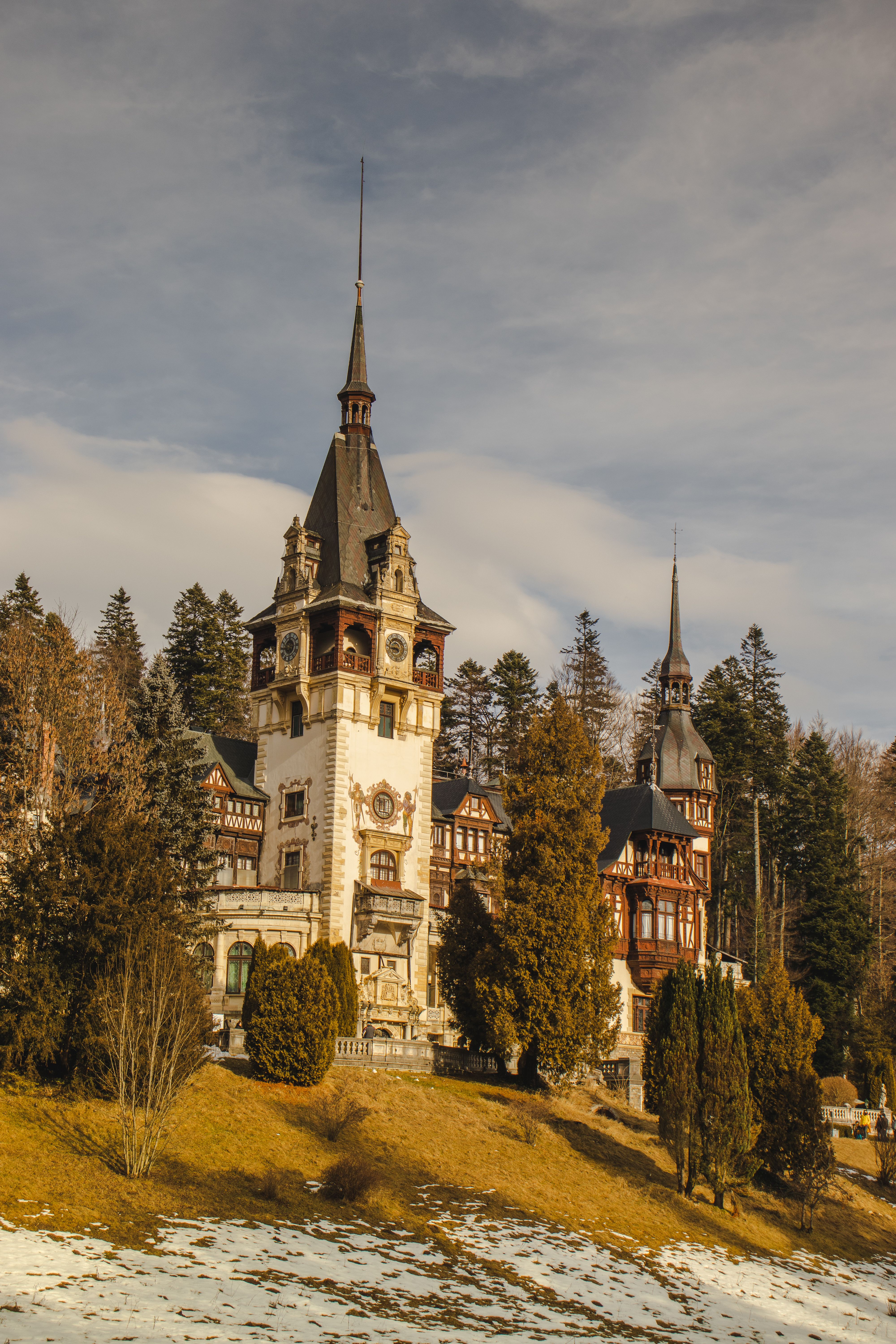
A mountain resort in the Prahova valley that grew around a monastery and then around a king. The first King Carol built his summer palace…
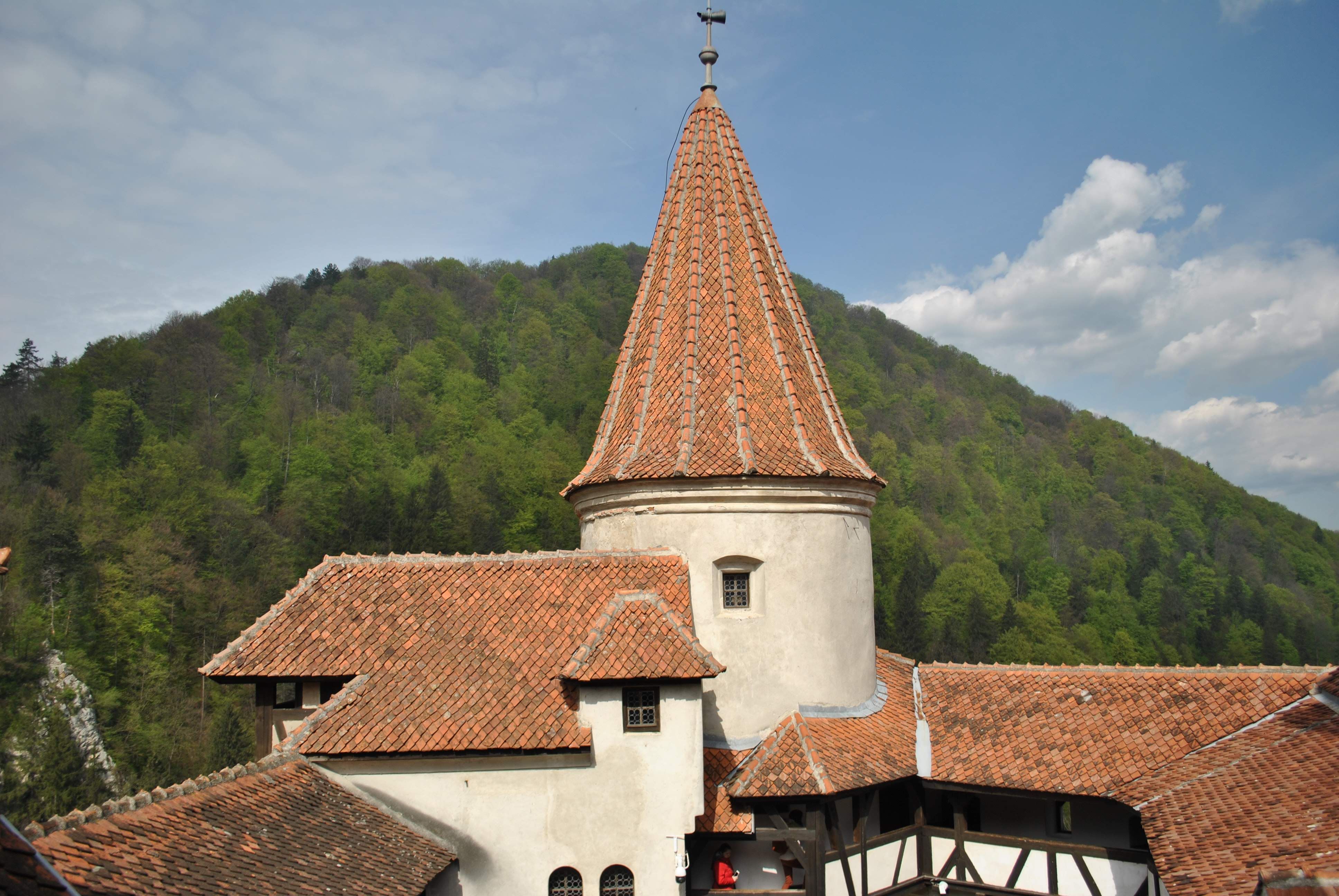
A village at the mouth of the pass between Transylvania and Wallachia, with a customs castle on a rock above the road. It is the most…