 Submit a photo
Ninety seconds on Ljubljana Cathedral
As of 2026, sightseeing runs from 11:00 to 18:00 on most days, but only from 14:00 on Tuesdays, and on Sundays in two short afternoon windows. On the first Friday and Saturday of each month the cathedral closes to tours for part of the afternoon. Last entry is at 18:00, and events in the cathedral can change the hours at short notice.
Mass is said six times a day from Monday to Saturday, as of 2026, at 6:00, 7:00, 8:00, 9:00, 10:30 and 18:30. Sundays and national holidays add more, with services at 6:30, 8:00, 9:00, 10:30, 11:30, 12:30, 16:00 and 18:30.
Two sculptors, Tone Demšar and Mirsad Begić. The doors were cast for Pope John Paul II's first visit to Slovenia on 16 May 1996. Demšar's main door is a relief of Slovene history, made for 1,250 years of Christianity in the country, and Begić's side door carries portraits of the bishops.
Giulio Quaglio, in two campaigns, from 1703 to 1706 and again from 1721 to 1723. The dome above the crossing came much later. Until 1841 there was only a dome painted onto the vault, and when a real one was built, Matevž Langus painted it in 1843 and 1844.
An instrument by Ivan Milavec, built in 1911. It stands in a far older setting: the great choir loft went up in 1718, and the carved Baroque organ case on it, the work of Henrik Mihael Löhr, dates from 1734.
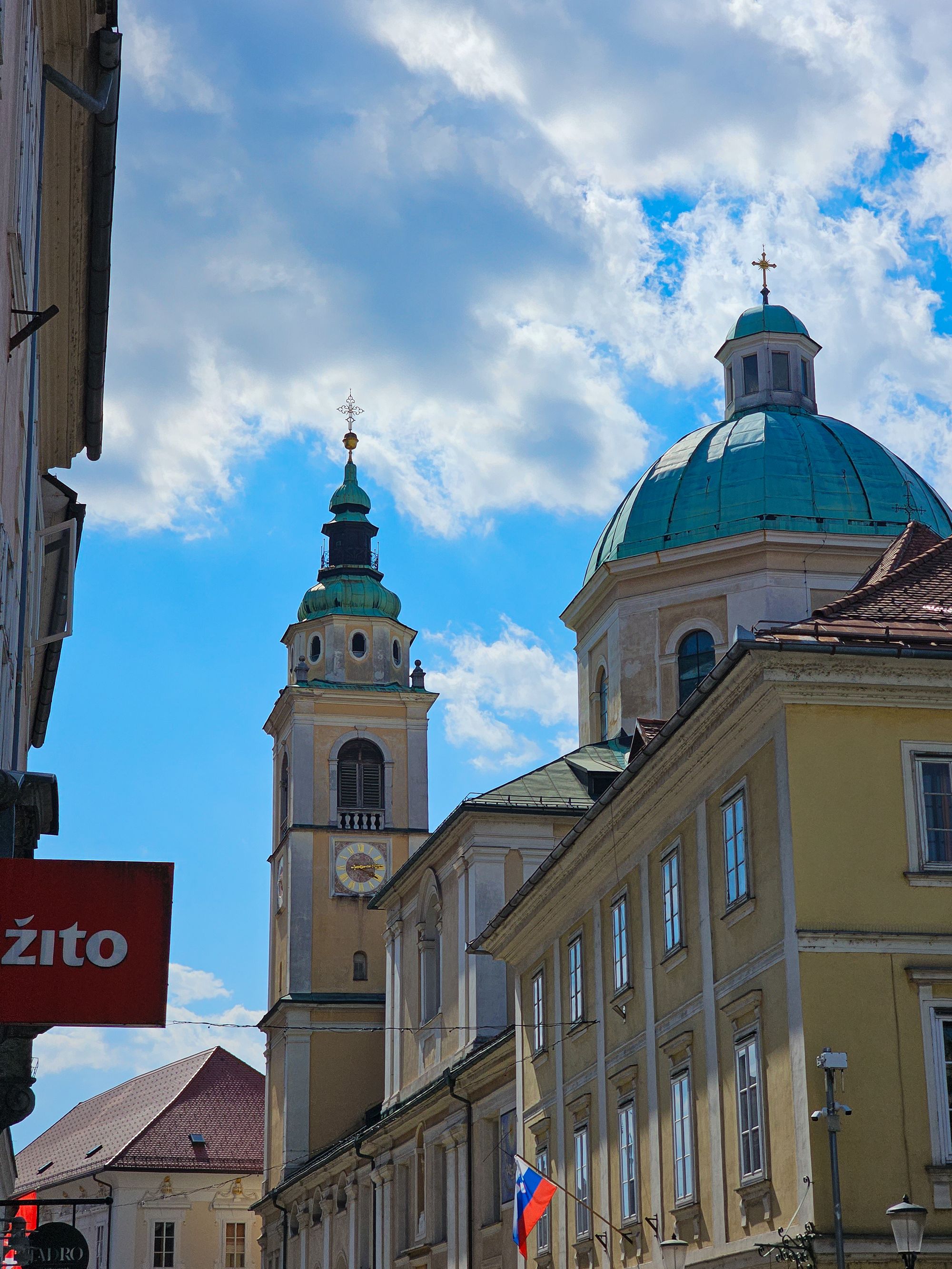
Between Masses, step in off Cyril and Methodius Square and look up: Baroque fresco covers the ceiling and every side chapel, and the bronze doors outside tell Slovenia's story.
Two bronze doors give the cathedral its first surprise. The front door, under the twin bell towers with their gilded apples, carries Tone Demšar's relief of Slovene history. The side door is Mirsad Begić's, cast with portraits of the twentieth-century bishops of Ljubljana.
Both doors were cast in 1996 for the Pope's visit. On the south wall is a sundial carrying the Latin motto Nescitis diem neque horam: you know neither the day nor the hour.
Inside, the nave ceiling and the half dozen side chapels are covered in Baroque fresco and painting. The ceiling frescoes are the work of Giulio Quaglio, and they fill the vault from end to end.
Stand at the crossing and look up into the octagonal dome. It replaced a dome that had only ever been painted on, and Matevž Langus filled the real one with the Holy Spirit and angels.
The visit works from the outside in: circle the church first, from the front door under the bell towers to the side door and the sundial on the south wall. Inside, walk up the nave with your head tipped back, take the side chapels one at a time, and finish under the dome.
Mass is said many times a day, from early morning into the evening. Come in a gap between services, when no Mass is under way and you can walk round freely.
Cover your shoulders and knees, since a service may be starting as you arrive, and keep your voice low once inside. For the quietest visit, come in the afternoon gap between Masses, when the morning services are over.
Allow time for the chapels rather than the nave alone: each one is painted, and they are easy to walk past on the way to the dome. Ljubljana Central Market stands beside the cathedral on the same square, so walk on to its stalls when you come out.
Explore the rest of Ljubljana
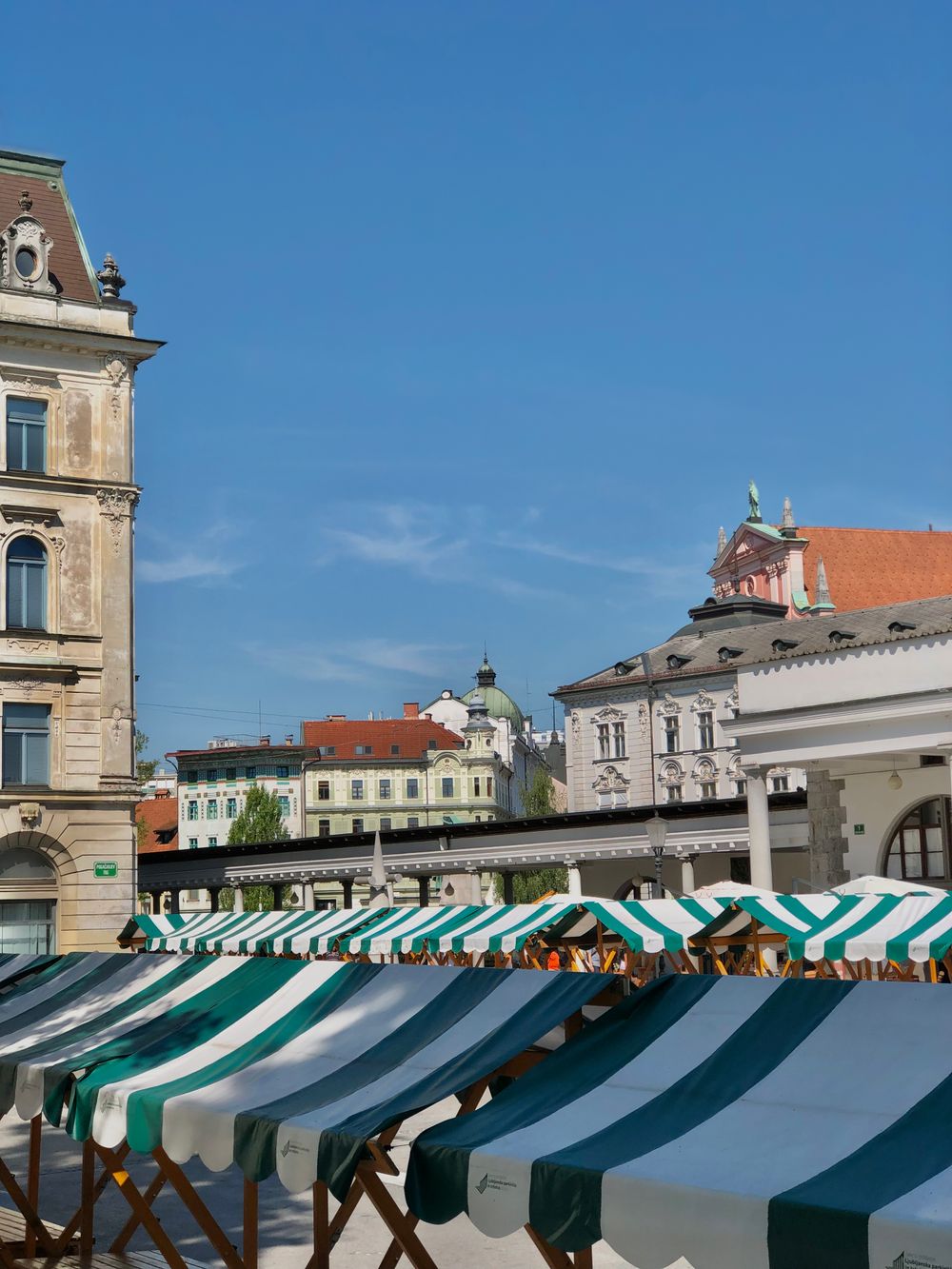
Plečnik’s two-storey market halls follow the curve of the Ljubljanica between the Triple Bridge and the Dragon Bridge, with a fish market…
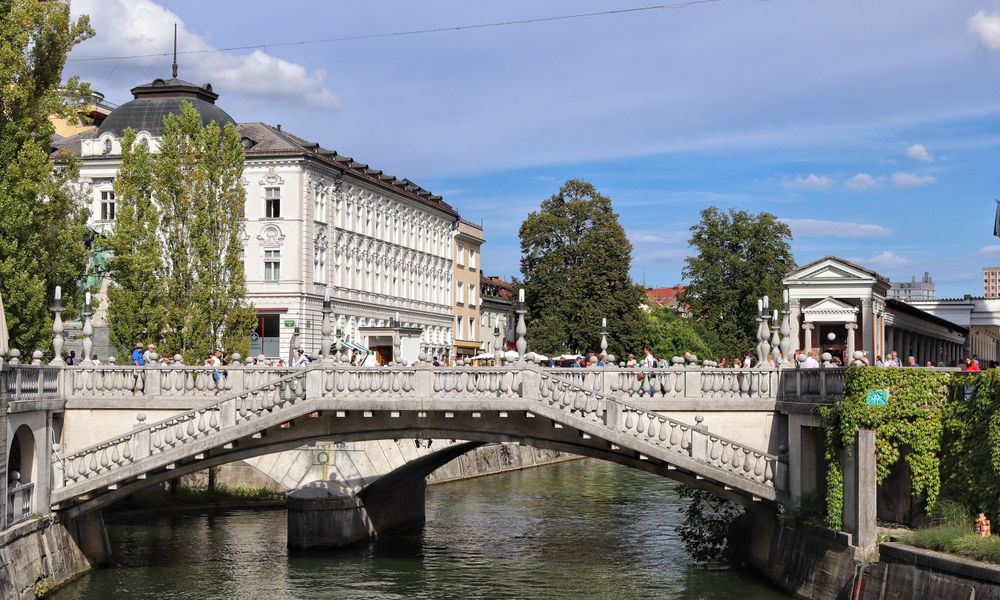
Three bridges cross the Ljubljanica side by side between Prešeren Square and the old town, the two outer spans set at an angle to the one…
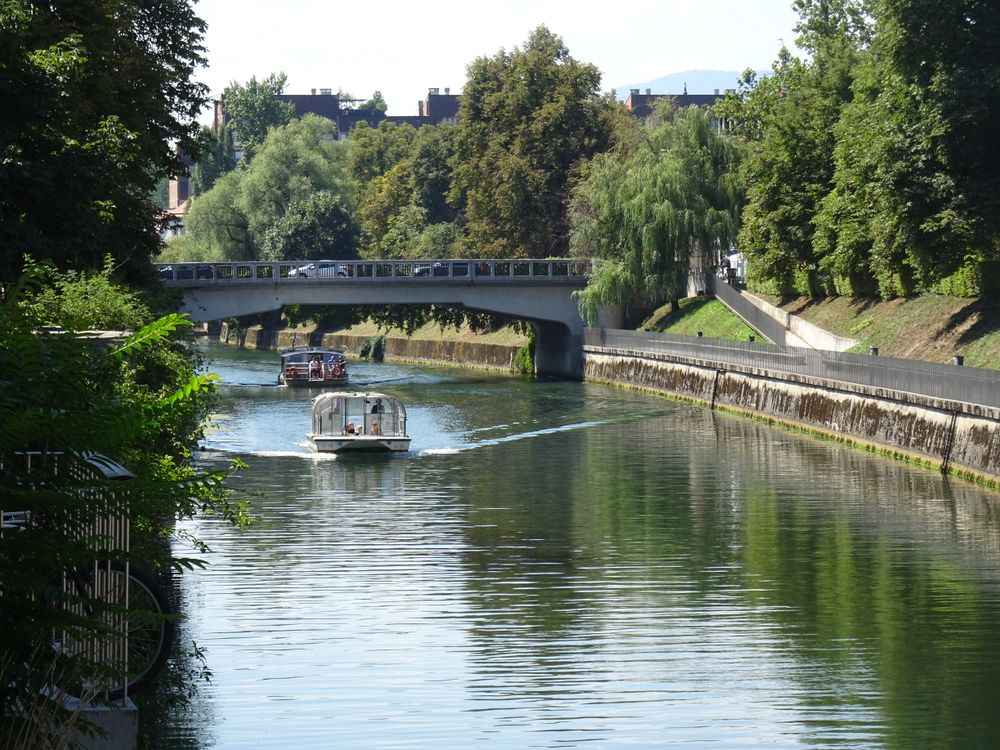
Tourist boats leave the pier at Ribji trg for a trip on the Ljubljanica between Špica and the Dragon Bridge, passing under the Triple…
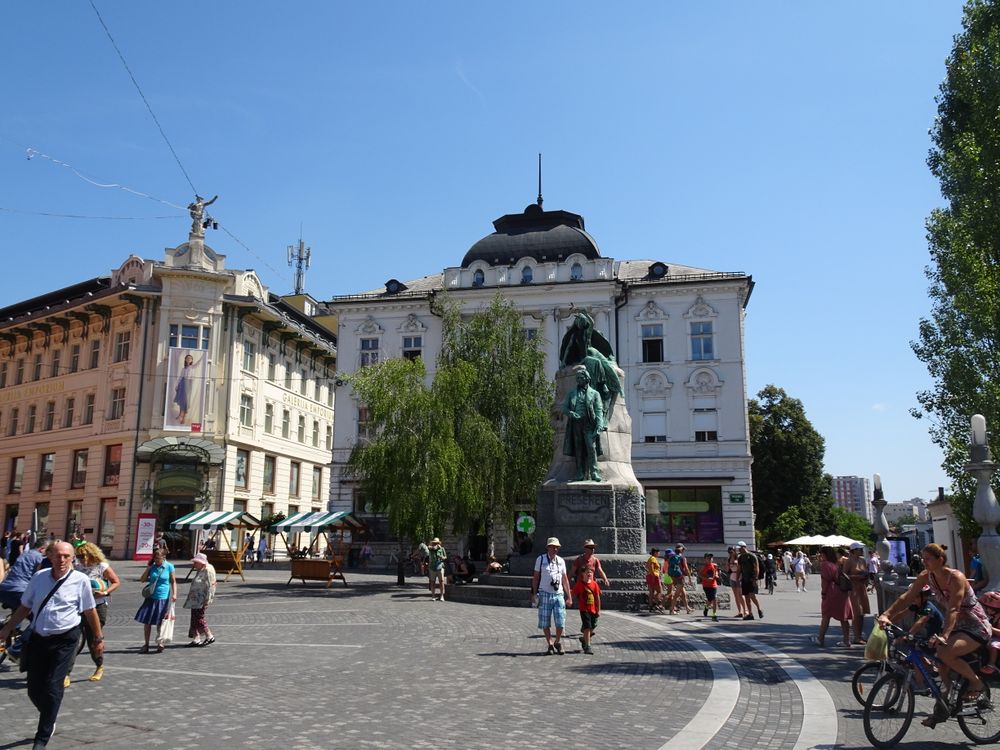
France Prešeren's monument, with the muse of poetry above him, stands at the centre of this Ljubljana square and faces a statue of Julija…
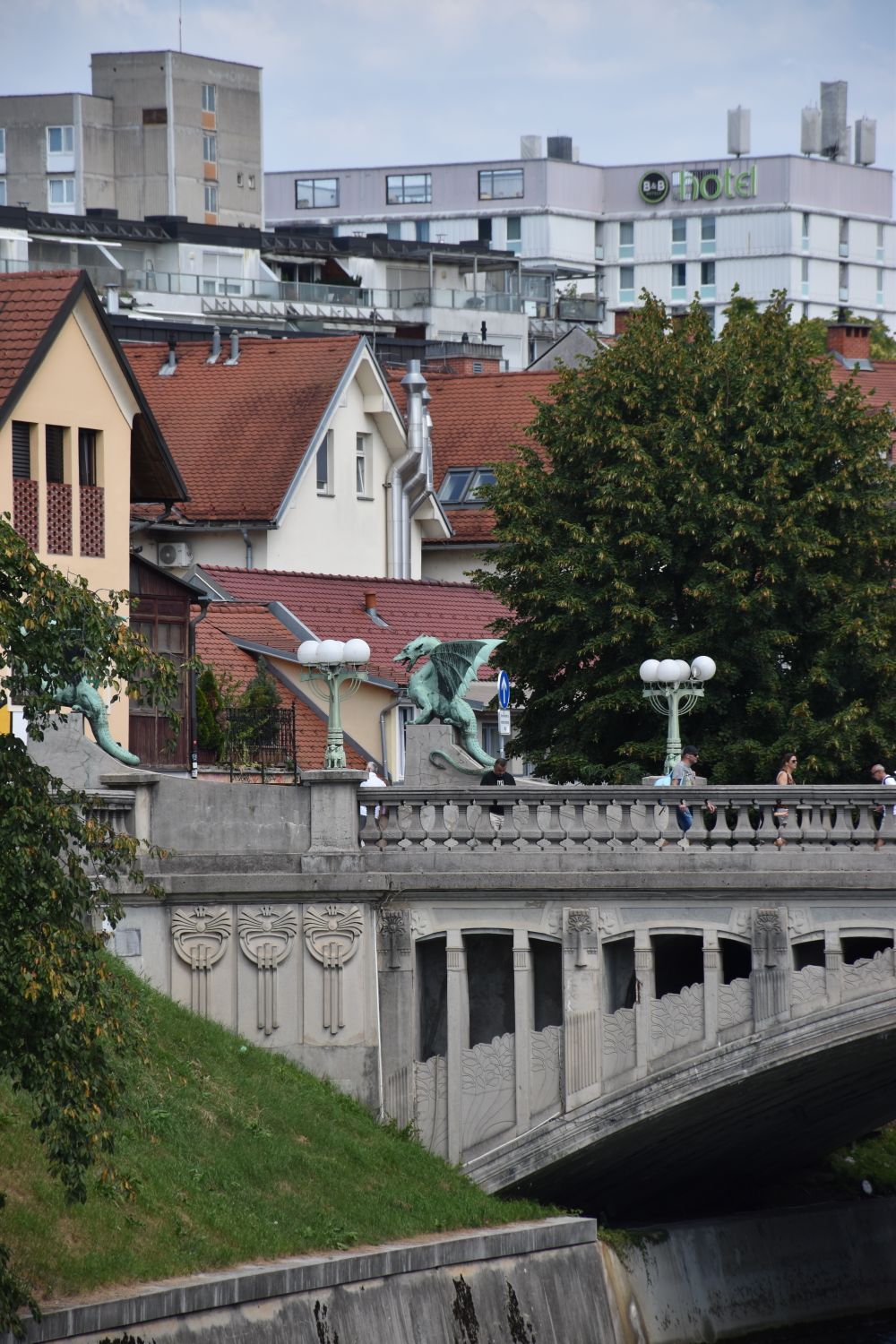
Copper dragons stand on plinths at the corners of a reinforced concrete arch that was one of the earliest of its kind in Europe and still…
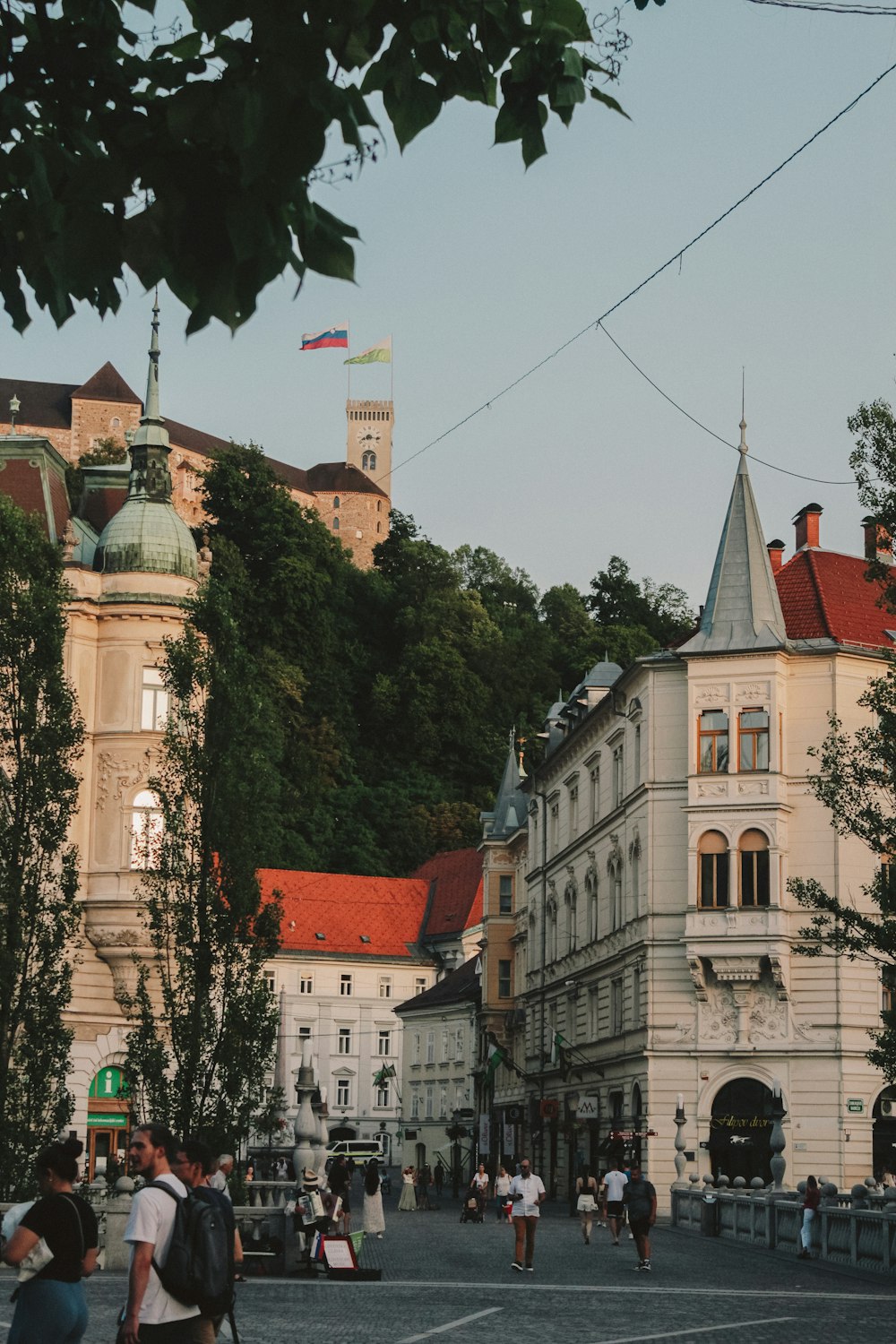
A castle on the hill above Ljubljana's old town, reached by a funicular from Krekov trg or on the footpaths up Castle Hill. The present…
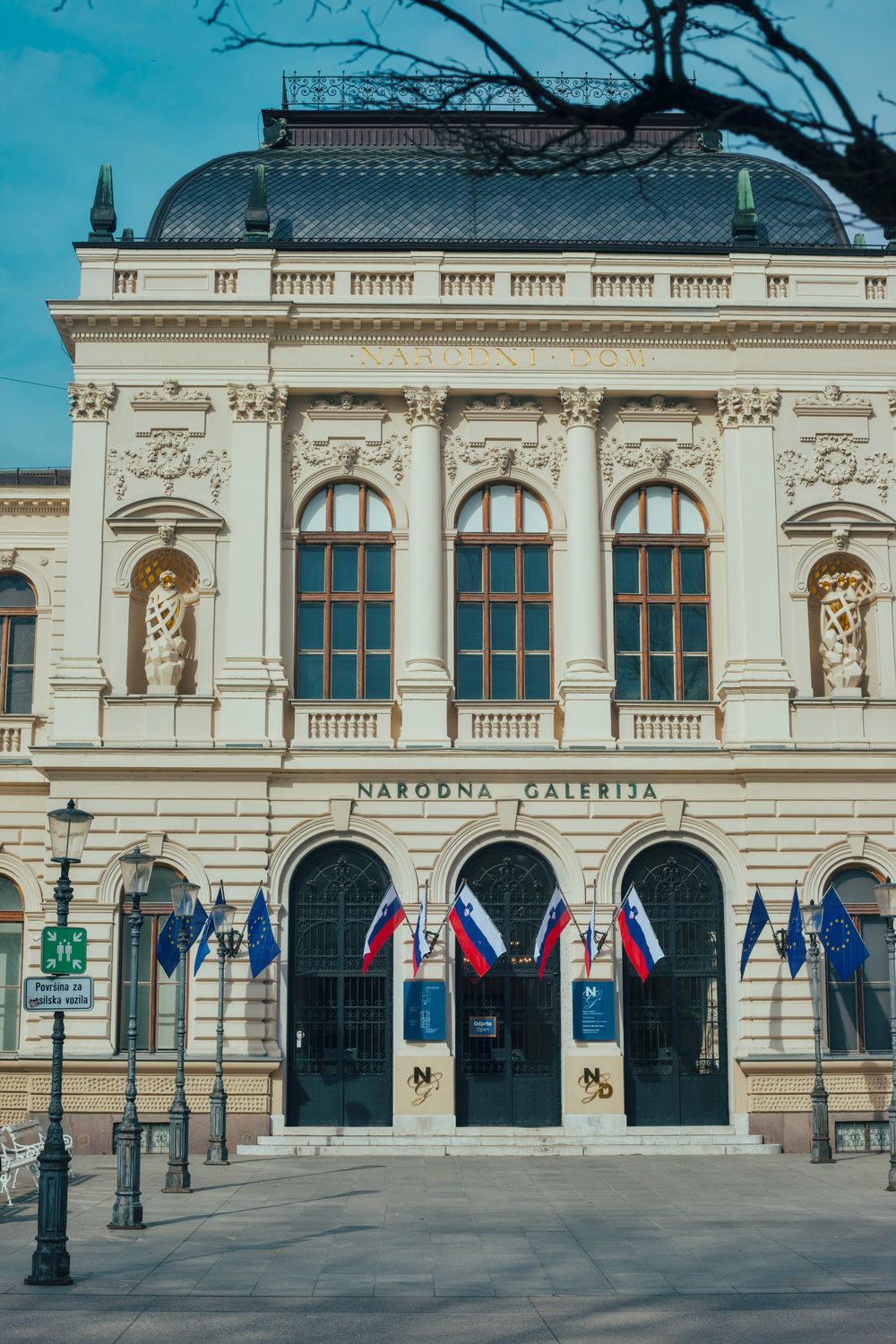
The National Gallery of Slovenia holds the country's largest collection of fine art from the High Middle Ages to the 20th century, in a…
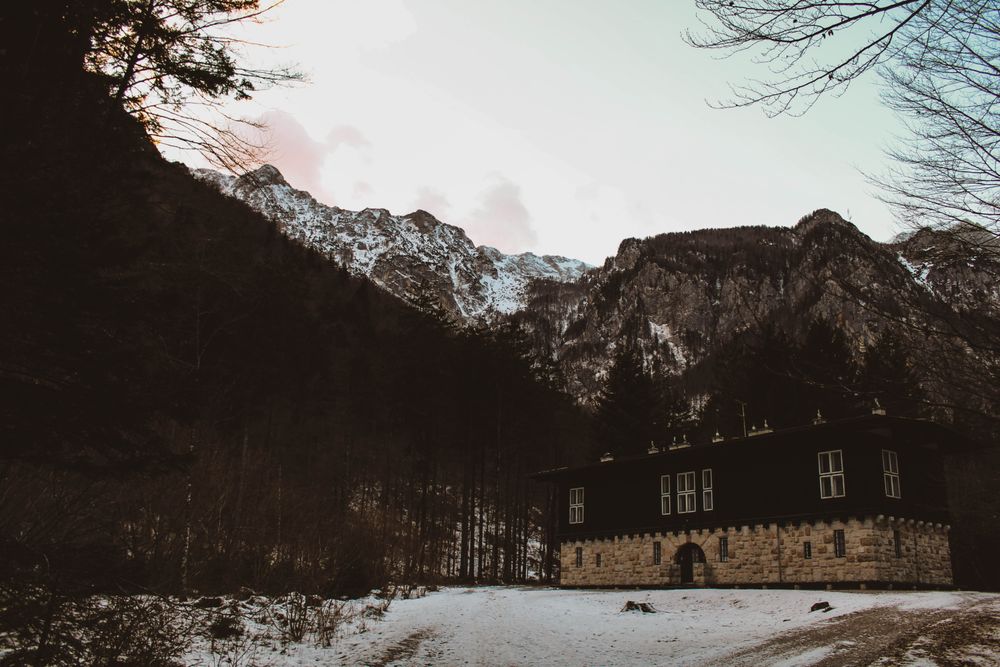
The Kamniška Bistrica river rises at the head of this valley in the Kamnik-Savinja Alps, beside a mountain lodge about 14 km from Kamnik…
Last updated