Globe Countries Cities Dispatches About Get the App
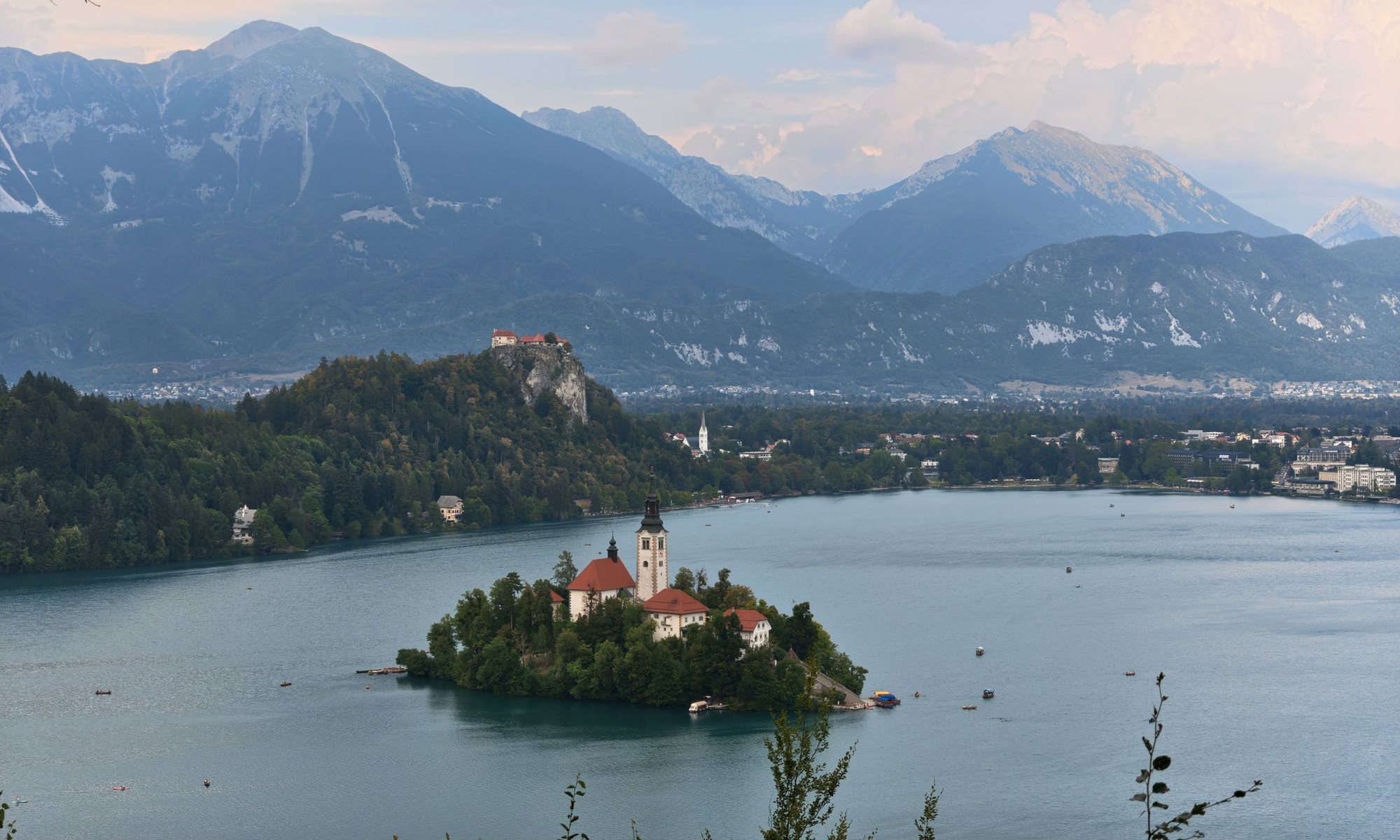
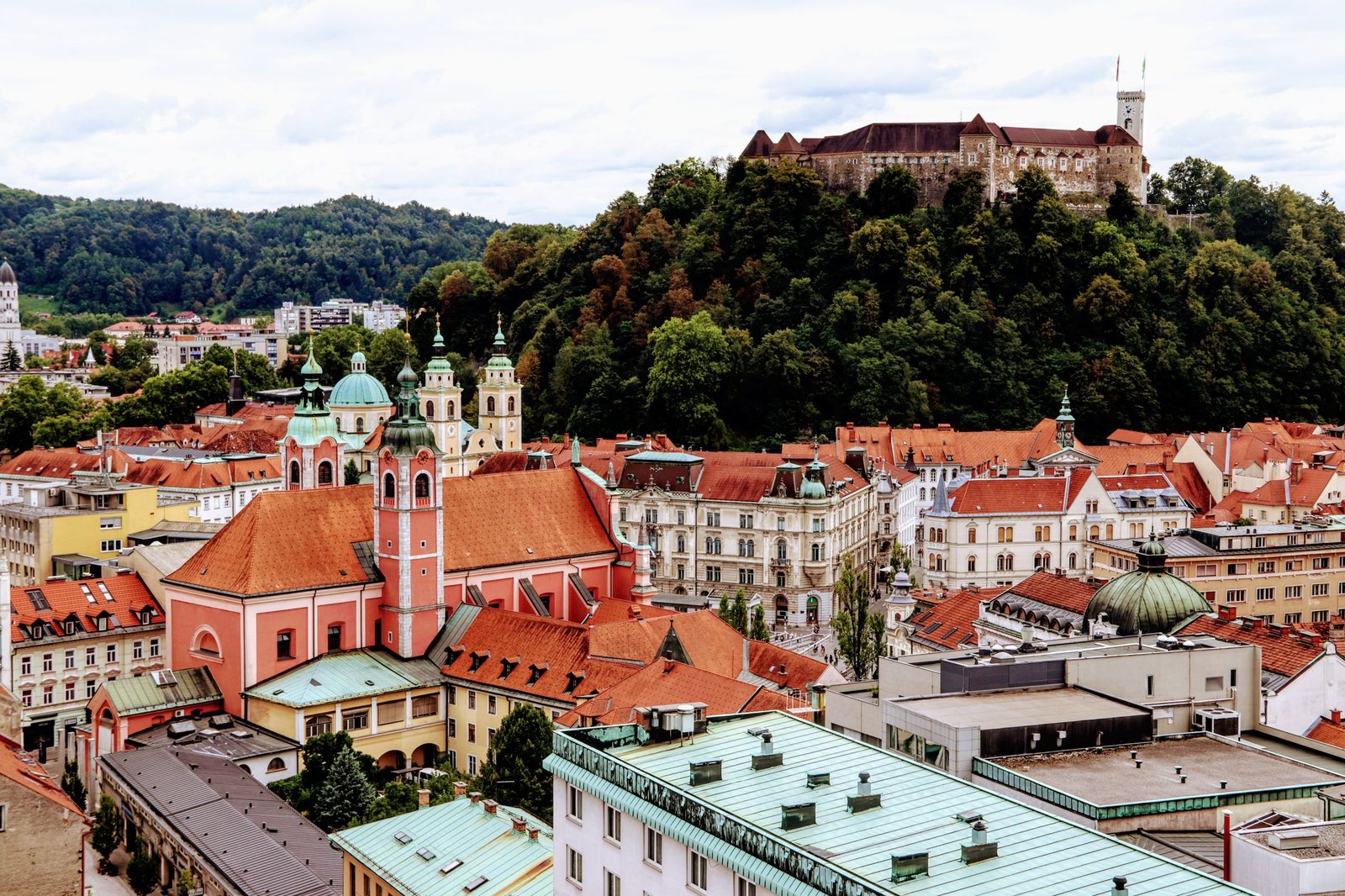
Lake Bled from the hills above its southern shore, the island church on its wooded islet and the castle on its crag, with the Julian Alps behind
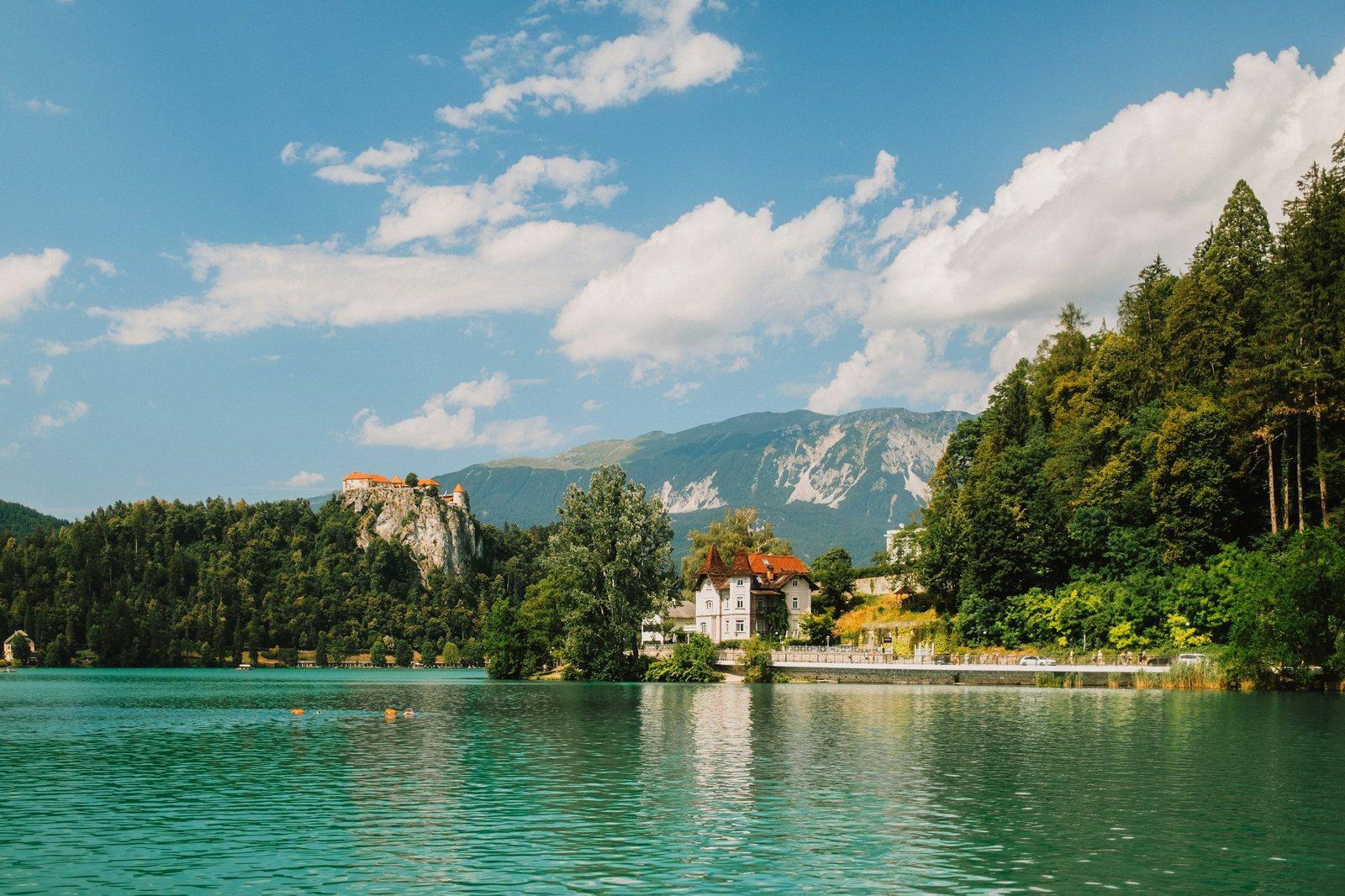
Lake Bled, the island church and the castle · the pletna boats to the island leave from the promenade and from Mlino on the southern shore
Country brief · 46.1512°N 14.9955°E

Slovenia

Alps, caves and a strip of Adriatic, none of them more than a morning from the capital.

How long
A weekten days adds the east or the Logar Valley
Getting around
A car, with an e-vignettebuses thin out beyond the main routes
When
May, June, SeptemberJuly and August crowd Bled and Postojna
Language
Slovene74 percent of adults use English
Money
The eurosome mountain huts take cash only
Airports
Ljubljana, or a neighbourVenice, Trieste, Zagreb and Graz all serve it
How long

How many days do you need in Slovenia?

A week covers Ljubljana, Bled and Bohinj, the Soča valley, the Karst caves and the coast, with two changes of base. The distances are short: Ljubljana to Bled is under an hour by road and the capital to Piran about an hour and a half. Ten days adds the east, Ptuj and Maribor, or the Logar Valley, and leaves room in the Alps, where the weather decides which days the high routes and the Vršič pass are worth attempting.

Getting around

Do you need a car in Slovenia?

For the Soča valley, the Karst and the Logar Valley, yes: buses thin out sharply away from the main routes and outside the summer timetable. Every car on the motorways needs an e-vignette, bought online from the operator DARS before joining and tied to the number plate, and the Karawanks tunnel to Austria carries a toll of its own. Trains link Ljubljana with Maribor, Koper and Jesenice, and the direct bus is the easier way to Bled, whose station sits four kilometres from the lake.

When

When is the best time to visit Slovenia?

May, June and September give the lakes, the rivers and the trails without the July and August crowds at Bled and Postojna. The Soča runs high with snowmelt in spring, and the rafting season runs roughly from April to October. The Vršič road and the high huts open in late spring and close with the first heavy snow, and the Vintgar boardwalk shuts through winter. Lake Cerknica runs the other way: usually full from late autumn to spring, and often a meadow by August.

Language

Is English widely spoken in Slovenia?

Widely. The national statistics office reports that 74 percent of adults understand or use English and 96 percent at least one foreign language, and English is routine in hotels, on tours and among younger Slovenes across the country. Slovene is the national language. Italian is co-official in the coastal municipalities, which is why Koper, Izola and Piran carry bilingual street signs, and Hungarian is co-official along the border in Prekmurje.

Money

What currency does Slovenia use?

The euro, since 2007. Cards are taken in hotels, restaurants and most shops, and contactless payment is standard in the towns. Cash still matters in the mountains and the countryside: some huts in the Julian Alps take cash only, as do some tourist farms and small village guesthouses. Cash machines are easy to find in every town this page covers.

Airports

Where do you fly into Slovenia?

Ljubljana Jože Pučnik Airport at Brnik, 24 kilometres north of the capital, is the only large airport in the country and handled about 1.6 million passengers in 2025. Slovenia has had no national airline since Adria Airways collapsed in 2019, so the route map is thin and many trips start in a neighbouring country: Venice or Trieste for the coast and the Soča valley, Zagreb for Novo Mesto and the southeast, Graz for Maribor and Ptuj.
Why you should visit

Ninety seconds on the country

Slovenia fits the Julian Alps, a karst plateau riddled with caves, a short stretch of Adriatic coast and the edge of the Pannonian plain into a country smaller than Wales. From the mountains to the sea is under two hours by motorway, so a first trip can take in all four with two changes of base.

More than half the country is forest, and much of what matters is protected. Triglav National Park covers most of the Julian Alps, and UNESCO lists the Škocjan Caves, the mercury mine at Idrija and the Ljubljana of the architect Jože Plečnik.

Bled and Postojna take most of the visitors, and both repay an early start. The case for the rest is how little effort they cost: the Soča valley at Bovec and Kobarid, the lake at Cerknica that drains away most summers, and the Logar Valley above Solčava are all within a morning of the capital and far quieter.

The east is the least visited part and the easiest to like. Ptuj has the longest recorded history of any town in the country, Maribor grows a vine planted more than four centuries ago, and the wine roads above both run through hills most itineraries never reach.

Five Ways to Travel It

Pick how you want to travel. The towns, the things to do and the map all change with it.

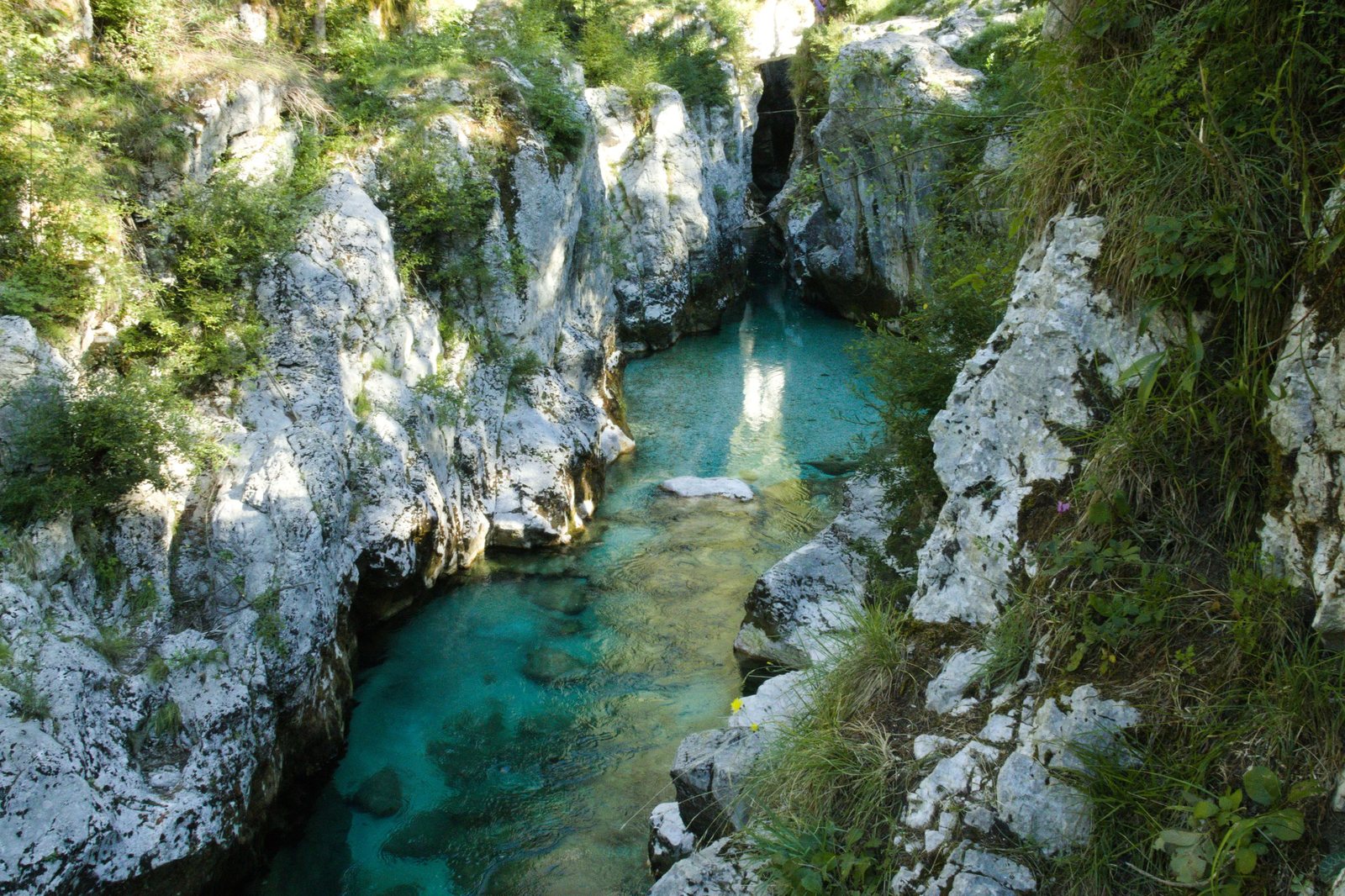
The Soča river running turquoise through a narrow white limestone gorge near Bovec, with trees on the rim
The Soča in its gorge near Bovec. The colour holds from the spring melt into autumn, and the water stays cold in every month.

Nature

The Best Places to Visit for Nature Travel in Slovenia

Water does most of the work. Bled and Bohinjska Bistrica hold the two Alpine lakes, Bovec and Kobarid the Soča and the falls on its side streams, and Solčava the Logar Valley, a glacial trough ending in a waterfall.

Underground is the other half. Around Divača the Škocjan Caves carry a river through a canyon in the dark, Cerknica sits beside a lake that fills and drains with the seasons, and Kamnik looks up at Velika Planina, a high pasture of shingle-roofed herders’ huts.

Plan the trip

Loading the map
View on globe

Last updated

Meridian Dispatch for iPhone

Start planning your trip
to Slovenia.

The places on this page are in the app, each with a verdict: why to go, how far from your hotel, how long to stay. Forward your confirmations and the days fill themselves in.